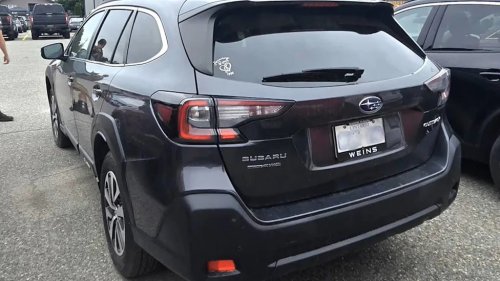
A 300,000+ mile Subaru Outback owner who’s been documenting how much of a workhorse her vehicle is discovered she needed a major repair while visiting a Georgia park. The Outback driver, who posts under the TikTok handle @driverthoughts0, commended her car’s temperature regulation system for lasting as long as it did. However, she was worried about the cost of the repair and where she’d be able to get it fixed on the road. She says the overheating woes aren’t exactly new. She previously replaced the thermostat. “Coming to you from Cloudland Canyon State Park today, Suby needs a new radiator. It’s overheated a couple of times now. We replaced the thermostat one time, took it to Subaru the second time. They said that they could not get the radiator cap to seal so we waited almost a week for a brand new cap,” she says. But the new thermostat only helped to keep her car’s engine from overheating for so long. Several months later, she said her radiator started giving her issues. “And it’s been quite a few months since it’s had this problem again. But keep in mind my car’s at 316,000 miles. So if an original radiator lasted 316,000 miles … I’m not mad about it. I just now have to figure out how to get it fixed and obviously not for the most expensive possible. Because I want to explore more state parks,” she says. How Much Does It Cost To Replace An Outback’s Radiator? YourMechanic estimates a new radiator for a 2019 Subaru Outback will cost $470: $302 for parts and $168 for labor. However, these estimates vary depending on the timeliness of the repairs, availability of parts, and where in the country the work is being performed. The site estimates that in Cloudland Canyon State Park, where her Outback’s radiator gave out, it could cost significantly more: $940. A Minnesota Subaru dealership states that a radiator repair can cost anywhere from “$300 to $700 or more” for parts and labor. How Long Do Car Radiators Usually Last? Urbs Garage, a service shop with multiple locations in Kentucky and Ohio, highlights how crucial a properly functioning radiator is to maintain engine temperature and prevent overheating. The company notes that the lifespan of radiators varies, typically from eight to 10 years. You can extend a radiator’s life with proper maintenance. Using proper coolant and regularly flushing and replacing it can help to ensure optimal operation. The lifespan of a radiator can also depend on the materials it’s made of. Many modern vehicles have plastic radiators. These may crack and turn brittle over time. Aluminum radiators, on the other hand, are more resistant to corrosion, but aren’t as durable as those made of copper-brass. Motor1 has reached out to @driverthoughts0 via TikTok direct message for further comment. We’ll update this if she responds. We want your opinion! What would you like to see on Motor1.com? Take our 3 minute survey. - The Motor1.com Team