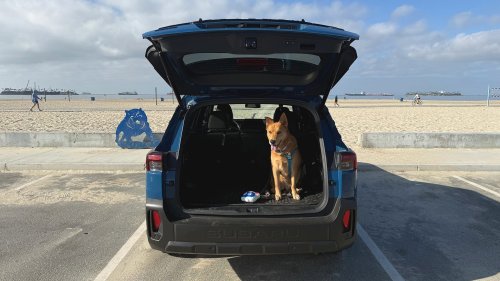
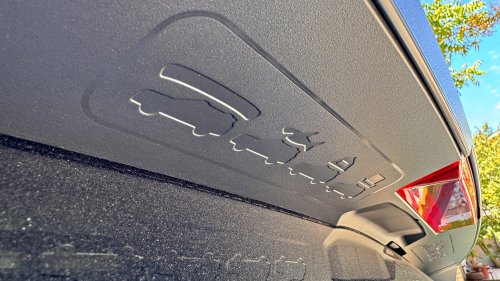
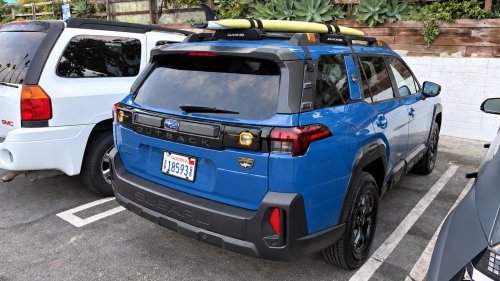
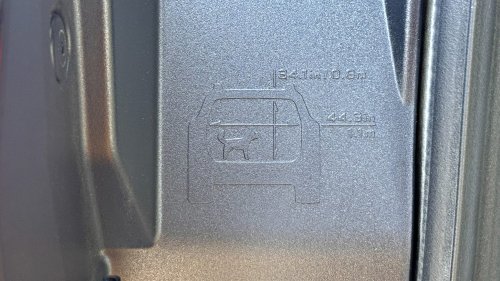
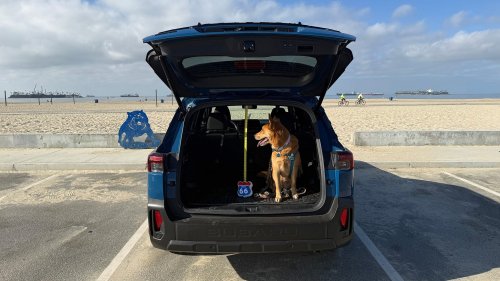
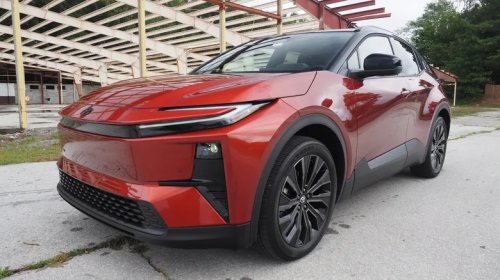
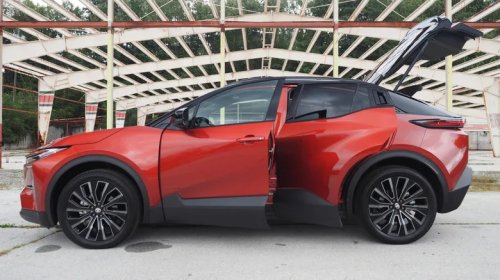
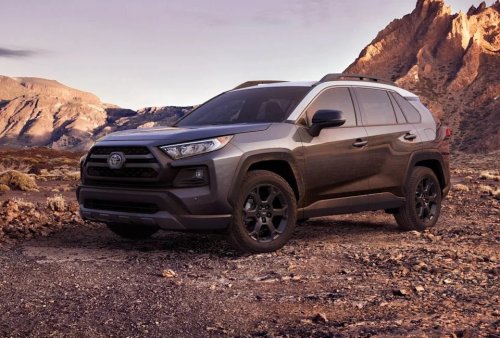
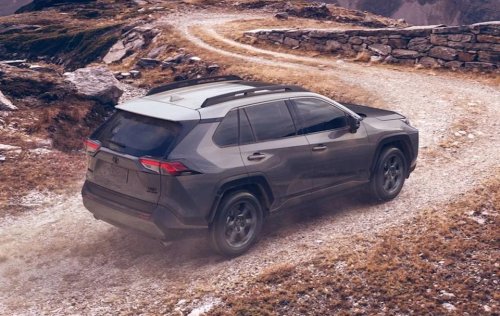
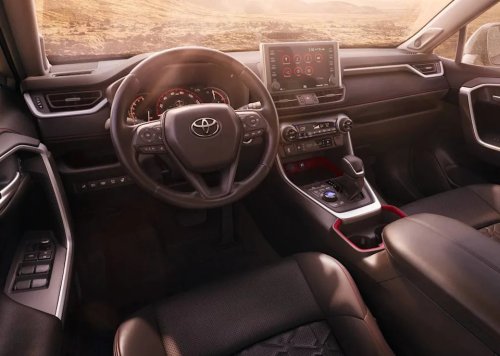
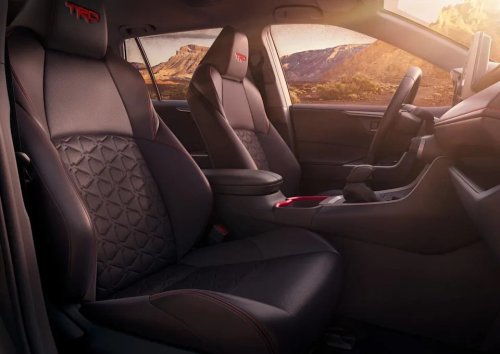
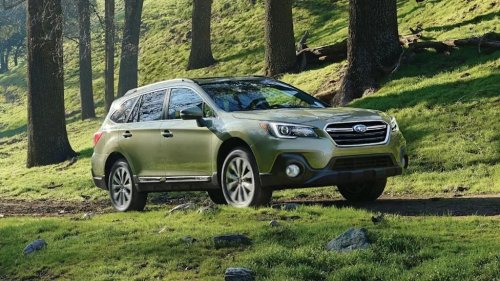
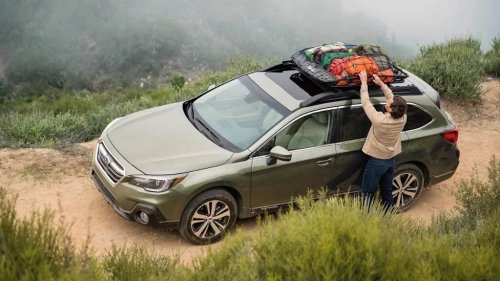
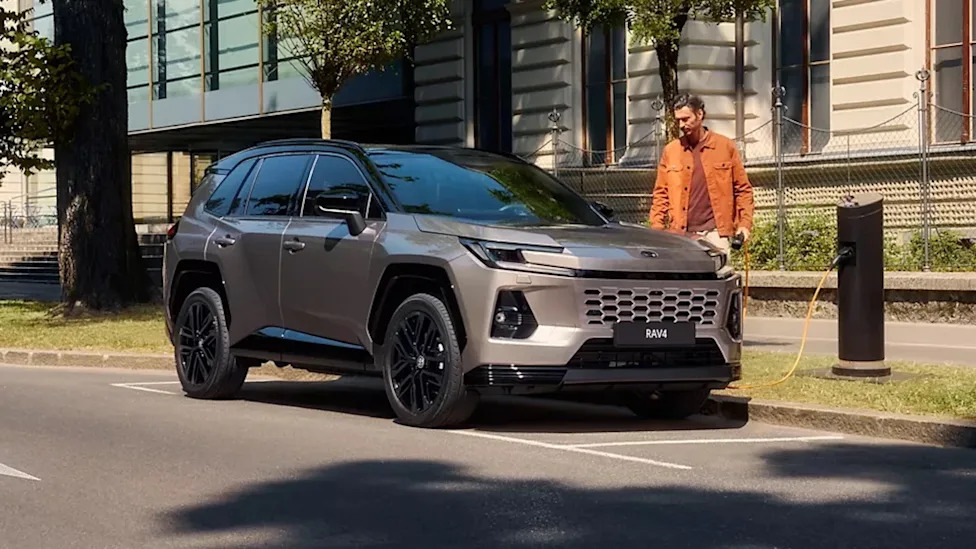
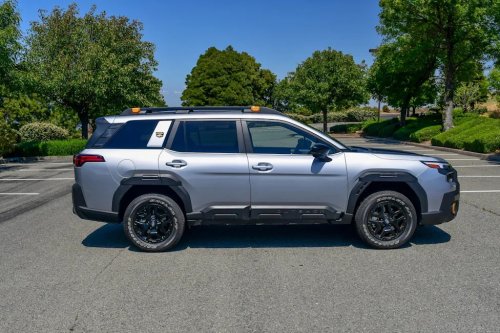
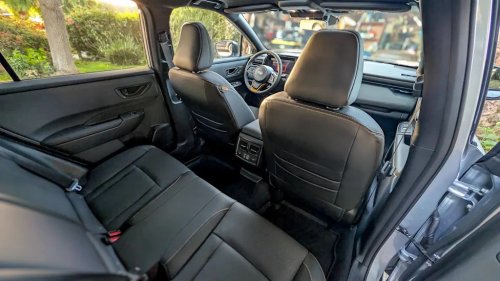
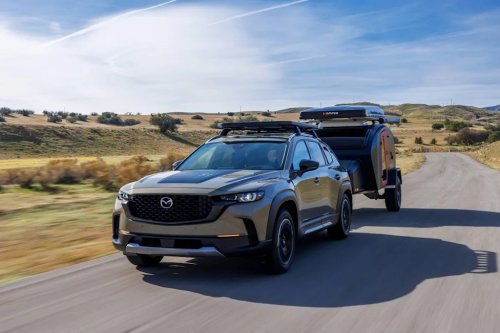
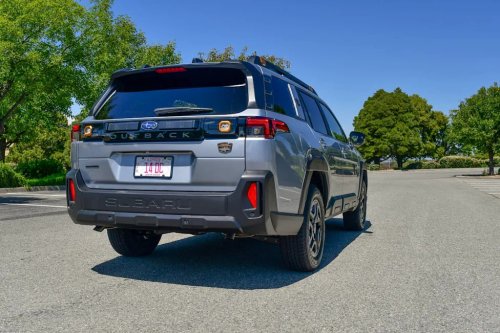
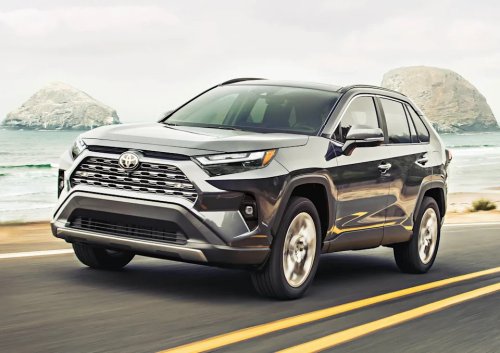
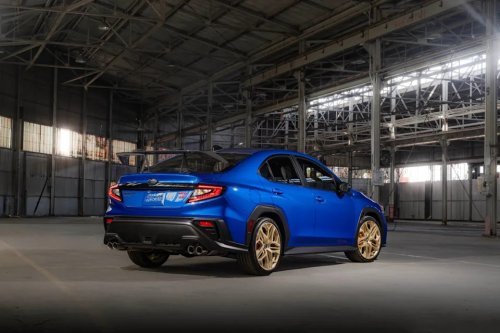
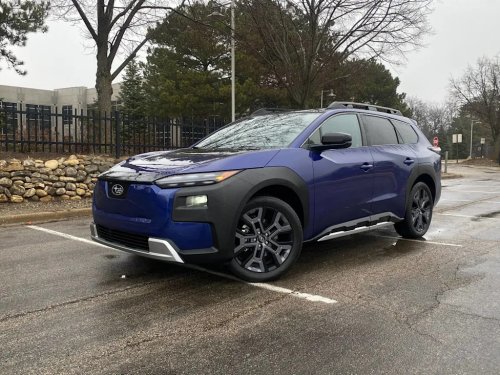
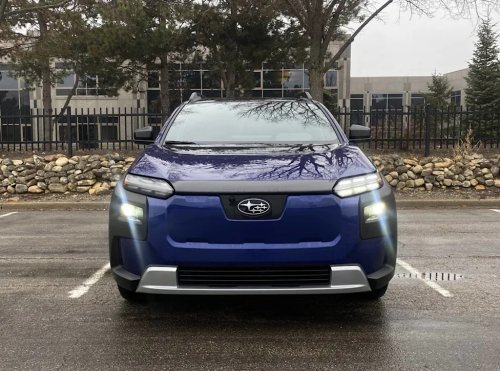
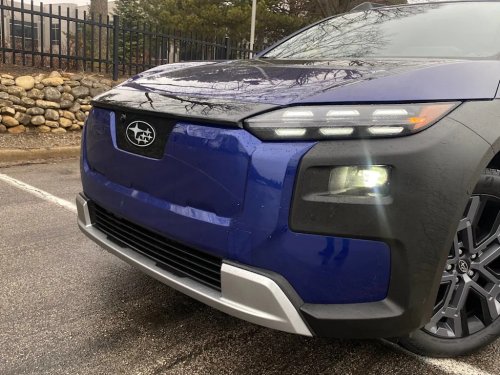
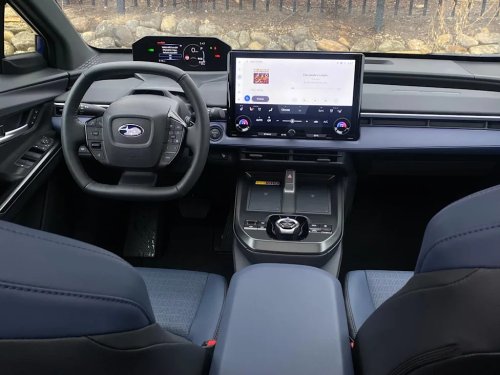
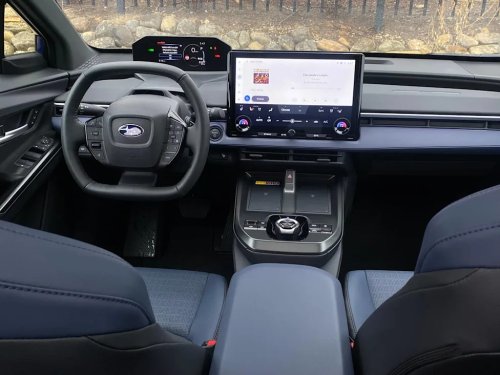
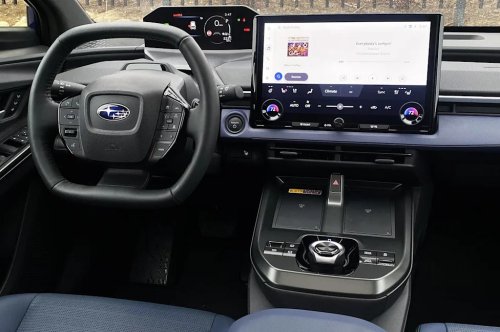
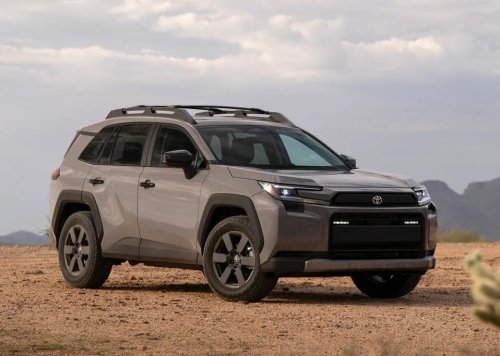
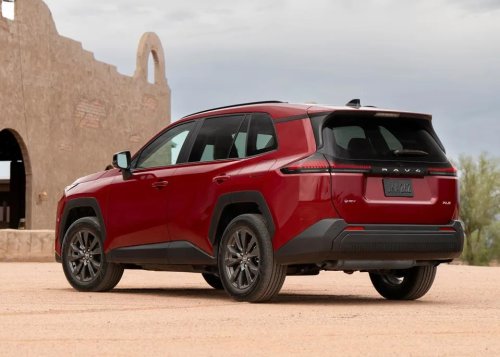
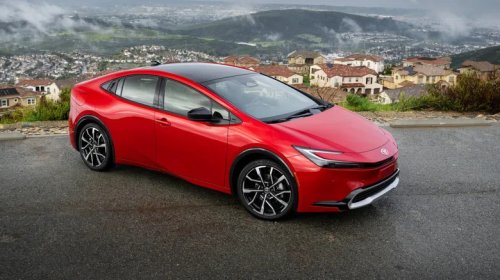
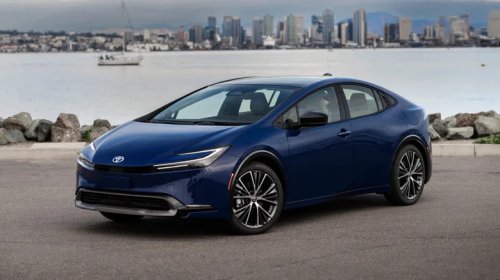
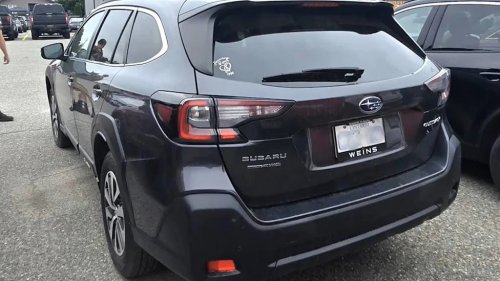
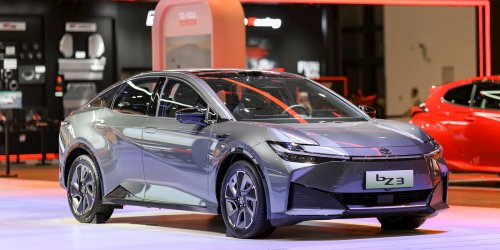
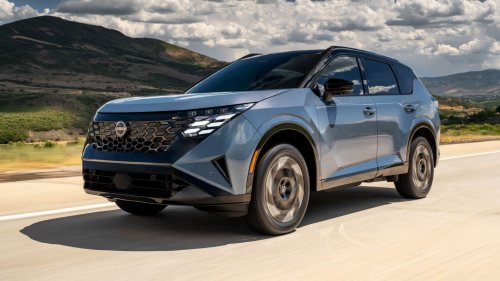
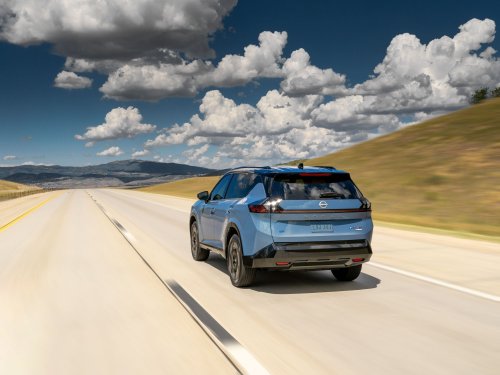
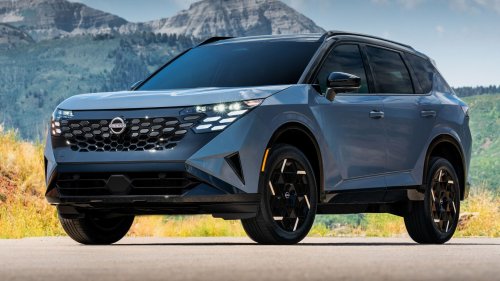
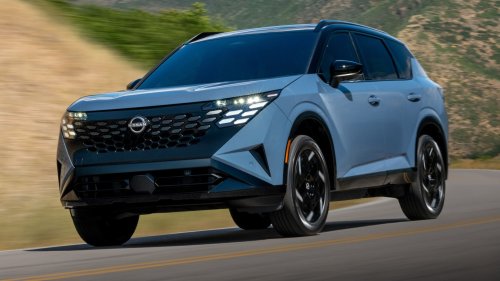
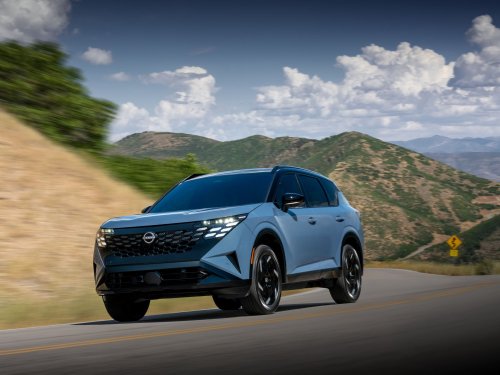
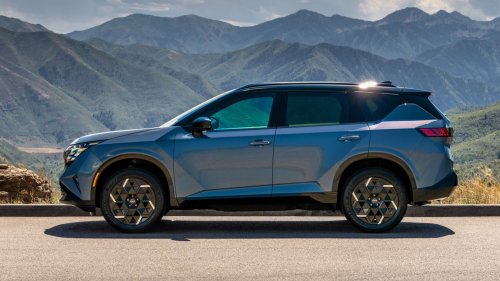
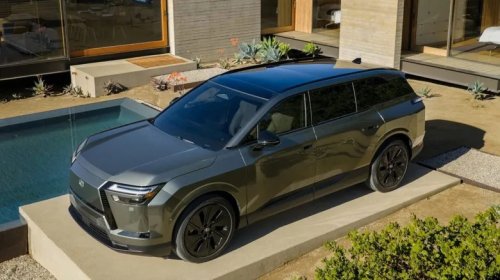
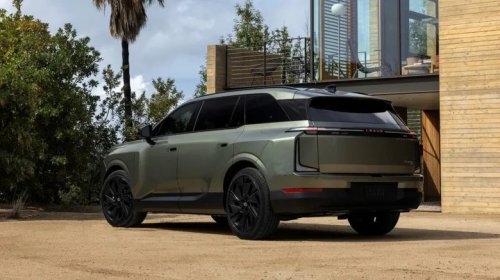
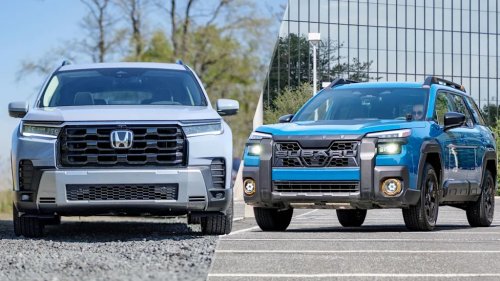
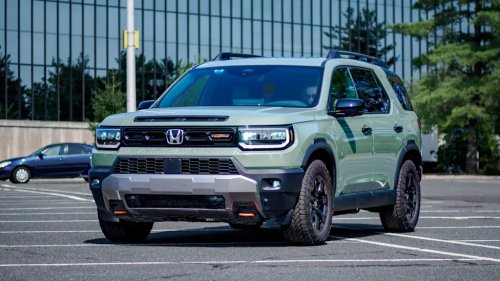
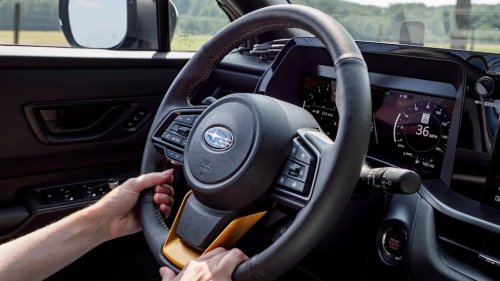
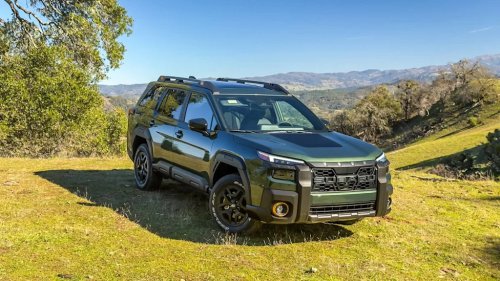
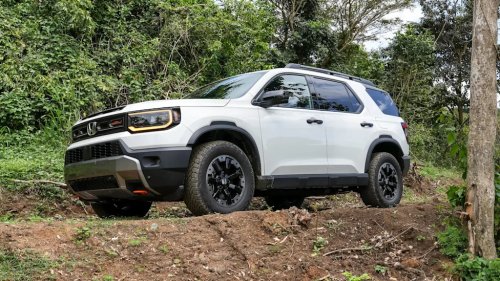
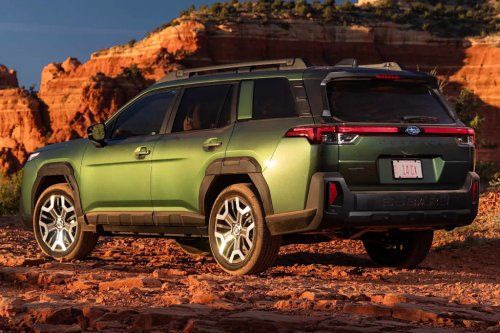
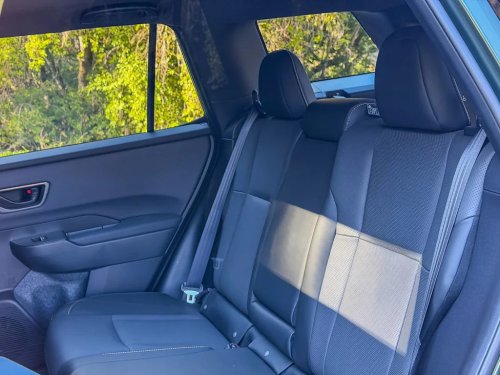
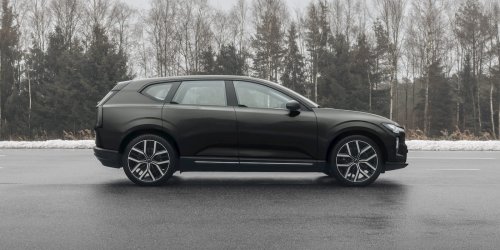
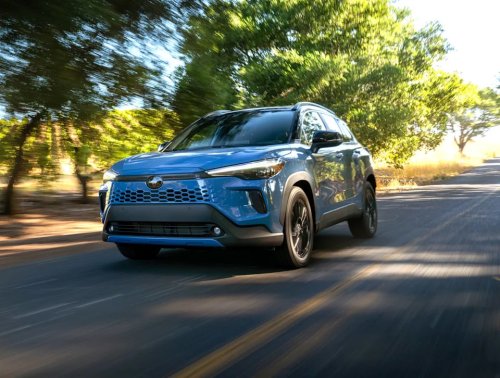
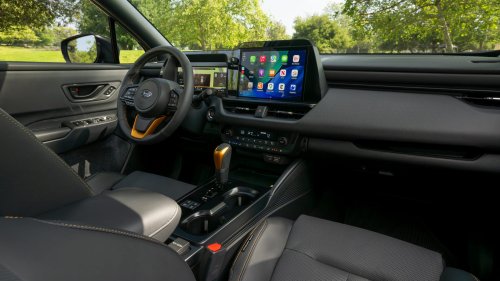
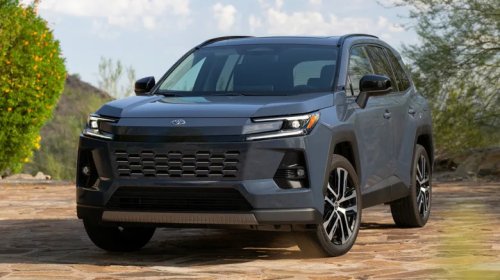
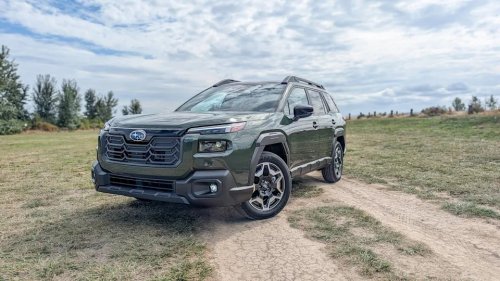
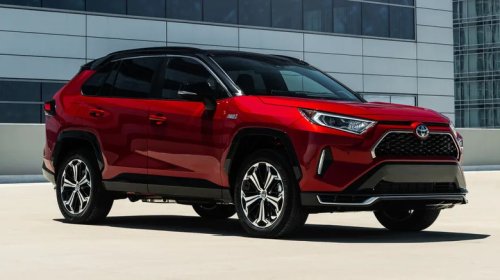
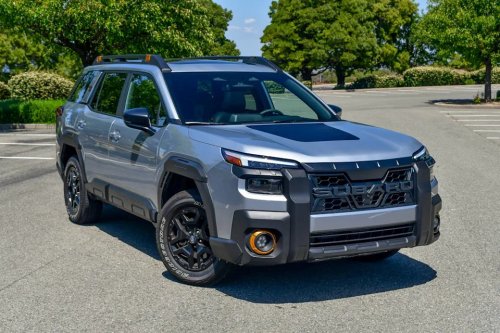
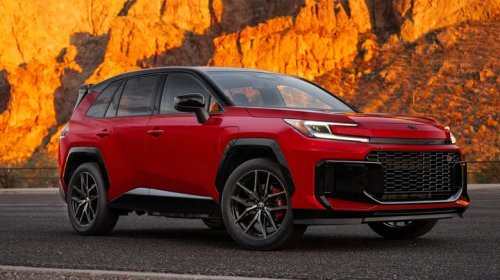
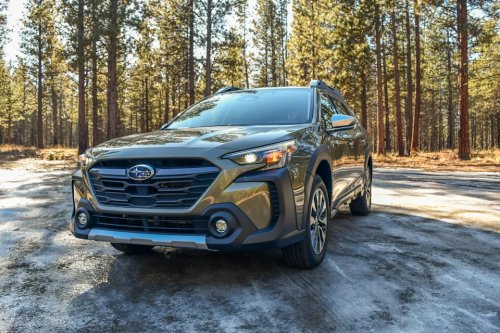
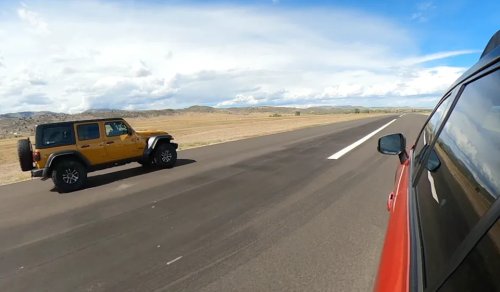
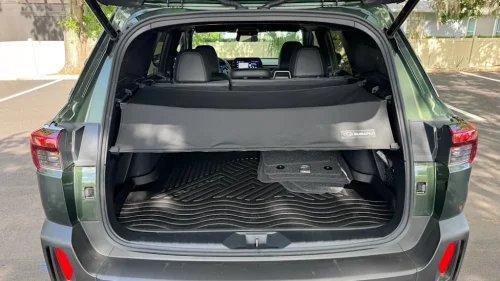
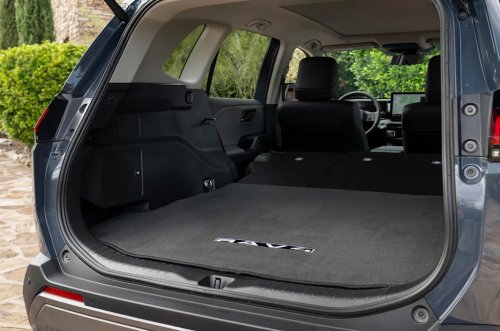
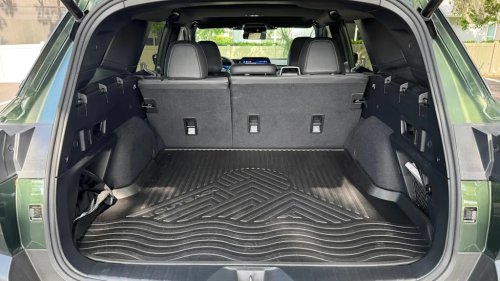
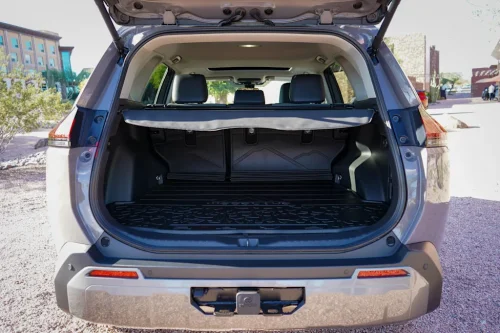
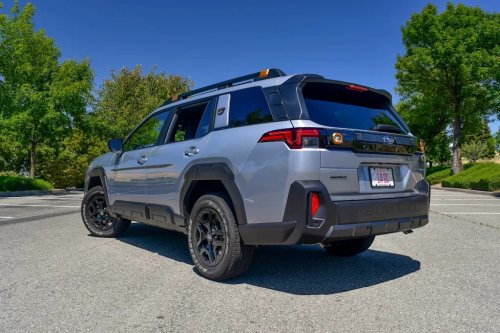
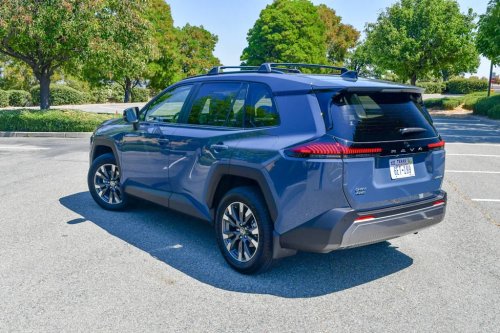
Autoblog and Yahoo may earn commission from links in this article.Comparing the Outback with the RAV4 is trickier than it looks, because the two took different paths for this generation. The Outback was fully redesigned into a larger, more upright, more SUV-like shape, while the RAV4 went hybrid-only and kept its compact footprint. Both remain go-anywhere favorites, so cargo capacity is a natural tiebreaker. The result is a genuine split decision, and which one wins depends entirely on how you tend to pack.2026 Subaru Outback WildernessJared Rosenholtz/AutoblogBehind the rear seatsWith the rear seats upright, the RAV4 holds the advantage. It offers 37.8 cubic feet behind the second row, about three cubic feet more than the Outback's 34.6. For daily use, groceries, and everyday errands where the seats stay up, the RAV4 gives you a little more usable room right behind the tailgate.2026 Toyota RAV4 Hybrid LimitedToyotaThat result surprises some shoppers, since the Outback is the physically larger vehicle. The explanation is shape: the RAV4's taller, more vertical rear packages more volume in the space immediately behind the seats, while the Outback distributes its room over a longer, lower floor.With the seats foldedFold everything flat, and the picture flips decisively. The redesigned Outback opens up to 80.5 cubic feet of maximum cargo volume, a full 10.1 cubic feet more than the RAV4's 70.4. That is the difference between fitting one more bike, a longer set of skis, or a weekend's worth of camping gear in a single trip.2026 Subaru Outback Jared Rosenholtz/AutoblogThe Outback's wagon-derived length is what pays off here. Its long, flat load floor and wide rear opening make it easier to slide in bulky or awkward items, and for 2026, its standard roof rails carry a stout 800-pound static load rating for even more capacity up top. If maximum haul-it-all volume is your yardstick, the Outback is clearly the bigger box.2026 Toyota RAV4 WoodlandCole AttishaAdvertisementAdvertisementBeyond the numbersThe two also differ in how that space is meant to be used. The Outback leans into rugged practicality with a wider, more accessible load floor, available water-repellent upholstery, and gear-friendly touches aimed at outdoor use. Its higher ground clearance and standard all-wheel drive mean you can actually get that cargo to a trailhead.2026 Subaru Outback WildernessKristen BrownThe RAV4 counters with clever small-item storage and, now that it is hybrid-only, class-leading efficiency to go with its slightly larger behind-the-seats space. For urban and suburban buyers who rarely fold the seats, that everyday room plus fuel economy is a compelling package. But for hauling bulk, the Outback's shape wins out.2026 Toyota RAV4 Limited AWDKristen BrownSo which one has more cargo space?It depends on how you load, but for maximum cargo, the Subaru Outback wins. Its 80.5 cubic feet with the seats folded comfortably beats the RAV4's 70.4, and its long, wide load floor makes that space genuinely usable for big gear. For anyone who regularly folds the seats to haul bulky items, the Outback is the roomier choice. The Toyota RAV4 earns a real point of its own by offering more room behind the seats at 37.8 cubic feet, so buyers who mostly keep the seats up and want everyday practicality plus hybrid efficiency may prefer it.This story was originally published by Autoblog on Jul 18, 2026, where it first appeared in the Car Buying section. Add Autoblog as a Preferred Source by clicking here.



















 +22 others