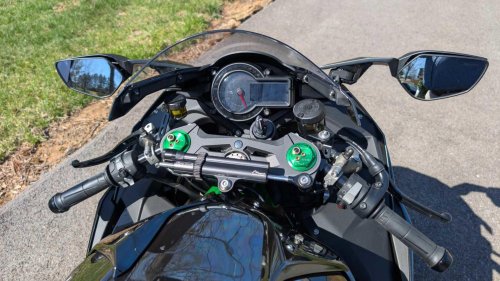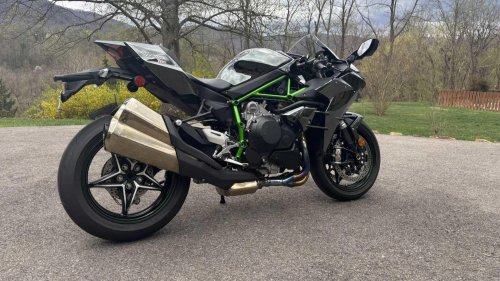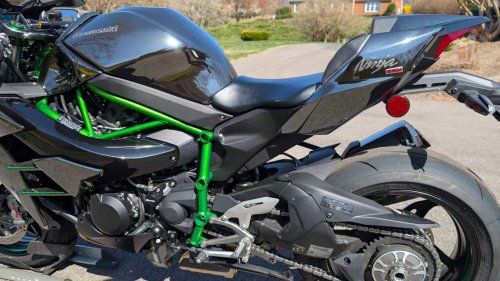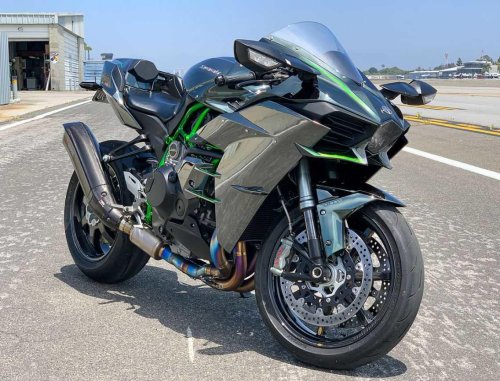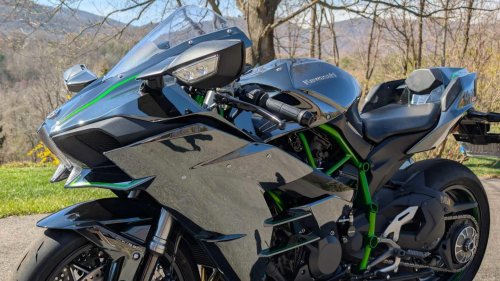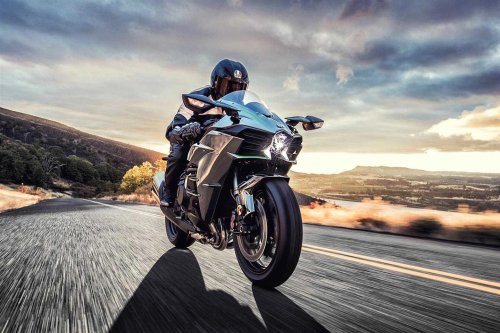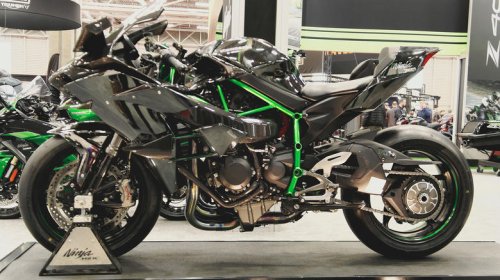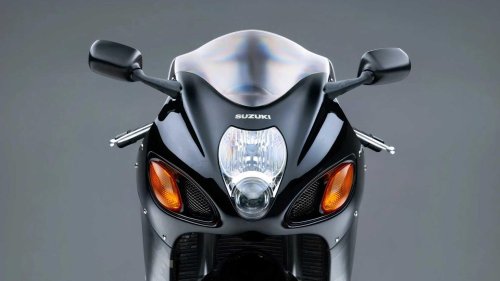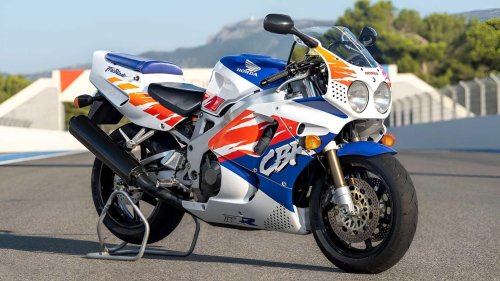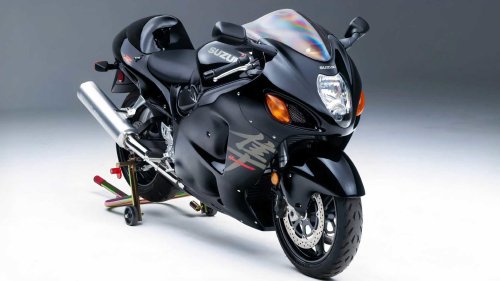
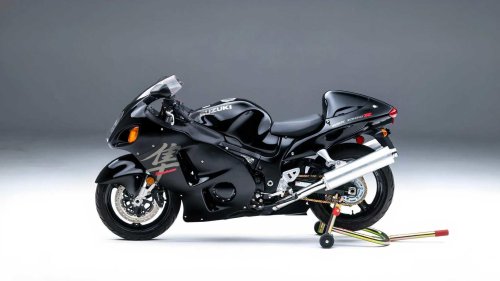
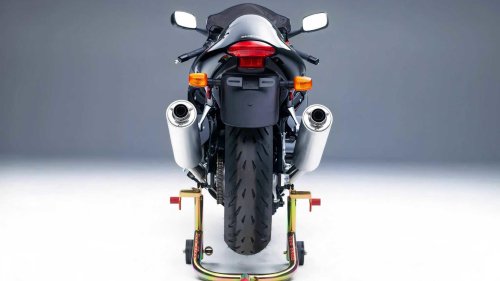
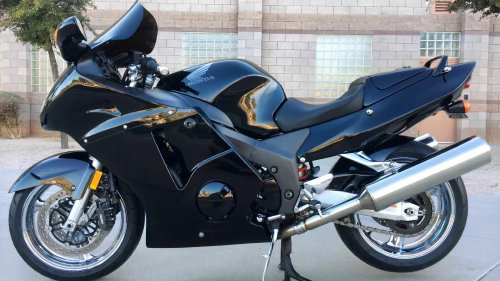
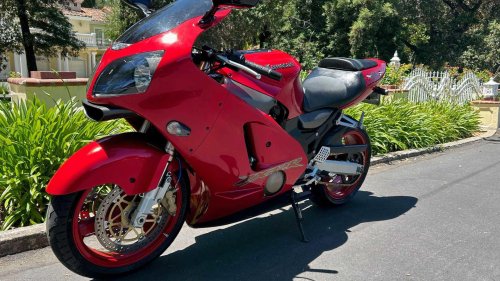
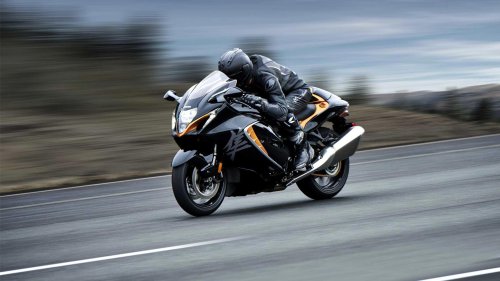
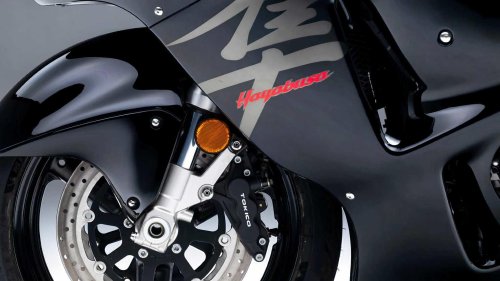
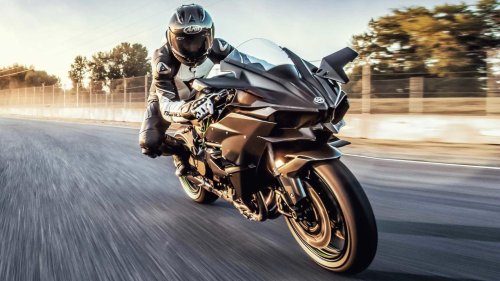



















The late 1990s was a strange time in motorcycling. Horsepower numbers were climbing fast, tire tech was catching up, and wind tunnels were suddenly as important as race tracks. Manufacturers didn’t talk openly about chasing top speed records, but everyone knew what was going on. The bragging rights mattered, and so did the headlines.Then, one production bike came along and blew the whole thing wide open. It went much quicker than anyone expected, made governments nervous, and pushed the industry into a self-imposed speed limit that still shapes motorcycles today. The legacy behind this machine is a bit crazy, and the speed wars that followed were because one machine went too far (and we're glad it did).What made the moment even more surreal was how normal this all seemed at the time. Showrooms were selling machines capable of speeds once reserved for land-speed-record specials, and they did it without ceremony. There were no warning labels, no shouting from the rooftops. Just a key, a throttle, and more performance than most riders had ever experienced. In hindsight, it’s absurd how casually the industry let that genie out of the bottle. How Suzuki Accidentally Started The Bike Speed Wars With The GSX1300R Bring A TrailerWhen Suzuki pulled the covers off the in 1999, the goal was hardly what you'd call subtle. Suzuki wanted the fastest production motorcycle in the world, full stop. This was far from a race replica or a limited-run homologation special. It was a fully street-legal bike with mirrors, lights, and a warranty.The numbers backing that ambition were serious. The 1,299cc inline-four made around 173 horsepower at the crank, fed through fuel injection and wrapped in a wind-cheating body unlike anything else on the road. The bulbous fairing looked odd to some eyes, but it worked really rather well. In real-world testing, the Hayabusa was clocked at 194 mph under ideal conditions. That alone was shocking for a showroom motorcycle.Equally important was how stable the bike was while doing it. Riders and testers noted that the chassis didn’t feel nervous or sketchy at high speed, which somehow made the whole situation worse. A bike that feels unstable at 180 mph scares people. A bike that feels planted encourages them. That confidence was a big part of why the GSX1300R caused such a stir beyond raw numbers alone.What made it even more alarming was the margin baked into the bike. With minor gearing changes and enough road, the Hayabusa was effectively capable of exceeding 200 mph. No production motorcycle had offered that kind of headroom before it. Suzuki had just jumped into an entirely different category.The media reaction was instant. Magazine covers screamed about speed records, and road tests focused as much on stability at extreme velocity as they did on comfort or handling. This was very much Suzuki unintentionally starting war. Why 194 MPH Was Enough To Scare Everyone Silly Bring A TrailerOn paper, 194 mph was already a ridiculous number (and it still is!). In practice, it was even worse from a regulatory standpoint. Speedometers of the era often underreported at the top end, and riders quickly realized that the Hayabusa felt disturbingly calm at speeds most motorcycles never approached.Governments took notice, especially in Europe. Safety bodies and insurance companies weren’t thrilled about a mass-produced motorcycle flirting with the 200 mph mark. The concern wasn’t limited to rider safety, but also public perception. A production bike that fast invited attention regulators didn’t want to deal with.Insurance companies were quietly panicking too. A production motorcycle flirting with 200 mph created a risk profile nobody had priced in. Premiums, liability questions, and accident optics all became uncomfortable conversations overnight. The Gentleman's Agreement Bring A Trailer The result was the now-famous 186 mph gentleman’s agreement. Manufacturers voluntarily agreed to electronically limit top speed on production motorcycles. No law required it, and no fines were issued. The brands simply decided it was better to pull back than risk forced legislation that could have gone much further.That decision permanently reshaped motorcycle development. Engineers shifted focus toward acceleration, electronics, and rideability instead of raw top speed. The Hayabusa was the reason. One bike pushed the industry to blink first, and everyone else followed suit. Kawasaki And Honda Tried To Take The Crown Back Bring A TrailerSuzuki’s rivals weren’t about to sit quietly. Honda and Kawasaki had already been circling the top-speed conversation before 1999, and the Hayabusa lit a fire under both.Honda’s answer was the CBR1100XX Blackbird. The Blackbird was said to be quick, smooth, and incredibly stable at high speed. Honda leaned into refinement, aiming for a bike that felt composed no matter how fast it was going. It briefly held the title of fastest production motorcycle before the Hayabusa arrived, but Suzuki’s new flagship moved the goalposts too far. Too Much Too Late Bring A TrailerKawasaki came in swinging with the ZX-12R. This was the most aggressive challenger. Aerodynamics were extreme, power was high, and the intent was obvious. The ZX-12R wanted the crown back, and on paper, it came close. In reality, the gentleman’s agreement arrived before Kawasaki could fully unleash it.Philosophically, the bikes were different. The Hayabusa balanced brute force with long-distance comfort. The Blackbird ensured smoothness and stability. The ZX-12R chased outright aggression. None of them truly dethroned Suzuki before the speed truce locked everyone down. By the time limits were enforced, the war was already over. The Hayabusa’s Legacy And What It’s Worth Today Bring A TrailerOver time, the first-gen 'Busa became something bigger than a spec-sheet champ: it turned into a tuning icon. Turbo builds, stretched swingarms, and drag strip dominance made it a legend in straight-line performance circles. At the same time, it stayed usable enough to rack up highway miles without beating up its rider.That dual personality is a big reason why values have held strong. Today, clean first-gen Hayabusas typically trade between $6,000 and $12,000, depending on mileage, condition, and originality. Bone-stock examples are getting harder to find because so many were modified during the peak of the drag racing craze.What keeps demand alive is the feeling. The Hayabusa came from an era when manufacturers were still willing to scare people a little. Throttle response was direct, electronics were minimal, and the speed felt raw. Modern bikes are faster in many ways, but few feel as unapologetically dangerous straight from the factory. Modern Bikes That Keep The 200 MPH Dream Flying KawasakiIt would be wrong to say that the gentleman’s agreement killed the dream of extreme speed. It just pushed it into different spaces. Track-only machines became the loophole, and no bike represents that better than the Kawasaki Ninja H2R.With supercharged power, advanced aero, and no street-legal restrictions, the H2R is capable of around 248 mph. That number would have been unthinkable in the 1990s. Because it’s not a road bike, it doesn’t violate any agreements, and that’s the key difference.The H2R mixes old-school excess with modern engineering. Forced induction, carbon fiber aero, and electronics that would have sounded like science fiction in 1999 all come together in one brutal package. It exists because the Hayabusa changed the rules. Once a production motorcycle proved how fast was too fast, the industry drew a line. Everything beyond that line moved to the track. The Hayabusa did something no one else did at the time, and, thanks to it, defined the boundaries for everything that followed.Sources: Suzuki, Classic Two Wheels, Total Motorcycle, Honda, Kawasaki.