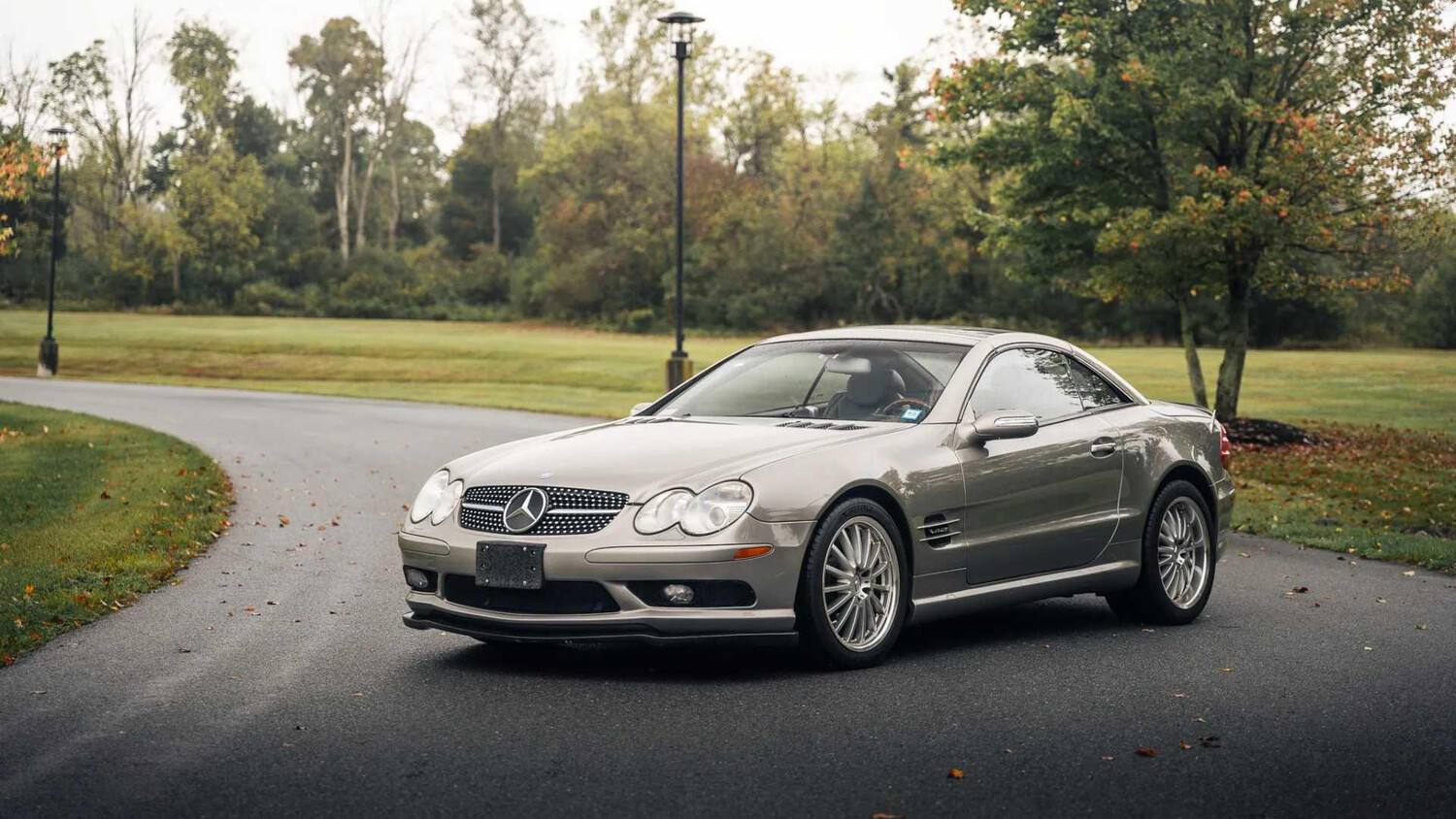
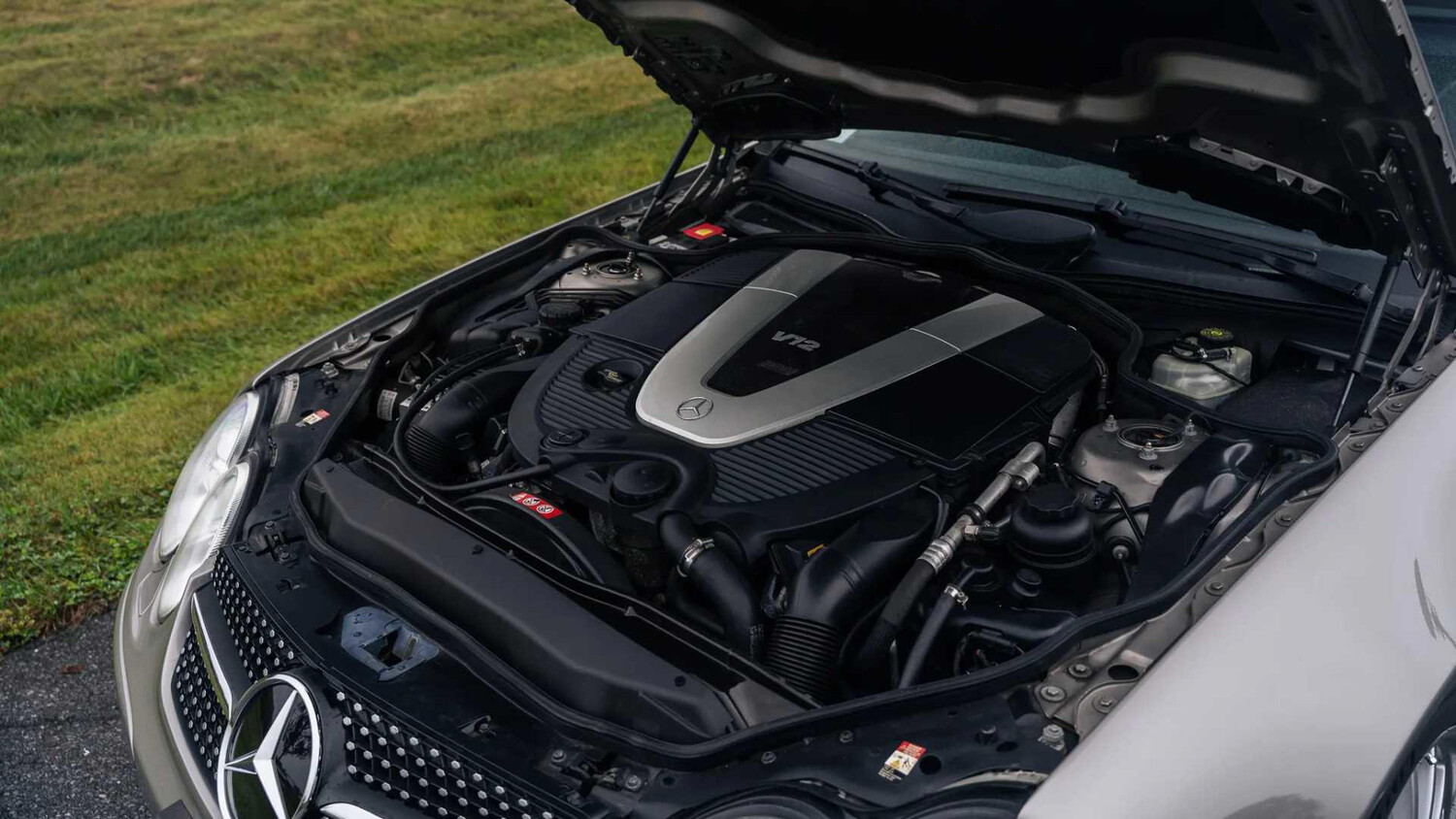
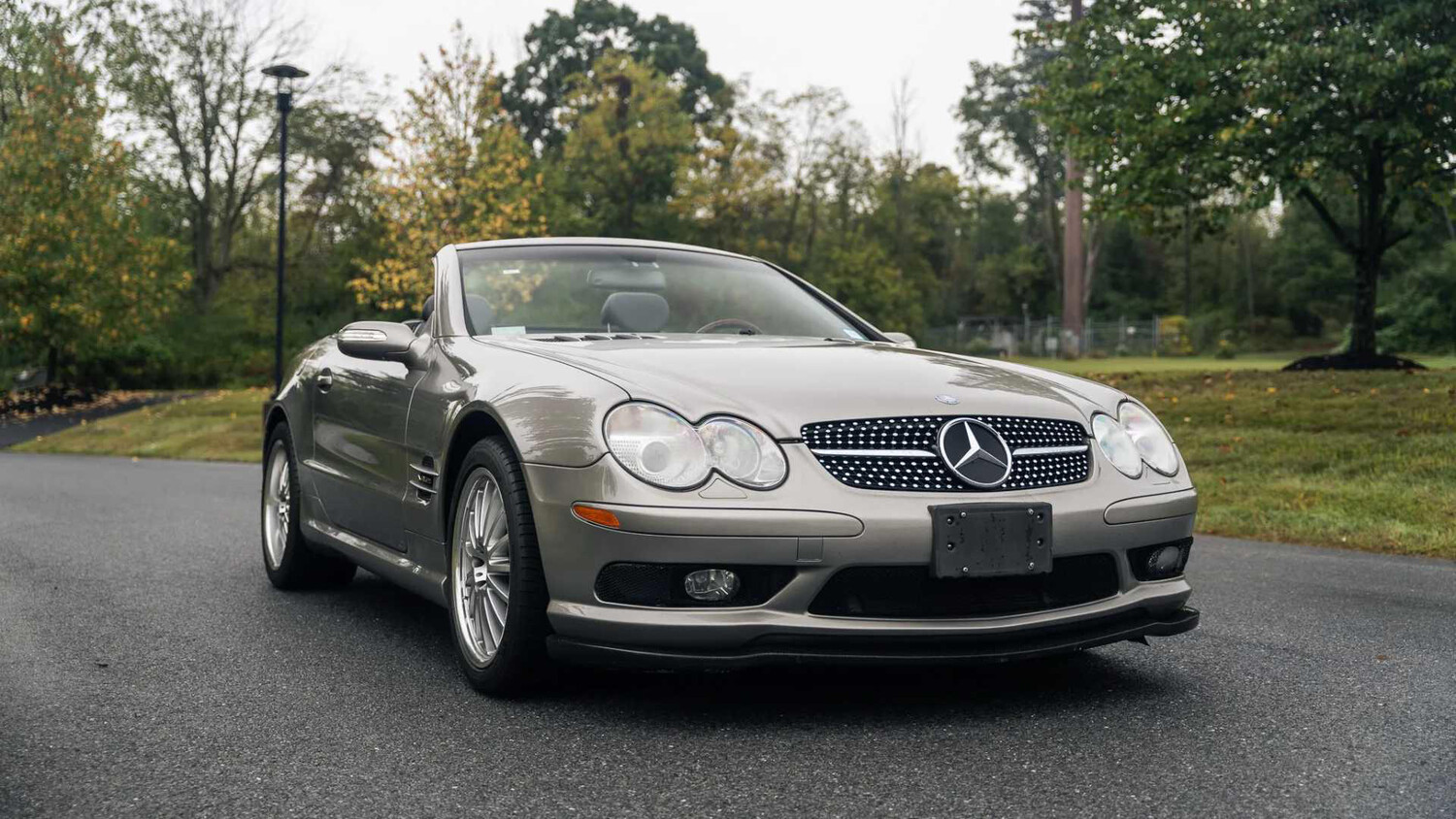
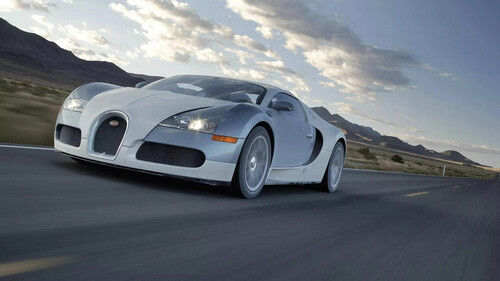
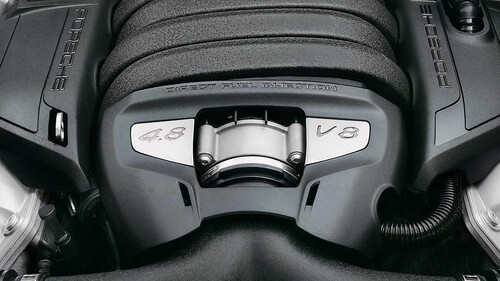
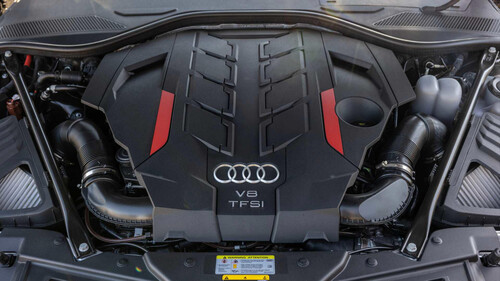
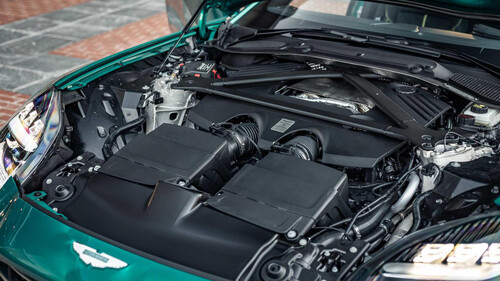
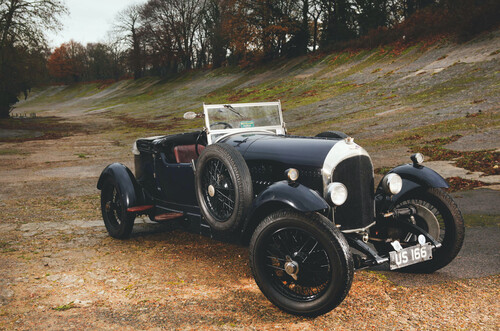
In the world of modern performance, massive power has become surprisingly common among sports cars. Most luxury SUVs and sport sedans today easily push between 450 and 550 pound-feet of torque. This allows heavy vehicles to feel light and responsive during daily driving. Even current high-end exotics often peak around the 600 pound-feet mark. This makes the 700 pound-feet barrier a legendary milestone in automotive engineering history. While horsepower often gets the headlines, torque is what provides that effortless feeling of being pinned to your seat.Back in the early 2000s, hitting 700 pound-feet was almost unheard of for a street-legal car. It was considered an unusable amount of torque that threatened to shred tires and gearboxes alike. One specific German flagship reached this summit first, changing the performance landscape forever. The Era That Made 700 lb-ft Impossible Via: Bring A TrailerThe early 2000s felt like a wild frontier for automotive engineering. Manufacturers were finally moving away from the boxy designs of the 1990s and embracing serious turbocharging technology. It was an era defined by excess, where luxury brands competed to see who could provide the smoothest yet most violent acceleration. Computers were finally powerful enough to manage complex engine maps, allowing engineers to push the boundaries of internal combustion.At the time, the Bentley Arnage T was the undisputed king of the hill. This massive British tank used a legendary 6.75-liter V8 to produce a staggering 645 pound-feet of torque. For a brief moment, it seemed like no other production car could touch those numbers without falling apart. It was the gold standard for effortless, high-speed travel, representing the peak of old-school displacement meeting modern forced induction.Then came the rumors of the Bugatti Veyron. When it eventually arrived in 2005, it changed everything with a mind-blowing 1,106 pound-feet. The world was obsessed with Bugatti's quad-turbo W16 engine and its 1,001 horsepower rating. It occupied all the headlines and poster walls of car enthusiasts globally, setting a record that many thought would never be broken by a road car.Bring a Trailer However, the history books often overlook a quiet revolution that happened right in the middle of these two titans. Years before the Veyron was finalized, a German sleeper had already crossed the 700 pound-feet finish line. It offered more twisting force than the Bentley and arrived well before the Bugatti.This car didn't need a million-dollar price tag to achieve the impossible. It hid its world-beating power behind a sophisticated, understated exterior that most people mistook for a standard cruiser. It was the ultimate disruption of the status quo, proving that a series-production convertible could out-muscle the world's most exclusive exotics. Mercedes SL600 – The Iron Fist In A Velvet Glove Via: Bring A TrailerThe car that actually broke the barrier was the 2003 Mercedes-Benz SL600. While the performance world was looking at mid-engine supercars, this luxury convertible arrived with a factory-rated 738 pound-feet. It was the first series-production vehicle to officially clear the 700 mark. The SL600 only arrived to the US in 2004 and most people saw it as a comfortable car for a Sunday drive, but this version was a monster. It was the flagship of the R230 generation, blending timeless styling with a powertrain that felt like it belonged in a locomotive.Under the hood sat the M275 5.5-liter biturbo V12, a masterpiece of engineering. This engine was so powerful that it actually posed a threat to the car's own hardware. Mercedes engineers had to electronically limit the torque to 738 pound-feet just to keep the car in one piece. Without that digital leash, the engine would have easily shredded the 5-speed automatic transmission, and the tires in the process. This transmission was specifically chosen because the newer 7-speed units of the time simply couldn't handle the sheer twisting force of the V12.Via: Bring A Trailer What made the SL600 special was how it delivered that power. Unlike the loud and aggressive AMG models, the SL600 was remarkably quiet. It didn't have a screaming exhaust or a stiff, race-ready suspension that would rattle your teeth. Instead, it provided a sensation of silent, relentless momentum that felt more like a private jet taking off than a car, an effortless mile-muncher on the autobahn, rather than an apex predator. The acceleration wasn't jerky or high-strung; it was a smooth, endless wave of force that never seemed to peak.Via: Bring A Trailer It was designed for the driver who wanted to win every stoplight drag race without making a scene. You could cruise in total silence with the top down, yet have more torque under your right foot than a heavy-duty diesel pickup truck. It was a unique combination of absolute luxury and terrifying strength. Even today, few cars can match the experience of an SL600 pulling away from a standstill to 60 mph in 4.4 seconds. It remains a testament to a time when Mercedes-Benz wanted to prove they could out-engineer anyone on the planet. The Engine Too Powerful For Its Own Gearbox Via: Bring A Trailer Achieving such massive numbers required Mercedes to rethink their V12 strategy. They moved away from naturally aspirated designs and embraced a 5.5-liter twin-turbocharged architecture. This setup was specifically tuned to create massive low-end grunt rather than high-RPM screams. By using two smaller turbos instead of one large one, they eliminated almost all turbo lag. This meant the engine could react instantly to the driver's input, providing a level of responsiveness that was rare for turbocharged cars of that era.The engineering inside the M275 was incredibly complex. It featured a 36-valve head design and a unique twin-spark ignition system. This meant there were actually 24 spark plugs in total, with two per cylinder firing in a specific sequence. This ensured that every drop of fuel was burned completely to maximize pressure and power. The system was controlled by a sophisticated engine management computer that could adjust the timing of each spark in real-time. It was a high-tech solution to the problem of maintaining efficiency in a massive, high-performance engine.Via: Bring A TrailerManaging the heat from all that torque was the next big challenge for the engineering team. Mercedes utilized a sophisticated liquid-to-air intercooling system. This kept the intake temperatures low even when the turbos were pushing maximum boost. Heat is the enemy of performance, and without this system, the V12 would have quickly lost power during spirited driving. The intercoolers were tucked away efficiently, ensuring the car maintained its sleek profile without needing massive, ugly vents.Via: Bring A Trailer The result was a torque curve that looked more like a flat plateau than a traditional hill. Peak torque arrived at just 1,800 RPM and stayed there all the way through the mid-range. Driving the SL600 felt like being pushed by an invisible freight train. You didn't need to downshift or wait for the engine to rev up to find the power. With the torque available low down the bottom end, it was simply always there, waiting to be unleashed with the slightest nudge of your right foot. This delivery made the car feel much faster in the real world than many peaky supercars that required high revs to perform. Why A $15,000 V12 Can Cost You Everything Via: Bring A Trailer Today, the SL600 is one of the most tempting bargains on the used market. A car that originally cost over $125,000 can now be found for less than $15,000. While average prices range around just $23,413 for an early 2004 SL600 on classic.com On paper, it seems like the ultimate performance steal for anyone with a modest budget. You are getting world-class engineering and a history-making engine for half the price of a new Honda Civic. However, that low entry price hides a very expensive and often painful reality for the second or third owner.Via: Bring A Trailer The main reason these cars have depreciated so much is the cost of keeping them on the road. The Active Body Control (ABC) suspension is a marvel of engineering, but it is notoriously fragile as it ages. It uses high-pressure hydraulic fluid to keep the car level during cornering and braking. A single leaking line or a failed pump can cost thousands of dollars to fix. When the system fails, the car can literally sink onto its tires, making it almost undrivable. Many owners find that the cost of a full suspension refresh is more than they paid for the entire car.Via: Bring A Trailer Electrical issues are another common hurdle for modern owners. Those 24 spark plugs are connected to complex, integrated coil packs that are known to fail over time. Replacing just one side of the engine's ignition system can cost over $1,200 in parts alone. These aren't the kind of repairs you can easily do in a home driveway with basic tools. The engine bay is so tightly packed that even simple tasks often require removing multiple components just to reach the problem area.Via: Bring A Trailer According to data from RepairPal, the annual maintenance cost for an older V12 Mercedes is significantly higher than almost any other car in its class. It is not uncommon for a single major service visit to reach $4,000 or more. You are essentially buying a car with the maintenance requirements of a supercar but the resale value of a used sedan. While you can buy the torque king for a bargain, you still have to maintain it like the $125,000 flagship it once was. For those who can afford the upkeep, it remains one of the most powerful and comfortable ways to travel on four wheels.Sources: Mercedes-Benz, Repairpal, Classic, Bring A Trailer