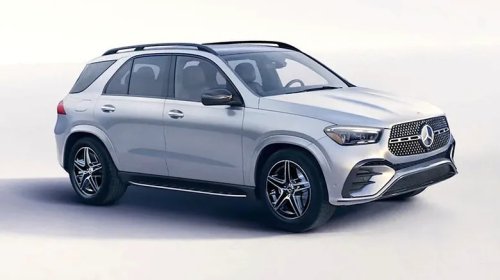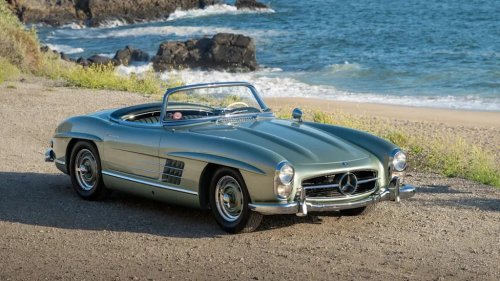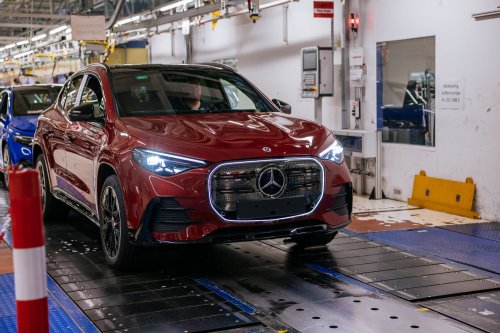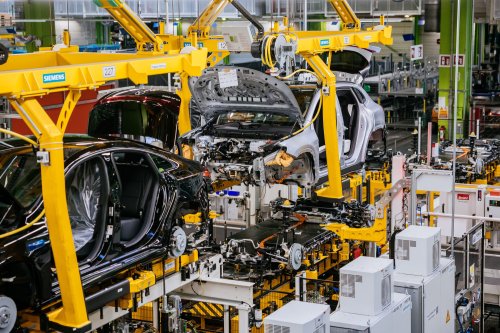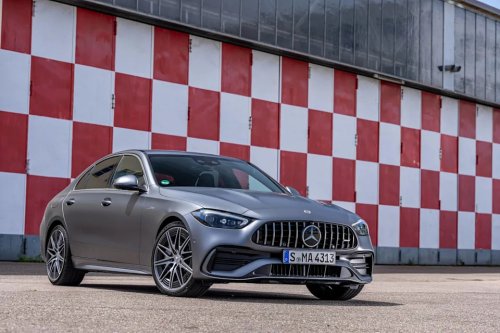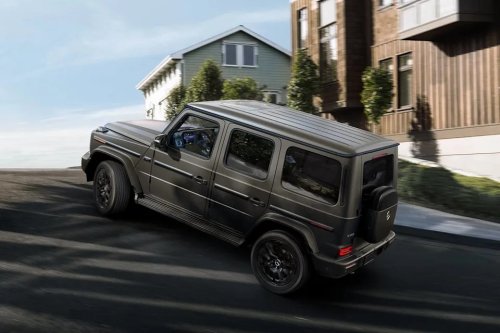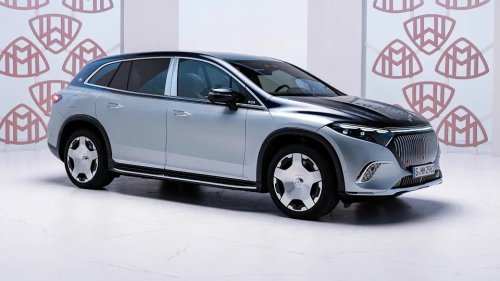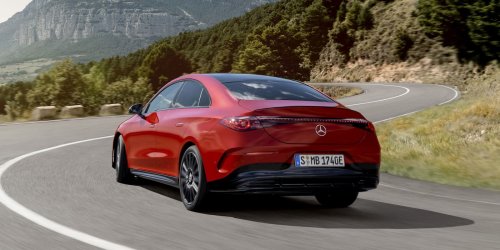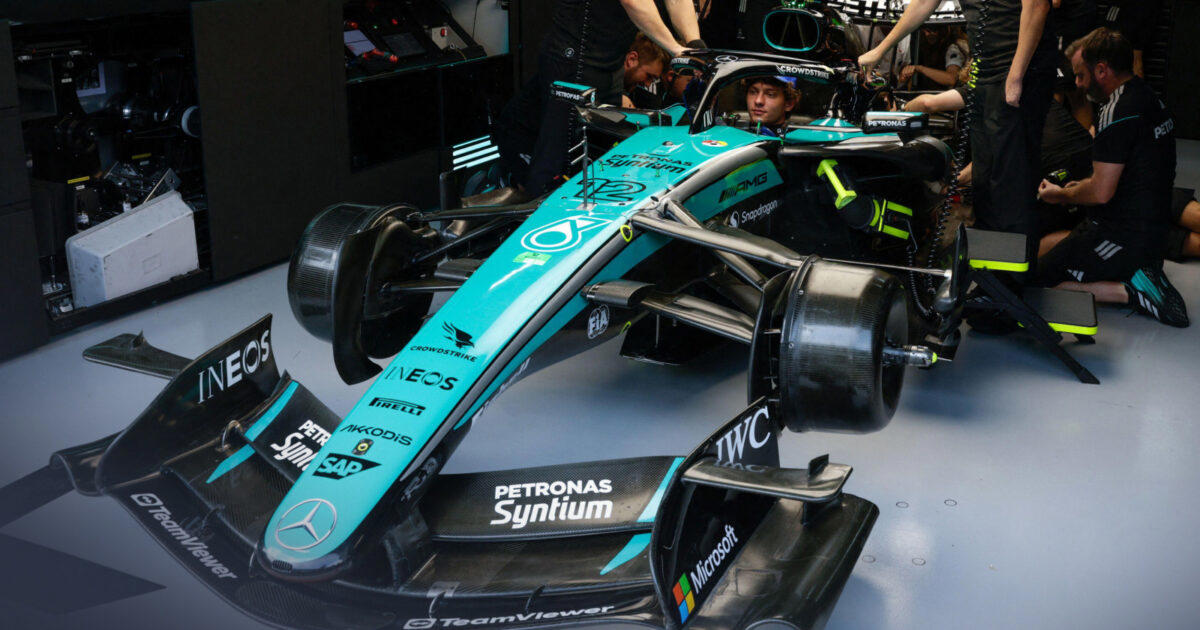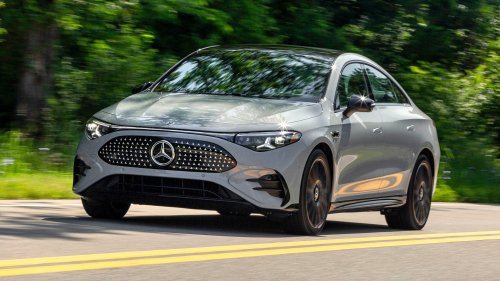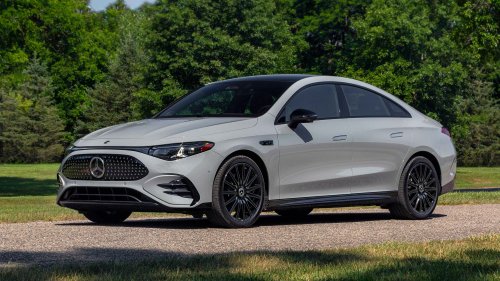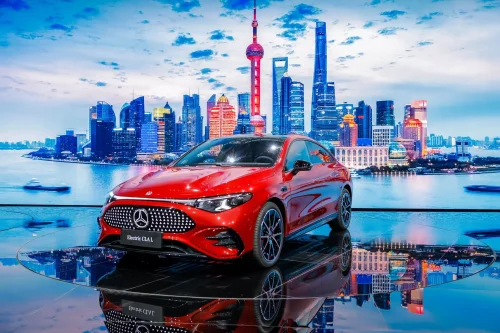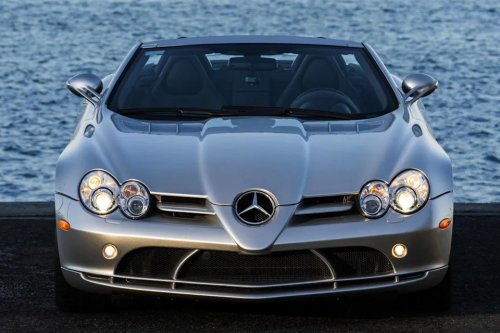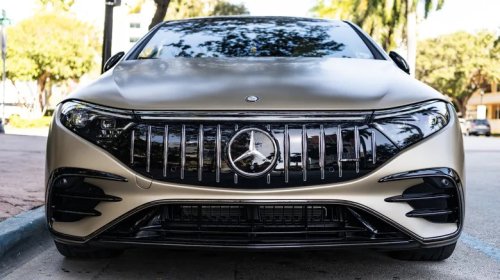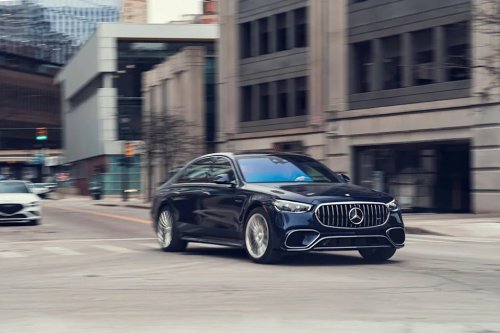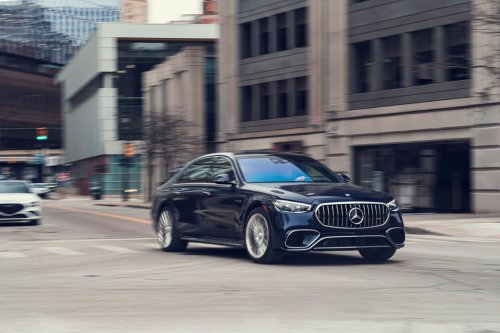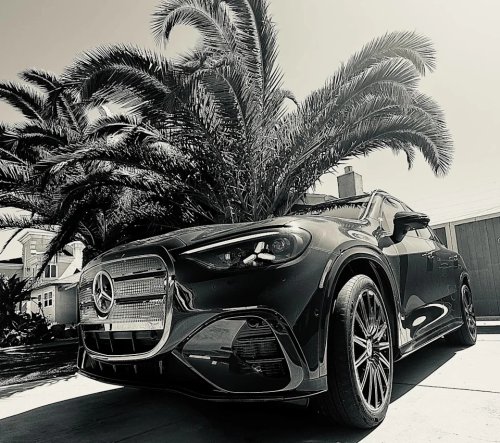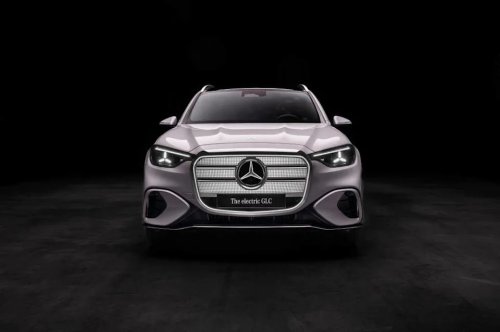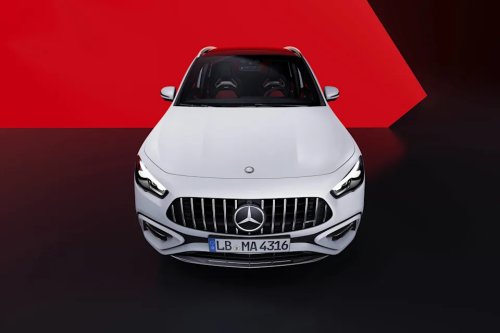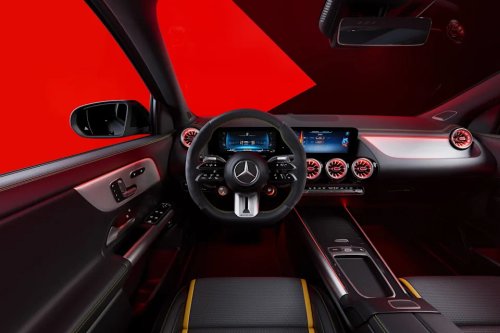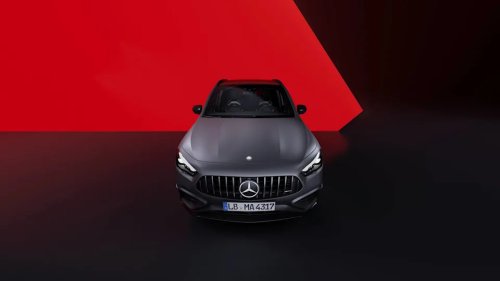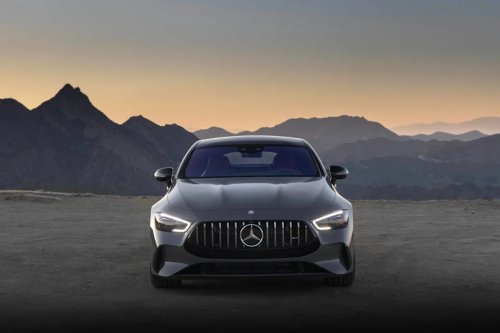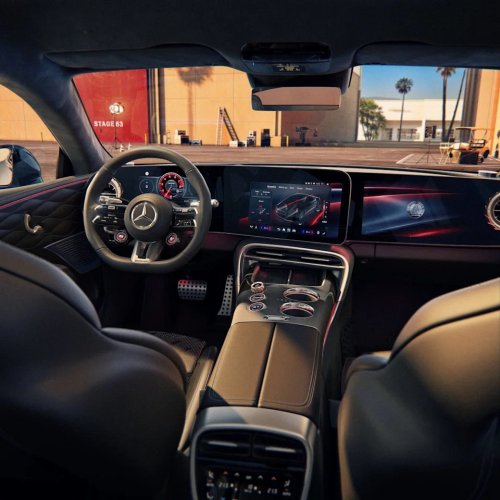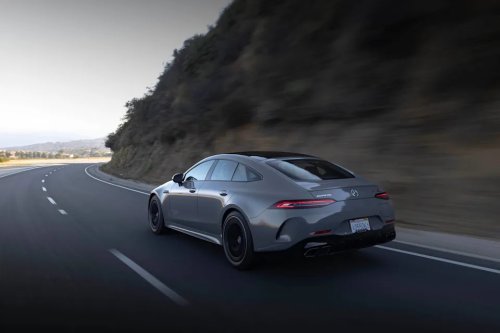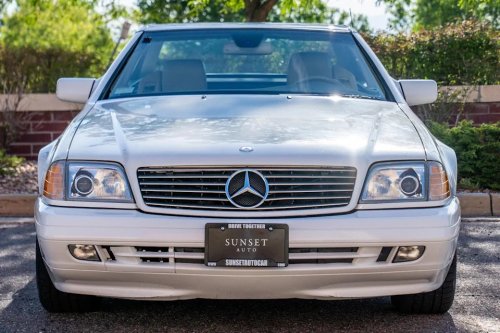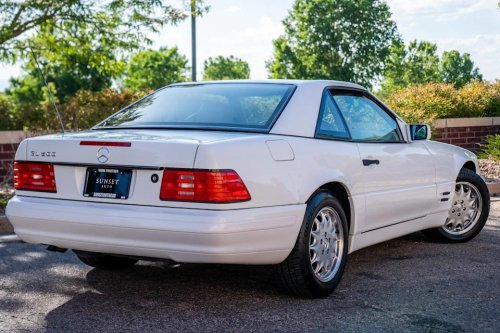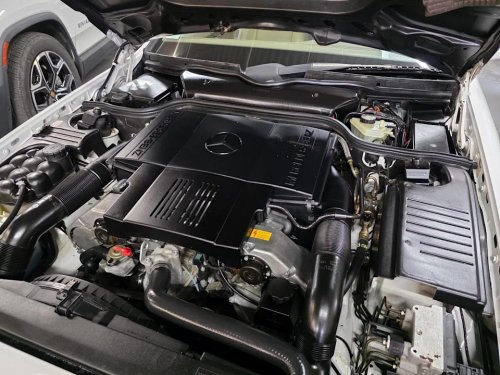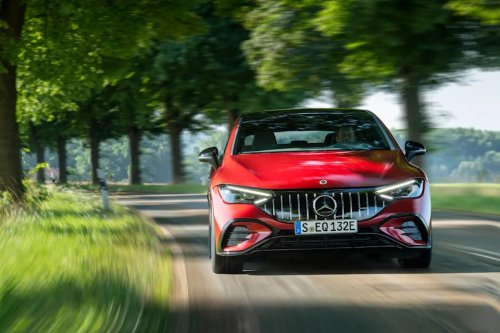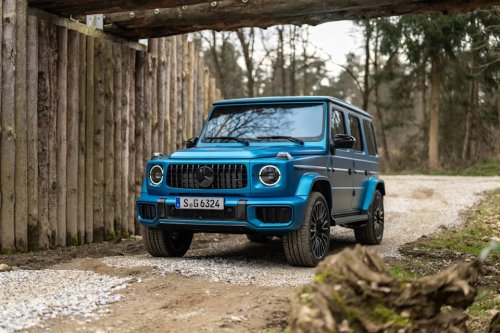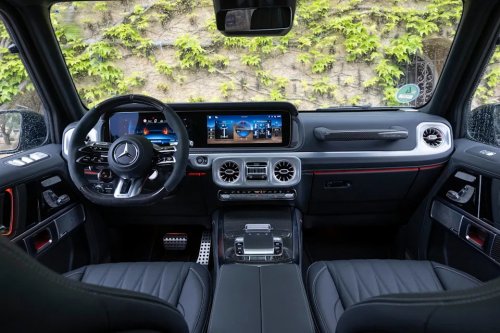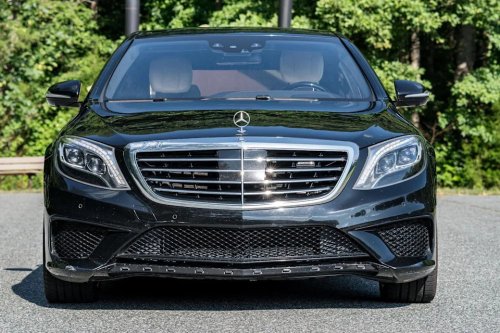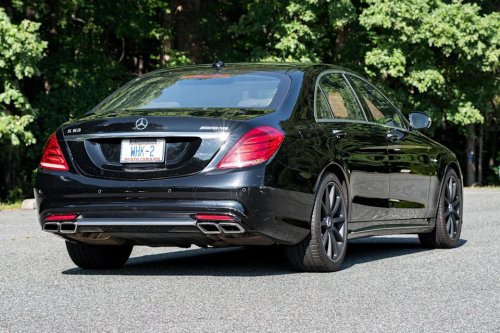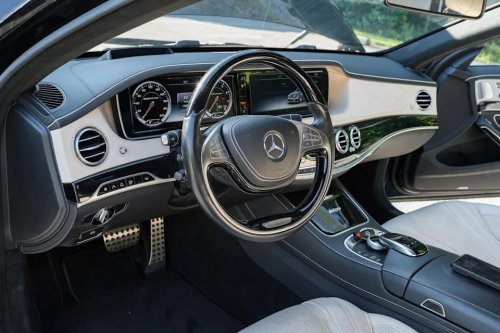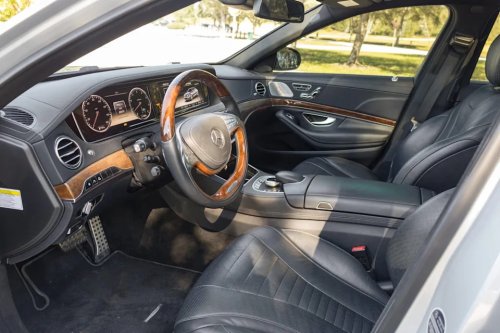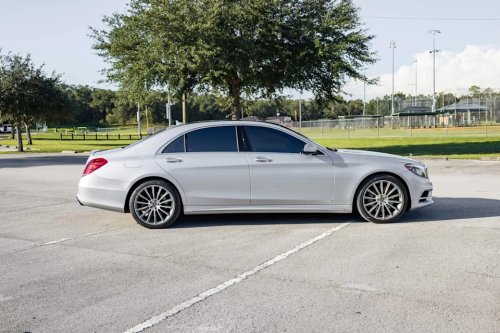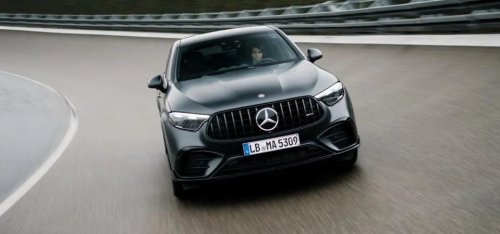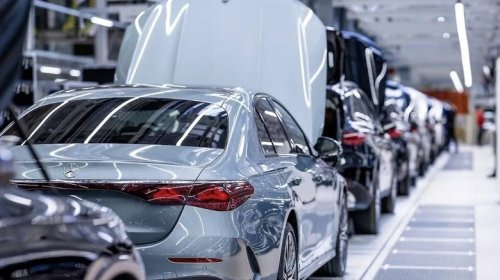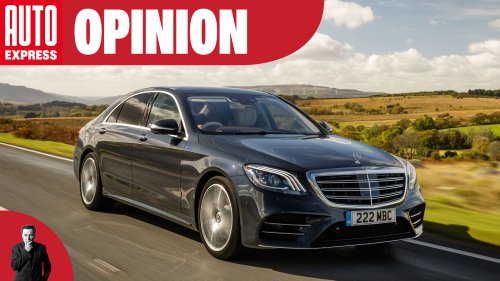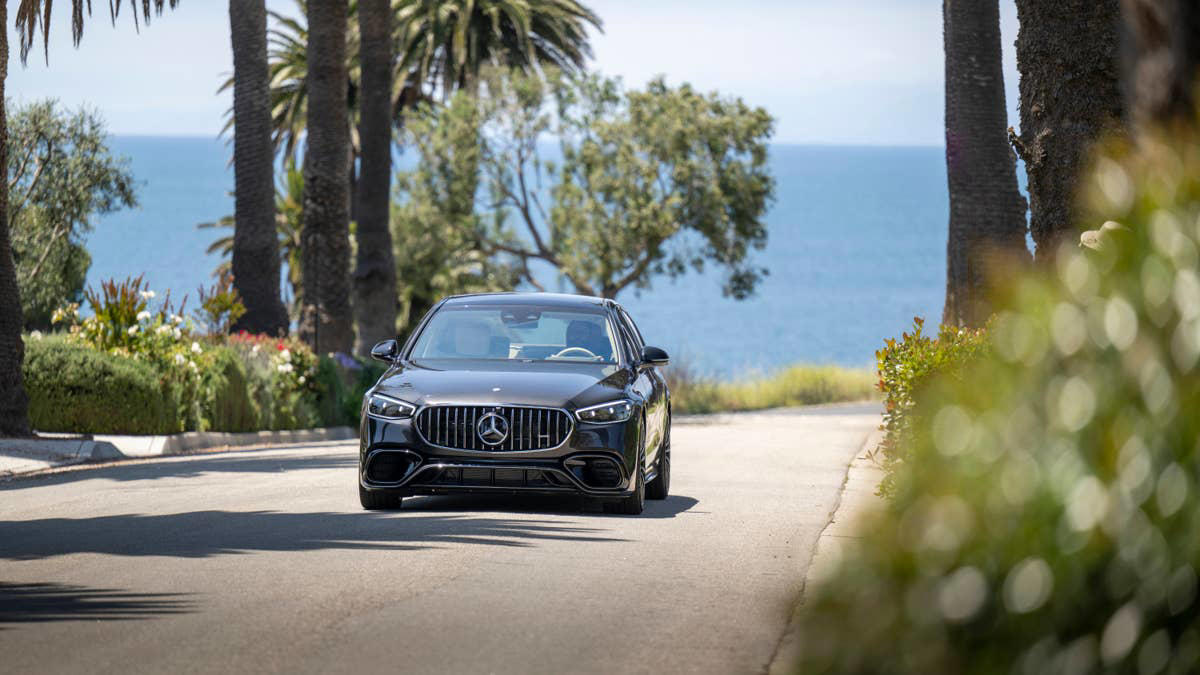



















A Cloud Over The Three-Pointed StarMercedes-Benz is a strong competitor in the luxury market and even operates manufacturing plants in the U.S., helping it reduce exposure to tariffs on imported vehicles. But it appears that competition may not be what threatens the automaker's presence in the country. Instead, it could be a new bipartisan bill aimed at limiting ties to China.According to CNBC, the Motor Vehicle Modernization Act of 2026 would bar automakers with certain ties to foreign-adversary governments from importing, selling, or manufacturing vehicles for the U.S. market. If enacted, the restrictions would remain in place for five years and apply to any company with direct or indirect equity interests held by such governments, including those of China, Russia, and North Korea.mercedes-amg-s-63-e-performance-experience-california-2023 A Longstanding PresenceMercedes-Benz sells a wide range of models in the U.S., from the entry-level CLA to ultra-luxury vehicles such as the Mercedes-Maybach S-Class. Similar to BMW, Mercedes also builds many of its crossover and SUV models domestically, particularly at its Tuscaloosa, Alabama plant, which has operated since 1997 and has produced more than five million vehicles.As such, a potential exit would have major implications not only for Mercedes' competitiveness, given the U.S. is its second-largest market, but also for the workers whose livelihoods depend on its domestic operations.Mercedes-Benz's exposure to the proposed ban stems from its ownership structure. Chinese state-owned automaker BAIC holds a 9.98% stake in the company, while Geely founder Li Shufu owns 9.69% through Tenaciou3 Prospect Investment. Together, the two stakes add up to 19.67%, surpassing the bill's 15% threshold. A Bill In ProgressBut then again, the bill has not been enacted and has only advanced through a House committee, with no companion measure introduced in the Senate. The legislation could still be revised. After all, the report stated that Mercedes-Benz may be an unintended target rather than the primary focus of the proposal.This bill comes as Chinese automakers continue to expand their global footprint. Some have already established a presence in Mexico and Canada, with the latter allowing limited Chinese EV imports under certain trade arrangements. The legislation could help curb Chinese influence, address national security concerns, and support domestic manufacturing. Whether Mercedes-Benz can stay in the U.S. with reduced Chinese-linked stakes, keep its current ownership structure and risk losing access to the market, or find another path forward remains to be seen.