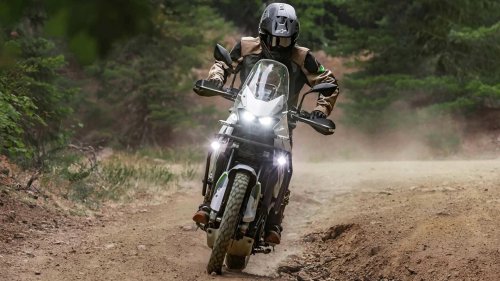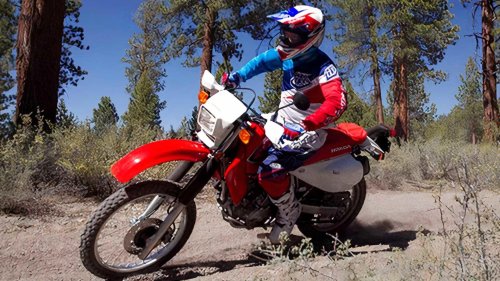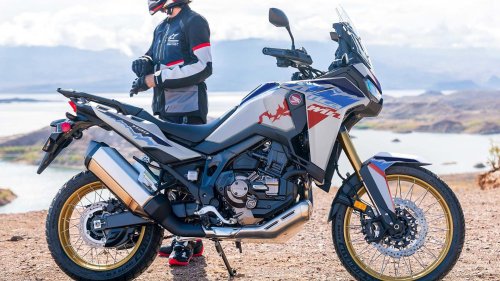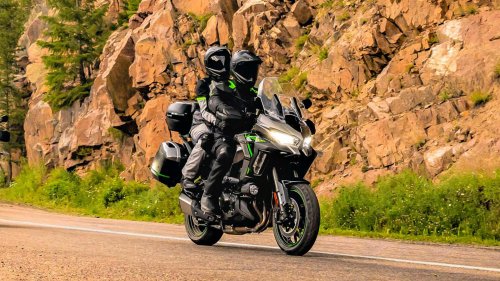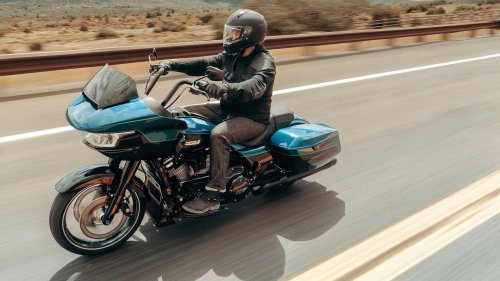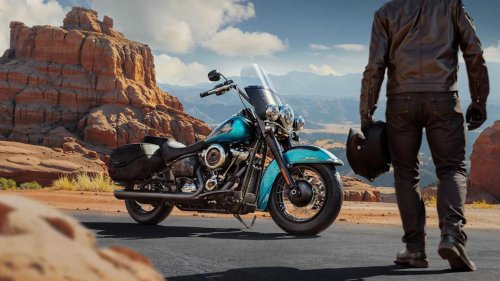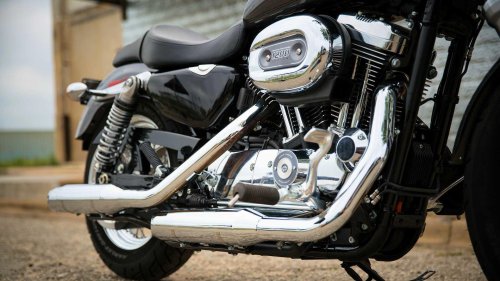
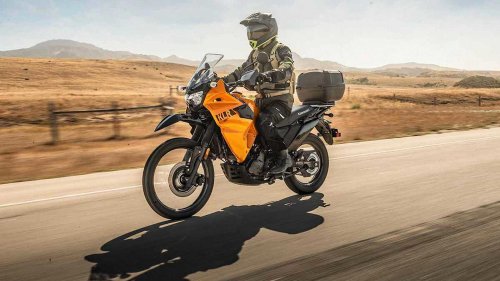
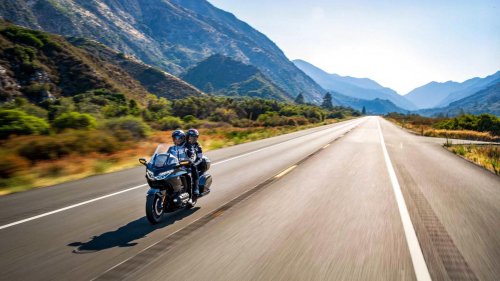
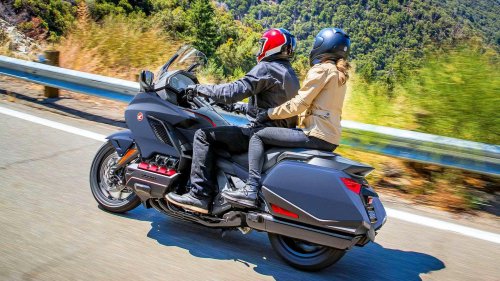

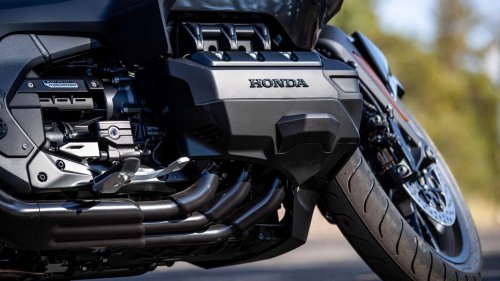
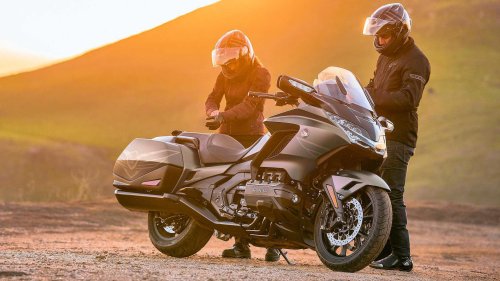
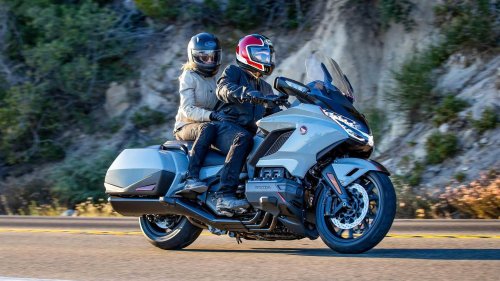
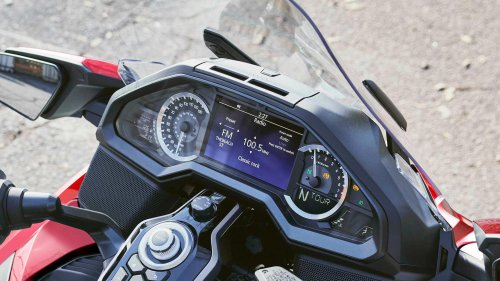
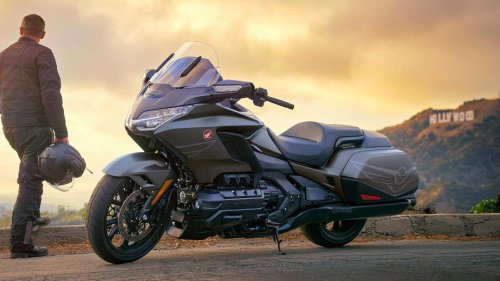

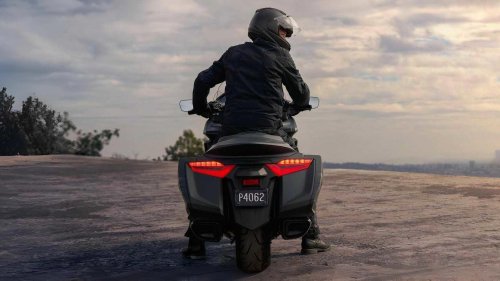



















Some motorcycles last a long time. Fewer prove what “built to last” actually means. At first glance, durability seems simple. Keep the engine understressed, limit complexity, and the miles add up. That approach works, and it has produced bikes that can run for years with basic care. But lasting a long time is not the same as being built to last.Motorcycles do not age the same way. Some rely on simplicity and tolerance to survive wear. Others are designed to manage load, control heat, and reduce stress before it builds. The difference shows up over time, when mileage climbs, and small weaknesses begin to compound. A motorcycle that is truly built to last does not just endure use. It is engineered so that its use itself causes less wear. What “Built To Last” Really Means In A Motorcycle Harley-DavidsonA solid engine, conservative tuning, and components that wear slowly enough to extend service life are all primary reasons for durability. That formula has produced several machines with earned reputations for longevity. The Harley-Davidson Sportster (Evolution 883/1200) is a clear example. The Iron 883 in particular runs low compression and modest output, which keeps internal stress down and extends engine life. With a relatively light chassis for a cruiser, it also reduces load on bearings, suspension, and the frame itself. The result is a bike that can accumulate miles steadily with routine maintenance.Harley-DavidsonSimplicity reinforces that pattern. Air-cooled engines remove layers of complexity, making them easier to service and less dependent on supporting systems. The trade-off is thermal control. Heat builds, tolerances widen, and long-term wear becomes more dependent on how the bike is used and maintained. Where Simplicity Starts To Fall Short KawasakiThat is where bikes like the Kawasaki KLR650 and Suzuki DR650S earn their reputations. Both use simple, understressed single-cylinder engines that tolerate neglect better than most. Fewer moving parts and lower output mean fewer failure points. They keep running even when maintenance is inconsistent, which is its own form of durability. What they are not designed for is sustained high-speed load over long distances, where heat and stress begin to compound. This raises a more useful question. If some motorcycles last because they are simple and tolerant, what happens when a motorcycle is designed to reduce stress, heat, and wear from the start? Engineering That Prevents Wear Before It Starts Load Management, Cooling, And Drivetrain Design Turn Durability Into A System HondaThere is another way to build a motorcycle that lasts. Instead of relying on simplicity and tolerance, it manages load, heat, and wear before they accumulate. That shift changes everything. The Honda Gold Wing is built around that idea. Decades of long-distance use have established a clear pattern. These bikes are routinely expected to cross state lines, carry full loads, and hold highway speeds for hours without accumulating the kind of stress that shortens service life. That consistency is not accidental. It is engineered into the platform. Designed For Continuous Load, Not Occasional Use HondaStart with how the bike handles load. The front suspension uses a double-wishbone design that separates steering forces from suspension movement. That reduces stress at the fork interface and keeps inputs smooth at the handlebar, lowering rider fatigue and limiting shock transfer through the chassis.HondaOut back, a shaft final drive runs enclosed within the swingarm in its own oil bath. It adds a maintenance step, but it removes chain wear, reduces exposure, and delivers consistent power transfer over time. Together, these systems reduce mechanical shock and isolate stress before it can move through the rest of the bike.HondaThe engine follows the same logic. Honda's flat-six engine layout spreads load across more cylinders, lowering per-cylinder stress and smoothing operation. It is tuned conservatively, so it rarely operates near its limits. Liquid cooling keeps temperatures stable across long runs, preventing the heat cycling that accelerates wear in simpler air-cooled designs. The result is an engine that can sustain speed and load without accumulating background damage. 2026 Honda Gold Wing Engine And Performance Specifications Durability Beyond The Engine HondaDurability is not just built into the engine. It is engineered into everything that surrounds it. The Honda Gold Wing is fully enclosed in wind-tunnel-developed bodywork, leaving only limited exposure of the flat-six engine. That coverage is not cosmetic. It shields wiring, connectors, fasteners, and mechanical components from rain, debris, and constant UV exposure. Over time, that protection slows corrosion, preserves electrical reliability, and reduces the gradual degradation that takes other bikes off the road.HondaThat same design also manages rider fatigue, which directly affects long-term use. A tall, vented windshield and wide front fairing deflect wind and weather, while integrated hand protection reduces constant exposure at highway speeds. The result is a platform that can be ridden for hours without tiring the rider. Less fatigue leads to smoother inputs, fewer mistakes, and less mechanical shock moving through the bike over time. Armed With Proven Electronic Safety Aids HondaModern rider aids add another layer of control. Traction control limits rear wheel spin, reducing sudden drivetrain shock and unnecessary tire wear. ABS prevents wheel lockup under hard braking, protecting both tires and braking components from repeated stress events. These systems do not just improve safety; they actively reduce wear during real-world use.HondaLong-term durability also depends on what does not go wrong. The Harley-Davidson Twin Cam engine became known for cam chain tensioner wear in earlier versions, a failure point that required attention as mileage increased. In contrast, later Gold Wing models show no widely recognized systemic flaws. Recalls have been limited, and there are no recurring design weaknesses that owners must plan around. This is what separates a motorcycle that lasts from one that is engineered to last. It does not rely on strength alone. It reduces exposure, controls stress, and removes weak points before they become problems. Why The Gold Wing Defines “Built To Last” Not Just Durable, But Engineered To Reduce Wear Across Every System Over Time HondaDurability can come from simplicity, but it does not end there. Bikes like the KawasakiKLR650, SuzukiDR650S, and Harley-Davidson Sportster (Evolution 883/1200) prove that an understressed, straightforward design can deliver long service life. The Honda Gold Wing operates on a different level. It is engineered to reduce stress throughout the entire machine before it is built. Load is managed, heat is stabilized, critical components are protected from the environment, and electronic systems limit shock during real-world use.Honda Just as important, there are no recurring weak points that undermine long-term ownership. That is the distinction. Some motorcycles last because they can take abuse. The Gold Wing lasts because it avoids accumulating damage in the first place. If the goal is to prove that some things are built to last, this is the motorcycle that proves it.Source: Honda Powersports (That data is supported by experience as a certified motorcycle mechanic trained across the Big Four and Harley-Davidson, adding practical insight into reliability trends, service intervals, ownership patterns, and long-term durability.)