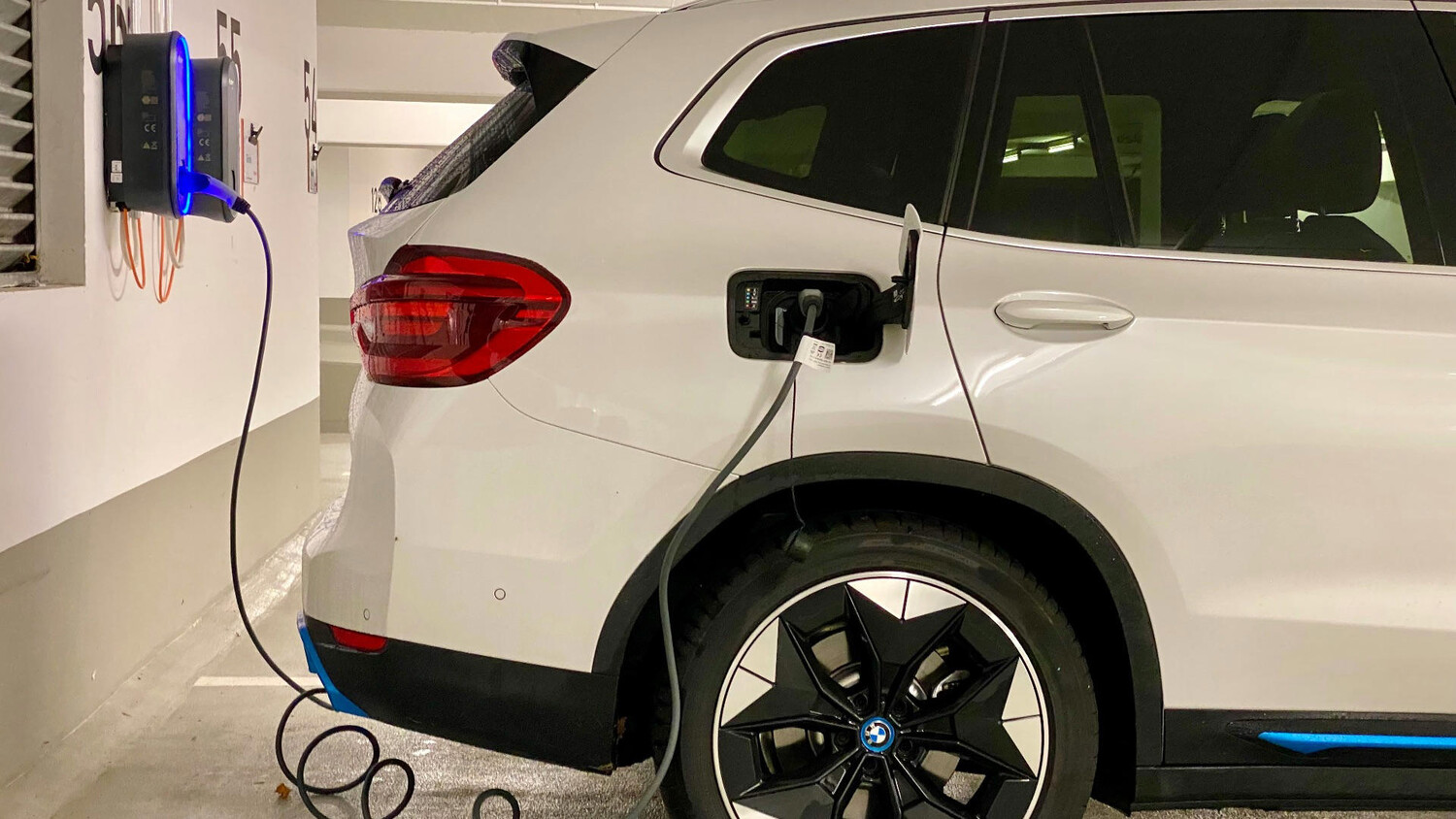
The Shift Feels Familiar, Until It Doesn’tThinking of switching to an electric vehicle or have already made the swap? You'll probably instantly notice the differences, like how much smoother acceleration feels or how much more convenient it is to charge your car rather than fill up the tank. And yet, some parts of EV ownership become normal faster than you think, and you'll likely never be able to go back once you've gotten used to it. Here's how your expectations might pan out the first time you take your EV for a drive.1. The Acceleration Feels Instantly DifferentMost people know electric cars can be quick, but feeling that instant response for the first time still catches them off guard. There’s no waiting for gears to shift or an engine to build power, so the car reacts the moment you press the pedal. Even everyday driving can feel more responsive than expected. That doesn’t mean every EV is a performance car, but the smooth pull is something many new owners notice immediately.2. Home Charging Changes the Whole RoutineA lot of drivers expect charging to feel like replacing gas station visits, but home charging often makes the routine feel completely different. Instead of stopping somewhere when the tank is low, you plug in at night and start the next day with enough range for regular driving. That can make the car feel easier to live with than people anticipated. The biggest shift is that refueling becomes something that happens while you’re doing something else.3. Range Anxiety Often Fades Faster Than ExpectedBefore buying an EV, many people worry constantly about running out of battery. After a few weeks, they usually learn how far they actually drive and how much range they really need. Once charging habits settle in, the battery percentage starts to feel less stressful. Long trips still require planning, but daily use often becomes much less dramatic than people imagined.4. Regenerative Braking Takes Time to AppreciateThe first experience with regenerative braking can feel unusual because the car slows down as soon as you lift your foot from the accelerator. Some drivers find it odd at first, especially if they’re used to coasting in a gas car. After a little practice, though, many start to enjoy how much control it gives them in traffic. It can make stop-and-go driving feel smoother once the rhythm clicks.5. Public Charging Isn’t Always as Simple as It SoundsMany new EV owners assume public chargers will work like gas pumps: pull in, pay, and leave. In reality, different networks, charging speeds, payment systems, and occasional broken chargers can make the experience more uneven. This doesn’t ruin EV ownership, but it does surprise people who expected complete consistency. Planning ahead becomes part of the learning curve, especially on road trips.6. Cold Weather Can Affect More Than ComfortDrivers in colder climates often expect to use more energy for heat, but the overall impact of winter can still surprise them. Battery range can drop, charging can take longer, and preconditioning becomes more important. The car still works, of course, but winter driving teaches owners that temperature matters. Once they understand those patterns, it becomes much easier to manage.7. Maintenance Feels Noticeably Less InvolvedPeople usually hear that EVs need less maintenance, but the difference can feel more meaningful once they own one. There are no oil changes, spark plugs, timing belts, or exhaust systems to think about. Tires, brakes, cabin filters, and software updates still matter, so the car isn’t maintenance-free. Even so, the reduced list of routine service items can be a pleasant surprise.8. The Software Matters More Than ExpectedIn a gas car, software may feel like part of the infotainment system, but in an EV it can shape the whole ownership experience. Route planning, charging information, battery management, app controls, and over-the-air updates all become important. A good interface can make the car feel much easier to use, while a clunky one can become frustrating. Many drivers discover that they’re not just shopping for a vehicle, but also for the digital experience that comes with it.t9. Charging Speed Is Not the Same as Charger SpeedNew owners often assume that plugging into a fast charger automatically means the car will charge at the advertised maximum rate. In practice, charging speed depends on the vehicle, battery temperature, state of charge, and charger condition. The battery usually charges fastest at lower percentages, then slows down as it fills. That learning curve can be surprising until you understand how charging sessions actually behave.10. Driving Can Feel Less FatiguingMany people don’t expect an EV to change how tired they feel after a commute or a day of errands. The smooth acceleration, reduced vibration, and simple pedal response can make routine driving feel less demanding. This effect isn’t always obvious during a test drive, but it can become noticeable over time. For some owners, the car simply feels easier to operate in daily traffic.Of course, not every part of switching to electric comes as a surprise. Here are 10 things that definitely fit in line with most people's initial expectations.1. Gas Station Visits Mostly DisappearThis is one of the clearest expectations, and for many EV owners it’s exactly right. If you can charge at home or at work, you may go weeks or months without thinking about a gas station. That convenience is one of the biggest lifestyle changes people expect before switching. In everyday use, it often delivers exactly as promised.2. Electricity Usually Costs Less Than GasMany drivers switch expecting lower fuel costs, and that’s often what they see. The exact savings depend on local electricity rates, gas prices, driving habits, and whether you rely on public fast charging. Home charging is usually where the cost advantage feels strongest. People still need to run the numbers for their area, but the basic expectation is often accurate.3. Road Trips Require More PlanningLong-distance driving in an EV usually isn’t difficult, but it does require more thought than a gas car. You need to know where chargers are, how long stops might take, and whether your route has reliable options. Many drivers expect this before they buy, and the reality lines up with that assumption. The planning gets easier with practice, but it doesn’t disappear completely.4. The Car Feels High-TechEVs tend to come with large screens, app controls, driver-assistance features, and detailed energy displays. People expect that kind of modern feel, and many electric cars lean heavily into it. Depending on the model, the technology can be useful, distracting, or a bit of both. Still, the sense that you’re driving something more digitally centered is usually exactly what buyers anticipated.5. Charging Takes Longer Than Filling a TankEven the fastest charging stop doesn’t usually match the speed of pumping gas. Most EV owners know that going in, especially if they’ve researched public charging. The important difference is that not every charge requires you to stand around waiting, particularly when charging at home. Still, when you’re on a trip, the time commitment is real and expected.6. The Environmental Appeal Is Part of the DecisionMany people choose an EV partly because they want to reduce tailpipe emissions. That expectation remains a major part of the ownership experience, especially for drivers who care about local air quality and lower gasoline use. The broader environmental picture can depend on electricity sources, battery production, and vehicle size. Even with those details in mind, the basic appeal is usually exactly what buyers had in mind.7. Upfront Prices Can Be HigherShoppers often expect electric vehicles to cost more than comparable gas models, and that can still be true depending on the segment. Incentives, fuel savings, and lower maintenance can change the long-term math, but the purchase price may still feel steep. This is one of the practical realities people usually understand before walking into a dealership. The surprise is less about the price itself and more about how much the total cost depends on personal circumstances.8. Tire Wear Can Be NoticeableMany EV shoppers hear that electric cars can go through tires more quickly because of their weight and strong torque. In real life, that expectation can prove accurate, especially for drivers who enjoy quick acceleration. Careful driving, proper tire pressure, and regular rotations can help, but tires remain an important expense to watch. It’s not a dealbreaker for most owners, but it’s a cost they shouldn’t ignore.9. The Cabin Feels Modern and MinimalA lot of electric vehicles use simplified interiors, fewer physical buttons, and clean dashboard layouts. Buyers often expect that design direction, and many models deliver exactly that. Some people love the uncluttered look, while others miss traditional controls. Either way, the interior experience often feels as modern as people imagined before switching.10. It’s Still Just a Car in Daily LifeAfter the first few weeks, many owners realize that an EV becomes normal surprisingly fast. You still commute, run errands, sit in traffic, park, clean the interior, and deal with insurance like you would with any other vehicle. The powertrain changes a lot, but it doesn’t turn every drive into an event. In the end, the most expected thing may be that the car simply becomes part of your routine.