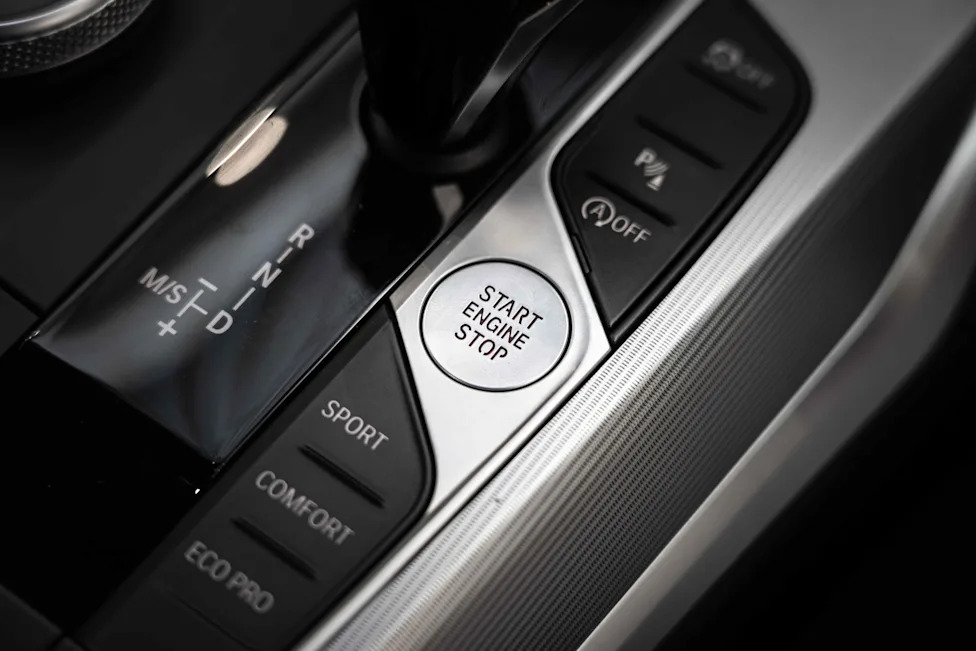
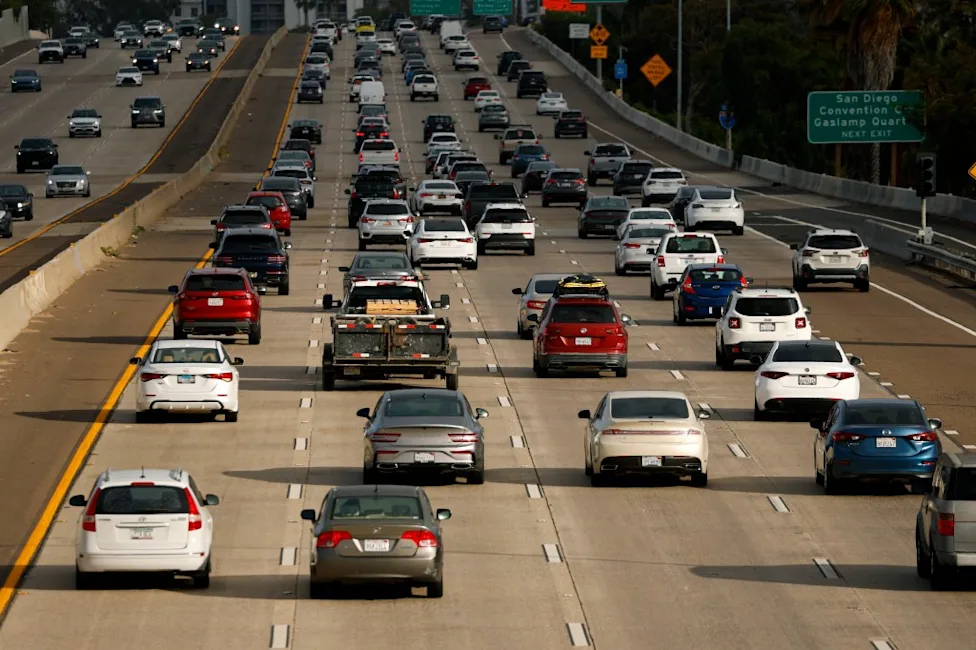
Many Americans concerned about so-called “kill switches” in cars may not realize that versions of the technology already exist in many of vehicles.Modern vehicles increasingly contain systems capable of remote communication, location tracking and, in some cases, preventing a vehicle from starting. While these technologies are often marketed as anti-theft tools, convenience features or financing protections, they rely on the same basic concept behind what most drivers think of as a “kill switch”: interrupting the systems a car needs to operate.This is how to find out if your car already has kill switch technology.Traffic backs up on southbound Interstate 5 heading into downtown San Diego during the afternoon rush hour on April 24, 2026 in San Diego, California.What Is a Car Kill Switch?A car kill switch is a manually or electronically operated mechanism designed to prevent a vehicle from starting or remaining operational. The system works by interrupting either the electrical current or fuel supply necessary for the engine to run.AdvertisementAdvertisementSome are installed intentionally by owners as anti-theft devices. Others are integrated into modern connected-car systems or installed by lenders and dealerships as part of financing agreements.The simplest type is a battery or master disconnect switch, which physically cuts the main electrical connection between the battery and the vehicle. These systems are commonly attached to the negative battery terminal and prevent any electrical components—including the starter—from receiving power.More targeted systems interrupt the ignition or starter circuit itself. These starter-interrupt devices prevent the starter solenoid from engaging when the driver turns the key or presses the ignition button. In those cases, the vehicle may appear powered on, but the engine will not crank.Other systems focus on the fuel supply instead of the electrical system. Fuel-pump interrupt devices allow the engine to turn over normally but prevent fuel from reaching the injectors. Modern versions increasingly rely on GPS and cellular connectivity.AdvertisementAdvertisementElectronic and GPS-based disabling systems can remotely prevent a vehicle from starting by integrating with the car’s computer network or starter relay. These systems are commonly associated with connected-car services and subprime auto financing agreements.The Technology Already Inside Many CarsMany drivers already use systems with remote-disable or connected-control capabilities without thinking of them as kill switches.General Motors’ OnStar platform, for example, includes “Remote Ignition Block” and stolen-vehicle slowdown features that can help law enforcement recover stolen vehicles. Tesla vehicles allow owners to remotely monitor location, control access and manage vehicle functions through smartphone apps. FordPass, Hyundai Bluelink and Toyota Connected Services offer similar connected-car functionality.Lenders and dealerships also frequently install GPS-connected starter interrupt devices in financed vehicles, particularly in loans involving borrowers with lower credit scores. These devices can send payment reminders, track vehicle location and, in some cases, prevent a vehicle from restarting after repossession procedures begin.AdvertisementAdvertisementPrivacy advocates say many consumers remain unaware of how much data their vehicles collect or how much remote access manufacturers, lenders or third-party vendors may possess.How To Tell if Your Car Has a Kill SwitchDrivers trying to determine whether their vehicle contains a remote-disable system or tracking device can often identify clues through both documentation and physical inspection.Check Your Vehicle Apps and SubscriptionsIf your vehicle uses connected-car apps such as OnStar, FordPass, Tesla, Hyundai Bluelink or Toyota Connected Services, it may contain built-in telematics hardware capable of remote communication.Features may include:GPS trackingRemote lock and unlockRemote startVehicle diagnosticsOver-the-air software updatesAdvertisementAdvertisementNotably though, the capabilities can vary by manufacturer, so owners should check all details and also review any subscription agreements signed at purchase, where manufacturers often disclose remote-access and data-sharing capabilities.Review Financing DocumentsSome lender-installed tracking systems appear in financing paperwork under terms such as:“Starter interrupt device”“Collateral protection”“Payment assurance technology”“GPS tracking system”These systems are especially common in subprime auto lending.Inspect Common Installation AreasManual or aftermarket kill switches often leave visible signs during inspection.Factory wiring is typically enclosed neatly in black plastic conduit and secured with uniform clips. Non-factory electrical tape, loose wiring, spliced connections or aftermarket relays may indicate an added system.AdvertisementAdvertisementCommon hiding locations include:Beneath the dashboardAround the steering columnNear the fuse boxUnder the driver’s seatInside the center consoleBeneath carpeting near the door sillRelays used in starter-interrupt systems often appear as small square or rectangular boxes mounted outside the main fuse panel.Check the OBD-II PortMany lender-installed GPS trackers plug directly into the vehicle’s OBD-II diagnostic port located beneath the driver’s side dashboard.Some are immediately visible, while others use extension harnesses that allow the device to be hidden deeper behind trim panels.What Happens NextThere is currently a bill in committee, the No Kill Switches in Cars Act, which would look to block the enforcement of vehicle kill switches. It has not yet advanced past the first step.AdvertisementAdvertisementRelated ArticlesData Centers Have a Three-Eyed Fish ProblemBruce Springsteen Condemns 'Treasonous' Trump—5 Times He Blasted PresidentWho Will Replace Nancy Pelosi? Final Polls Days Before California PrimaryStart your unlimited Newsweek trial



















 +53 others