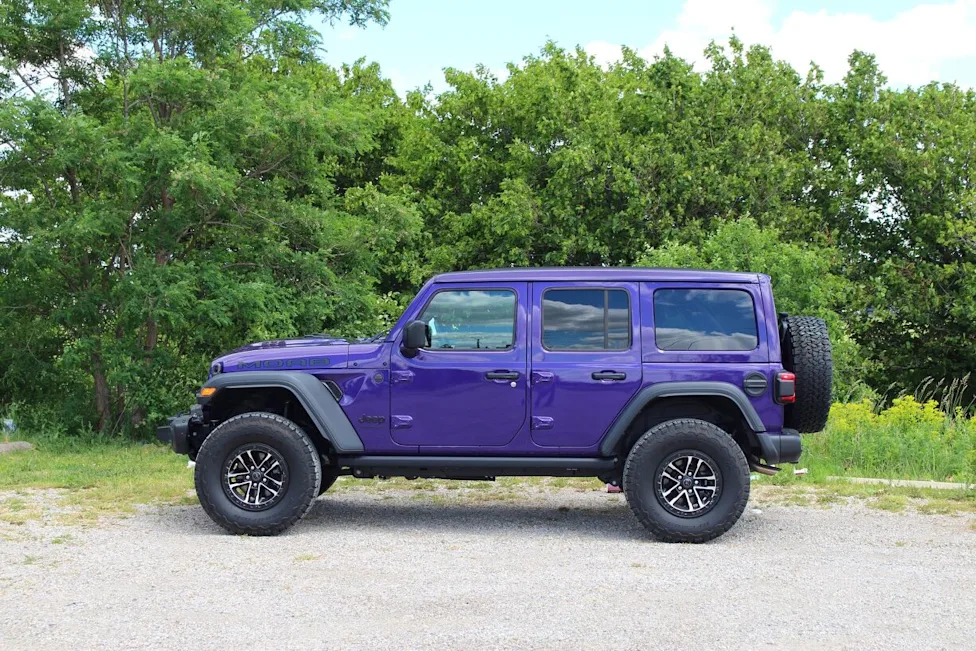























how to find a new car priced less than 40 000 right nowFor consumers shopping the new-vehicle market, raw headlines present a bleak outlook: the average price of a new car in the United States continues to hover around the $50,000 mark, stretching household budgets to their absolute limits. However, looking past the industry-wide averages reveals a surprisingly resilient pocket of affordability.According to the latest Auto Live Market View report compiled by Cox Automotive, dealership lots across the country ended June with 2.82 million new vehicles in stock. While the average industry listing price ticked up to $49,336-a 1.4 percent increase compared to June 2025-the broad figure is heavily skewed by a top-heavy market saturated with luxury electric vehicles, premium heavy-duty trucks, and six-figure SUVs.A granular look at the data shows that affordable inventory is still out there for buyers who know where to look.how to find a new car priced less than 40 000 right nowWhere the Sub-$40,000 Inventory SitsThe most telling statistic for budget-conscious buyers is the high concentration of inventory sitting below the $40,000 threshold. Approximately 34 percent of all new vehicles currently on dealer lots are priced under $40,000.AdvertisementAdvertisementDrilling down further into the affordable bracket, nearly a quarter of all available U.S. inventory-representing more than 688,000 active units-sits directly within the $30,000 to $40,000 sweet spot. Vehicles in this specific tier carry an average listing price of $35,377.Crucially, this segment is moving faster than manufacturers can restock it. These sub-$40,000 vehicles accounted for a substantial 28 percent of all nationwide retail sales in June, resulting in a tight 70-day supply that sits well below the broader industry average.how to find a new car priced less than 40 000 right nowThe Great Inventory Divide: Toyota Sells Out as Jeeps Pile UpWhile a third of the market remains highly affordable, finding those vehicles depends entirely on the badge on the grille. Nationwide inventory distribution has fractured into extreme regional and brand imbalances, creating a market where some showrooms are completely bare while others face staggering oversupply.The Leanest Brands (Under 80 Days' Supply)At the ultra-lean end of the spectrum, Asian imports continue to operate at maximum velocity, keeping day's supply exceptionally low through high consumer demand:AdvertisementAdvertisementToyota: Holds the absolute tightest inventory constraints in the United States, entering July with a razor-thin 37 days' supply.Lexus: Operates with a similarly lean 41 days' supply.Honda: Retains just a 48 days' supply on dealer lots.Subaru & Cadillac: Both manage highly disciplined inventories, registering at 67 days and 69 days, respectively.Kia & Chevrolet: Rounded out the healthier mainstream brackets, holding down 74-day and 76-day supply marks.The Heaviest Brands (Over double the 80-day national average)Conversely, Stellantis continues to struggle with a massive backlog of unsold sheet metal, occupying the absolute bottom of the inventory charts. Dodge, Ram, and Jeep are all currently saddled with deep oversupply problems. Jeep represents the most severe inventory glut in the nation, sitting on an astronomical 160 days' supply-double the national baseline.Typically, an automotive brand buried under a five-month backlog of unsold vehicles will aggressively write incentive checks and slash prices to clear the tarmac. However, Jeep is bucking conventional retail strategy.The brand's June incentive spending wrapped up at just 6.7 percent of the Average Transaction Price (ATP), lagging behind the 7.0 percent average incentive spend across competing legacy automakers. Buyers walking into a Jeep showroom expecting massive fire-sale discounts may leave disappointed, as the manufacturer is holding its pricing ground despite holding the largest stack of unsold vehicles in America.AdvertisementAdvertisementDespite economic headwinds, consumer price sensitivity, and rising interest rates, the macroeconomic automotive sector remains remarkably level. Overall sales rates are holding at healthy summer volumes, and while luxury models inflate the national average transaction price, the data proves that a diverse, steady supply of new vehicles remains highly accessible in the mid-$30,000 range.