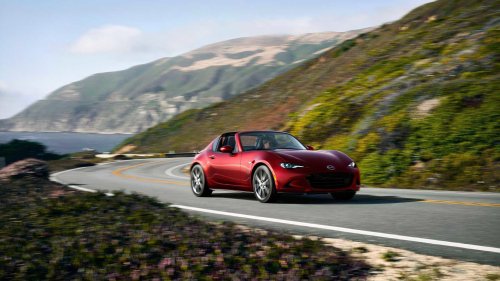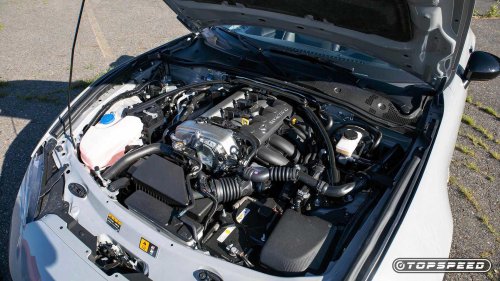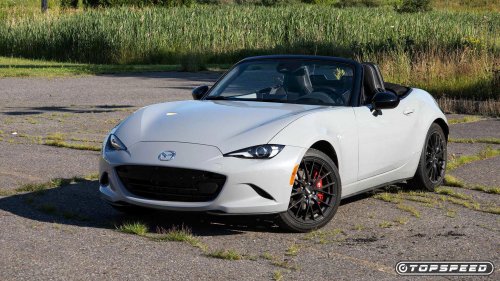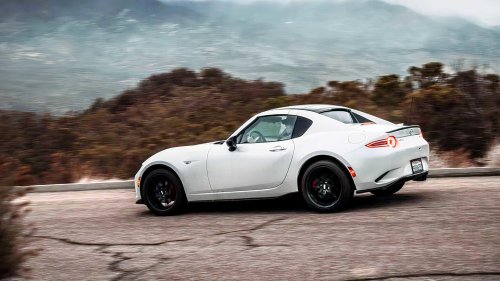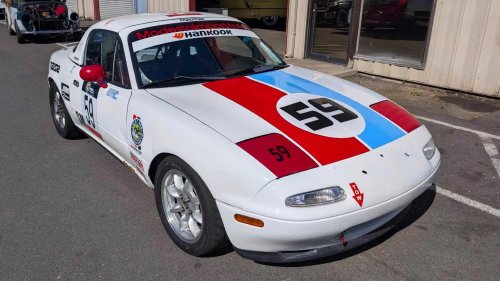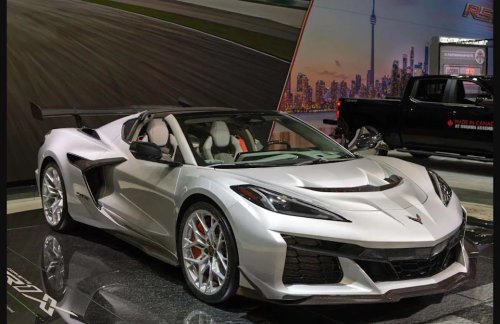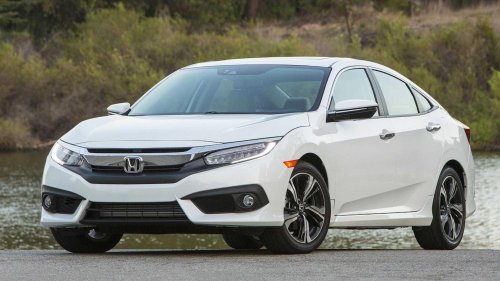























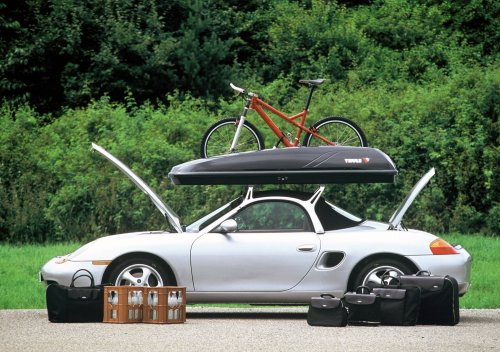


The budget track car is a popular subject among automotive media, usually presented as a list of depreciated performance icons that look enticing in a classified ad. While editorial lists often lean toward high-horsepower heroes of the past, the consensus among those actually turning wrenches and dragging their cars to the track suggests a more conservative approach. The delta between a car that is "track-capable" and one that is "track-ready" is wide, and usually paved with expensive invoices. A recent talk about the sub-$15k track day car market on VWVortex reveals that intelligent enthusiasts shy away from outright power and gravitate toward mechanical sustainability. The Problem with Cheap Horsepower The Porsche 986 Boxster and the Chevrolet Corvette C5 always appear in these discussions, occupying the upper limit of the $15,000 ceiling. From an engineering perspective, these platforms offer superior suspension geometry and power-to-weight ratios. However, the community is quick to point out the hidden tax of these vehicles. A C5 Corvette might offer the best lap time per dollar, but the cost of 18-inch track tires and heavy-duty brake pads can quickly exceed the seasonal budget of a casual enthusiast. A $15,000 Corvette is often a high-mileage survivor that may require immediate cooling system overhauls or hub replacements to survive even short 20-minute sessions in summer heat. In the same vein, you can trust a $15,000 Porsche about as far as you can throw it. The cost of consumables can be double that of a lighter, less powerful car. For the enthusiast, a car that sits in the paddock with heat-soaked brakes is an expensive paperweight, regardless of its theoretical lap time. Hyundai Boulder Concept: All The Details The Momentum Argument The Mazda MX-5, particularly the NC generation, remains the baseline for this discussion. From a mechanical engineering standpoint, the NC is a simplified version of the RX-8 chassis, offering a multi-link rear suspension that is more predictable than the earlier swing-arm-adjacent setups of the 1990s. The community consistently points to the "operating cost per hour" as the metric that actually matters. A car that weighs 2,500 pounds is inherently kinder to its hubs, bushings, and cooling system than a 3,300-pound V8. This is the same logic that keeps the Honda Civic-specifically the double-wishbone EG and EK chassis-in the conversation. While front-wheel drive is often dismissed by purists, the historical reliability of the K-series and B-series engines under thermal stress is a known quantity that makes them a safer financial bet. Plus, once you figure out how to three-wheel a front-wheel drive car through the corners, you'll be an addict forever. The Attrition Factor The reality of the secondary market in 2026 is that $15,000 no longer buys a "turn-key" track car. Whether it is a Porsche with a potential IMS bearing failure or a BMW E46 with a subframe that needs reinforcement, every car in this bracket has a "tax" that must be paid before it touches the tarmac. A track car's value isn't in the spec sheet, but in its ability to complete a weekend without a tow truck. While the allure of a mid-engined Porsche or a V8-powered American icon is strong, the seasoned members of the community argue for the "over-maintained" underdog. The consensus is that the smartest purchase is a car that leaves $5,000 of that budget in a savings account. In the $15,000 bracket, the smartest money isn't necessarily spent on the fastest car, but on the one that leaves enough room in the budget for a second set of wheels and a year's worth of oil changes. 2025 Honda Accord Touring Hybrid: All the Details