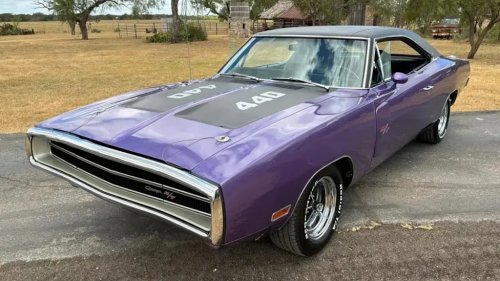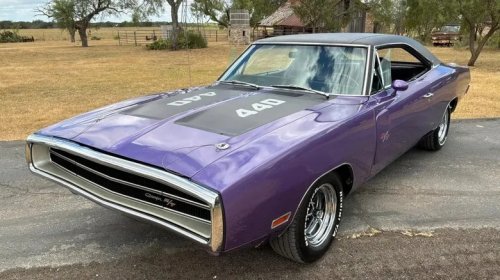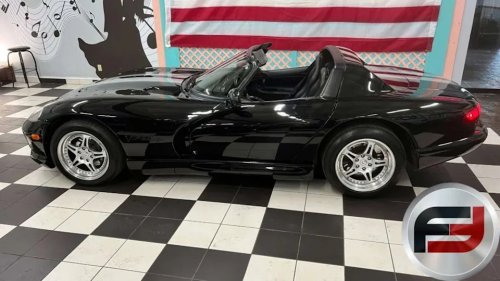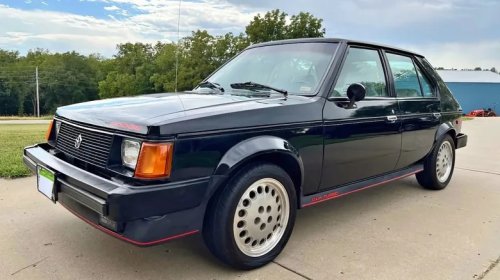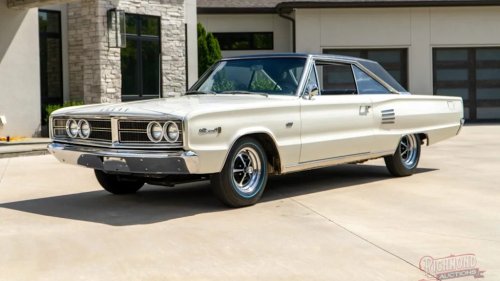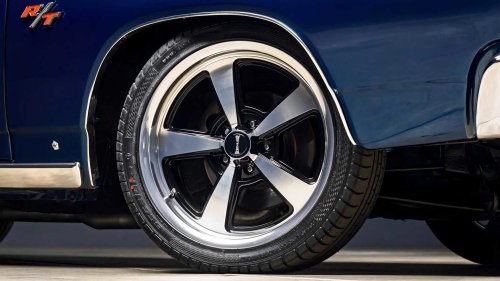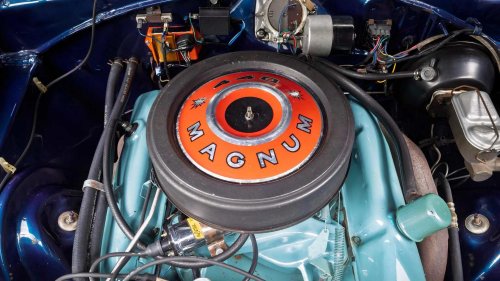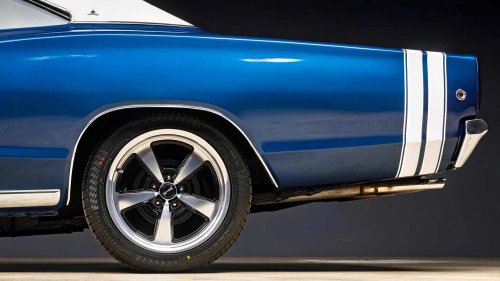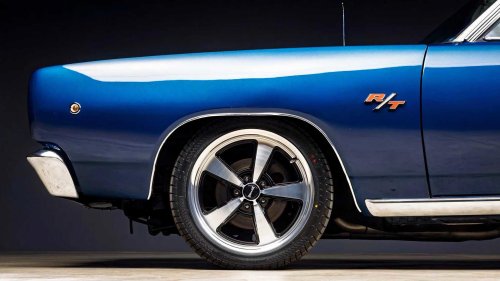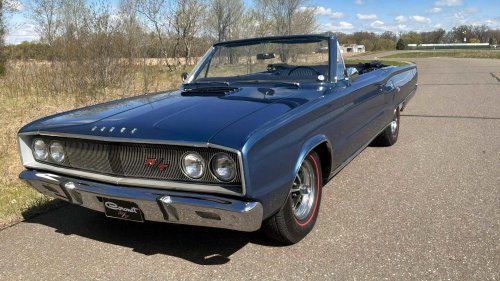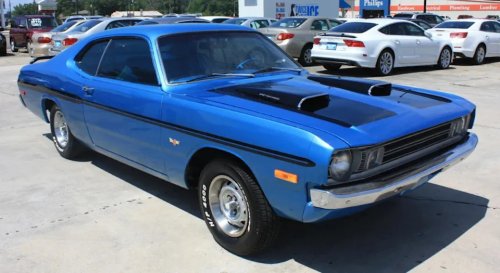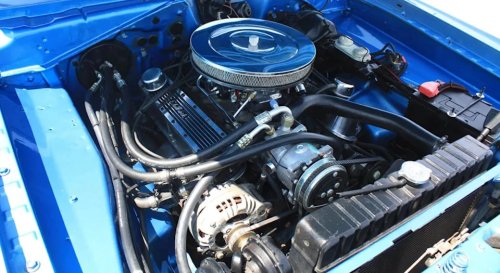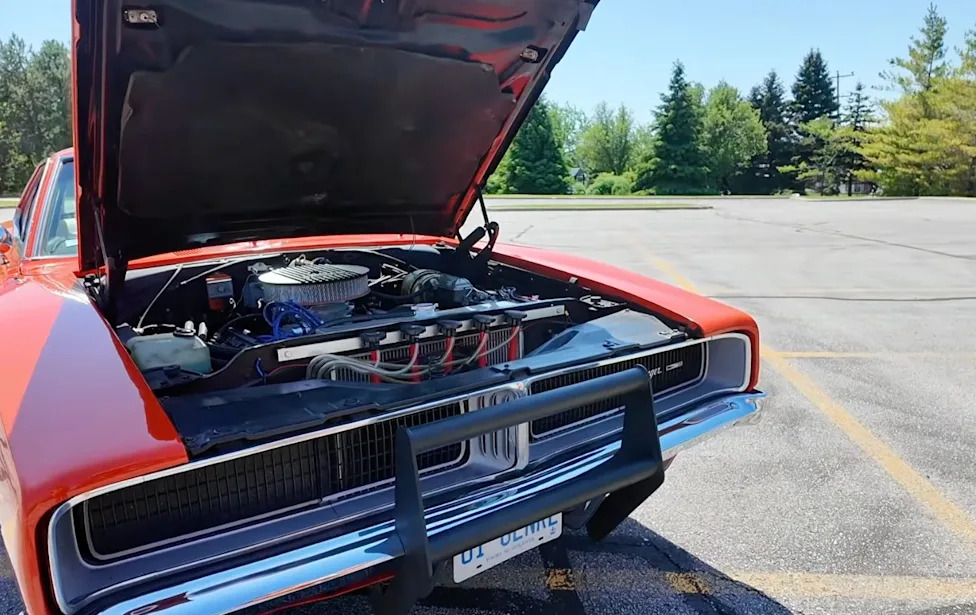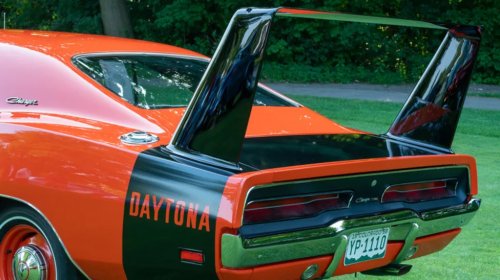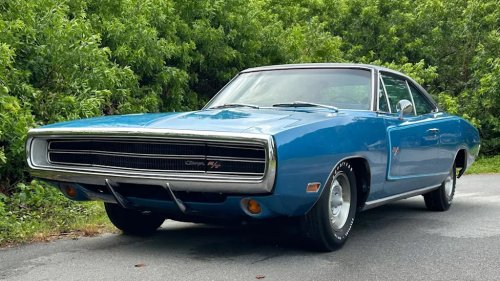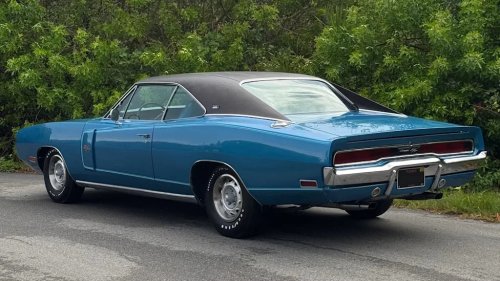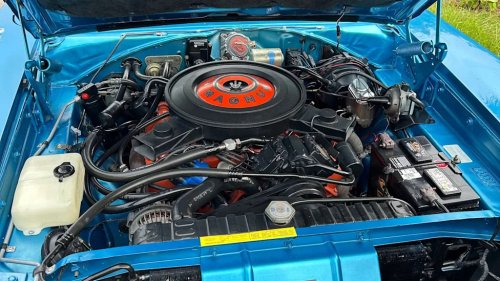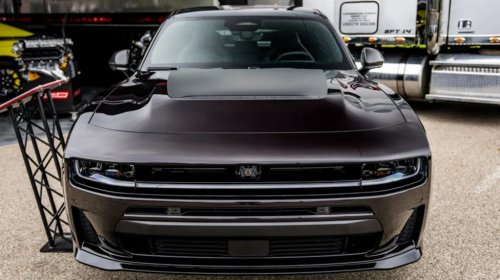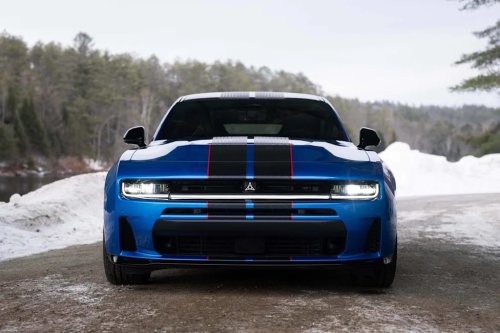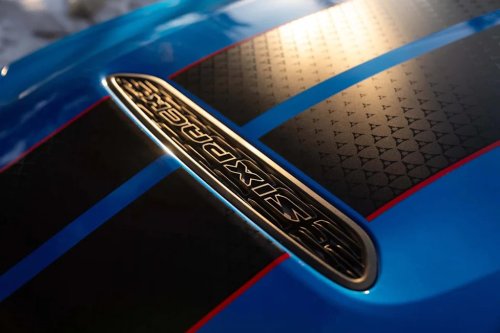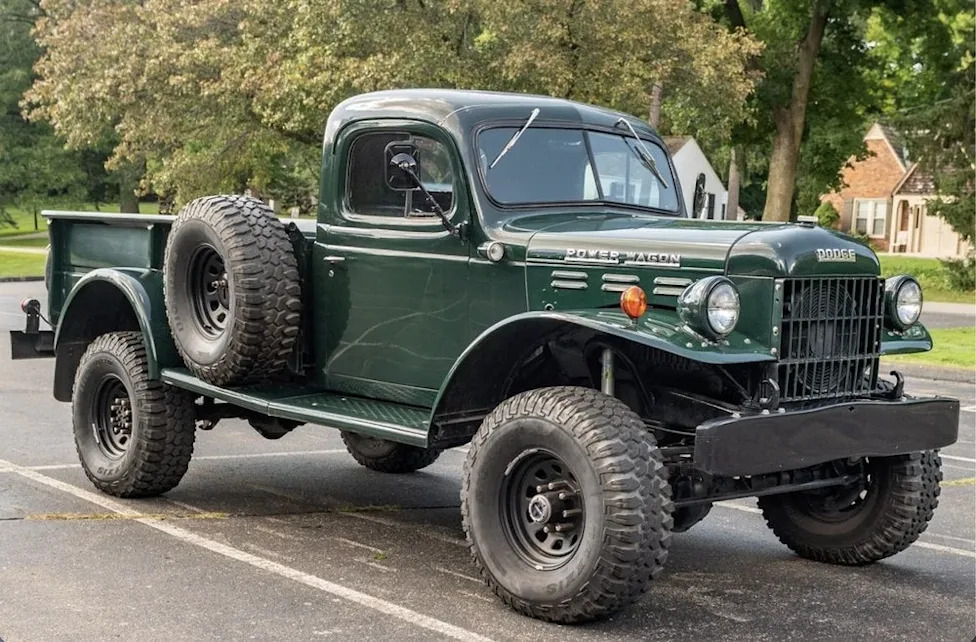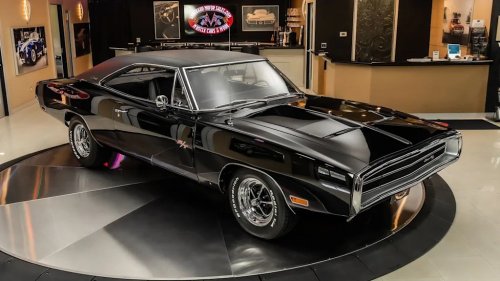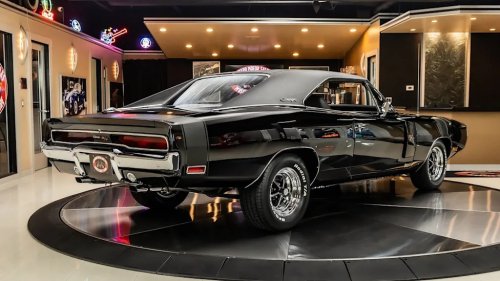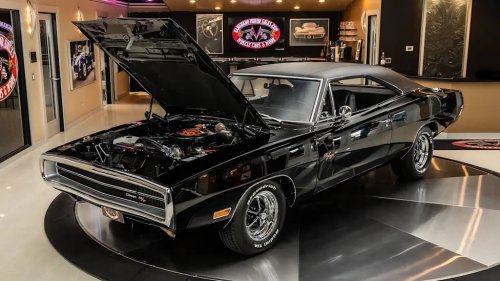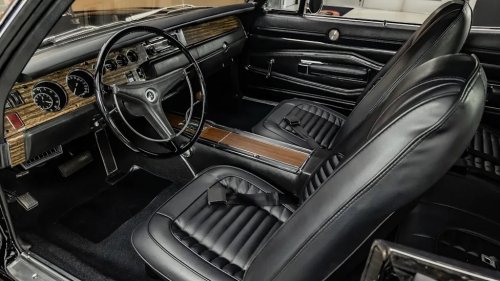






















Carroll Shelby is an absolute legend in the automotive world. Some of his most famous works include the Shelby Mustang, the GT40, and the Shelby Cobra, all of which featured Ford powerplants. Because of that, he's most commonly associated with the Blue Oval. Shelby was too big to be tied to just one brand, though. What many forget is that he also had a stint with the Chrysler corporation. During that period, he worked on some icons of later eras, like the Shelby Daytona and the Dodge Viper.What if he'd started working with Mopar sooner, though? What if the treatment he gave to the Mustang found its way to the Charger instead? This HotCars rendering imagines what might have happened if Shelby worked with Dodge in the 1960s. The Second Generation Dodge Charger HotCars Photo © 2023 Valnet Whether you're a Mopar nut or not, there's no denying that the designers of the 1968 to 1970 Dodge Charger absolutely knocked it out of the park. The hips of the iconic Coke bottle styling, menacing grille, and radical accents make for one of the meanest cars on wheels. There's a reason it's always picked as the bad guy's car of choice in TV and film.It didn't just look the part, either. Dodge gave these cars the best of the best equipment. Even SE cars came with some respectable powerplants. The durability of the 318 is a thing of legend, and it was the bread and butter engine that powered most of them. There's also the 383 B engine, which would knock the smirk off of anyone's face who doubted it. Cars with that big block might not have had thelegendary R/T badge on them, but the right person could turn them into absolute monsters that'd put a hurting on anything in their path.Things were taken to a whole new level when you went for the high-performance variants of the Chargers, though. Dodge sent the R/T cars out with heavy-duty suspension packages, and two of the gnarliest V8s ever to leave Detroit. The 440 cubic inch V8 came standard, which was an absolute hammer down low. You also had the option to upgrade to the legendary 426 Hemi. Maybe soft on the street in stock form, but a little bit of elbow grease would turn the Elephant into an absolute nightmare for any who oppose it. Shelby's Dodge Charger Imagined HotCars Photo © 2023 Valnet This rendering of what Shelby's version of the second-generation Dodge Charger is everything you'd expect it to be. From the iconic white paint job and blue stripes to the signature Shelby Cobra wheels, it looks like something that may have rolled out of Shelby American.Some other touches make this version look like an all-out performer. Flared fenders and hood scoops give it a much more custom appearance, with a chin splitter to let you know it's good for high-speed pursuit. The artist also opted for a 1968 grille with '69 tail lights, which I'm a sucker for. After all,that's exactly how my own '69 Chargeris set up.As for the engine under the hood, that's up to your imagination. Shelby dabbled with some of the baddest Mopar engines of all time. I actually have two Direct Connection performance bulletins that feature "Shelby's Speed Secrets," in which he details some tips on how to get more out of classic Mopar muscle cars.HotCars Photo © 2023 Valnet Among the secrets shared is a recipe for a 600-horsepower 440 that he crammed in an A-body drag car. That may very well be the engine he'd have used for this build. Though given the style of driving this Charger looks to be set up for, I'd be more inclined to suspect a NASCAR-spec Hemi would be the engine of choice. Where street Hemis were rated to produce 425-horsepower, 490 ft-lb of torque,race versions made 650 horsepowerand were all about spending long periods at high revs. There's also an argument to be had about a 340 being the mill to power this thing, given that it was Mopar's own pick for road course tyrants like the T/A Challenger and AAR 'Cuda. Shelby American Makes The World Go Round HotCars Photo © 2023 Valnet Maybe just a thought experiment, but this Shelby Charger rendering is an awesome reminder of what made Carroll so great. More than building great cars, he showed the world what it means to push boundaries and to get the job done at all costs. He's inspired generations of car enthusiasts, with many of today's greats idolizing him. While we may never know what he might have done with a second-generation Charger, those dreamed up and built by gearheads who look up to him and his crew are the next best thing.