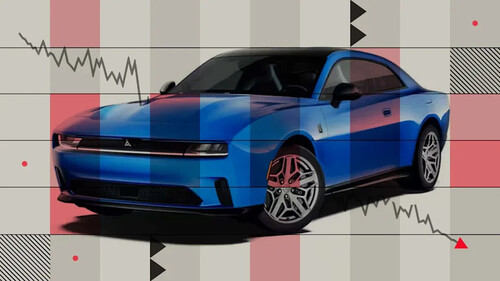
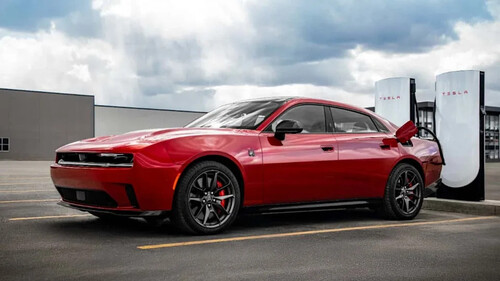
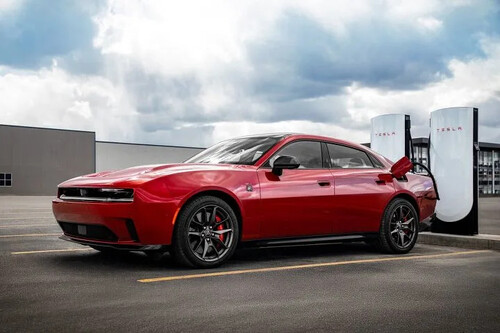
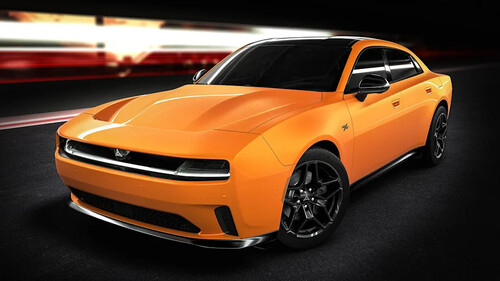
Jenna Nelson · 5 months ago@jennanelson34Edmund's Dodge Charger EV Lost $50,000 In Value In A Year Liked by+18 othersFiskerPost commentRelated PostsFuture Classics at Concours DevouJenna Roy · 14 days agoDodge Charger Daytona EV Sales Crater: Less Than 800 Deliveries This YearEvan Wright · 17 days agoHow To Live With A Car From A Defunct Brand When Parts Have Nearly Disappeared 36 · Ava Scott · 2 months ago5 of the fastest muscle cars you can buy at auction this weekendThomas Morgan · 15 days agoVitamin C 1970 Plymouth Superbird, Owned 22 Years, Is Bid to $148,000Matthew Johnson · 18 days ago2012 Fisker Karma Signature Edition for Sale With 116,900 Miles 40 · Henry Côté · 2 months ago1970 Plymouth Superbird: Collector Spec SheetZoë Leblanc · 15 days agoMatching Numbers Plum Crazy 1970 Dodge Charger R/T SE Is Looking For A New HomeEmma Brown · 18 days agoThese Five Future Classics Defined The 2000s Retro Future Trend 14 · Kayla Wright · 2 months agoPancho Villa Died in a Hail of Bullets in This 1919 Dodge. A Century Later, You Can Still Count the HolesEmma Clark · 15 days agoAfter 16 Years Without A Redesign, The Durango Is Feeling BlueAlexander Campbell · 18 days agoKarma’s Tesla Fighter Isn’t Fully Electric Anymore 86 · Sophie Rogers · 2 months agoThe Dodge Spirit R/T Was America's Fastest Sedan in 1991. Then Everyone Forgot It.Claire Girard · 15 days agoNo Mere Show Pony: We Test the 2026 Ford Mustang Dark Horse SCJackson Girard · 18 days agoAt Pebble Beach, Karma Played a Long Game. The Gyesera Is Just the Opening Move. 25 · Hannah Young · 2 months ago5 Cars You Might Not Expect To Have TurbochargersCharlotte Mitchell · 15 days agoDodge’s 1,348% Charger Sixpack Jump Started From 238 Leftover CarsAudrey Girard · 19 days agoThe Curse Of Fisker Continues As Karma Reboots Their Delayed Gyesera 40 · Madeleine Harris · 2 months agoWhat Car Was The Biggest Departure For Its Maker?Mason Green · 15 days agoThe Electric Charger Daytona Sales Cratering 90 Percent This YearHannah Wilson · 19 days ago




 +18 others