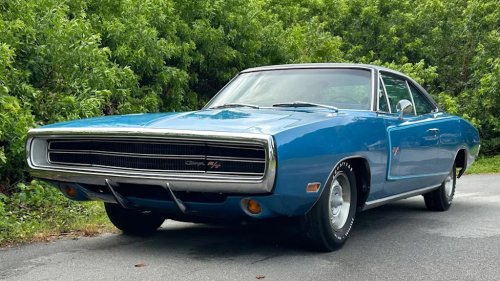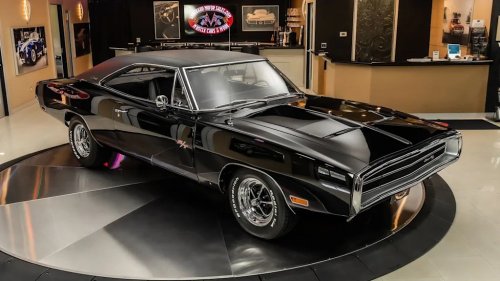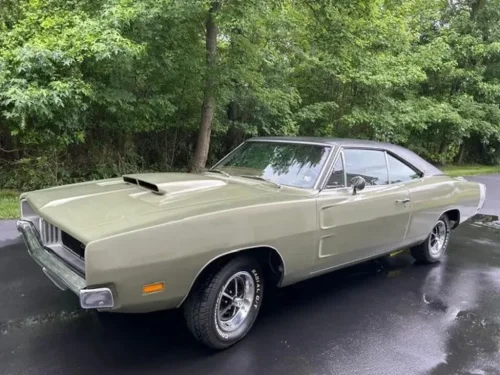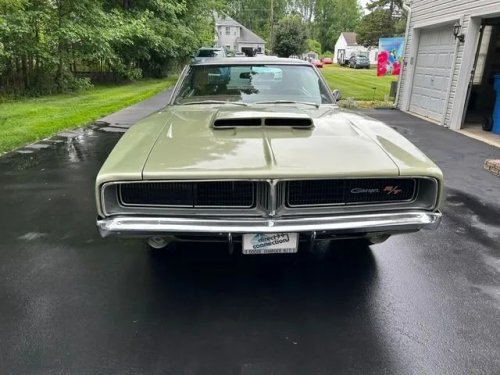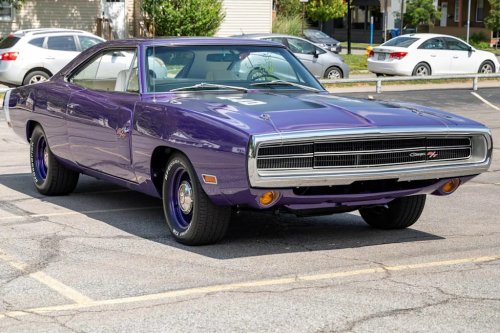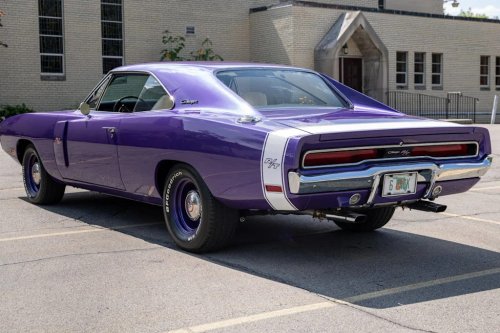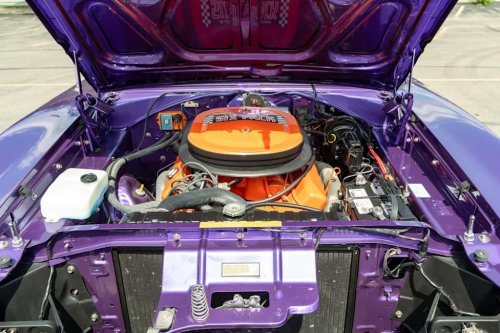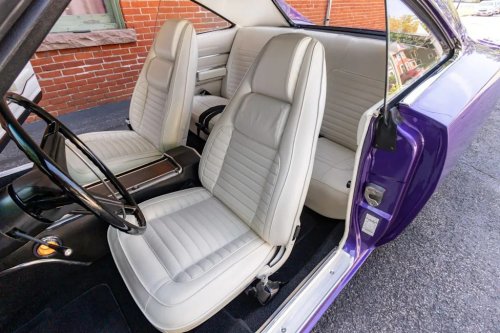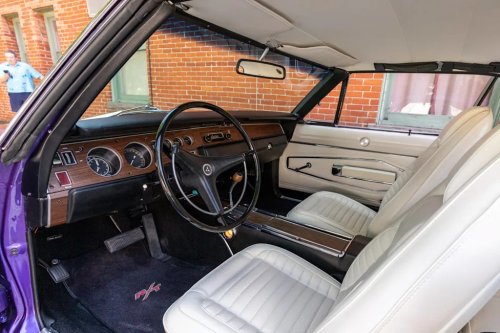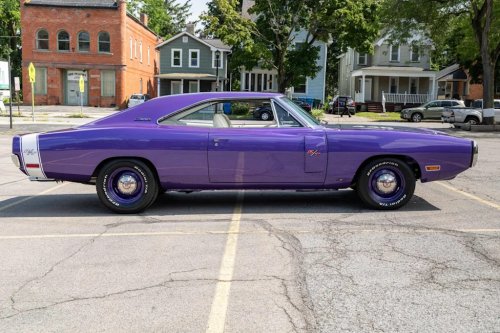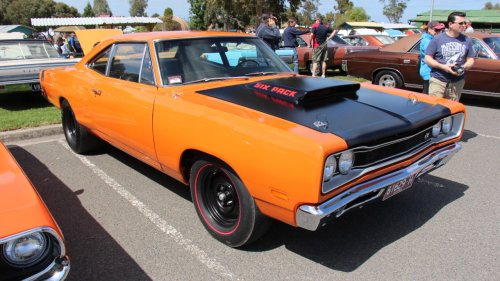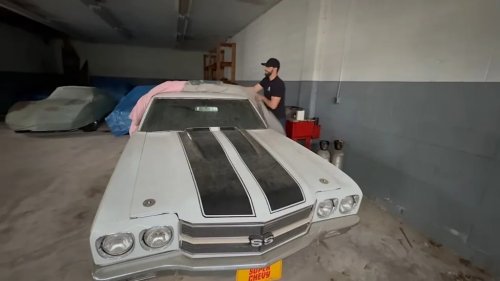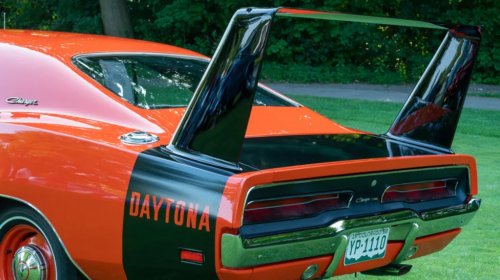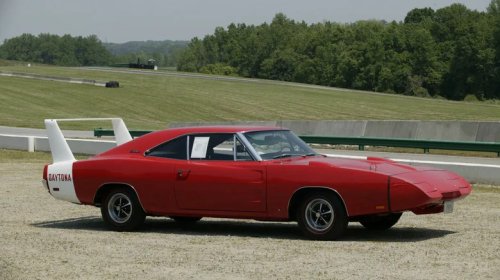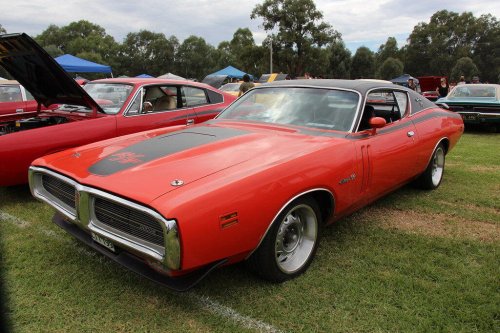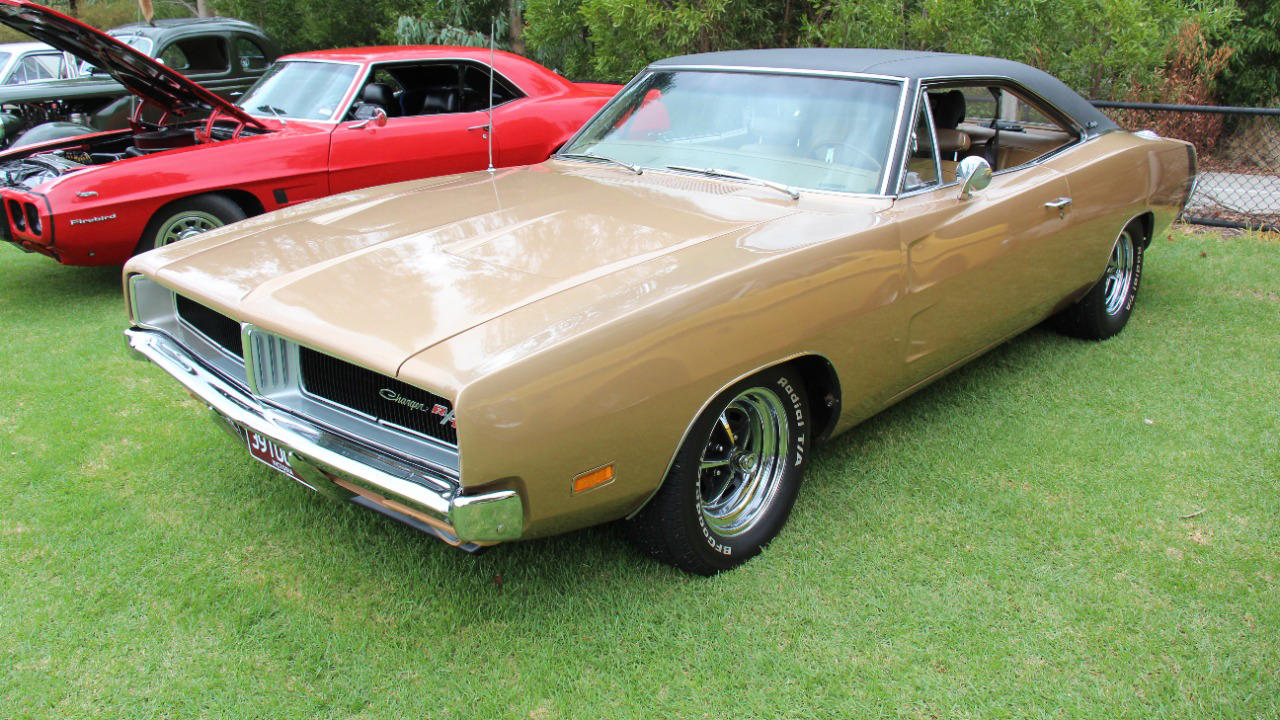



















Why the 1969 Dodge Charger R/T Became a Muscle Car IconThe 1969 Dodge Charger R/T did not just compete in the muscle car era, it defined how a Detroit performance coupe should look. With its dramatic Coke bottle profile, hidden headlights and flying buttress roofline, the car turned raw horsepower into a rolling piece of graphic design. That shape, more than any single engine option, is what turned the Charger R/T into a lasting icon of American performance culture. Collectors, restorers and younger enthusiasts still chase that same silhouette today, even when they choose restomods or modern drivetrains. The lines of the 1969 Charger R/T have become a visual shorthand for muscle car attitude, from scale models and video games to big-budget movie stunts. From B-body workhorse to design statement Dodge introduced the second generation Charger for 1968 on the Chrysler B-body platform, which it shared with models like the Coronet. The basic underpinnings were conventional, but the styling team used that structure as a canvas for a much more dramatic fastback coupe. The result was a long-hood, short-deck body with deeply sculpted sides that pinched in at the doors and flared over the wheel arches, creating the classic Coke bottle plan view. The 1969 Charger R/T carried that shape forward with subtle refinements. The body sides were still deeply scalloped, but the front grille gained a full-width divider and more aggressive texture, while the taillights moved to a pair of round units set into a blacked-out rear panel. The car looked lower and wider than the 1968 version, even though the basic dimensions were similar, which gave the R/T an even more purposeful stance on the street. Designers paired the sculpted body with a fastback-style roof that flowed into broad C-pillars and a recessed rear window. That flying buttress treatment created a muscular shoulder line over the rear wheels and visually planted the back of the car. The result was a profile that looked like it was under tension, as if the sheet metal were stretched tight over the chassis. The Coke bottle shape in context The Charger was not the only car of its era to use a Coke bottle theme, but it pushed the idea further than most rivals. Chevrolet experimented with similar surfacing on the 1968 Corvette and later on the second generation Camaro, while Ford gave the 1969 Mustang more pronounced hips. On the Charger, however, the pinch at the doors and the swelling rear quarters were exaggerated to the point where the entire side view read as a single sweeping gesture. That exaggerated waistline did more than look dramatic. It visually emphasized the rear-drive layout by swelling around the back tires, which were the path through which the Hemi and big-block torque reached the pavement. The shape made the car appear rear-biased even at a standstill, reinforcing the idea that it was built to launch hard and carry speed in a straight line. Contemporary coverage of the second generation Charger has often described the design as Dodge chasing a kind of visual perfection for a muscle coupe, with the Coke bottle body and recessed glass working together to create a cohesive whole. Modern analysis of the car’s proportions highlights how the long hood, short deck and pronounced haunches turned a mid-size platform into something that looked genuinely exotic for its price point, a point echoed in detailed breakdowns of the second-gen Charger. How the R/T package amplified the styling On the 1969 Charger, the R/T badge signaled more than a power upgrade. The package bundled visual cues that made the Coke bottle body look even more aggressive. Standard R/T elements included a performance hood with simulated scoops, specific badging on the grille and rear quarters, and often a contrasting bumblebee stripe that wrapped around the tail and cut across the sculpted rear panels. Those stripes and badges were carefully placed to follow the body contours. On a dark-colored car, the bright R/T graphics traced the flare of the rear quarters and the break line at the back edge of the trunk, which drew the eye to the car’s width. On lighter cars, black or dark stripes visually lowered the rear and made the roof pillars and rear window recess appear deeper. Wheel and tire choices also played into the overall effect. Magnum 500 wheels or styled steel rims filled the flared arches, and raised white-letter tires framed by the Coke bottle fenders made the car look ready for the drag strip. The R/T package essentially turned the Charger into a factory-custom version of itself, with the styling cues working in concert with the upgraded suspension and big-block engines. Engineering under the skin, style on the surface While the focus here is styling, the Charger R/T would not have earned its reputation without serious hardware. In 1969, the R/T came standard with a 440 cubic inch Magnum V8 and offered the legendary 426 Hemi as an option. These engines gave the car the straight-line performance expected of a top-tier muscle coupe, which meant the dramatic body was backed by real speed. Later examples, such as a 1970 Charger R/T 440 Six Pack rescued from a scrap fate, show how these big-block cars combined rare performance packages with the same Coke bottle lines. Coverage of that particular car highlights how the 440 Six Pack setup, with three Holley two-barrel carburetors, turned an already potent Charger into a serious track and street weapon, and how the car’s survival adds to the mystique around rare Mopar legends. The engineering and the styling were intertwined in the way fans perceived the car. The Coke bottle profile suggested explosive power, and the engines delivered on that promise. That alignment of visual drama and mechanical capability is one reason the Charger R/T feels more iconic than some rivals that offered similar power but more conservative bodies. Special trims and luxury twists on the same shape Dodge recognized how strong the Charger design was and used it as a base for different trim directions. The Charger SE, for example, added luxury touches such as a vinyl roof, wood-grain interior accents and additional comfort features. Even with these upscale cues, the car retained the same aggressive silhouette, which created an unusual blend of muscle and refinement. Enthusiast histories of the Charger SE point out how the vinyl roof treatment framed the rear window and C-pillars, emphasizing the flying buttress design and giving the car a slightly more formal appearance without softening the basic Coke bottle lines. That contrast between luxury trim and performance shape helped the Charger appeal to buyers who wanted both comfort and presence, a point illustrated in detailed looks at the Charger SE. These variants did not dilute the R/T’s image. Instead, they reinforced the idea that the underlying body design was strong enough to support multiple personalities, from street bruiser to highway cruiser, while always remaining instantly recognizable as a Charger. Screen fame and cultural imprint The 1969 Charger R/T owes part of its legend to film and television. High profile appearances in action series and car-chase movies turned the car into a character in its own right. Producers chose the Charger precisely because its Coke bottle shape and hidden-headlight face read clearly on camera, even in fast-moving scenes or dusty rural settings. Those stunt cars were often heavily modified, but the core silhouette remained untouched. The long nose, recessed grille and muscular rear quarters made the Charger easy to track in wide shots and instantly identifiable in close-ups. Over time, these screen roles helped fix the 1969 Charger in the public imagination as the archetypal American muscle car, even for viewers who never learned the exact model year or engine options. Car culture media has since revisited the Charger repeatedly, chronicling its legacy across multiple generations and explaining how the second generation design set the template. Modern retrospectives on the Charger legacy often start with the late 1960s cars and treat the 1969 R/T as the high point of the classic era, largely because of the way its styling captured the attitude of the time. Why the 1969 stands apart from other Chargers The Charger nameplate has spanned very different design philosophies, from the original fastback to the fuselage-inspired early 1970s cars and the later four-door performance sedans. Among these, the 1968 to 1970 second generation remains the most celebrated, and within that group, the 1969 is often singled out as the sweet spot between purity and aggression. Comparisons between early and later Chargers highlight this shift. Reviews of the 1968 Charger note how the first year of the second generation introduced the basic shape and hidden headlamps, but the 1969 updates sharpened the details. Later third generation cars, including rare 1971 examples with 426 Hemi power, experimented with a different body language that emphasized fuselage curves and integrated bumpers. Those cars, while desirable in their own right, lack the same crisp Coke bottle tension that defines the 1969 R/T, a contrast that becomes clear when examining limited-production 1971 Charger 426 models. Enthusiast rankings of legendary Mopar models consistently place the 1969 Charger R/T near the top, alongside icons like the Plymouth Hemi Cuda and Dodge Challenger T/A. These lists often cite the combination of styling, performance and cultural visibility as reasons the Charger stands out among legendary Mopars. Collector demand and restoration culture The market for 1969 Charger R/Ts reflects the car’s status. Restorable shells that retain their original Coke bottle body lines but need extensive mechanical work still attract buyers, while complete, numbers-matching cars command strong prices at auction. The shape itself has become the non-negotiable element; enthusiasts may accept drivetrain swaps or interior changes, but they look for intact quarter panels, correct rooflines and unmolested door scallops. Restoration shops often invest significant time in repairing or recreating the Charger’s complex body contours. The deep side scallops and flared quarters require careful metalwork to look right, and poorly executed repairs are easy to spot. This attention to the exact curvature of the body shows how central the styling is to the car’s perceived value. At the same time, the Charger R/T has become a favorite platform for high-end restomods. Builders who fit modern Hemi engines, updated suspensions and disc brakes still preserve the original exterior profile. Even when they change colors, delete vinyl roofs or tweak bumper fitment, they rarely alter the Coke bottle lines, because that is the feature that makes the car instantly legible as a late 1960s Charger. How later analysis frames the second-gen Charger Modern writers and historians often describe the second generation Charger as Dodge’s most successful attempt to balance style and function in a muscle car. Detailed breakdowns of the car’s development point out how the design team refined the aero and visibility issues of the first generation while pushing the surfacing much further. The recessed rear window, for example, reduced glare and gave rear passengers more headroom, even as it created a dramatic visual effect. More from Fast Lane Only Unboxing the WWII Jeep in a Crate 15 rare Chevys collectors are quietly buying 10 underrated V8s still worth hunting down Police notice this before you even roll window down *Research for this article included AI assistance, with all final content reviewed by human editors.