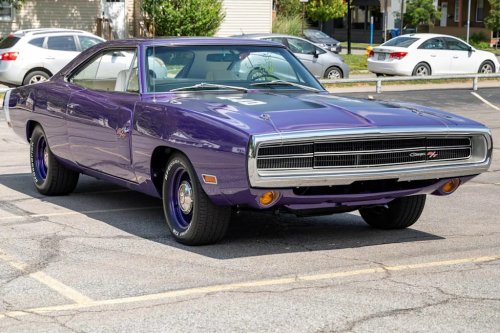
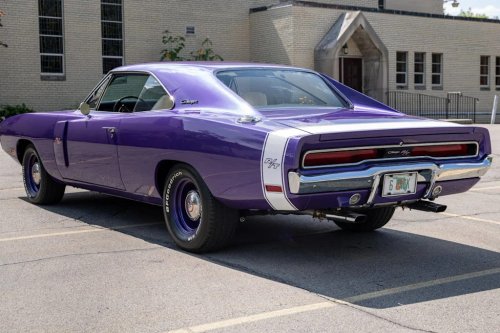
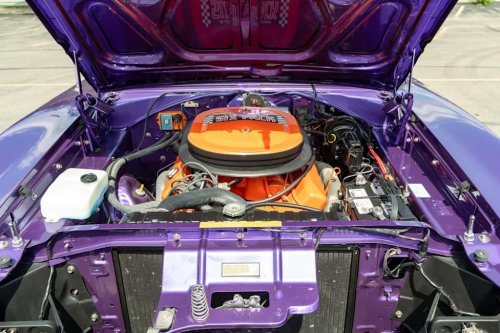
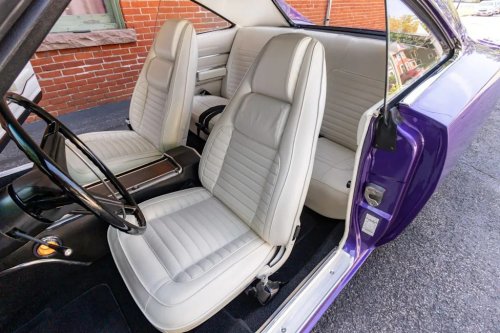
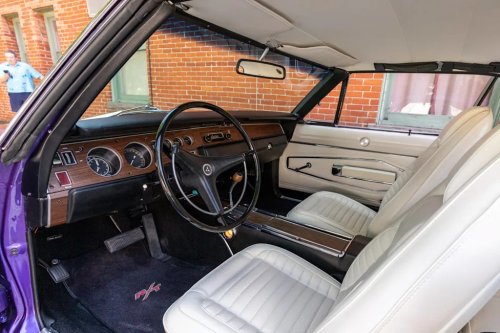
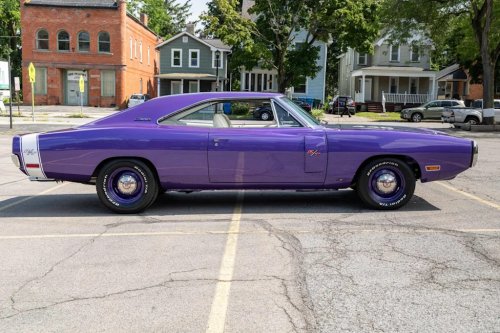
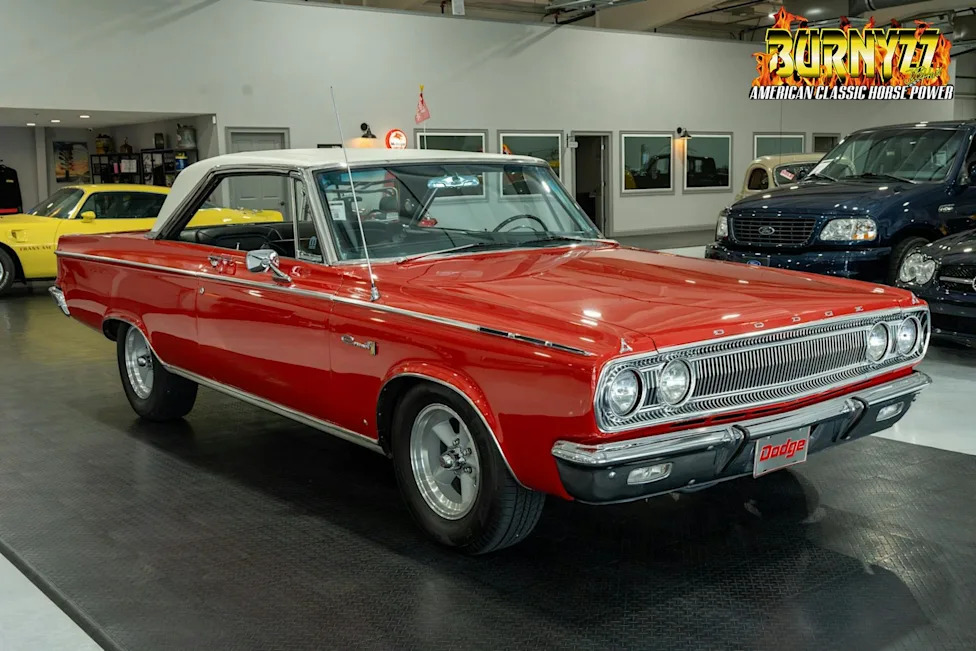
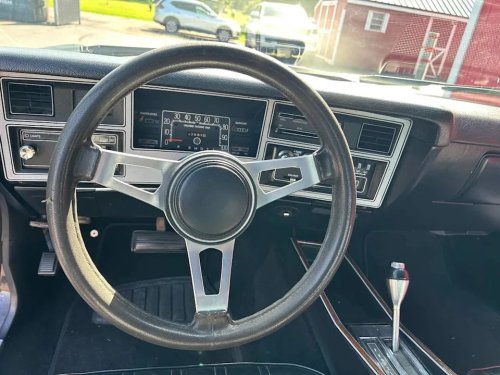
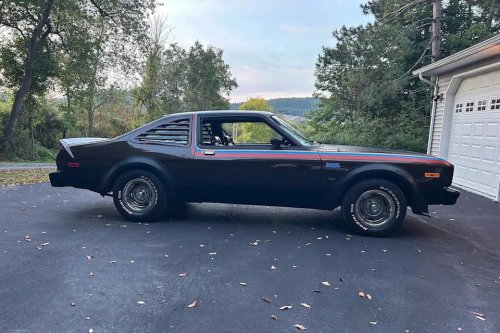
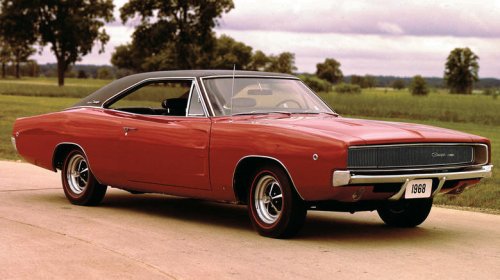
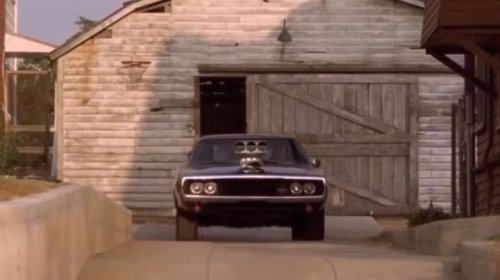
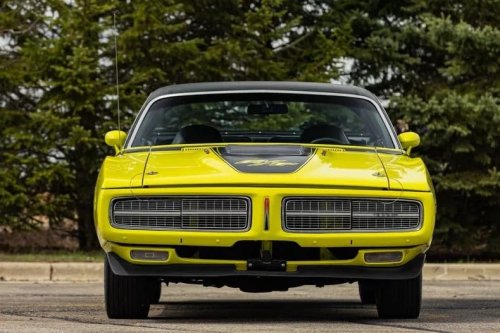
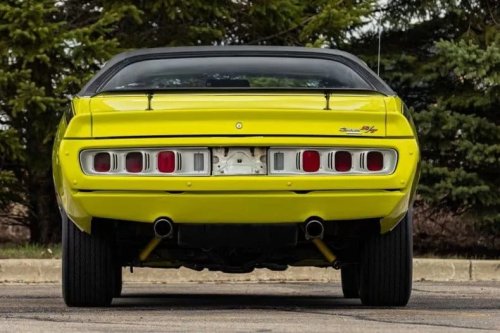
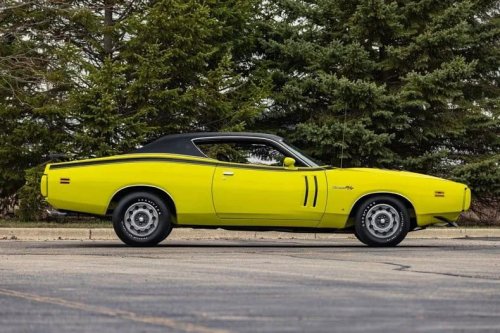
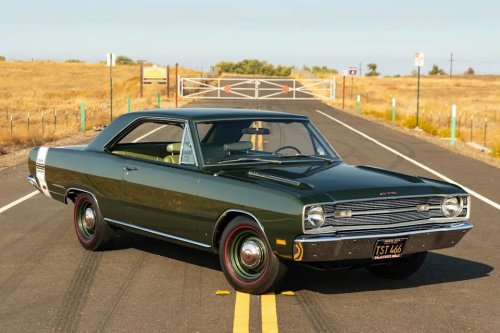
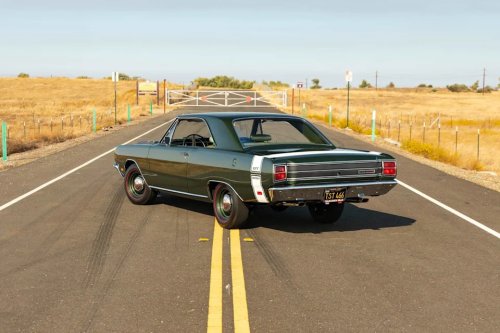
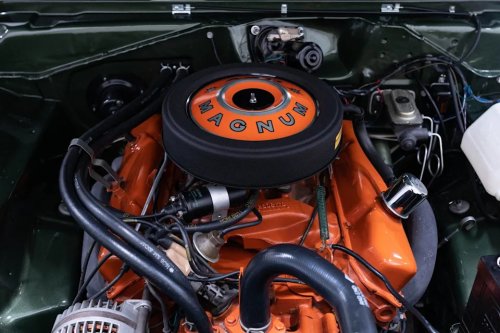
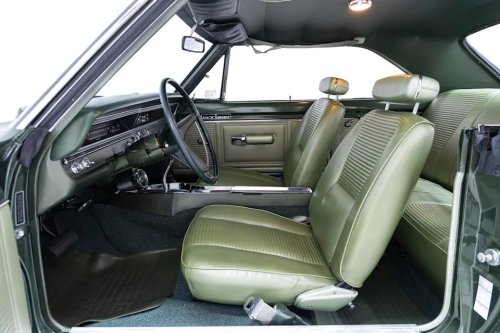
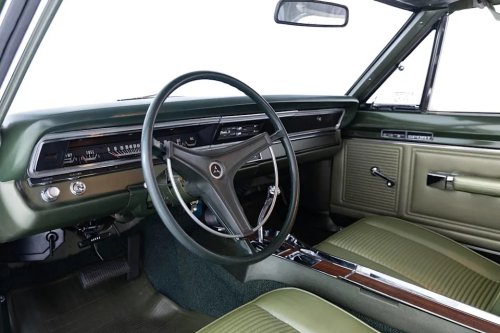
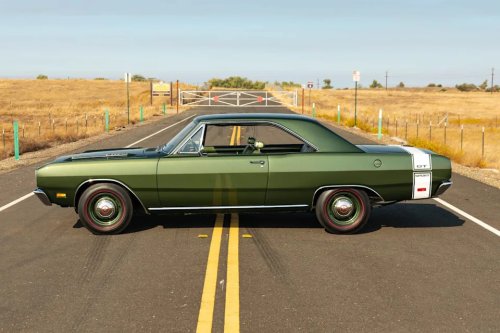
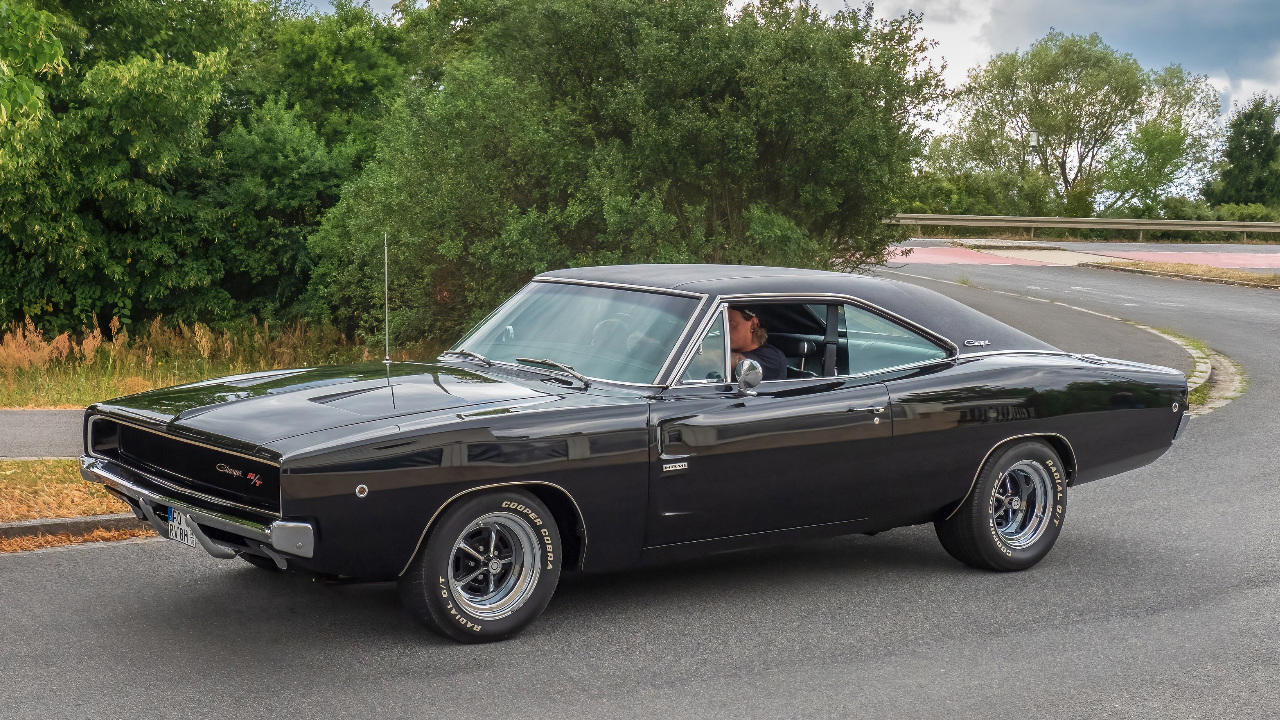
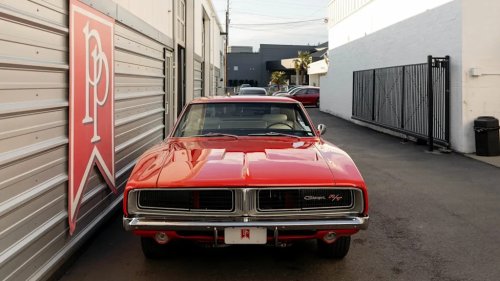
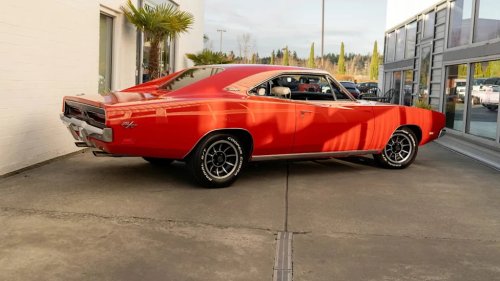
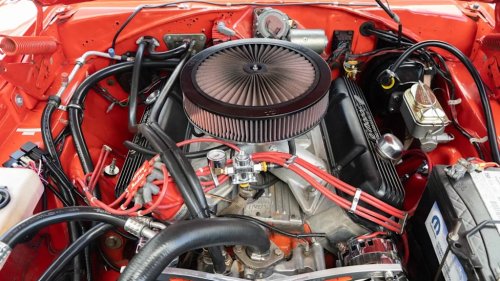
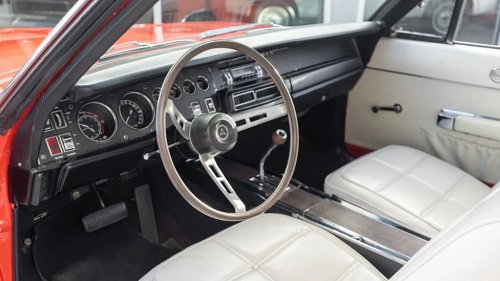
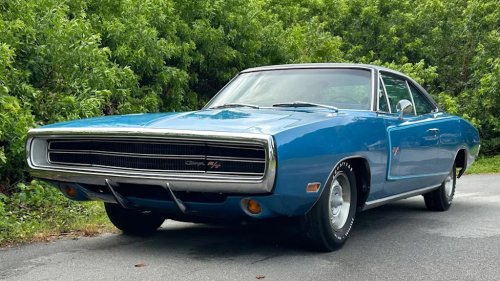
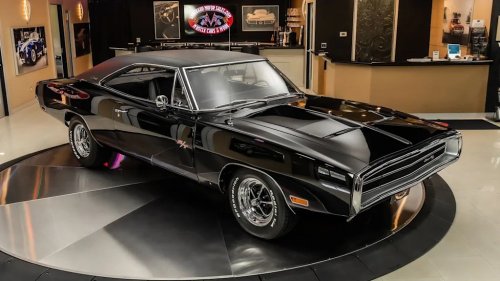
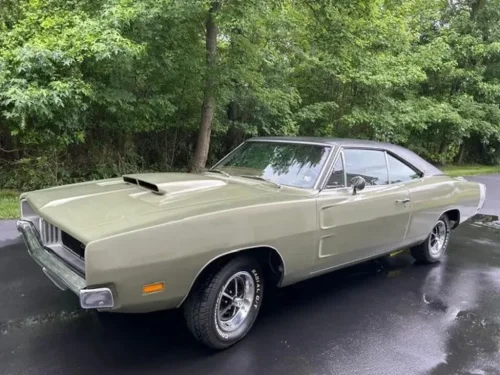
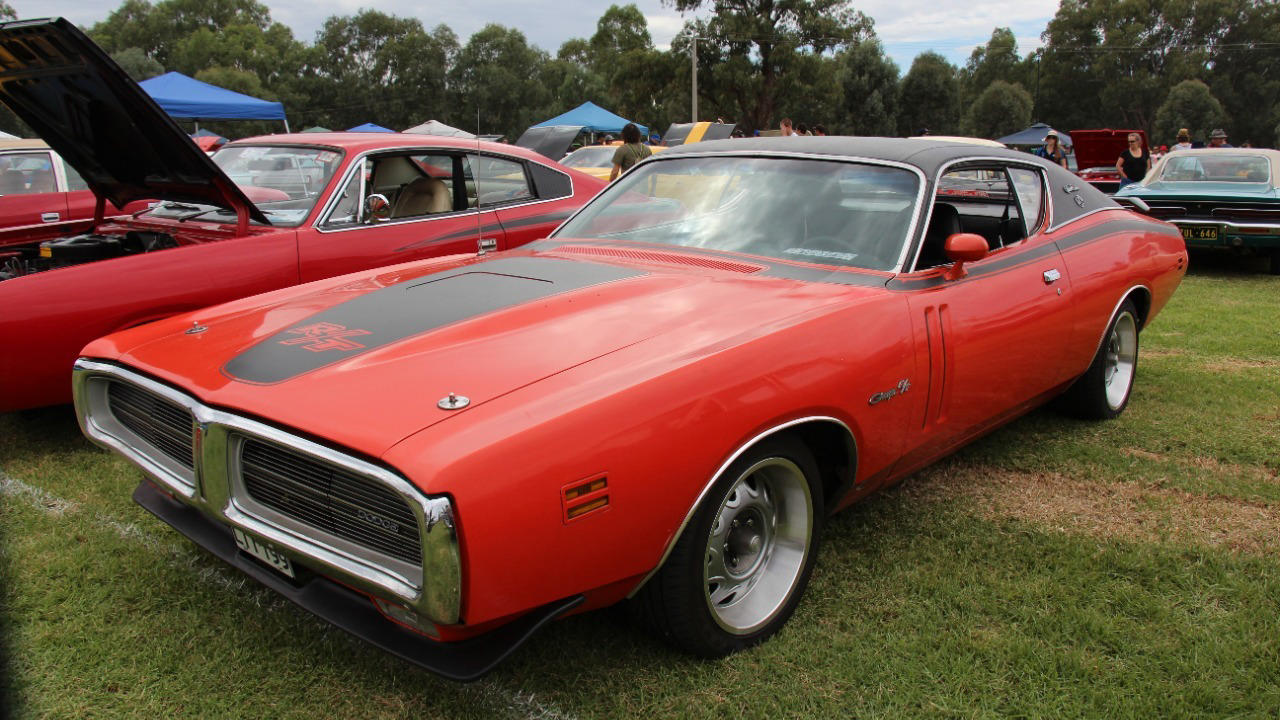
The 1971 Dodge Charger R/T arrived just as American performance began to lose its grip, yet it still carried the swagger and speed that had defined the muscle era. It combined a new, more sculpted body with some of the fiercest big-block engines ever sold to the public, even as regulations and insurance costs started to choke the market. In doing so, it marked the point where raw power peaked just as the tide turned against it. Viewed from today, the car stands at a crossroads: one foot in the wild late 1960s, the other in a decade of compromises. That tension helps explain why the 1971 Dodge Charger R/T is now treated as both a design statement and a farewell letter to unrestrained Detroit performance. The third generation holds its ground as the 1970s shift By the early 1970s, Detroit was already talking about downsizing, fuel economy and emissions equipment. Yet the Dodge Charger did not immediately shrink or retreat. The 1971 model opened the third generation with a new body that kept the car firmly in the muscle category, even as the broader market began to soften. Contemporary descriptions of the period note that the 70s were a time for downsizing and change, but the Charger stuck to its guns as one of the last unapologetic performance machines by Dodge for quite a while, a stance captured in period-focused listings of the 1971 Dodge Charger. In the broader story of muscle cars, enthusiasts often point to 1971 as the last great hurrah of the golden era. Community discussions labeled under “Muscle Car Legacy and Decline The” frame the 1971 Dodge models as the final expression of full-strength performance before tightening emissions and insurance regulations curbed horsepower and raised costs. That sentiment reflects a clear shift: the cars still looked and sounded like the late 1960s, but the environment around them was changing fast. “Fuselage” styling and a new attitude Styling is where the 1971 Charger most obviously broke from its predecessors. Entering the third generation, the Charger adopted what contemporary observers call a “fuselage” body style, with more integrated, flowing lines that wrapped around the cabin. This design gave the car a more sculpted, almost aircraft-inspired profile. Accounts of the 1970s period of Adaptation and Evolution describe how 1971 meant entering the third generation with that fuselage body and a new split grille. One contemporary social media tribute calls the 1971 model “Pure American Soul” and “The Unbeatable” expression of the Charger, arguing that while the 69 is a timeless icon, the 1971 Charger is pure, unfiltered attitude. The same commentary highlights the sleek “Fuselage” body styling and the legendary split-front grille, crediting this design with redefining what a muscle car could look like. The post singles out a white car with glowing amber lights and a tan interior, describing how sliding into the wood-rimmed driver’s seat feels like an experience rather than just a drive, and explicitly contrasts it with the 69, citing the number 69 as shorthand for the earlier generation’s fame. A period auction listing for a 1971 Dodge Charger R/T Hardtop notes that the completely restyled Charger for 1971 was as out of sight then as it is now. The same description explains that the body, graphics and hi impact paint made their final hurrah in this model year, suggesting that the styling excess, from bold stripes to vivid colors, reached its last full expression before later models toned things down. In other words, the Charger for 1971 looked ready for the 1970s, but its attitude still belonged to the late 1960s. R/T as the top of the performance pyramid Under the skin, the R/T badge still meant serious performance. For the Dodge Chargers and Coronets, the R/T trim signified the top performance versions, paired with engines that enthusiasts describe as “kick ass” big blocks. Coverage of the period lists the available powerplants as including the 440 Magnum, the 440 Six Pack and the 426 Hemi, each aimed at drivers who still wanted quarter-mile dominance rather than fuel savings. One detailed account of a 1971 Dodge Charger R/T HEMI 4 Speed With 15K Original Miles emphasizes that this third generation followed what some consider one of the greatest muscle cars of all time, the second generation Charger. It explains that the 1971 model had massive shoes to fill and that 1971 would prove to be the last year the Charger was offered with the legendary 426 HEMI. In that context, the car becomes more than just a redesign. It is the final chapter for the HEMI in a Charger, a fact underlined in the description of that low mileage Dodge Charger. Alongside the HEMI, the 440 remained a central part of the Charger story. Enthusiast coverage of a 1971 Dodge Charger R/T V Code 440 Six Pack describes it as one of the most aggressive factory muscle cars of the early 1970s. The V Code designation identified the legendary 440 Six Pack, a 440 cubic inch big block V8 with three two barrel carburetors. That setup delivered an official rating of 385 horsepower, with many owners convinced that real world output was higher. Commentators describe brutal mid range pull and effortless acceleration, and they frame this engine as representing the final years of unrestricted big block performance before emission controls and lower compression ratios cut into power. Further analysis of the same configuration notes that in the Charger R/T, the Six Pack engine stood as one of the last full strength Mopar big blocks available before horsepower ratings began to fall. It situates the car within a short but celebrated era for Dodge performance, where the combination of the Six Pack induction system and the Charger chassis created a package that was both street ready and track capable. The repeated emphasis on “In the Charger” and “Six Pack” in those descriptions underscores how central that pairing has become to the model’s legend. Inside the cockpit, performance and comfort intersect The 1971 Charger R/T interior tried to balance comfort with race inspired cues. Contemporary descriptions highlight a cockpit style layout, with a driver focused dashboard and performance gauges. The social media tribute that calls the car “Pure American Soul” dwells on the experience of sliding into a wood rimmed driver’s seat, describing it as vintage luxury combined with raw street presence. That same post notes how the cabin, finished in rich tan, matches the exterior attitude, giving the driver the sense of being in a purpose built machine rather than a mere family car. Factory options included bucket seats, console mounted shifters and, for some cars, four speed manual transmissions that reinforced the Charger’s performance mission. Accounts of the R/T trim describe sport oriented features and optional four speed gearboxes that allowed drivers to make full use of the 440 or 426 HEMI power. In an era when many cars were moving toward softer suspensions and more isolation, the Charger R/T still presented itself as a driver’s car. Regulation, insurance and the fading of muscle power Behind the styling and options, the environment around the Charger was shifting. Commentaries grouped under “Muscle Car Legacy and Decline The” point directly to emissions rules and insurance regulations that curtailed horsepower and performance after 1971. Insurers had begun to penalize high compression engines and youthful buyers, while federal regulators moved toward lower emissions and cleaner fuel. The result was a rapid decline in the viability of high output big blocks for mass market use, even if demand among enthusiasts remained strong. A parallel story from another Chrysler Corp product, the 1971 Plymouth Road Runner, helps illustrate the broader corporate response. Coverage of that model notes that Chrysler Corp, hurt by changes in the marketplace, emissions control requirements and the general economy, pulled the plug on its factory backed high performance programs by 1972 after the curtain fell in 1971. The Road Runner and the Charger were built under the same corporate umbrella, so the retreat from full factory performance support affected both lines. Other analyses of the Charger’s trajectory explain that as the United States government began to impose more strict emissions regulations, all Charger engines were given hardened valve seats so they could run on unleaded gas as opposed to premium fuel. That technical change symbolized a broader shift from raw performance to compliance and economy. The same coverage argues that the Charger’s status as a pure muscle car effectively ended after this generation, as later models moved toward personal luxury and, eventually, entirely different body formats. Sales slide and the R/T’s shrinking footprint While the 1971 Charger R/T looked dramatic, sales did not match the heights of the late 1960s. An auction description of a 1971 Dodge Charger R/T Hardtop explains that R/T model sales were massively in decline in part due to rising insurance premiums and changing buyer preferences. The write up also notes that the completely restyled Charger for 1971 was still visually striking, but that the body, graphics and hi impact paint made their final hurrah as the market moved away from such overt performance cues. The same source frames the car as a rare survivor from a shrinking niche, reinforcing the sense that 1971 marked a turning point for the Charger for enthusiasts and collectors alike. The decline in R/T sales did not mean the Charger name disappeared, only that its meaning changed. Later 1970s models leaned more on comfort, options and appearance packages than on quarter mile times. The R/T badge itself would vanish from the Charger lineup for a period, then return in very different contexts decades later. For collectors, this makes the 1971 R/T a natural bookend to the classic muscle period, especially in HEMI or V Code 440 Six Pack form. Collector status and present day perception Modern listings and enthusiast discussions treat the 1971 Charger R/T as a key piece of Mopar history. Detailed sale descriptions of cars like the 1971 Dodge Charger R/T HEMI 4 Speed With 15K Original Miles emphasize originality and low mileage, underlining how few such cars survived intact. Dealers and auction houses point to the combination of the third generation body, the final year for the 426 HEMI in a Charger and the limited production of R/T models as reasons values have risen. Enthusiast groups often single out rare configurations such as the V Code 440 Six Pack as especially desirable. One social media post about a 1971 Dodge Charger R/T V Code 440 Six Pack states that it represents the final years of unrestricted big block power, iconic styling and legendary Mopar engineering. That framing captures why collectors see these cars as both artifacts and drivers’ machines. They are tangible links to a short window when manufacturers still built street legal cars with race bred hardware. More from Fast Lane Only Unboxing the WWII Jeep in a Crate 15 rare Chevys collectors are quietly buying 10 underrated V8s still worth hunting down Police notice this before you even roll window down



















 +18 others