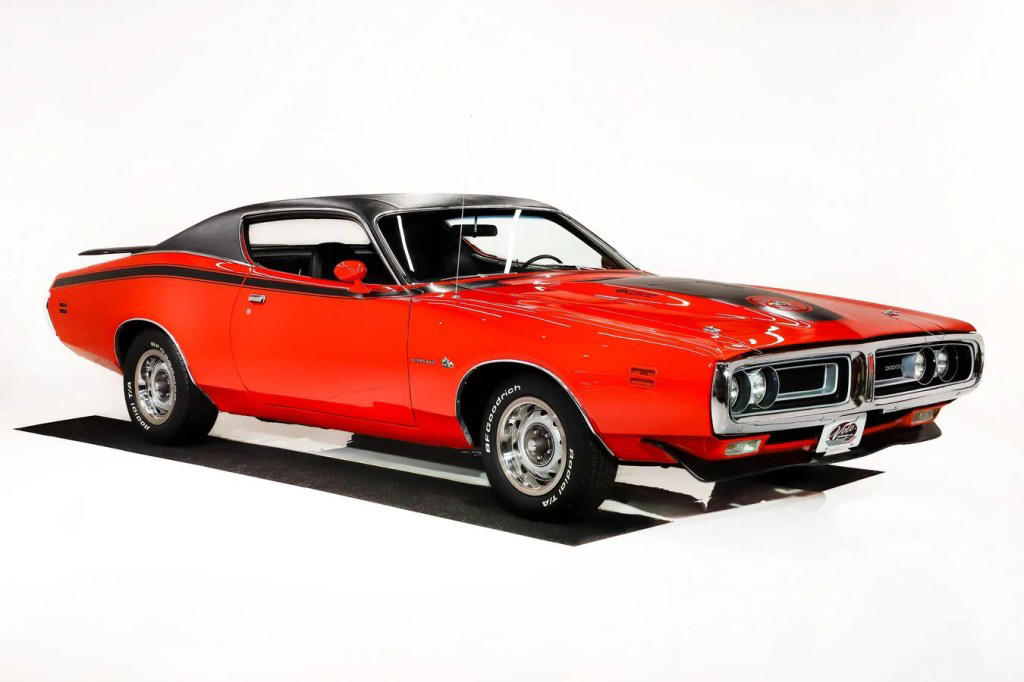
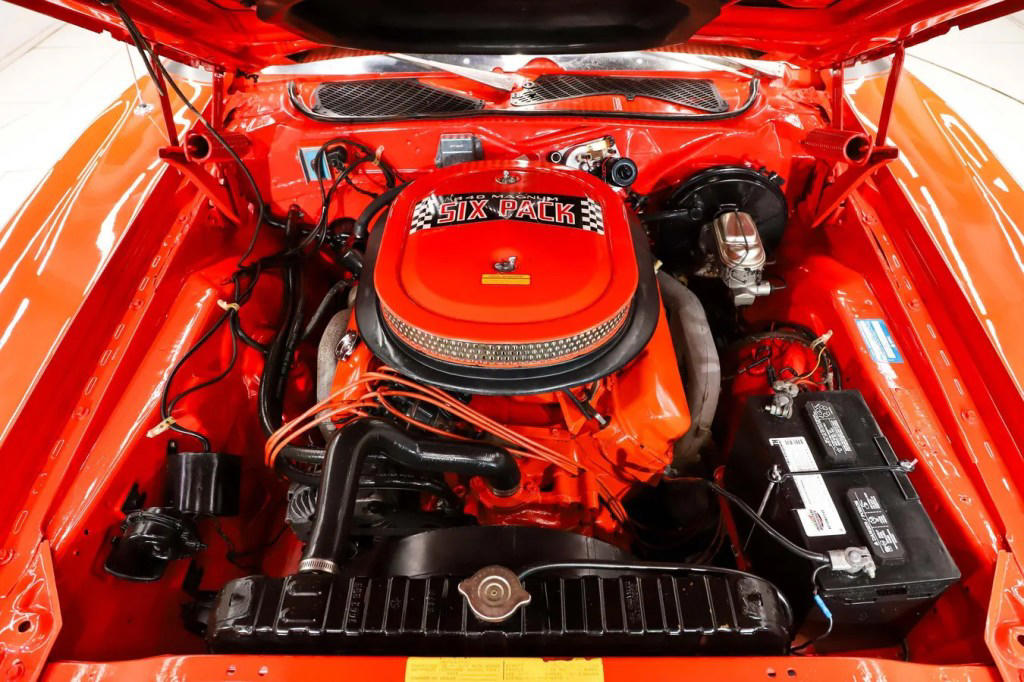
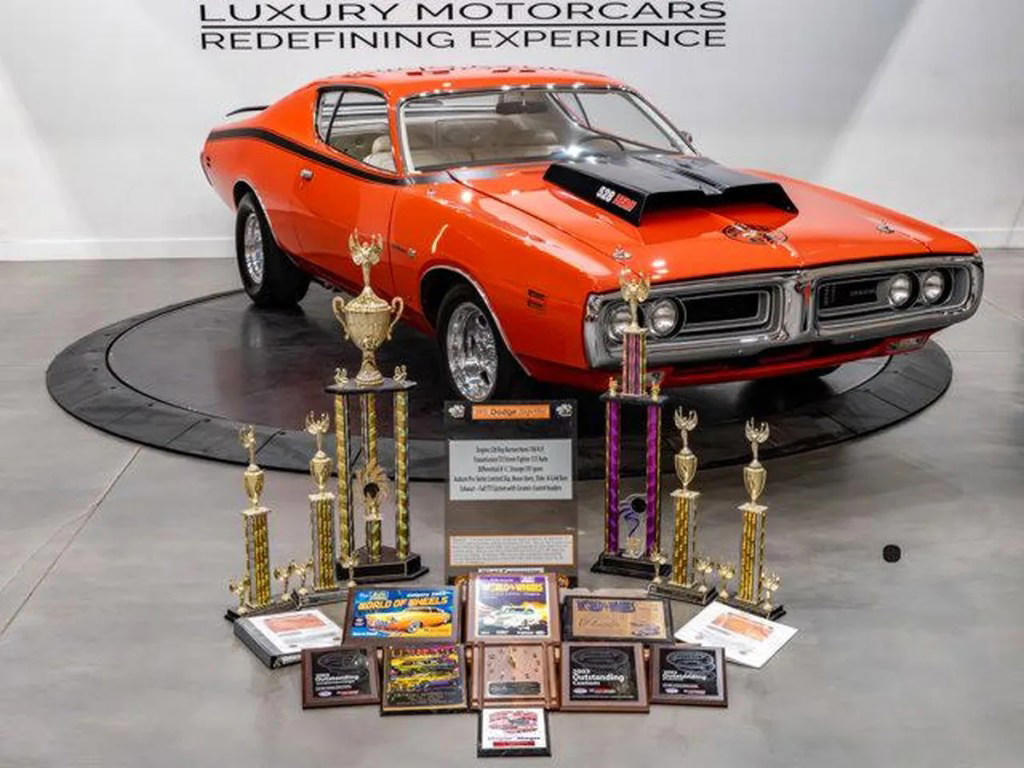
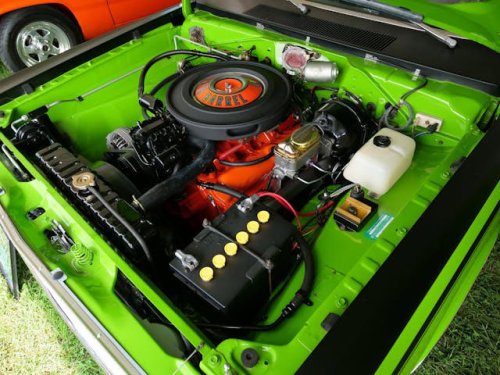
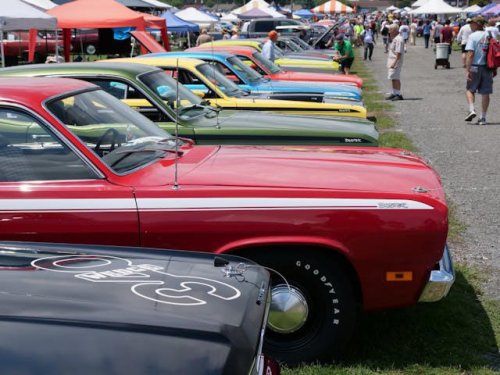
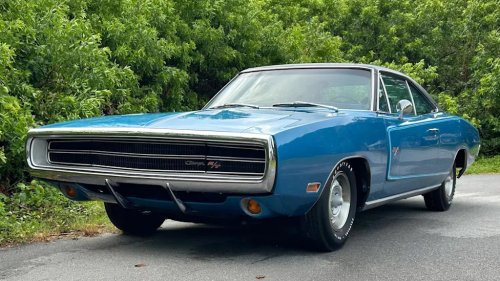
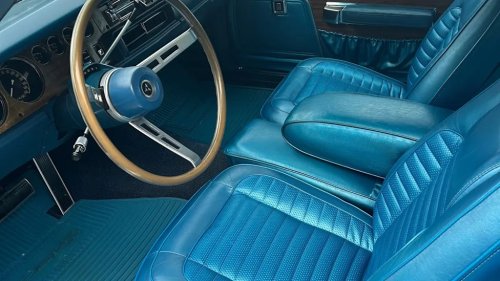
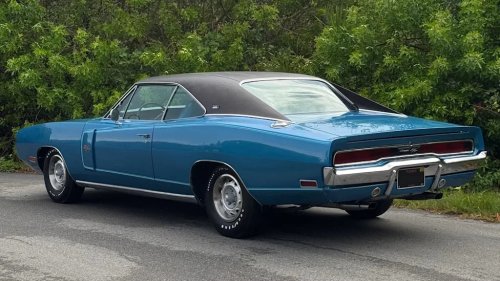
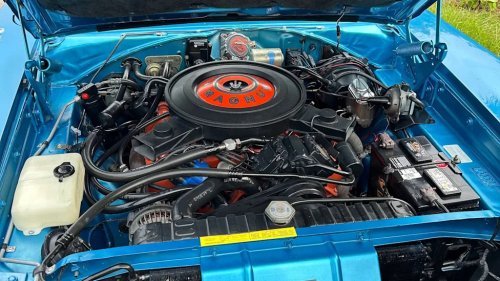
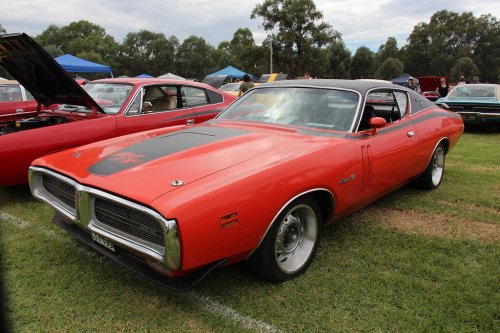
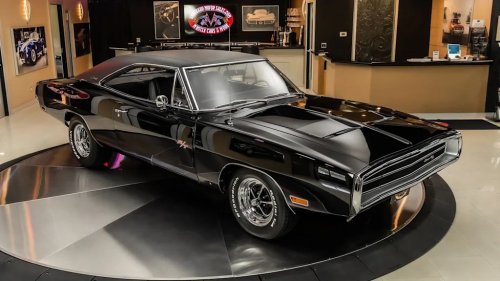
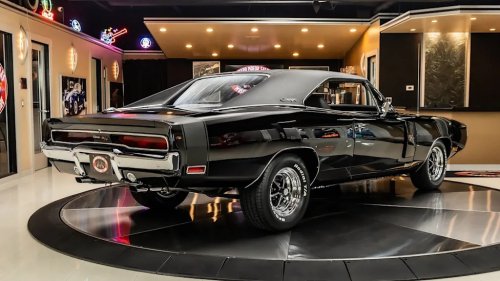
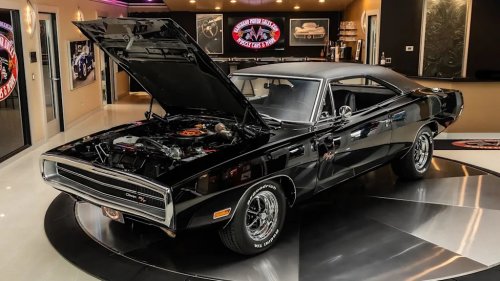
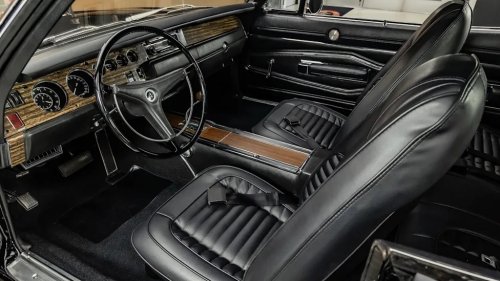
In 1971, the muscle car era wasn’t just ending, it was being dismantled. Insurance premiums were skyrocketing, leaded fuel was vanishing, and the government was tightening the noose on emissions. Most manufacturers were neutering their lineups, but Dodge had one final, defiant card to play. Enter the 1971 Dodge Charger Super Bee. While most collectors obsess over the ’68-70 models, the ’71 Super Bee is the true “thinking man’s” Mopar. It represents a unique, one-year-only intersection of radical styling and the final gasp of unrestricted horsepower, making this “lunar-lander” styled beast the ultimate sleeper investment in today’s market. The “Shotgun Wedding” of Two Legends Before 1971, the Super Bee was a trim based on the boxy Coronet, but for the new decade, Dodge moved the Bee to the newly redesigned, curvaceous “fuselage” body of the Charger. This created a fascinating hybrid: the budget-friendly, scorched-earth attitude of the Super Bee combined with the aerodynamic, semi-futuristic styling of the third-generation Charger. It was a one-year-only configuration that would never happen again, as the Super Bee nameplate was retired from the B-body platform at the end of the year. The “Low-Compression” Lie: Why the ’71 Still Screams The 1971 model year is often unfairly maligned because it was the first year Mopar began lowering compression ratios, yet for the Super Bee, this performance dip is largely a myth. The standard 383 Magnum still pumped out a respectable 300 horsepower even with the slight drop in compression. For those seeking more heat, the 440 Six-Pack “V-Code” remained a terrifying torque monster, producing 385 horsepower and enough grunt to warp the pavement. Most importantly, 1971 served as the final year of the 426 Hemi, and with only 22 Super Bees fitted with the “Elephant” engine, they remain some of the rarest and most valuable muscle cars on the planet. Why it’s the “Unique Angle” Investment If you look at auction results, ’69 Chargers have peaked as the “blue chips” everyone already knows about, but the ’71 Super Bee is currently in a “sweet spot” of appreciation. Modern car enthusiasts are increasingly gravitating toward the wider, more aggressive 1971 “fuselage” aesthetic which looks like nothing else on the road. Scarcity also plays a massive role, as Dodge only produced 5,054 Super Bees in 1971 compared to the tens of thousands of standard Chargers. Finally, this year represented the pinnacle of “High Impact” colors, meaning a ’71 Bee in Plum Crazy, Hemi Orange, or Citron Yella is essentially a piece of mobile pop-art history. The Verdict: A Defiant Masterpiece The 1971 Dodge Charger Super Bee didn’t care that the era of “no-holds-barred” speed was ending; it leaned into the curve with a massive hood blackout, a “Beep-Beep” horn, and enough displacement to ignore the rising gas prices. It wasn’t just a car; it was a middle finger to the coming “Malaise Era.” If you find one in a barn or a local listing, don’t walk—run, because you aren’t just buying a Dodge; you’re buying the final chapter of the greatest story in American automotive history. The post The 1971 Dodge Charger Super Bee: The “Last Stand” Muscle Car That Broke the Rules appeared first on The Online Automotive Marketplace.