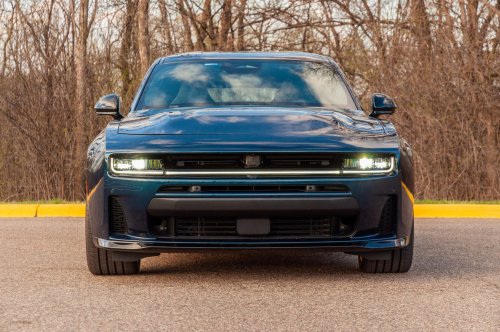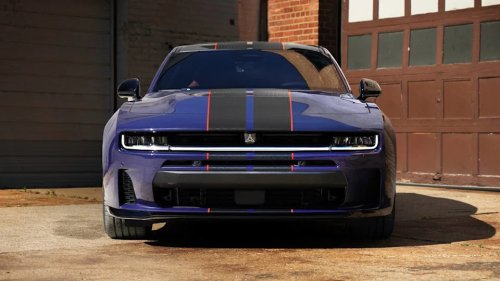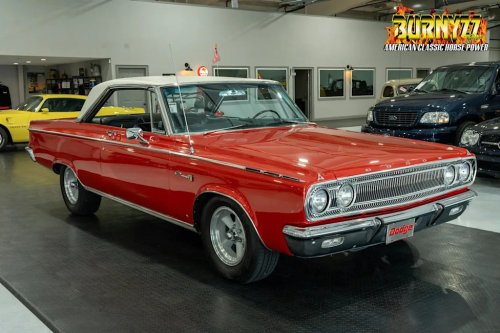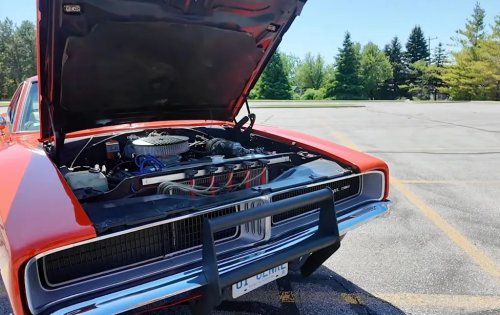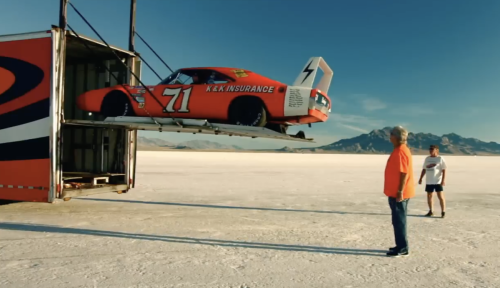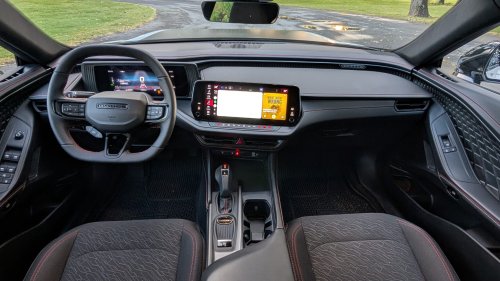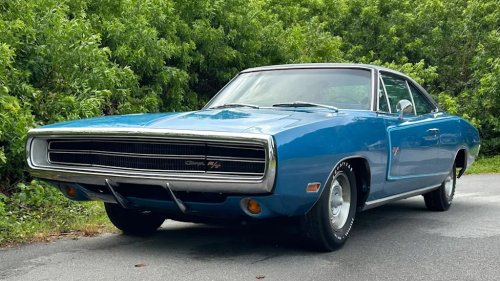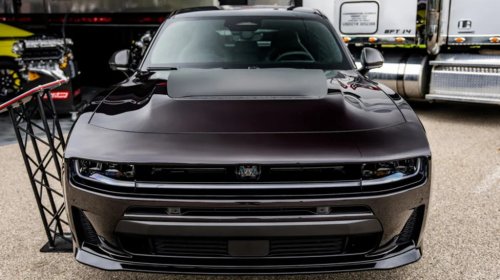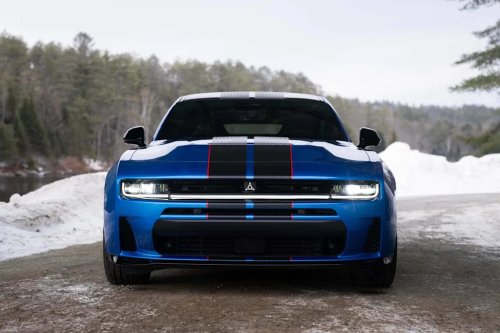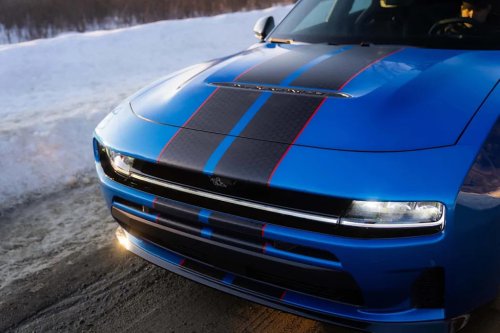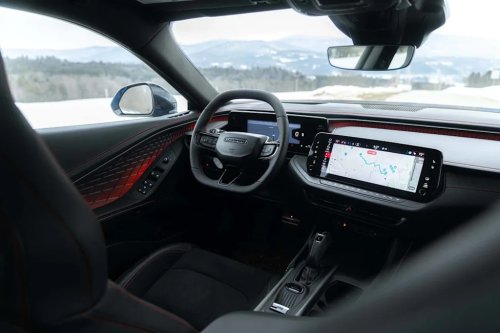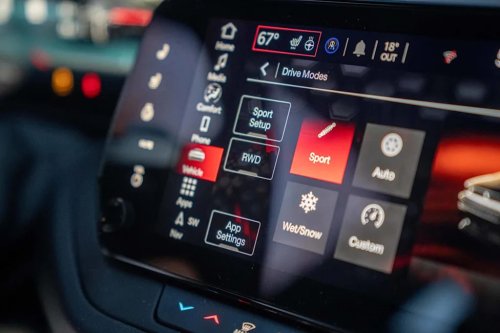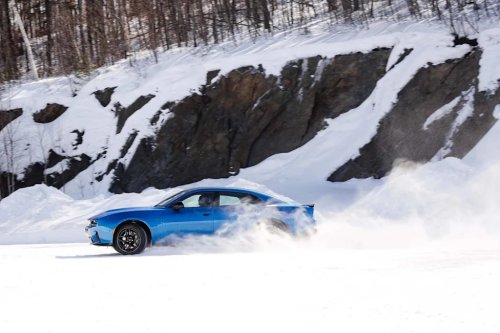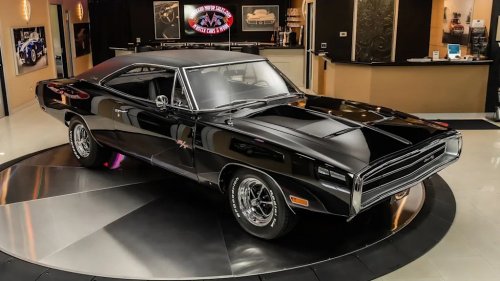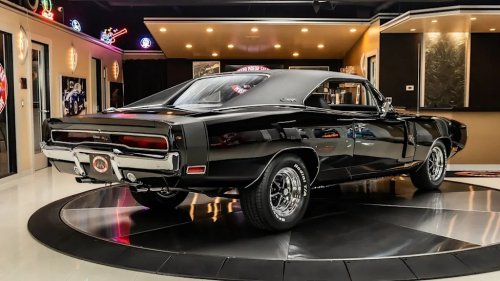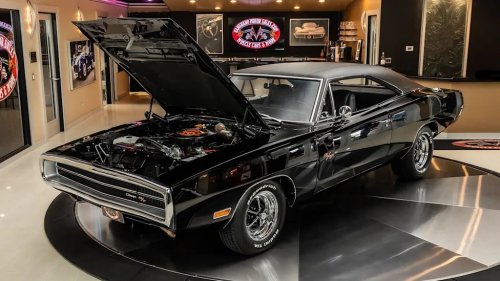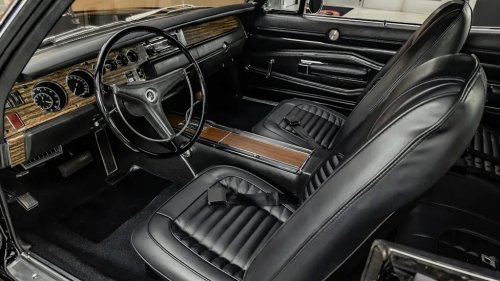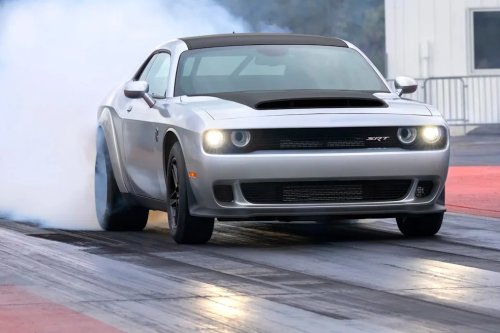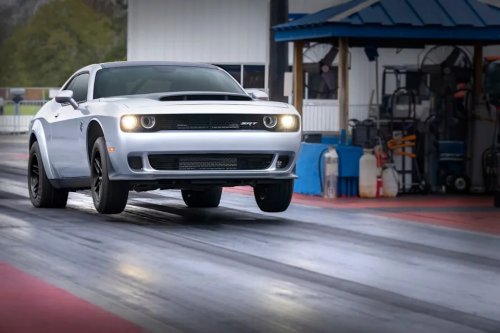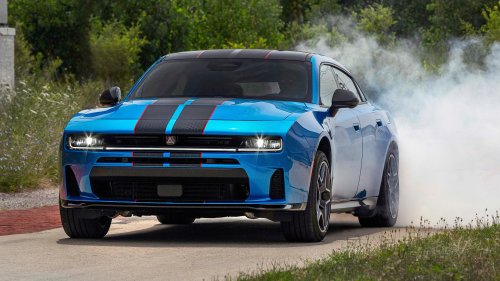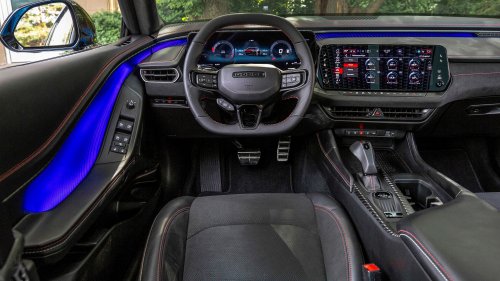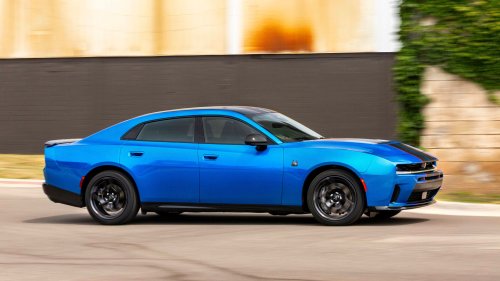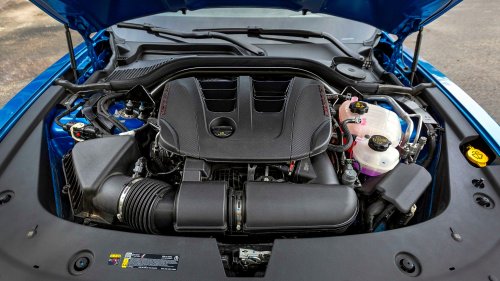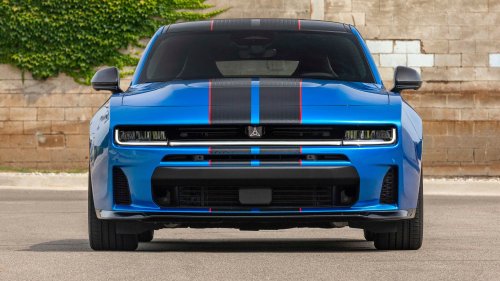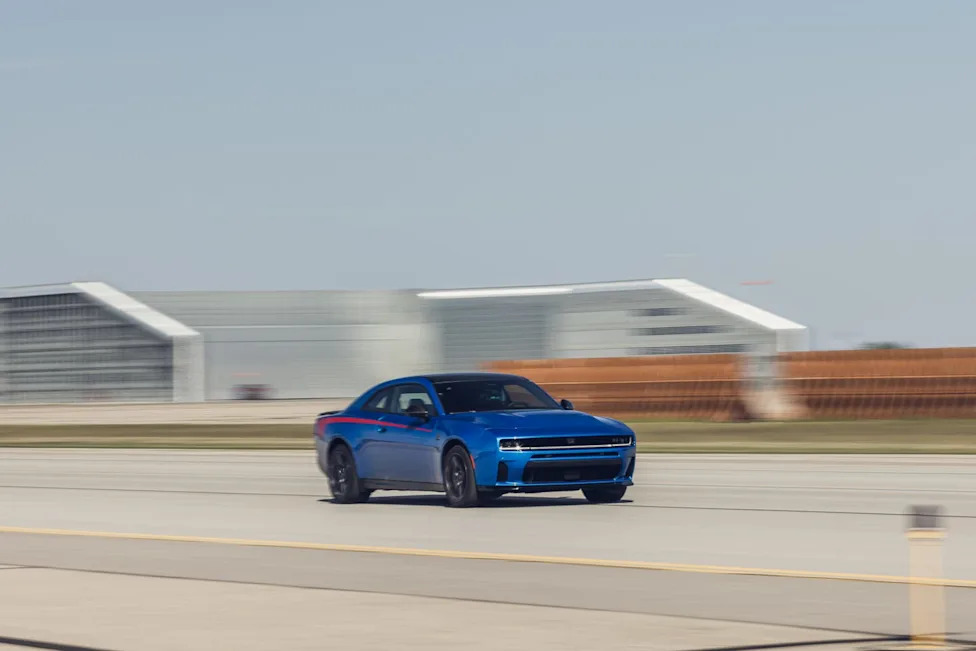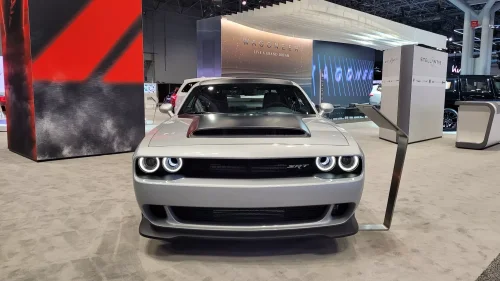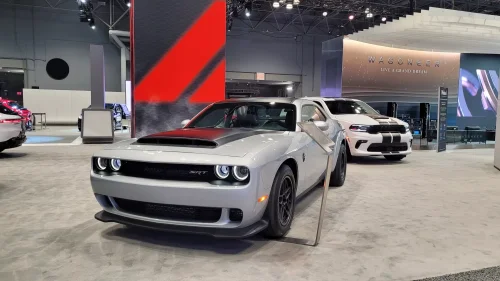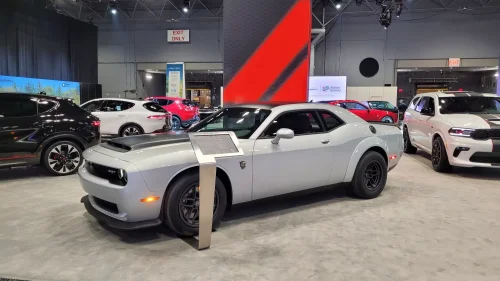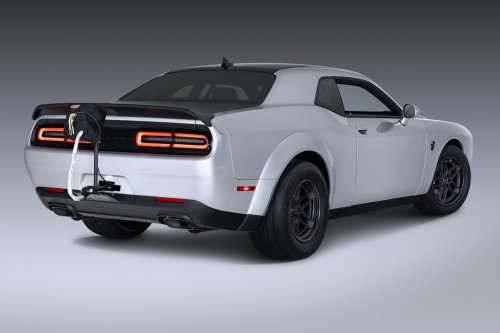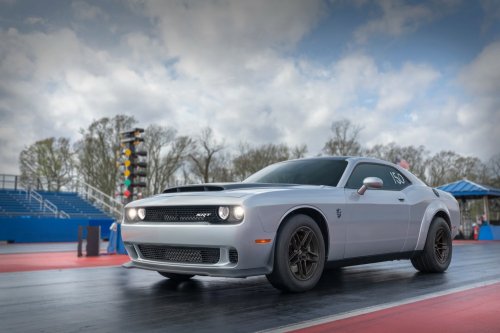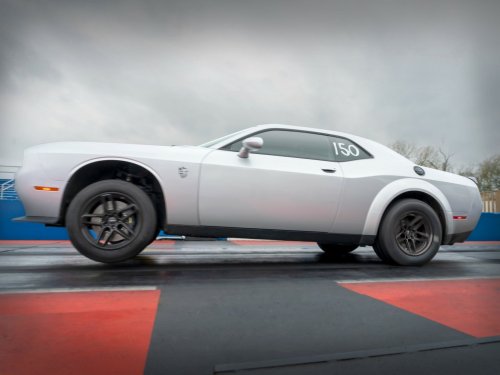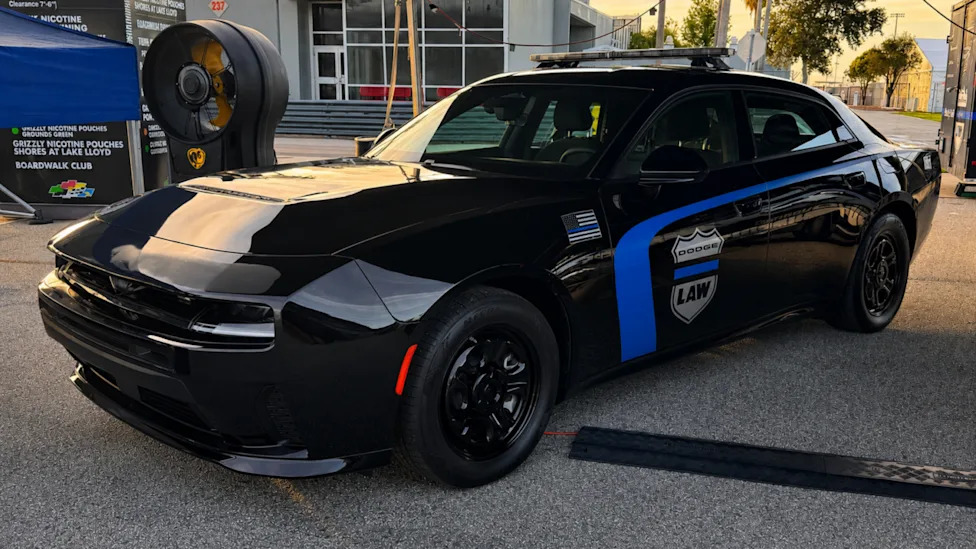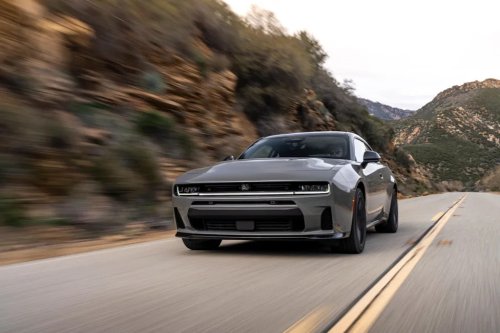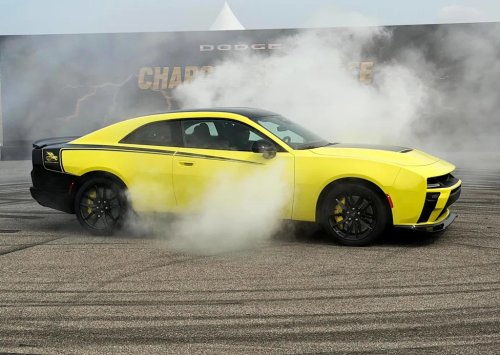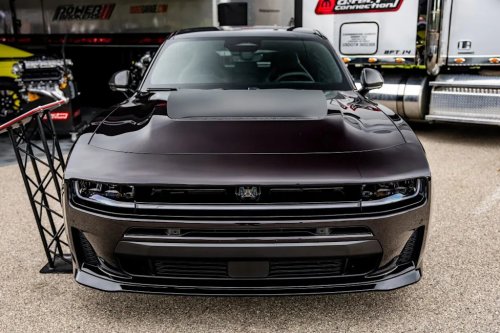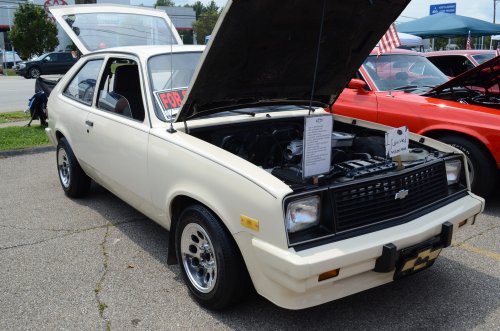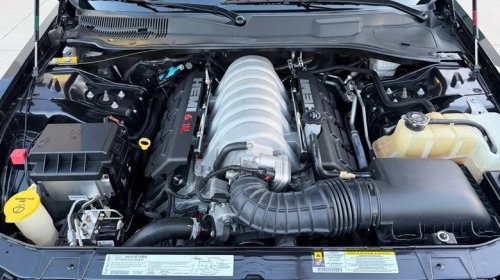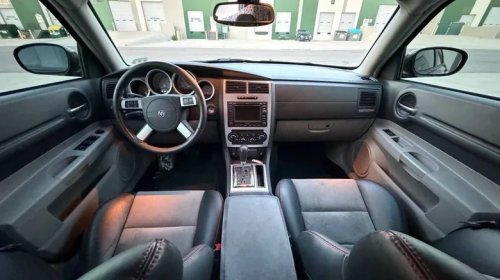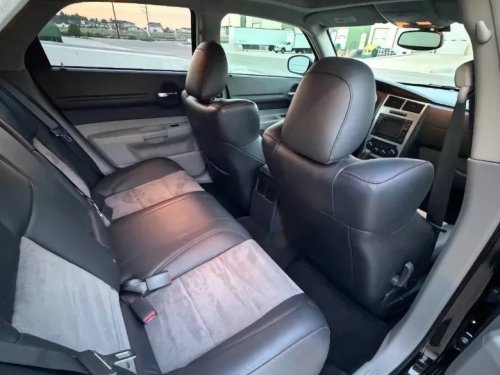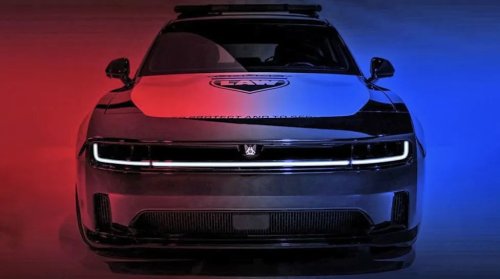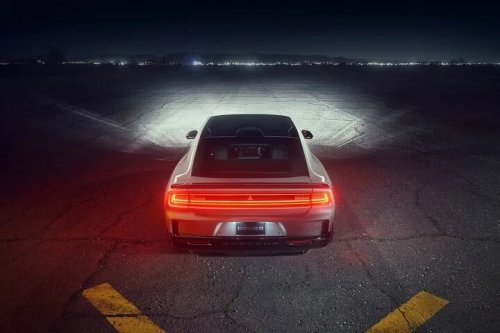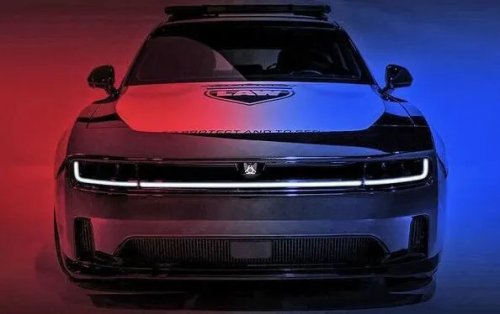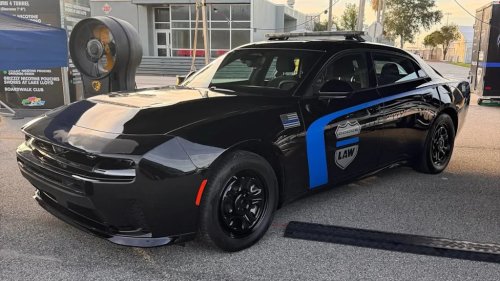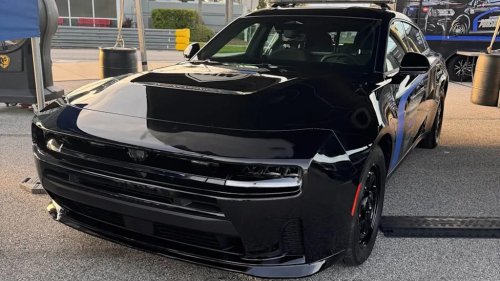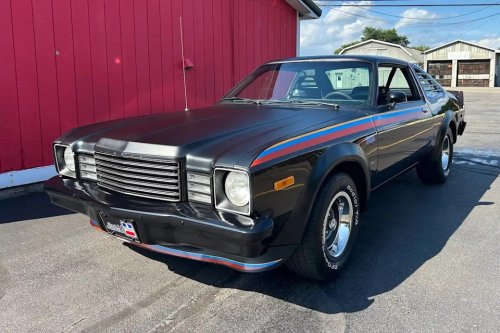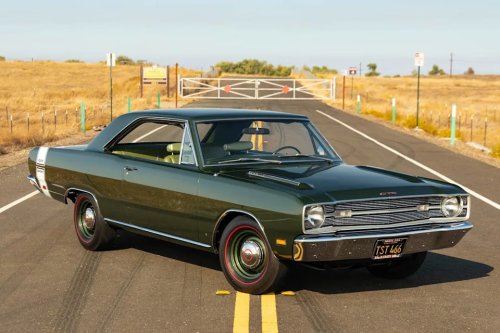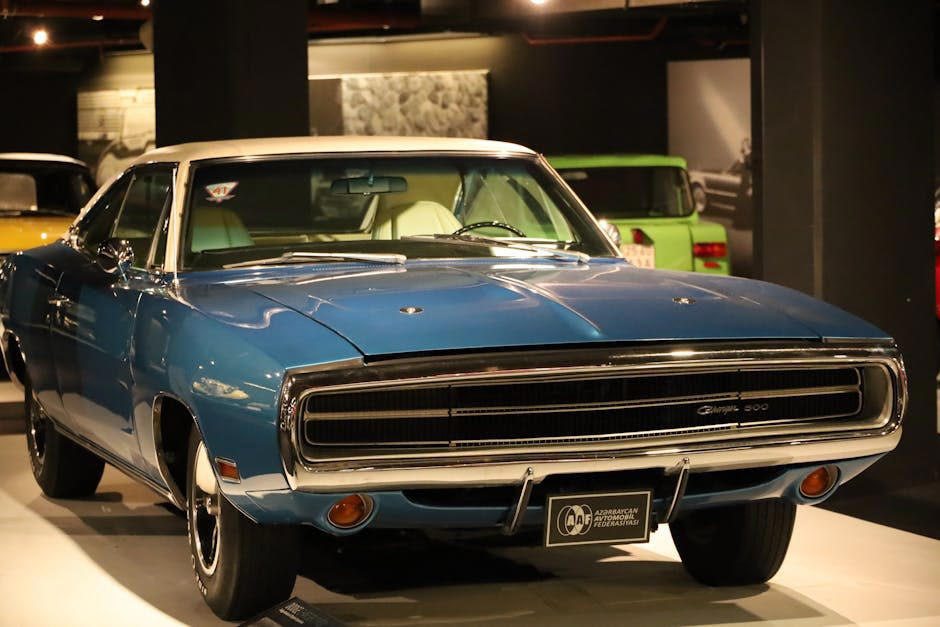



















Why the Dodge Charger Earned a Loyalty That Outlasted Every Attempt to Kill It Key Takeaways The Charger launched in 1966 as a direct challenge to Ford's Mustang, but its first generation nearly vanished before the legend even started. The 1968 redesign produced what many collectors still consider the definitive American muscle car, and a single film chase scene cemented its cultural status. Dodge mishandled the Charger name badly enough in the 1980s that a front-wheel-drive hatchback wore the badge — and buyers never forgave it. A television show featuring a 1969 Charger kept the nameplate alive through a decade when Dodge itself had largely abandoned what made the car great. The modern LX-platform Charger attracted younger buyers than almost any other domestic sedan on the market, proving the loyalty wasn't just nostalgia. Some cars get discontinued and disappear quietly. The Dodge Charger got discontinued, embarrassed, watered down, and nearly forgotten — and it still came back stronger each time. That's not an accident. It's the result of a loyalty so deep that even Dodge's own missteps couldn't fully extinguish it. From a 1966 fastback that most people overlooked to a 707-horsepower family sedan that could run with supercars, the Charger's story is really a story about what happens when a car earns a place in the American identity. The reasons that loyalty held are more interesting than most people realize. A Muscle Car Born From Pure Defiance Dodge's first Charger was a corporate dare dressed in sheet metal By 1965, Ford's Mustang was selling so fast that dealerships couldn't keep the lots stocked. GM had the GTO, the Chevelle SS, and the 442 all pulling buyers away from Dodge showrooms. Chrysler's answer was the Charger — a fastback built on the Coronet platform but styled to look like nothing else on the road. The hidden headlights and full-length center console were details you didn't see on a family car, and that was exactly the point. As automotive journalist Matt Litwin noted in Hemmings, the first Charger "could have been considered a glorified Coronet" — and he wasn't wrong. Underneath the dramatic roofline sat familiar Mopar mechanicals, and the buying public sensed the compromise. Dodge produced nearly 320,000 cars in 1966, but only 37,000 were Chargers — modest numbers for a car meant to challenge Ford's pony car phenomenon. What the first Charger lacked in sales it made up in intent. Dodge had drawn a line in the sand, signaling that the brand was willing to take styling risks and chase performance buyers. That willingness to swing big — even when the first swing missed — set the tone for everything that followed. The 1968 Redesign That Changed Everything One film chase scene turned a muscle car into an American legend If you ask most collectors which Charger they actually want in their garage, the answer is almost always the 1968 or 1969 model. The second-generation redesign threw out the Coronet-derived awkwardness and delivered something genuinely new: a Coke-bottle body, a recessed rear window flanked by flying buttresses, and a front grille that looked like it was ready to swallow the road whole. Under the hood, the 440 Magnum made 375 horsepower in an era when that number meant something. Terry Shea, writing for Hemmings, put it plainly: "Mention 'Dodge Charger' to most enthusiasts of a certain age and the sexy, muscular lines of the 1968-'70 models will generally be the first images to pop into their minds." Sales reflected the shift — the redesign moved more than 96,000 units in its first year, nearly triple the original's numbers. Then came Bullitt. Steve McQueen's Mustang got top billing, but the black 1968 Charger driven by the hitmen gave the car its mythology. Bradley Iger of MotorTrend recalled that the chase sequence was enough to make him abandon his search for a Chevelle entirely. A villain's car had never looked so good, and the Charger hasn't shaken that association since. “Back in the early aughts, when vintage muscle cars were still relatively affordable, I distinctly remember calling off my search for a late '60s Chevelle after watching the car chase in Bullitt.” The Oil Crisis Nearly Buried the Legend By 1975, the car that once ruled Woodward Avenue had been neutered The 1973 oil embargo didn't just raise gas prices — it rewrote the rules of what American buyers would tolerate in a performance car. Insurance companies had already been hammering muscle car owners with brutal premiums through the early 1970s, and new federal emissions standards were strangling horsepower numbers across the industry. The Charger absorbed every one of those blows. By 1975, a buyer could order a Charger with a 318 cubic inch V8 rated at just 150 horsepower. That's a number that would have drawn laughter on any drag strip five years earlier. The car had grown heavier, softer, and more oriented toward comfort than speed — which might have been a reasonable business decision, but it was a betrayal of everything the nameplate stood for. Dodge kept the Charger name on the hood through 1978, then retired it entirely. The performance identity had been so thoroughly diluted that there was nothing left worth preserving. What's striking in hindsight is that the loyal core of Charger buyers didn't disappear — they just went underground, keeping their 1968s and 1969s running in garages while waiting for something worth caring about again. Dukes of Hazzard Kept the Flame Alive A Friday night TV show did what Dodge's marketing department couldn't The Dukes of Hazzard premiered on CBS in January 1979, roughly a year after Dodge quietly killed the Charger. The timing was almost poetic. Every week, a 1969 Charger painted Confederate orange — the General Lee — launched off dirt road jumps, slid through Georgia county roads, and outran every police car in Hazzard County. The car became a co-star in the truest sense. For kids who were eight or ten years old watching that show, the Charger wasn't a relic of a performance era they'd missed. It was the coolest thing on television. They didn't know about the 440 Magnum or the Coke-bottle body's design history — they just knew the car could fly. That emotional imprint lasted. Those same kids grew up, got careers, and started looking for 1969 Chargers in the early 2000s. Collector prices for clean General Lee-spec 1969 Chargers have climbed above $100,000 at auction, driven in large part by buyers whose first exposure to the car came through a television set rather than a showroom floor. A CBS Friday night lineup turned out to be the most effective preservation campaign the Charger ever had. Three Failed Revivals Before One That Stuck Dodge kept getting the badge right and the car completely wrong The 1983 Charger is worth examining for what it reveals about corporate thinking. Dodge took a front-wheel-drive Omni platform, added a hatchback body, and called it a Charger. It was economical, practical, and completely incomprehensible to anyone who remembered what the name meant. Enthusiasts didn't just ignore it — they treated it as an insult. A concept car teased in 1999 suggested Dodge understood the problem, showing a rear-wheel-drive two-door that looked like a genuine spiritual successor to the 1968 original. Buyers got excited. Then nothing happened for years, and when the production 2006 Charger finally arrived, it was a four-door sedan — a decision that drew immediate criticism from purists who wanted the two-door back. What those critics missed was that Dodge had finally gotten the fundamentals right: rear-wheel drive, a proper V8, and honest performance numbers. MotorTrend noted that the LX platform gave the Charger a credible performance foundation for the first time since the 1970s. The four-door compromise turned out to be the thing that made it work commercially — buyers who needed a practical car didn't have to choose between their family and their horsepower. The Modern Charger Built a New Generation of Loyalists A 707-horsepower family sedan sounds absurd until you drive one The Hellcat variant arrived in 2015 and changed the conversation entirely. Dodge had put a supercharged 6.2-liter V8 into a four-door sedan that could carry four adults, fit a week's worth of groceries in the trunk, and run the quarter mile in the low 11-second range. Nothing else on the market offered that combination at that price point, and buyers noticed. What made the 2006–2023 LX-platform Charger genuinely surprising from a market standpoint was who was buying it. Dodge's own sales data showed Charger buyers skewing younger than almost any other domestic sedan on the market — a demographic achievement that most American brands were struggling to replicate. The car had found a new audience without abandoning the old one. The loyalty that developed around this generation wasn't purely about horsepower bragging rights. Owners formed clubs, organized track days, and built a community around the car the same way the original Charger faithful had decades earlier. The specific engine configuration changed, the platform changed, the buyer profile shifted — but the core feeling of driving something that made no apologies for what it was stayed constant. That consistency is what loyalty actually runs on. The Electric Future and a Legacy Worth Fighting For Can Dodge bottle the Charger's thunder without the combustion? The Dodge Charger Daytona arrived as an all-electric model, and the reaction from longtime owners has been more measured than the outright rejection many expected. Part of that comes down to what Dodge built into the car: an "exhaust" system that generates artificial sound through the body of the vehicle, a direct acknowledgment that the company understands what it's asking buyers to give up. The deeper question isn't whether the electric Charger sounds right — it's whether the feeling survives the transition. The Charger's loyalty was never purely about the 440 Magnum or the Hellcat's supercharger whine. It was about a car that felt like it had a personality, a car that made a statement just sitting in a parking lot. Whether electric motors can carry that weight is something the market will answer over the next few years. Longtime Charger owners watching this transition tend to land in the same place: cautious hope. They've seen the nameplate survive worse — the 318-horsepower humiliation of 1975, the front-wheel-drive disaster of 1983, the years when Dodge didn't seem to remember what the car was supposed to be. MotorTrend's assessment of the latest Charger suggests the performance instincts are still intact. The community that built itself around this car has proven it can outlast almost anything. That might be the most Charger thing about it. “Mention 'Dodge Charger' to most enthusiasts of a certain age and the sexy, muscular lines of the 1968-'70 models will generally be the first images to pop into their minds.” Practical Strategies Chase the 1968–1969 Body StyleIf collecting is the goal, the second-generation Charger remains the benchmark that other muscle cars get measured against. Numbers-matching examples with the 440 or 426 Hemi command the strongest prices, but even driver-quality cars in that body style hold value better than most alternatives in the segment.: Verify the Fender TagEvery Mopar built in this era carried a broadcast sheet or fender tag encoding the original build options. On a 1968–1970 Charger, that tag is the difference between a numbers-matching car worth serious money and a well-built clone worth a fraction of that. Have a Mopar specialist decode it before any purchase.: Look Past the Hellcat BadgeThe 392 Hemi and R/T trims in the 2006–2023 generation offer genuine performance at prices well below the Hellcat premium. For buyers who want a daily-driver Charger with real muscle car credentials, those mid-tier trims often represent better long-term value once insurance and fuel costs are factored in.: Join a Marque Club EarlyOrganizations like the Dodge Charger Registry track production numbers, known survivors, and documented histories on first and second-generation cars. Membership connects buyers with sellers who care about provenance — a meaningful advantage in a market where documentation separates a $40,000 car from a $120,000 one.: Watch the Daytona EV CloselyThe electric Charger Daytona is new enough that depreciation curves haven't established themselves yet. Early adopters of new-platform vehicles often absorb the steepest value drops. Waiting 18–24 months for the used market to develop gives buyers better pricing data and the benefit of real-world reliability reports from early owners.: The Dodge Charger's story is really about what happens when a car earns genuine loyalty rather than manufactured enthusiasm — the kind of loyalty that survives corporate missteps, fuel crises, and badge abuse that would have finished off a lesser nameplate. From 37,000 units in 1966 to a Hellcat sedan that embarrassed sports cars on the highway, the arc is remarkable precisely because it wasn't smooth or inevitable. The community that formed around this car kept the flame burning during every period when Dodge seemed ready to let it go out. Whatever the electric Charger Daytona turns out to be, it inherits a legacy that was earned the hard way — and that's a foundation worth building on.