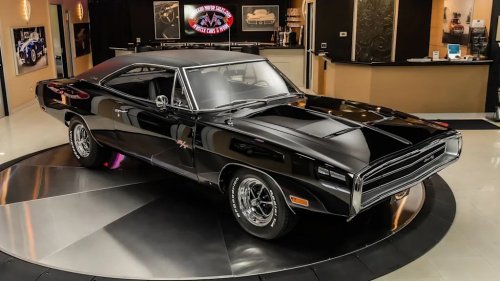
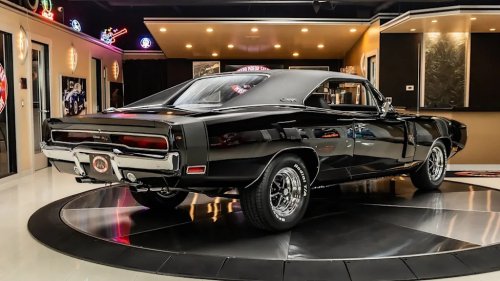
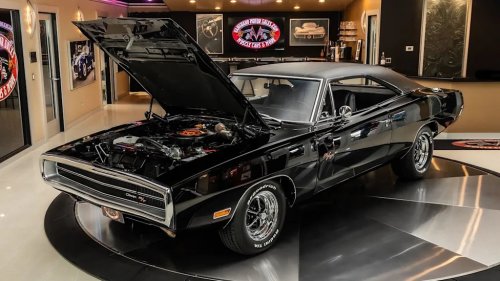
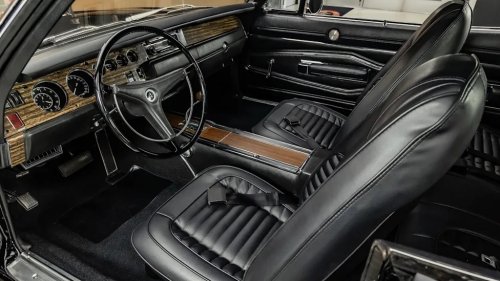
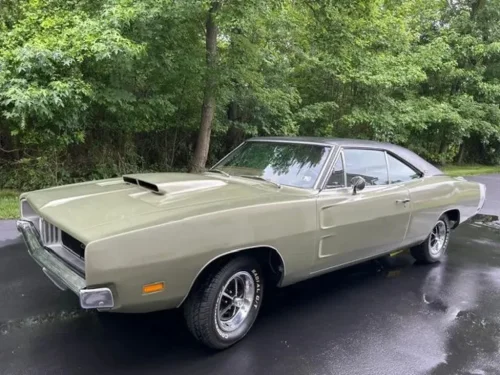
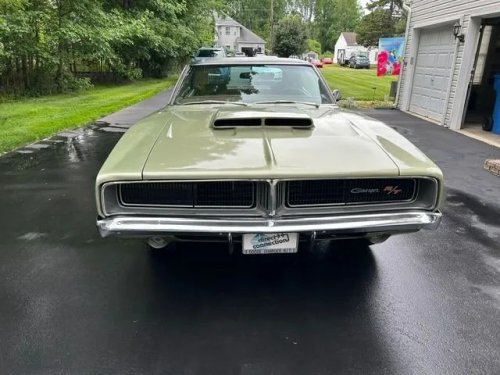
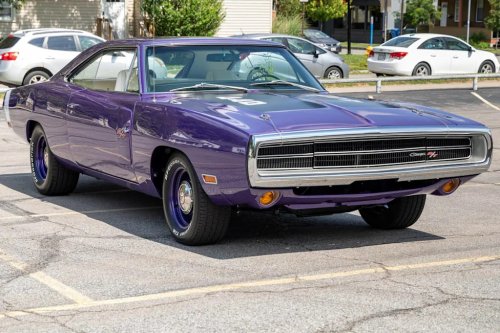
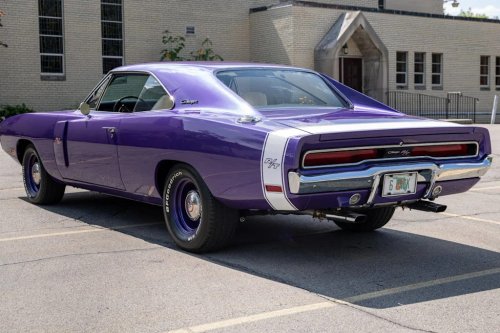
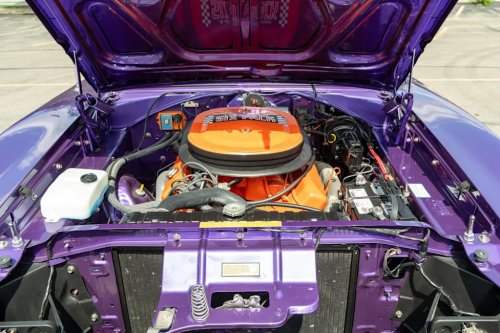
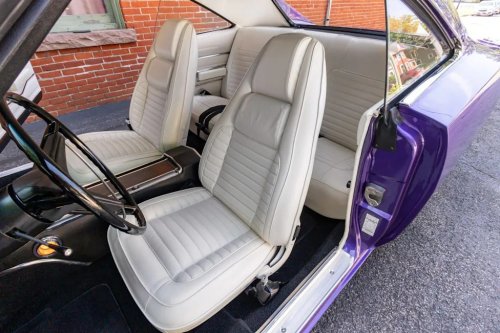
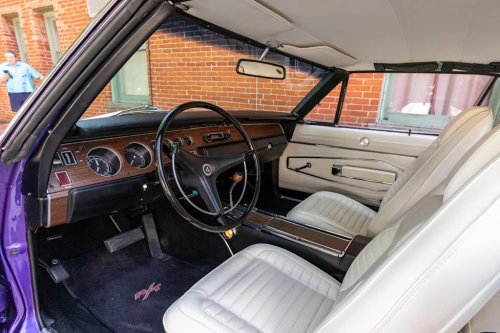
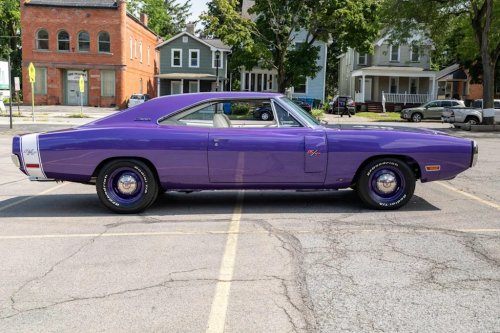
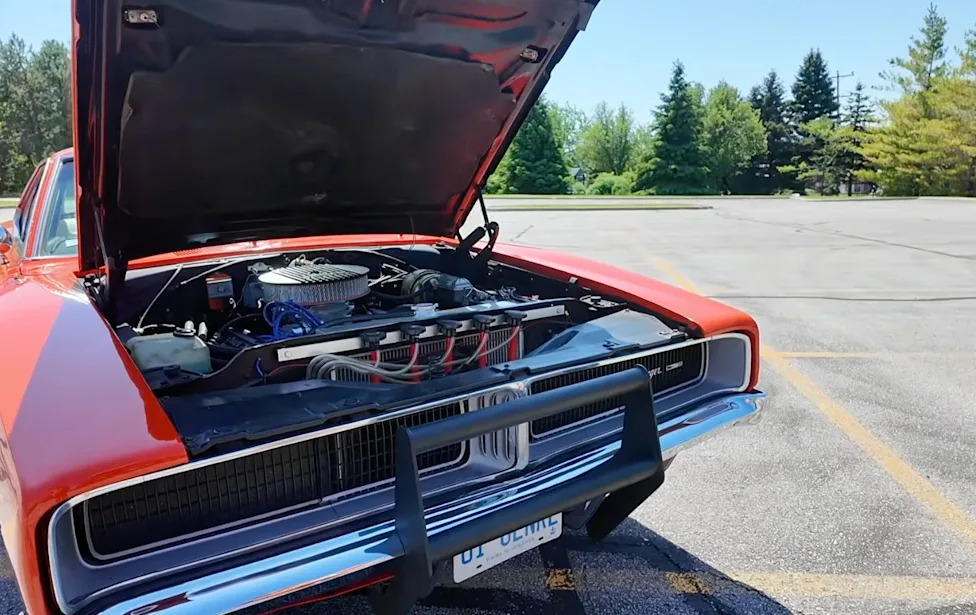
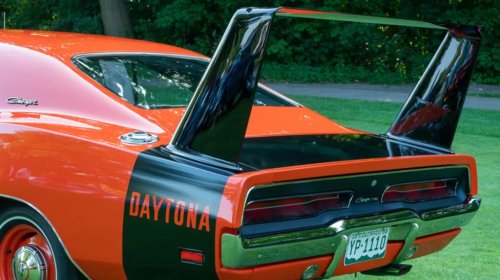
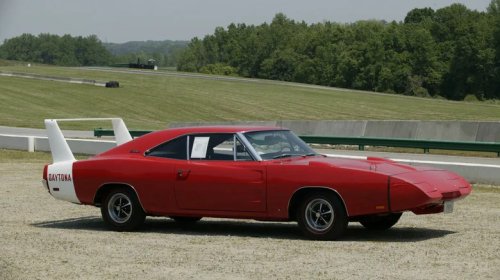
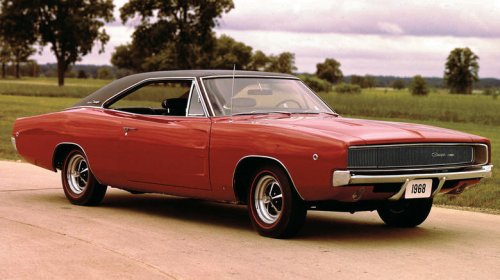
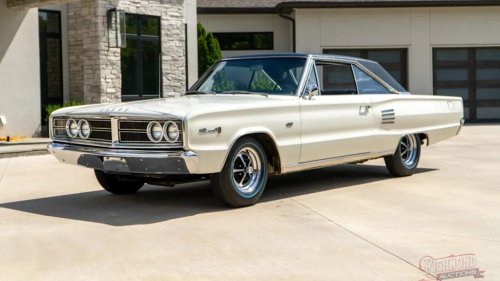
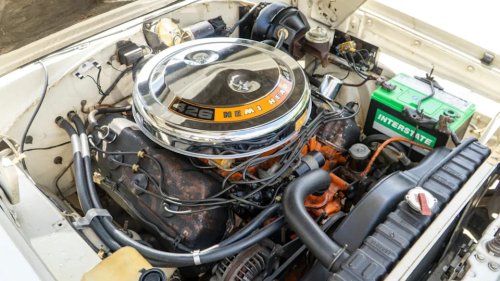
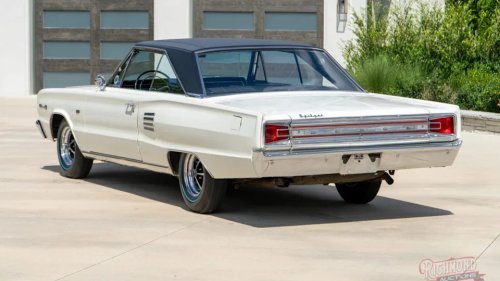
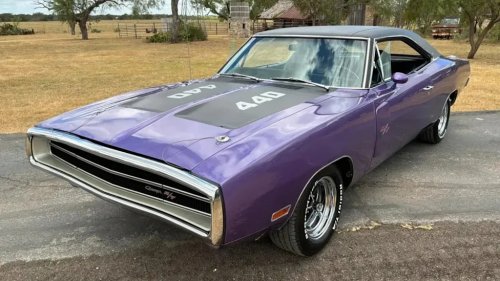
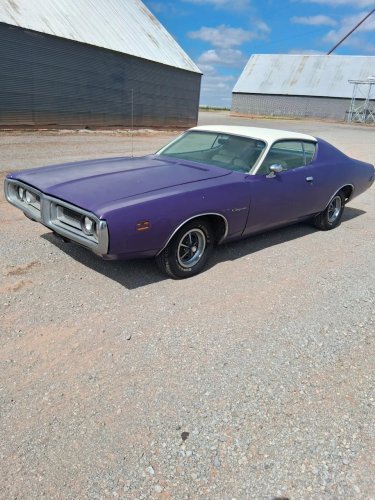
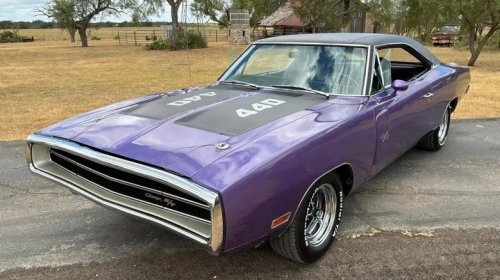
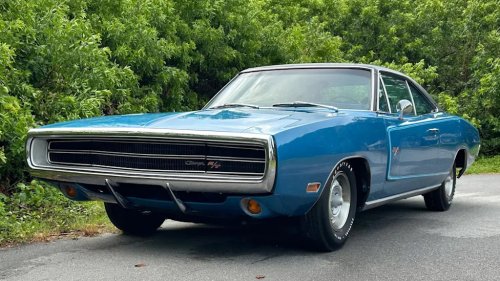
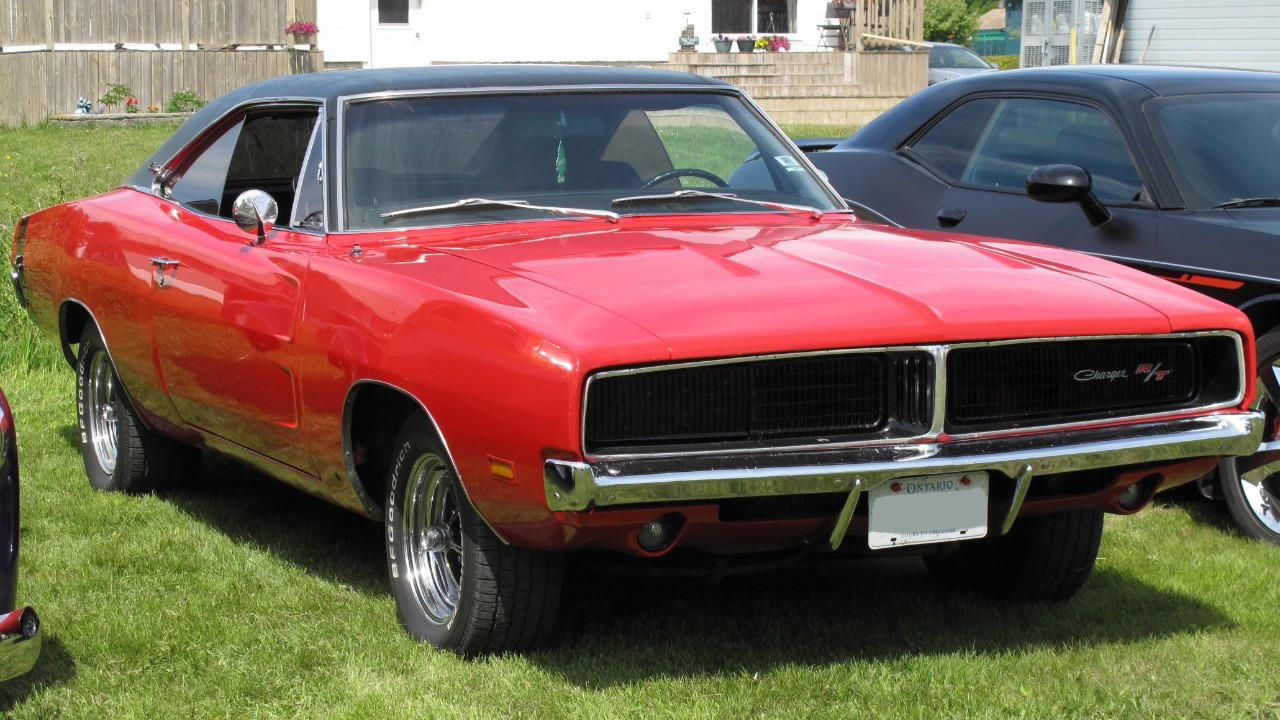
More than just performance the 1969 Dodge Charger R/T became a cultural iconThe 1969 Dodge Charger R/T arrived in the middle of Detroit’s horsepower war and somehow stepped outside it. It had the numbers, the noise and the straight-line speed, yet what survived long after the factory shut the doors was an image: a long, low coke-bottle silhouette that came to stand for American muscle itself. The car’s journey from showroom special to cultural shorthand for rebellion, nostalgia and TV-era Americana shows how design, racing ambition and Hollywood exposure can turn sheet metal into myth. The shape that signaled trouble Even parked, the 1969 Dodge Charger R/T looked fast. The second-generation body wore what enthusiasts still call the coke-bottle profile, a waist that pinched in at the doors and swelled again over the rear quarters. One detailed breakdown of the car’s history describes the Exterior Design as “The Coke Bottle Shape,” and that phrase has stuck as firmly as any badge. The ’69 Charger used that form to exaggerate motion, with a long hood, short deck and muscular haunches that made even modest engines look heroic. Designers did not chase delicate handling. Contemporary commentary describes the 1969 Dodge Charger as “more about emotion than precision,” a car built to “conquer straights” rather than dance through hairpins, a sentiment captured in a widely shared Nov social post that calls it one of the most iconic American muscle cars ever. For 1969 the grille split, the tail lamps tucked into a clean rear panel and the roofline flowed into broad C-pillars that turned every highway on-ramp into a movie shot in the driver’s head. That sense of drama mattered as much as the spec sheet. The Charger did not try to be a nimble European coupe. It leaned into American tastes, with size, presence and a stance that made it look like trouble from across the parking lot. The Charger’s identity as a cultural icon starts there, in the decision to prioritize visual impact over lap times. R/T: Road/Track and raw intent The R/T badge, short for Road/Track, signaled that this Charger was more than a styling exercise. A detailed enthusiast history describes the 1969 Dodge Charger RT as the “epitome of American muscle,” pairing the bold body with serious hardware under the hood and suspension tuned for straight-line stability rather than subtlety. In that account, the Dodge Charger RT is presented as the flagship expression of the brand’s Road and Track ambitions. Under the R/T’s hood, buyers could choose engines that matched the car’s swagger. A detailed look at the engine bay of surviving cars stresses that “these machines were built to be driven hard,” whether ordered with the “440 M” big block or the legendary “426” HEMI. A widely shared photo set of one such car notes that, as the caption puts it, Whether it is, the Charger R/T carried powerplants designed for abuse. Another source specifies that the 1969 Dodge Charger with a 426 (7.0L) Hemi V8 produced 425 horsepower and 490 lb-ft of torque, figures that still command respect in an era of computerized performance. Performance variants multiplied. The Charger 500 and Charger Daytona models carried the same basic architecture into more specialized roles, while the core R/T package remained the street hero. The combination of the R/T’s coke-bottle body, bold graphics and heavy-breathing V8s created a car that felt larger than life even before it ever appeared on a screen. Detroit’s horsepower war in metal form The late 1960s are often summarized as a horsepower arms race, and the 1969 Dodge Charger R/T stood near the center of that fight. One enthusiast account describes how the 1969 Dodge Charger R/T became one of the most famous muscle cars of the late 1960s “during the peak of Detroit’s horsepower war,” a period when manufacturers pushed displacement and compression to win sales and street cred. That same account, shared in a Mar discussion of, places the Charger alongside other factory hot rods that defined the era. A separate detailed community post calls the 1969 Dodge Charger R/T “one of the most legendary muscle cars of the late 1960s,” highlighting its aggressive coke-bottle body shape and its role in the broader muscle movement. In that post, which circulates among enthusiasts, the author describes how the car’s styling and performance combined with the marketing of the time to make it a halo model for Dodge. The Mar summary of emphasizes that the R/T badge and bold bodywork sent a clear signal in an era when Detroit treated the street as a showroom extension. Those same sources explain that the Charger’s mythology grew not just from numbers on paper but from the way it embodied a certain American attitude toward cars. It was big, unapologetically loud and unbothered by fuel economy or subtlety. That attitude would soon clash with changing regulations and tastes, yet the 1969 model captured the high point before the party ended. From NASCAR aero weapon to street legend The Charger’s path into racing deepened its legend. A detailed retrospective on the model’s history notes that The Daytona version, with its massive rear wing and pointed nose cone, was built to dominate NASCAR and became a legend of its own. That account, shared in a Feb story about, explains that this extreme variant was created to solve aerodynamic problems the standard Charger faced on high-speed ovals. The Charger Daytona’s towering rear wing and wind-cheating nose were not styling gimmicks. They were functional tools to keep the car stable at the speeds demanded by NASCAR’s superspeedways. The Daytona’s success on track fed back into the showroom, where even buyers who would never see a pit lane could feel a connection to professional racing every time they saw the Charger’s familiar profile in their driveway. Although the Daytona was a limited and specialized offshoot, its existence reinforced the idea that the 1969 Dodge Charger platform was serious hardware. The halo effect of a NASCAR-focused variant helped the entire Charger line, especially the R/T, gain credibility among enthusiasts who cared about more than straight boulevard runs. Hollywood, Bullitt and the dark shape in the mirror Long before the Charger wore an orange paint job on television, it had already carved out a place in film history. A detailed analysis of why The Charger became a muscle car icon points to the movie Bullitt, where the Charger became “the dark, hard-edged shape in the mirror” chasing Steve McQueen’s Mustang through San Francisco. That description, preserved in an enthusiast essay on The, captures how the car’s design lent itself to cinematic menace. In Bullitt, the Charger’s long hood and black paint turned it into a kind of mechanical villain. The film did not stop to explain horsepower figures. It simply let the Charger loom in the frame, its headlights filling the Mustang’s rearview mirror, its exhaust note echoing off the hills. That exposure mattered. For many viewers, the first encounter with a Charger was not in a dealership but on a movie screen, where the car’s shape and sound were permanently linked to high-speed drama. Later film and television appearances would build on that foundation, but Bullitt established a template: the Charger as the car that shows up when the story needs a heavy hitter. That reputation helped the 1969 R/T transcend its model year and become a recurring character in popular culture. Dukes of Hazzard and the price of fame Television turned the 1969 Dodge Charger from a cult favorite into a household name. The car that fans know as the General Lee wore bright orange paint, a Confederate flag on the roof and a horn that played “Dixie.” A detailed explainer on why the General Lee Charger is considered one of the most famous TV cars ever invites viewers to “Imagine a car so legendary it survived hundreds of crashes and still became one of the most famous vehicles in television history.” That description appears in a widely shared Mar video that, underscoring how the show burned through cars at a staggering rate. Other reporting on cars popularized by TV explains that Chargers that were not as badly damaged in stunts often became props, called “bucks.” Mechanics rebuilt and repainted these battle-scarred autos to keep them camera ready, a process described in a detailed discussion of Chargers and the crews who kept them alive. The same sources point out that The Dukes of Hazzard ran 147 episodes over 7 seasons and that some estimates place the number of 1969 Chargers destroyed in filming at over 300. One video essay on the subject notes that usually becoming a cultural icon saves a machine from the scrapyard, but for the 1969 Dodge Charger fame was not a savior at all. That analysis, shared in a Feb feature on, argues that the show’s appetite for cars actually made surviving examples rarer and more valuable. The paradox is striking: the very exposure that made the Charger an icon also consumed a large share of the original production run. Today, museums and collectors treat surviving General Lee cars as artifacts of both automotive and television history. One promotion from a venue that celebrates the show invites fans to “bring home a piece of American TV history,” describing a second-generation model that retained the coke-bottle styling introduced in 1968 and added a split grille for 1969. That description, which highlights the Coke influenced profile, shows how the line between TV prop and collectible artifact has blurred. From rusted project to personal legend The Charger’s cultural pull extends beyond screens and racetracks into private garages. One widely shared story from a muscle car community tells of Michael, who found a 1969 Dodge Charger R/T that was “rusted, tired, and weather-beaten from decades of neglect.” Even through the decay, Michael saw the same potential his grandfather had seen in these cars. That narrative, recounted in an Oct post about, captures how the Charger has become a canvas for personal history. In that account, the restoration is not just about returning a car to showroom condition. It is about reconnecting with family stories, reviving a symbol of youth and reclaiming a piece of mechanical Americana that television and racing had already turned into shared myth. The fact that someone would invest years and significant money into reviving a rusted shell speaks to the emotional value attached to the 1969 Charger R/T. Similar stories appear across enthusiast groups. Some owners chase factory-correct restorations, complete with period-correct 440 Magnum or 426 HEMI engines. Others build modernized restomods that keep the coke-bottle body but update brakes, suspension and electronics. In both cases, the goal is less about transportation and more about participating in a story that began in Detroit in the late 1960s. More from Fast Lane Only Unboxing the WWII Jeep in a Crate 15 rare Chevys collectors are quietly buying 10 underrated V8s still worth hunting down Police notice this before you even roll window down The post More than just performance the 1969 Dodge Charger R/T became a cultural icon appeared first on FAST LANE ONLY.



















 +75 others