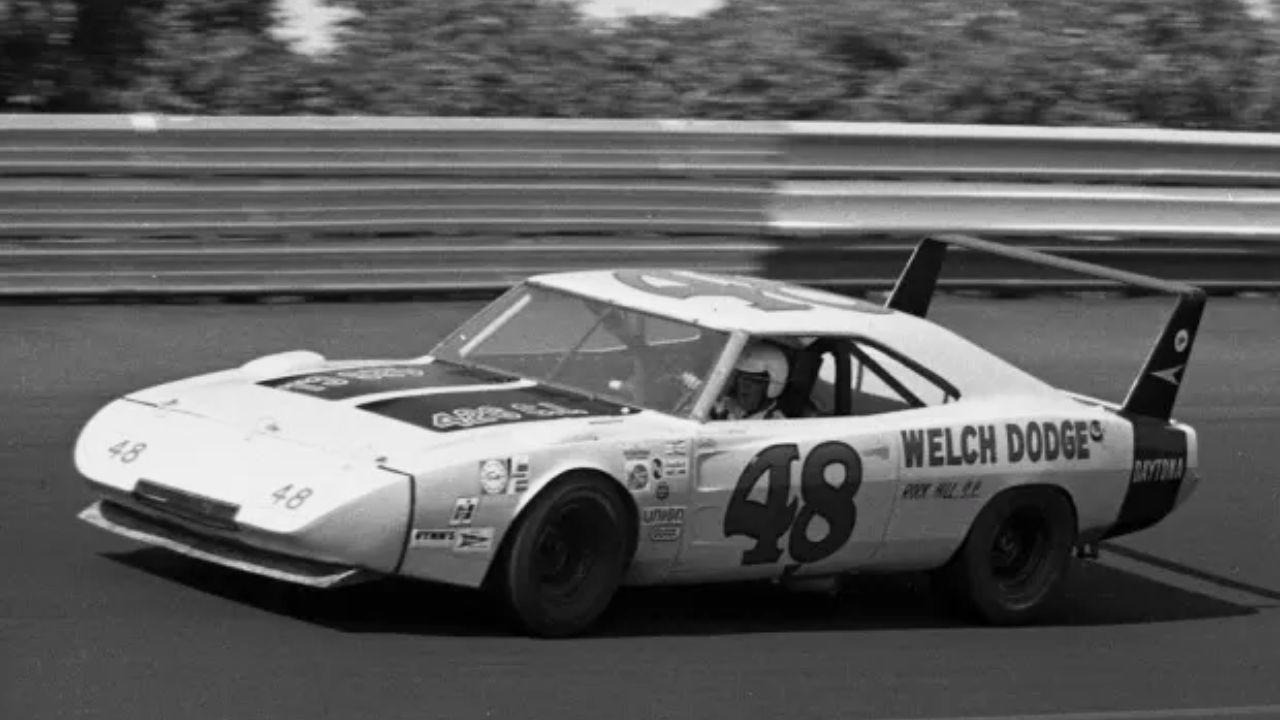
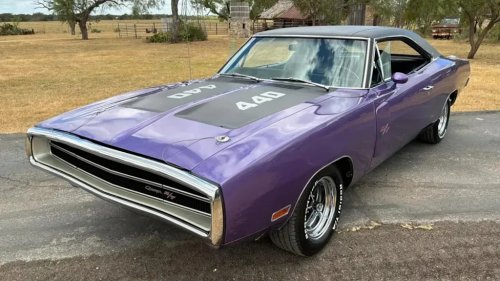
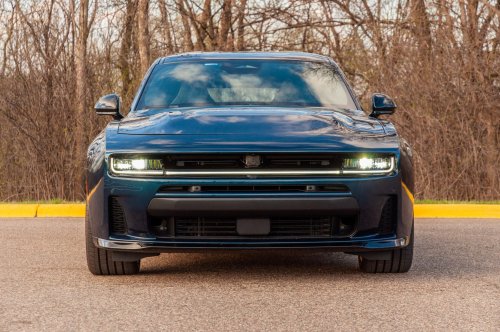
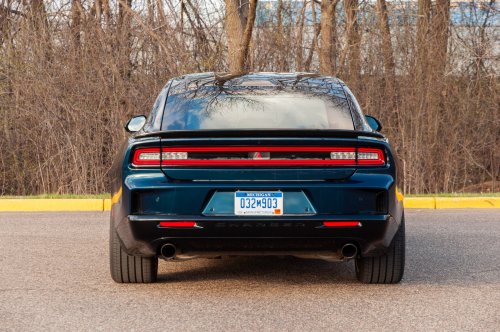
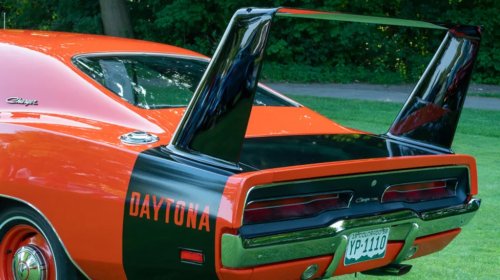
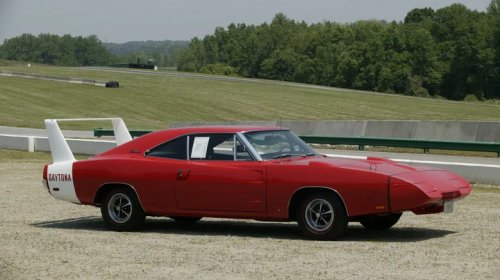
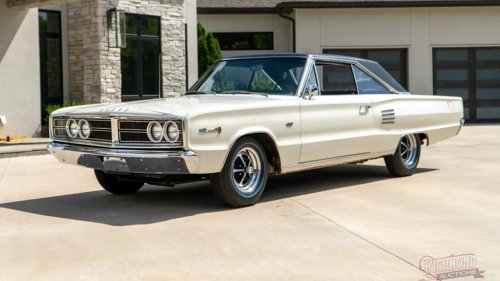
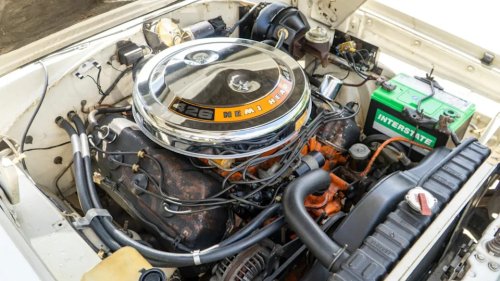
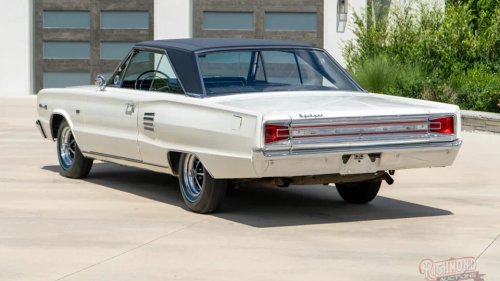
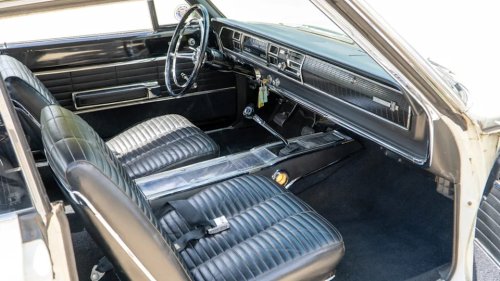
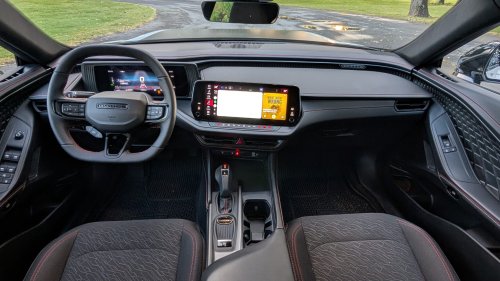
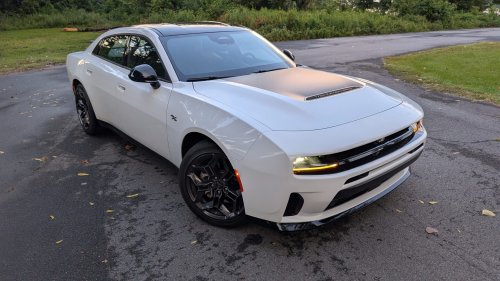
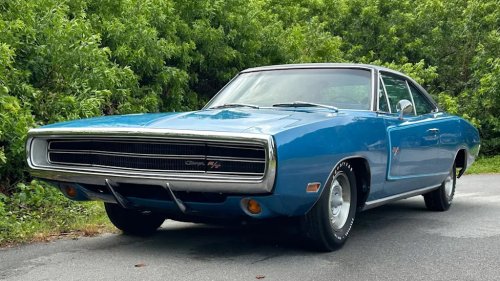
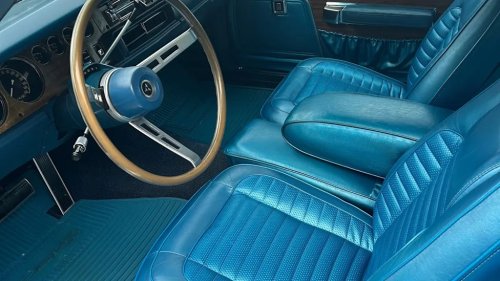
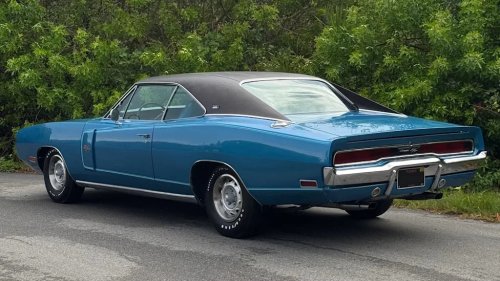
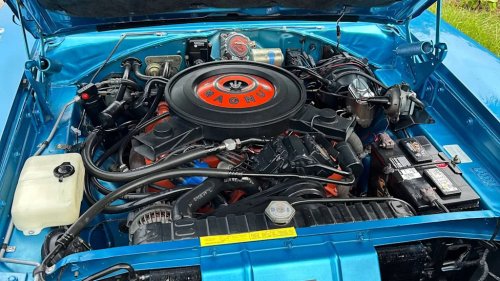
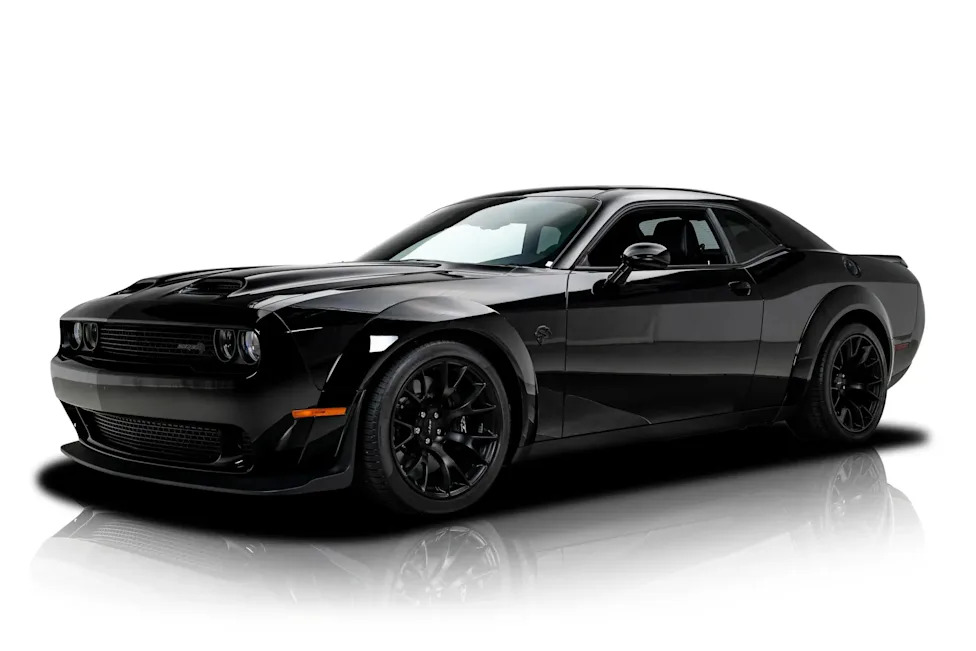
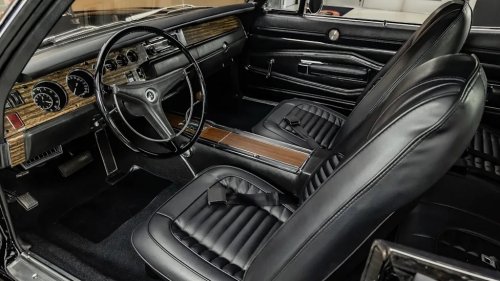
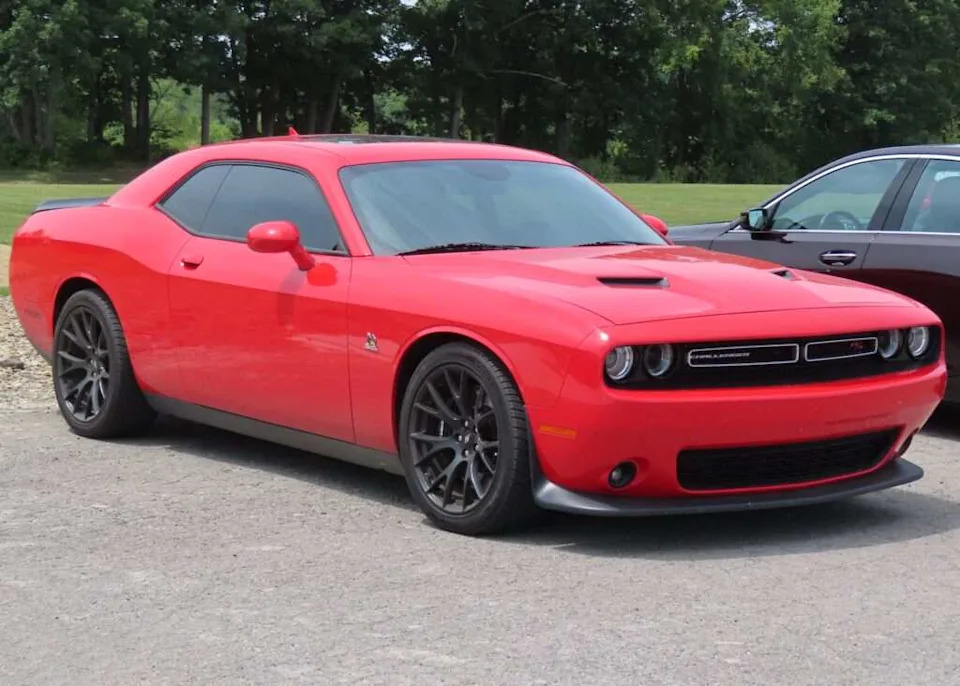
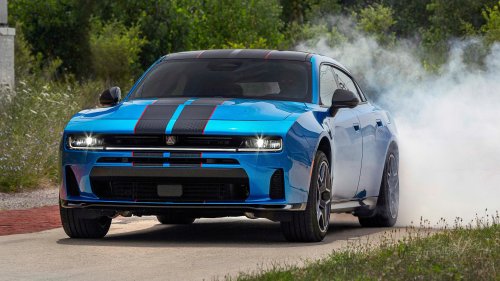
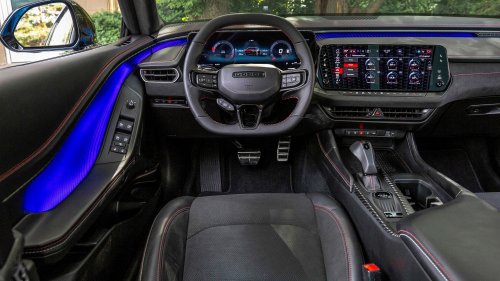
The 1969 Dodge Charger Daytona broke records but had an extremely limited runThe 1969 Dodge Charger Daytona stands as a monumental figure in automotive history, recognized not only for its striking design but also for its record-breaking performance on the racetrack. Despite its limited production, the Daytona’s legacy continues to influence car enthusiasts and collectors alike. Historical Context of the Dodge Charger The Dodge Charger made its debut in 1966 as a fastback version of the Coronet, designed to capture the growing muscle car market. With its sleek profile and aggressive stance, the Charger quickly became a symbol of American automotive culture during the late 1960s. As the muscle car craze took off, Dodge sought to differentiate itself from competitors like Ford and Chevrolet, who were also vying for dominance in this burgeoning segment. The introduction of the Charger was a pivotal moment in Dodge’s history, setting the stage for future innovations and performance-oriented models. Throughout the late 1960s, the muscle car phenomenon was characterized by powerful engines and bold designs, appealing to a younger demographic eager for speed and style. The Charger, with its distinctive grille and expansive rear window, became an icon, representing not just a vehicle, but a lifestyle. It faced fierce competition from the likes of the Ford Mustang and Chevrolet Camaro, which were also vying for the attention of car enthusiasts. This competitive landscape fueled innovation within the industry, prompting manufacturers to push the boundaries of performance and design. Design Innovations of the Charger Daytona The 1969 Charger Daytona was a radical departure from its predecessors, boasting a series of design innovations that set it apart from other muscle cars of its time. One of the most recognizable features of the Daytona was its elongated nose cone and massive rear wing, which were engineered to improve aerodynamics and stability at high speeds. These enhancements were crucial for the car’s performance on the racetrack, where speed and handling could mean the difference between victory and defeat. The Daytona’s unique look not only turned heads but also served a functional purpose, making it a formidable contender in NASCAR. In addition to its aerodynamic features, the Charger Daytona offered a range of color options and aesthetic choices that appealed to consumers. Bright hues like “Hemi Orange” and “Plum Crazy” became synonymous with the model, emphasizing its bold personality. Inside, the Daytona was equipped with a driver-focused cockpit, featuring a spacious interior and sporty details that enhanced the driving experience. These design elements not only made the Daytona visually striking but also contributed to its reputation as a performance powerhouse. Performance Metrics and Record-Breaking Achievements The heart of the 1969 Dodge Charger Daytona was its powerful engine, which came in several configurations, including the iconic 426 Hemi V8. This engine could produce an impressive 425 horsepower, allowing the Daytona to achieve remarkable performance metrics. It was during a 1970 qualifying run at Talladega that the Daytona became the first car to officially break the 200 mph barrier in NASCAR, a milestone that solidified its place in automotive history. This achievement was not just a number; it symbolized the peak of American engineering and performance during the muscle car era. Notable races highlighted the Daytona’s prowess on the track, particularly its success at the prestigious Daytona 500. In 1970, the Daytona secured its place in history by finishing in the top positions, showcasing not only its speed but also its reliability in competitive racing. This success further fueled interest in the model, elevating its status among car enthusiasts and collectors. The combination of its engineering excellence and racing achievements made the Charger Daytona a legendary figure in the world of motorsport. Limited Production and Market Impact One of the most intriguing aspects of the 1969 Charger Daytona is its limited production run, with only 503 units manufactured. This decision was influenced by a combination of factors, including the need to meet NASCAR requirements and the economic realities of the automotive market at the time. While the Daytona was a groundbreaking vehicle, the costs associated with its production and the shifting consumer preferences led to its limited availability. This scarcity has significantly impacted the car’s desirability and value in the collector’s market today. As a result of its limited production, the Charger Daytona has become one of the most sought-after muscle cars among collectors. Prices for well-preserved models have skyrocketed at auctions, often reaching six-figure sums. The rarity of the Daytona, combined with its racing pedigree and iconic status, has created a perfect storm for collectors looking to invest in automotive history. Comparisons with other limited-run models from the era, such as the Pontiac GTO and Ford Mustang Boss 429, reveal that the Daytona holds a unique position in the market, often commanding higher prices than its contemporaries. Challenges and Controversies Despite its record-breaking achievements, the Dodge Charger Daytona faced numerous challenges and controversies throughout its short production run. One significant hurdle was the evolving regulations in NASCAR, which often aimed to level the playing field among manufacturers. As Dodge sought to capitalize on the Daytona’s success, they were met with scrutiny over the car’s performance claims. Critics questioned whether the Daytona’s modifications truly aligned with the spirit of stock car racing, leading to debates about the authenticity of the vehicle’s specifications. The marketing strategies employed by Dodge also sparked controversy. Some enthusiasts believed that the promotional materials exaggerated the car’s capabilities, creating unrealistic expectations among potential buyers. As the Charger nameplate transitioned through subsequent decades, it faced further challenges in maintaining its performance-focused identity amidst changing consumer preferences and regulatory requirements. The evolution of the Charger into more family-oriented vehicles in the late 1970s and 1980s diluted its original muscle car image, leaving a lasting impact on the brand’s legacy. Collectibility and Auction Records The 1969 Dodge Charger Daytona has become a prized possession among collectors, with several factors contributing to its high auction prices. Its limited production run, combined with its racing pedigree and iconic design, makes it a standout in the classic car market. Enthusiasts are willing to pay top dollar for well-maintained models, particularly those with unique features or historical significance. Recent auction records highlight the car’s desirability, with highly-optioned Charger Daytonas fetching impressive sums at sales around the country. For instance, a highly-optioned Daytona recently set a new auction record, demonstrating the model’s continued appeal to collectors. The role of restoration and preservation cannot be understated, as expertly restored Daytonas often command higher prices than those in original condition. Collectors and restorers alike recognize the importance of maintaining the car’s historical integrity while also upgrading certain components to enhance performance. This delicate balance between preservation and modernization contributes to the Daytona’s status as a coveted classic. Influence on Future Dodge Models The design and engineering innovations of the Charger Daytona have left an indelible mark on future Dodge models, particularly the Charger and Challenger. The aerodynamic principles established by the Daytona have continued to influence the design of modern muscle cars, ensuring that performance remains a top priority for the brand. Dodge has embraced the legacy of the Daytona, incorporating elements of its design into contemporary models, which appeal to both nostalgic fans and a new generation of car enthusiasts. Recently, Dodge has revisited the Daytona name in its lineup, with modern interpretations that pay homage to the original’s performance heritage. These new models incorporate advanced technology and engineering while retaining the spirit of the iconic 1969 Daytona. The ongoing legacy of performance and innovation within the Dodge brand serves as a testament to the enduring impact of the Charger Daytona, ensuring that its history continues to resonate with automotive enthusiasts. The significance of the 1969 Dodge Charger Daytona in American automotive history cannot be overstated. Its record-breaking achievements, limited production, and iconic design have solidified its place in car culture and the muscle car renaissance. The Charger Daytona is not just a vehicle; it represents a pivotal moment in automotive history, and its legacy will continue to inspire future generations of car enthusiasts. More from Fast Lane OnlyUnboxing the WWII Jeep in a Crate15 rare Chevys collectors are quietly buying10 underrated V8s still worth hunting downPolice notice this before you even roll window down