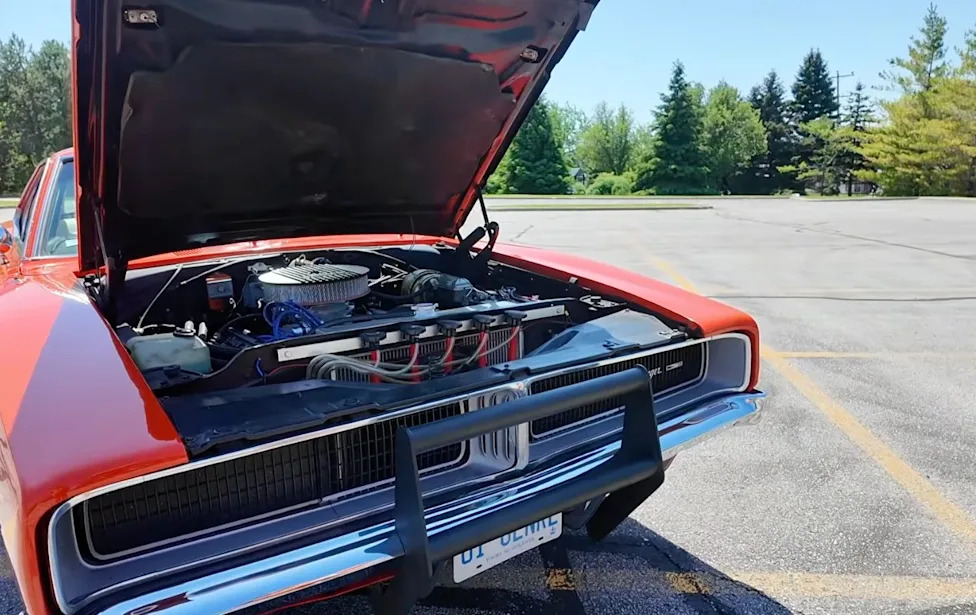
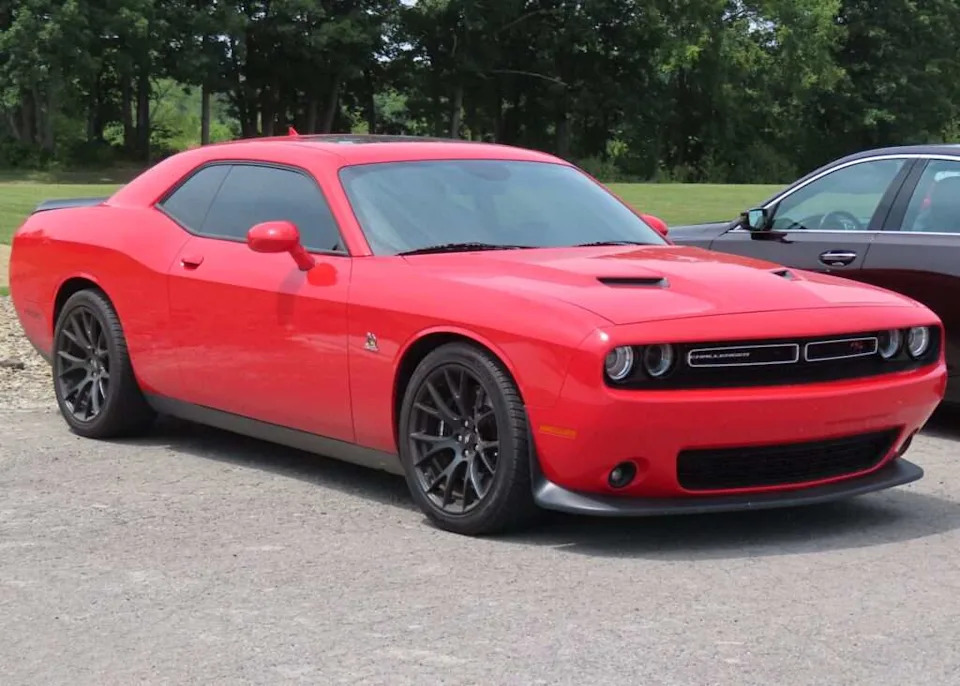
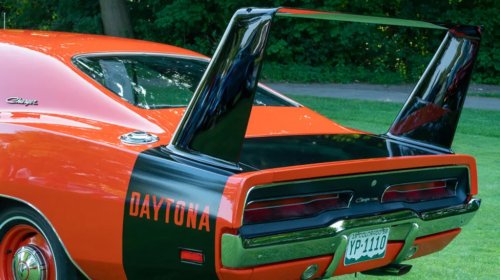
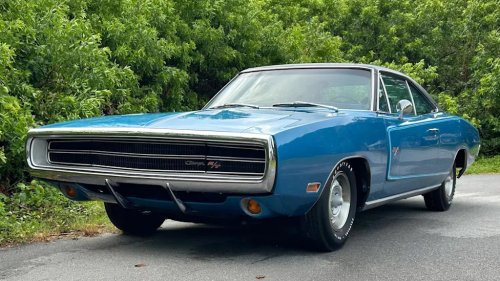
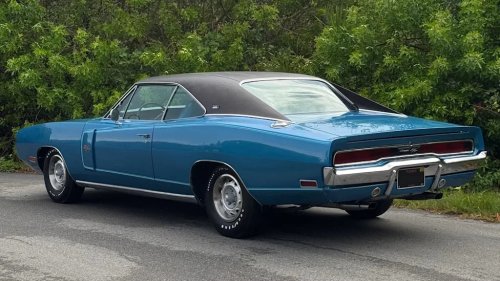
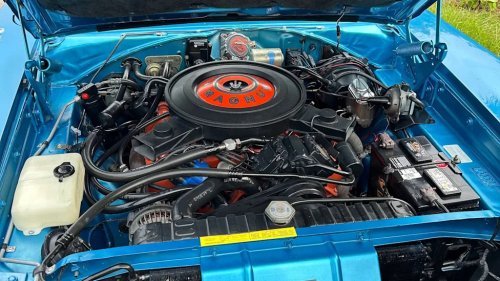
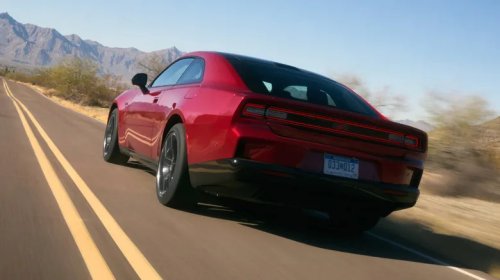
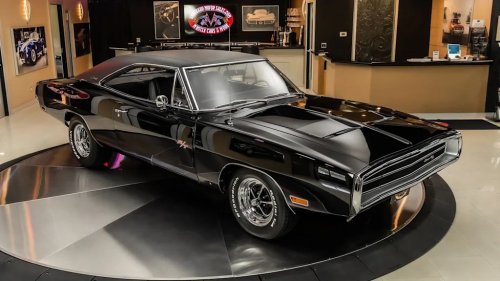
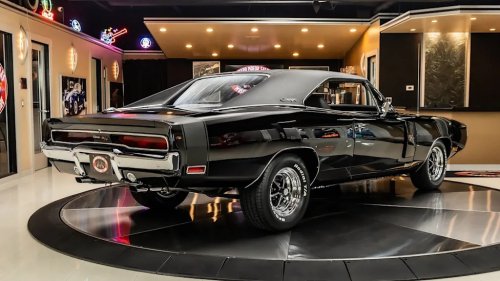
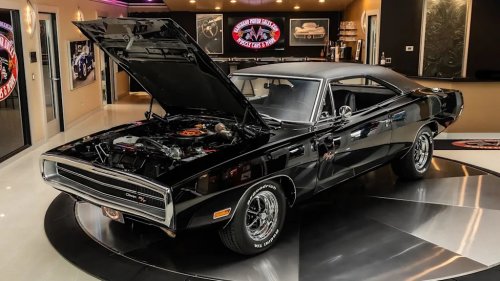
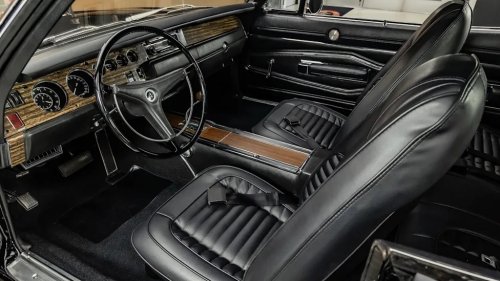
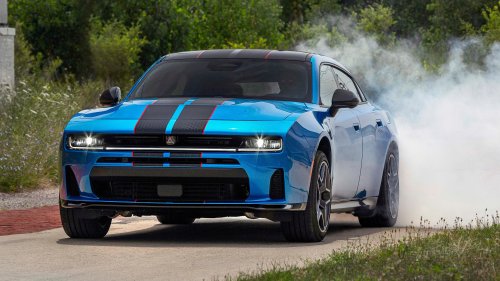
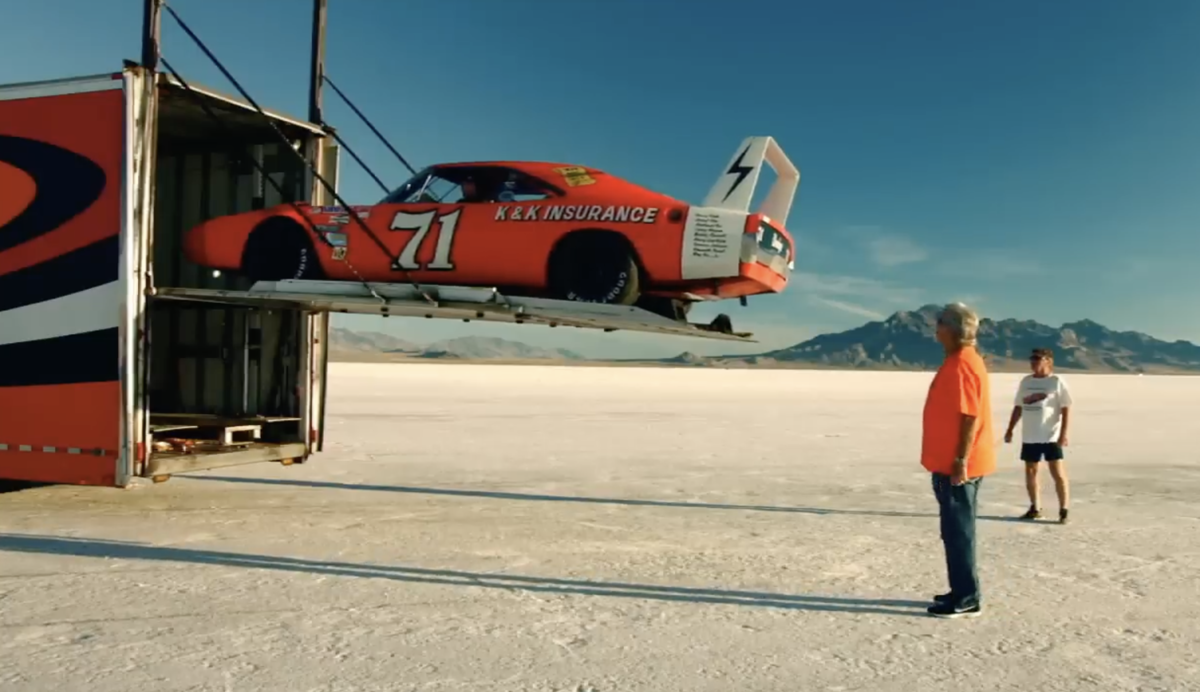
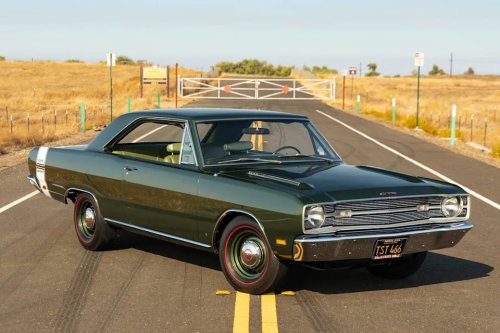
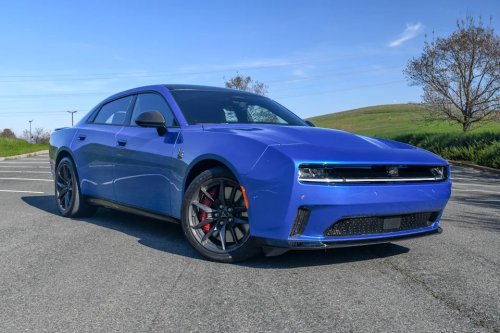
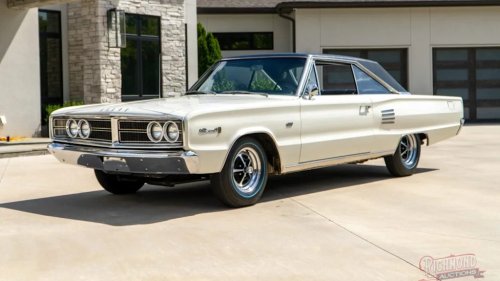
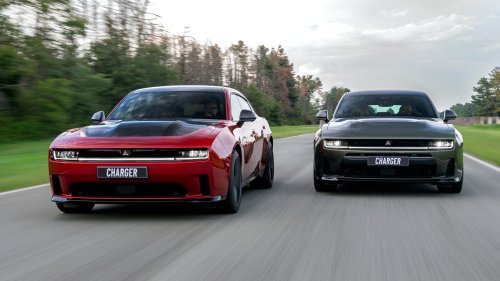
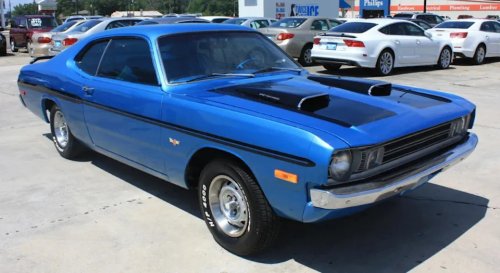
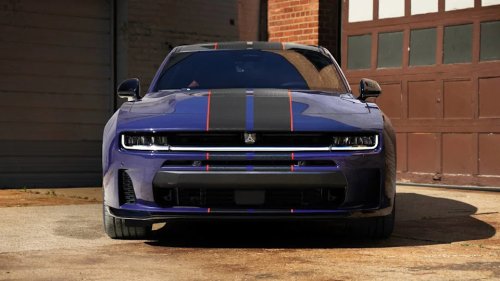
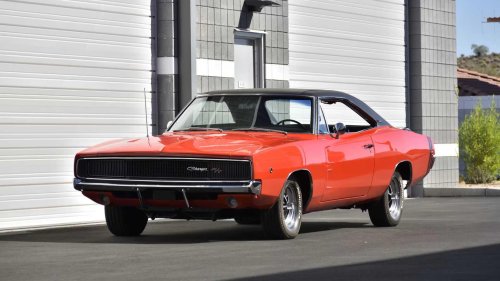
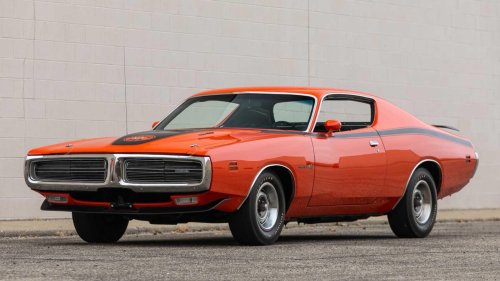
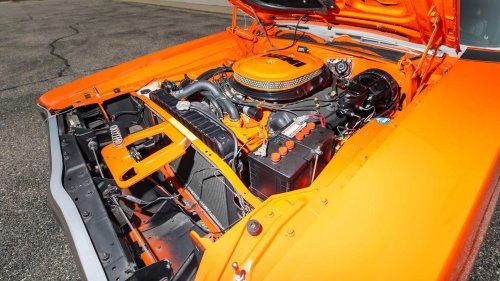
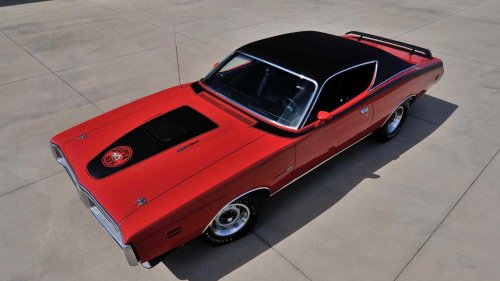
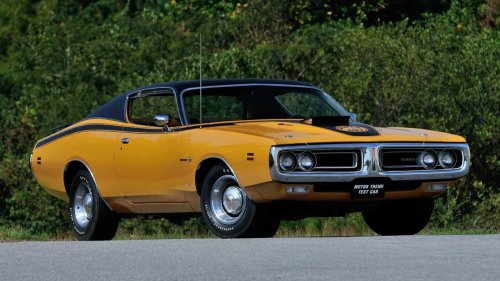
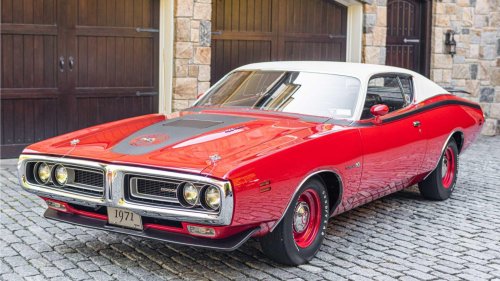
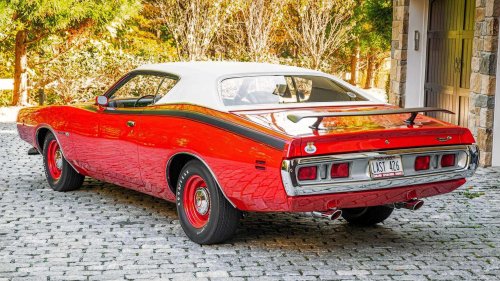
We all know the Dodge Charger, it's the definitive face of the American muscle car and a well-known name in the automotive industry. An iconic car that was made famous for burning rubber on the streets and drag strips for decades. The standard Charger with the big block V8s were sold in large numbers, and almost anyone with enough cash could get one, but there is a specific variant that even some of the wealthiest people today can't get. UPDATE: 2026/04/15 13:28 EST BY JARED SOLOMON This article has been updated to include additional context on Mopar’s performance strategy during the early 1970s and the industry conditions that led to the creation of ultra-high-performance muscle cars.It was a car built to do one thing: dominate the competition at the quarter mile. However, despite building the best car and having the most potent engine, it was a complete failure. Today, it is considered one of the greatest machines to ever roll out of Detroit. It was a purpose-built drag car that was too wild and expensive for the general public. The Dodge Charger Is An Iconic Muscle Car Mecum Some might wonder why we would care about another rare Dodge Charger? Well, you first have to understand the significance of the Charger nameplate. Since its debut in 1966, the Charger has been an integral part of muscle car history, not just in terms of raw power, but with influential design. Have you heard of the "Coke-bottle" design? The Charger was one of the best cars to really showcase that design with its aggressive 60s style that comprised of hidden headlights in the R/T models. The Charger was a car that had presence on the road. Even with an almost two-decade hiatus, everyone was excited when the Charger returned.Even today, among young enthusiasts, the Charger remains a powerhouse in the automotive world. While other legendary cars of the 60s have faded into oblivion or reincarnated as boring crossovers, the Charger returned as a four-door sedan and still showed every other automaker how to build a proper muscle car. With the Hellcat variant, the Charger made peak power at nearly 800 hp, which made almost no sense, but making a lot of power is what the Dodge Charger is best known for. However, the 70s wasn't a good time for these big-power muscle cars, the industry was changing quickly at the time. So Dodge decided they wanted to make a very special variant of the beloved Charger that would send it off with a very loud, very expensive bang. Why Mopar Went All-In On Extreme Performance Via: YouTube via Jalopy JeffBy the early 1970s, Chrysler wasn’t just competing in the muscle car wars—it was trying to win them outright. While brands like Chevrolet and Ford were balancing performance with mass appeal, Mopar took a far more aggressive approach. Dodge and Plymouth were building cars that felt closer to race machines than everyday street cars, often prioritizing outright speed over comfort, cost, or practicality.This mindset came from the brand’s deep involvement in motorsports. Success on the drag strip and NASCAR circuit wasn’t just good publicity—it directly influenced what ended up in showrooms. Engineers were constantly pushing the limits of what could be sold as a “production car,” blurring the line between factory vehicle and competition machine.The result was a lineup filled with increasingly extreme options, from Six-Pack carb setups to the legendary Hemi V8. These weren’t just upgrades—they were statements. Mopar wasn’t interested in building cars that simply competed; it wanted cars that dominated.But that approach came with consequences. As performance escalated, so did costs, complexity, and insurance concerns. By 1971, the industry was reaching a breaking point, and the window for these no-compromise machines was rapidly closing. That’s exactly the environment that led to the creation of one of the most extreme Chargers ever built. The 1971 Charger Super Bee Hemi Was Built To Dominate Mecum The third-generation Charger came out in 1971, and it had some big shoes to fill after the massive success of the previous car. This car was completely redesigned, with a more rounded aerodynamic body and a shorter wheelbase. It wasn't as aggressive and brawny as its predecessor, but this was intentional. Dodge had a clear goal with this car, and that was to win on the NASCAR circuit and the local drag strips.In its debut year, Dodge also gave us the Super Bee Hemi, which was the peak of that ambition. While competitors like the Chevrolet Chevelle SS and the Pontiac GTO were beginning to feel the effects of tightening regulations, Dodge offered a package that was essentially a street-legal race car. The Hemi Super Bee could blast through the quarter-mile in roughly 13.7 seconds at 104 mph from the factory. If you added some slicks and minor tuning, you could crack into the 12s, which was crazy for a 4,000-pound car in 1971. But this was made possible because of its powerful engine. It Was Powered By The Elephant Engine Mecum Dodge may have made the car aerodynamically faster, but the engine was the secret sauce. It was powered by the legendary 426 Hemialso known as the "Elephant engine". It earned this name because it was physically a big engine with big power. Big block engines like these were common in this era, but this Hemi was massive. The hemispherical head design allowed for larger valves and better airflow, so the more you pushed the engine, the more it gave. It made 425 horsepower and an even bigger 490 pound-feet of torque. Having big torque in engines like this was not uncommon, but they had very low redlines, with this one capping out at 5,600 rpm. It was a complex, heavy, and expensive piece of engineering that gave the Super Bee the performance it needed to destroy the competition, but it's also the reason the car didn't sell. Only 22 Cars Were Sold Mecum Despite its incredible performance, the 1971 Dodge Charger Super Bee Hemi was a commercial failure. Dodge finally built the car everyone needed, but they couldn't afford it, and the sales numbers showed it, with only 22 units made for that year. To put that into perspective, Dodge built over 5,000 Super Bees in 1971 that came with the more affordable 383 or 440 engines. People really wanted this car, but there were a few reasons they couldn't get it, and the main reason was the cost.The 426 Hemi option alone was nearly $900 at the time, which was a lot considering the base car cost around $3,200. The market for a car like this was also really small. The Super Bee was originally an affordable muscle car with no fancy features, just performance. Adding a very expensive engine in a cheap car that's almost 30% of its value didn't make sense to most buyers. The final problem was that insurance companies at the time were adding massive premiums on muscle cars, which made them even more expensive. The Insurance Crisis Affected Other Cars In The Industry MecumBy 1971, muscle cars were under attack as insurance companies realized that young men driving cars with 400+ horsepower were considered high risk. The only way to make this worth the risk was to hit high-performance vehicles with astronomical insurance premiums that sometimes cost as much as monthly car payments. If you wanted to drive these cars, by all means, then you had to pay to play.This wasn't just a Dodge problem; it affected every muscle car and the industry as a whole. Shortly after this, there was a sharp decline in powerful cars as they detuned most of these engines to appease the insurance companies and meet the new emissions standards. Engines like the 426 Hemi, with their dual-quad carburetors and thirsty appetite, were the primary target. For most people, the 1971 Super Bee Hemi and similar muscle cars weren't worth the premium. The Hemi Super Bee Is a Super Collectible Car Bring a Trailer Ironically, everything that made the 1971 Charger Super Bee Hemi a failure is the reason it is a "holy grail" car today. Since only 22 cars were made, it is one of the rarest Mopar vehicles in existence. This is very important to the collector value of this vehicle; in this space, the rarer the vehicle, the more valuable it is. The 1971 Super Bee is significant because it was the final year of the 426 Hemi; the Elephant engine was retired, marking the end of this era. Owning one of these 22 cars isn't just about owning the fastest Dodge of its time, it's about owning the final car of its era that clearly defined the muscle car movement. This Is A Six-Figure Car Bring A Trailer If you're looking to add one of these to your collection, you'd better have a lot of money in the bank. A regular 1971 Super Bee could sell for an average price of $45,000, which is attainable, but the Hemi versions are in another price bracket. Recent auctions have seen 1971 Hemi Super Bees sell for well over $150,000, with some pristine or highly original examples pushing even higher. In January 2024, a record sale reached $245,000. These are among the most desirable Mopars in history, and even if you had the money to get one, you may never find one for sale.Sources: Dodge, Mopar, Classic.com



















 +66 others