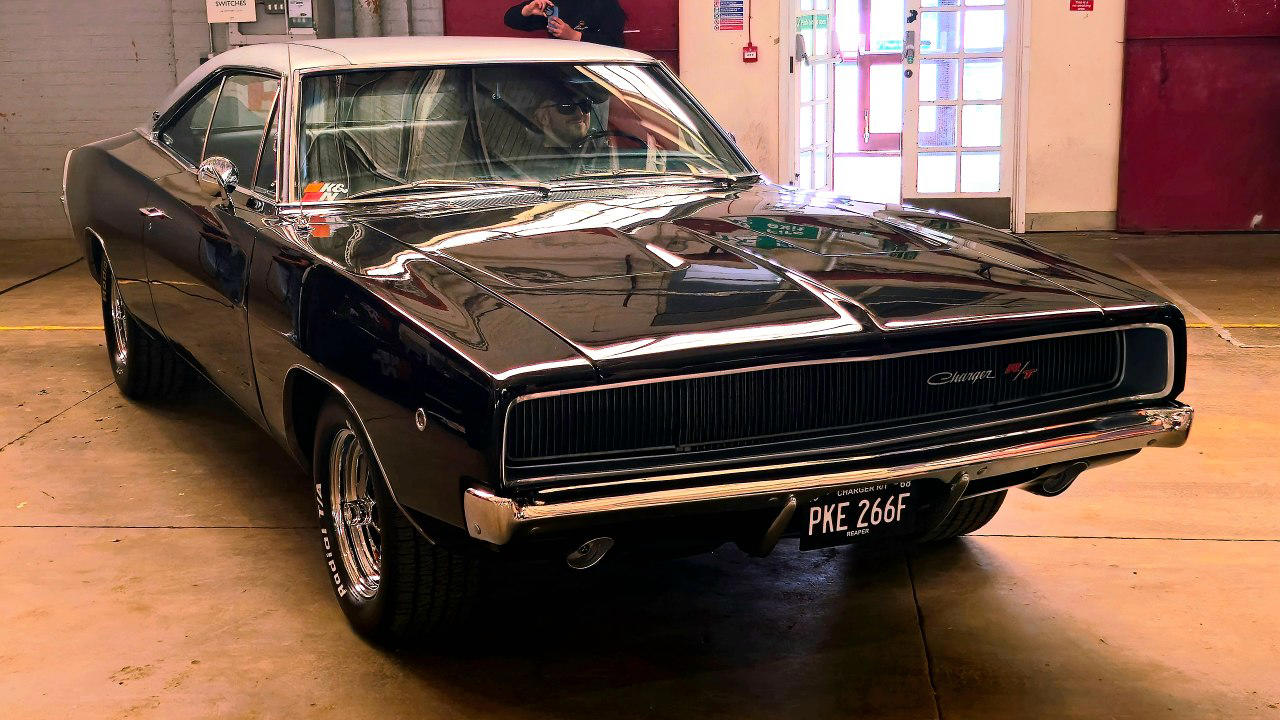
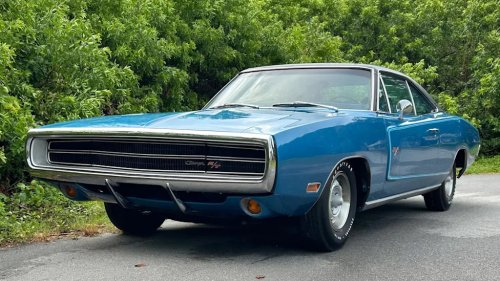
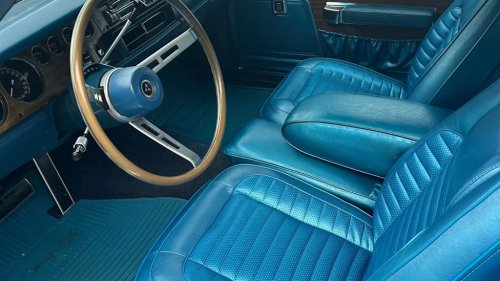
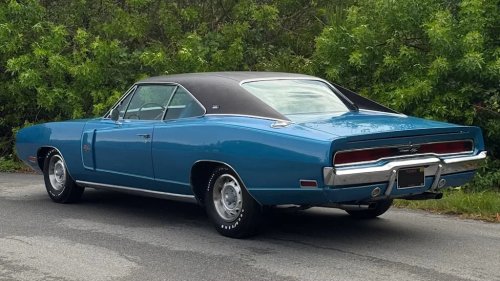
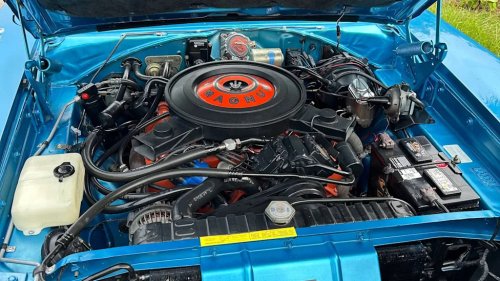
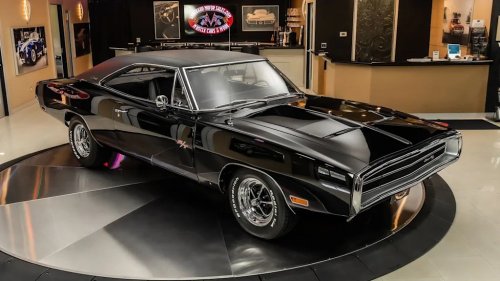
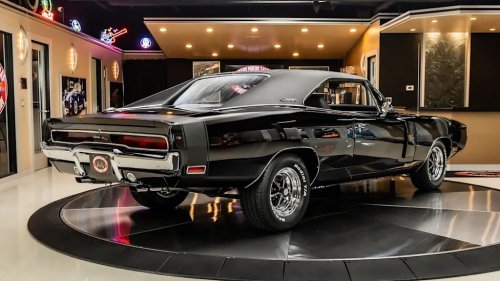
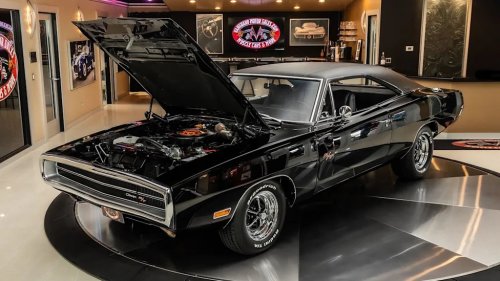
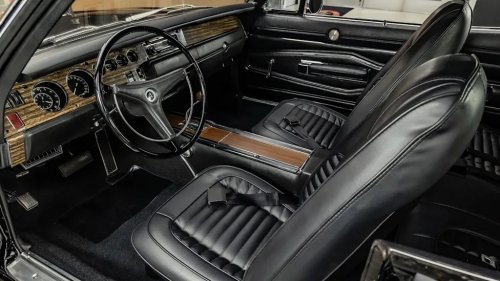
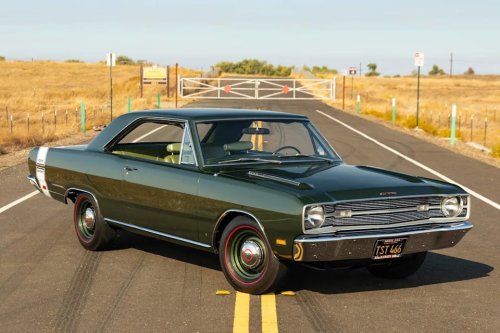
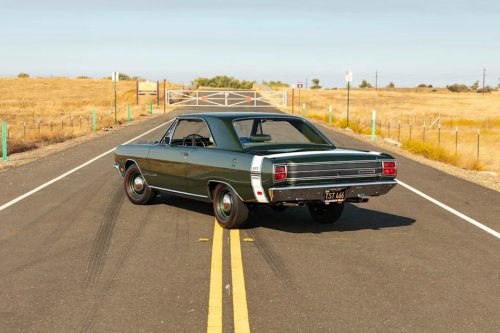
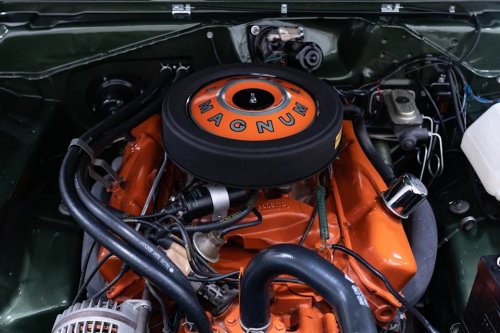
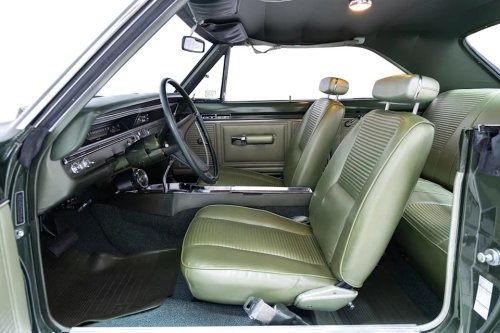
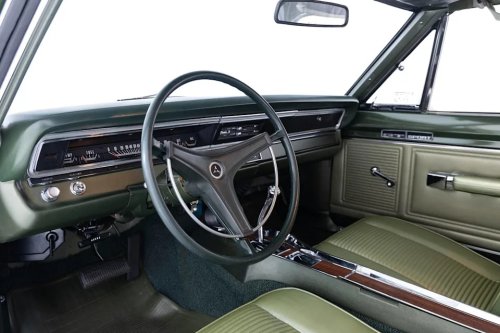
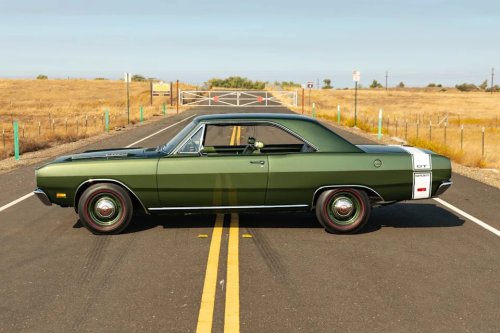
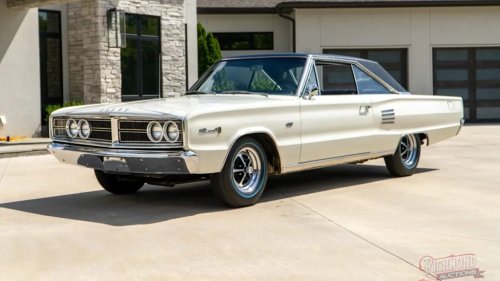
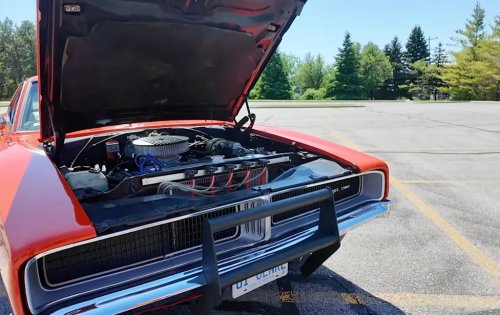
What makes the 1968 Dodge Charger one of design’s high-water marksThe 1968 Dodge Charger occupies a rare place in automotive history, where brute performance and refined styling met in a single, coherent statement. Its long, low body and disciplined surfacing turned a mass‑market muscle car into a design benchmark that still shapes how enthusiasts picture American performance. More than half a century later, the car’s proportions, details, and cultural reach continue to define what a high point in automotive design looks like. To understand why this Charger is regarded as a high‑water mark, it is necessary to look beyond nostalgia. The car’s impact rests on a carefully judged exterior, a purposeful cabin, and mechanical specifications that gave its styling real credibility, all arriving at a moment when American manufacturers were racing to capture both the street and the screen. The coke-bottle silhouette that set a template The 1968 Dodge Charger is instantly recognizable by its so‑called coke‑bottle profile, a body that swells over the wheels and pinches in at the doors before flaring again at the rear. This shape gave the car a sense of motion even at rest, a visual tightening at the waist that emphasized the length of the hood and the muscular rear haunches. Contemporary descriptions of the Charger R/T highlight this silhouette alongside hidden headlights and a stand‑up grille, a combination that made the front end appear clean and almost menacing when the lights were closed, then suddenly technical when they flipped open. Designers paired that profile with a fastback roofline that flowed into a broad rear deck, creating a continuous sweep from the A‑pillar to the tail. Accounts of the 1968 Dodge Charger describe this as one of the most iconic shapes of the late 1960s, while also noting that it reflected a wider wave of Detroit thinking that favored dramatic curves and sculpted flanks. Even critics who see the car as part of a broader pattern of Detroit groupthink acknowledge that the Charger’s execution, from its recessed rear window to its full‑width taillights, distilled those trends into a particularly coherent whole. Details that balanced aggression and restraint What separates the 1968 Dodge Charger from many of its contemporaries is the discipline of its detailing. The hidden headlamps allowed the designers to create a simple, full‑width grille that read as a single dark opening, framed by a thin surround rather than cluttered with chrome. At the rear, the circular lamps were set within a continuous panel, giving the car a distinctive night signature without resorting to excessive ornament. Contemporary commentary on the Charger R/T emphasizes how these elements, combined with the coke‑bottle body, produced a car that looked aggressive but not cartoonish. Inside, the Charger’s cabin carried the same balance of drama and purpose. Enthusiast descriptions of the 1968 model point to a driver‑oriented dashboard, clear instrumentation, and front bucket seats that reinforced the car’s performance brief. Reports that invite readers to “Read The Story” of the 1968 Dodge Charger describe a well‑appointed dashboard and interior that matched the exterior’s sense of occasion, rather than feeling like an afterthought. The result was a car that felt designed as a whole, from grille to taillights and from steering wheel to rear parcel shelf, which is a key reason it is still cited as one of the best styled cars of its era. Powertrains that gave the shape real authority The Charger’s styling would not have achieved the same mythic status without the engines that backed it up. Period specifications highlight an extensive range of powertrains, but the real centerpiece was the 426 cubic‑inch Street HEMI, described in factory‑focused histories as the game‑changer. That engine is credited with 425 horsepower and 490 lb‑ft of torque, figures that turned the Charger into a genuine high‑performance machine rather than a mere styling exercise. Social media posts celebrating the 1968 Dodge Charger R/T HEMI 426 underline how closely this specific combination of body and engine is tied to the car’s legend as an iconic American muscle car. The 426 was not the only engine that reinforced the Charger’s reputation. Enthusiast write‑ups also single out the 440 Magnum, often abbreviated as 440 M, as another defining powerplant. Descriptions of the 1968 Dodge Charger note that this engine, known for its impressive horsepower and torque, made the Charger one of the fastest cars on the road. Together, the 426 HEMI and 440 M options ensured that the Charger’s aggressive stance and coke‑bottle curves were matched by straight‑line performance that could justify the visual drama, which is central to why designers and fans still treat the car as a benchmark. A cultural image forged on streets and screens The 1968 Dodge Charger did not become a design touchstone in isolation; it was propelled into the public imagination by its presence in American life. Commentators who describe the Dodge Charger as “The American Muscle Icon of the 60s and 70s” emphasize how the car moved from the silver screens of Hollywood to the streets of Americ, turning its silhouette into a kind of rolling logo for late‑1960s performance. That visibility meant that the coke‑bottle body, hidden headlights, and full‑width taillights were not just admired by enthusiasts but recognized by casual viewers who might never open a spec sheet. Later retrospectives on the Charger’s key features describe the 1968 model as one of the most iconic American muscle cars, known for its distinctive styling, powerful engines, and strong acceleration and road‑holding capabilities. Social media posts and video essays that revisit the car’s styling, engines, transmissions, and interiors treat the 1968 Dodge Charger as a reference point when discussing the best styled cars of all time. This ongoing cultural conversation reinforces the idea that the car’s design is not simply attractive, but emblematic of a particular moment in American automotive ambition. Why designers still look back to 1968 Design analysts who revisit the 1968 to 1970 Dodge Charger range often frame the 1968 model as the purest expression of the theme. One critique notes that, Yes, this was one of the most iconic designs of the late‑60s, while also arguing that it exemplified Detroit’s tendency to follow shared formulas. That tension is part of what makes the Charger so instructive for designers today. It shows how a car can emerge from a common set of cues, such as the coke‑bottle body and fastback roof, yet still achieve a distinct identity through proportion, restraint, and a few inventive touches like the hidden headlamps. Modern summaries that describe the 1968 Dodge Charger as a titan of American performance and a quintessential muscle car underline how thoroughly it fused styling and engineering. The car’s combination of a disciplined exterior, a focused interior, and engines like the 426 HEMI and 440 M created a package that felt resolved from every angle. That completeness, rather than any single flourish, is why the 1968 Charger is still treated as one of design’s high points, a car that continues to inform how manufacturers and enthusiasts imagine the ideal American muscle coupe. More from Fast Lane Only Unboxing the WWII Jeep in a Crate 15 rare Chevys collectors are quietly buying 10 underrated V8s still worth hunting down Police notice this before you even roll window down