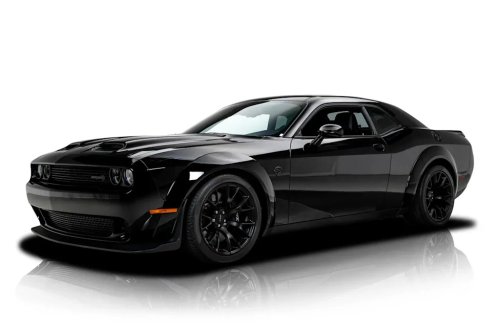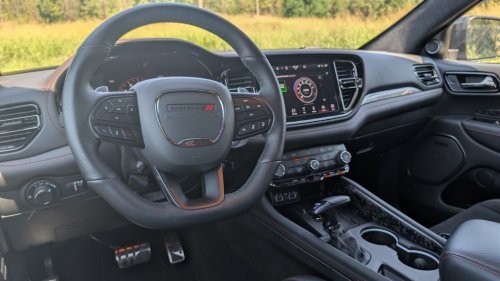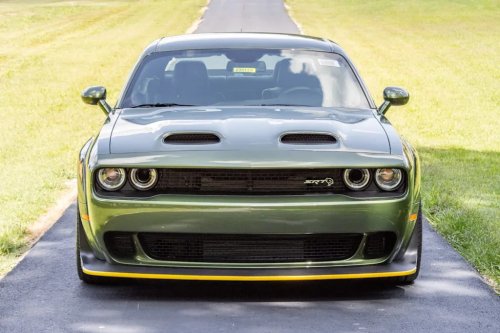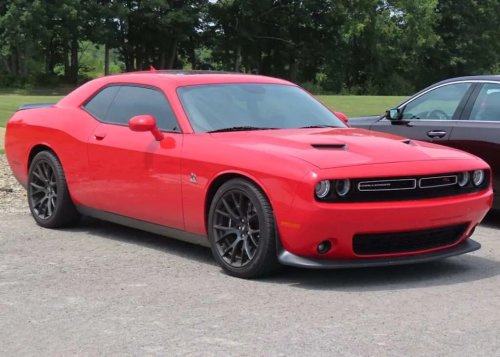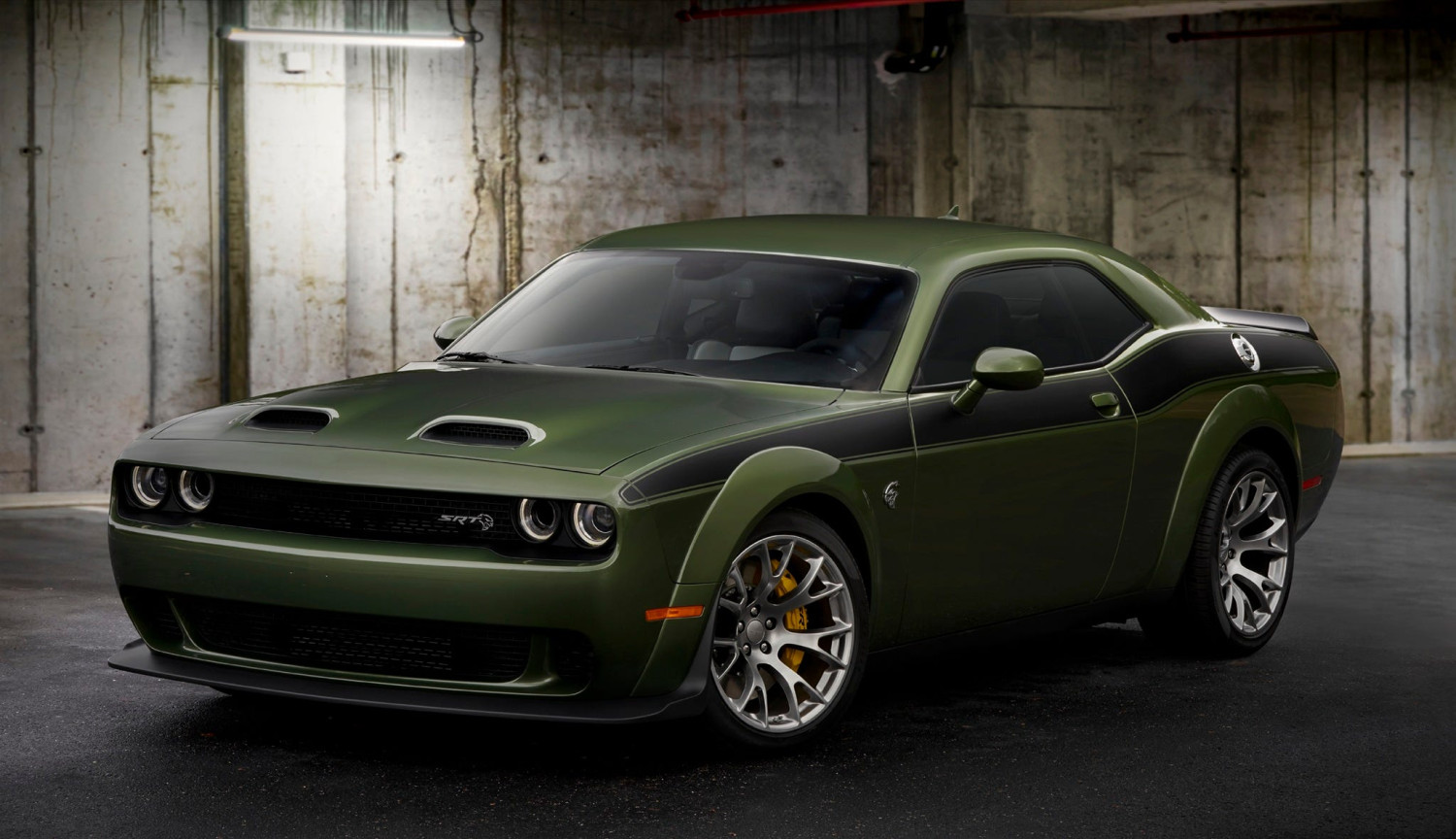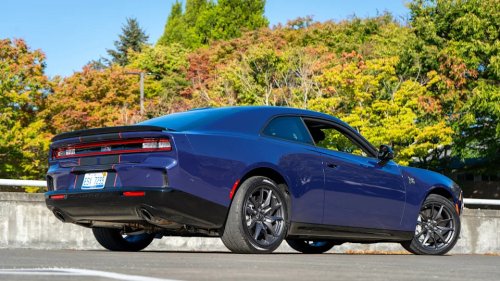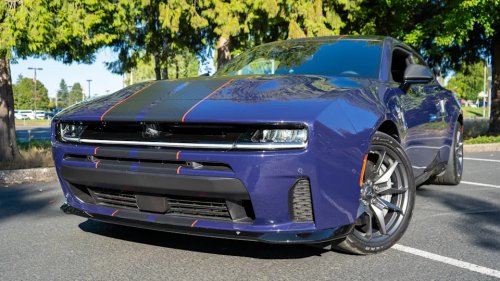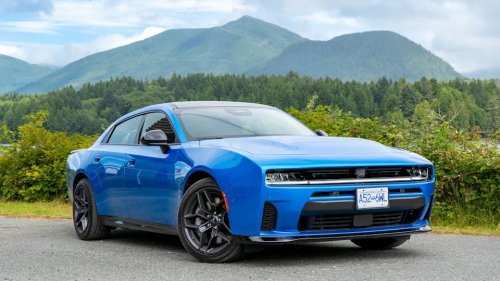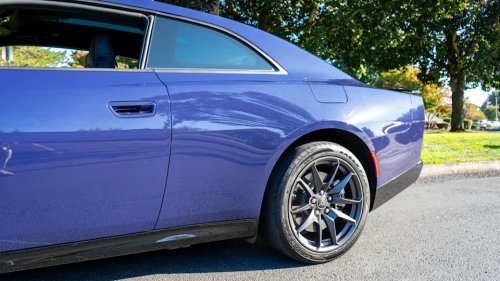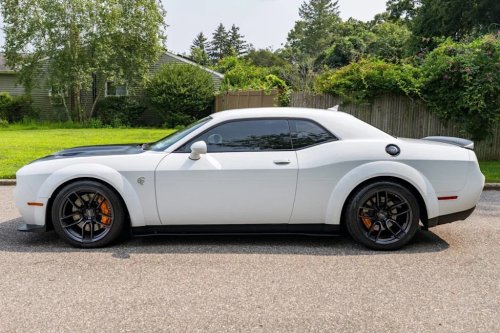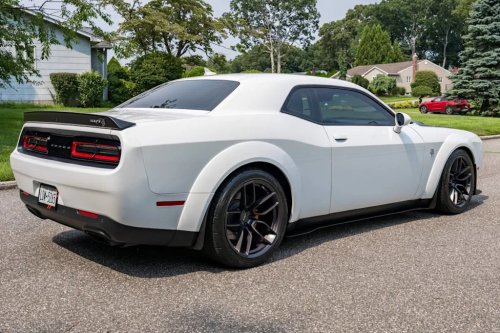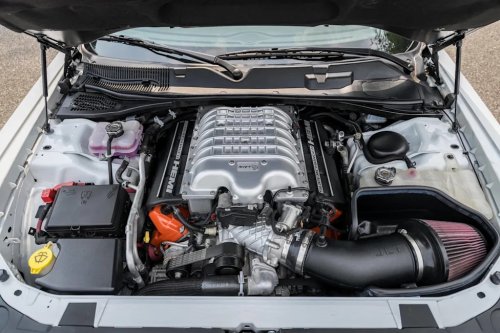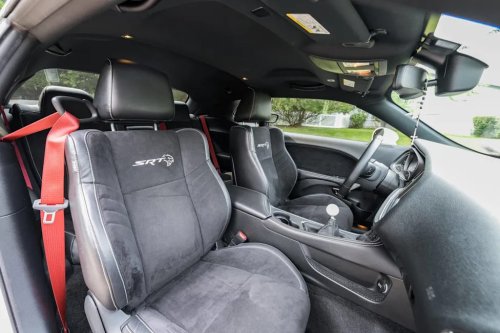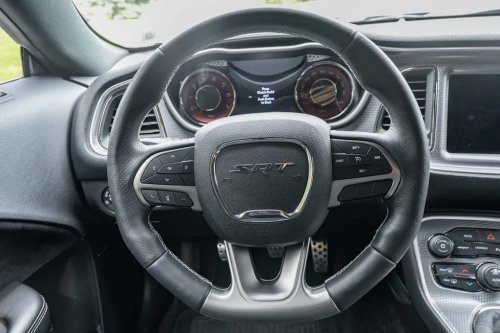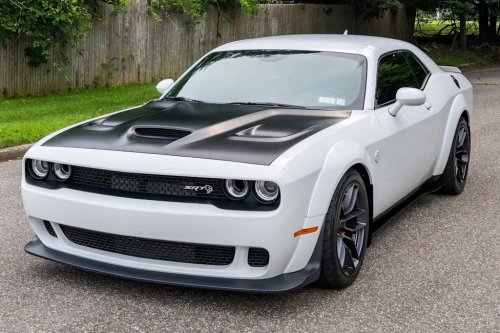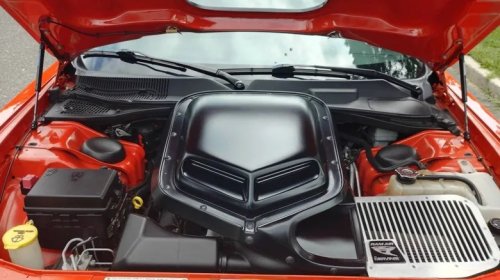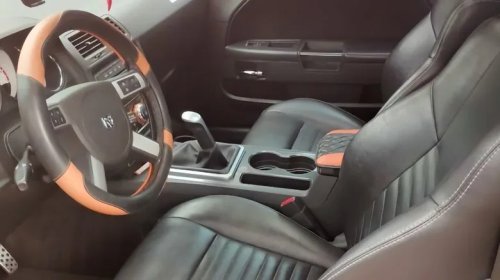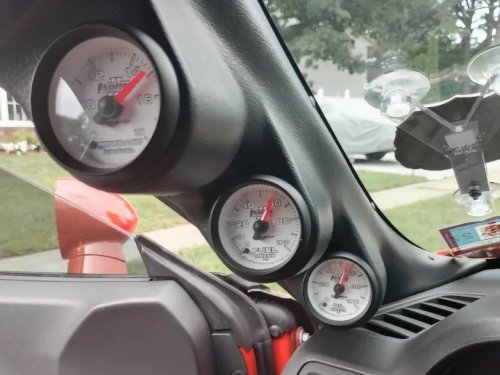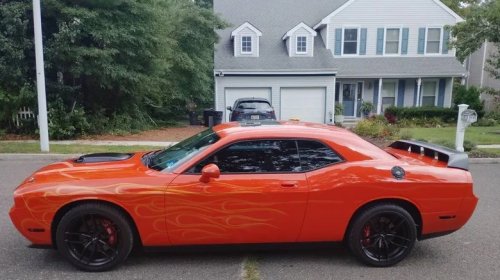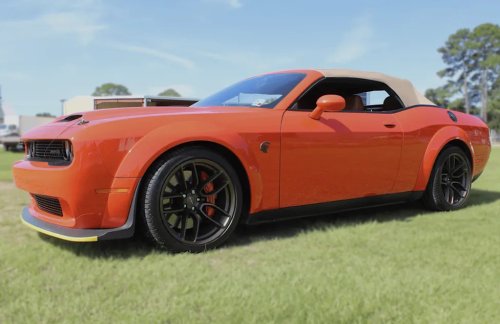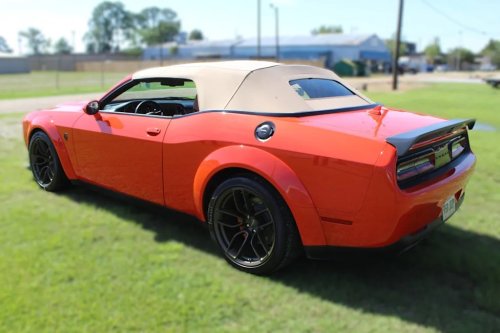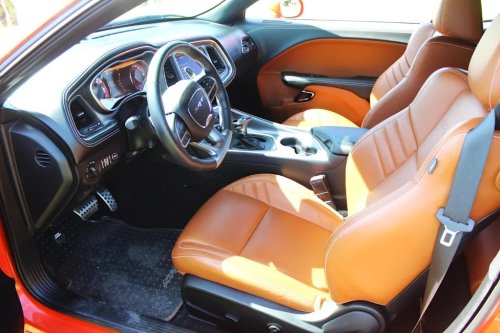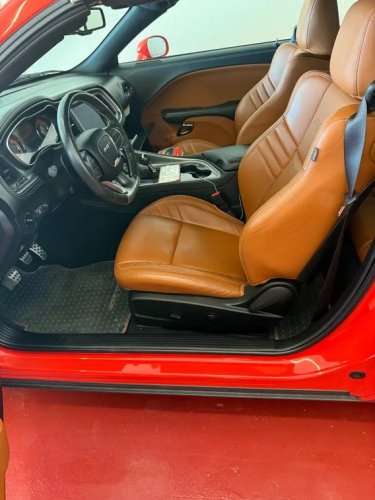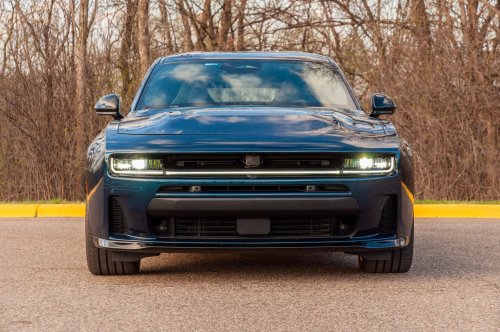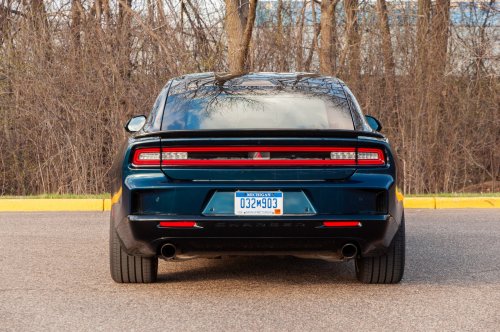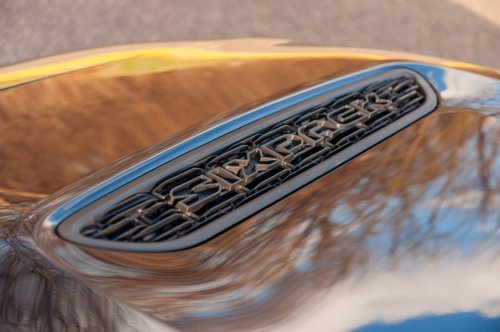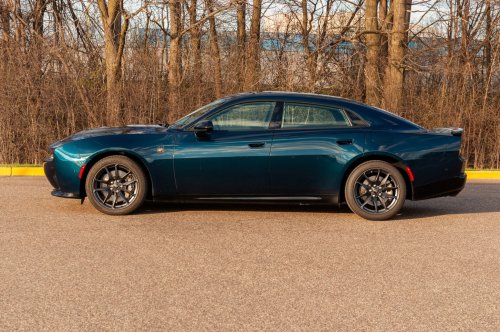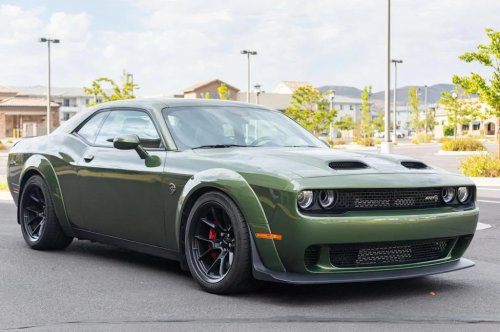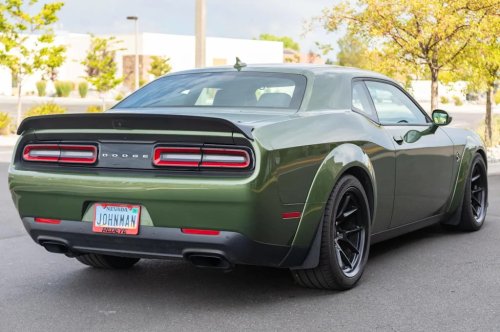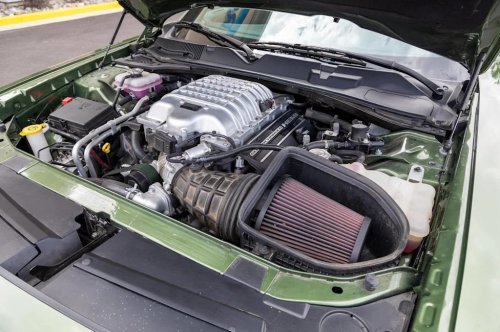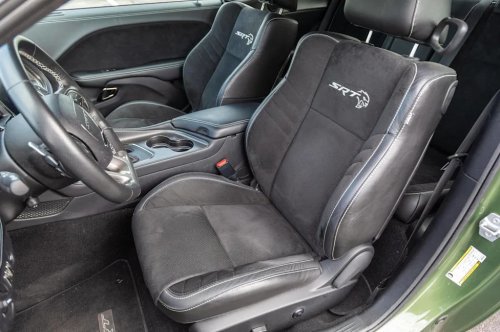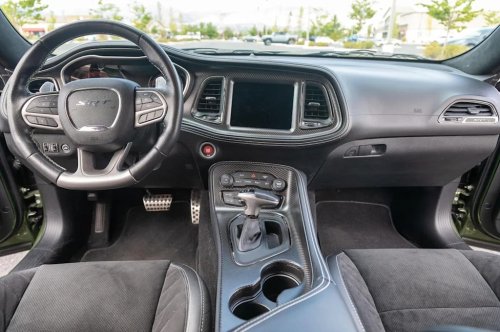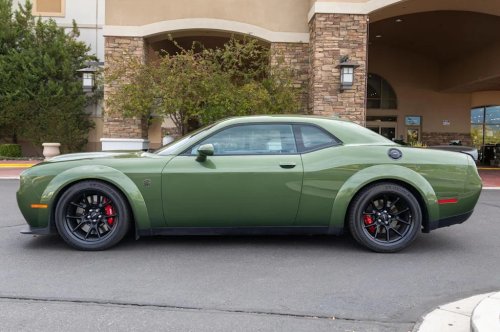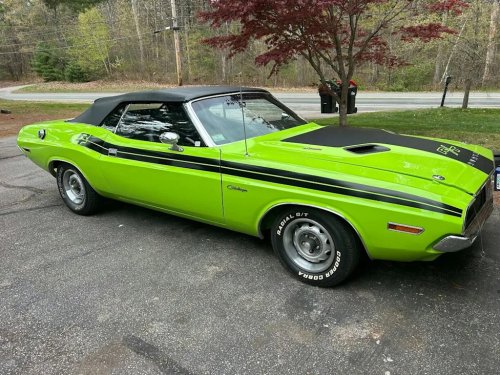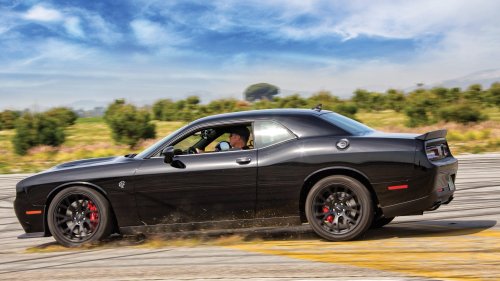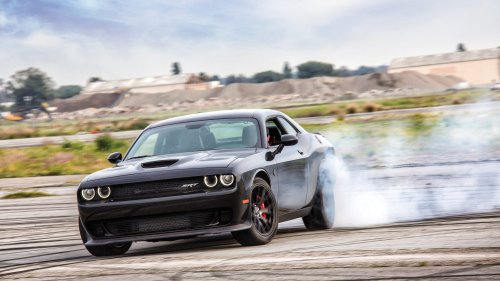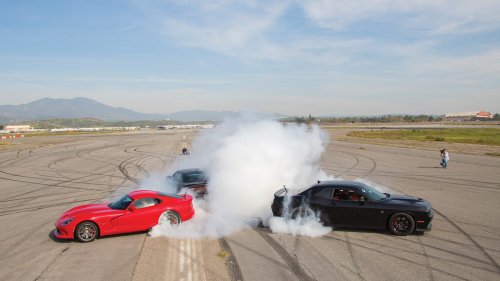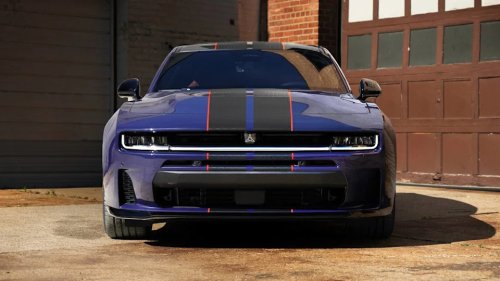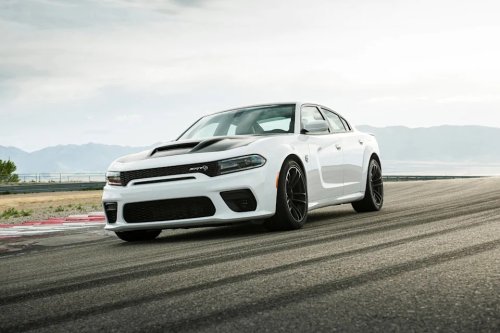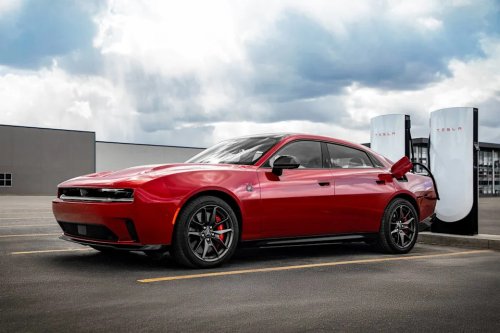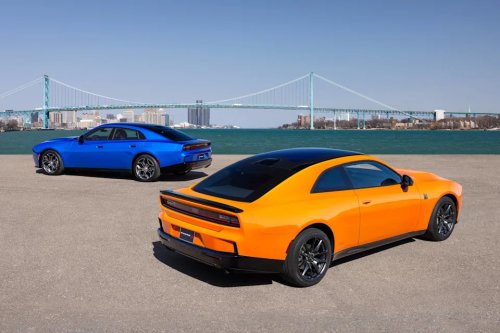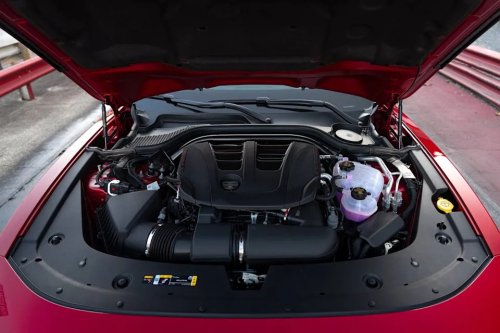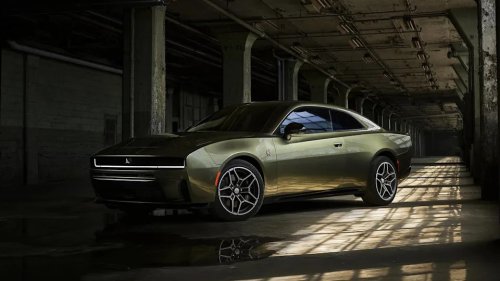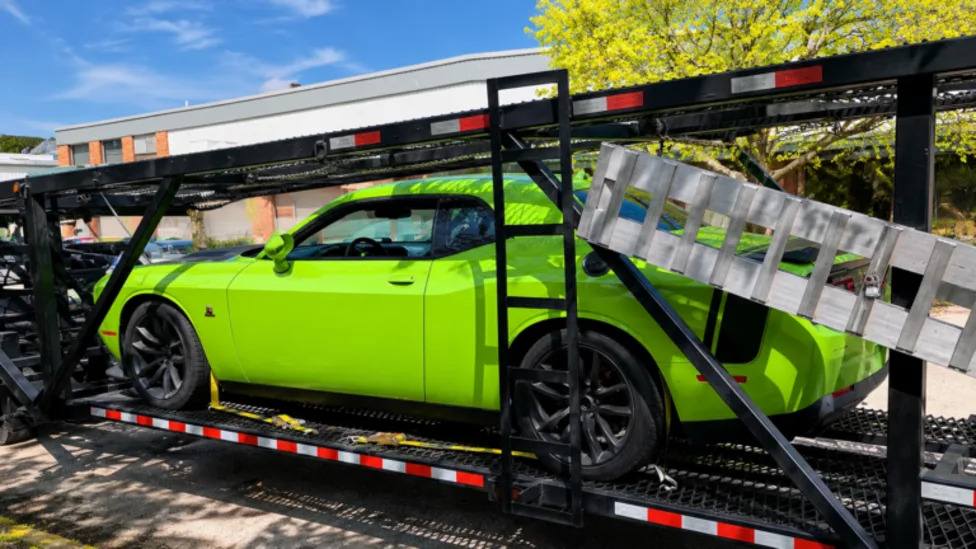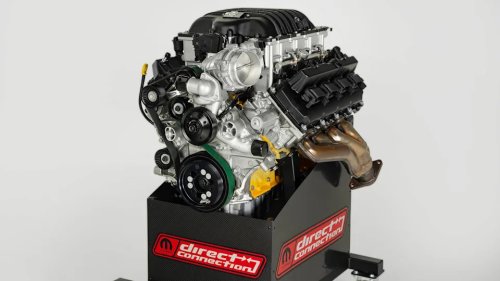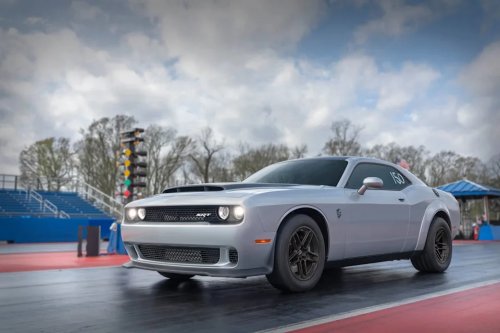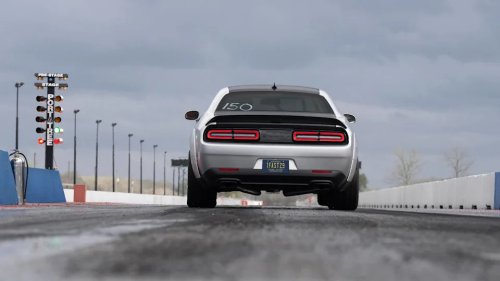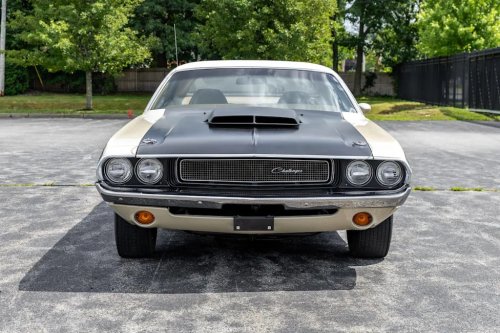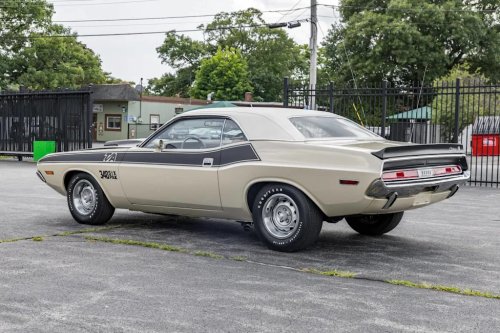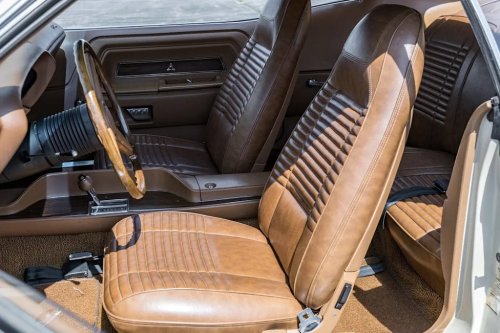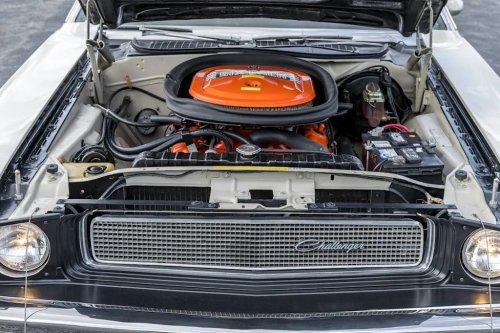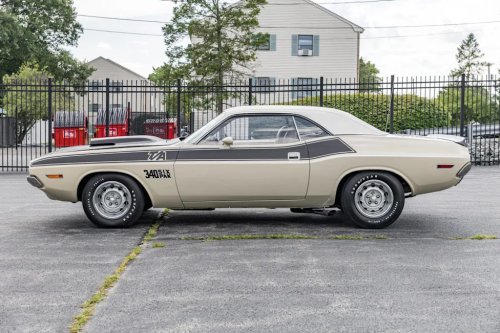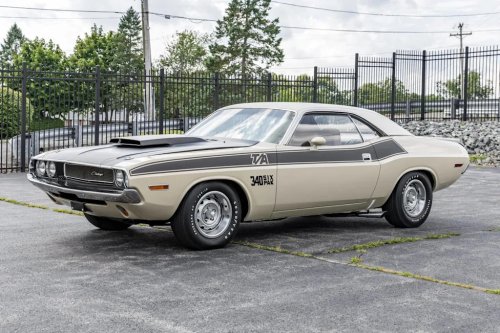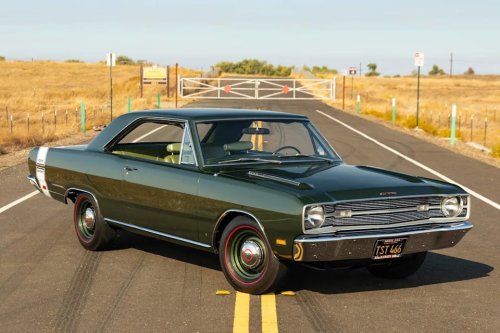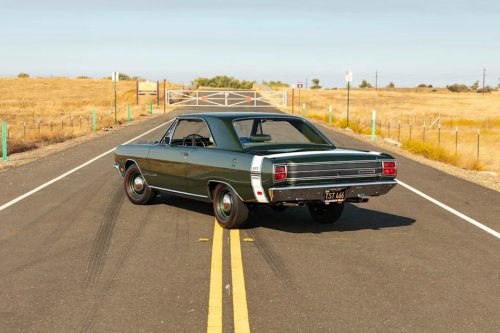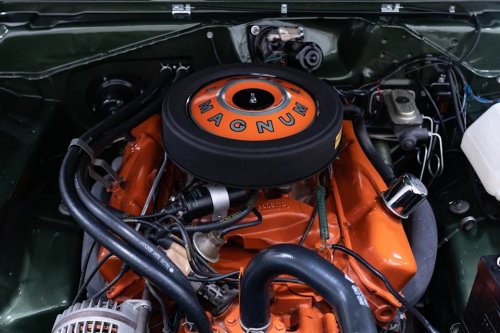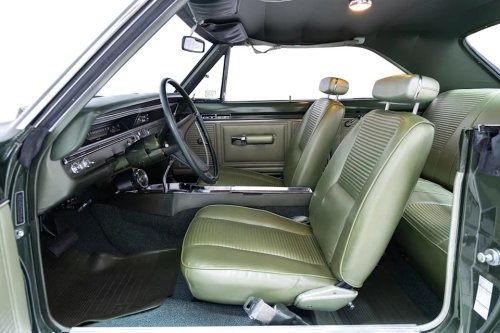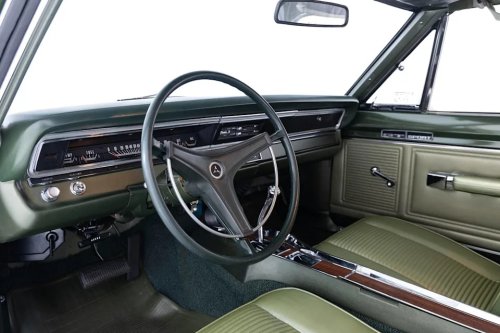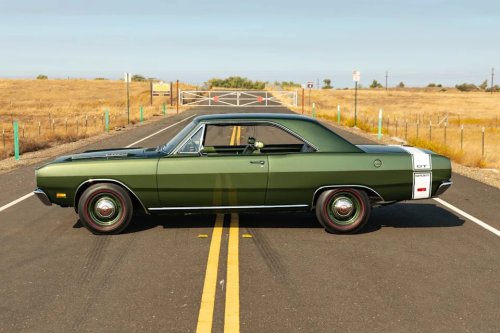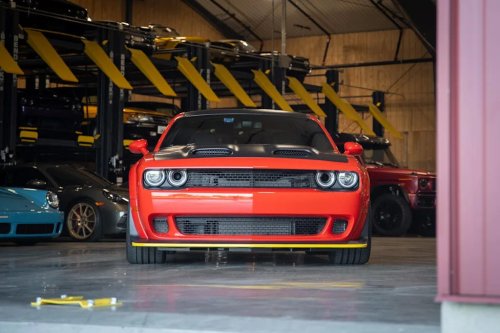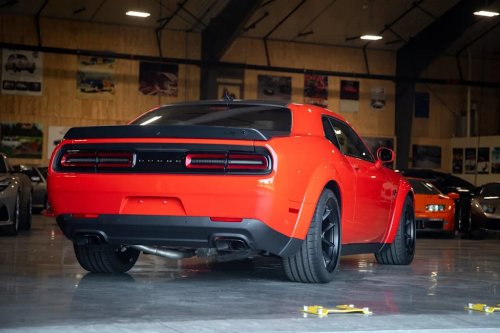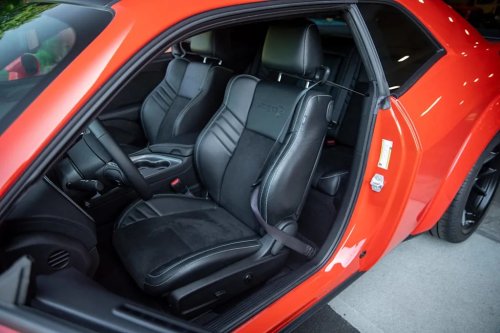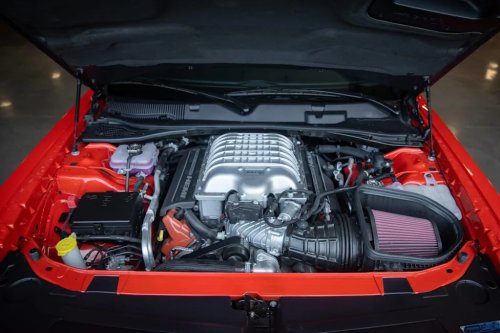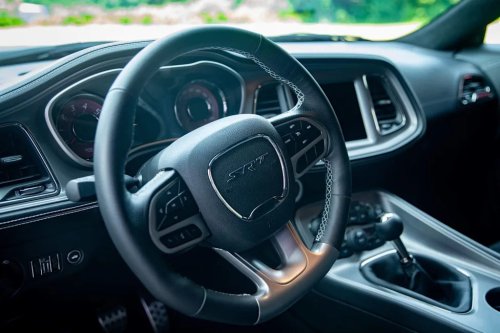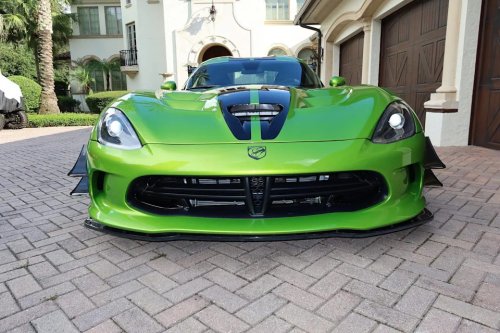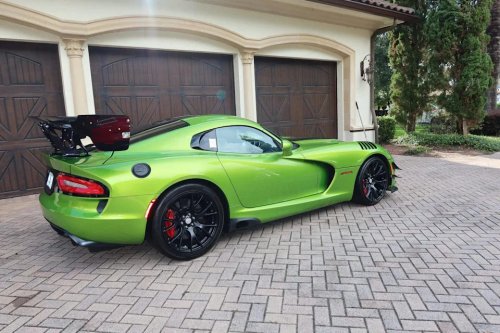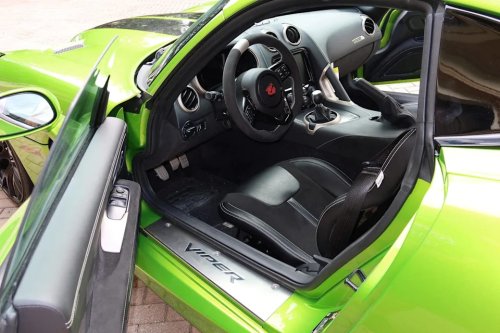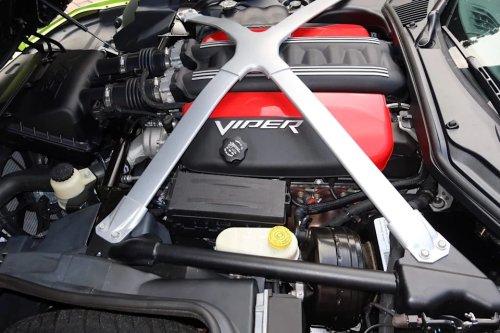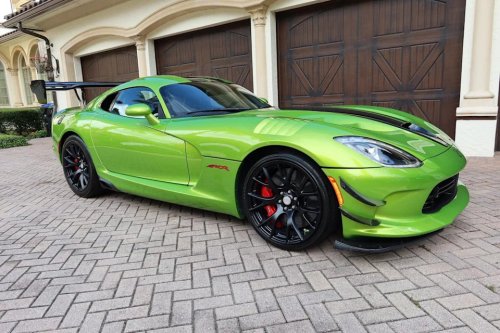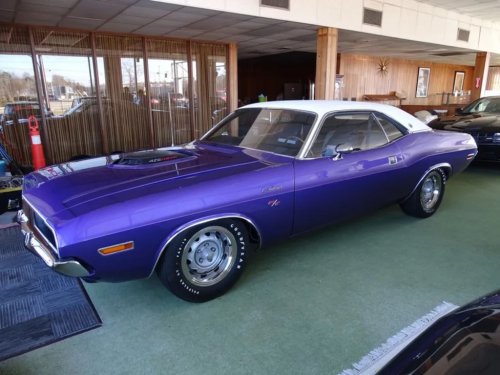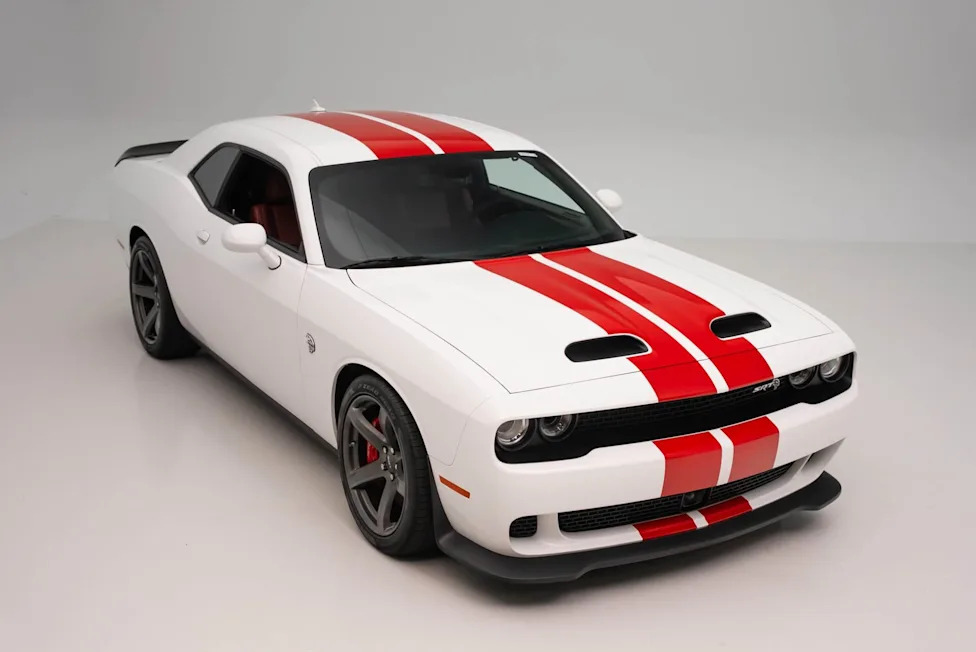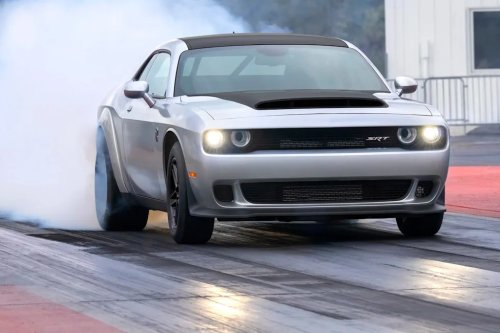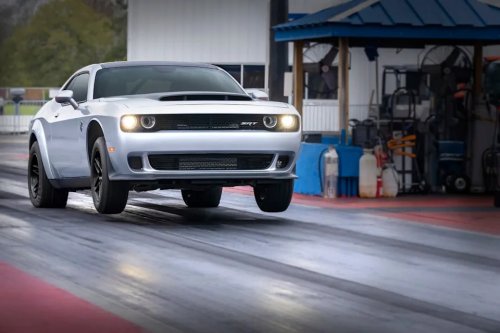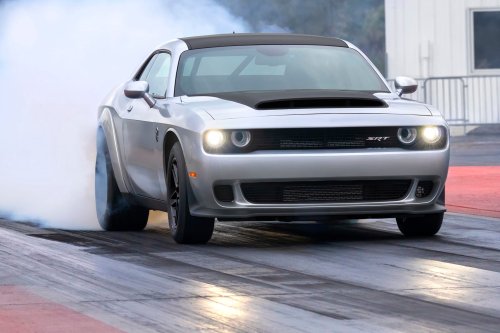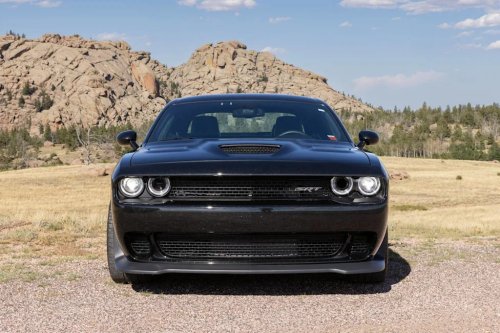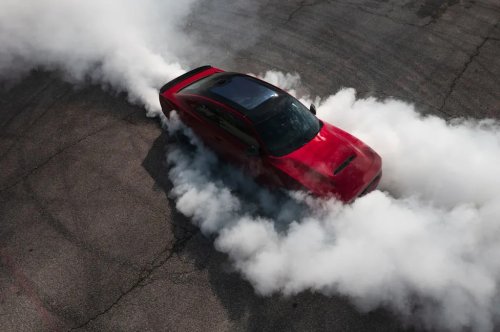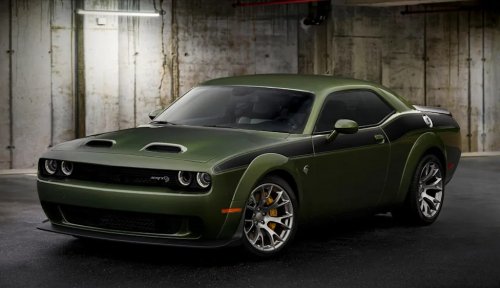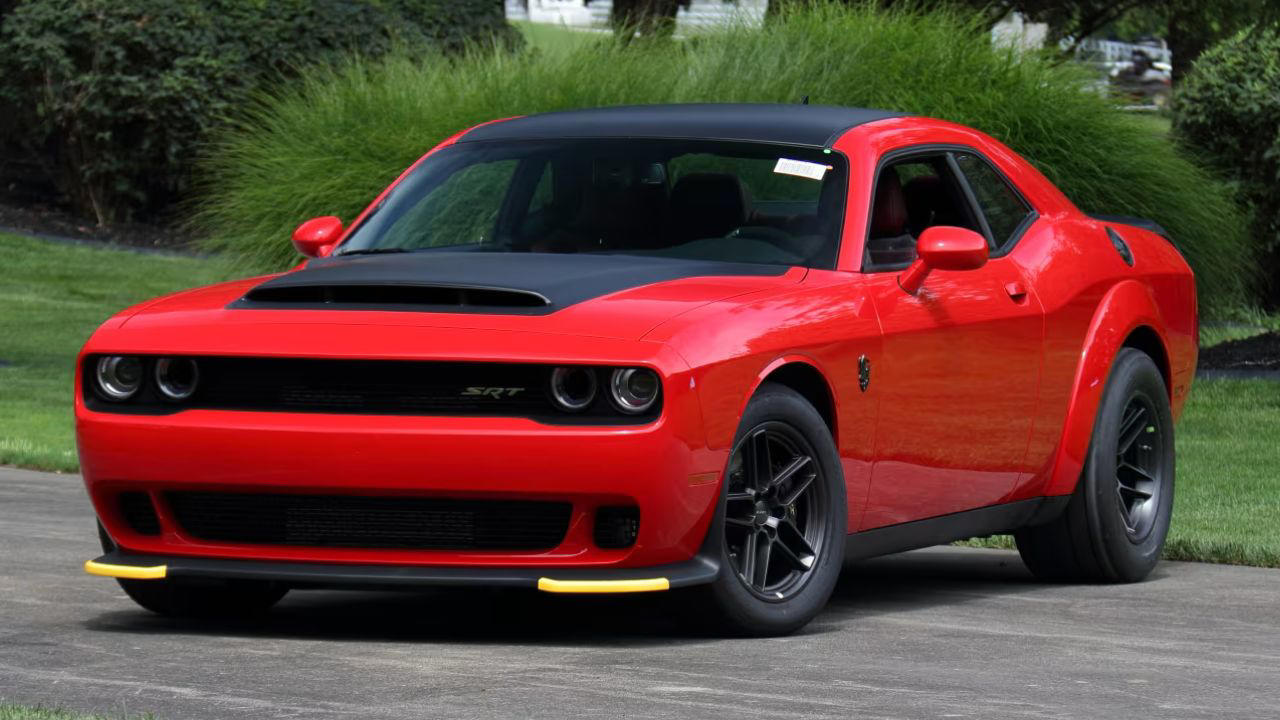



















This Dodge Challenger SRT Demon was so extreme some dealers refused ordersThe Dodge Challenger SRT Demon arrived as one of the most outrageous factory muscle cars ever sold to the public. Built with drag-strip domination as its primary mission, the Demon pushed street-legal performance into territory that even some dealerships considered too extreme, leading a handful of sellers to hesitate before accepting customer orders. Dodge engineered the Demon almost entirely around drag racing When Dodge introduced the Dodge Challenger SRT Demon, the company made it clear that this was not an ordinary muscle car. Unlike traditional high-performance street vehicles designed for balanced handling and daily usability, the Demon was developed specifically to maximize quarter-mile acceleration. Under the direction of Stellantis engineering teams, the car received extensive upgrades focused on traction, launch control, and straight-line performance. Massive rear tires, specialized suspension tuning, and a heavily modified supercharged Hemi V8 transformed the Challenger platform into something closer to a factory-built drag racer than a conventional road car. The Demon’s power levels shocked both enthusiasts and dealers The Dodge Challenger SRT Demon gained instant attention because of its staggering horsepower and acceleration figures. With race fuel calibration and drag-focused setup options, the car delivered performance numbers that rivaled purpose-built race machines while remaining technically street legal. Even within the aggressive Dodge lineup, the Demon stood apart as something unusually intense. Some dealerships reportedly worried about liability concerns, inexperienced buyers, and the challenges of explaining the car’s highly specialized nature to everyday customers unfamiliar with such extreme performance behavior. Specialized features made the Demon feel unlike normal muscle cars Part of what made the Dodge Challenger SRT Demon so controversial was its unapologetic focus on drag-strip capability over traditional comfort or versatility. The car included launch-focused technologies designed to optimize traction and maximize acceleration consistency under hard launches. Under Stellantis development strategy, weight reduction also became a priority. Certain versions removed passenger-focused features and emphasized racing-oriented hardware instead, reinforcing the idea that the Demon existed primarily for high-performance straight-line competition rather than everyday practicality. Some dealers worried the car was simply too extreme for average buyers As demand for the Dodge Challenger SRT Demon increased, stories emerged of dealers becoming cautious about allocations and customer orders. The concern was not lack of interest—in fact, demand was exceptionally strong—but rather the fear that many buyers underestimated how aggressive the vehicle truly was. Inside the Dodge performance community, the Demon quickly earned a reputation as a machine that required skill and respect to operate effectively. Its immense torque delivery and drag-oriented setup could overwhelm drivers unfamiliar with vehicles engineered so heavily around maximum acceleration. The Demon represented the peak of modern factory muscle excess The Dodge Challenger SRT Demon arrived during a period when manufacturers were competing aggressively for horsepower supremacy. Dodge responded by creating a car that ignored moderation entirely and embraced the raw spectacle of American muscle culture. Within Stellantis performance history, the Demon became a statement that factory muscle cars could still shock the automotive world. It blurred the line between production vehicle and race machine in ways few modern cars had attempted. Today the Demon is already considered a modern performance icon Years after its introduction, the Dodge Challenger SRT Demon remains one of the most talked-about modern muscle cars ever built. Its rarity, extreme engineering focus, and drag-strip capability helped turn it into an instant collector vehicle. For enthusiasts of Dodge performance cars, the Demon represents the final expression of unapologetic factory horsepower excess. The fact that some dealers reportedly hesitated to sell it only added to its mythology, reinforcing the idea that Dodge had built something almost too aggressive for its own era. More from Fast Lane Only Unboxing the WWII Jeep in a Crate 15 rare Chevys collectors are quietly buying 10 underrated V8s still worth hunting down Police notice this before you even roll window down