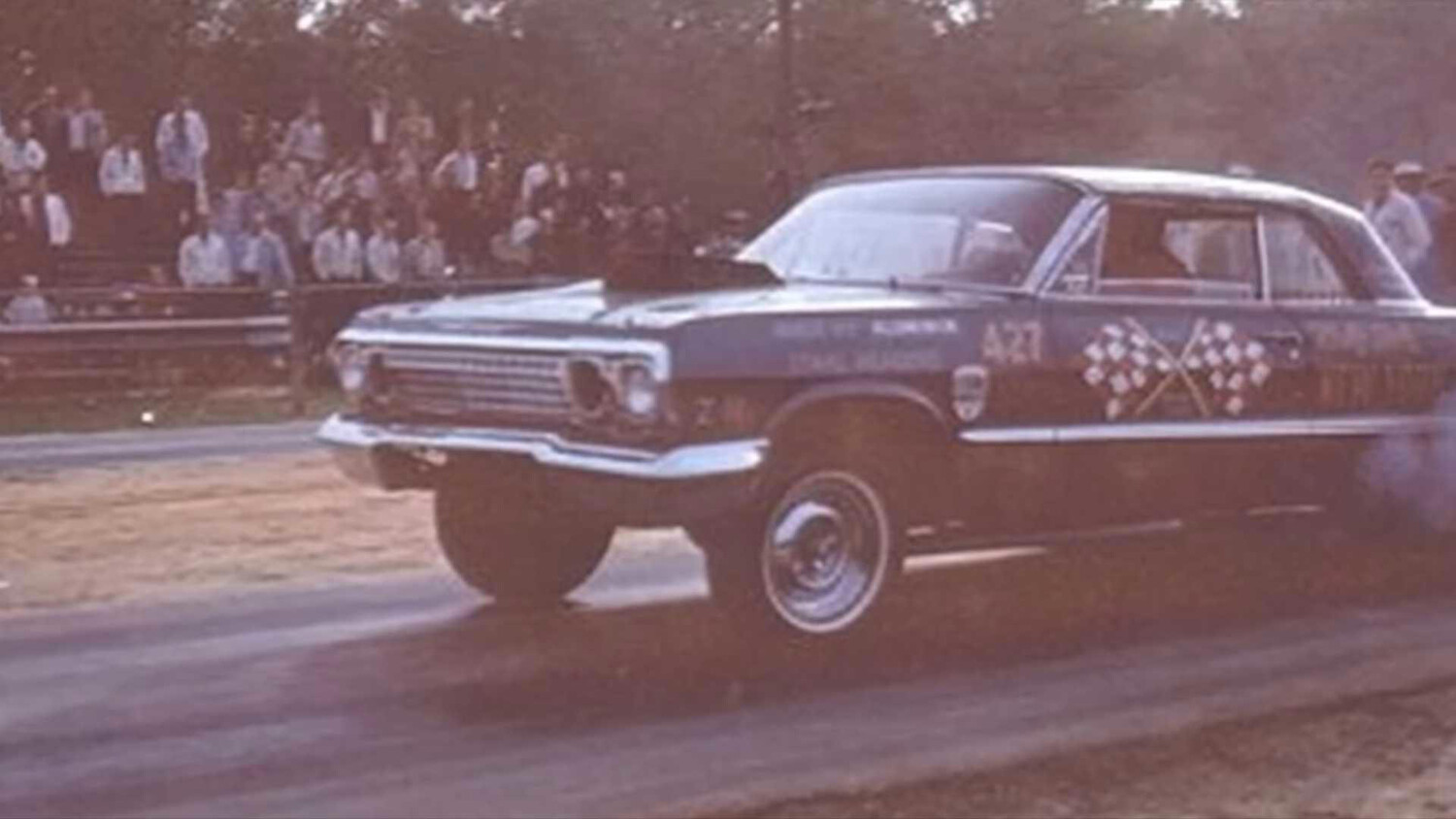
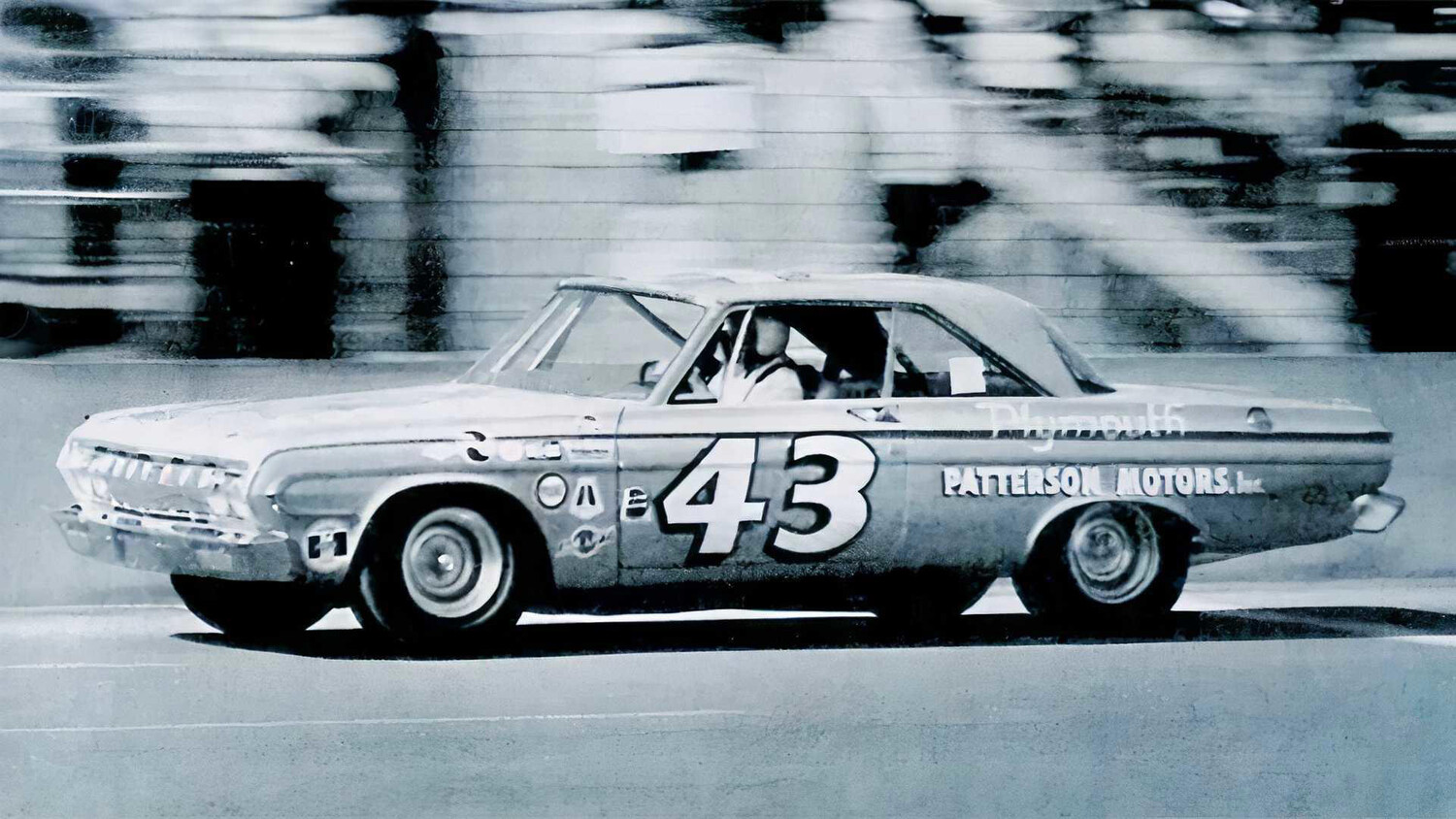
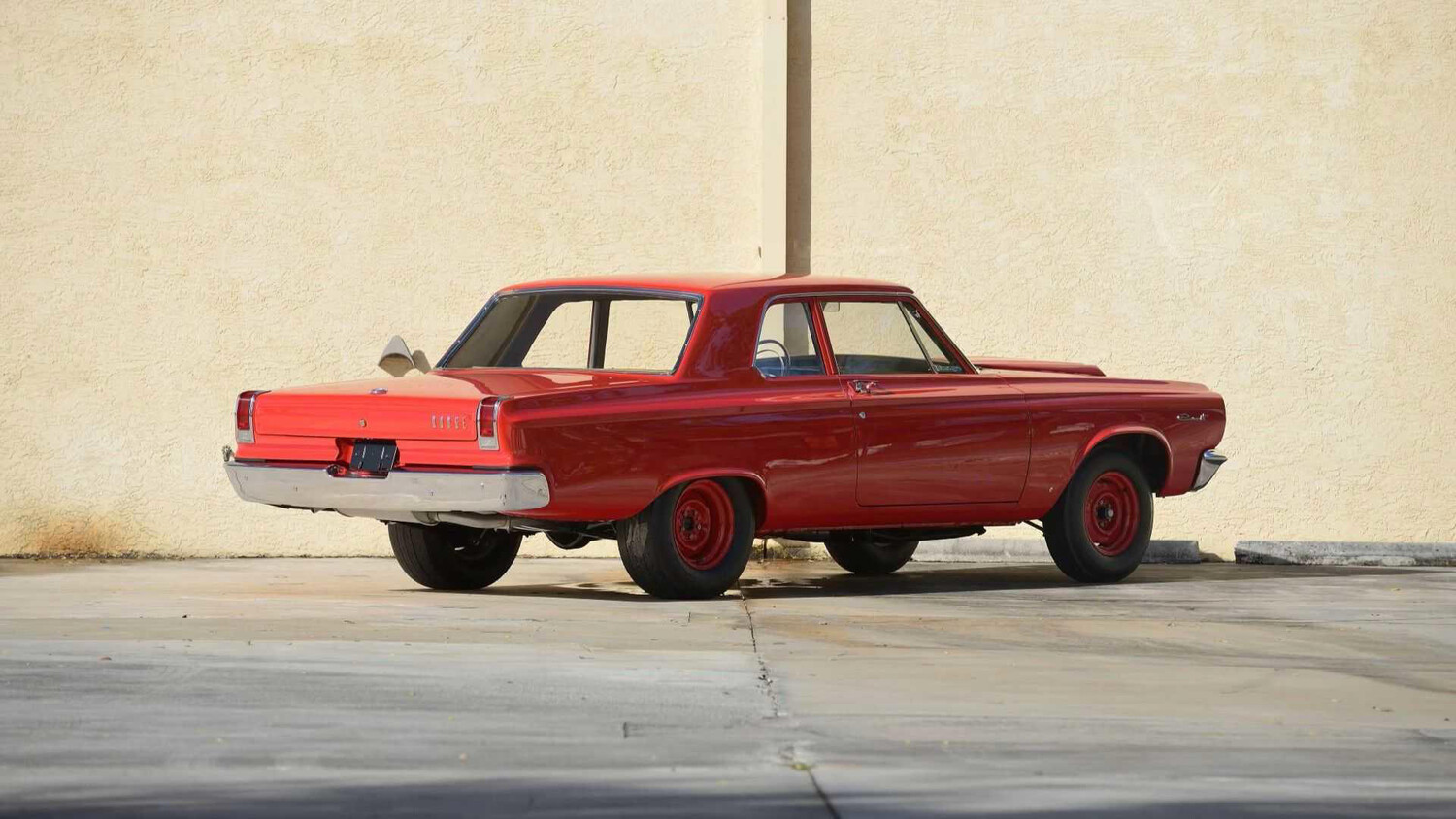
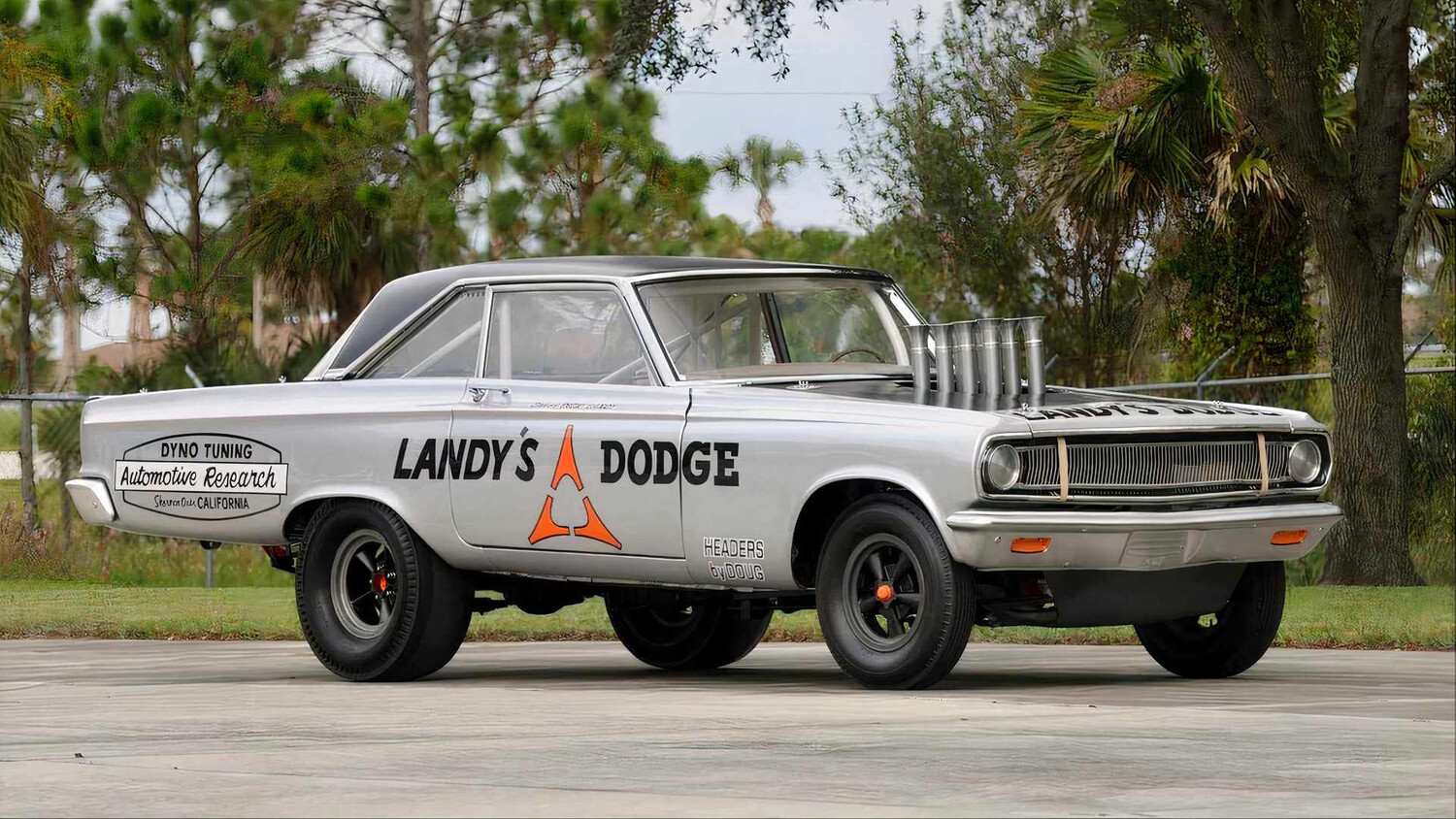
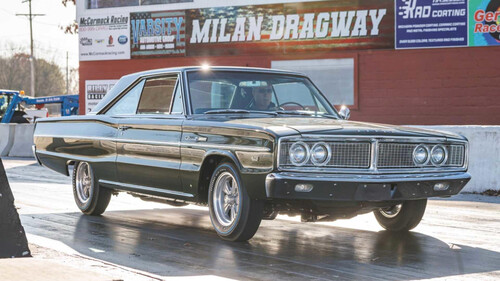
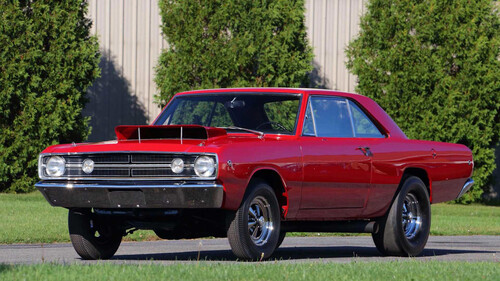
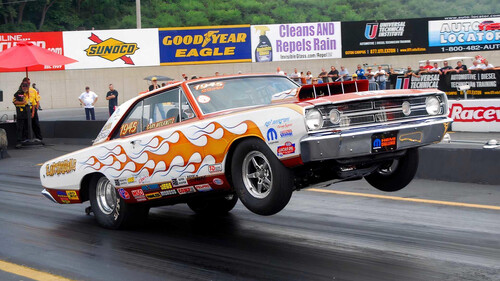
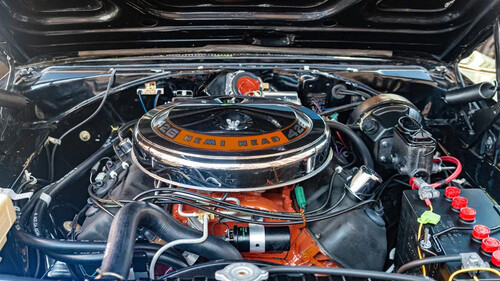
Rules are there to be broken — or at least massaged into the right shape. In the early '60s, Drag Racing was taking off, and with big-name carmakers rushing to get involved, the quarter mile was helping to push the development of mind-blowingly quick machines. Rules and regulations were changing faster than a race-winning quarter mile, with engineers developing tech and solutions on the fly to keep their cars competitive. From this melting pot of creativity came one of the most creative and most underappreciated Chryslers of all time. Drag Racing Was At Its Peak In The '60s via Hot Rod Hoarder YouTube Channel Following World War II, soldiers were returning to the United States with mechanical skills, excess adrenaline, and access to jobs in a world of pent-up consumer demand. The hot rod scene was buoyed by this environment, with young people turning to backyard tuning to provide speed and excitement. The disused runways from the war would be the perfect arenas to test cars against each other, away from the cops that prowled the boulevards.The National Hot Rod Association was formed in 1951 to "create order from chaos," bringing in safety rules and performance standards to help legitimize the sport of drag racing. In 1955, NHRA staged its first national event, and by the early '60s drag racing was like a national sport, with tens of thousands turning out to watch. Factory Teams Were Taking Over Mecum The mantra “win on Sunday, sell on Monday” must have been sellotaped to the walls of car marketing departments across the country in the '60s. While NASCAR was still a big draw for factory teams, the big American automakers realized quickly that the newfound popularity of drag racing made it a great marketing opportunity, especially among young buyers who embraced its rock 'n roll style. Factory teams and direct manufacturer backing quickly entered the sport, and by the start of the '60s, GM, Ford, and Mopar were all battling it out. GM swiftly pulled out of factory racing in 1963, with Ford and Mopar left to battle it out.The cars were becoming more and more focused, with the Blue Oval releasing the Fairlane 500-based Thunderbolt as its next drag racing star. With drastic weight-saving measures, Ford got the car down to just over 3200 pounds, the NHRA minimum to compete in the Super Stock class. Packing a 425-hp High-Riser 427ci motor, the Thunderbolt was posting times of 11.08 seconds at 128 mph. The Second Gen Hemi Elephant Engine Was The New Heavyweight In Town Chrysler Corporation The second-generation Chrysler 426 Hemi V8 debuted in 1964. Compared to the 301 and 392 ci Hemis, it was no wonder the new motor was quickly nicknamed the "Elephant". The 7.0-liter unit weighed more than 800 pounds and was the first to wear the "HEMI V8" name in Chrysler marketing. Chrysler's 426 HEMI V8 quickly got to work, dominating the NASCAR championship at the hands of racing royalty such as Richard Petty and David Pearson. Turns out it would also work well in a drag car. The A990 Coronet Was A Solution To A New Problem MecumThe Dodge Coronet had been on a hiatus from 1959 to 1965, reappearing that year as the boxy fifth generation. Dodge was keen to take its new intermediate-sized B-body car drag racing, and set about turning the Coronet into a competition car. Fitting the new 426 Hemi was fairly straightforward compared to what the company did to reduce weight and make it as competitive as possible. The cars made by Dodge for Super Stock in 1965 have always been referred to as A990 cars, and new rules meant that the company had to get creative.“Among my favorite Mopar anecdotes is how Chrysler responded after NHRA laid out their new rules for ’65,” Nick Smith, a dealer and collector of rare lightweight models, told Mecum. "No fiberglass, no aluminum, etc., so Chrysler says 'no problem,' and simply stamps new sheet metal out of super-thin steel, changes the heads to aluminum, and builds the intakes out of magnesium. Result: the new A990 cars weigh the same as last year’s S/S cars.” The seats were completely flat bucket seats from a Dodge van, and almost everything imaginable (and not necessary) had been deleted. The Coronet Was A Drag Monster Mecum Then there was the engine. This wasn't the street version of the 426 Hemi, it was the racing 426 with 12.5:1 compression, aluminum cylinder heads, twin Holley four-barrels, a magnesium intake manifold, and special factory-authorized tubular exhaust headers. The name A990 referred to the engine's engineering code. This code was used for just one single year, and many components were never offered again on a factory Super Stock package, says Mecum. The transmission is an A727 TorqueFlite 3-speed automatic. These Coronets also received a hood scoop and the battery was relocated to the trunk. The Coronet Could Well Be A 10-Second Car MecumThe Coronet A990 was known to be ferocious on the track, the altered wheelbase chassis rising up at the front wheels and posting times in the low 11s. Driver George McAndrews reportedly said, “No matter which drag strip we took it to, we always won.” McAndrews claimed the car would run the quarter mile in the “low 10s” at around 134 mph. A 1965 Plymouth Belvedere A990 is believed to be the first factory-spec car to cut a 10-second quarter-mile pass. The A990 Coronet Is Incredibly Rare Mecum While many sources say that Dodge built 105 A990 Coronets, Mecum, which sold a red example in 2018, says that it was one of 101. Either way, the A990 is a rare piece of Detroit metal. Dodge went on to largely dominate drag racing in the '60s. In 1968, the company introduced the Dart Hemi, packing a 426 cubic-inch HEMI V8 under the hood, along with lightweight fiberglass fenders and hoods, deleted rear seats, and manual steering, and minimal insulation. Even the windows were crafted from thin, lightweight glass.The '68 Plymouth Hemi Barracuda was another incredibly capable drag monster, with fiberglass parts, deleted features, and all non-essentials binned. The 1967 Dodge Coronet WO23 also dominated the drag strip. But in the end, it was the Coronet A990 that really helped to get the ball rolling, with its combo of Hemi mill and innovative weight-saving. No wonder Mecum says: "This Coronet is...a bare-bones design whose execution was heralded as Chrysler engineer Jim Thornton’s finest achievement." Collectors Love This Mopar Unicorn Mecum The 1965 Coronet A990 is highly sought after, with prices to match. The Mecum car, according to Classic.com, didn't sell at a price of $125,000, whereas another A990 sold for $109,200 in 2023. We found another example in 2020 that sold for $115,000. Two things are clear: You'll need a decent chunk more than $100,000 to get your hands on a Coronet A990, and you might be waiting a while for another one to come up for sale.The good news if you aren't interested in history and stuff like that is there are a fair few replicas around, and these generally sell for around half the price of the original, with numbers in the $40K to $60K region. While none of this is throwaway money, the good thing about one of these rare muscle cars is that they aren't in the multi-million dollar catagory, so you shouldn't be so worried about taking them back down the drag strip every now and again.Sources: Classic.com