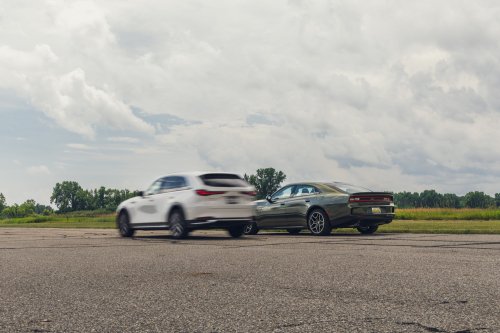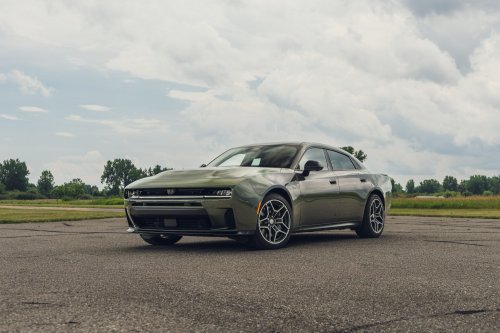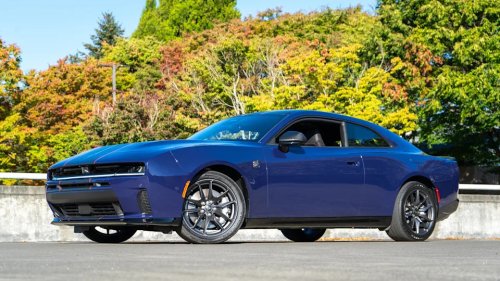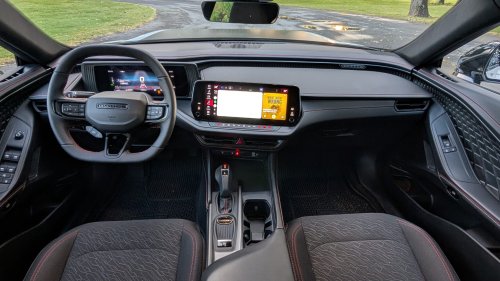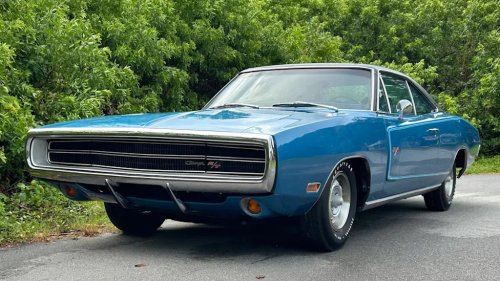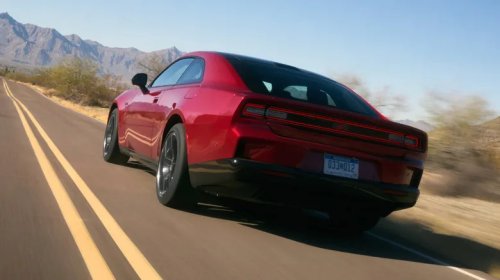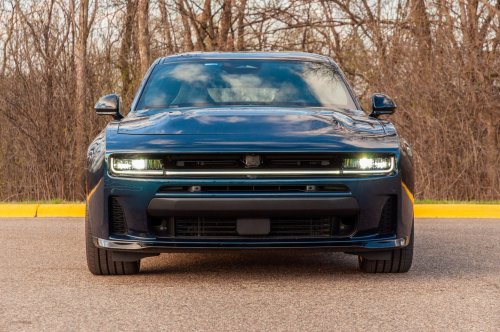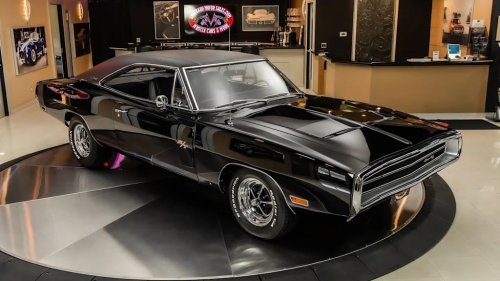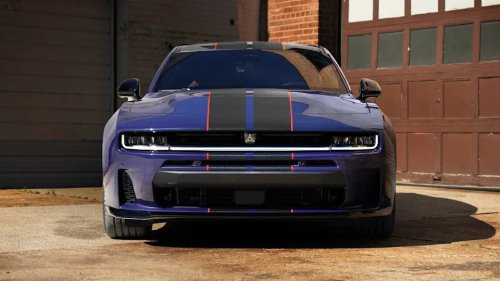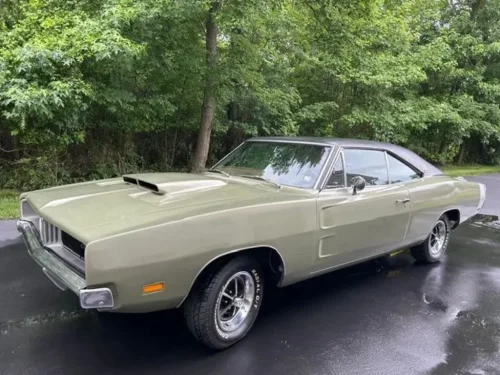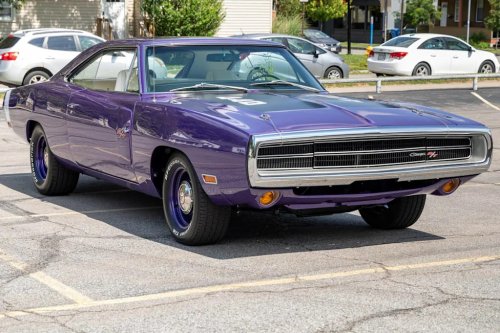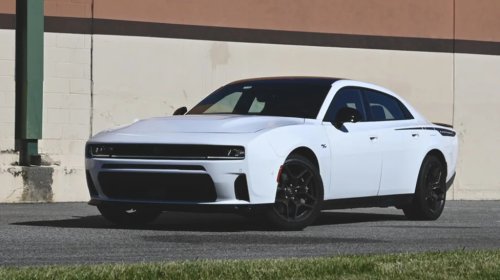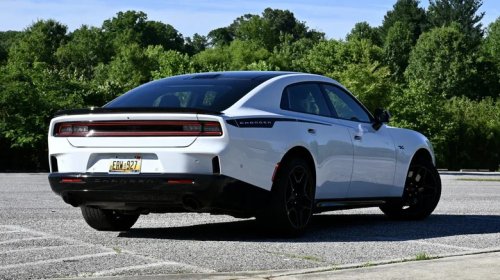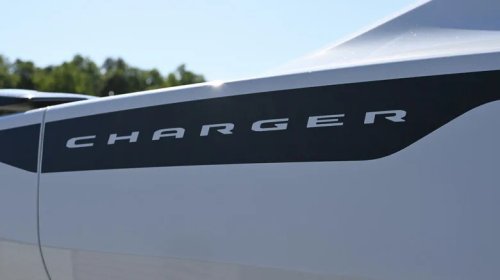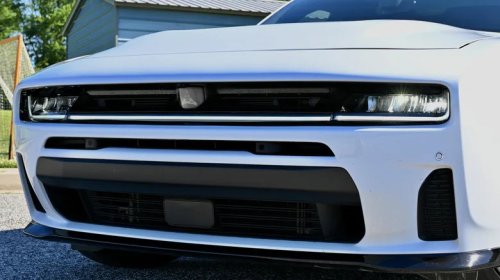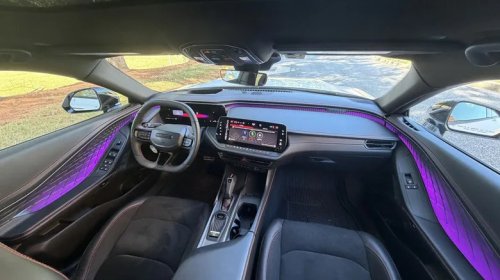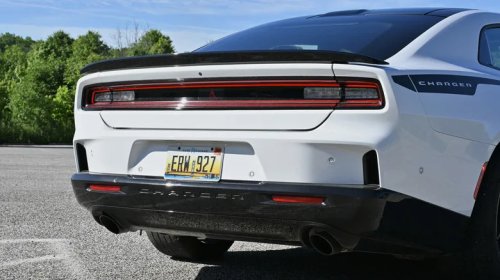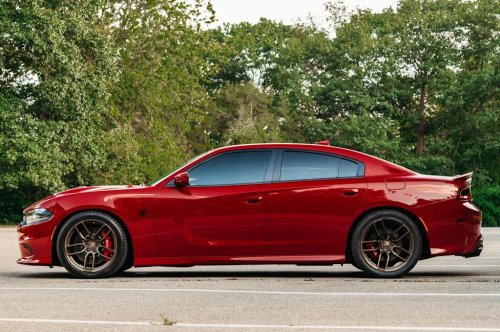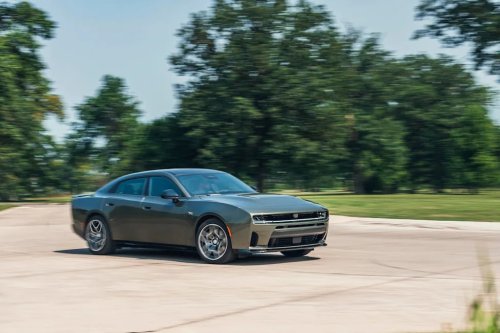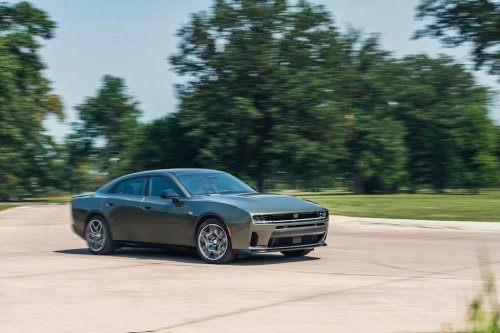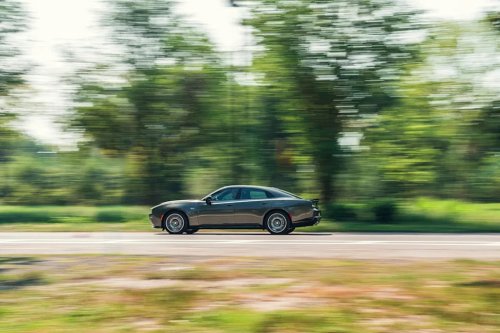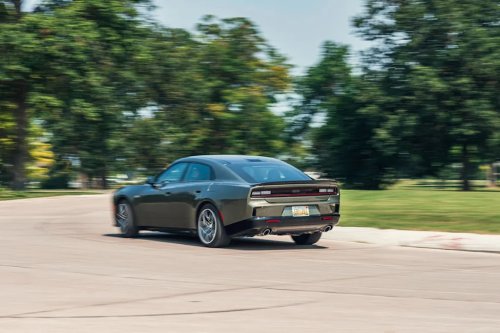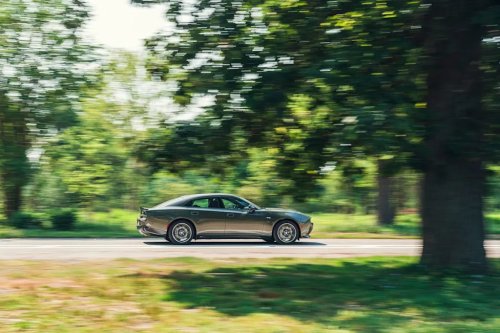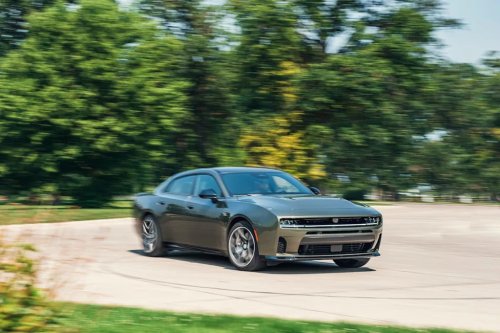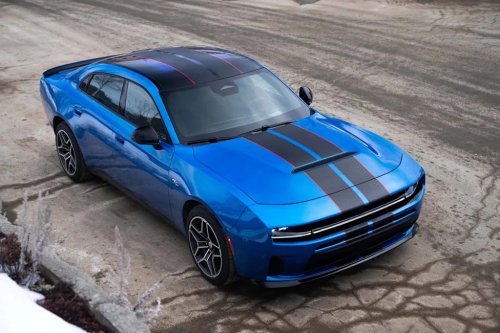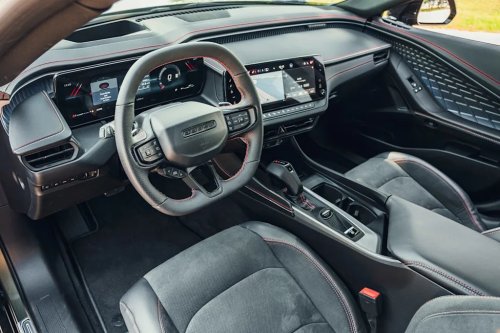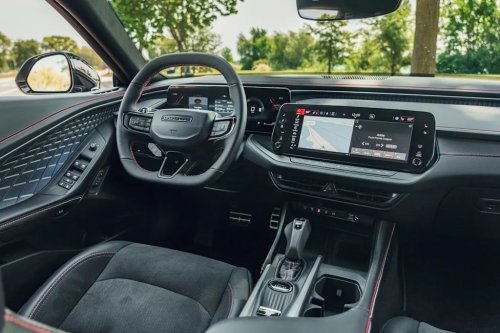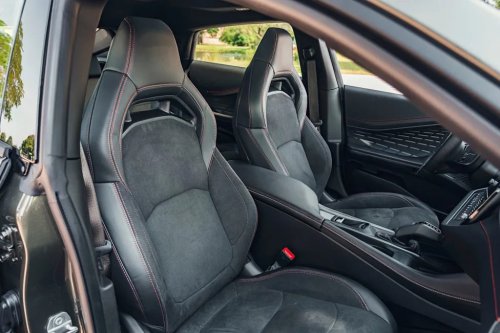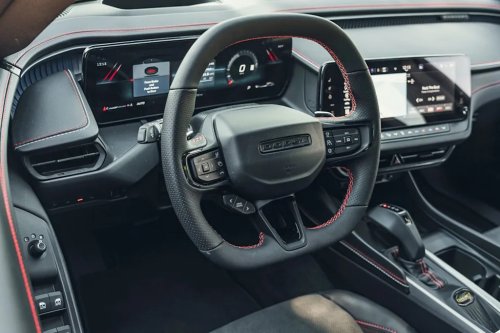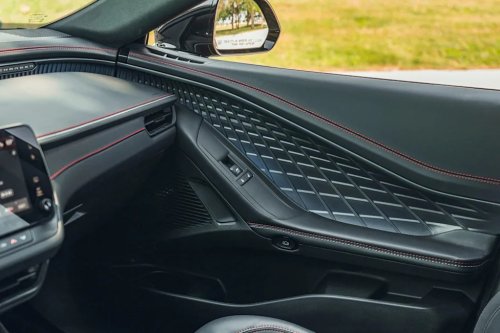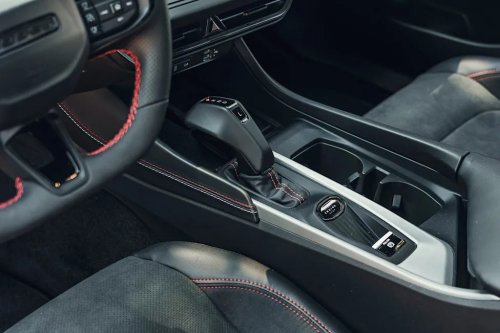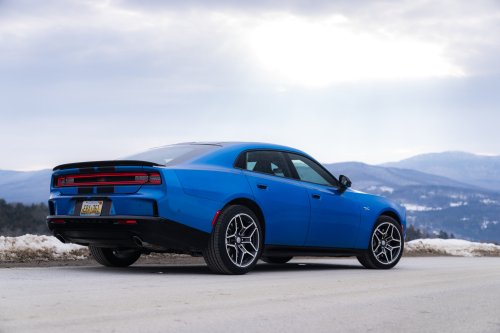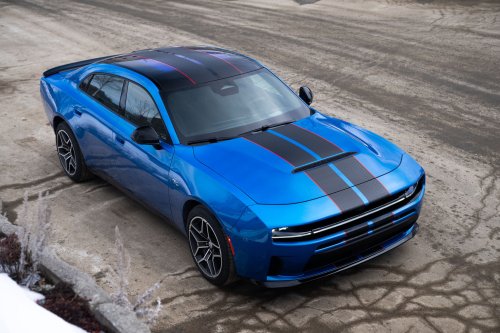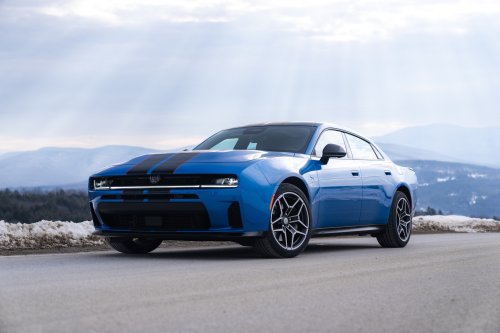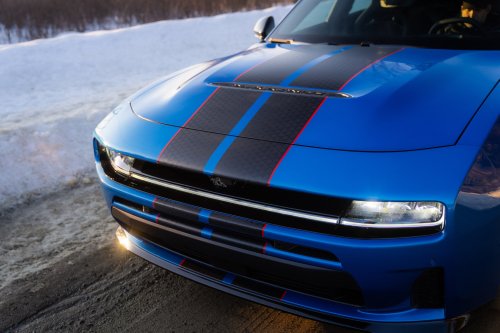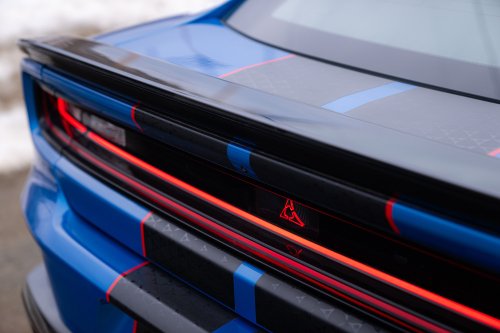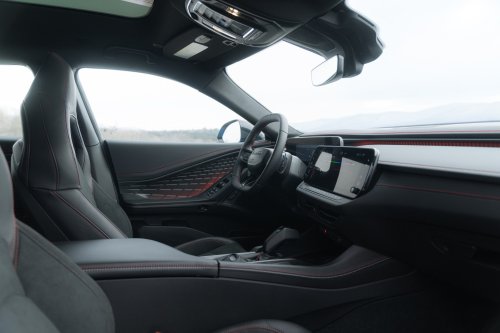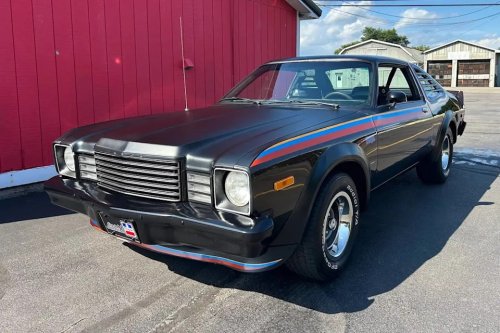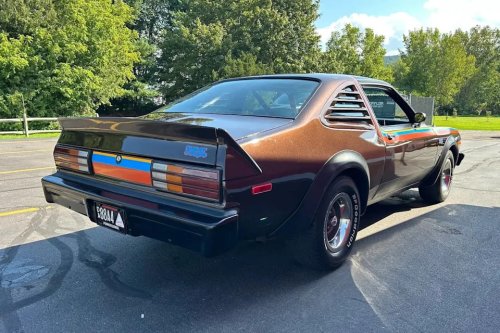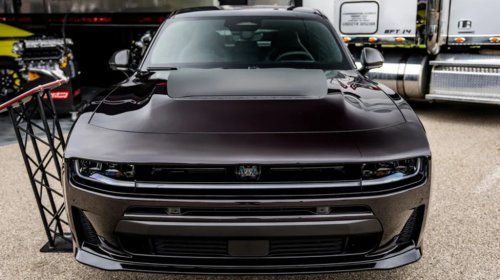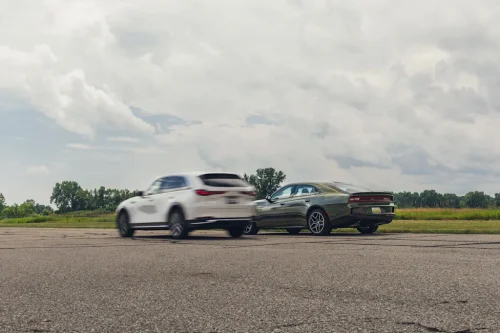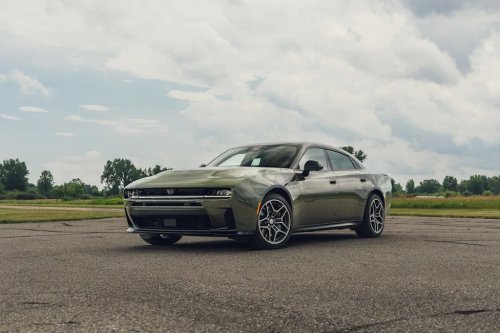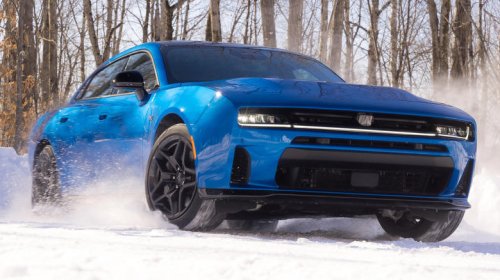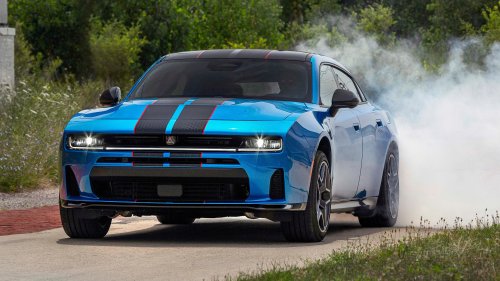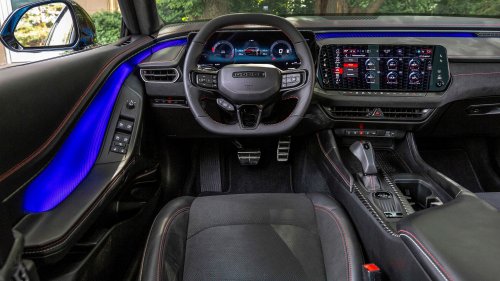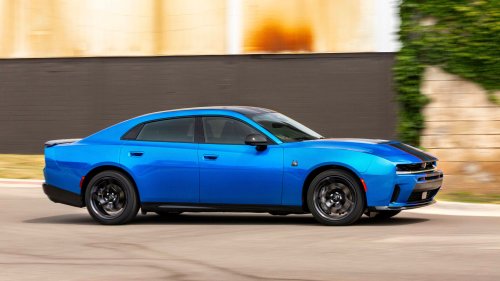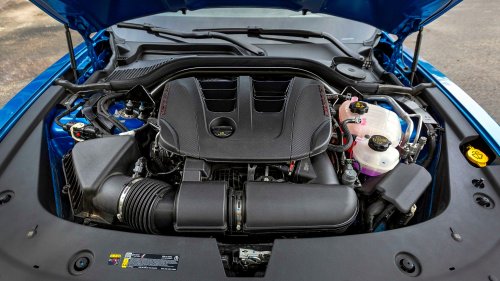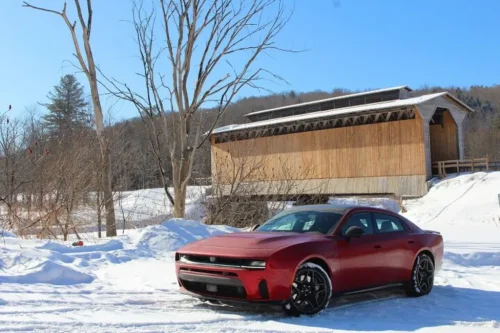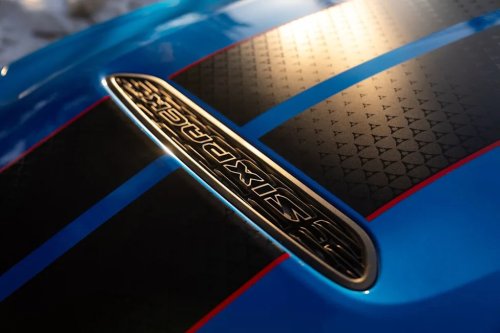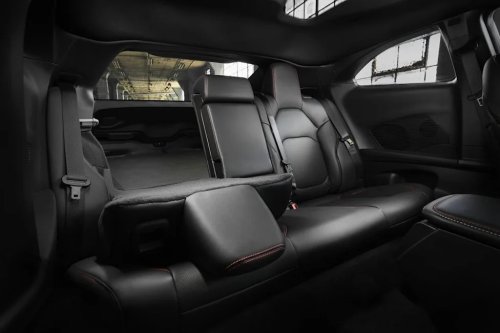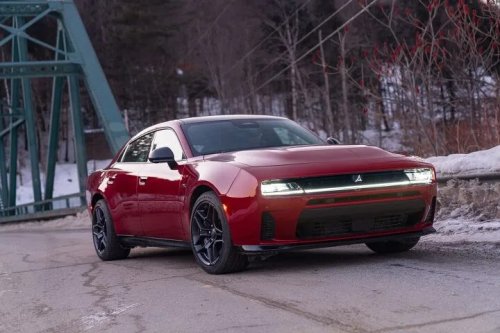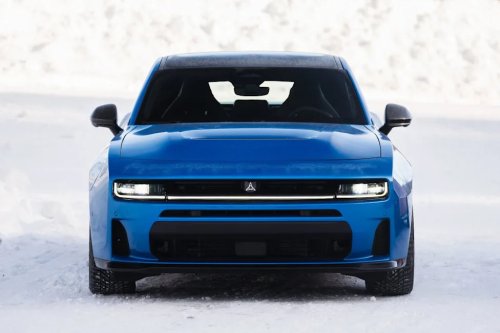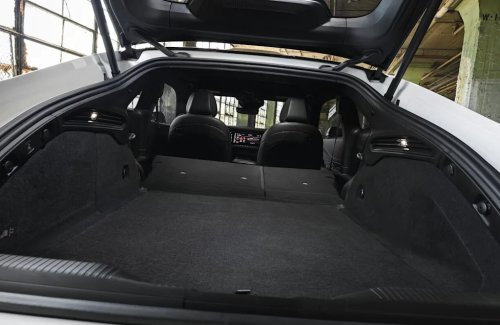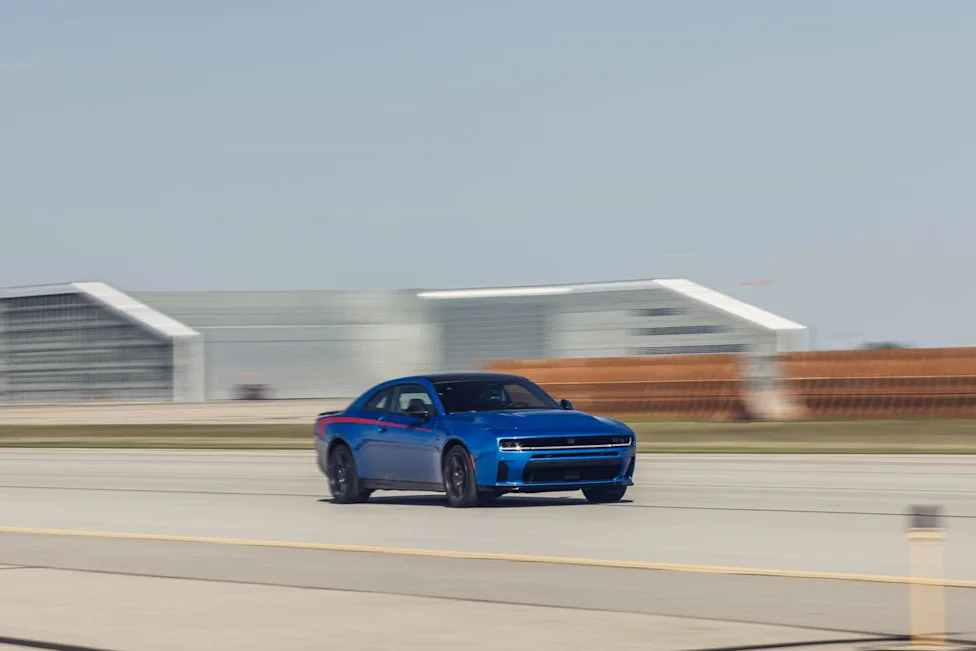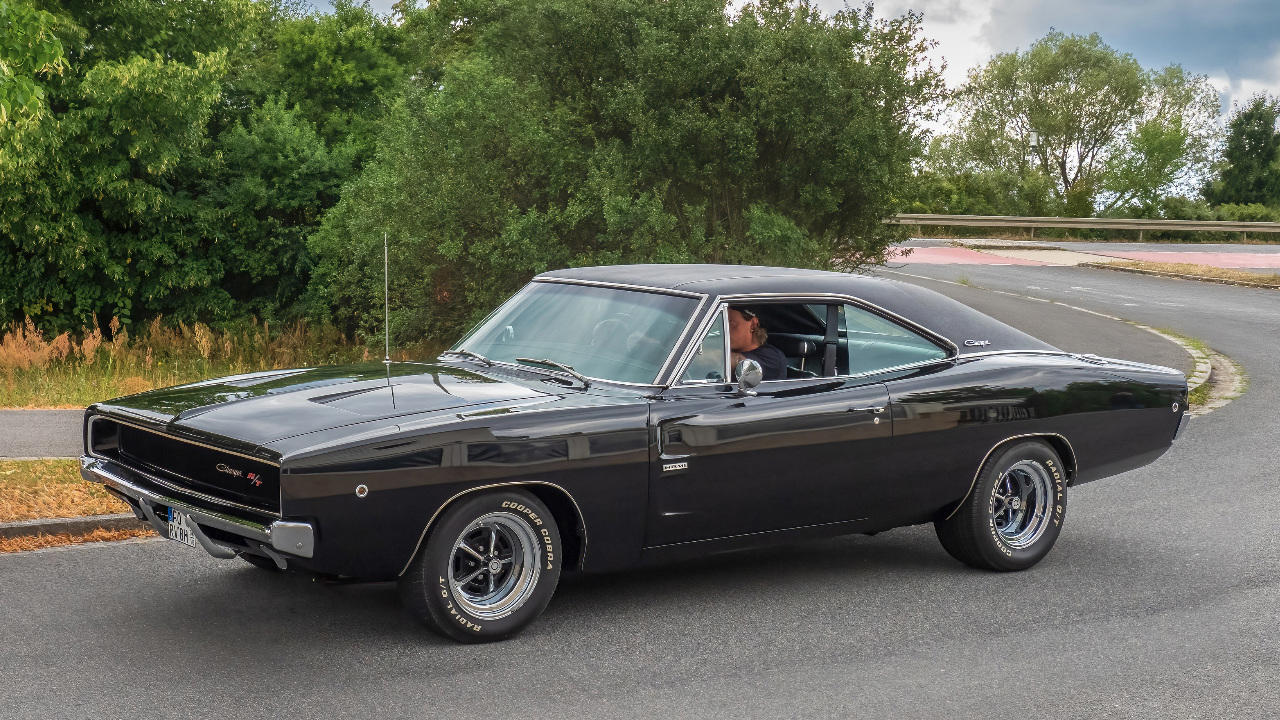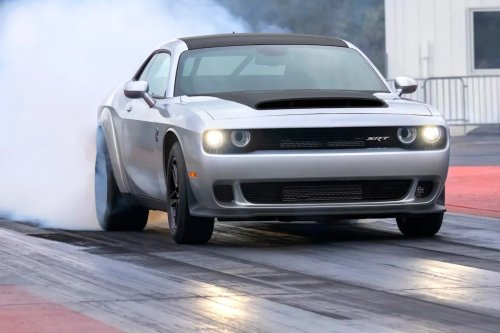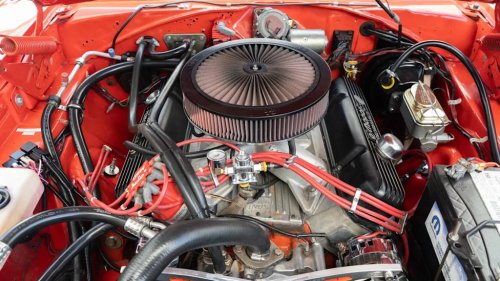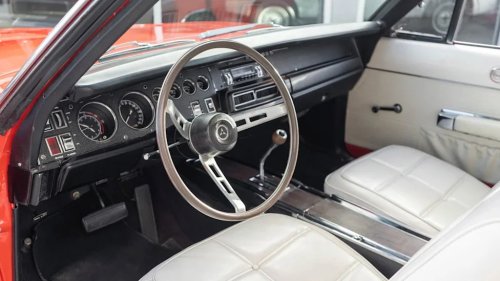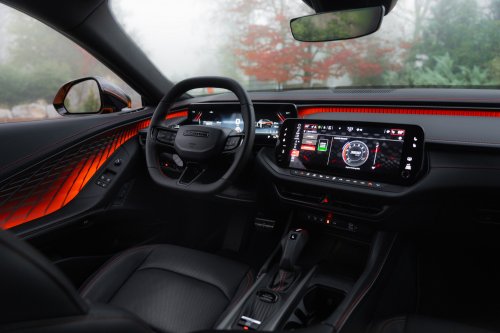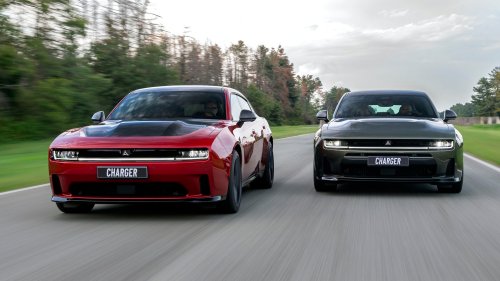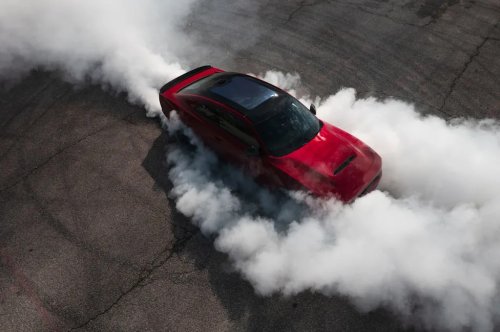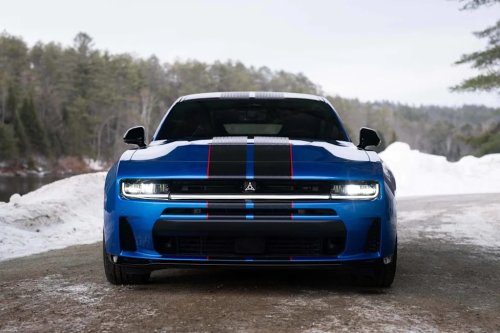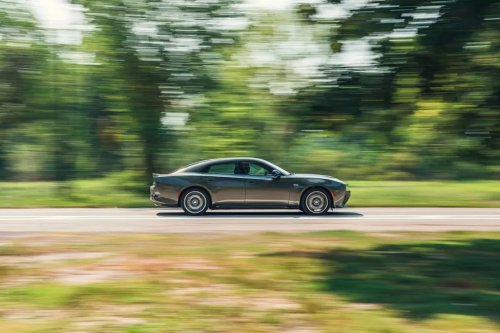
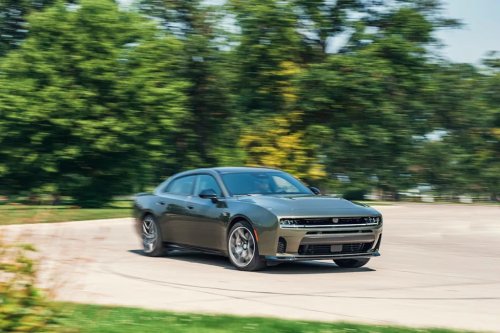
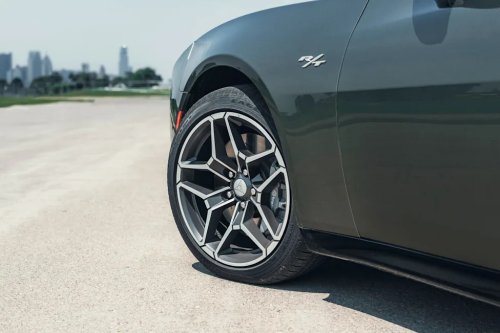
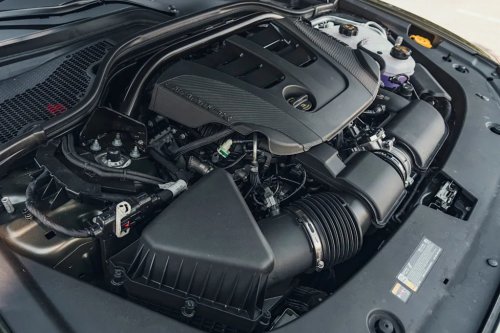
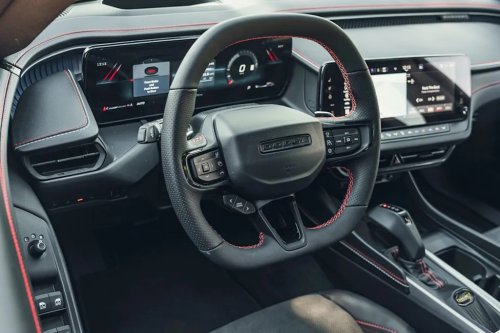
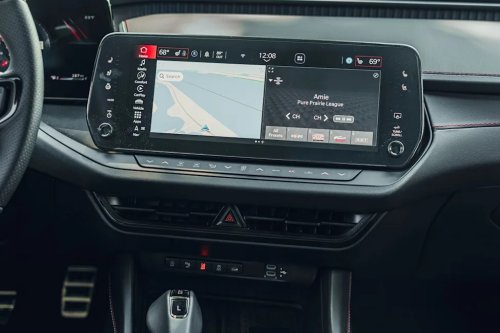
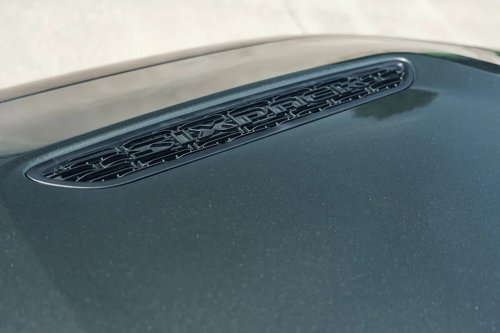



















Tested: 2026 Dodge Charger Sixpack R/T Four-DoorMarc Urbano - Car and DriverThe Dodge Charger fell hard. Can it get up? For the model's first redesign in more than a decade, Dodge led with battery-electric powertrains, and the car whose entire persona was built on ever-more-outrageous, V-8 muscle-car performance did not transition well to an EV. Who could have guessed? Sales collapsed from 75,920 in 2023 to 9562 last year. For 2026, however, gas-engine Chargers have now joined the lineup, bearing the Sixpack designation (rather than the EV's Daytona moniker), a nod to their turbocharged inline-six Hurricane engines. The six-cylinder Charger is offered in two strengths: top-dog Scat Pack with 550 horsepower and this base R/T at 420. As much as the top powertrain serves as the image maker, it's usually the base engine offering that's the volume seller.Marc Urbano - Car and DriverA lesser but still contributing factor to the Charger sales fall-off could be that the new model initially was offered only as a two-door. That, too, has been remedied, with a four-door now available throughout the lineup. Subjectively, the four-door does at least as good a job as the two-door in channeling the look of the iconic second-gen, late-'60s model. And Dodge does not gatekeep: The R/T can be decked out in full plumage. The car we drove in New York wore dual racing stripes—embossed with the resurrected Fratzog logo—running the length of the hood, along the optional glass roof, and down the decklid. (The car we tested and photographed in Michigan was missing that flourish.) Filling out the wheel wells, our R/T rolled on 20-inch wheels fully 10 inches wide. It sure doesn't look rental-spec, and judging by the thumbs-up we got from a dude in a late-model Challenger, it seems to resonate with the target audience.Four-door and two-door Chargers are the same size, and that size is XXL. The latest Charger sits astride a 121.0-inch wheelbase, which is fractionally larger than before, but the body is more than eight inches longer, nearly five inches wider, and an inch taller than the old car. The gas-engine Charger shares its platform and body with the EV version.Marc Urbano - Car and DriverThe R/T's 420 horsepower and 468 pound-feet of torque may be the lowest of the lineup, yet they still represent a healthy increase over this car's Hemi-V-8-powered predecessor. The 2023 Charger R/T's 5.7-liter engine made 370 horsepower and 395 pound-feet (and below that was a V-6 base model with as little as 292 horsepower). A gain of 50 horsepower, along with 73 pound-feet more torque, sounds like progress, but unfortunately, the new car's weight has ballooned as well. Our 2026 Charger R/T crushed our scales at an SUV-like 4921 pounds. That's 540 pounds heavier than a previous-gen 2015 V-8 R/T model. It appears that engineering one platform to do double duty for the EV and gas versions creates issues of size and mass.Marc Urbano - Car and DriverAll-wheel drive is standard—in the old Charger it was limited to the V-6 model—and our car's optional launch control-aided traction helped the 2026 R/T post a better 60-mph time than its forebear: 4.7 seconds, versus 5.1 seconds for the previous 5.7-liter V-8 Charger R/T. Filter out that off-the-line advantage, though, and the new car is no quicker on the move: 5.7 seconds from 5 to 60 mph, versus 5.6 for the old model. Similarly, the new car's 3.0-second 30-to-50-mph time and its 3.8-second 50-to-70-mph run are each 0.4 second behind the V-8 car's.AdvertisementAdvertisementEven if the new R/T's acceleration times aren't a notable improvement over the old model's, the car is hardly slow. Its 13.3-second quarter-mile at 105 mph almost matches our time for the current base-engine Mustang. (Interestingly, our quarter-mile time for the higher-horsepower Charger Sixpack, 12.1 seconds at 116 mph, almost exactly matched our time for the current Mustang GT.) And the Charger driver can select RWD (within Sport mode), should they want to tempt TikTok ignominy with a dramatic, tail-sliding departure from Cars and Coffee.Marc Urbano - Car and DriverMuch of the Hemi's appeal is wrapped up in that classically muscular V-8 sound. Evidently, Dodge wanted to give this Hurricane six a similarly big presence, but the result is far from a melodious V-8 rumble. The engine starts up with a loud brapp, and creeping through a parking lot it sounds like it has a broken muffler. The boosted six sounds better when you boot it but then settles into a low-rpm drone when cruising on the highway; we measured 70 decibels (26 sones) at 70 mph. It might be against type for the Charger, but if this is the best V-8 imitation the Hurricane six can do, the better play might be to simply lean into the inherent smoothness of this engine configuration and go for a more sophisticated aural experience—as found with this engine in the Ram pickup.Marc Urbano - Car and DriverTwo chassis setups are offered: the standard Touring and the firmer Performance suspension. Our car had the latter, part of the Performance Handling Group. The $2995 package also includes high-back Performance bucket seats (12-way power with four-way lumbar), the aforementioned launch control, a line-lock function, Brembo high-performance brakes, and some additional items. The sporty setup makes for a ride that's firm but not punishing. Even with the stiffer setup, though, the Charger feels ponderous in tight corners and understeers heartily. The tires (275/40ZR-20 Goodyear Eagle Sport All-Seasons) are properly wide, yet skidpad grip was a somewhat disappointing 0.89 g. (Note that the Charger R/T gets a summer-tire option for 2027.)The Charger's weight, and its all-season rubber, also contribute to a 70-mph stopping distance of 181 feet, which is 11 feet longer than the last V-8 Charger R/T we tested. The pedal has a bit of squish at the top of its travel, which makes smooth stops more challenging—although it does align with the overly soft accelerator pedal spring. The steering, at least, has some heft to it, and the effort level can be customized. Still, the most nimble, responsive cars drive smaller than they are; the Charger drives bigger.Marc Urbano - Car and DriverThe outward visibility is another factor that contributes to the car's perceived hugeness. You look out over a hood that's swollen with a large power bulge, making it difficult to see what's directly ahead; that's compounded by the inside mirror, which is mounted low on the windshield, and the plastic panel above it that hides the forward-facing camera is overly large, blocking a substantial section of your forward view.AdvertisementAdvertisementWe let the Charger drive itself for a while on a holiday weekend road trip from New York to Maine. Adaptive cruise with stop and go and an Active Driving Assist System (hands-on automated steering) are standard, and we gave them a workout on Connecticut's characteristically miserable I-84. The system handled the adapting part just fine and came to a full stop whenever traffic crawled to a halt; but we had to nudge the accelerator to get it going again, and the self-steering (which requires a hand on the wheel) sometimes likes to hug the right side of the lane.Marc Urbano - Car and DriverOver that long highway stint, we appreciated the high-back Performance bucket seats, which are firm, well-shaped chairs, upholstered in a suede-like material. The pistol-grip shifter is a cool throwback to Mopar muscle cars of yore, while the steering wheel's flattened top and bottom is a modern-day performance-car affectation. The Charger interior features a wide patterned section on the door panels that extends across the dash and is illuminated with accent lighting. It's somewhat disappointing to touch it, though, and discover that it's all hard plastic. It was more disappointing, however, when we discovered the plastic backing to the driver's seat hanging loose; we popped it back into place. Sliding into the back seat, we found plenty of legroom, but headroom is in short supply, and passengers climb over a fairly wide door sill to get aboard. The hatchback opens to reveal a large, shallow hold that can swallow 23 cubic feet of stuff with the rear seats in place (38 cubes with them folded down).The center touchscreen works well and retains physical knobs for volume and tuning. We appreciated its ability to pair two phones, using one for navigation (Waze) and a second for music (operated by the steering-wheel audio controls, and with the song info displayed in the instrument-cluster screen). Very slick. Our car had the larger optional instrument-cluster screen (16.3 inches rather than 10.3), and there is a wealth of information available in the Performance Pages, including timers for acceleration and drag racing; recorders for g-force, braking distance, and top speed; lap timers; engine power, torque, and turbo boost pressure; an engine air-fuel ratio indicator; setup for launch control and line lock; and on and on.The R/T is the most affordable Charger variant, but it's still not exactly cheap, with a starting price of $53,990 for the four-door ($51,990 for the two-door). Ours was the R/T Plus, which adds power seats, ventilated front seats, heated rear seats, memory settings, proximity lighting, multi-color ambient lighting, the larger gauge cluster display, different LED headlights, navigation, a 360-degree-view monitor, a blind-spot view monitor, a wireless charging pad, 20-inch silver-finish wheels, and a power liftgate, for $58,985 to start. With options, it rang in at $64,565 (although, as of this writing, Dodge is taking $4200 off the top). In its final model year, the previous Charger R/T was $46,660.AdvertisementAdvertisementSo, the entry-level Charger is not as attainably priced as it previously was, and it's undeniably compromised in mass and packaging for having to share its platform with an EV. But in today's SUV-intensive environment, we're still glad that this gas-engine performance car exists, and even in R/T form, the Hurricane six makes for a credible Dodge Charger, one that surely will hold more appeal with Mopar fans than the electric version. That said, watching the recent about-face with other Stellantis products—the Ram 1500, the Durango, the Jeep Wrangler—we wouldn't be surprised to see Hemi power return to the Charger. Maybe that will be the new Charger's best hope.➡️ Skip the lot. Let Car and Driver help you find your next car.Shop New Cars Shop Used CarsYou Might Also LikeGift Guide: Best Ride-On Electric Cars for KidsFuture Cars Worth Waiting For: 2025–2029