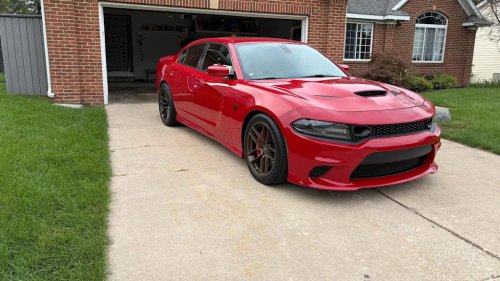
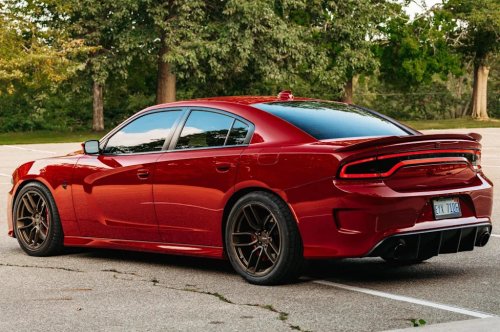
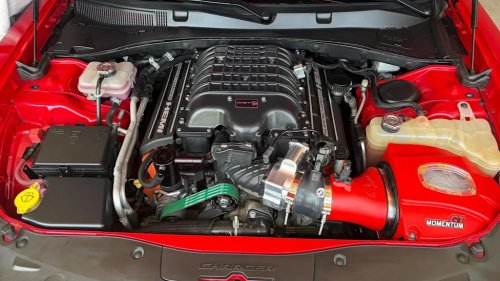
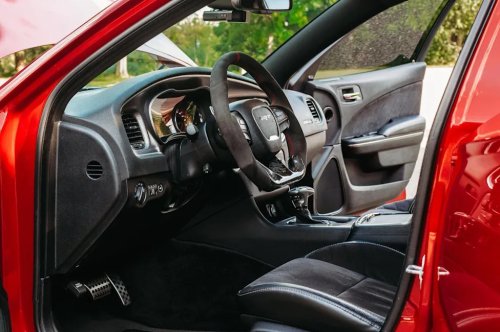
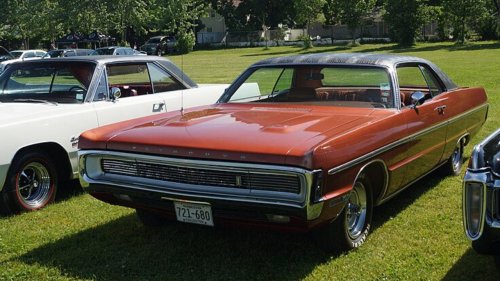
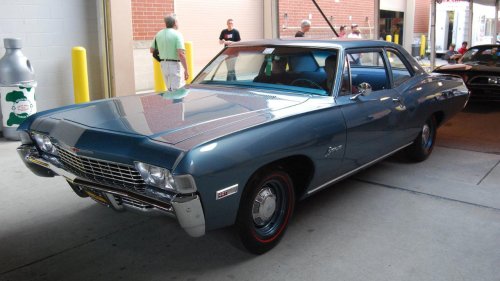
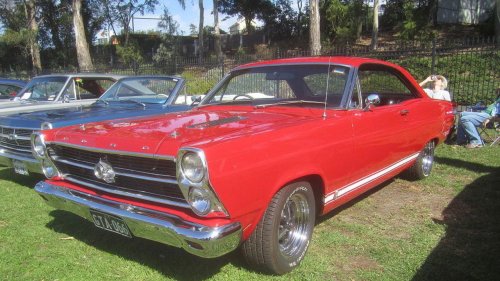
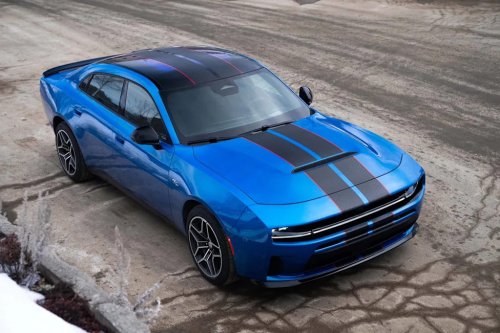
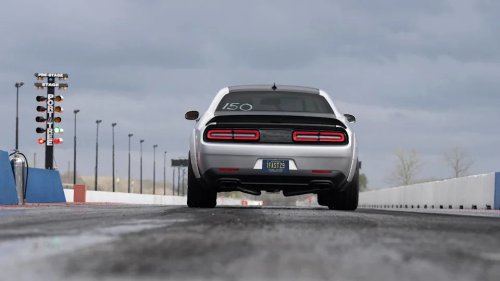
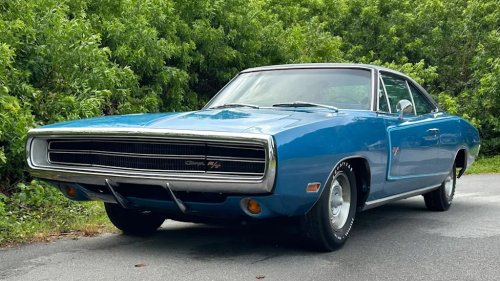
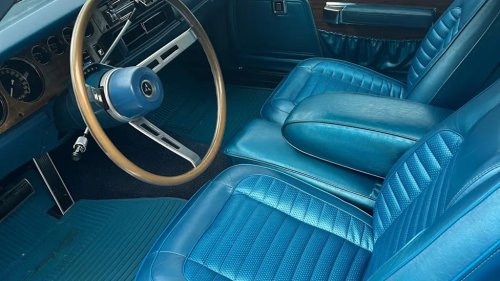
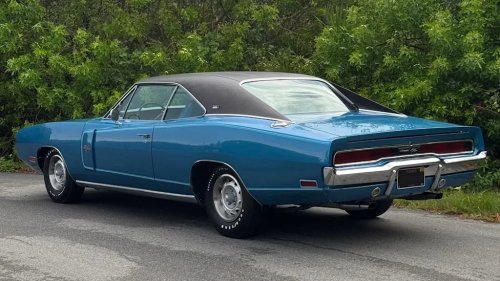
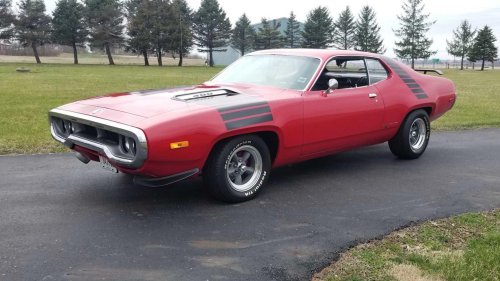
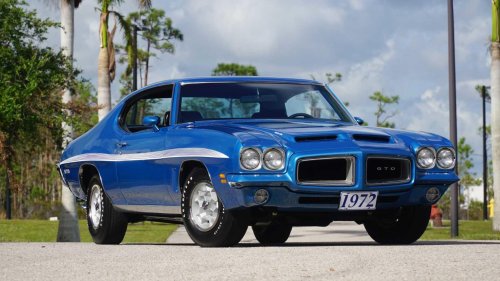
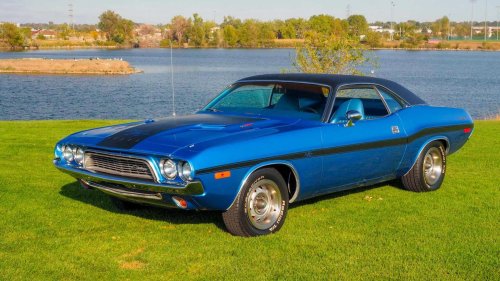
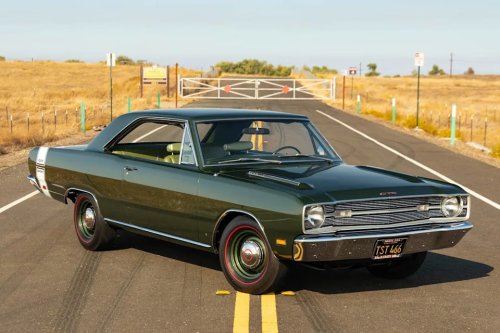
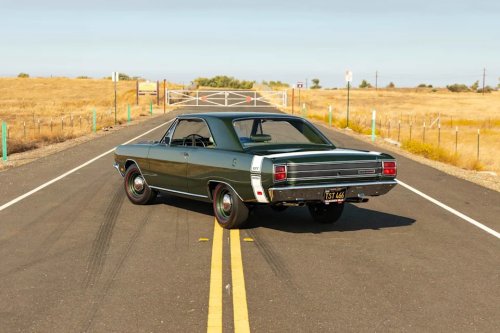
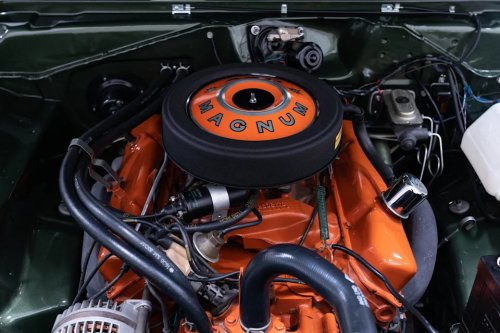
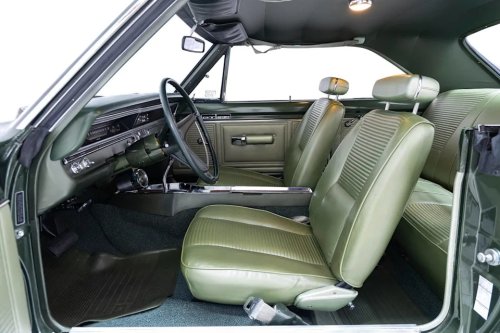
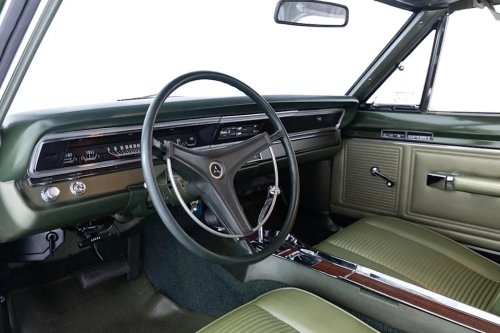
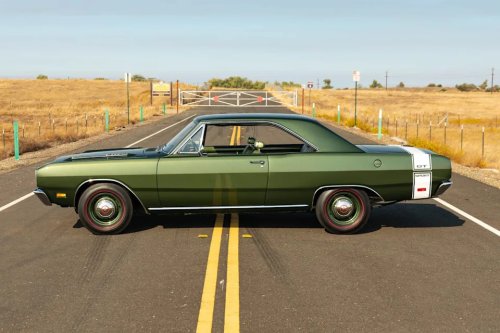
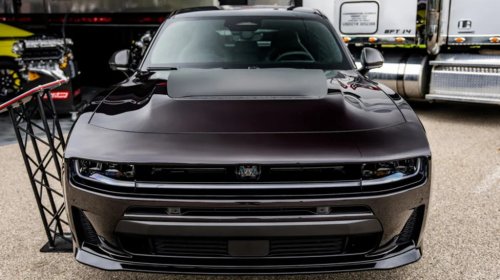
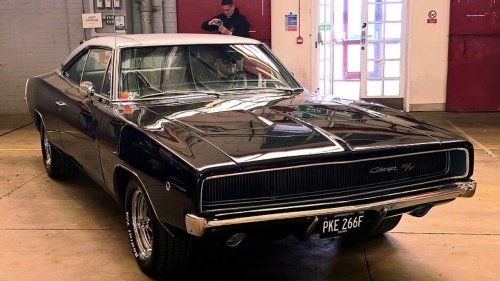
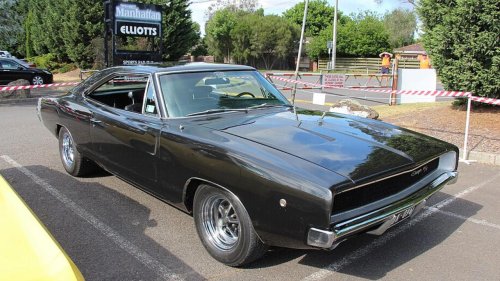
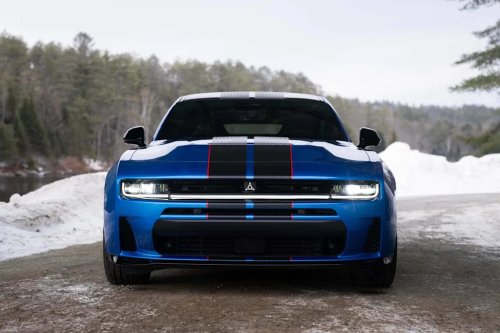
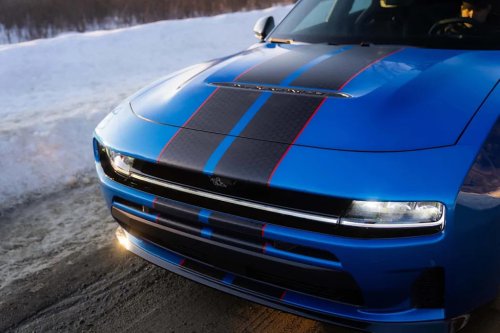
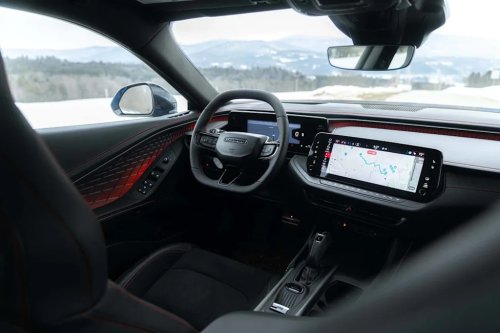
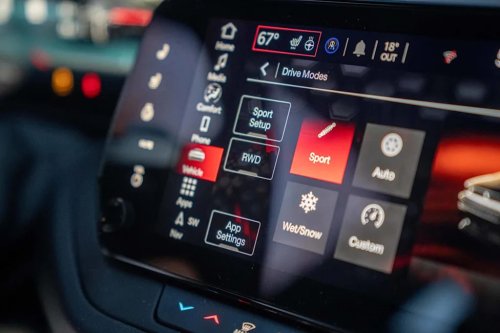
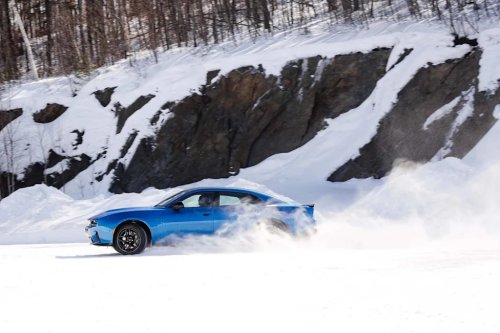
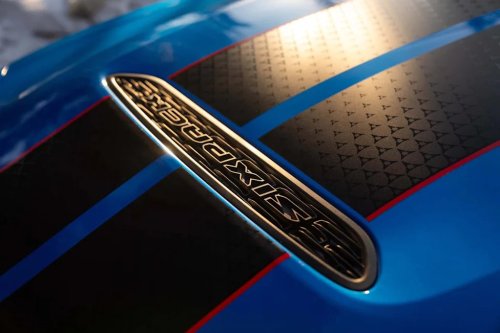
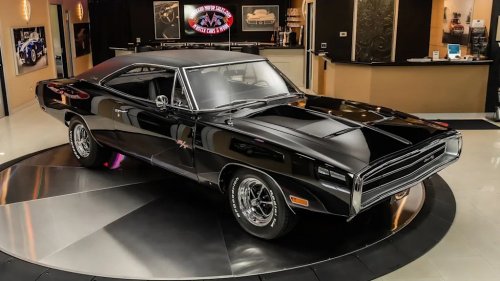
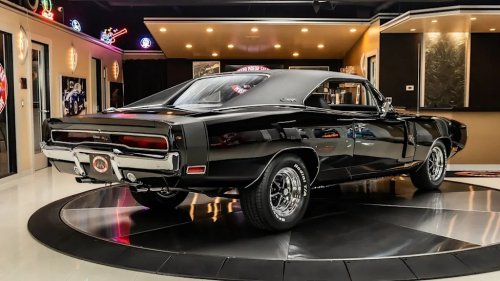
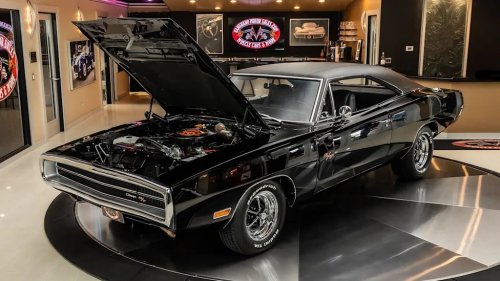
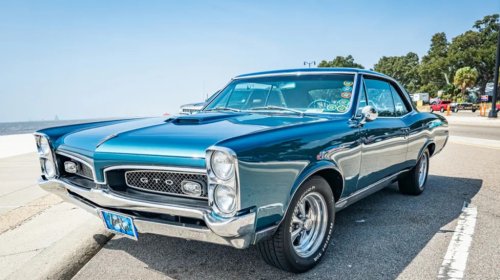
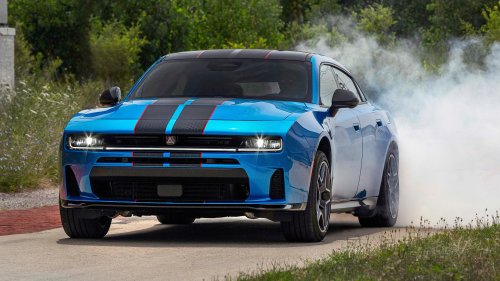
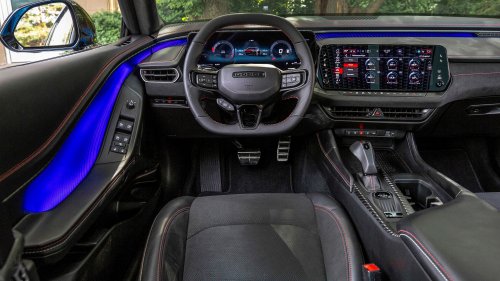
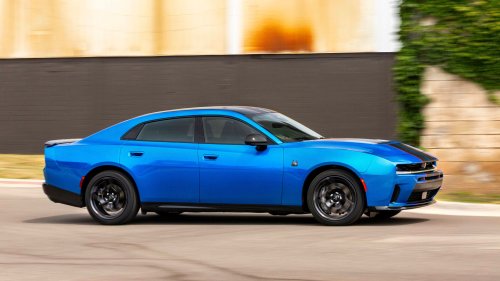
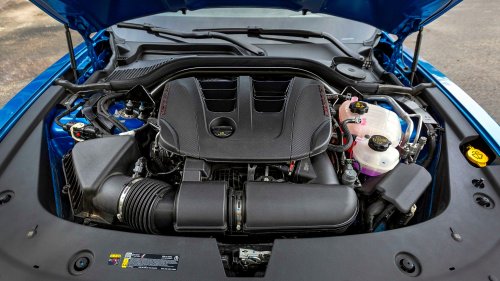
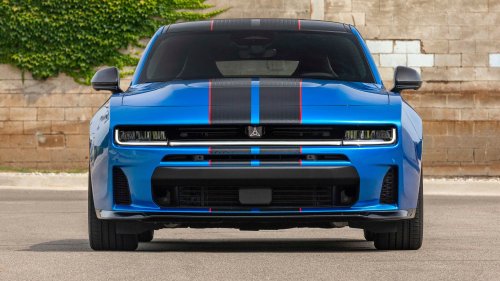
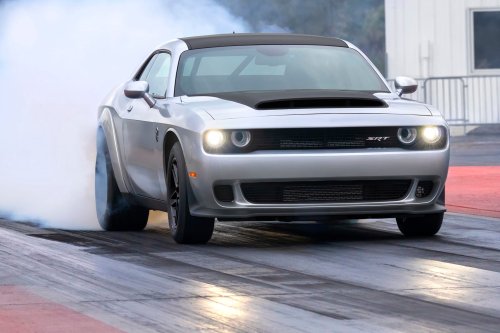
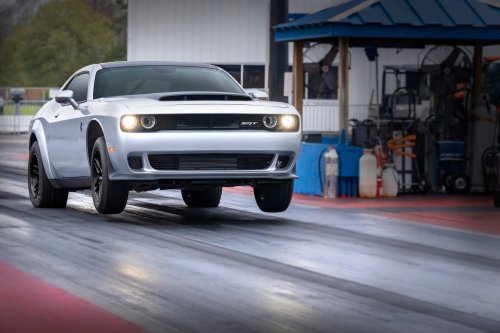
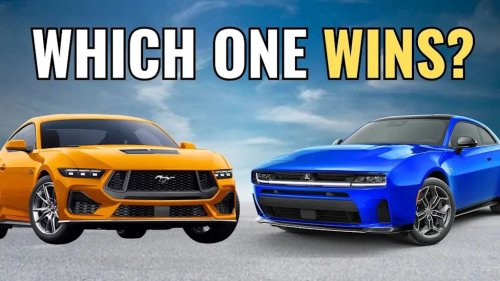
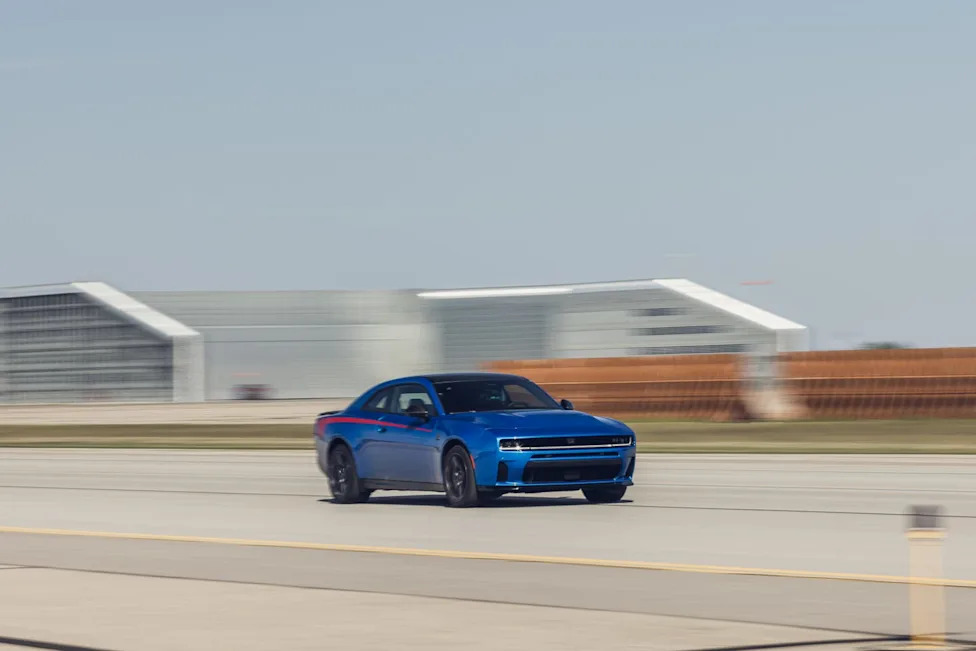
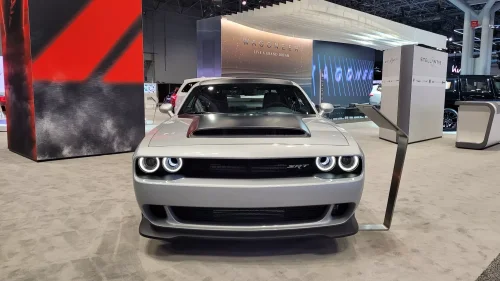
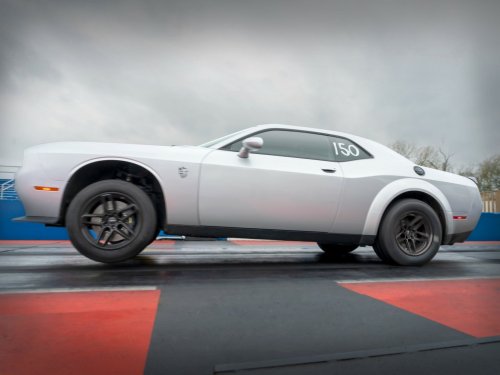
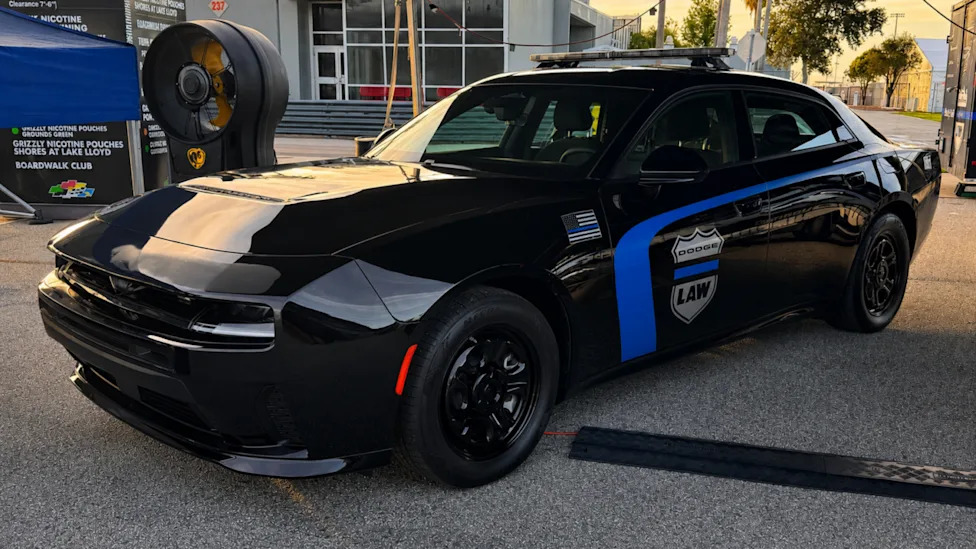
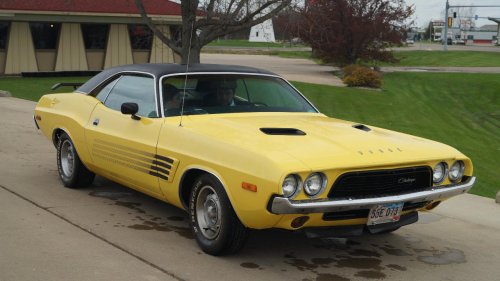
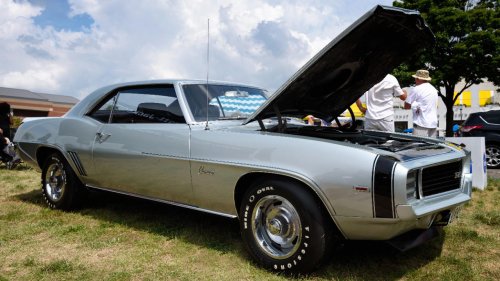
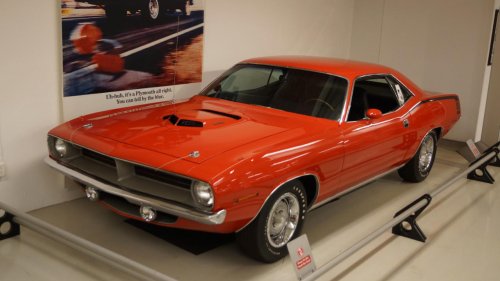
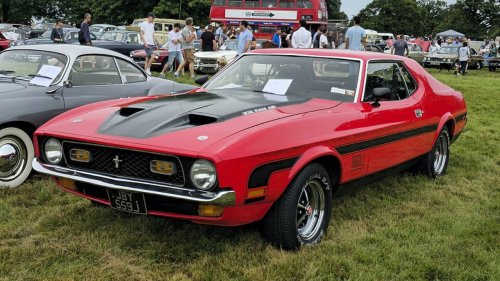
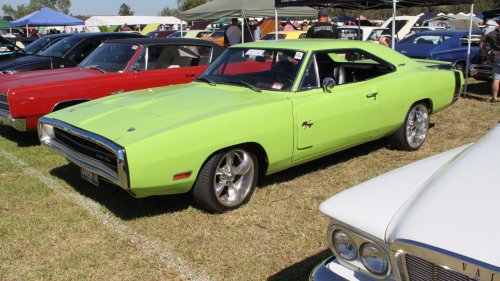
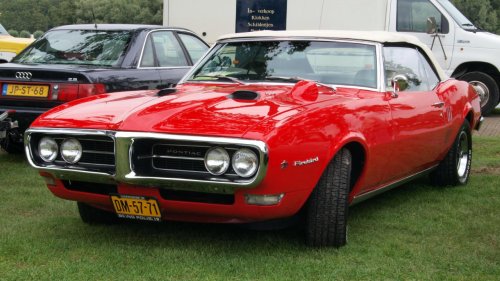
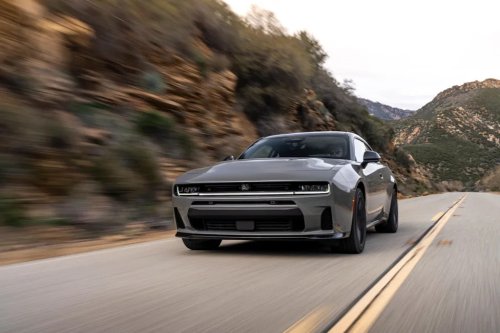
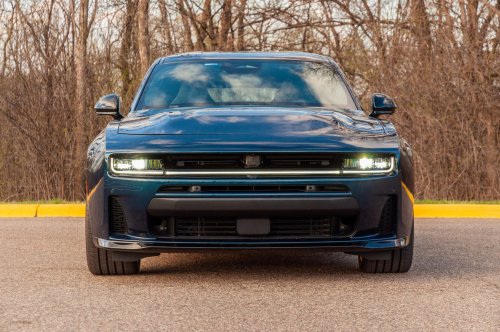
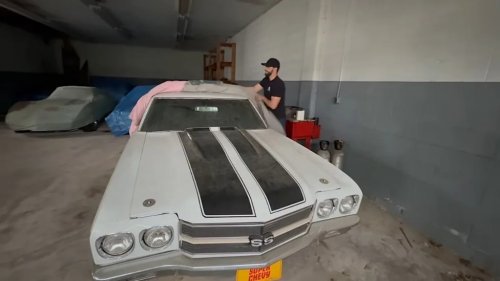
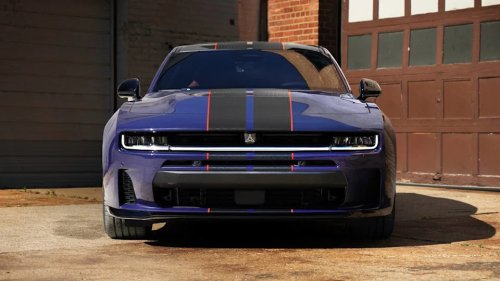
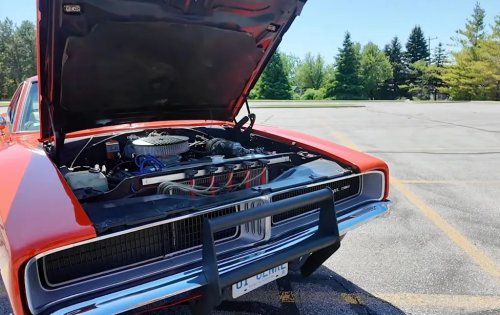
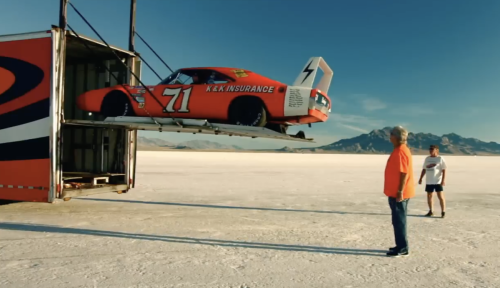
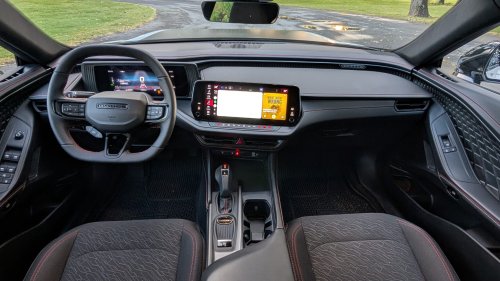
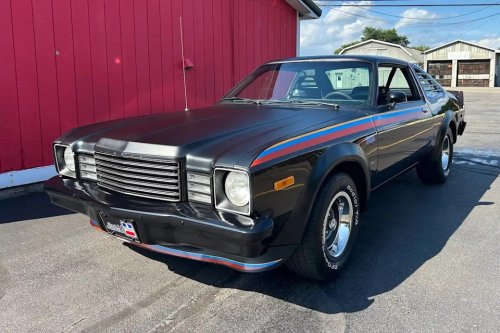
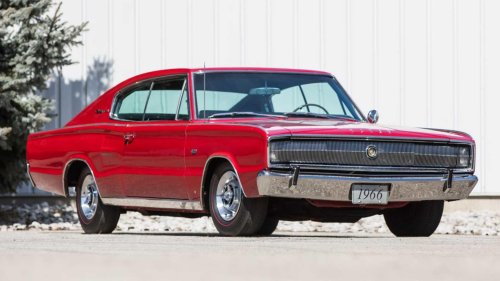
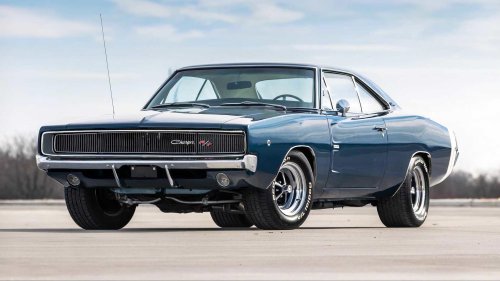
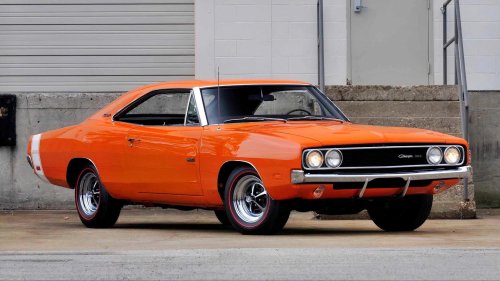
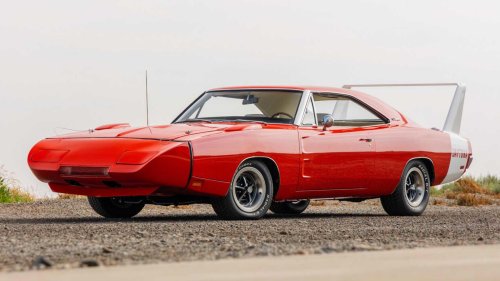
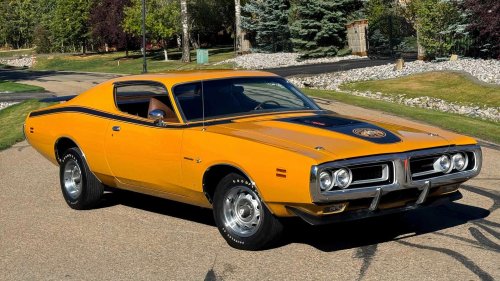
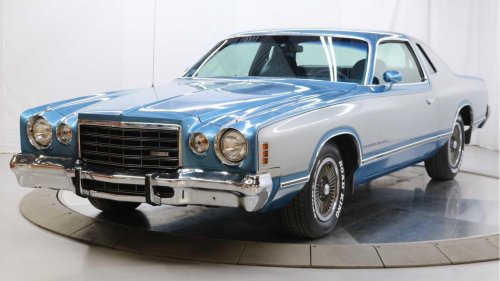
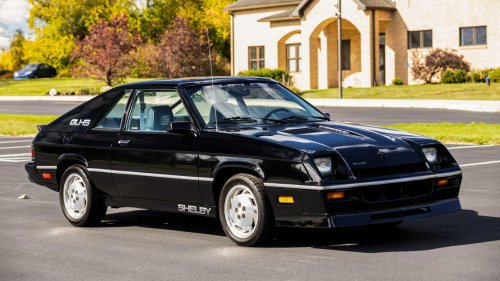
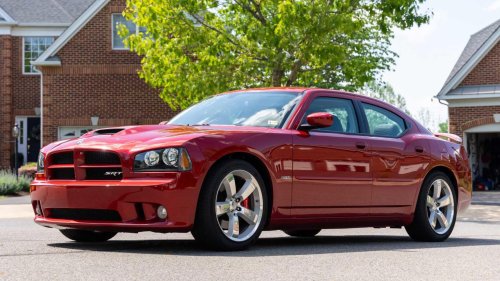
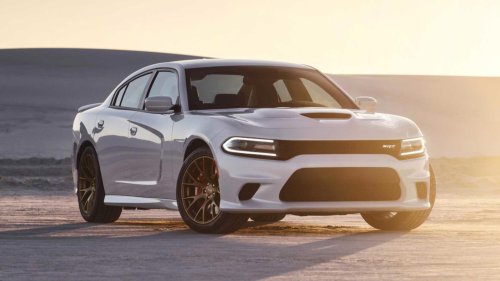
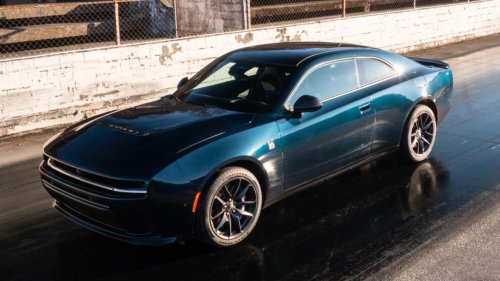
During the Golden Age of American Muscle Cars, the Four Horsemen of the Street Apocalypse were the Chevy Chevelle, Dodge Charger, Pontaic GTO, and Plymouth Road Runner. Rides like the Mustang, Firebird, and Barracuda were pretty badass too, but they were more in the pony car segment, while the Big Four were the Bruisers of the Blacktop and pure raging muscle. The Chevelle, GTO, and Road Runner are all gone, with their best days in the rearview mirror, while the Charger is still setting the standard for aggressive styling and street performance.It's been 60 years since the first Charger rolled off the Lynch Road Assembly Plant floor, and while the iconic nameplate has gone through some radical changes in that time, it has always, well, mostly always at least, been the unbeatable car to beat. Not only is this legend the all-time heavyweight champ of the streets, it's also an A-list Hollywood superstar that can open a movie more successfully than any human actor. With Debbie Downer Stellantis running the show now, there's been no pomp and circumstance for this momentous occasion, so HotCars is taking the cue to celebrate six decades of the ultimate muscle car. 1966 Dodge Charger The First Dedicated Muscle Car Mecum When the muscle car craze hit in 1964, they were all performance packages on existing models that had four-door sedan and wagon versions, as well as weenie six-cylinder engine options. Introduced mid-model year in 1966, the Dodge Charger was the first car designed specifically for the muscle car era with only a two-door coupe and nothing but V8 engines. '66, was also the first year the monstrous 425-horsepower 426 cubic-inch Hemi V8 was available and equipping it under the hood resulted in the first mass-produced factory street machine of the Golden Age. The first-gen Charger was so much cooler-looking and faster than anything Chevy or Ford had to offer that year, and set the tone for the remainder of the classic muscle car era. 1968 Dodge Charger R/T Muscle Car Perfection Mecum The first-gen Charger started the journey, but the second-gen cemented it as the most iconic muscle car in history. Unleashed in 1968, with a radical Coke bottle shape and wide, aggressive stance, the second-gen Charger is considered one of the best automotive designs ever. Its style is both beautiful and brutal, which no other car has been able to pull off quite as well. The stunning new Charger caught the eye of Hollywood producers, who cast it as the bad guy car in the Steve McQueen action/thriller Bullitt, which propelled it to superstardom that continues to this day. It can be argued that the multi-billion-dollar Fast & Furious film franchise would have gone nowhere if not for Dominic Toretto's second-gen R/T. A 1968 Charger Hemi R/T is without question the perfect muscle car, with the looks and hooks all others have been chasing ever since. 1969 Dodge Charger 500 A Track Car for the Streets Mecum When Dodge first conceived of the Charger, it had eyes on NASCAR glory, but unfortunately, the first-gen's body style created a tremendous amount of lift and operating it at high speeds was a terrifying experience, akin to driving on glass. The second-gen didn't offer any more hope because the front grille and rear window created too much drag to make top speeds impossible. In 1969, Dodge came out with the Charger 500 that addressed those issues, but for whatever reason, it still wasn't the dominant closed-circuit track car the engineers had hoped for. While it wasn't the NASCAR stud they were gunning for, it did have a pretty killer street application, especially with a 426 Hemi that could smoke literally anything in '69. 1969 Dodge Charger Daytona Detroit Wild Wings Mecum After the first-gen, second-gen, and 500 busts, Dodge was done messing around and built the most aerodynamic, and insanely-cool looking ride of the Golden Age. The 1969 Charger Daytona was the first of the aerocars and featured an 18-inch nose cone, with a 23.5-inch rear wing that made it a ballistic missile. The car produced an extraordinary amount of down-force, and the rear wing provided high-speed stability. This was the first car to break the 200 MPH barrier, and it was completely dominant in NASCAR taking scads of checkered flags and the Cup Championship in 1970, before it got banned. Dodge only sold around 500 of these amazing rides to the public to meet homologation requirements, and today are among the most collectible classics, with a Hemi Daytona selling for $3.3 million at Mecum Monterey 2024. 1971 Dodge Charger Super Bee Last Golden Age Stinger Mecum 1971 was a time of change for American muscle and the last great year of the Golden Age. The B-body Charger got another radical restyle with a "fuselage" body that was meant to mimic fighter jets. The Coronet-based Super Bee was discontinued after 1970, but became a trim on the third-gen Charger and kept the ethos of being a no-frills speed machine. Coming standard with a 383 V8, the Super Bee was upgradable to the 440, 440 Six-Pack, and 426 Hemi. With a bench front seat and manual steering as well as breaks, the Super Bee was a budget ride with plenty of sting. Sporting the 426 Street Hemi, of which only 22 were made, this was a literal Killer Bee. It was also the last time a Charger had a Hemi engine or could run a quarter-mile in the 13s for 25 years. 1975 Dodge Charger Daytona The Charger Luxury Liner Mecum When compared to the first three generations, the fourth-gen Charger is decidedly uncool, and thanks to the de-tuned engines of the Malaise Era, wasn't nearly the Street King of its predecessors. It was, however, era-appropriate as all the surviving muscle car titans like the Chevy Chevelle and Olds 442 had moved into the semi-luxury car segment. In reality, the 1975 Charger Daytona wasn't awful and, if it can be separated from its lineage, was a fairly sharp-looking ride. The standard 175-hp 360 V8 was a far cry from the screaming classic big-blocks that made the Charger a legend, but on the street it could hang with anything Detroit had to offer that year. 1986 Dodge Shelby Charger GLHS The Charger Gets Rad to the Max Bring a Trailer As a front-wheel-drive subcompact hatchback with an 84-hp I4, the fifth-gen Charger was offensive to Mopar fans, this editor included, but it is one of those rides that needs to be disconnected from its heritage to be appreciated. Debuting in 1981 as the performance version of the Dodge Omni 042, the Charger had the obligatory 1980s sports car styling, but actually had a pretty bitchin' vibe to it. Performance would improve, especially after Carroll Shelby got ahold of it, dialing up the ponies and the handling. For 1987, the last year of production, Shelby created 1,000 Charger GLHS (Goes Like Hell Shelby) cars with 175-hp turbocharged engines that could run even with a Mustang GT 5.0 or Camaro IROC-Z. 2006 Dodge Charger SRT8 Next-Gen Street Assassin Bring a TrailerAfter an 18-year absence, the Charger made a triumphant return in 2006 as the first legitimate four-door muscle car. Those extra doors didn't phase long-time Mopar junkies in the least, because the design was dynamite and the Hemi V8 was back as well. The R/T came with a 340-hp 5.7-liter Hemi engine that was better than the Mustang GT, the only other muscle car at the time, but there was an even more killer option. The 2006 SRT8 reunited the Charger with a 425-hp Hemi V8 with the 6.1-liter Hemi engine, matching the classic 426 Street Hemi's output. Another thing that had been missing since the Golden Age was a 13-second Charger, but the SRT8 brought that back too with a blistering 13.1-second quarter-mile. 40 years after the introduction of the Charger, the legendary muscle car returned to kickass form and launched the Modern Age of American Muscle. 2015 Dodge Charger SRT Hellcat All Hell Breaks Loose Stellantis Though the sixth-gen Charger bore little resemblance to its ancestors, the seventh-gen borrowed some styling cues from the classics, including a subtle nod to the Coke bottle body. The 1970 Charger R/T had non-functioning vents on the front door with body lines that made kind of a "C" on the driver's side and perhaps a "D" on the passenger side. The 2011 Charger honored this with door channels in the sheet metal and also adopted a taillight design similar to the 1970 model. The most exciting thing about this generation, however, was the introduction of the 2015 Charger SRT Hellcat with an insane 707-hp 6.2-liter supercharged Hemi Hellcat V8. Capable of an 11.0-second quarter-mile, it was like an old-school Hemi factory drag car and its 204 MPH top speed was an homage to the '69 Daytona NASCAR champ. 2026 Dodge Charger Scat Pack Return of the King of the Streets Stellantis When Dodge announced in 2023 that they were discontinuing the gas-powered Charger and replacing it with an all-electric vehicle, Mopar Nation was gut-punched, but it turns out that agonizing was for nothing. Dodge did, in fact, make a Charger EV, but they also came out with a surprisingly cool-looking ICE version with the 2026 Charger Scat Pack, featuring an unreal 550-hp 3.0-liter twin-turbo SIXPACK I6. That's not a Hemi V8, but the performance is still beyond amazing and there's a better than average chance that the ninth-gen Charger will get Hemied-up before too long. With a 3.7-second 0-60 time and a 12.1-second quarter-mile ET, the '26 Scat Pack is quicker than a Mustang Dark Horse, the only other muscle car currently available, so it's right where the Charger belongs at the head of the pack.Sources: Chrysler, Dodge, Mecum


















 +63 others