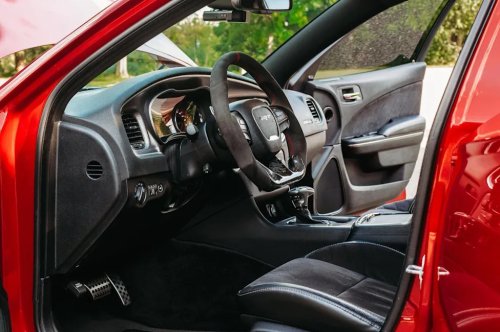
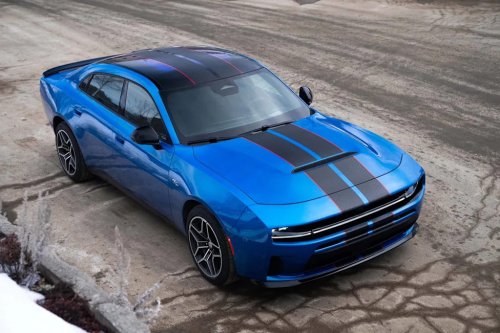
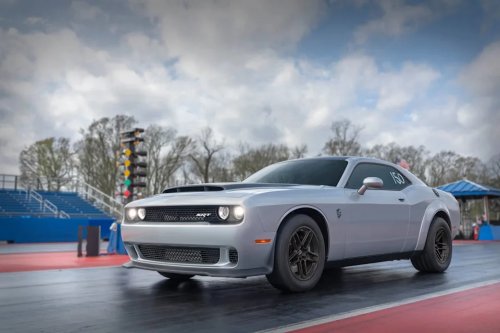
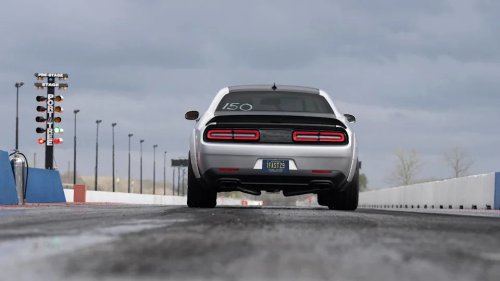
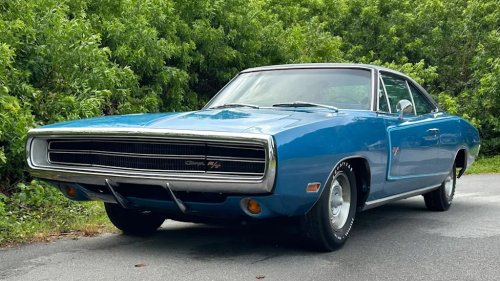
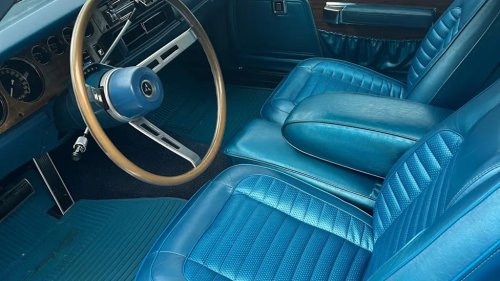
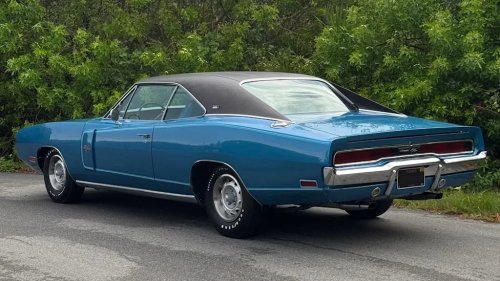
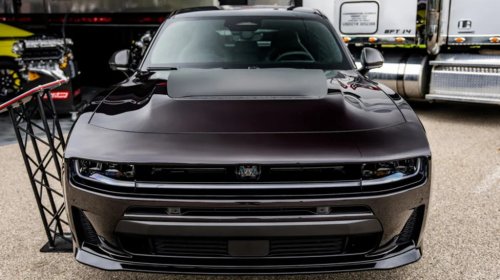
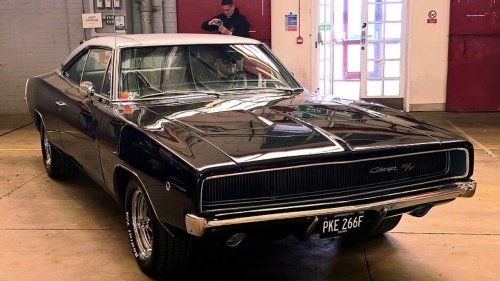
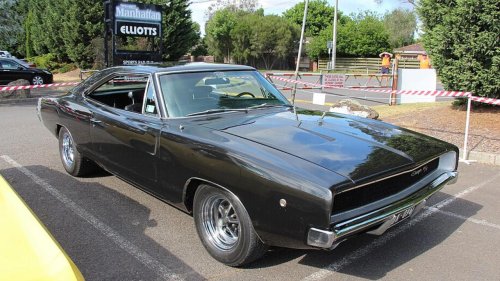
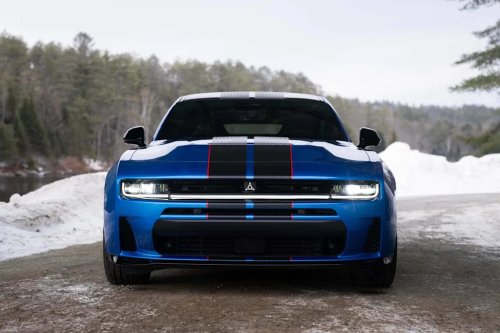
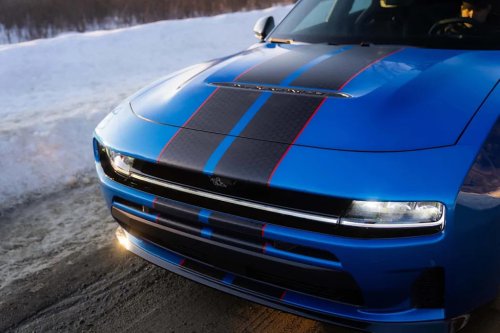
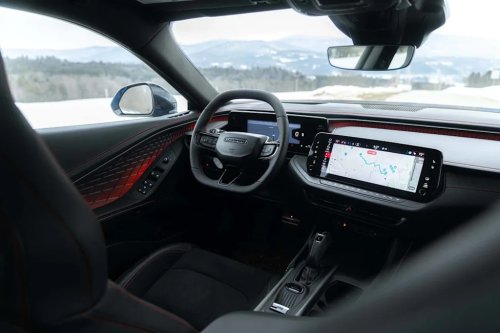
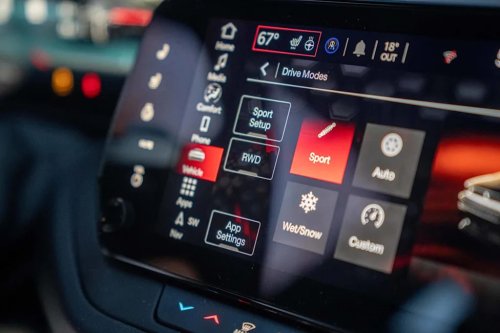
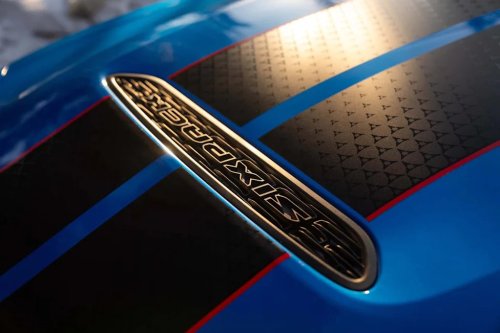
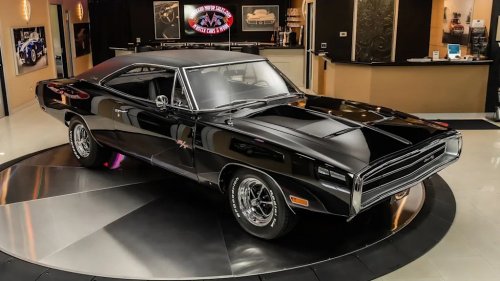
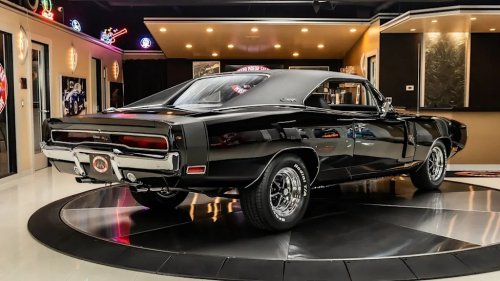
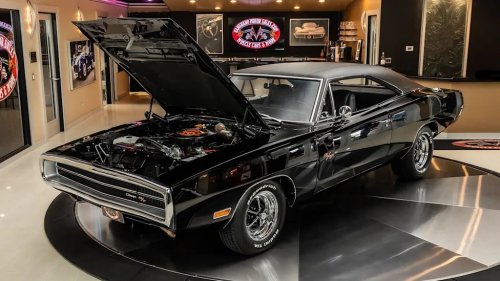
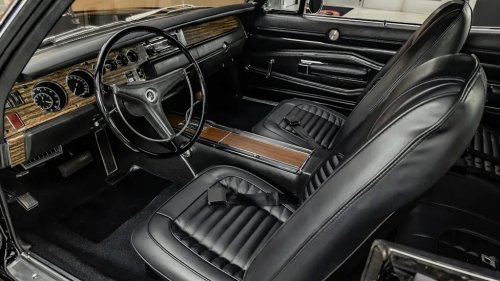
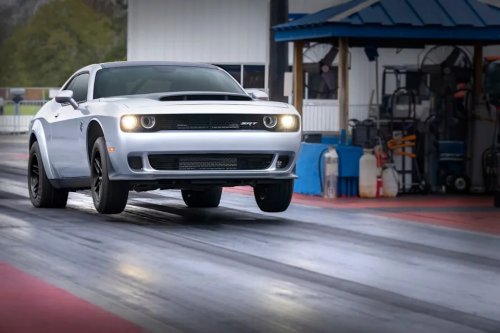
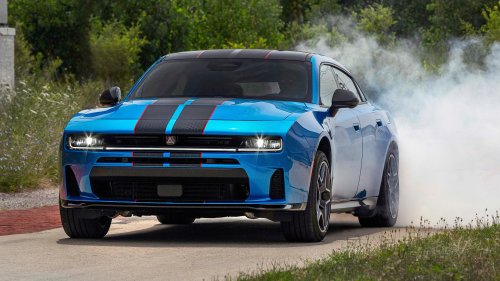
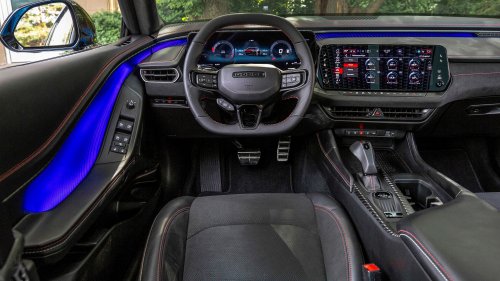
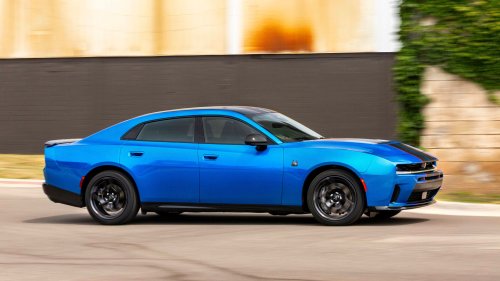
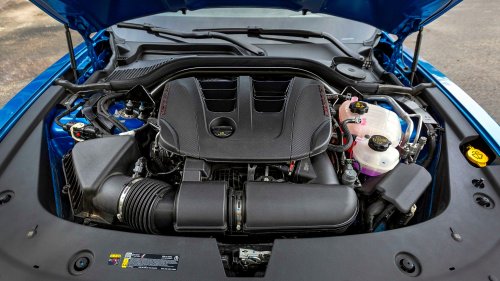
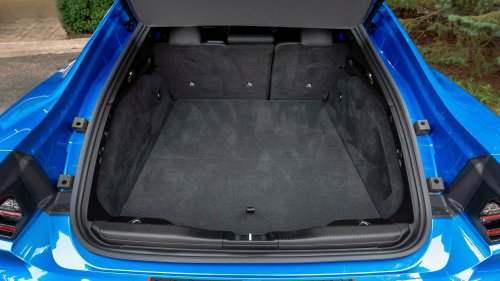
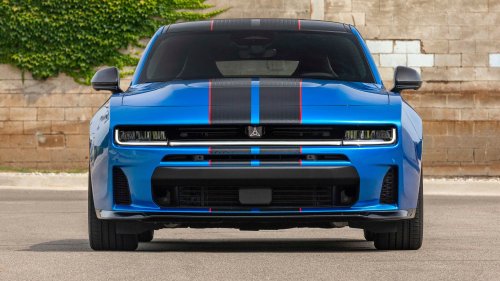
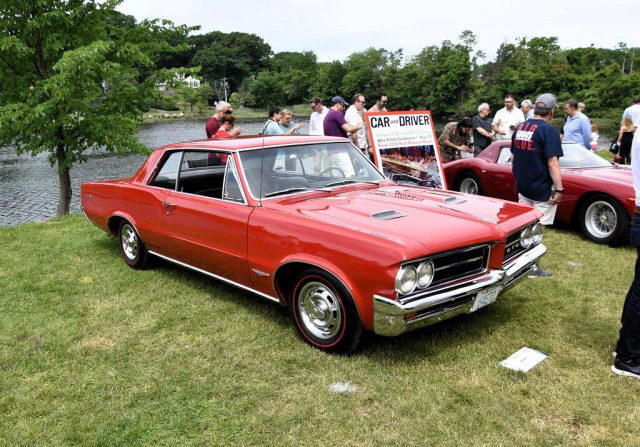
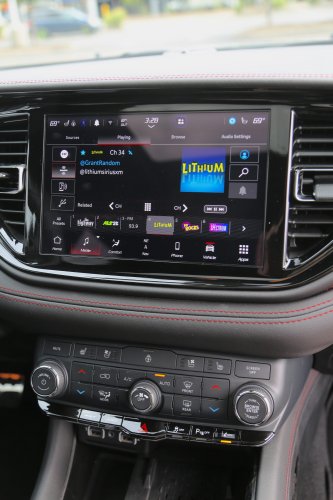
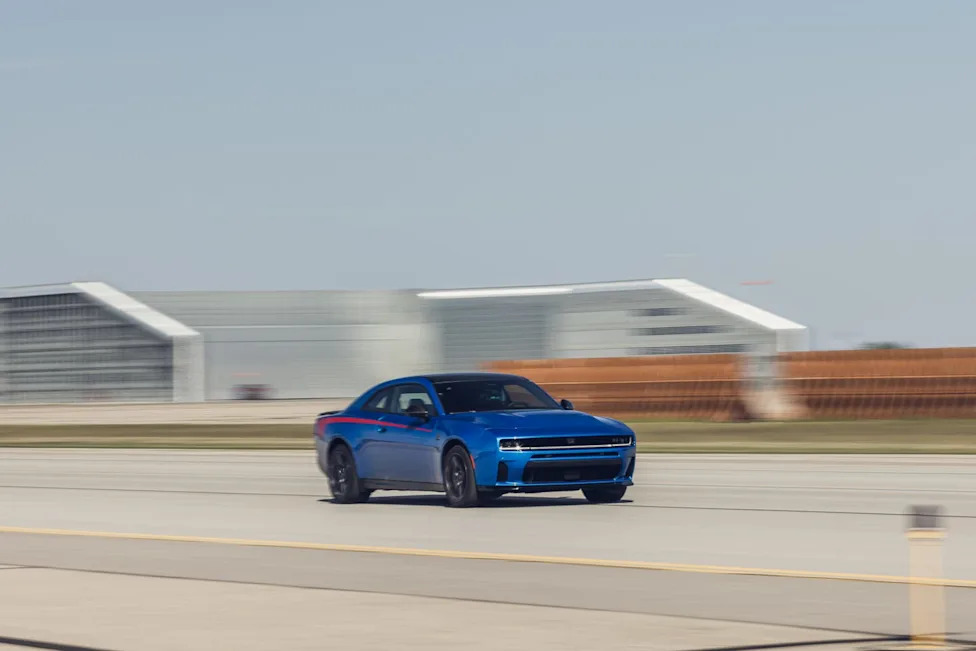
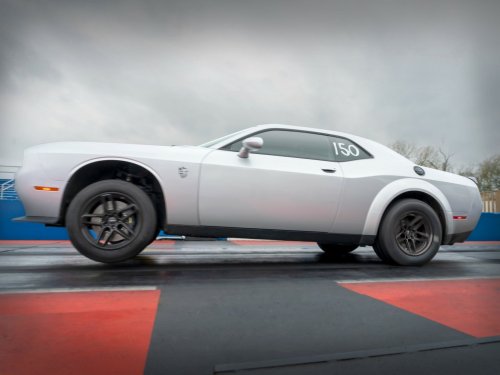
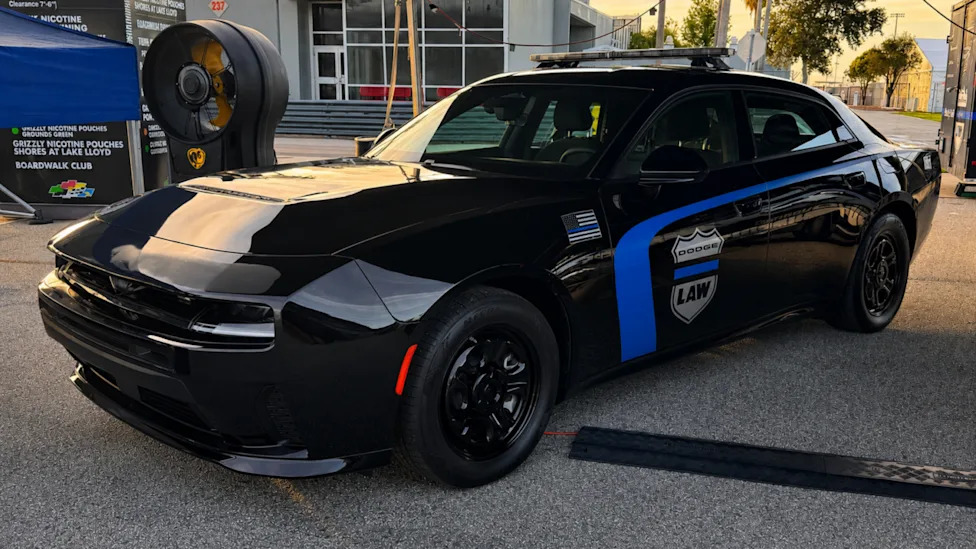
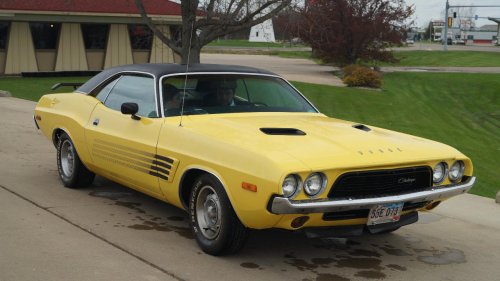
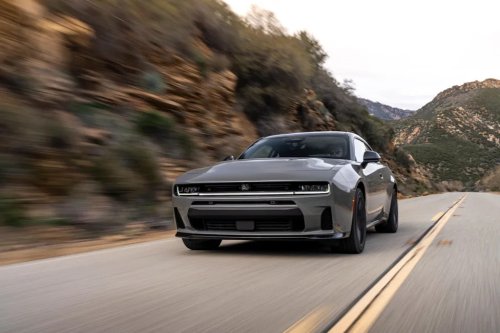
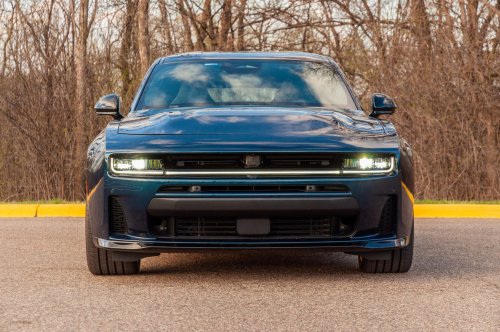
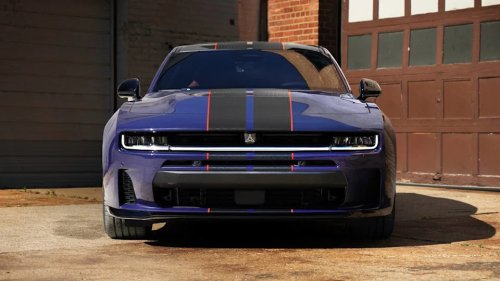
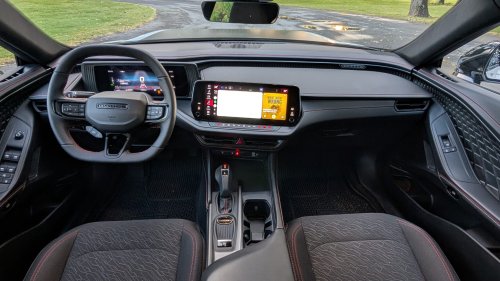
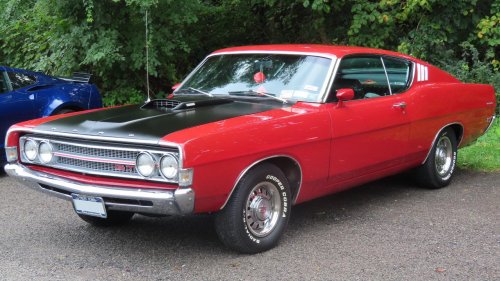
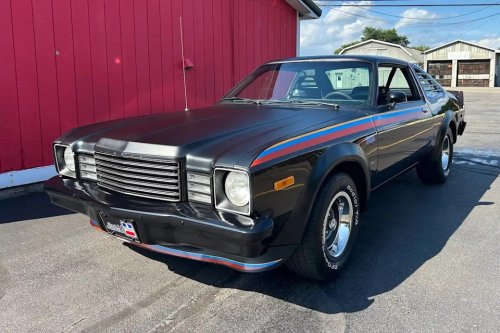
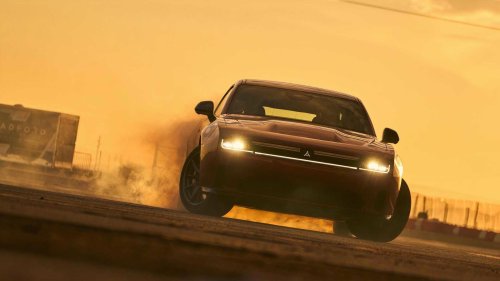
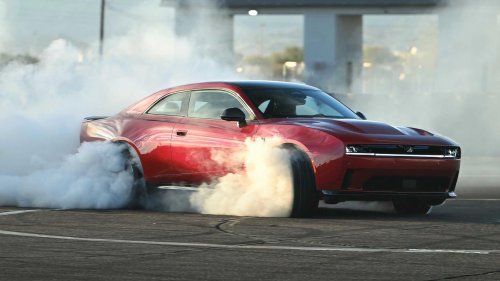
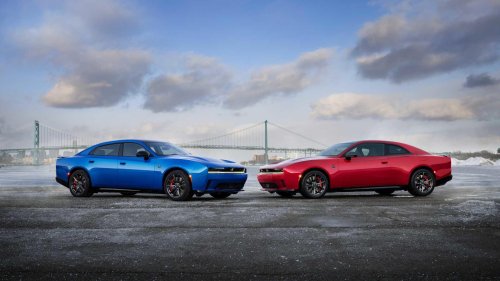
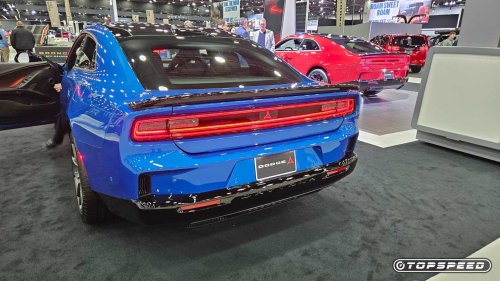
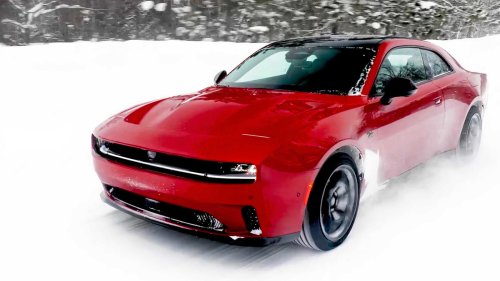
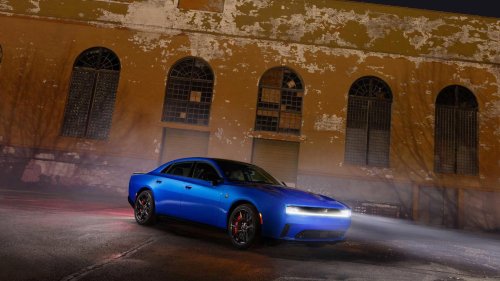
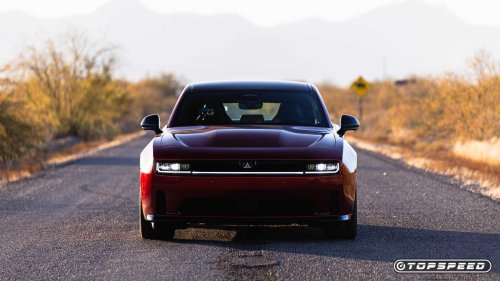
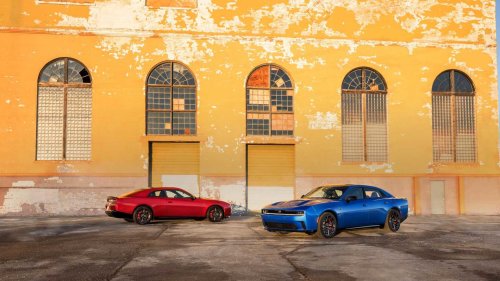
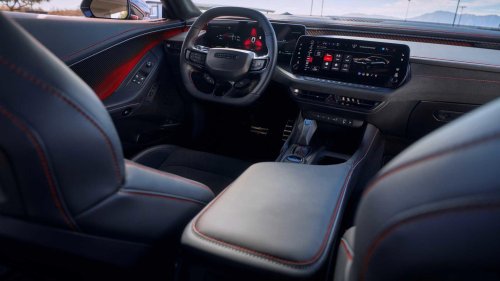
For decades, muscle cars were defined by a simple formula: big displacement, rear-wheel drive, and a thunderous V-8 soundtrack. It was a recipe that prioritized raw emotion over efficiency, noise over nuance, and tradition over innovation. But by 2025, that formula faced a dramatic evolution. Emissions regulations, electrification, and shifting consumer expectations forced automakers to rethink performance from the ground up. Many assumed this would mark the end of the muscle car as we know it. Instead, Dodge chose a different path.Rather than abandoning its heritage, Dodge rebuilt it using entirely new tools. The 2025 Charger doesn't merely swap gasoline for electrons; it attempts to reinterpret what a muscle car can be in a world where performance is no longer tied to combustion. With up to 670 horsepower, standard all-wheel drive, and a controversial synthetic exhaust system, it challenges long-held assumptions about speed, sound, and driver engagement. The result is a car that feels both familiar and radically different. Love it or hate it, the new Charger Daytona represents a turning point, one that forces enthusiasts to confront an uncomfortable but undeniable truth: muscle cars aren't dying. They’re evolving to survive in the modern era. How Dodge Reimagined Muscle For A New Era Dodge Dodge didn't approach the 2025 Charger as just another EV; it treated it as a cultural reset. The brand understood that muscle cars were never purely about engines; they were about identity, attitude, and theater. So, instead of chasing efficiency like most EV manufacturers, Dodge leaned into performance excess. At the core of this reinvention is the all-electric Charger Daytona, built on Stellantis’ STLA Large platform and powered by a dual-motor setup. In its most aggressive Scat Pack form, it produces up to 670 horsepower, firmly placing it in the same conversation as outgoing Hellcat models.Dodge But numbers alone don’t tell the full story. What truly sets the Charger apart is Dodge’s refusal to sanitize the experience. Features like "PowerShot" bursts of extra horsepower and dedicated drift and donut modes reinforce the idea that this isn't just a fast EV; it's a performance machine designed to entertain. Even more telling is Dodge’s decision to offer both electric and internal combustion variants under the same Charger umbrella. While the EV grabs headlines, the turbocharged inline-six "Sixpack" models prove that Dodge isn't abandoning its roots - it's expanding them. In doing so, Dodge redefined muscle not as a specific engine type but as a philosophy: bold, loud, and unapologetically performance-focused, regardless of what powers it. Sound Without Cylinders The Science Behind The Charger’s Synthetic Roar Dodge Perhaps the most controversial and fascinating aspect of the 2025 Charger is its sound. Traditional muscle cars rely on combustion physics to create their iconic roar. Without pistons and exhaust gases, EVs are naturally silent. Dodge’s solution? Invent a completely new type of exhaust system. The “Fratzonic Chambered Exhaust” is unlike anything seen before in a production car. Instead of simply playing audio through speakers, it uses a combination of transducers, amplifiers, and specially engineered chambers to physically move air and generate sound waves.Tom Murphy | TopSpeed This system can produce up to 126 decibels—comparable to a Hellcat—while reacting dynamically to throttle input, speed, and drive modes. Each press of the accelerator changes the tone, mimicking the rising and falling pitch of a traditional engine. In essence, Dodge attempted to engineer an entirely new acoustic experience.Critics argue that it’s artificial, and they’re not wrong. However, that misses the point. Muscle cars have always been about emotional engagement, and sound is central to that. By creating a system that delivers tactile feedback and auditory drama, Dodge preserved a key part of the muscle car identity, even in an electric age. It’s polarizing, yes. However, in a segment built on boldness, that might matter more than authenticity. Instant Torque And AWD Change The Game Stellantis If the sound system is the Charger’s most controversial feature, its performance is its most convincing argument. Electric motors deliver instantaneous torque, something no naturally aspirated V-8 could ever replicate. In the Charger Daytona, that translates into brutal acceleration. The R/T model hits 0–60 mph in 4.7 seconds, while higher trims dip significantly lower.More importantly, the Charger introduces standard all-wheel drive to the muscle car formula. Traditionally, muscle cars relied on rear-wheel drive for burnouts and tail-happy antics. AWD flips that script by maximizing traction, allowing the Charger to deploy its power more effectively in all conditions.2025 Dodge Charger Daytona This isn’t just about straight-line speed; it’s about accessibility. With AWD, drivers can experience supercar-level acceleration without the skill (or risk) traditionally required to manage high-powered rear-wheel-drive machines. At the same time, Dodge hasn’t forgotten its roots. Drift and donut modes allow the car to mimic rear-drive behavior, giving enthusiasts the option to slide the car when they want to. This duality — traction when you need it, chaos when you want it — is what makes the 2025 Charger so transformative. Design That Honors The Past While Embracing The Future Dodge Visually, the 2025 Charger walks a careful line between nostalgia and modernity, and largely succeeds. Dodge designers drew heavily from the 1968 Charger, incorporating elements like the wide stance, full-width lighting, and aggressive proportions. At the same time, the car introduces futuristic features like the “R-Wing” aerodynamic pass-through, which improves airflow while giving the front end a distinctive look. The result is a car that feels instantly recognizable, even without a traditional grille or exhaust pipes.Chris Chin | TopSpeed The new Charger also breaks from tradition in more practical ways. Unlike its predecessors, it’s available in both two-door and four-door liftback configurations, offering increased versatility and cargo space. This shift reflects a broader trend in performance cars toward everyday usability. Inside, the transformation continues. Digital displays, advanced infotainment, and customizable performance settings replace the analog simplicity of older muscle cars. Yet, Dodge retains subtle nods to the past, ensuring the cabin still feels connected to its heritage. In many ways, the Charger’s design mirrors its engineering philosophy of respecting the past, without being constrained by it. A New Breed Of Muscle Why Purists May Resist Dodge For all its innovation, the 2025 Charger is not without controversy, and much of it comes from the very audience Dodge is trying to win over. Purists argue that without a V-8, a muscle car loses its soul. The absence of real combustion, real exhaust, and real mechanical drama is seen as a fundamental betrayal of the segment’s identity. Even with the Fratzonic system, some enthusiasts view the experience as synthetic and contrived. There are also concerns about weight, complexity, and the broader shift toward electrification. Muscle cars have always been about simplicity: big engines, simple drivetrains, and raw power. The new Charger, with its software-driven features and advanced electronics, represents a departure from that ethos.Dodge And yet, resistance to change is nothing new in the automotive world. Every major evolution, from carburetors to fuel injection, from manual transmissions to automatics, has faced skepticism. Over time, performance has always won out. The 2025 Charger may not deliver the same visceral experience as a classic V-8, but it offers something different: instant acceleration, customizable dynamics, and a level of technological sophistication that redefines what muscle car performance can be.Sources: Dodge U.S.




















 +21 others