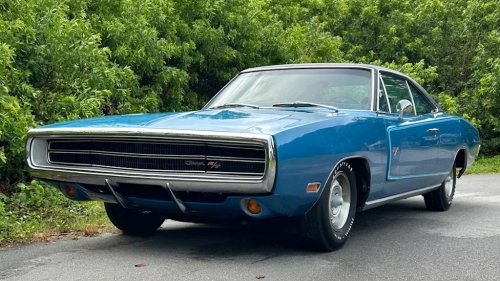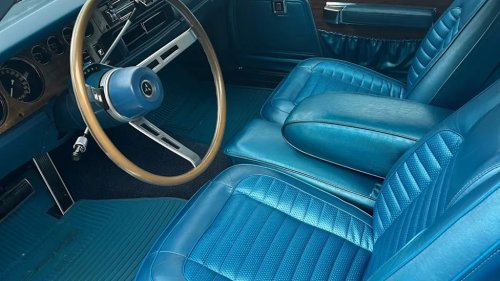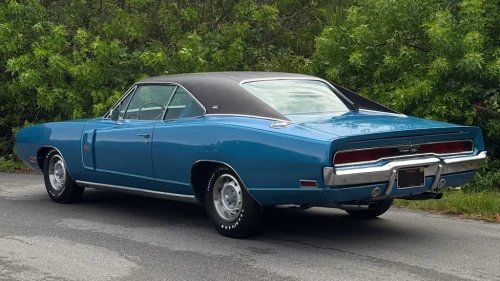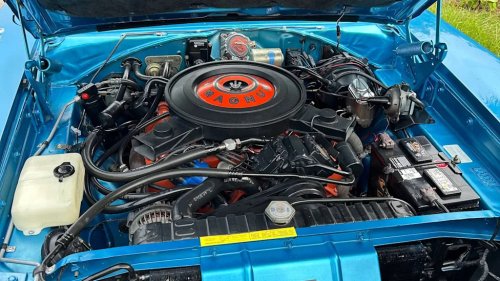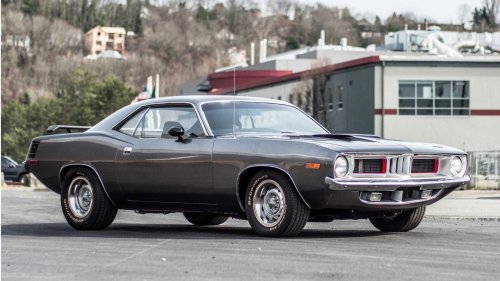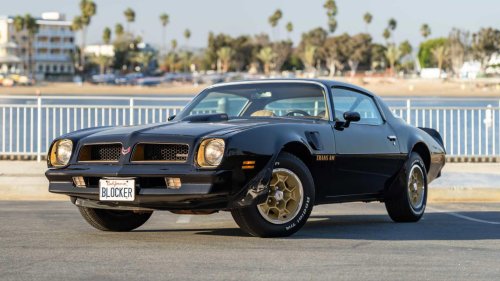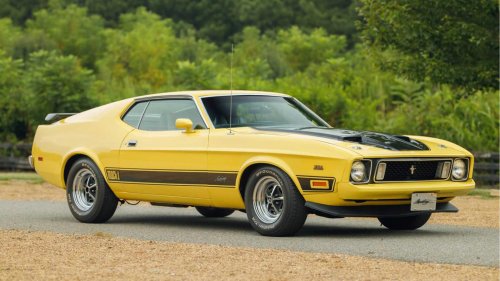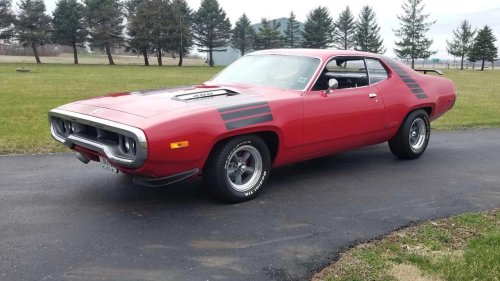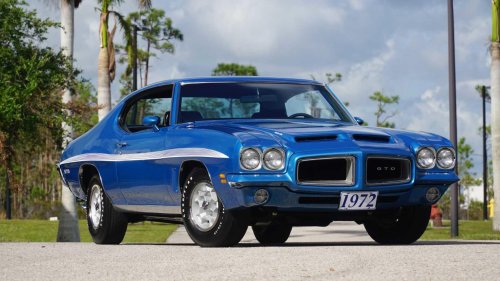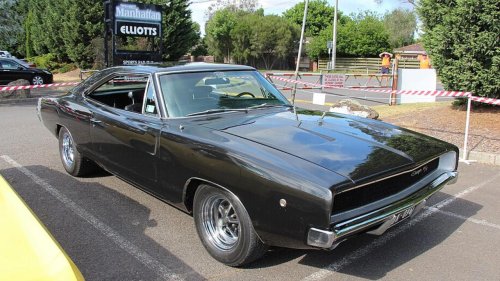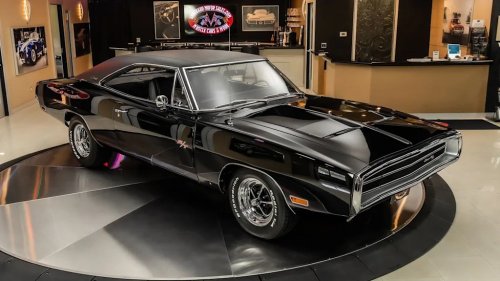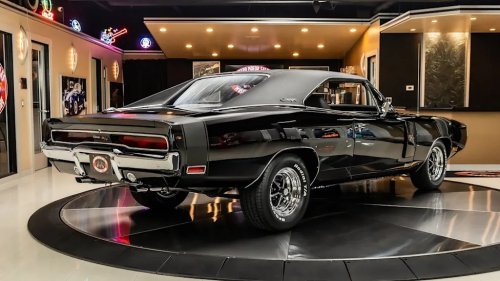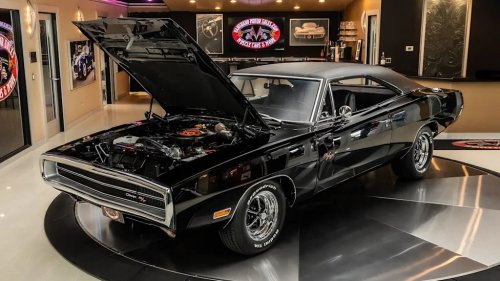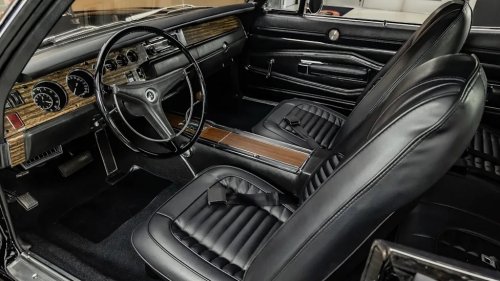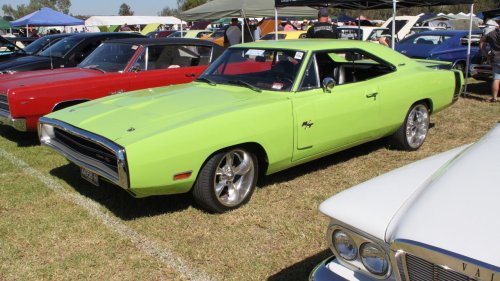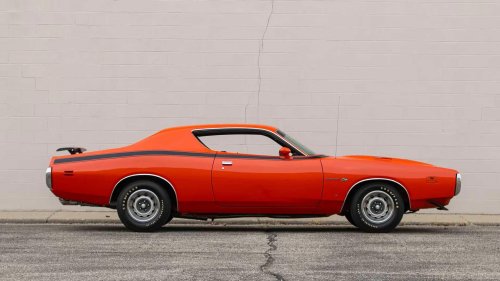
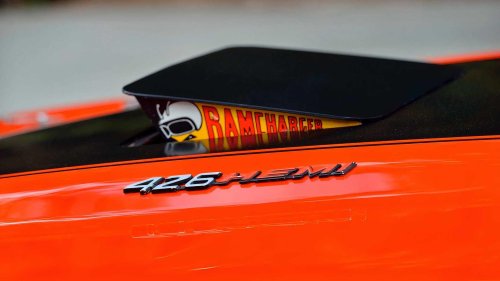
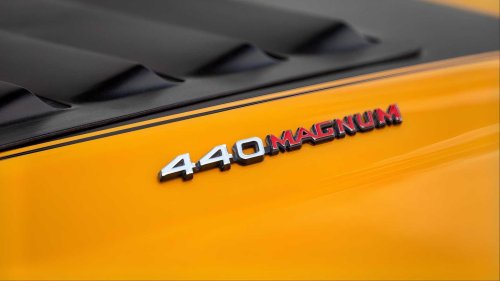
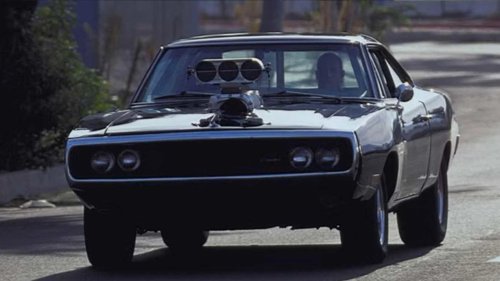
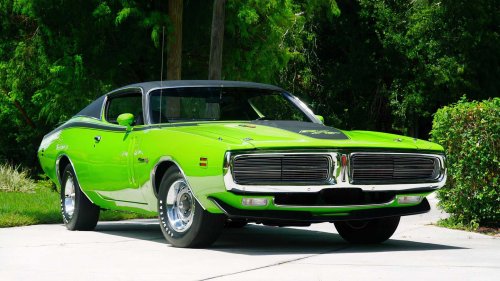



















The early seventies marked the end of brawny muscle cars as people knew them, with an array of factors contributing to their demise. It was something of a perfect storm, one that changed the American automotive landscape beyond recognition and brought about the final days of a golden age. Environmental protection laws, huge insurance premiums on big V8s for young buyers and the 1973 oil crisis looming on the horizon. These are just a few of many reasons leading to drastic changes across the board. What’s more, the switch from gross to net horsepower ratings for the model-year 1972 made things look even worse on paper.Power output had been measured from standalone engines up until then, but the industry-wide adoption of SAE standard J1349 demanded motors to be installed in vehicles with all accessories attached. At the same time, the public’s interest began to shift from outright performance to practicality and comfort, further reducing the muscle car’s desirability. All these elements combined brought a great chapter in auto history to a close. Though it will forever remain in our hearts as one of the best times for a car nut to be alive. And it most certainly went out with a bang. Buyers still had plenty of options to choose from in 1971, including one mean Dodge. The Definitive End Of The Golden Age MecumDetuning and lowered compression ratios were quickly gaining ground, but big-block legends like the LS5-powered Chevy Chevelle SS and Ford’s Torino Cobra pressed on. Plymouth had the Road Runner and GTX with 440 Six Pack or Hemi options, Oldsmobile offered the W-30 package for the 442, and the Buick GS 455 Stage 1 came with a hefty 510 pound-feet of torque. As great as every one of these cult classics might’ve been, the V8 icon we’re here to talk about today is the one most people remember as the last great muscle car. That would be none other than the 1971 Dodge Charger, of course, built on Chrysler’s B-body platform just like the aforementioned Plymouths. Powertrain Specifications The nameplate had just entered its third generation at the time, featuring several changes to its body while retaining the “Coke bottle” styling to a large extent. It came with a split grille and a more rounded overall appearance, while being shorter and a little wider than the second-gen Charger. The car’s wheelbase was reduced from 117 to 115 inches, and a semi-fastback roofline became part of its silhouette up top. One could choose from a broad selection of trim levels and engine configurations, signaling Chrysler’s efforts to appeal to a wider market in anticipation of what was to come. On the one hand, you had the base model and the mid-tier Charger 500, with the latter providing additional comfort and some cosmetic upgrades. One Car, Many Different Flavors MecumThen there was the SE (Special Edition) variant with concealed headlights as standard equipment, a canopy vinyl roof and other luxury options. Performance on a budget was the name of the game for the short-lived Charger Super Bee, but the crown jewel of the entire lineup was obviously the R/T. It came with beefier brakes and suspension, as well as the revered 440 Magnum V8 as the base engine. This big-block behemoth had 375 gross horsepower and 480 lb-ft of torque to play with, breathing through a single four-barrel carb. For a bit more oomph, you could also go with the 440 Six-Pack boasting 385 ponies, 10.3:1 compression and triple Holley two-barrels.However, the real star of the show here was the 426 Hemi, a legendary piece of Mopar history with 425 hp on tap. No longer available after 1971, it packed a hydraulic camshaft, twin Carter four-barrel carbs and a compression ratio of 10.2:1.The 426-cubic-inch monster could be optioned on the R/T for just under $750, which was some serious cash back in the seventies and more than six grand in today’s money. Furthermore, getting a Hemi-powered Super Bee would set you back $883 over the base price of the car. Other engines offered throughout the Charger lineup included the base 225 slant-six and three V8s displacing 318, 340 and 383 cubic inches. Why The Charger Is Remembered As The Last Of Its Kind MecumBut what made the ‘71 Charger more memorable than its rivals, to be remembered as the last great muscle car from the golden age? At the end of the day, a Chevelle SS with LS6 power was almost as fast as a Hemi Charger, the GS 455 Stage 1 from Buick had more torque, and you could get the same Six-Pack or Hemi mills in the Road Runner and GTX.Public perception isn’t always the result of a fully rational thought process, though. So history tends to favor identity and cultural impact over spec sheets. And that’s where the Charger really stood out, thanks in no small part to Dodge always placing greater emphasis on performance branding. In addition, the Charger nameplate simply had a clearer and more consistent identity, often associated with big-block goodness by default. Pop Culture Is Keeping The Charger Alive Universal StudiosPop culture played a key role, too, with The Dukes of Hazzard popularizing it among American audiences between the late seventies and mid-eighties. The show might’ve featured a ‘69 Charger as opposed to its 1971 counterpart, but it still helped it gain a nice bit of clout beyond the car-loving community.Then there was Dom’s 1970 Charger R/T from the first Fast and Furious movie, further solidifying the nameplate’s reputation as the quintessential muscle car. All this screen time contributed to the ‘71 model’s fame, even if it wasn’t quite as esteemed as second-generation Chargers. It did represent the final expression of old-school muscle, arriving right before everything changed as a sort of last hurrah.Its tough personality and big-block DNA were still there as industry trends shifted. So people often view it as the car that bridged the gap between two eras. Then came the model-year 1972 and things were suddenly very different, with compression ratios dropping steeply and power output figures following suit. Mopar gems like the Charger and Challenger became mere shadows of their former selves, and the American muscle car craze was officially over. But the ‘71 Charger made sure it went out with a good fight rather than a whimper, even if Dodge didn’t sell that many of them in R/T form or with Hemi V8s under the hood. It’s almost impossible to talk about this era without feeling a deep sense of nostalgia, because we can hardly imagine something in the same spirit taking place today. Legacy: Where Does The '71 Charger Stand Today? MecumDepending on the trim level and what you'll find under the hood, these old-school Chargers can vary wildly in terms of price and collectability. For instance, one can expect to pay around $25,000 for entry-level and 500 variants in good condition, whereas an SE will set you back an additional five grand or so.Then there are the Super Bee and R/T models, less common and much more desirable with price tags ranging from approximately $50k all the way up to six-digit territory. Hemi-powered Chargers are in a league of their own, and we've seen an automatic Hemi R/T, one of only 33 ever produced, sell for a nauseating $425,000 through Mecum in 2024. That, right there, is supercar money.So, regardless of whether you're looking for a four-wheeled investment opportunity, something to work on in your garage or just a way to look cool on the road without breaking the bank, the Dodge Charger lineup from 1971 has you covered. It was one hell of a note for classic muscle cars to end their heyday on, for sure, remaining firmly ingrained in gearheads' consciousness as a relic of times long gone.