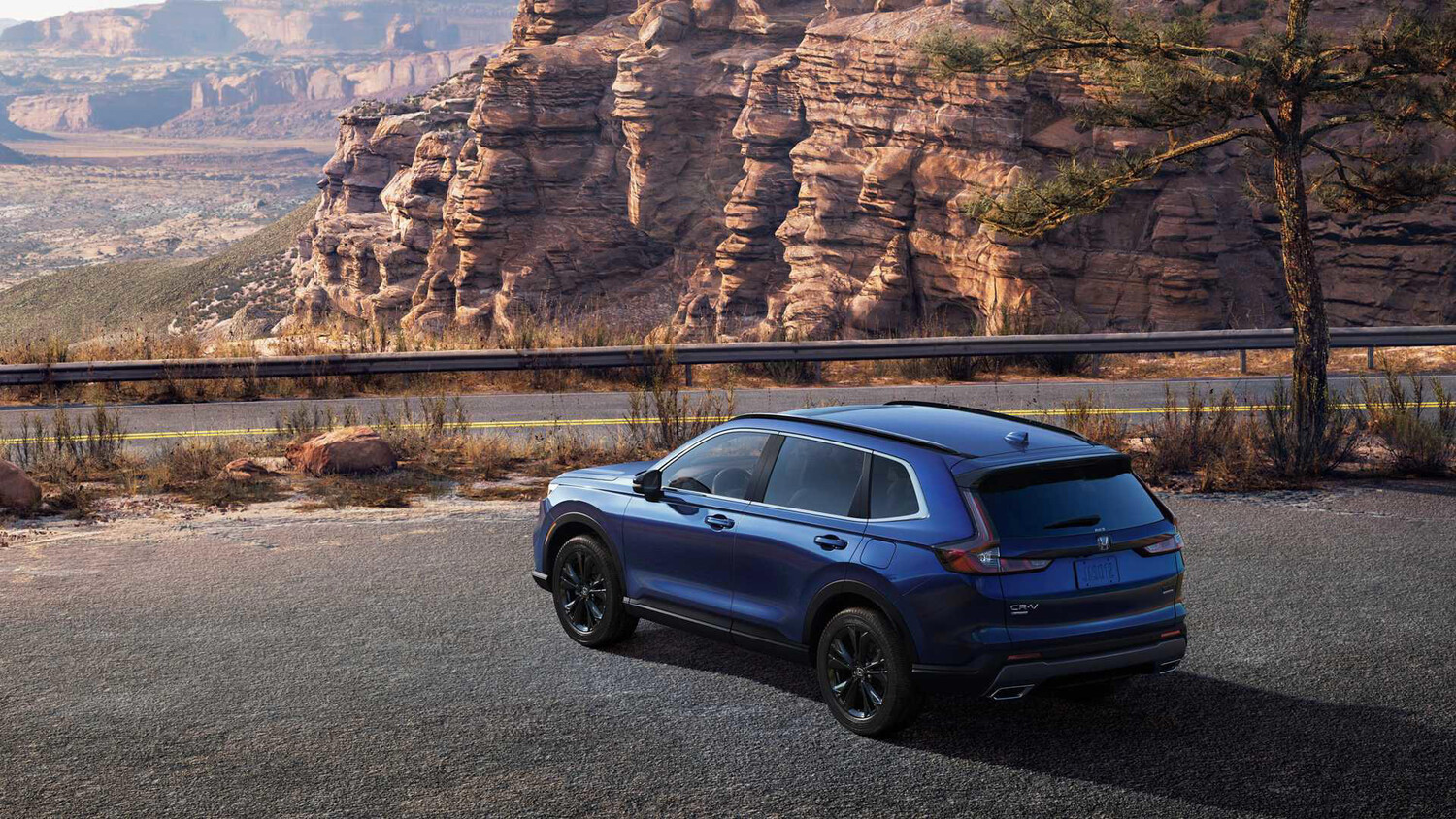
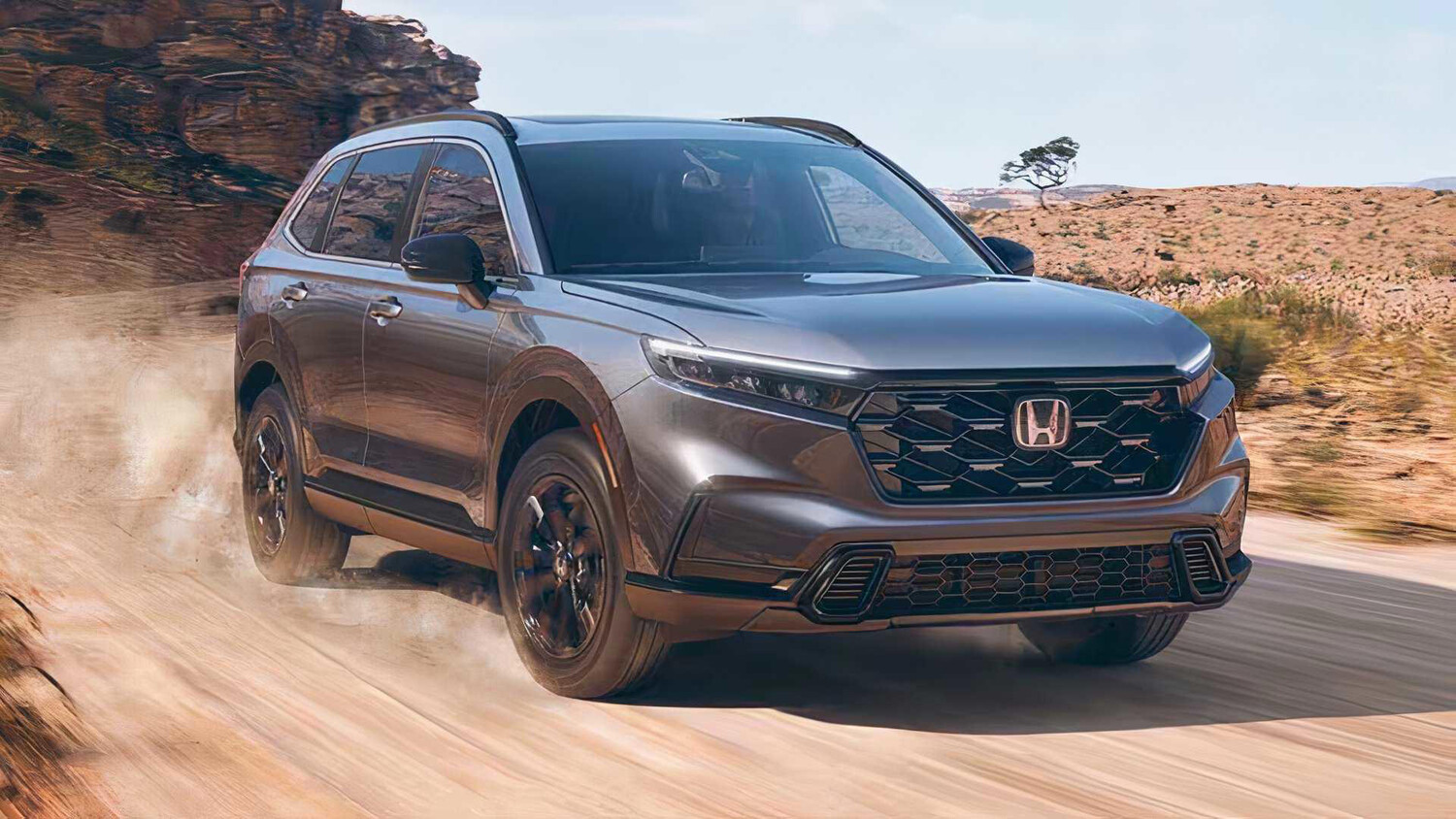
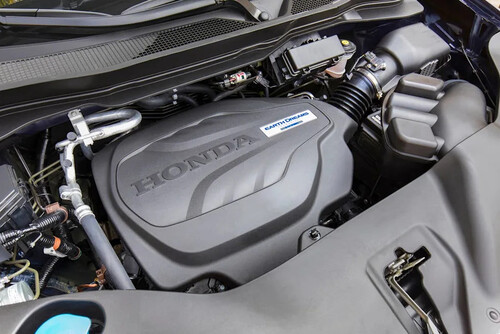
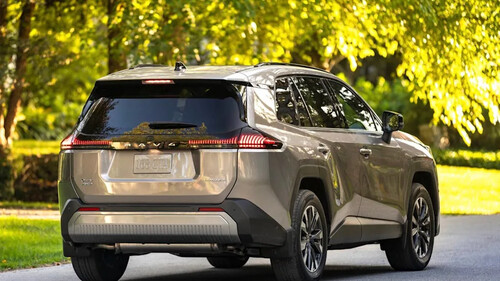
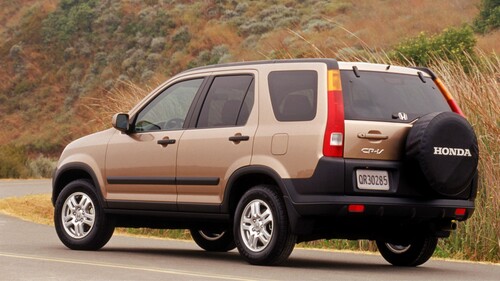
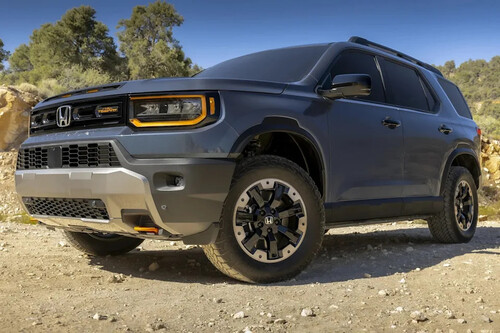
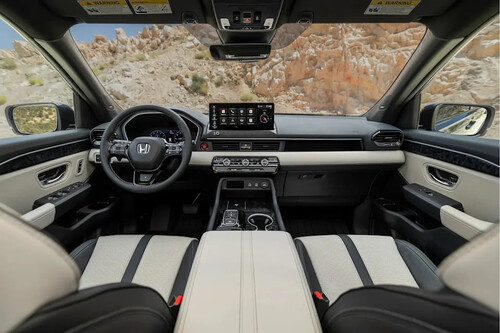
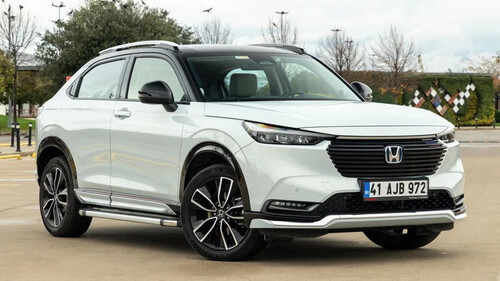
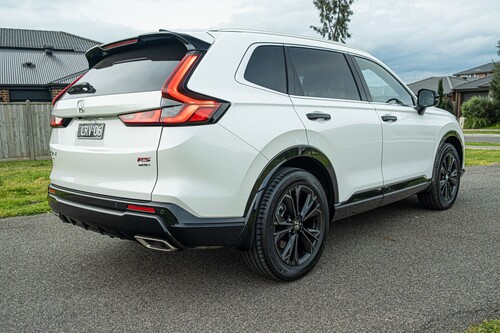
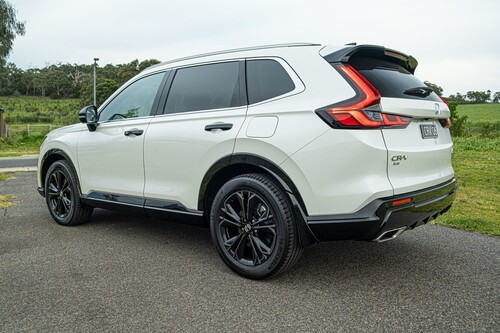
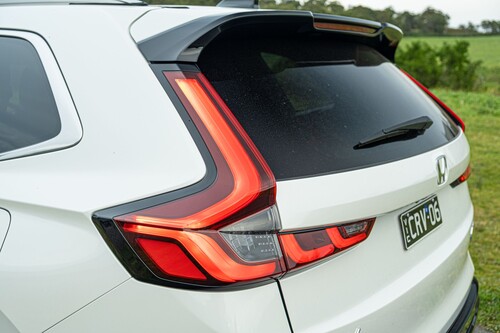
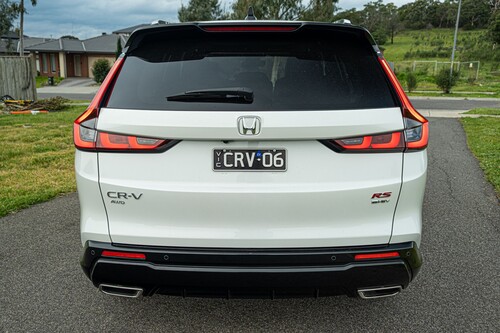
As of 2026, reliability has become the cornerstone of American automotive consumerism. A volatile economic climate is driving this trend, where high interest rates and elevated vehicle transaction prices have forced owners to keep their cars longer than in previous decades. The average cost of routine maintenance is now $1,330 annually, and major repairs, including engine or transmission replacements, often exceed $6,000. This means that consumers are increasingly prioritizing mechanical longevity to avoid the financial strain of out-of-warranty failures.This focus is further intensified by a growing skepticism toward complex new technologies. The 2026 J.D. Power Vehicle Dependability Study recorded some of the highest problem counts in recent years. The electric car and premium segments are the biggest culprits because of their increased reliance on technology. Buyers are now retreating toward established brands and proven internal combustion drivetrains that offer predictable long-term value and lower ownership risk. SUVs Remain The Mass-Market Leaders Honda In 2026, SUVs and crossovers have cemented their dominance in the American market. These higher-riding options now account for over 60 percent of all new vehicle sales as consumers prioritize a more utility-minded lifestyle. This segment's popularity is driven by a unique convergence of superior cargo flexibility, an elevated seating position that enhances road visibility, and recent engineering breakthroughs that have narrowed the fuel efficiency gap between crossovers and traditional sedans.Manufacturers have shown a clear intent to shift their portfolios to be almost exclusively utility-focused. This new family car segment has evolved into the default choice for every demographic. A perceived safety advantage and all-weather capability remain primary psychological drivers for U.S. buyers. Consequently, the traditional three-box sedan has been largely relegated to a specialty category, while the crossover has become the definitive symbol of the modern American driveway, blending the maneuverability of a small car with the rugged aesthetic of an off-roader. Honda's Crossover-Heavy Product Line HondaIn 2026, Honda’s strategy in the SUV and crossover sector is defined by a steady engineering philosophy that prioritizes long-term durability over chasing fleeting technology trends. While many competitors have pivoted toward complex digital interfaces and rapid software deployments, Honda has doubled down on its reputation for mechanical longevity by refining its powertrains to achieve lifespans over 200,000 miles with only routine maintenance required. This is true of its advanced two-motor hybrid systems and robust V-6 models.The Japanese brand's commitment to reliability is reinforced by the standardization of its proprietary safety and driver-assistance suite across the entire lineup. It also benefits from the use of high-rigidity body structures designed to maintain structural integrity over years of heavy use. By focusing on high resale value and low ownership costs, Honda positions its utility vehicles as a hedge against the rising expenses of 2026. It offers consumers a predictable and refined experience that favors consistent performance over flashy, unproven innovations. The CR-V Is A Reliability Masterclass Nicole Wakelin | TopSpeed The Honda CR-V's success is directly tied to its reputation among reviewers and consumers. J.D. Power awards this model with an 83/100 consumer-verified overall score, including 83/100 for quality and reliability, 79/100 for the driving experience, 86/100 for resale, and 83/100 for the dealership experience. iSeeCars awards the same model with an 8.7/10 overall score, including 8.2/10 for reliability, 8.8/10 for retained value, and 9/10 for safety.Honda The publication indicates that this model will boast an average lifespan of 13.9 years or 170,049 miles with a 30.8 percent probability of reaching 200,000 miles. On the depreciation front, you can expect it to lose $10,673 or 34.5 percent of its value after the first five years or 60,000 miles, which is far better than the bulk of its main rivals.The Edmunds owner review page for this model currently features 139 individual submissions for the 2025 model, boasting a 4.2/5 overall score. Key standout qualities include its impressive ride quality, spacious interior, and attractive fuel consumption returns, but it does earn some criticism for struggling with uncomfortable seats, substandard interior quality, and poor engine performance. Appealingly Low Ownership Costs Nicole Wakelin | TopSpeed Another reason why the CR-V presents itself as such an attractive daily driver for those wanting a balanced ownership experience is predominantly thanks to its relatively low long-term ownership costs. According to Edmunds, you can expect to spend $44,074 on a base LX model over the course of five years and 60,000 miles. This accounts for $10,910 worth of depreciation, $5,312 on maintenance, $917 on repairs, and $3,609 on taxes and fees.CarEdge backs this up with a $36,935 average ownership cost estimate over the same period, resulting in the CR-V ranking at 10th in overall value for its segment. The largest expense is depreciation, accounting for $11,062 or 30 percent of the total, though the CR-V maintains a strong residual value of approximately 71 percent during this period. Insurance premiums follow closely at $9,795, while fuel costs are estimated at $7,700. Financing interest adds approximately $5,953, based on a standard 72-month loan with 20 percent down. Maintenance and repairs round out the budget at a relatively low $2,425. Reliability Over Performance Honda The 2026 Honda CR-V is currently the most practical and balanced SUV option one you can consider for several key reasons. The impressive drivetrain stands out as the highlight of the CR-V package. Performance isn't necessarily a priority, but Honda optimizes its refinement and efficiency. The turbocharged 1.5-liter four-cylinder engine produces 190 horsepower at 6,000 RPM and 179 pound-feet of torque at 1,700 RPM.You can fit this to your choice of a standard front-wheel drivetrain or an optional all-wheel drive system, which receives power via a conventional CVT. On the performance front, this is not going to raise the hairs on the back of your neck. Honda doesn't conduct official performance testing on this model, but MotorTrend confirms an 8.7-second 0 to 60 MPH acceleration result for the all-wheel drive model with a 124 MPH top speed limit. Impressive Fuel Consumption Figures Honda While performance isn't outstanding, Honda does supplement this with very appealing fuel consumption. The EPA estimates that the front-wheel-drive model will consume 28/33/30 MPG, while covering a total of 420 miles from its 14-gallon tank. You can expect to save $750 in fuel costs over the course of five years, spend $1,450 on fuel every year, $2.45 to drive 25 miles, and $41 to fill the tank.Upgrading to the all-wheel-drive model means that your consumption worsens to 27/31/29 MPG and range to 406 miles. You'll still save as much as $500 on fuel costs over five years, while spending $1,500 to refuel for the year and $2.53 to drive 25 miles. A Well-Balanced Set Of Trims Honda The non-HEV 2026 Honda CR-V is only available in LX, EX, and EX-L trims, as the Japanese brand preserves the better trims for the hybrid models. Pricing starts at $30,920 for the base model, which increases to $33,150 for the LX and $35,400 for the EX-L. By new carstandards, this is a steep pricing strategy, but it is impressively competitive when you compare it to key rivals operating in the same segment.The 2026 Honda CR-V LX balances utility with modern technology, featuring a significant upgrade to a standard 9.0-inch color touchscreen for all models. Drivers enjoy seamless connectivity via wireless Apple CarPlay and Android Auto, complemented by a standard wireless phone charger and a 7.0-inch digital instrument cluster. Comfort is maintained through automatic climate control, a reclining 60/40 split rear seatback, and a quiet cabin supported by Active Noise Cancellation. For convenience, the LX includes push-button start and remote entry.Honda The 2026 Honda CR-V EX builds upon the LX foundations with premium upgrades focused on driver comfort and utility. Key additions include a one-touch power sunroof, heated front seats, and a 10-way power-adjustable driver’s seat with two-way power lumbar support. Convenience is bolstered by dual-zone automatic climate control, remote engine start, and the Smart Entry system with Walk Away Auto Lock. Entertainment is enhanced via a 240-Watt, six-speaker audio system and additional USB-C charging ports for rear passengers.The 2026 Honda CR-V EX-L elevates the cabin experience with several luxury and tech-focused upgrades over the EX. Inside, you’ll find a leather-trimmed interior, a leather-wrapped steering wheel, and an automatic-dimming rearview mirror. Driver convenience is prioritized with two-position memory settings for the 10-way power seat and a four-way power-adjustable front passenger seat. Tech upgrades are significant, featuring a larger 10.2-inch digital instrument cluster and an enhanced 320-Watt, eight-speaker audio system with HD Radio. Additionally, the EX-L simplifies daily tasks with a power tailgate with programmable height functions and front and rear parking sensors for easier maneuvering.