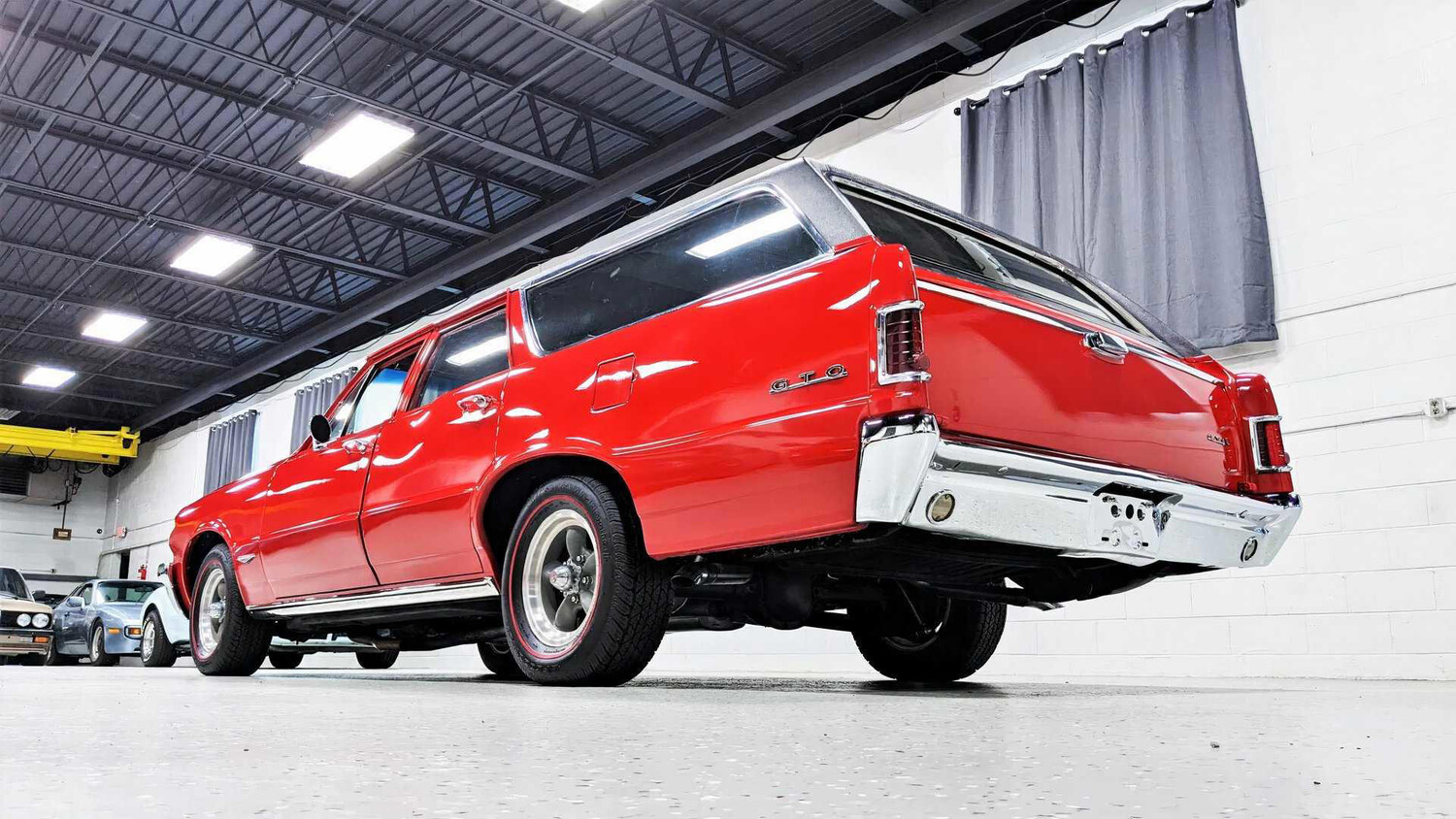
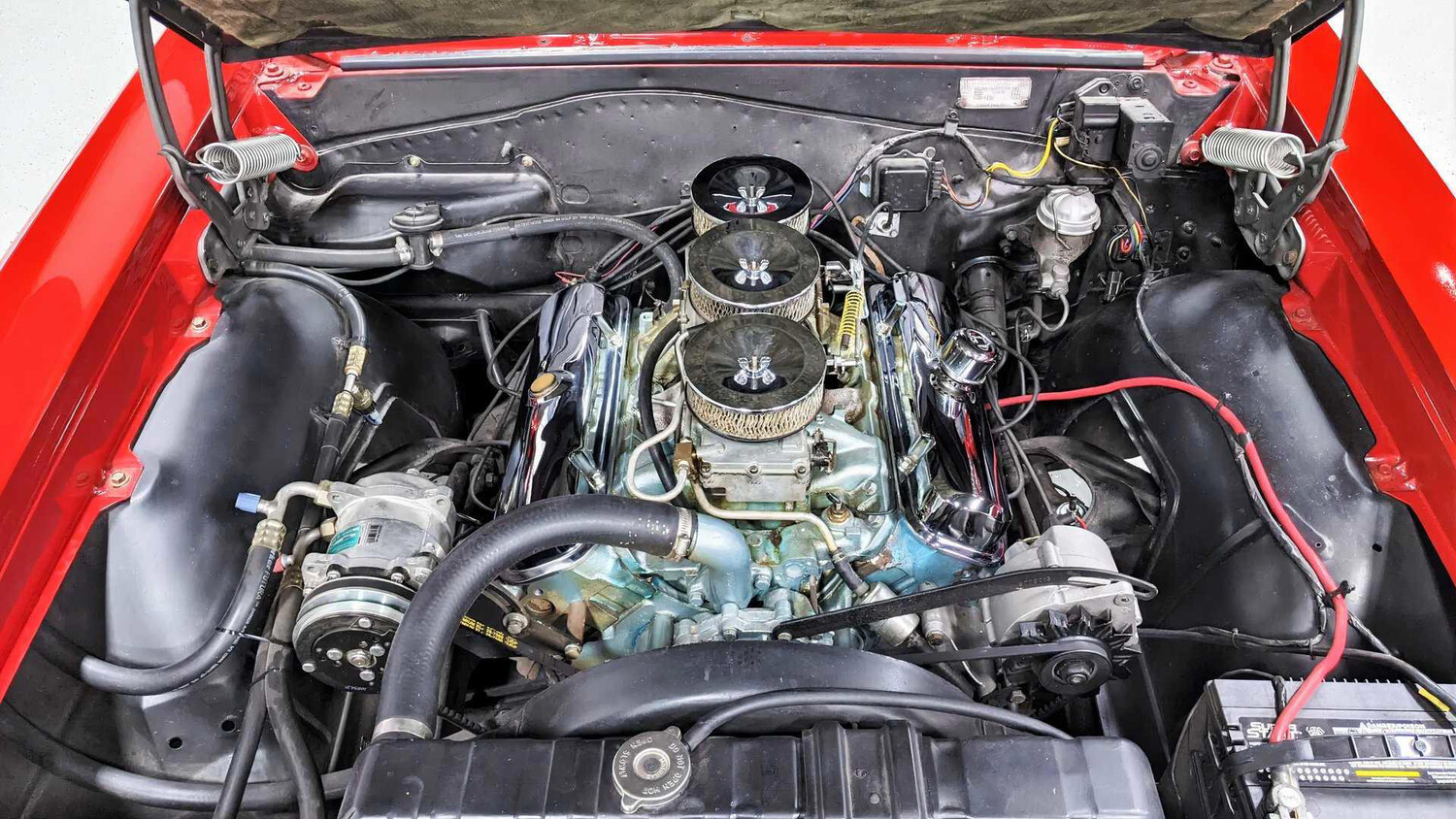
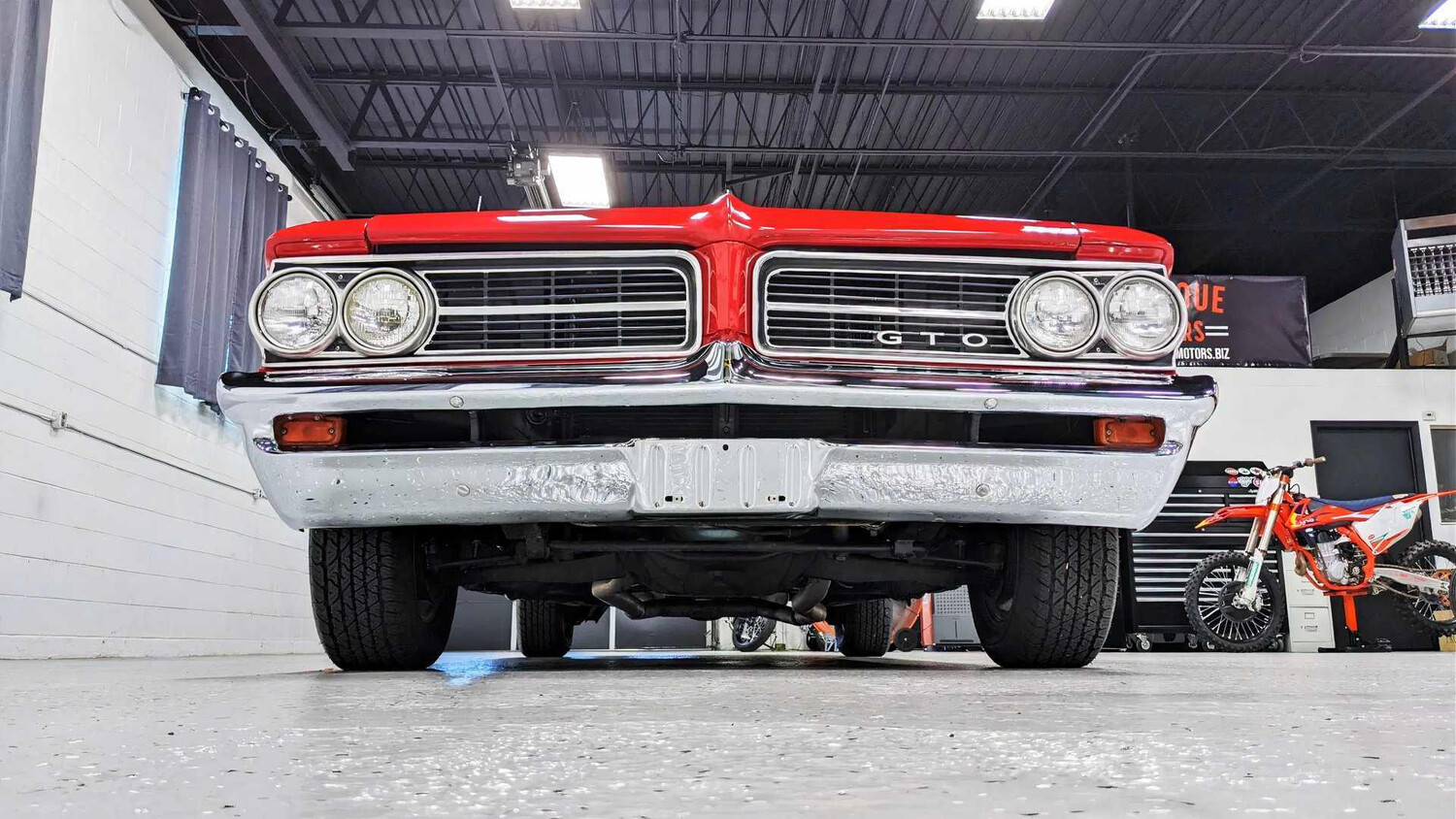
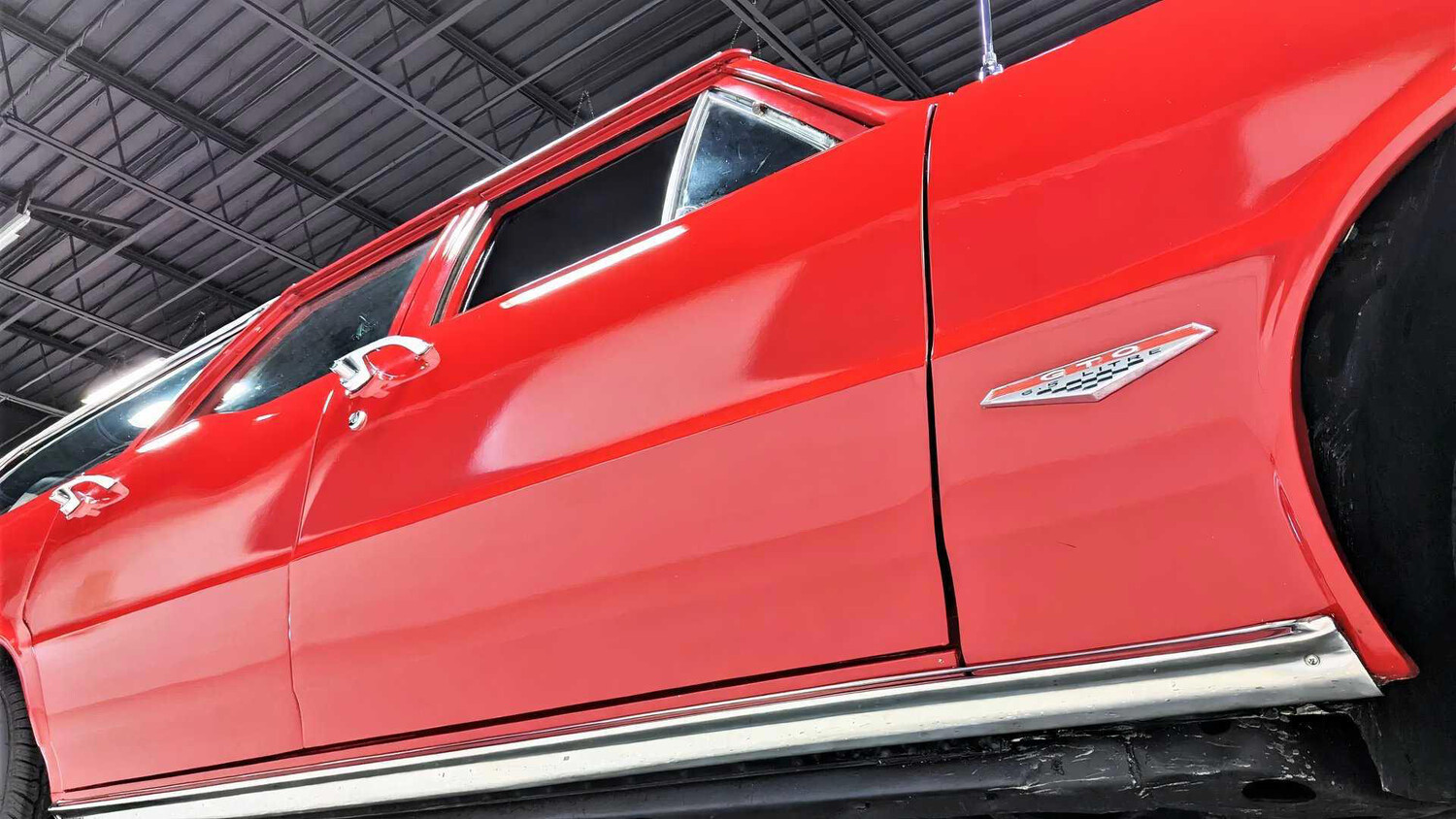
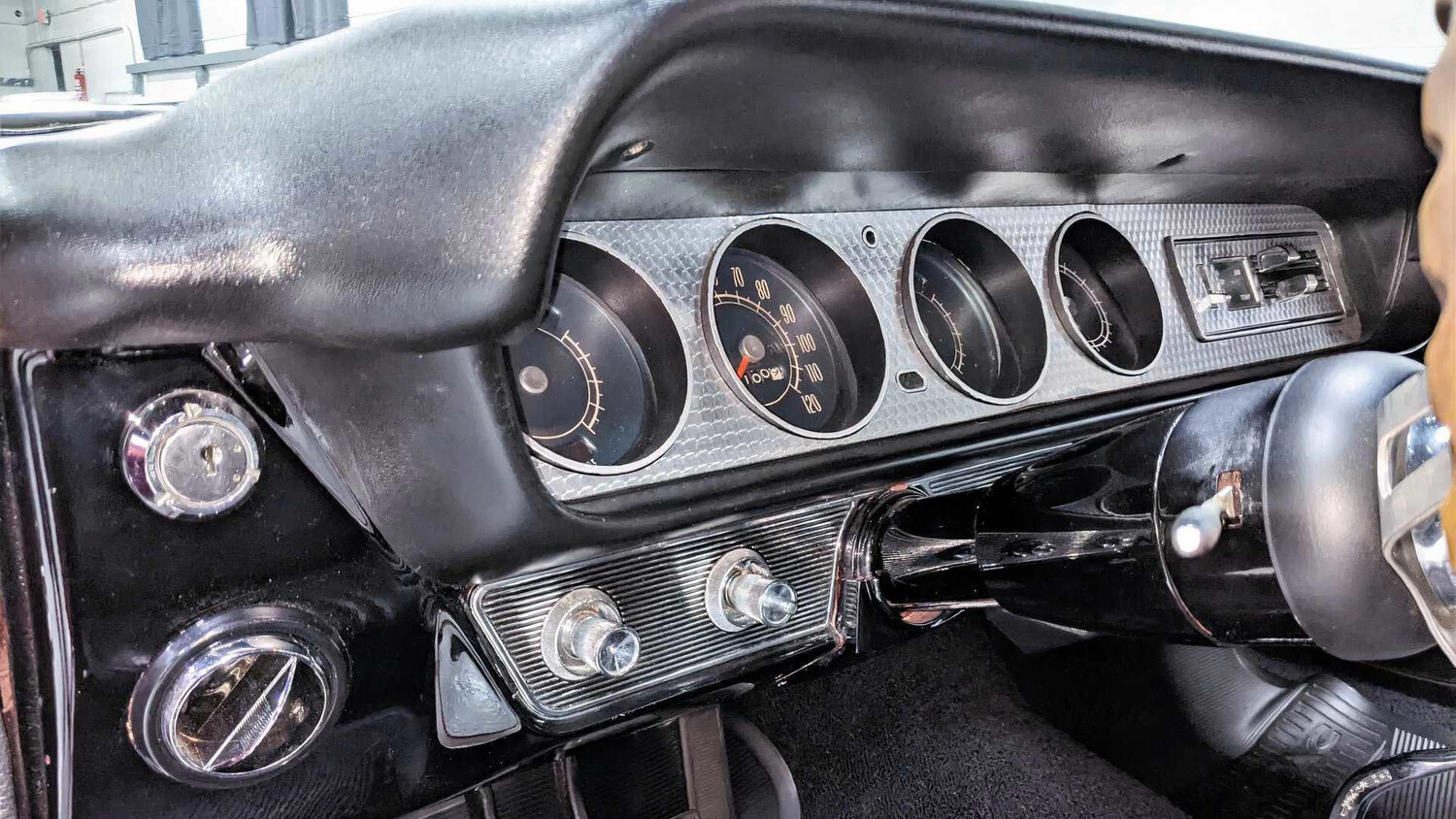
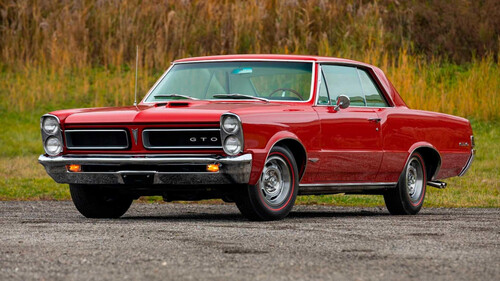
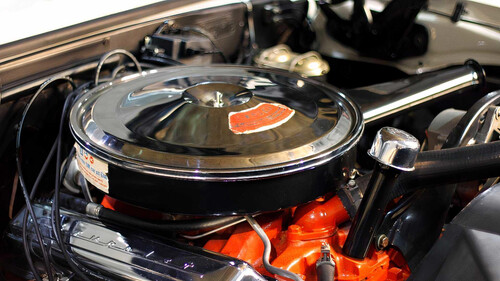
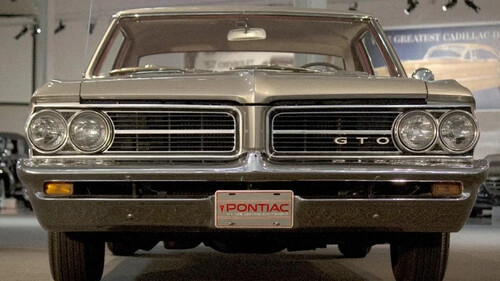
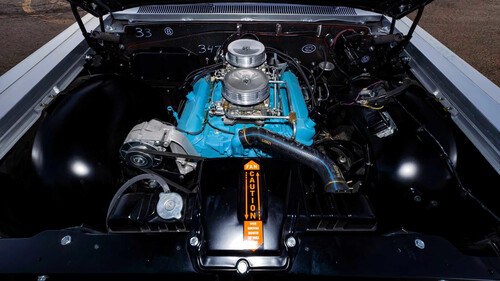
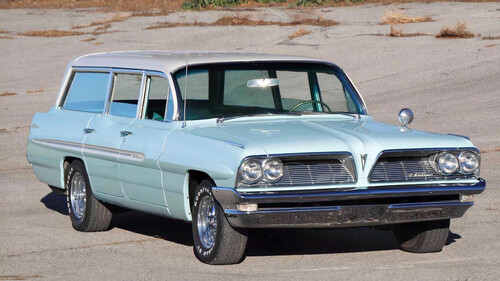
In the early 1960s, American cars fell into two camps: you had your muscle cars, built for straight-line speed and Friday night drag races, and you had your station wagons, designed for hauling kids, luggage, and maybe a dog. The two rarely crossed paths. Performance and practicality were like oil and water—until Pontiac decided to mix them up.In 1964, Pontiac did the unthinkable. They took a family-friendly station wagon and crammed a big, brawny V8 under the hood. It wasn’t just a practical hauler anymore; it had the heart of a muscle car. This wild experiment birthed something truly unexpected: the first muscle wagon. It was fast, loud, and could still fit the whole family. The Birth Of The Pontiac Tempest LeMans Safari Wagon Bring A TrailerPontiac had already made a name for itself in the performance world with the GTO, but what they did with the Tempest LeMans Safari Wagon was next-level thinking. Built on the same A-body platform as the GTO, the wagon was never supposed to be a high-performance machine. Wagons were for soccer moms (or, well, baseball dads), but Pontiac wasn’t about to let that stereotype stick.Bring A Trailer They dropped in a 389 cubic inch (6.4-liter) V8, the same engine that made the GTO a legend. The base version pumped out 325 horsepower, but if you opted for the Tri-Power setup—three two-barrel carburetors—you got a staggering 348 horsepower. This was the kind of power that made muscle cars famous, but now it was wrapped in a long-roof family hauler. For a car designed to pick up groceries, it sure could burn rubber.Bring A Trailer The surprising part was how seamlessly Pontiac managed to blend the worlds of muscle cars and family wagons. The 389 wasn’t just there to make noise—it transformed the driving experience. It gave the Tempest an aggressive throttle response, a deep, throaty exhaust note, and the kind of acceleration that could make passengers instinctively grab onto the door handle. Despite its long wheelbase and wagon proportions, it was built for more than just highway cruising—it had real performance chops. Looks The Business (Without Losing The Wagon Vibe) Bring A Trailer The Tempest LeMans Safari Wagon didn’t just surprise people with what was under the hood—it looked the part too. While it had all the trademarks of a classic station wagon (long body, roof rack, massive cargo area), it also borrowed styling cues from its muscle car siblings. The aggressive split grille, sharp body lines, and available chrome trim gave it a touch of Pontiac’s performance DNA. You could get bucket seats, a center console, and even a floor-mounted shifter if you wanted to pretend you were in a GTO instead of a family hauler. The Tempest Looked The Part As Well As It Played It Bring A Trailer And let’s talk about that stance. This wasn’t some wallowy land yacht—it sat confidently on wide tires, ready to put its power down. The best part? It looked unassuming enough that it became the ultimate sleeper car. People expected station wagons to be slow, but this one could leave them in a cloud of tire smoke.Pontiac also made sure that owners had some flexibility when it came to customization. The Tempest LeMans Safari Wagon came in a range of colors, from understated factory shades to bold, high-impact hues. You could outfit it with a variety of wheel options, from classic hubcaps to sporty rally wheels that gave it an even more aggressive look. Even the chrome detailing added a touch of class, proving that this was a wagon meant to turn heads while turning tires. A Muscle Car In Disguise Bring A Trailer When people think of muscle cars, they picture two-door coupes ripping down the quarter-mile. What they don’t expect is a station wagon doing the same thing. But Pontiac didn’t care about expectations—they cared about speed.With the 389 V8 under the hood, the Tempest LeMans Safari Wagon could easily embarrass many so-called "performance" cars of its time. Opt for the four-speed manual transmission with a Hurst shifter, and you have a legit muscle car experience—just with way more trunk space. The Tempest Wasn't A One-Trick Pony Bring A Trailer Handling? Surprisingly decent. Sure, it was still a big car, but Pontiac tuned the suspension well enough that it didn’t feel like you were piloting a barge. And with power steering and optional power brakes, you could actually enjoy the drive instead of wrestling with the wheel at every turn. Straight-line speed, decent handling, and enough space to take the whole crew along for the ride? Pontiac was onto something.And it wasn’t just about straight-line performance. The wagon’s suspension setup borrowed heavily from Pontiac’s sportier models, ensuring that it could handle twisty roads better than most people expected. Its weight distribution, while still front-heavy due to the big V8, was balanced enough to give it confidence in the corners. Plus, with its upgraded brakes, it wasn’t just about going fast—it could actually stop, too. A Wagon That Changed The Game Bring A Trailer The Tempest LeMans Safari Wagon 389 V8 wasn’t just a quirky one-off—it was a game-changer. Pontiac proved that performance and practicality could live in the same package. It wasn’t just about making station wagons faster; it was about proving that family cars didn’t have to be boring.This mindset eventually led to other high-performance wagons down the road, influencing everything from muscle wagons in the ‘70s to modern-day performance SUVs. Pontiac may not have known it at the time, but they were pioneers of a movement that still lives on today.And let’s be real—Pontiac’s gamble paid off in more ways than one. They didn’t just sell cars; they started conversations. Imagine the surprise of a muscle car owner getting dusted at a stoplight by a station wagon full of kids and groceries. It was an era when automakers took risks, and Pontiac’s bold move made sure the Tempest LeMans Safari Wagon would be remembered long after its production ended. A Rare Collector’s Dream Bring A TrailerThese days, finding a Tempest LeMans Safari Wagon is like finding a unicorn. While plenty of standard Tempest wagons were built, very few came with the big V8. That makes surviving examples incredibly rare—and valuable. Tempest Values Today The average used price for a Tempest today is nearly $30,000, with the highest recorded sale being $43,150. Collectors and enthusiasts love them for their unique place in automotive history. They weren’t just family cars, and they weren’t just muscle cars. They were something in between, and that makes them special.Bring A Trailer If you ever come across one at a classic car auction, expect to see some serious bidding wars. And let’s not forget—finding an original, unmodified example is nearly impossible. Many of these wagons were either driven hard and retired, or they were modified by gearheads who wanted to push their performance even further. A factory-correct 389-powered Tempest Wagon? That’s the holy grail.