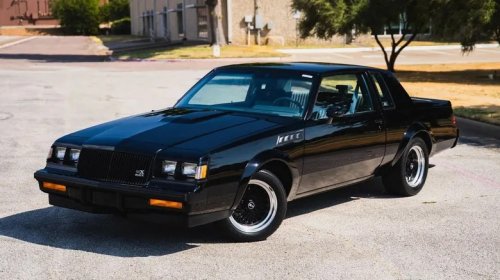
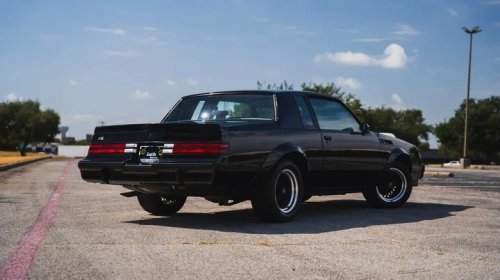
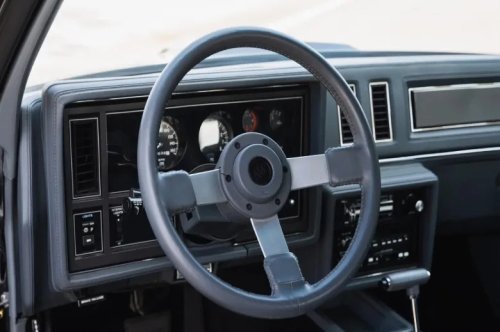
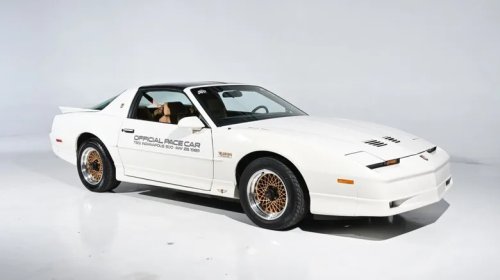
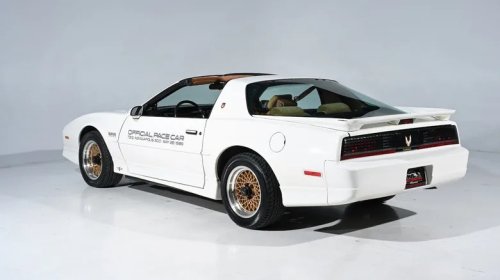
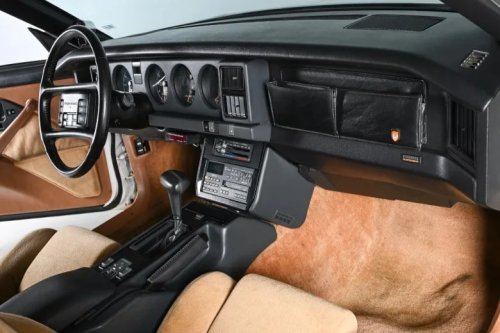
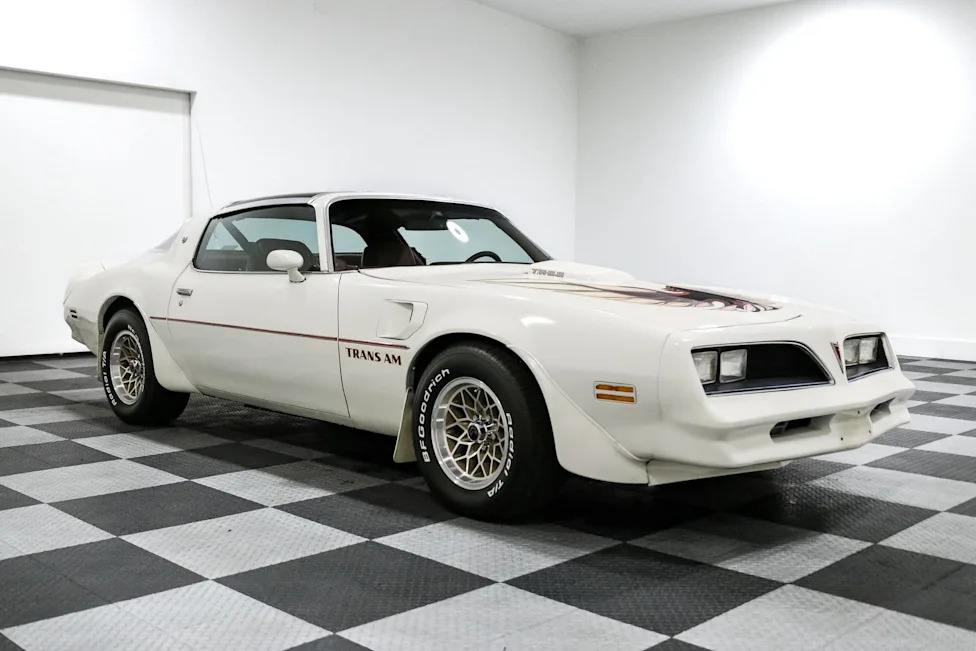
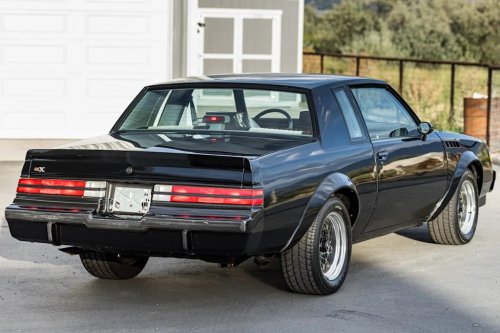
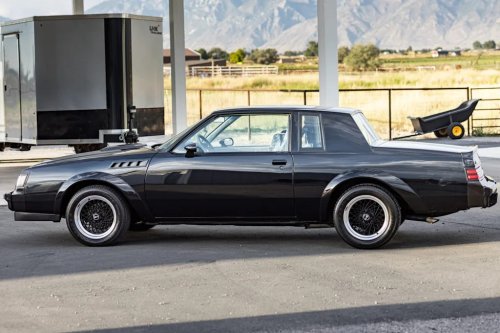
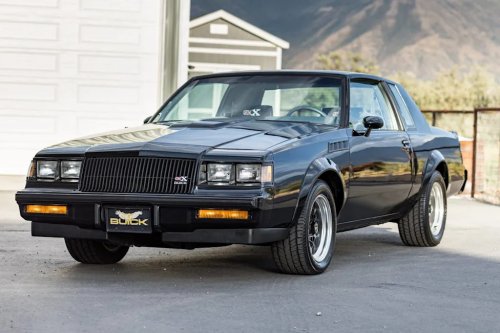
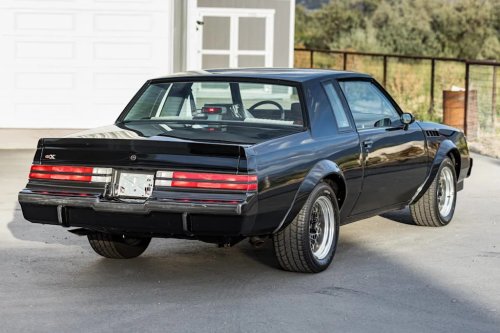
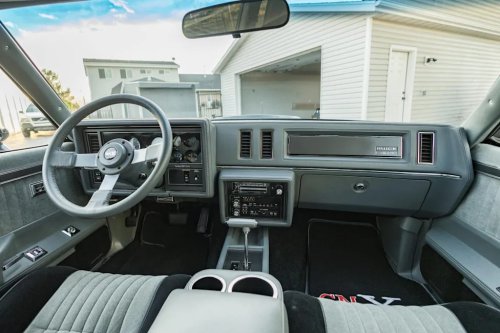
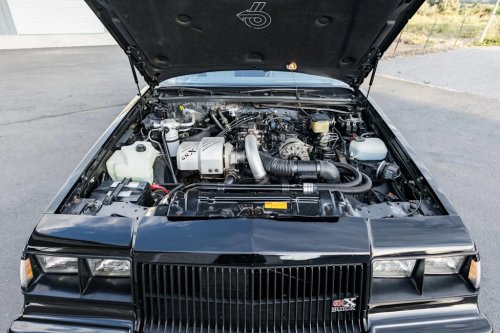
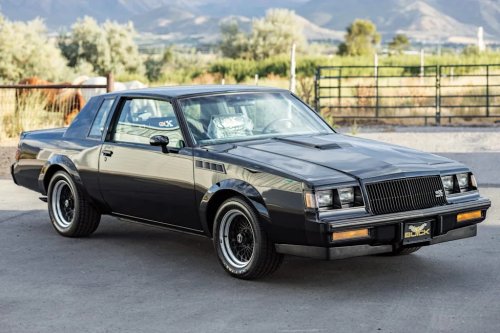
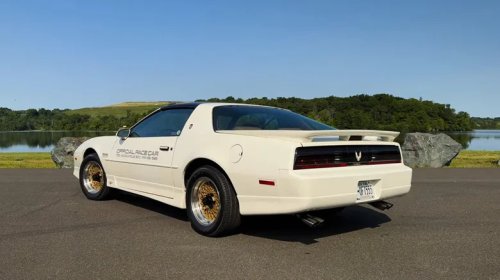
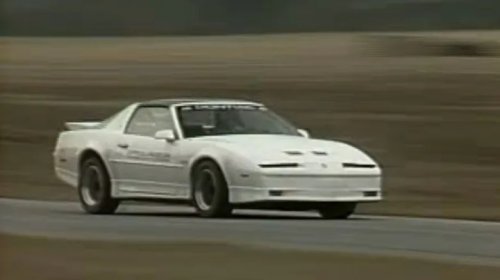
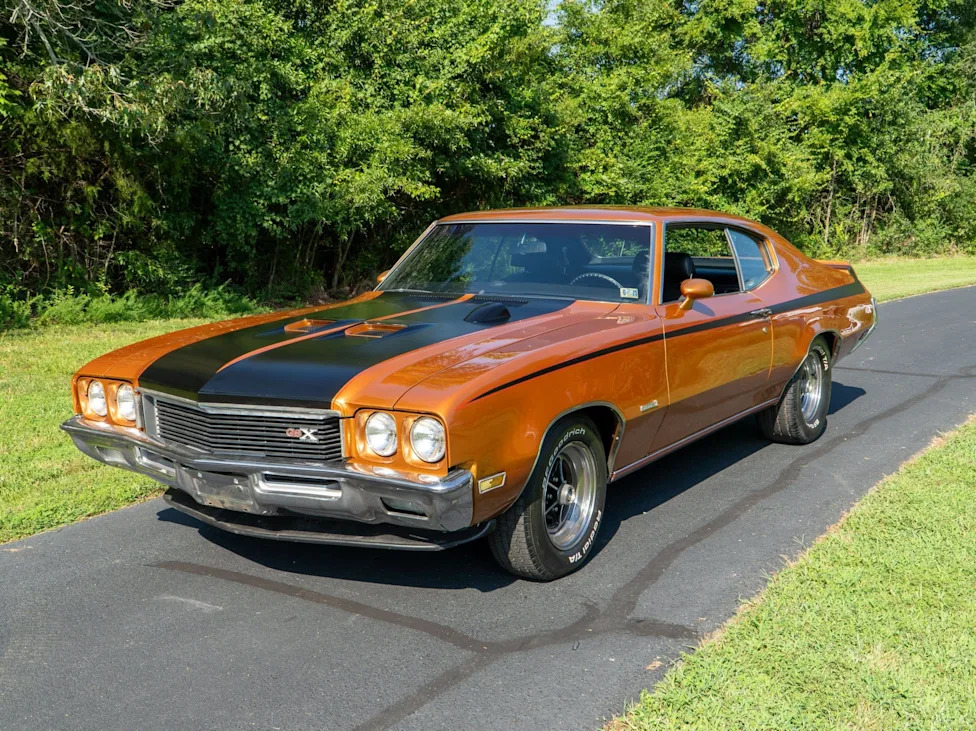
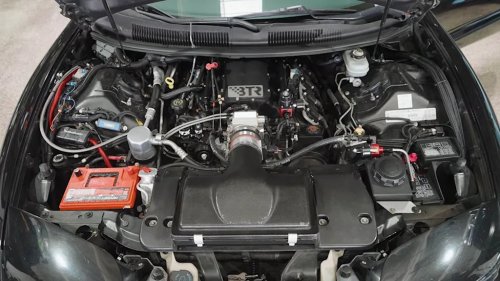
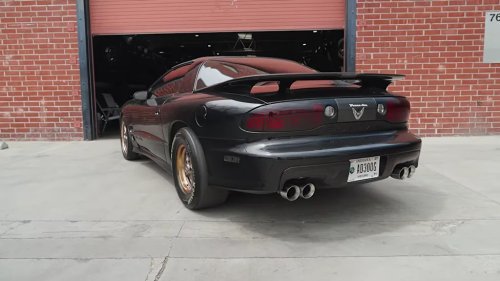
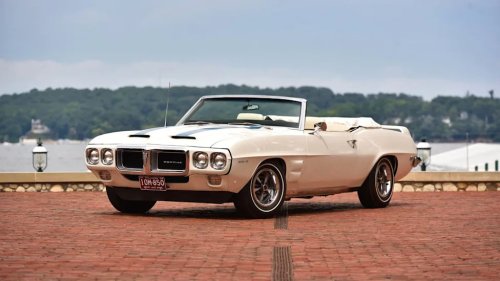
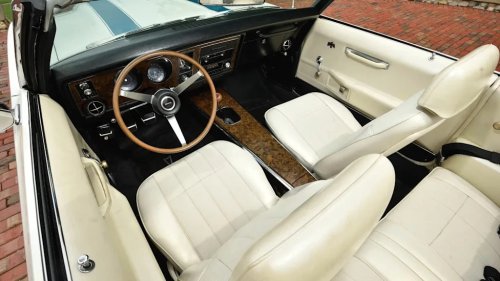
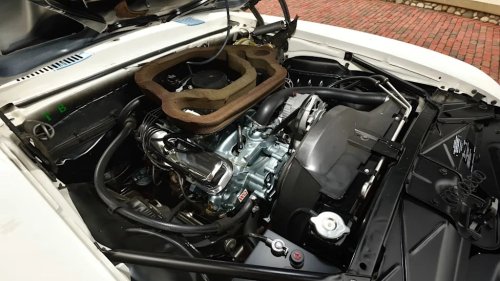
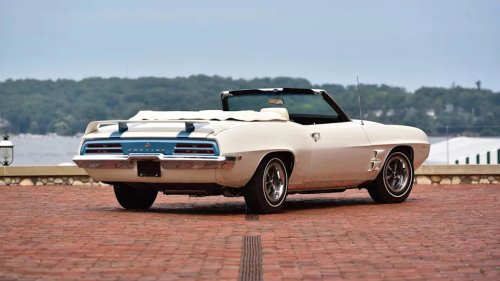
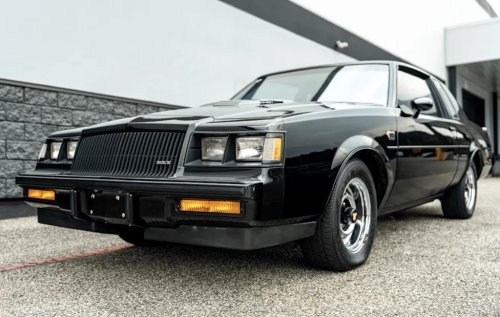
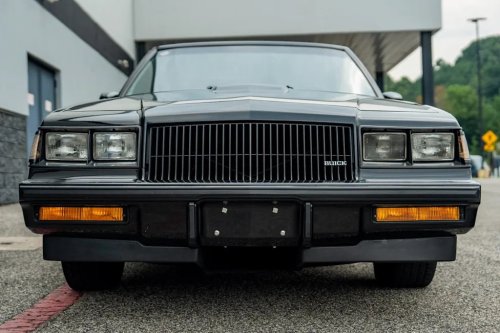
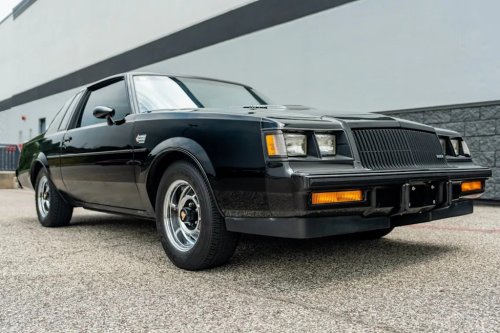
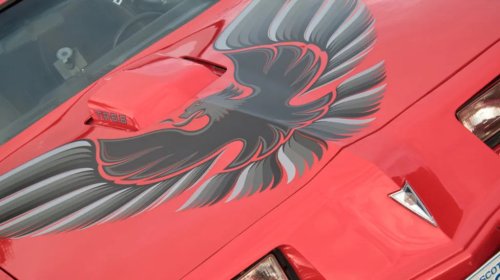
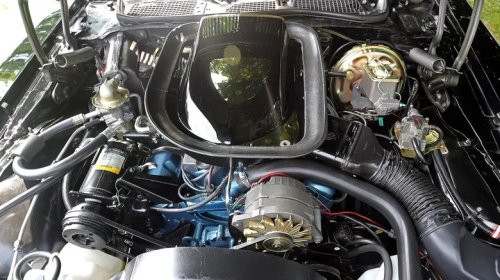
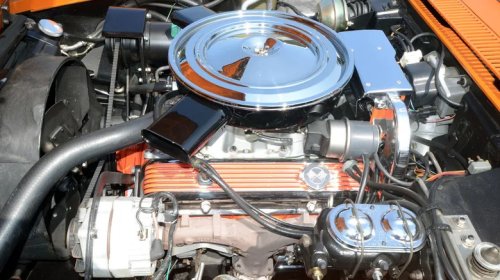
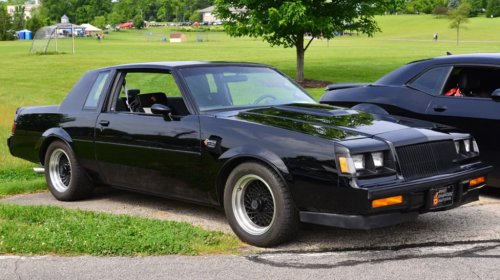
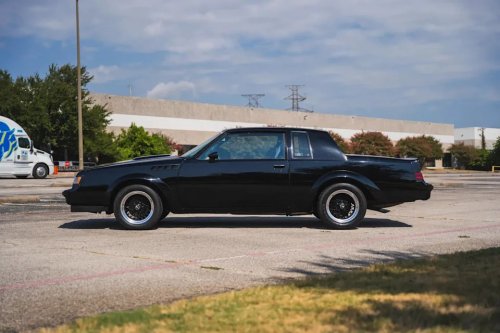
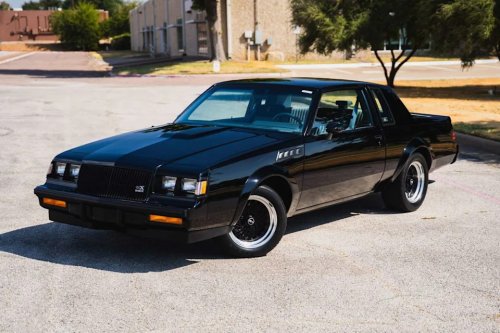
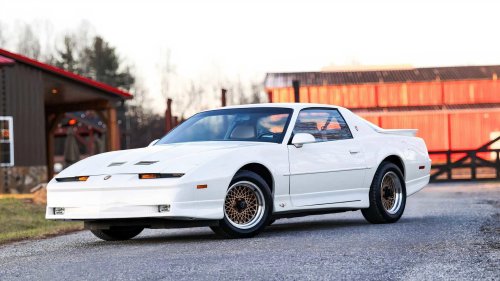
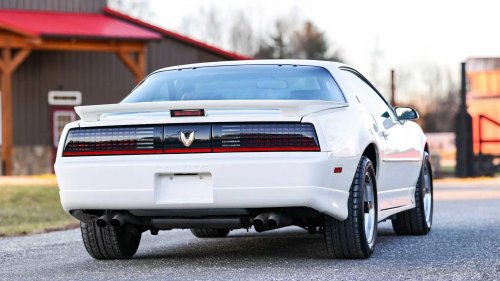
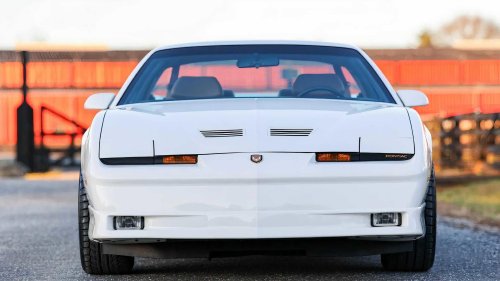
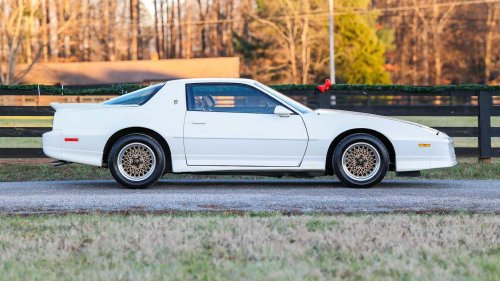
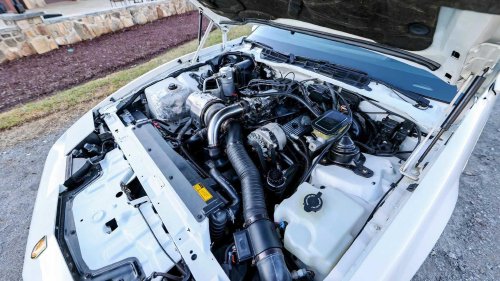
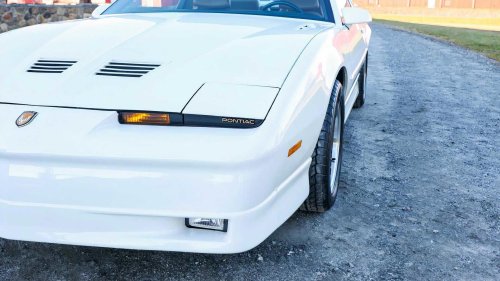
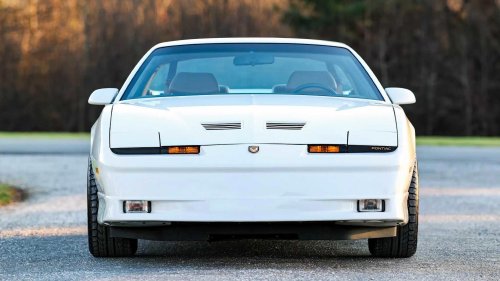
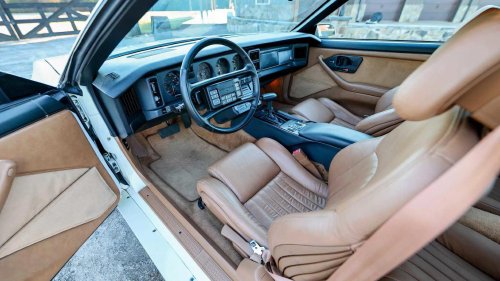
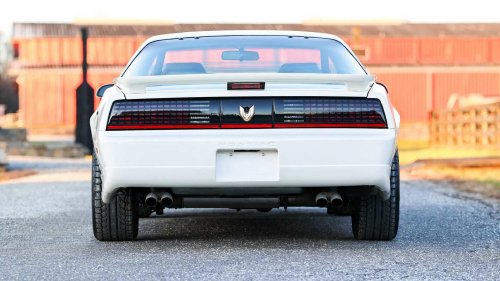
In the late '80s, American performance was clawing its way back from the dark ages. Turbocharging was suddenly cool again, and General Motors had a few tricks up its sleeve. One of them became a cult icon: the Grand National. But what followed was even more refined, faster, and rarer. Yet somehow, it slipped under the radar.This follow-up came with a familiar heart, but a slicker body and a surprising badge. It was faster than the Corvette of its time, rarer than a GNX, and packed with performance tech few expected from a muscle car platform. Despite all that, it lasted just one model year. And even among diehard gearheads, it barely gets a mention. The Pontiac Turbo Trans Am Was A Grand National's Spiritual Successor Bring A TrailerUnderneath its flashy white paint and pace car decals, the 1989 Pontiac Turbo Trans Am was packing Buick heat. Specifically, it used the same 3.8-liter turbocharged V6 that made the Buick Grand National such a menace. But this wasn’t just a rehash. Buick engineers tweaked the block, fitted better internals, and improved the breathing. The result was a factory rating of 250 horsepower and 340 lb-ft of torque. But real-world numbers were closer to 300 horses and 360 lb-ft.Bring A TrailerAll of that power went through a 4-speed 200-4R automatic transmission and a limited-slip rear differential. On paper, that might not sound mind-blowing. But in the real world, it was a different story. The Turbo Trans Am could rocket from 0 to 60 mph in just 4.6 seconds and tear through the quarter-mile in 13.4 seconds, which was faster than the C4 Corvette and practically neck-and-neck with the Ferrari 348.Buick’s turbo V6 had matured by this point. With improved tuning and intercooling, it provided neck-snapping torque and excellent mid-range punch. And unlike the GNX, the Turbo Trans Am was wrapped in a sleeker, lighter Firebird body, improving the power-to-weight ratio significantly. GM’s Best-Kept Secret Was Built To Be A Pace Car First Bring A TrailerIronically, this high-performance Buick-powered machine wasn’t built to be a halo car. It was created to serve as the official pace car for the 73rd running of the Indianapolis 500 in 1989. Pontiac needed something special to fill that role, and GM’s turbocharged V6 was the perfect fit.But GM’s engineering departments weren’t exactly in sync. Since Pontiac didn’t have a turbo motor ready for production, they turned to Buick’s proven engine. That’s how the Buick Turbo Trans Am came to exist, through a blend of urgency, corporate resource-sharing, and some lucky engineering.Bring A TrailerTo make it all work, Pontiac enlisted ASC to help modify the Firebird GTA chassis to fit the Buick V6. This required reshaping the front crossmember and other tweaks to accommodate the wider oil pan and different exhaust routing. The intercooler was also a tight fit. But the results were worth it. What started as a marketing exercise ended up being one of the fastest American cars of the decade.Even more surprising was that all 1,555 examples of the Buick Turbo Trans Am were fully street-legal. There was no getting around it: these were real, road-going weapons. Faster Than A Corvette, But Nobody Noticed Bring A TrailerThe C4 Corvette of the late '80s was no slouch. But it had a problem: the Turbo Trans Am was quicker and cheaper. In 1989, a new Corvette would cost you around $32,000. The Buick-powered Trans Am was just $29,000. And for that, you got a car that could out-accelerate the flagship.The Turbo Trans Am delivered torque almost instantly, thanks to its turbocharged setup. That gave it a much more dramatic launch off the line compared to the high-revving Corvette V8. The TTA’s 200-4R transmission was also better tuned for quick shifts and low-end grunt.Bring A TrailerIn back-to-back testing, major publications at the time repeatedly showed the Turbo Trans Am outperforming the Corvette in the quarter-mile, 0-60 sprints, and even in mid-range roll races. The Corvette might’ve had the prestige, but the TTA had the pace.So why didn’t anyone care? Partly because the Trans Am wasn’t supposed to steal the Corvette’s thunder. GM made sure the Turbo Trans Am flew under the radar. It didn’t get a full ad campaign. It didn’t get a multi-year run. It didn’t even get follow-up development. One year, 1,555 cars, and that was it. This Turbo Trans Am Is Rarer Than A GNX Bring A TrailerYou’d think something faster than a Grand National and cheaper than a Corvette would be a slam dunk success. But with just 1,555 units built, the Buick Turbo Trans Am makes the GNX look mass-produced by comparison.Of those, only 187 came without T-tops, making them even rarer. And only 24 were equipped with cloth interiors. All were finished in white with saddle interiors, and many wore Indy 500 graphics, though these could be deleted. Under the skin, each was essentially a one-off, with ASC’s hand in modifying the engine bay, transmission, and cooling system to fit the Buick V6.Bring A TrailerIt was as close to a factory hot rod as GM ever dared get. The GNX may have more mystique today, but the Turbo Trans Am arguably offered more performance, better handling, and a sleeker look. It was a swan song for both the turbo V6 and for the wild, unpredictable era of 1980s GM muscle.Today, finding one in clean, original condition can be tough. Prices have crept up slowly, but they still hover between $30,000 and $45,000 for a solid example. That’s a bargain for something this fast, rare, and historically significant. Why The Turbo Trans Am Deserves More Respect Bring A TrailerIn hindsight, the Turbo Trans Am should’ve been a bigger deal. It combined the best of Buick’s powertrain engineering with Pontiac’s sharper chassis and sleeker design. It beat Corvettes, humbled imports, and set the pace at Indy. It was the final evolution of the turbocharged Grand National concept, just in a different body.Yet it never got the recognition it deserved. No big marketing push. No second-generation model. It was released quietly, sold quickly, and faded just as fast. Most people didn’t even realize Buick had a hand in it.Bring A TrailerBut for those in the know, the Turbo Trans Am stands as one of the greatest performance bargains GM ever built.




















 +16 others