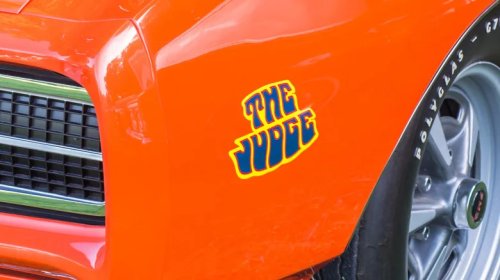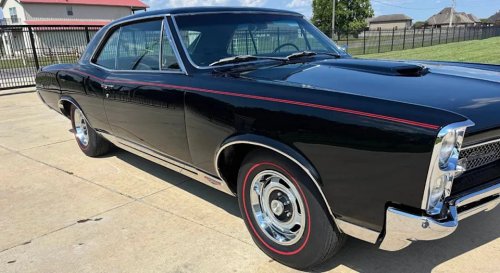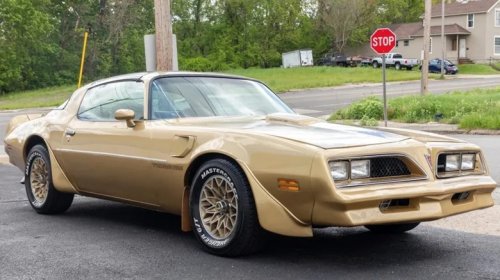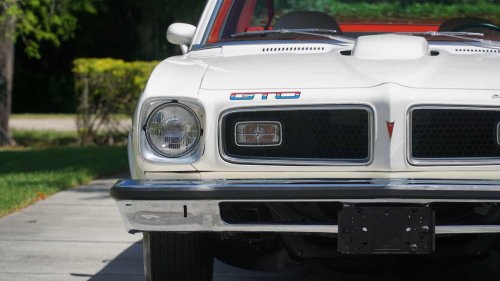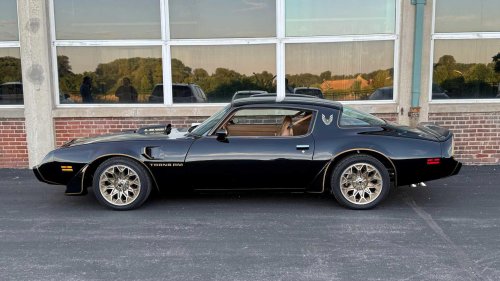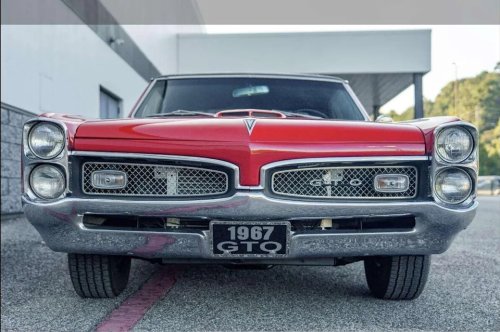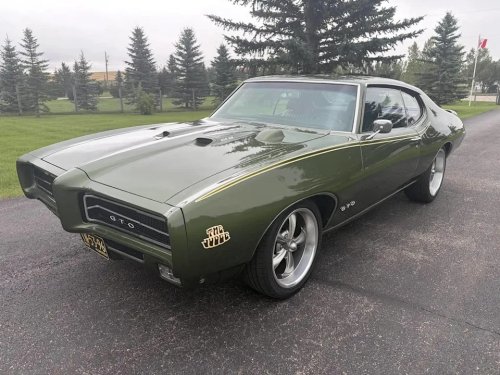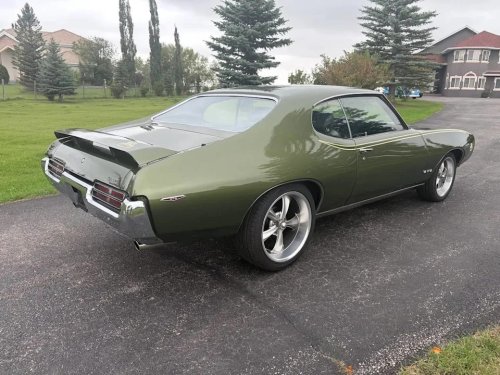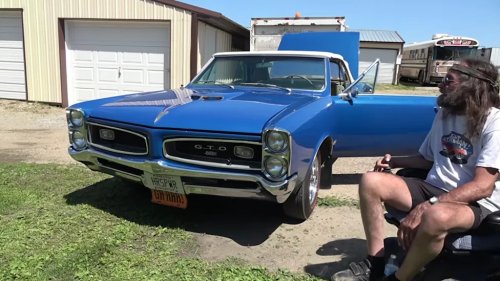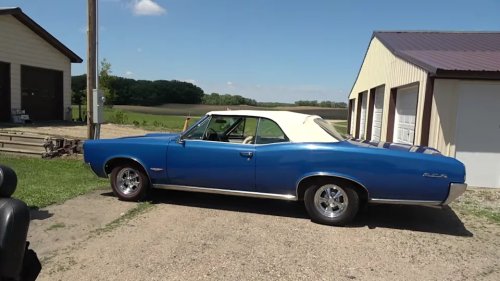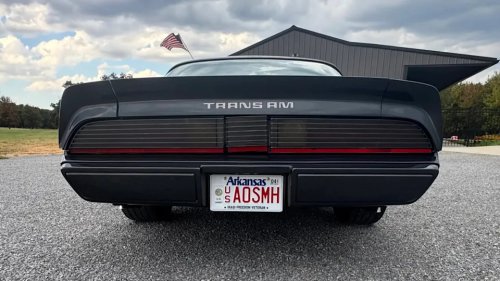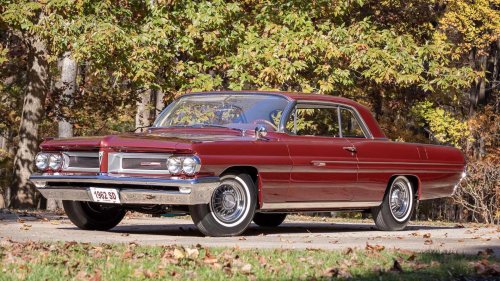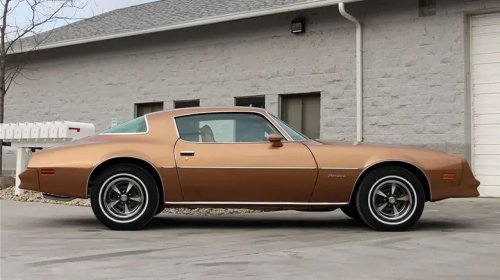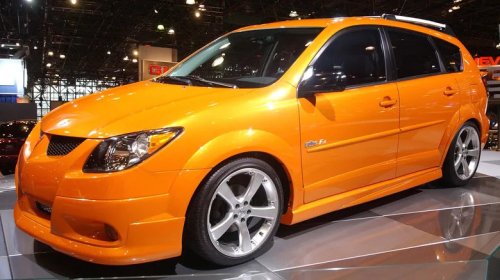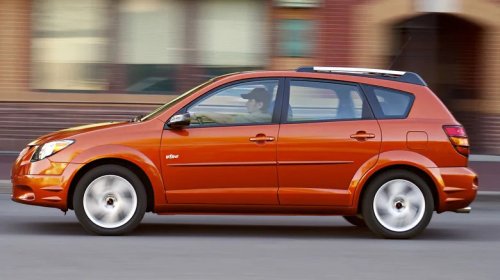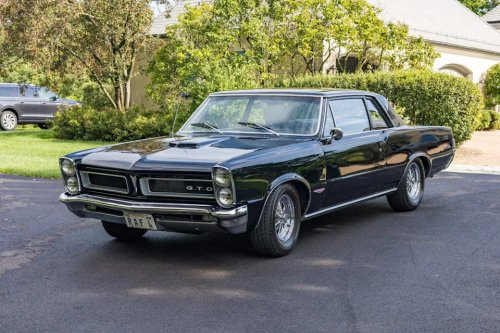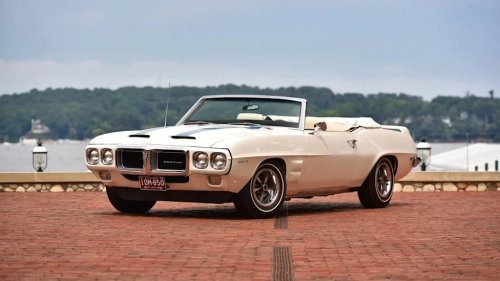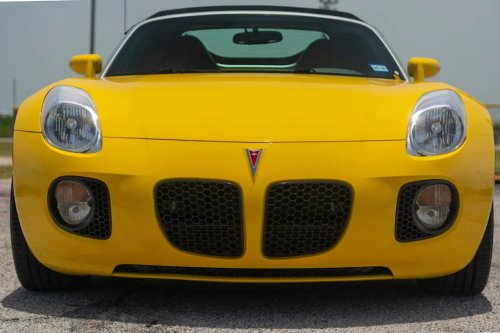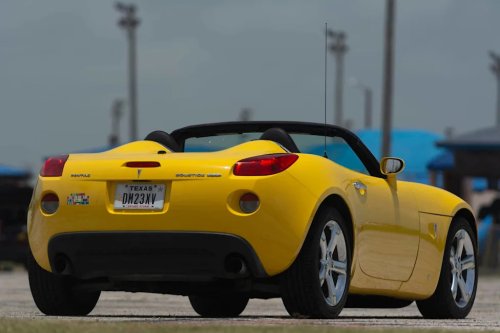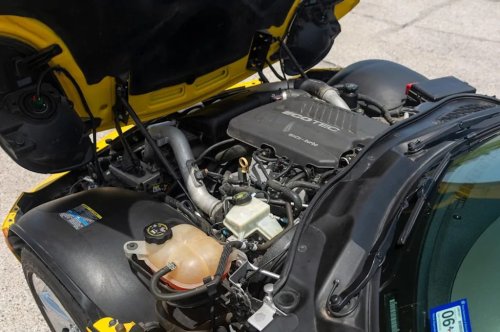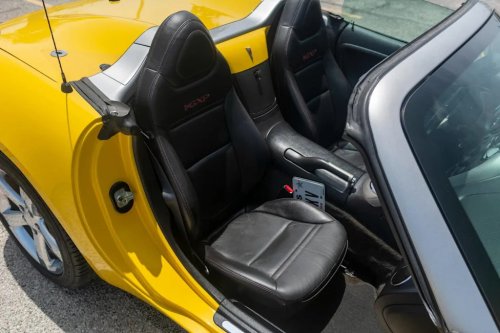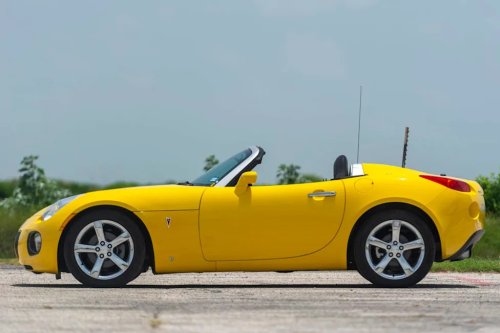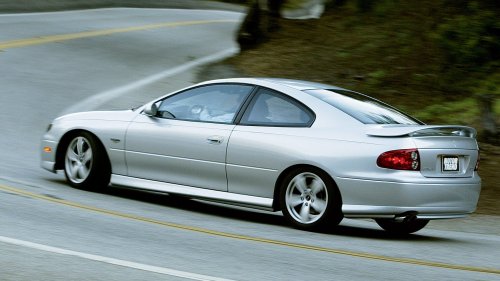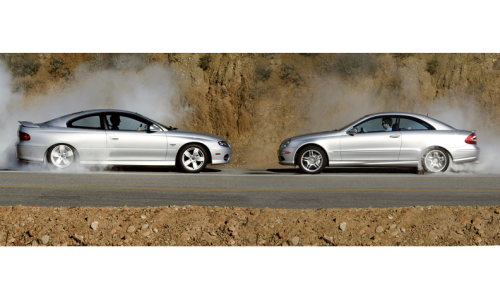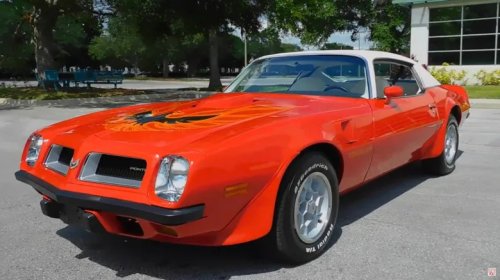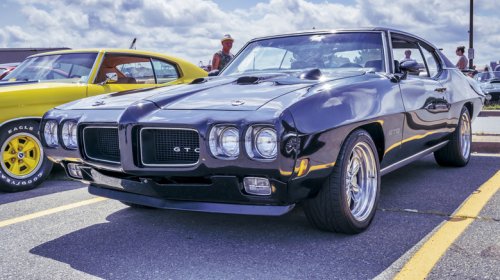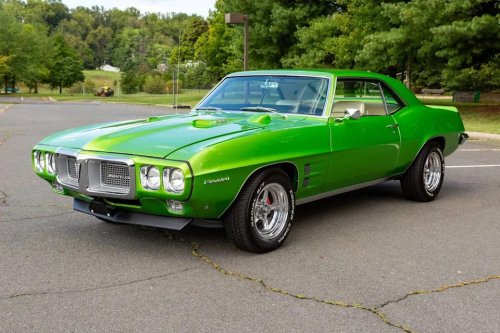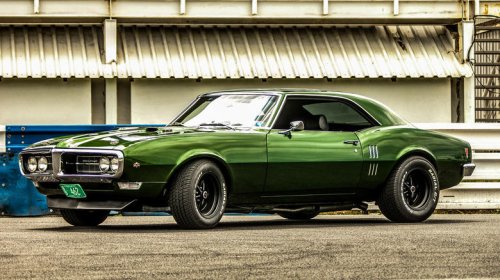
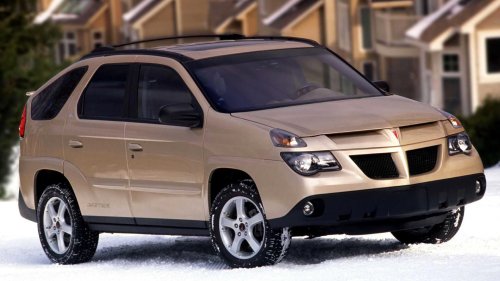
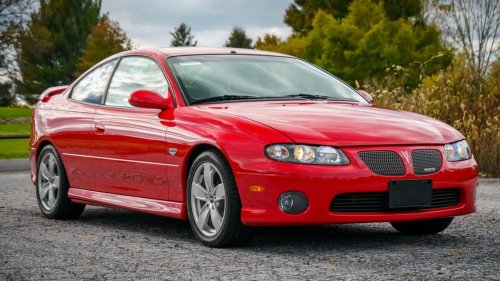
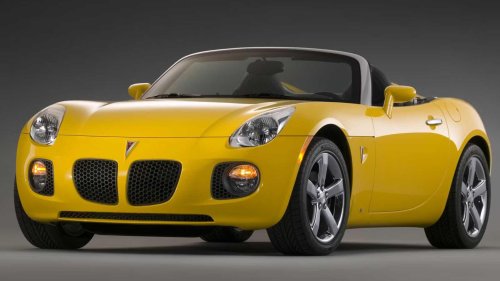
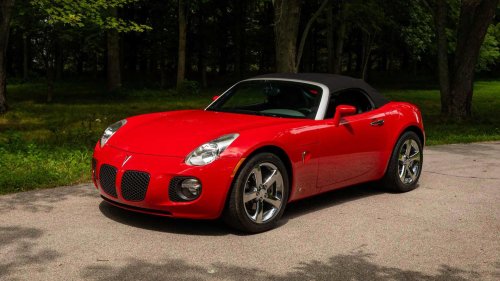
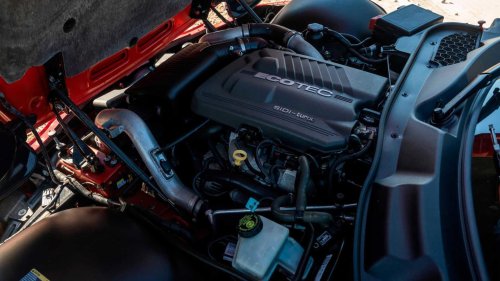
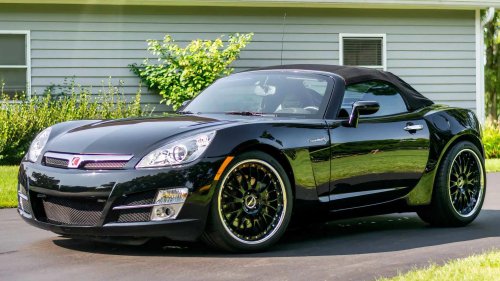
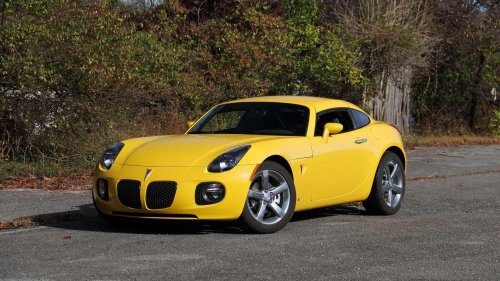
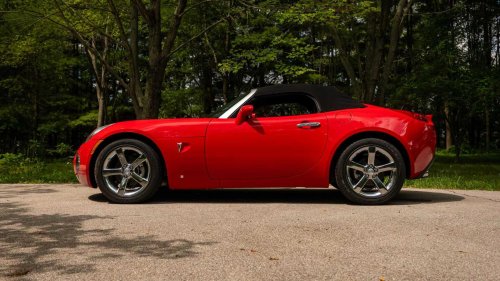
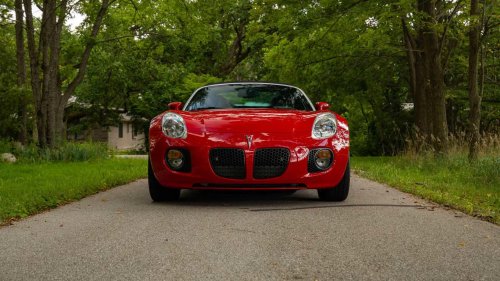



















In its prime in the 1960s, Pontiac was one of the coolest American car brands, known for building fire-breathing GTOs, screaming Trans Ams, and other exciting youth-targeted performance cars. After its 1960s peak, Pontiac gradually lost its performance identity in the decades that followed, and the market share loss that resulted culminated in GM's decision to pull the plug on the division in 2009.Pontiac's final decade was a far cry from its glory days in terms of its lineup and popularity, but just as the clock began to run out, it swung for the fences one last time, building a rear-wheel-drive, turbocharged roadster that looked set to disrupt the affordable sports car market. With a power-to-weight ratio that made European contemporaries nervous and a silhouette that still turns heads today, this was a legitimate driver's car that proved Pontiac still knew how to build a legend, but it had too little time in the spotlight to save the icon. Today, this car is remembered as one of Pontiac's great what-might-have-beens, which makes it an ideal candidate for a revival should the fallen brand make a miraculous comeback. Pontiac's Glory Days Were Long Gone By The 2000s Via Mecum AuctionsPontiac's rise started in the late 1950s with the Wide Track era, then took off in the early 1960s courtesy of the 421 Super Duty program. The program produced drag strip monsters like the legendary Catalina Super Duty "Swiss Cheese," whose dominant performances on the strip helped the division shed its grandma car image and gave it the performance credentials it needed to succeed in a youth-driven market that demanded performance even from regular family cars. Pontiac went on to build cultural icons like the 1964 GTO, which is often credited as the first genuine muscle car.But by the turn of the millennium, Pontiac was a shadow of its former self. Once the vanguard of American muscle in its 1960s zenith, the division had devolved into a merchant of badge-engineered mediocrity. Sales numbers told a grim story: the excitement was gone, replaced by a desperate reliance on rental-fleet sedans. Pontiac Stopped Building The Cars People Actually Wanted General MotorsOnce known for building exciting performance cars, Pontiac was almost unrecognizable in the 2000s as a chronic addiction to the GM parts bin had fueled the erosion of its DNA. The division went from Wide Track performance to a badge-engineering factory, resulting in a lineup of watered-down rebadges that lacked any distinct character.Pontiac was also facing an identity crisis, which ultimately created arguably the biggest stain on its legacy — the Aztek. Developed to capitalize on the SUV boom, the Pontiac Aztek was a visual gut punch that signaled Pontiac had completely lost its way, and it was quickly rewarded with the top spot on every "ugly cars" list. By chasing high-volume segments and ignoring its performance roots, Pontiac orphaned its core audience. It was a recipe for disaster, and Pontiac was about to find out why. GM Made One Final Push To Save Pontiac Bring a TrailerThe massive failure of the Aztek confirmed GM's fears: Pontiac was in a tailspin, and collapse was starting to look inevitable. In a final, desperate bid for survival, GM tried to inject some much-needed adrenaline back into Pontiac. The first move was importing the Australian Holden Monaro and slapping a legendary nameplate on it: the GTO. While it was a mechanical triumph under the hood, the fifth-generation GTO looked more like a forgettable rental coupe than a muscle car icon, and buyers stayed away in droves.Recognizing that lukewarm rebadges were a dead end, GM greenlit a radical, ground-up project that led to the development of an entirely new, dedicated rear-wheel-drive architecture designed specifically to host a world-class sports car. That's how the 2006 Pontiac Solstice was born. The Solstice Was A Good Start, But It Wasn't Enough PontiacThe Pontiac Solstice ultimately hit dealership floors in 2006, but the idea can be traced back to the 2002 Detroit Auto Show, where GM tested the waters with the Solstice concept. Legend has it that executive Bob Lutz was so impressed with the concept's design that he pushed GM to develop the all-new Kappa platform just to bring it to life. Lutz also felt that an affordable sports car in the $20,000 range would sell well and help restore Pontiac's reputation for affordable performance. Lutz was right; the Solstice was a smash hit, loved for its gorgeous retro-inspired design, sub-$20,000 starting price, and its status as Pontiac's first two-seat sports car since the Fiero.The Solstice was so popular that it sold 19,710 units in 2006, beating its primary competitor, the Mazda MX-5 Miata, in the U.S. for the 2006 model year and smashing GM's original target of 7,000 units per year. However, despite the great reception, there was a problem: the base 177-horsepower four-cylinder engine was lukewarm at best, and early road tests revealed that the Solstice was slightly overweight and underpowered for its chassis. One year after the Solstice's debut, Pontiac went back to the drawing board and engineered a more extreme version that finally gave the "Excitement Division" the teeth it had been missing for decades. Meet the Solstice GXP. 2007–2010 Pontiac Solstice GXP: The Underrated Sports Car That Almost Saved Pontiac Via Mecum AuctionsThe performance hero we're covering here is the Solstice GXP, and it was a turbocharged middle finger to the competition that proved Pontiac could still out-punch the world's best roadsters when given a long enough leash. To distance itself from its softer sibling, the GXP had a more aggressive design featuring revised front and rear air dams and a subtle rear lip spoiler.Beyond the visuals, the GXP came standard with serious hardware you couldn't find on the base car, including a performance-tuned FE3 suspension, a limited-slip differential, and StabiliTrak with a competitive mode. With its dual-exit polished exhaust and unique 18-inch wheels, the GXP finally gave Pontiac some much-needed street cred. The magic continued under the hood. Under The Hood, The Solstice GXP Was Seriously Impressive Via Mecum AuctionsOne of the biggest complaints gearheads had about the standard Solstice was its power-to-weight ratio and the fact that the 177-hp engine was too weak for the new Kappa platform. The GXP fixed that with a turbocharged 2.0-liter Ecotec LNF heart that pumped out an impressive 260 horsepower and 260 lb-ft of torque, allowing it to hit 60 mph in a rapid 5.4 seconds.But for those who wanted even more power, the GMPP dealer-installed upgrade was the ultimate cheat code. For about $650, this factory-warrantied upgrade utilized high-map sensors and a specialized ECU tune to unlock 290 horsepower and 340 lb-ft of torque, turning the Solstice GXP into a legitimate giant-killer on both the street and the track. The icing on the cake was that it came standard with a five-speed manual transmission, with an automatic available, creating an analog driving experience that was disappearing at the time.Fun Fact: The Solstice GXP's Ecotec engine had the highest specific output in General Motors' history at 2.1 horsepower per cubic inch. Saturn's Take On The Solstice GXP Was Just As Impressive Bring A TrailerThe Pontiac Solstice and the Kappa platform it was built on were so good that GM decided to build a Saturn spin-off, resulting in the Saturn Sky and its performance version, the Redline. While the mechanical specifications were mirrored, including the 260-hp turbocharged mill and the FE3 suspension, the execution was worlds apart. The Sky Redline traded the Solstice's sleek, curvy aesthetic for a more angular, European-inspired design language, creating an aggressive, mini-Corvette look that many enthusiasts loved.The Solstice had greater success in the market, though, moving 65,724 units over its lifetime compared to just 34,415 for the Saturn Sky. GM also sold badge-engineered versions of the Saturn Sky as the Opel GT in Europe and the Daewoo G2X in South Korea. What Could Have Been Pontiac's Future Became Its Farewell Via Mecum AuctionsThe Solstice GXP was a certified hit out of the gate. Its beautiful design, ground-up RWD Kappa architecture, turbo power, manual gearbox availability, and affordable price tag created a package that Pontiac fans had been begging for for decades. Despite some early reliability, build quality, and practicality complaints, the Solstice was a sales success that surpassed GM's original expectations by a mile and sold enough units over its first few years to justify a much longer production run.Unfortunately, the Solstice turned out to be the right car at the wrong time. Just as the GXP was proving that Pontiac still had a soul, the 2008 financial crisis hammered the final nail into the brand's coffin. To save itself, GM was forced to sacrifice Pontiac in a restructuring deal, and by the time the final 2010 models trickled off the line, Pontiac was already a ghost. The Solstice GXP Is A Collector Bargain Today Via Mecum AuctionsTotal production for the Solstice reached 65,724 units before the lights went out, and of those, only about 13,000 were GXPs. Representing about 20 percent of total Solstice production, the GXP is starting to attract collector interest, but it's still well within reach for budget-minded enthusiasts. Recent sales records show you can still snag a Solstice GXP for under $20,000, which is arguably a bargain for a stylish, peppy roadster that allows you to row your own gears and is relatively scarce.However, while the roadsters are still attainable, the rare GXP Coupe has officially entered the stratosphere. With only 781 built, the GXP Coupe is a genuine unicorn that's rarer than many contemporary supercars. This scarcity is reflected in recent auction results, with Mecum recording sales north of $50,000 for low-mileage examples.Fun fact: Pontiac built just 1,266 Solstice Coupes, including only 781 GXP models, making them some of the rarest modern American sports cars. Even better for collectors, none of the Solstice’s Kappa-platform siblings ever received a coupe version. Could The Solstice GXP Make A Comeback? Via Mecum AuctionsBefore we even explore the idea of the Solstice GXP making a comeback, the better question is, could Pontiac itself make a comeback? Well, as much as we'd love that, the sad truth is that GM has not announced any plans to revive Pontiac. We've seen rumors in recent years about a revival stemming from cryptic social media posts and trademark filings for the Pontiac name and logo, but for now, they remain just that: rumors.But if Pontiac were to make a comeback, the Solstice GXP is the perfect car to start its new chapter with, as it represents exactly what's missing from today's sanitized, over-digitized market. If not, the Solstice GXP will go down in history as a reminder of Pontiac at its absolute bravest and a proper swan song for one of America's most iconic brands.Sources: MotorTrend, Classic.com, Mecum Auctions