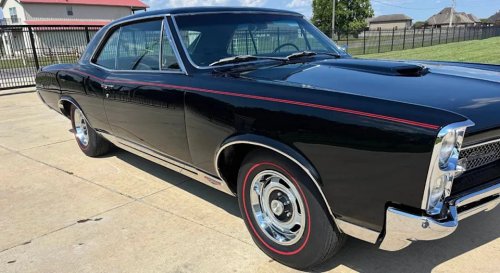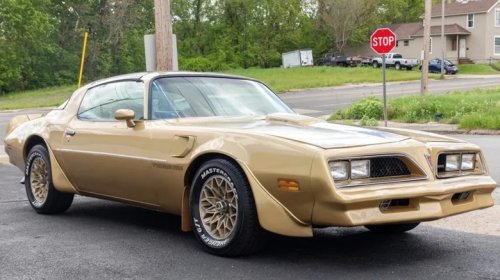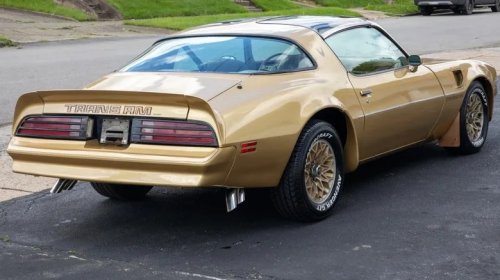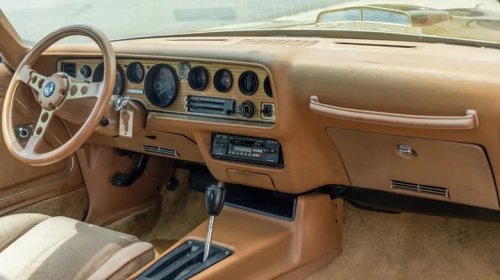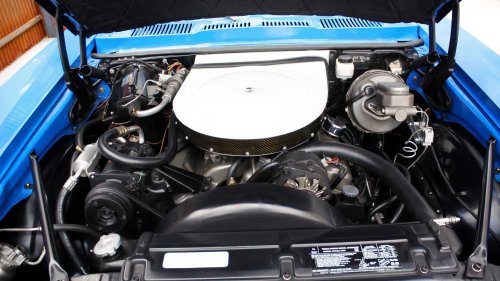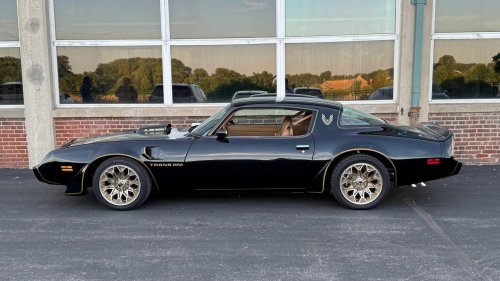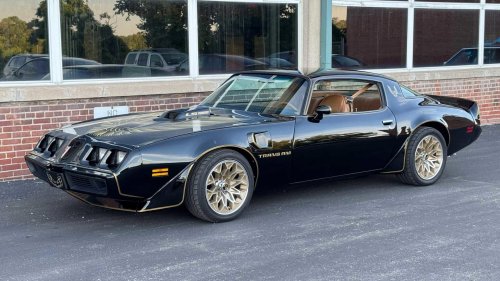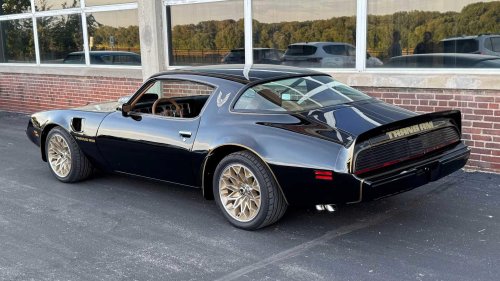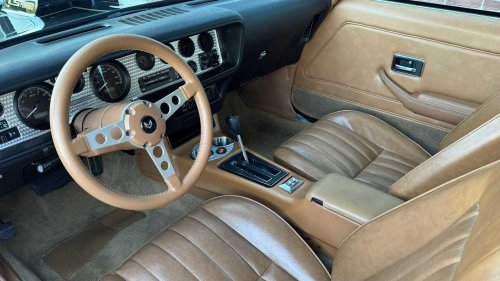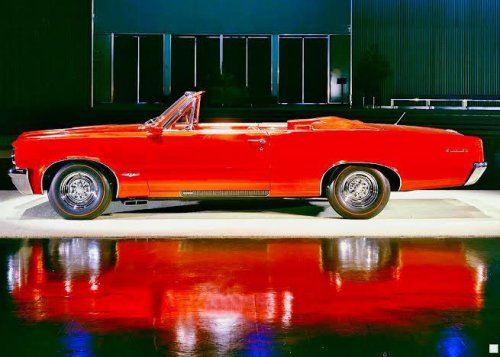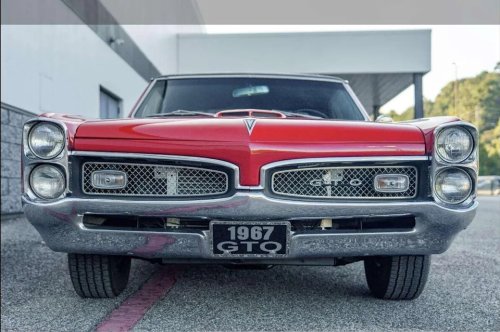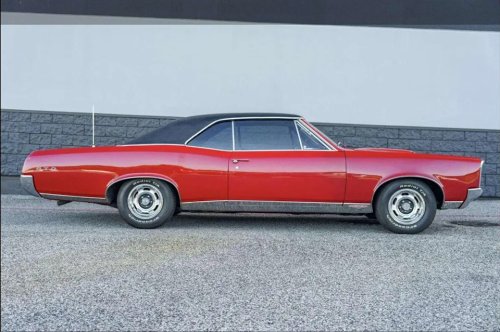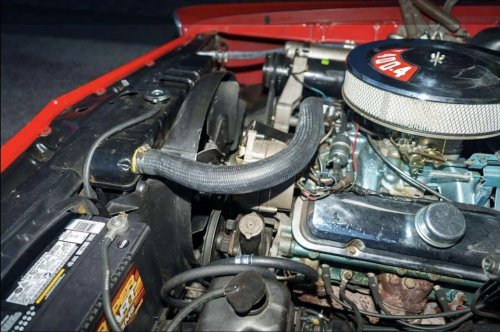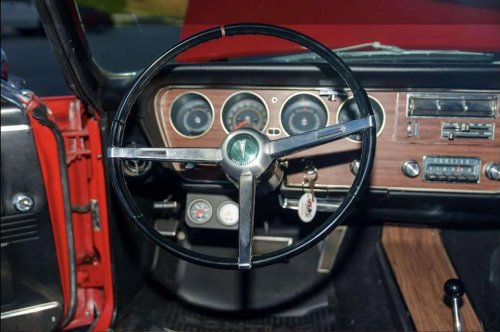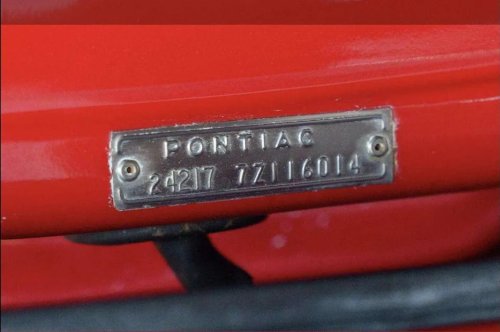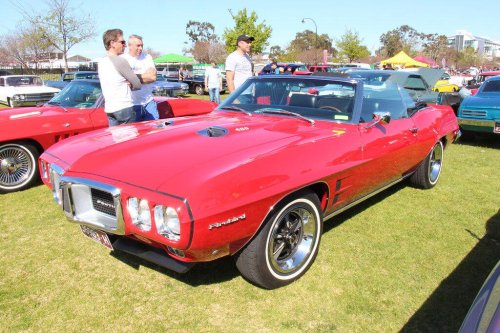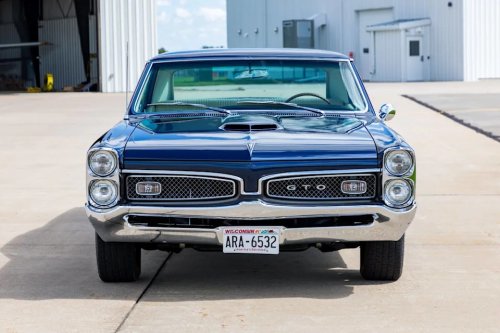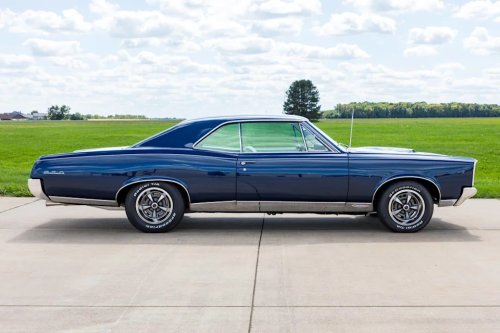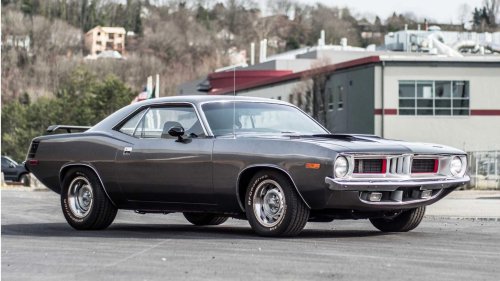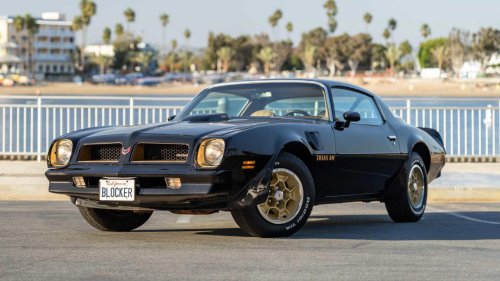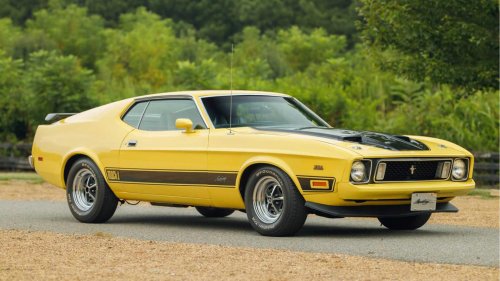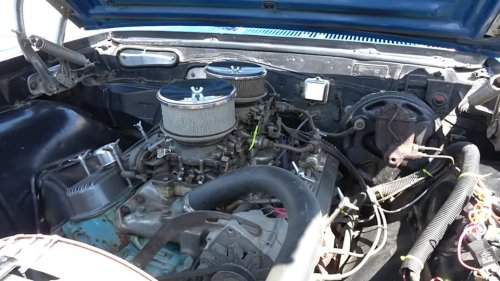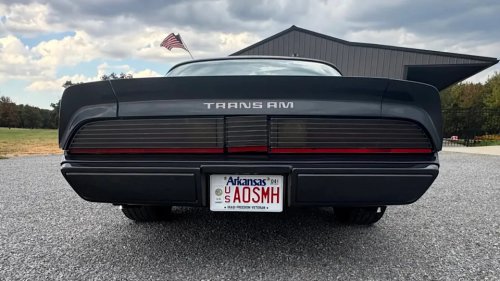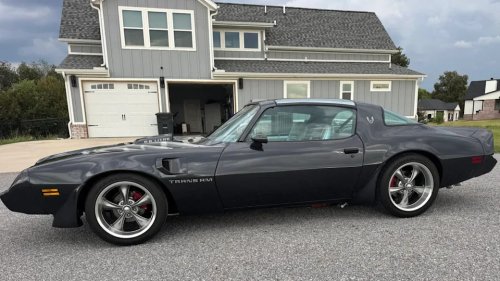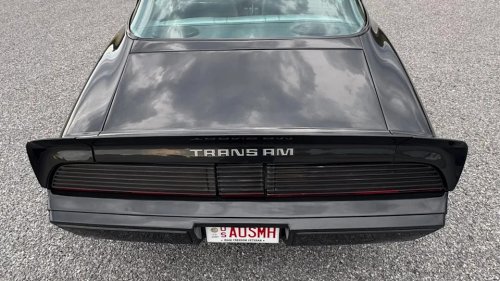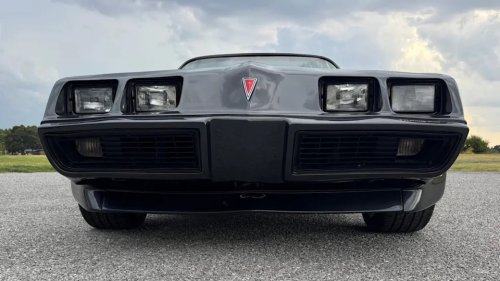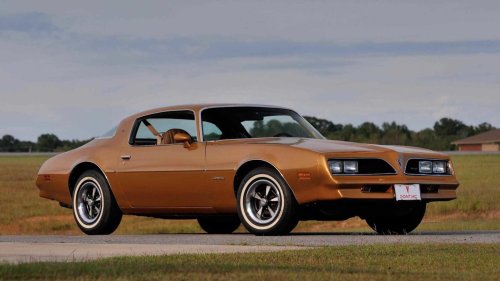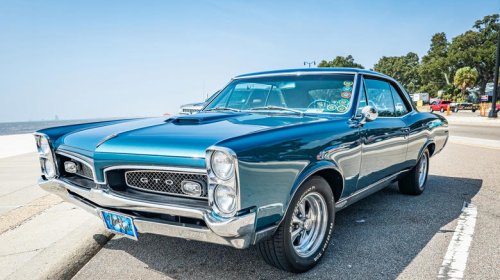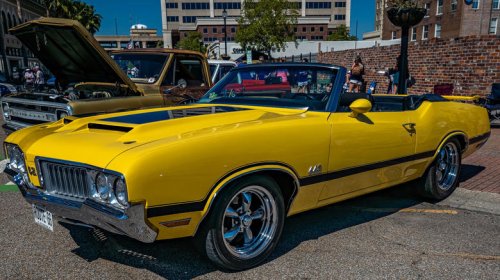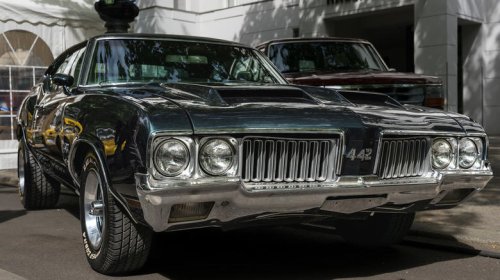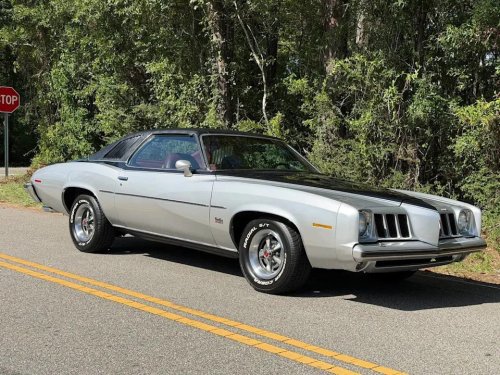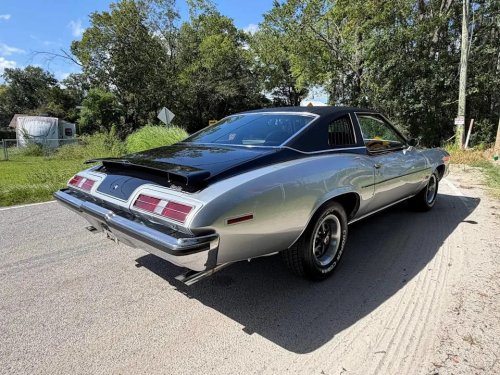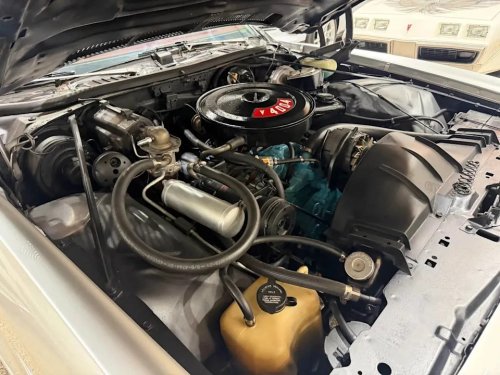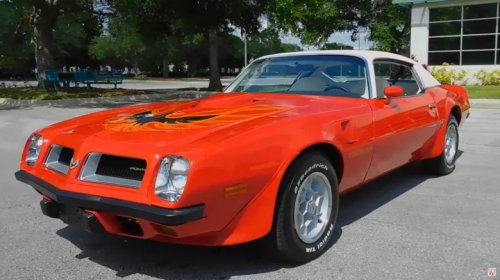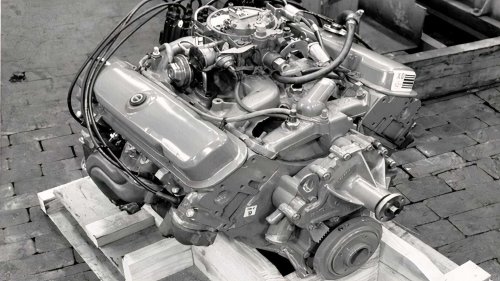
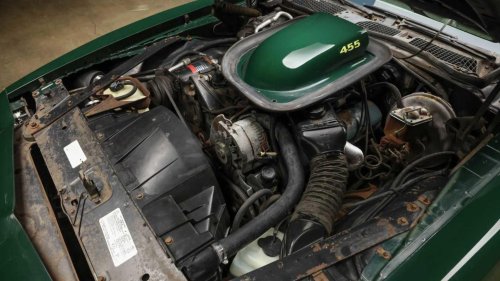

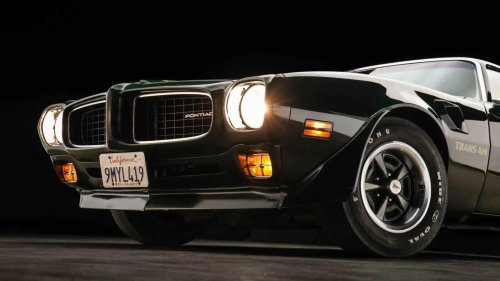
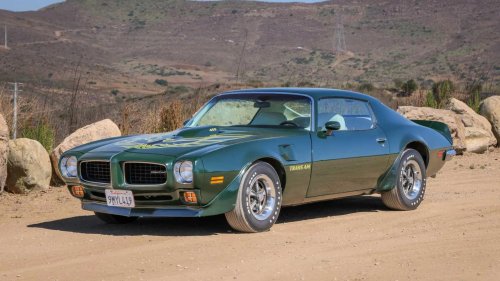
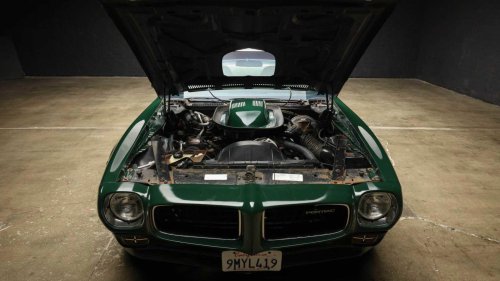




















Most of you reading this will be familiar with the era of classic American muscle cars. While its true beginning is up for debate, most agree the introduction of the Pontiac Le Mans GTO in 1964 was the catalyst that set off the explosion of muscle car fever that gripped the nation over the following decade. By the late 1960s, virtually every single American marque was producing some sort of muscle-bound model to compete with the rest.Following a peak in 1970, the classic muscle era quickly began to dwindle. By 1973, a slew of emissions regulations and new horsepower rating metrics had kneecapped the muscle car, leaving any remaining models stripped of power. However, Pontiac wasn't done just yet. That same year, the GM subsidiary introduced the 455 CID Super Duty, or SD-455. It was a big-block V8 that was capable of producing up to 290 hp, a figure no other brand could touch at the time. The SD-455 Refused To Admit Defeat General Motors Beginning in the late 1960s, virtually every single major American manufacturer began producing big-block V8s, mills that carried displacement measurements over 400 cubic inches. Pontiac's largest production big-block V8, a 455 cubic-inch powerplant, entered the fold in 1970, just as the classic muscle car era reached its peak. It joined the big-block ranks alongside others, like Oldsmobile's and Buick's 455 CID V8s, Ford's 429 CID mill, and Chrysler's 440.While the Pontiac 455 didn't exactly shine bright among the others at first, it certainly did just a couple of years later. Things started to go downhill for the classic American muscle car in 1971, when unleaded gasoline became federally mandated, necessitating the reduction of compression ratios in all engines produced for the US market. Then, in 1972, SAE Net horsepower ratings – power figures measured from the wheels, rather than the engine itself – became federally mandated.Bring A Trailer However, a major killing blow came in 1973, when a slew of strict EPA regulations were introduced. While virtually all other brands bent the knee, Pontiac decided to produce one last performance-oriented big-block: the SD-455. The mill boasted loads of go-faster design baked right into it, and its 290-hp rating meant it was the most powerful series-production engine built during 1973 and 1974, its only two years of production. How The SD-455 Came To Be Bring A TrailerBy 1972, with the classic muscle car era hanging on by a thread, Pontiac surprised the motoring world with the reveal of an all-new, performance big-block that could pump out 310 hp and 390 lb-ft of torque with ease. At the time, all other brands were busying themselves with reducing power to comply with new emissions regulations. It seemed that Pontiac was attempting to go in the other direction, while also adhering to the strict, new regulations as best it could. At first, the Pontiac models set to offer the SD-455 were the Le Mans, GTO, Grand Am, Grand Prix, and Firebird.However, the teased SD-455 engine was put on hold almost immediately. The reason being, the mill didn't meet GM's internal emissions regulations, which were slightly stricter than the EPA's. To get around this, Pontiac's idea was to use a camshaft with a smaller-than-normal gear and mate it to a distributor, or "dizzy", with a larger-than-normal gear, in order to help the mill certify for emissions. The change took the camshaft's profile from 308/320 – or 308 degrees of intake valve lift and 320 degrees of exhaust valve lift – to 301/313. The revision also ended up dropping the mill's horsepower output to 290 ponies, although it did gain five pound-feet of torque.Bring A Trailer However, yet another setback came about when the EPA found that Pontiac had got creative with the SD-455's emissions system, using an "emissions defeat device". This ended up forcing Pontiac to re-certify the mill yet again, although this time, it was federal. At this point, after two delays, many customers who had pre-ordered their own SD-455-equipped cars, began canceling their orders. The SD-455 was starting to look like a disaster.After two major setbacks, Pontiac's general manager, Martin Caserio, considered axing the SD-455 program entirely. However, at this point, the mill had already somewhat entered production, and orders were already being placed with external companies for raw materials. With no other option, Caserio made the decision to only offer the SD-455 on Pontiac Firebird Trans Am and Formula models. Of course, this was extremely upsetting to many customers, but the mill's fate was, at least, salvaged.Bring A Trailer Finally, in May 1973, the SD-455 entered production in earnest, with the first Firebirds being delivered with the special mill in July that same year. How The SD-455 Makes Its Range-Topping Power Bring A TrailerDuring the 1960s and early 1970s, most American V8s were heavy and built simply, and the Pontiac SD-455 is no exception. However, the Super Duty itself does boast numerous upgrades that ended up setting it apart from most other big-blocks produced at the time. Bottom End It all starts with its block. Its main bearing web, or the place where the motor's crankshaft resides and is held in place, is reinforced. In addition, manual transmission-equipped Pontiacs with the SD-455 engine installed take advantage of four-bolt iron bearing caps. Screw-in oil plugs are present, which are better-suited for withstanding high amounts of crankcase pressure than press-ins. Pontiac even provided dry-sump lubrication provisions in the block's casting, meaning those who were interested in building the SD-455 for racing could easily convert the mill from its standard, wet-sump configuration.Moving up, the mill boasts forged steel connecting rods attached to forged aluminum pistons. The mill's piston rings are also moly-filled, allowing for a better cylinder wall seal. Its oil pump was rated as "heavy-duty", and could handle pressures of up to 80 psi and sported a larger-than-typical drive gear for an extra layer of robustness. The special, aforementioned camshaft, boasting a unique, flat-tappet setup and rated for 301 degrees of intake lift and 313 degrees of exhaust lift, is present, as well. Top End Up top, the improvements continue wholeheartedly. The SD-455 cylinder heads are specially machined with constant cross-section porting for better flow. Its exhaust valves are larger and feature special seats that are meant to help withstand high temperatures, and a set of special pushrod tubs are present, too. The valves themselves are swirl-polished for a more precise finish. Both its intake and exhaust manifold are cast iron, and a four-barrel Quadrajet carburetor tops the mill off. The (Final) End Of An Era Bring A TrailerThe SD-455 was a rare mill in its own right. Because it was only offered on the Firebird, just 1,296 examples were reportedly produced, with the vast majority – 1,001, to be exact – being built for the 1974 model year. Not to mention, the SD-455 option was rather expensive, reaching up to roughly $700 over the Firebird's base MSRP. In today's money, that $700 translates to roughly $5,110.Regardless of price and limited availability, come 1975, the EPA unveiled a host of brand-new emissions regulations. Some of these were even stricter than those introduced just two years prior, including the mandatory use of catalytic converters. Because of this, even the clean-air-minded SD-455 had to be discontinued after just two years of production, effectively ending the classic American muscle car era for good.