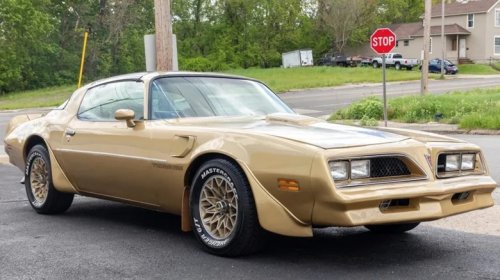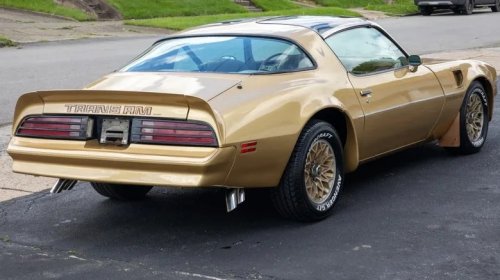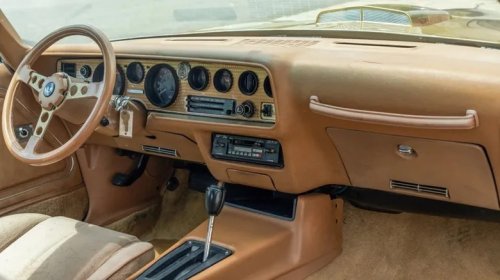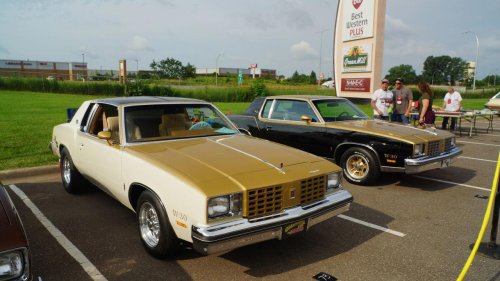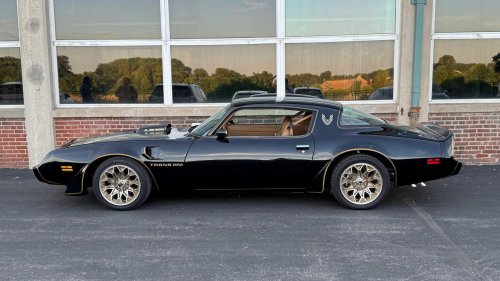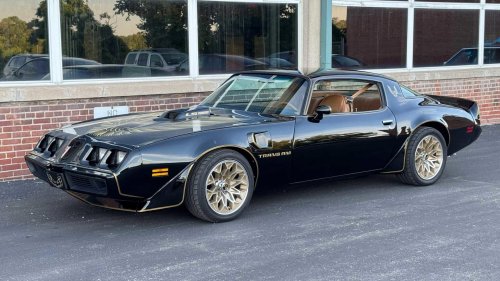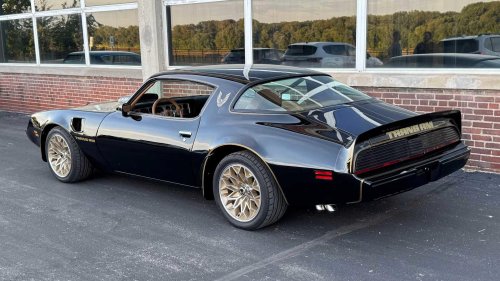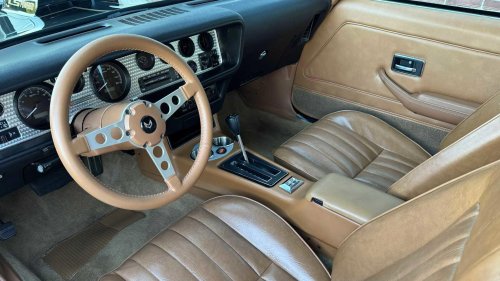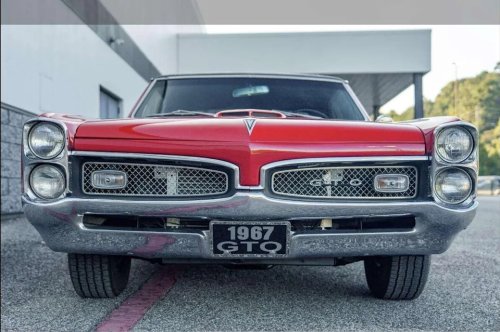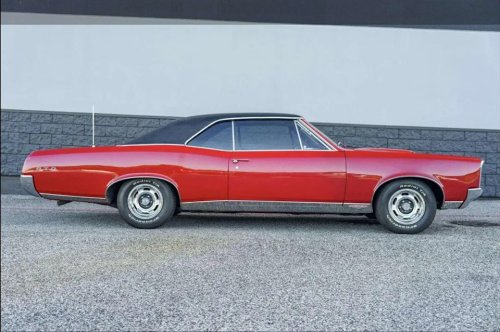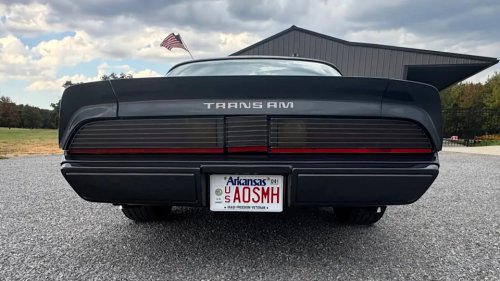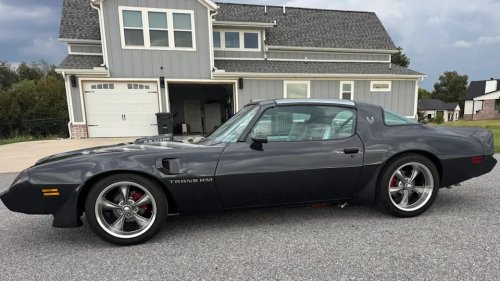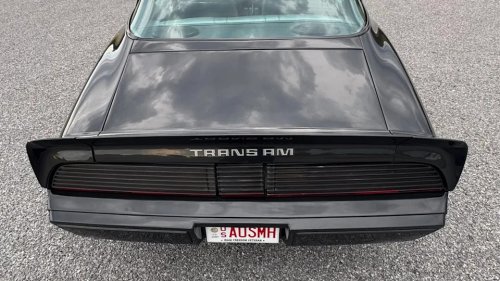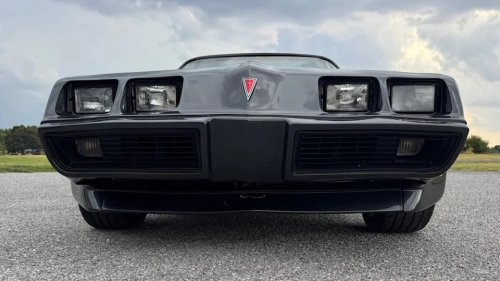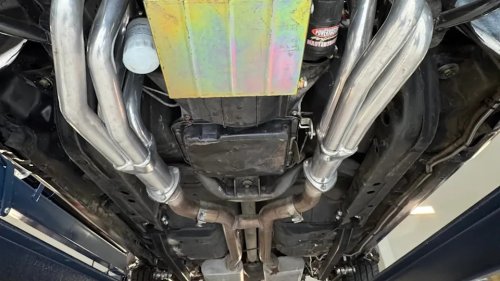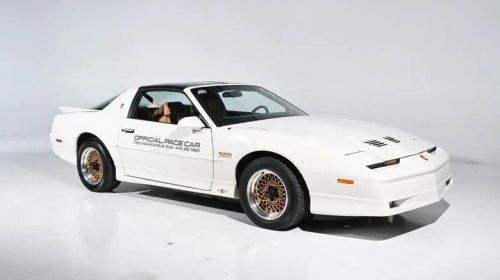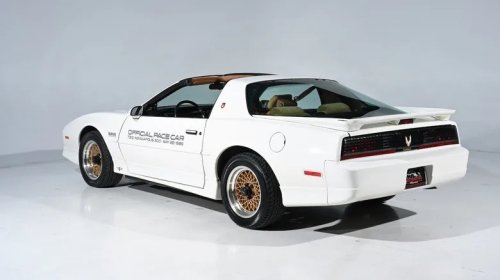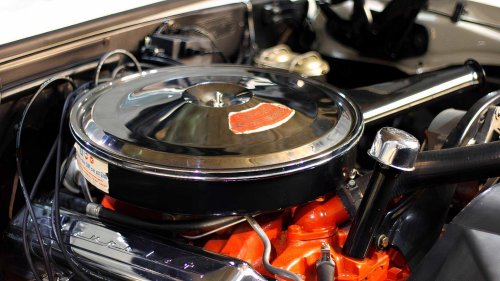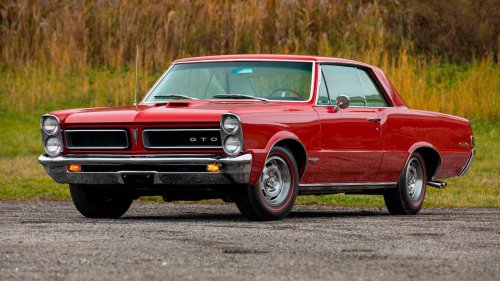
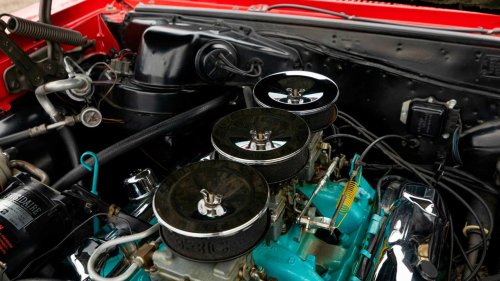
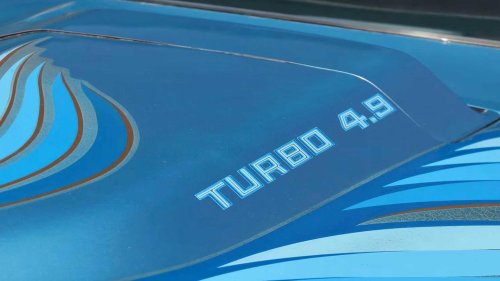
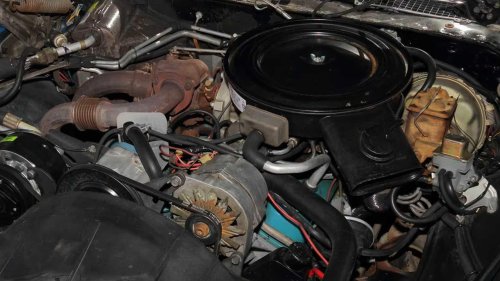
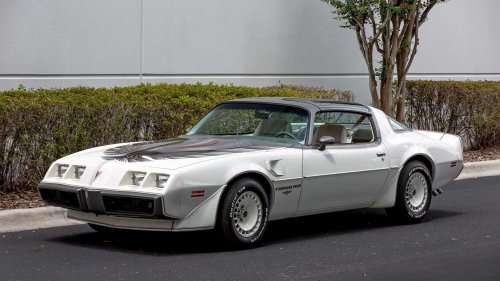
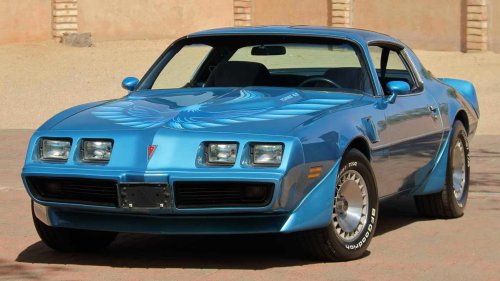
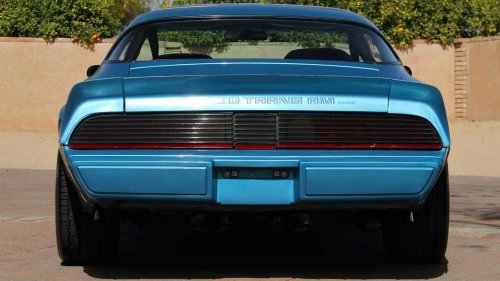



















Pontiac's muscle legend lives in loud memories. The 455s, the 400s, the hood scoops, the black-and-gold Trans Am from Smokey and the Bandit… But then the rules changed. Emissions laws tightened, and fuel economy mattered more than ever. Insurance companies looked at big engines the way cats look at bathwater, and by 1980, most old-school muscle had either vanished or learned to whisper. Yet Pontiac’s performance image did not die in one clean cut. During one of Detroit’s most mocked eras, the brand built a turbocharged V8 Trans Am with real race-event ties, national attention, and a story collectors spent decades walking past. Pontiac Muscle Was Running Out Of Road Mecum Pontiac had earned its muscle-car reputation the hard way. The GTO gave the brand its street-fighter image in the 1960s, and the Firebird Trans Am carried that image into the 1970s with flares, spoilers, big decals, and enough visual presence to make a Camaro look like it had shown up underdressed. By 1979, the Trans Am had become one of the defining American performance cars of the decade. Pontiac sold more than 117,000 Trans Ams that year, a high point for the nameplate and proof that buyers still wanted the look, even as horsepower got squeezed.Mecum The squeeze came from every side. Emissions rules punished old engine calibrations, and Corporate Average Fuel Economy standards pushed General Motors toward smaller engines. Insurance costs made high-performance cars harder to justify. Lower compression ratios took the bite out of once-mighty V8s. By the late 1970s, the old formula needed a lawyer, a fuel-economy chart, and maybe a priest.That made 1979 feel like a closing chapter. The Pontiac 400, the engine that kept the Trans Am’s old muscle aura alive, reached its final model year in the Firebird line. After that, Pontiac could no longer lean on displacement and compression to sell speed. If the Trans Am image was going to survive, Pontiac needed another trick. Forced induction looked like one way forward.But would Pontiac's turbo gamble actually work? The Turbo Gamble Nobody Was Ready To Respect Mecum Pontiac’s answer centered on the LU8 turbocharged 301-cubic-inch V8, better known in showroom talk as the Turbo 4.9. On paper, the idea was serious: turbo V8 sounded modern, exotic, and just weird enough to make sense in a Trans Am. Pontiac took its smaller 301, fortified parts of it, added a Garrett turbocharger, lowered compression, and used electronic spark control to help keep detonation from turning the engine into an expensive popcorn machine.The official number that matters here is 210 horsepower net. Some references float higher gross-style figures, often around 236 hp, but mixing gross and net numbers makes the car sound stronger than Pontiac’s production-era rating supports. The 210-hp figure keeps the comparison honest, and while it looked small next to the folklore of 455s and Ram Air cars, it was still decent in 1980. The Turbo 4.9 topped the naturally aspirated 301 by a wide margin and landed close to the outgoing 400’s output.Mecum Still, enthusiasts had reasons to side-eye it. This was no fuel-injected, intercooled, computer-polished turbo setup. It used a carburetor, made tons of heat, had serious lag, and relied on early emissions-era hardware. It came with an automatic transmission and tall gearing, which meant no four-speed heroics and fewer smoky stoplight legends. The 1980 Turbo Trans Am Indy Pace Car Was A Different Kind Of Monster Mecum That solution reached its loudest form as the 1980 Pontiac Turbo Trans Am Indy 500 Pace Car. There it was; a late-second-generation Trans Am with a turbocharged Pontiac V8, 4.9 liters of displacement, and 210 hp net under a hood that looked like it was hiding industrial equipment. In a way, it was. The LU8 gave Pontiac something to advertise besides nostalgia, even if the result did not pin anyone’s ears back like a 400 four-speed car.The Pace Car made sure nobody missed it. White paint, charcoal accents, special graphics, Turbo Trans Am badging, Indy/NASCAR identity, T-tops, white turbo wheels, and the full late-second-gen stance gave it presence from three parking lots away. The hood bulge was not just decoration, as the turbo hardware needed room, so Pontiac gave the car an asymmetrical lump that looked half-functional and half sci-fi lunchbox. 1980 Trans Am Turbo Specs Pontiac built 5,700 official Pace Car replicas, which makes the car limited but not mythical. Some sellers love to whisper “rare” over anything with decals, but 5,700 cars means buyers have options. It was easy to dismiss then and easy to misunderstand now. It was not a 400, and it was not a four-speed. It was a turbo automatic Trans Am from the era people still like to mock from a safe distance.That is also why it deserves another look. The Pace Car was a real Pontiac performance statement at a time when Detroit had not yet figured out what modern performance would become. It had old-school shape, new-school intent, and just enough engineering oddness to make it more interesting than another “big motor good, small motor bad” story. The Official Indianapolis 500 And Daytona 500 Pace Car The biggest overlooked point is provenance. The 1980 Turbo Trans Am paced the Indianapolis 500, and period Pontiac dealer material also promoted it as the official pace car for both the 1980 Indianapolis 500 and NASCAR that year.Those appearances give the car real motorsport credentials and extend it way beyond being a stripe kit trying to borrow glory after the golden days of American muscle died. Pontiac had a real event hook, and dealers had national race-day imagery to work with. In 1980, that kind of exposure counted. The Trans Am was already a pop-culture machine, but the Pace Car package tied it to two huge American racing stages. It was show business with a timing light.There are also rarity levels inside the story. The broad production figure sits at 5,700 official Pace Car replicas. A much smaller group, often described as roughly 100 Festival cars tied to Indianapolis events, carries extra interest.The Festival cars sit in the nerdier corner of the Pace Car story, which of course means collectors now care about them. In Indy terms, a Festival car usually refers to a small batch of official event-use cars assigned around the 500 Festival, not just the car that led the field on race day. These cars could serve parade duty, shuttle VIPs, appear at media stops, and help turn Indianapolis into one giant rolling Pontiac ad before the race. Why Collectors Are Finally Warming To The Turbo 4.9 Pace Car Mecum Collectors have started treating malaise-era performance cars with more respect because those cars tell a more complicated story than “everything got slow.” Yes, much of Detroit lost power. No, the Turbo 4.9 Pace Car was not secretly quicker than the legends. It was not a back-door Super Duty. But it shows how Pontiac tried to protect the Trans Am image when the old tools no longer worked. That engineering context now feels more valuable than it did when everyone just wanted a 400 and a clutch pedal.Hagerty’s current public valuation snippets put a 1980 Pontiac Firebird Trans Am Indy Pace Car in good condition at around $8,100, while a 1969 Trans Am sits around $27,100, a 1973 Trans Am around $9,700, and a standard 1979 Trans Am around $8,300. A 1978 Trans Am lands around $7,300, which shows how condition, options, and special-edition identity shape the market more than year alone. The Turbo Pace Car remains a lower-barrier way into collectible second-gen Trans Am ownership, especially compared with the earlier high-horsepower icons and the hottest Bandit-era Special Editions.Mecum Its appeal now comes from the whole package. It has a turbocharged Pontiac V8, Indy and Daytona/NASCAR pacing history, limited-event identity, unmistakable second-gen styling, and genuine emissions-era engineering significance. It also costs less than the cars that dominate the Trans Am mythology. Of course, that does not make it better than the legends, but it makes it different, and different ages well. The Turbo 4.9 Pace Car is the kind of car that rewards the enthusiast who looks past the easy punchline. After all, even a Screaming Chicken deserves a second chance to crow.