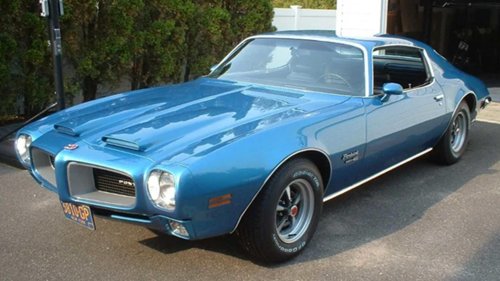
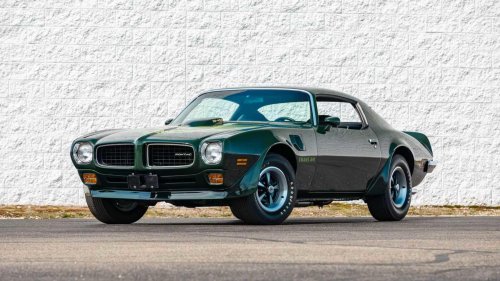
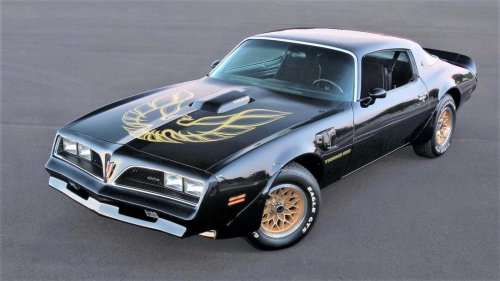
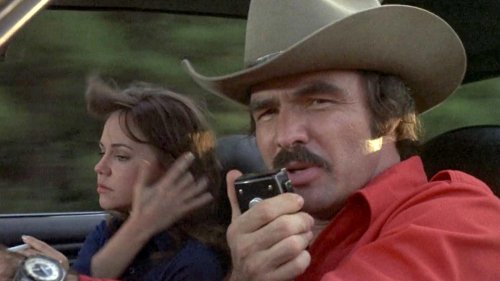
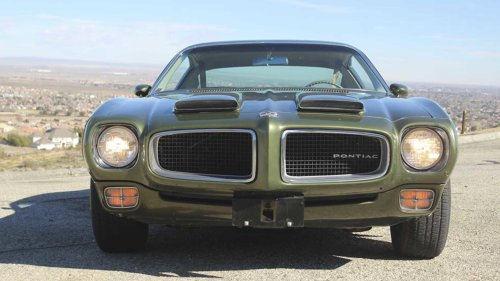
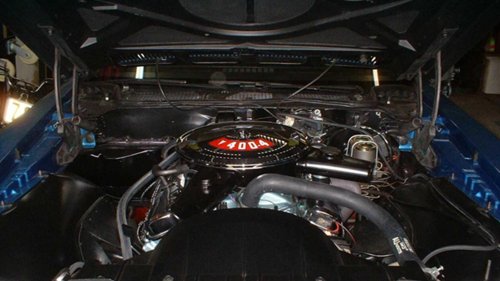
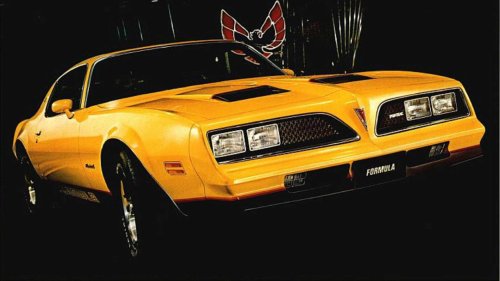
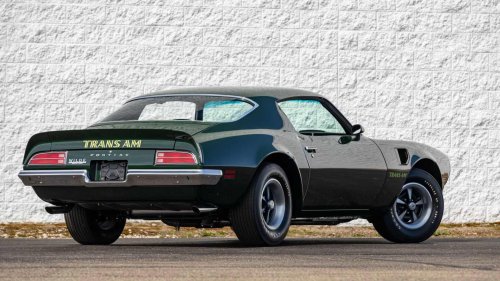
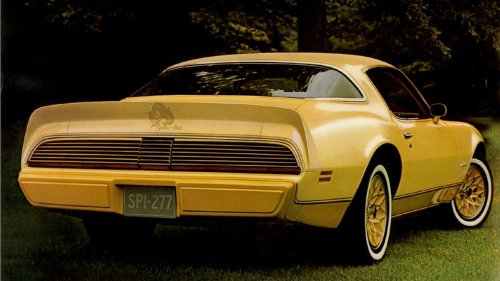
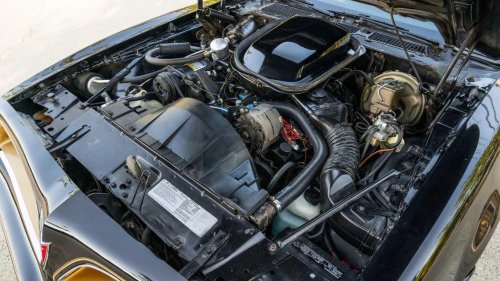
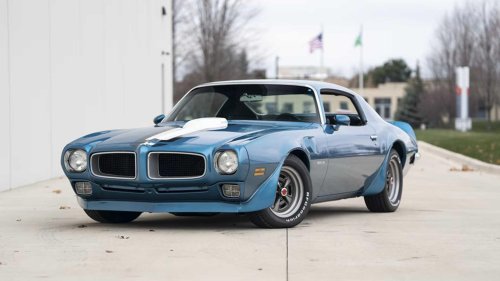
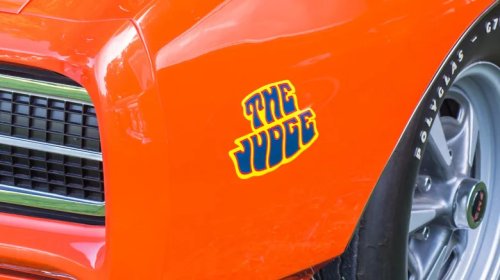
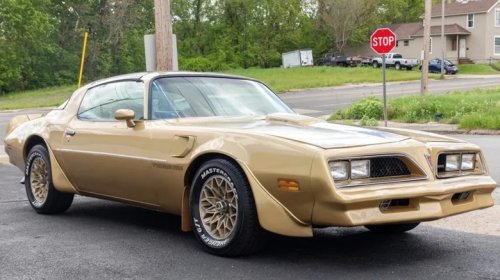
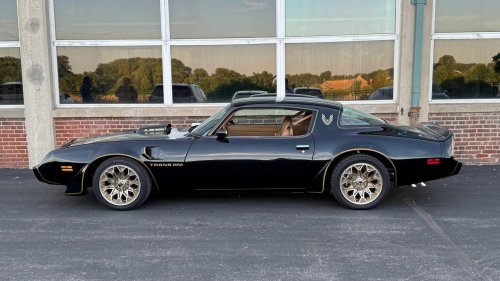
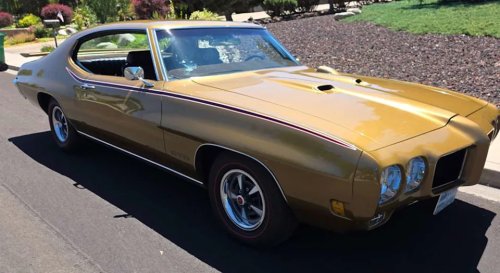
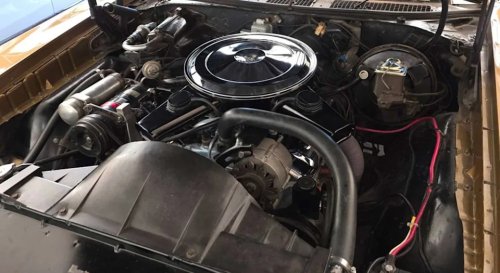
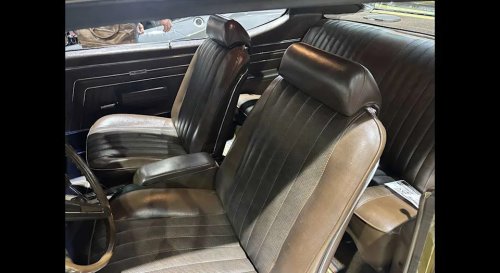
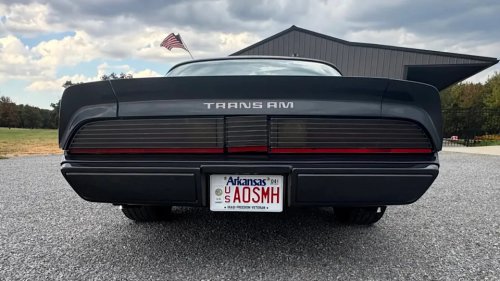
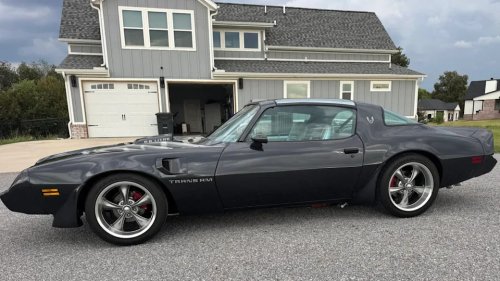
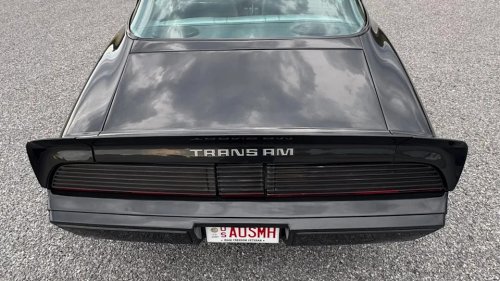
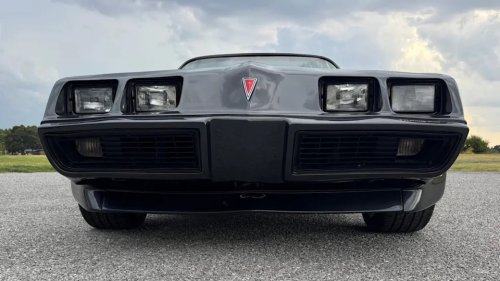
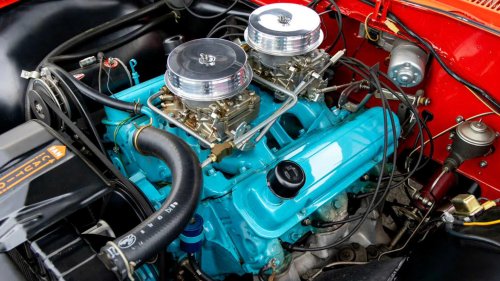
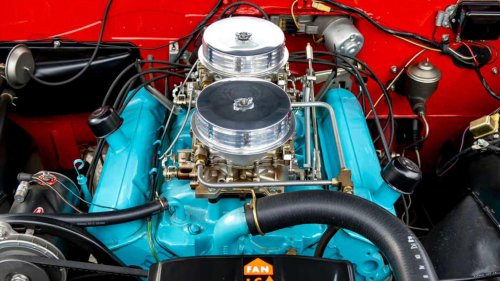
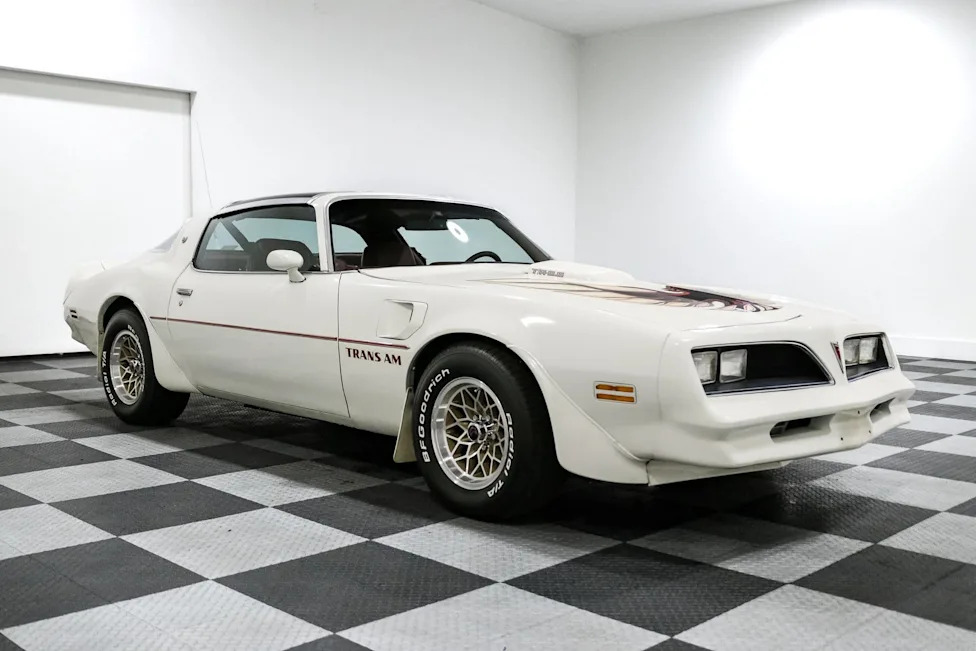
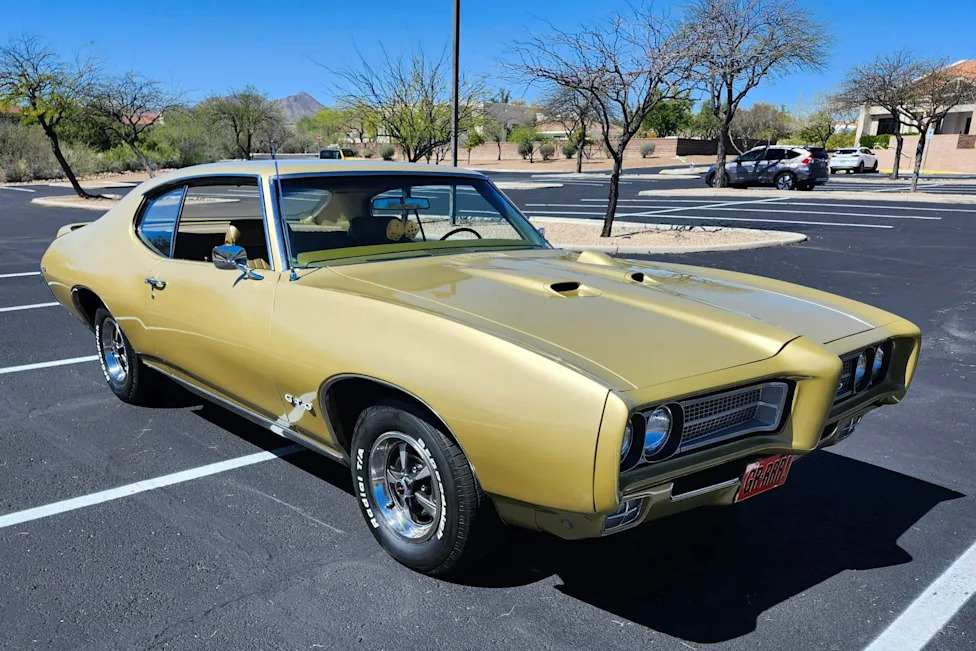
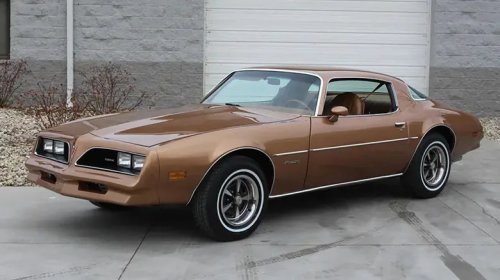
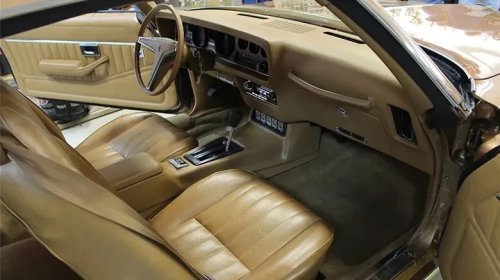
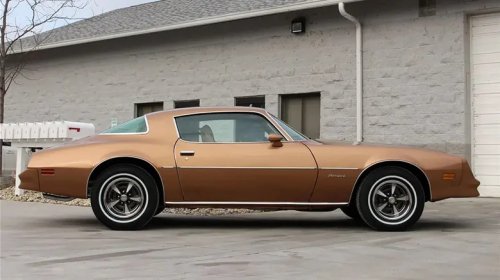
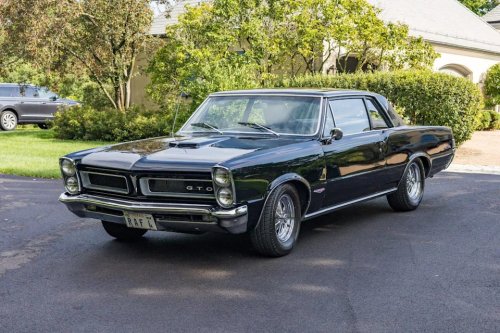
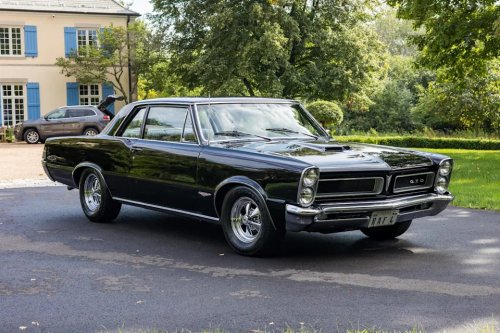
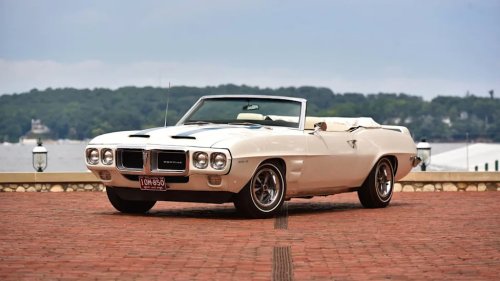
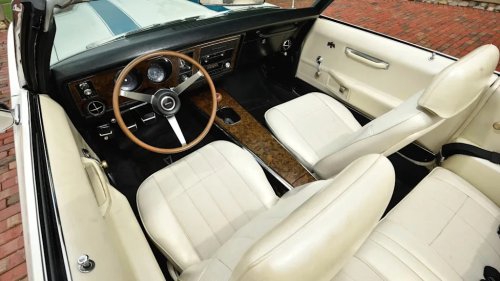
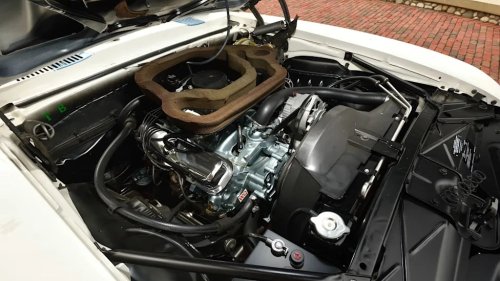
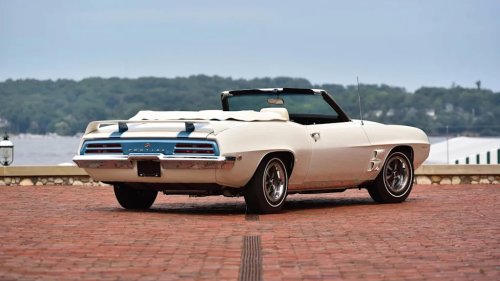
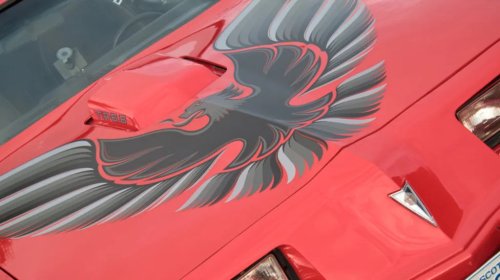
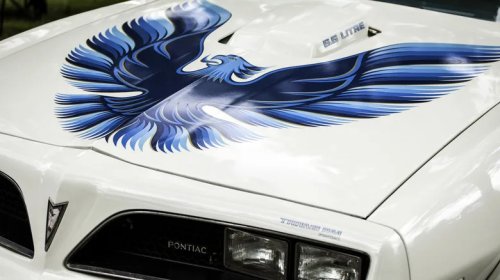
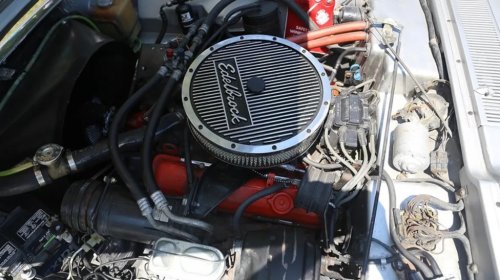
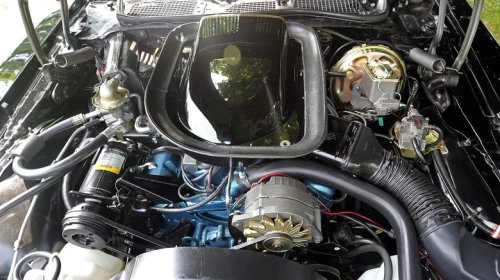
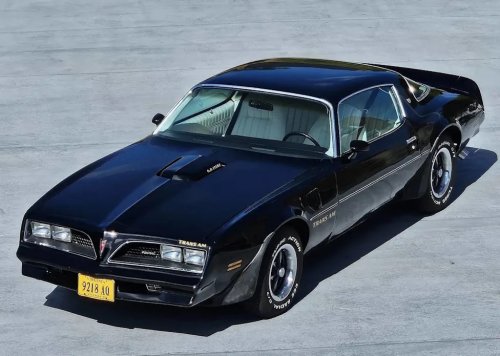
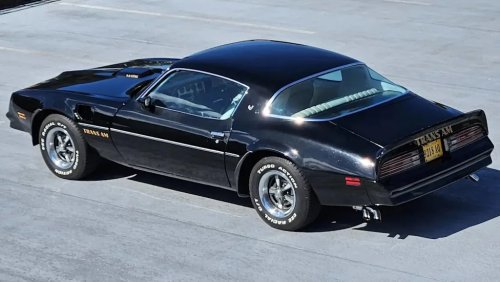
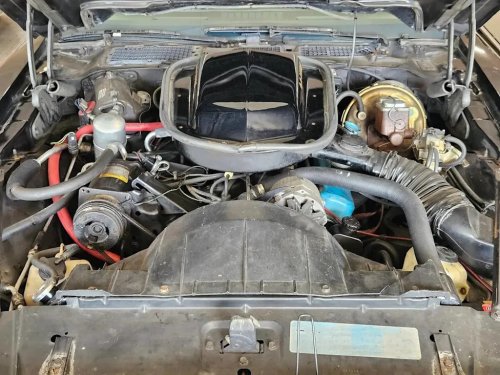
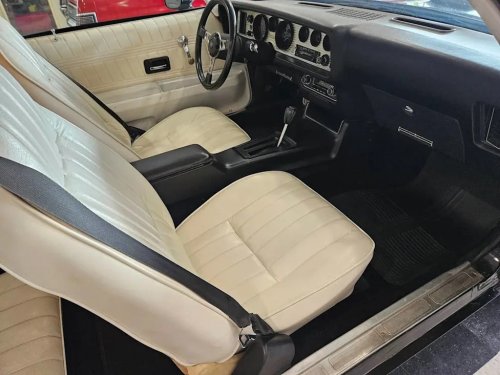
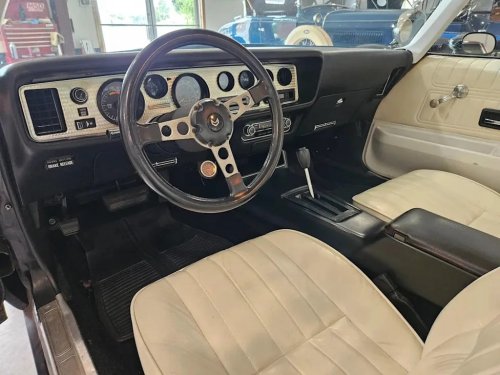
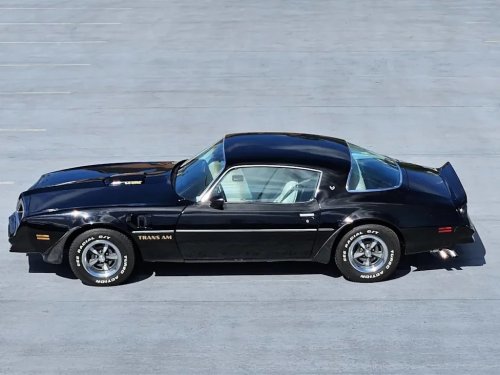
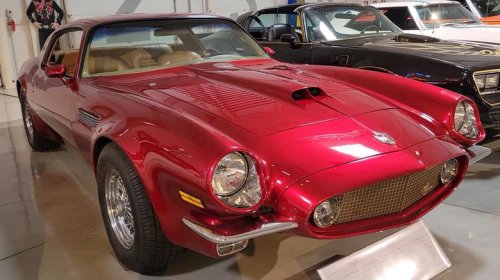
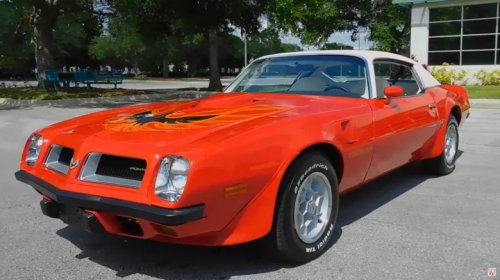
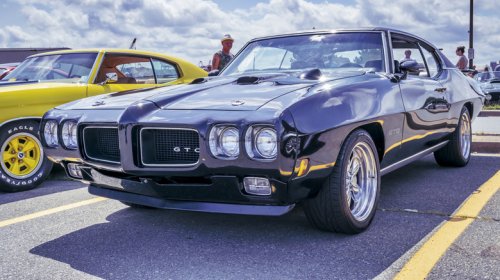
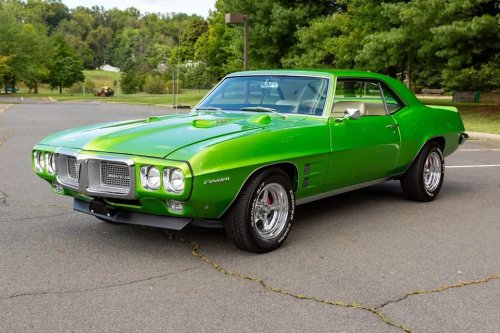
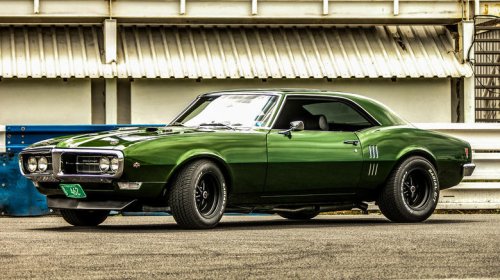
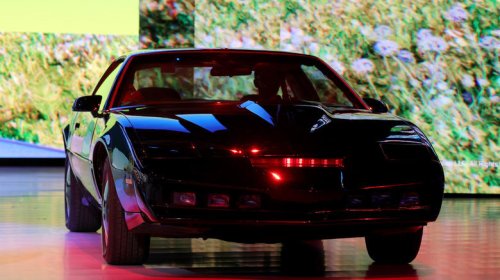
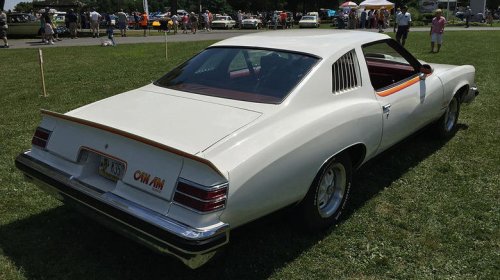
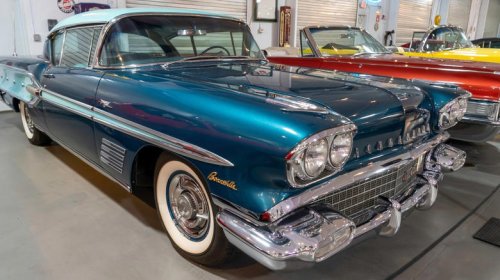
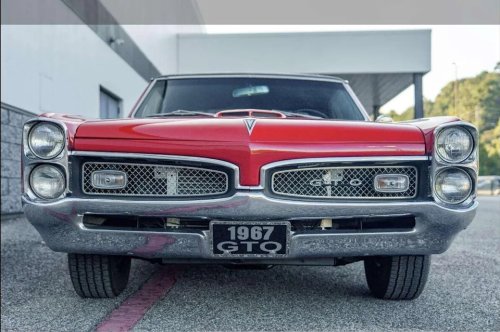
It's hard to argue with the notion that virtually all muscle cars deserve a good bit of respect, especially those created during the classic American muscle car era. Back then, things largely kicked off with the 1964 Pontiac Le Mans GTO, the car that receives the most credit for starting America's obsession with muscle. Following the groundbreaking model came a litany of others, as nearly every US-based automaker wanted in on the muscle car action.Speaking of Pontiac, the now-defunct General Motors subsidiary also produced one of the most popular pony cars ever made: the Firebird. It was released as a sister car to the Chevrolet Camaro, but it carried its own attitude and flair into the automotive market. Once the second-gen Firebird hit the streets, it had already cemented itself as a titan of the industry. Because of this, the second-gen Firebird boasts a few key reasons as to why it deserves, and demands, your respect, even all of these years later. It's One Of The Most Famous Cars Of Its Time Bring a Trailer Just as the classic American muscle car era reached its peak in 1970, Pontiac released the second-gen Firebird. However, that year, the Firebird's sales would pale in comparison to the Chevrolet Camaro's. According to Hot Rod Network, total Firebird sales for the 1970 model year amounted to about 48,739 units, partially due to a labor strike that delayed its release. For contrast, the Chevrolet managed to shift approximately 124,901 units, nearly three times the amount of its sibling.Mecum Sales woes continued into the early 1970s, reaching its climax in 1972 when Pontiac sold just 29,951 Firebirds. However, this is where things started to go the Firebird's way. Come 1974, as the muscle car had officially ended, sales had climbed to about 73,729 units. By 1976, the number climbed to 110,775. That same year, the Trans Am package was released, helping to bolster the Firebird's popularity with its gold-accented black paint scheme and Hurst-sourced removable T-top roof. The 455 CID big-block V8 was, sadly, discontinued in 1976. Stardom Hit Hard PontiacThe Firebird, throughout its entire life, owes much of its popularity to a single movie released in 1977. The film, called Smokey and the Bandit, featured a 1977 Firebird Trans Am as the protagonist's car. Throughout the film, the '77 Firebird Trans Am is put through a slew of trials and tribulations as the main character, played by Burt Reynolds, tries to get a shipment of beer from Texarkana, a town situated on the Texas/Arkansas border, to Atlanta, Georgia.Houston Public Media The movie was a major hit, and because of the Firebird Trans Am's leading role, sales exploded. Just a year after the picture's debut, the Firebird's sales shot up to about 187,285 units. 1979 saw even better numbers, with 211,454 sold. However, sales dipped for the second-gen's final two model years. While the Chevrolet Camaro still managed to beat out the Firebird in sales throughout its entire second generation, its feat of reaching over 200,000 sales was extremely impressive, especially considering its place as the Camaro's companion. Current Pricing If you'd like to own one yourself, the amount you pay is going to vary widely on things like model year, engine choice, condition, and option package, with Trans-Am-spec'd second-gens being the most popular by far. Its Performance Speaks For Itself Mecum AuctionsWhile the end of the old-school muscle car took place around 1973, near the beginning of the Firebird's second generation, it was bred for more than just straight-line speed, giving it a unique edge in the American market.Upon its 1970 debut, the Firebird came with a few engine options for buyers to choose from. At base level sat a 4.1-liter inline-six engine that produced just 155 hp. However, moving up the motor range, there was a 255-hp Pontiac small-block 350 CID V8, along with a 400 CID V8. The latter mill came with a few different options itself, including a base, two-barrel carburetor producing just 265 hp.Bring a Trailer However, you could option the 400 CID mill with a four-barrel carburetor, upping power output to 330 ponies. The top-spec engine option for the 1970 model year was the 400 CID four-barrel L74 "Ram Air" engine. Come 1971, horsepower outputs began to shrink. Pontiac's 455 cubic-inch V8 was introduced to the Firebird line, along with the 455 CID "High Output" (HO) mill, the latter of which produced 335 hp.As tightening emissions standards and the introduction of unleaded fuel hit the US automotive market, engines began to lose their power outputs across the board. The Firebird was no exception, and by 1975, the model's most potent engine offering, a 455 CID HO V8, made just 200 hp. Made For More Than Just The Drag Strip PontiacOne of the unique aspects of the Firebird when compared to other period American sports cars was its race-ready nature. That is, circuit racing. Pontiac specifically designed the second-gen Firebird with aerodynamic performance in mind, which helped it remain steadier at high speeds, while also allowing it to achieve a higher top speed at the same time. It was also produced with a lower-than-usual center of gravity, helping it perform through corners. Its Wide-Track stance also helped it remain firmly planted under hard cornering. It Still Has Loads Of Aftermarket Support MecumDespite being up to 56 years old, the second-gen Firebird still enjoys a ton of aftermarket parts support. Virtually anything you need to fix, rebuild, or improve a second-gen Firebird is on the market. What's more, there's a plethora of companies involved in component production. This bodes well for budget-minded owners, as market competition helps keep prices low. Of course, you can still spring for some pricey upgrades, should you feel so inclined.Pontiac When it comes to body work, nearly every old car is going to need some help in that department, especially if your Firebird spent any of its life in the Rust Belt. Companies like National Parts Depot stock everything you'd need to fix up your second-gen's body, from bumper covers and decals, to entire body sub assemblies and frame rails. However, it's worth noting that some bodywork takes a considerable amount of skill to execute effectively, so take caution if you're going at it yourself.Bring A Trailer Second-gens enjoy a ton of aftermarket support for under-the-hood goodies, as well. Of course, you can find virtually anything you would ever need for your second-gen's engine somewhere online. Some sites advertise complete engine rebuild kits for under $1,000 shipped, which include things like new piston heads, like this kit from Northern Auto Parts. So, unless you've got a cracked block or some other catastrophic structural issue, you can bring your 455 CID mill back to life for less than a grand. Simply Put: It's Just Cool Mecum AuctionsWhen all is said and done, and we've gone over all the reasons the second-gen deserves your respect, the final point worth making is that it's just a cool old car. The second-gen may have suffered from slow sales at the start, but Pontiac managed to turn it around in a heroic way. Not to mention, its movie stardom helped cement the second-gen's place in American history as a whole, not just automotive history. Anyone can spot that Flame Chicken hood decal and go, "Is that a Firebird?"