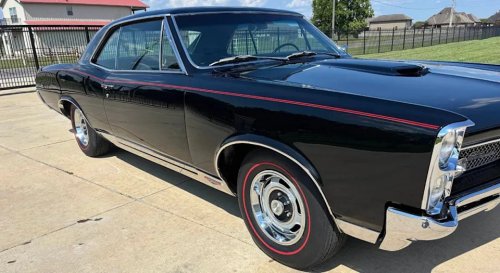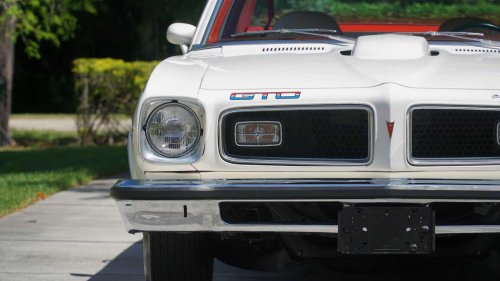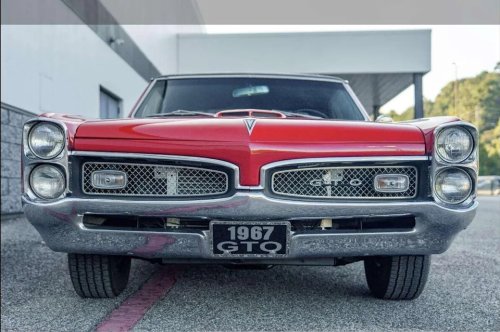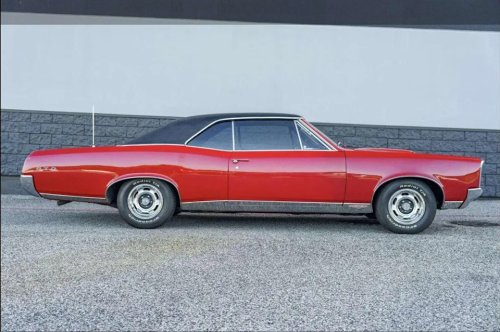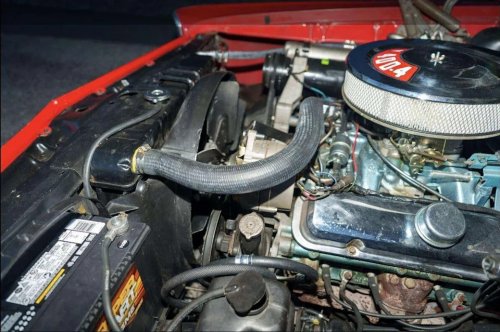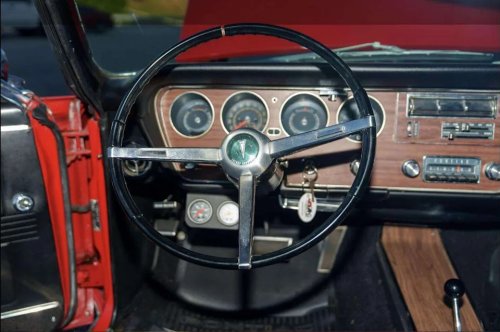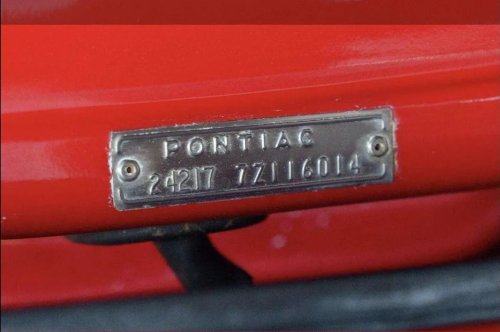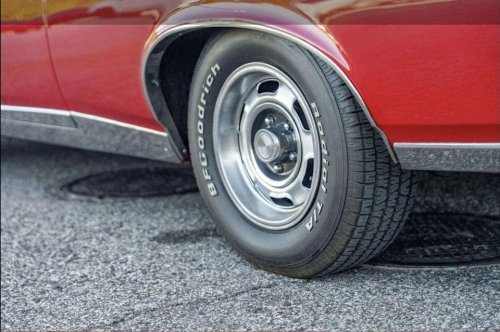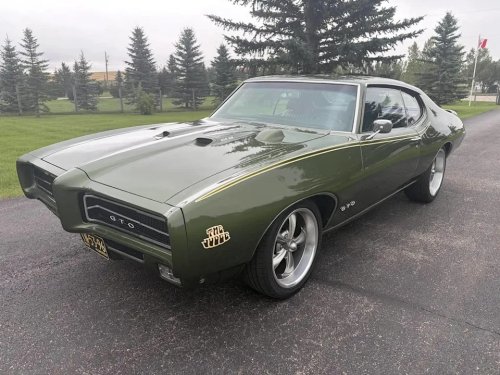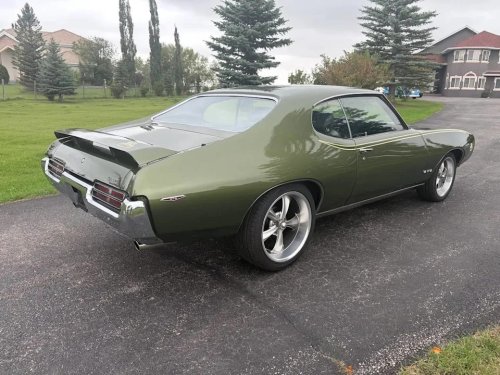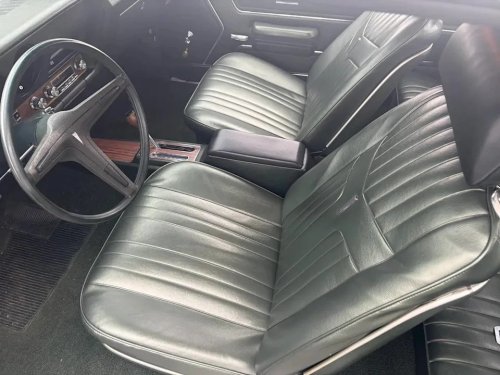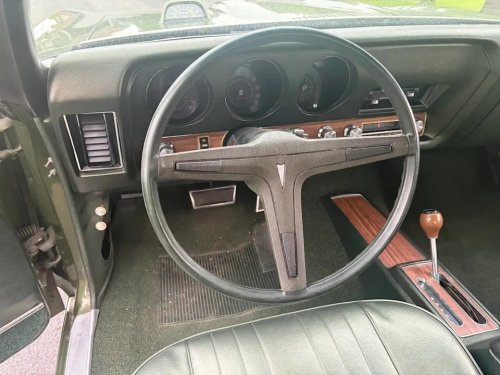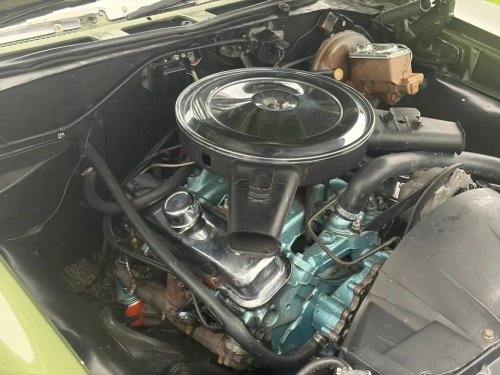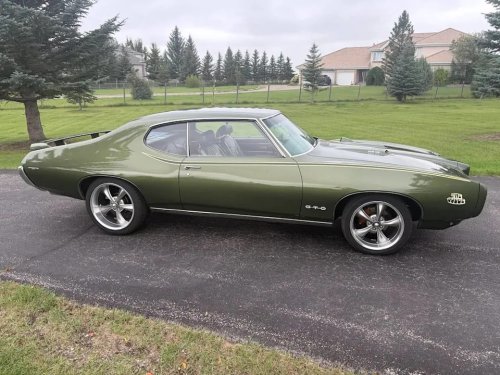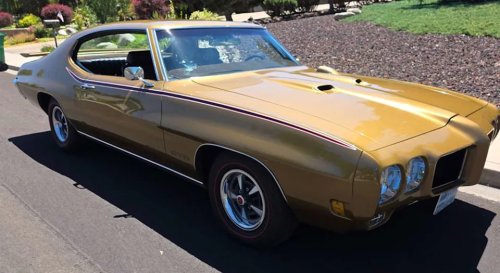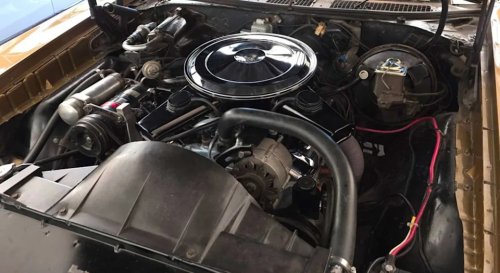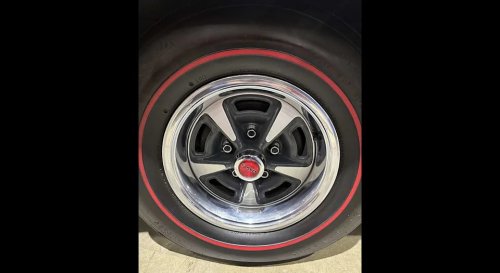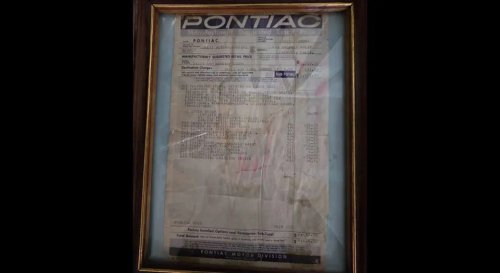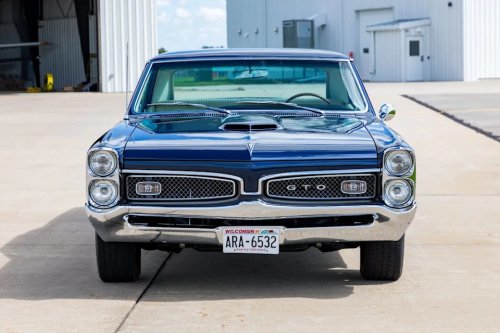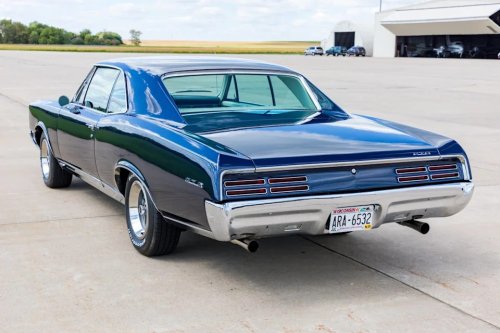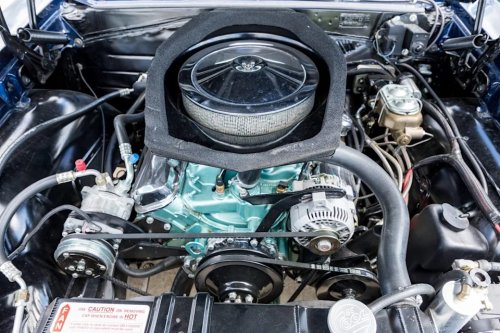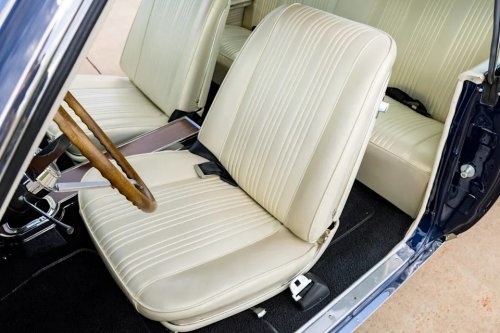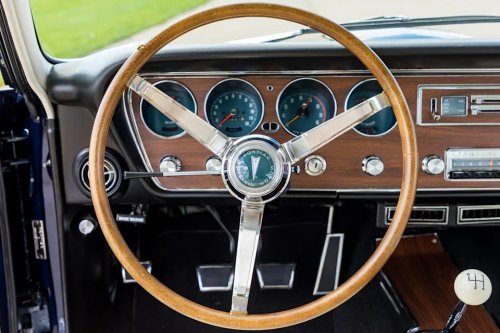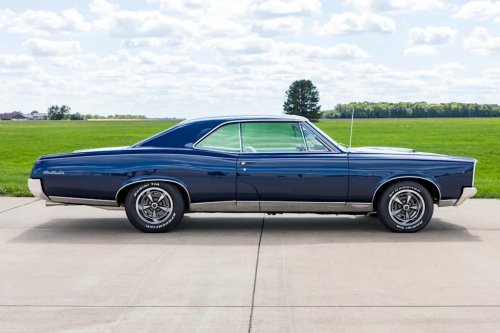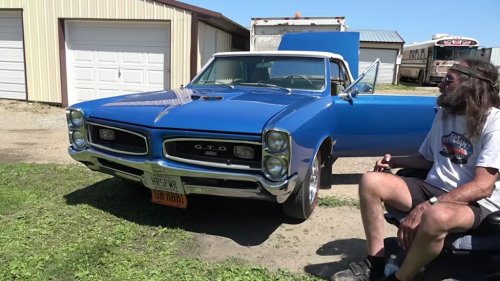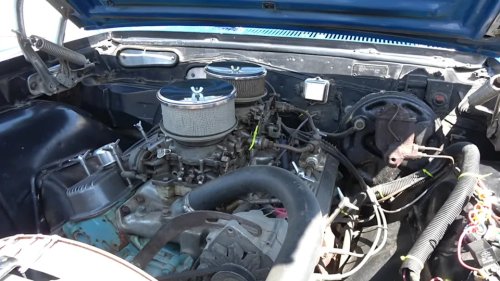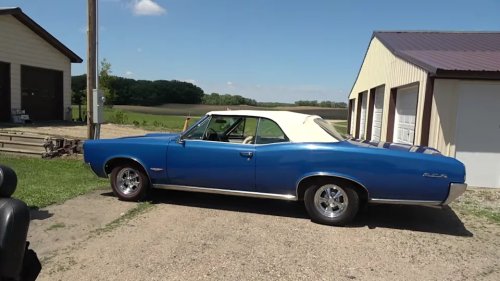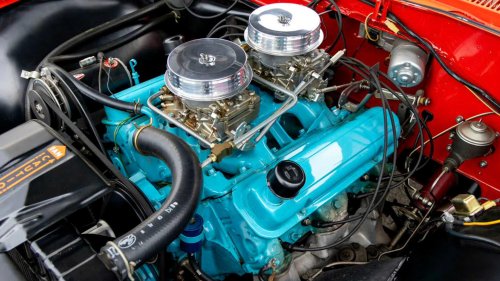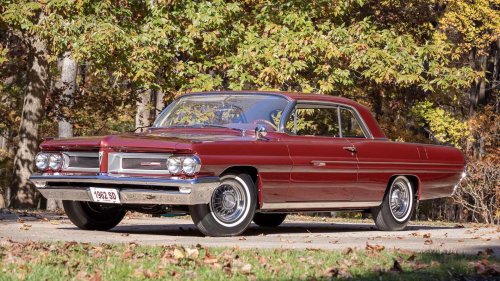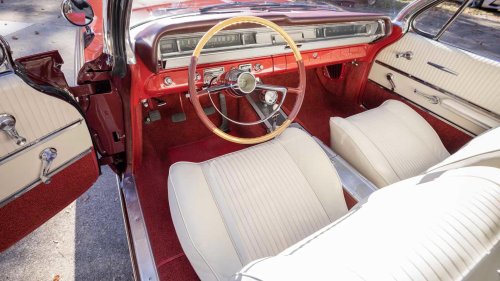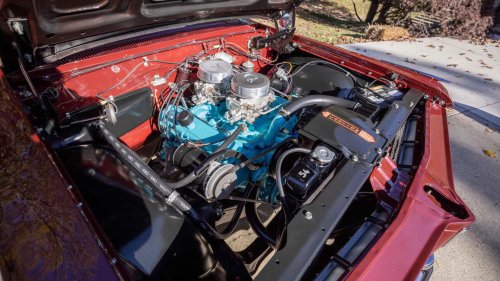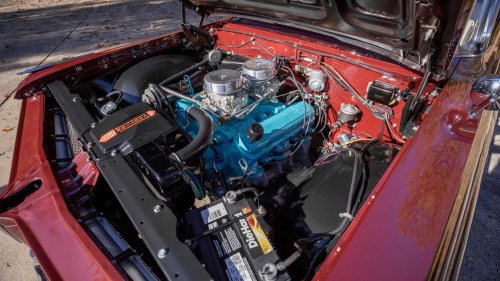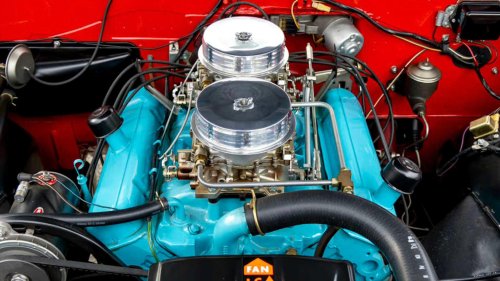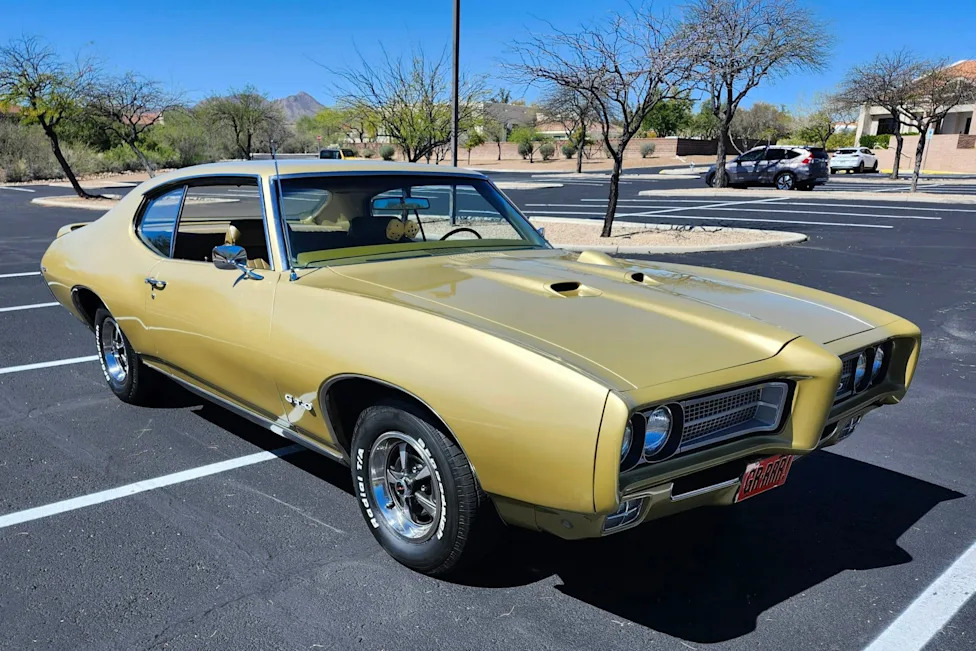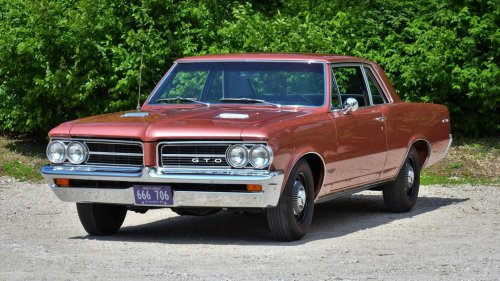
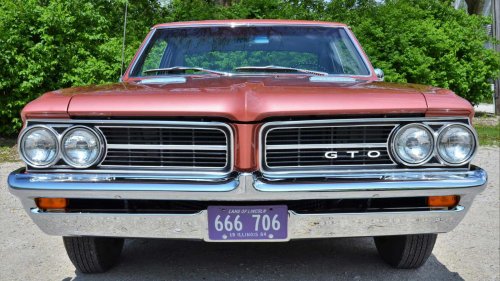
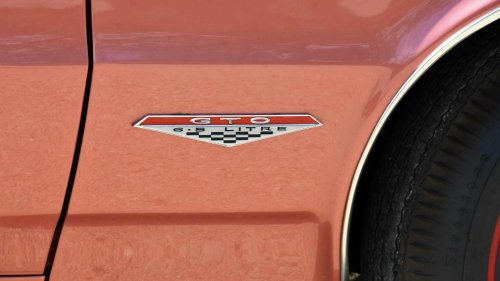
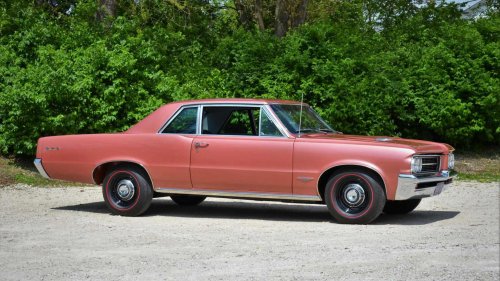
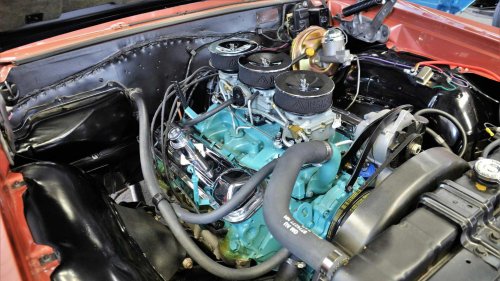
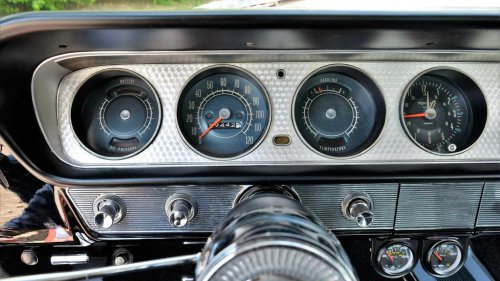
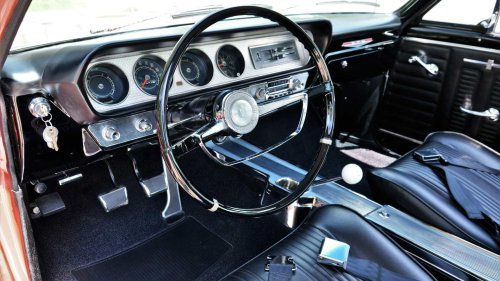
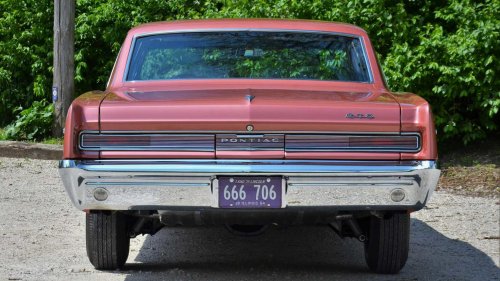
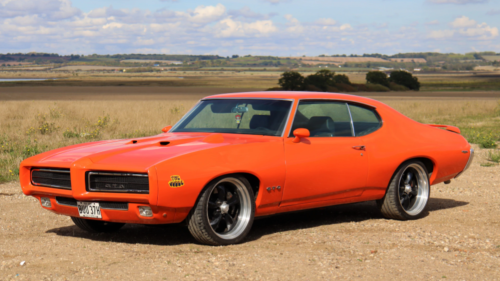
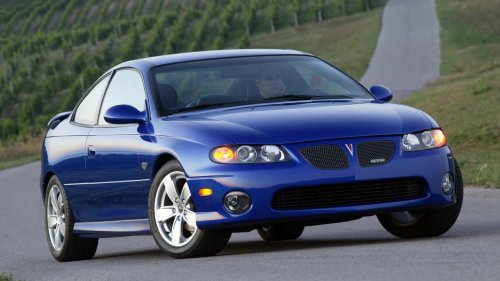



















Muscle cars. Few automotive segments capture raw power as well as the muscle car, and it obviously has an rich history in the United States. Throughout the 1960s and early 1970s, the muscle car was the automotive icon for which the US was known. A few models belonging to the segment were responsible for capturing the hearts and souls of millions of gearheads. These machines were also responsible for sparking an interest in cars in many young folk, this author included.Discussing muscle cars can be a tense subject, especially when you try to argue about the origin of the muscle car as a whole. Some folks believe it to be the 1949 Oldsmobile 88, which boasted the first mass-produced high-compression V8, the Rocket V8. Others argue that it was the Chrysler 300 Letter Series. However, the Pontiac GTO is probably the most widely accepted argument for being the original muscle car.The GTO debuted in the early 1960s, and its recipe was simple. Take a big V8 and shoehorn it into a relatively light, mid-sized car. The two-part formula sparked an automotive revolution in the US that's still felt today, over 60 years later. First To The Fold Bring A Trailer Key Points Regarding The Original Pontiac GTO Introduced in 1964 First available as an optional package Originally based on the Pontiac Tempest LeMans Boasted a 389 cubic-inch (CID) V8 Sold at six times the rate GM originally predicted The Pontiac GTO was originally never meant to take America by storm. In the beginning, Pontiac was interested in furthering its racing image. However, General Motors, its parent company, banned participating in motorsports in 1963. The situation forced Pontiac to advertise and market with a new focus on street performance. In order to be set apart from other GM subsidiaries, namely Chevrolet, three men employed by Pontiac set about concocting a plan that would end up changing the automotive landscape forever.Those three Pontiac employees were John DeLorean, Bill Collins, and Russ Gee. Of course, we all know of John DeLorean, the man behind the famous DeLorean DMC-12 of the mid-1980s. However, Collins and Gee were also high-profile members of Pontiac's top brass, and they were equally involved in the birth of the GTO. They hatched a plan to take the second-gen Pontiac Tempest LeMans and drop a large V8 borrowed from the larger Pontiac Grand Prix underneath its hood.Bring A Trailer As standard, the second-gen Tempest was to be equipped with a 215 CID inline-six, while two- and four-barrel carbureted versions of the 326 CID V8 were optional. At the time, General Motors had an edict that limited mid-size cars from using engines larger than 330 CID. However, Pontiac's team discovered a loophole in the rule. Apparently, as long as the model's standard engine was under 330 cubes, any optional mills could be larger than the limit. So, offering the GTO and its 389 CID V8 as an optional upgrade meant Pontiac could circumvent the engine displacement limit. Thus, the GTO was born. Enter The Tiger Bring A TrailerWhen we say "The Tiger", we're referring to one of the original marketing slogans attached to the GTO, meant to convey its sense of raw, ferocious power. It officially went into production on September 3rd, 1963, with the first models being delivered before the end of that year. Being that the original GTO was actually an option offered on the Pontiac Tempest-based LeMans, the GTO upgrade was priced at $295, or roughly $3,083 in today's money.Bring A Trailer Sales were instantly a hit, with Pontiac surpassing its initial 5,000-unit annual target within just a few months. When the first full model year had elapsed, Pontiac managed to shift 32,450 units. Without knowing it, Pontiac had effectively brought the United States into a new age of everyday driving with regard to performance. Couple the GTO with the introduction of the Ford Mustang in April 1964, and the US had experienced a total revolution in its automotive market in just one year. The '64 GTOs Ins And Outs Bring A TrailerWhile the sole engine available for the 1964 Pontiac GTO was a 389 CID V8, there were two distinct variations that you could order. At base level, it boasted a single, 690 cubic feet per minute (CFM) four-barrel carburetor supplied by Carter and produced 325 horsepower. However, optionally, you could order your GTO with something called "Tri-Power." The Tri-Power option featured three, two-barrel Rochester carburetors, which upped horsepower output by 23 ponies from standard, for a total of 348 hp. Both tunes made 428 pound-feet of torque.Bring A Trailer At the entry-level, the GTO package came standard with a three-speed, floor-mounted manual transmission boasting a Hurst shifter. Optionally, folks could spring for either a four-speed, floor-mounted manual transmission or a two-speed automatic called the Super Turbine 300. As for the rest of the GTO package, several other performance upgrades were included, such as a true-dual exhaust system, chromed pair of valve covers, and a seven-bladed clutched engine fan.Bring A Trailer As for its suspension, a ride and handling package was offered, which beefed up the GTO's suspension and provided a firmer, more planted ride. You could also have a limited-slip differential (LSD), a dashboard-mounted tachometer, a heavy-duty cooling system, power steering, and metallic-lined brake drums. Comfort and convenience options included power windows, air conditioning, tilting steering wheel, a power-tilt driver's seat, and more.We lay out the 1964 Pontiac GTO's detailed engine and performance specs when equipped with the Tri-Power option in the table below:*Specs courtesy of Muscle Cars Illustrated Current Pricing Bring A TrailerBeing that the 1964 Pontiac GTO is what kicked off America's obsession with muscle cars, its current average market prices aren't exactly cheap. However, if you've gotten yourself worked up and are now experiencing an intense lust for one of your own, we completely understand. Luckily, because there were 32,450 produced in 1964, they aren't extremely rare. Although it's not as common to come across one as, say, a debut-year Mustang. Regardless, in the table below, we showcase the '64 GTO's average pricing:*Pricing courtesy of Hagerty The GTO Deserves The Utmost Respect CollectingCarsFollowing the GTO's 1964 model year, it was off to the races for Pontiac, along with most of America's brands. Oldsmobile would quickly become the second automaker to produce a "muscle car" with the introduction of the F-85. General Motors would remove its 330 cubic-inch limit on engines for mid-sized models in 1965 partly due to the GTO's popularity. Then, it became its own, standalone model due to Pontiac's immense popularity beginning in 1966.General Motors The GTO then went onto be one of the most famous muscle cars ever produced, especially in its "Judge" era, lasting from 1969 to 1971. The model, following the sharp decline of the muscle car era, was discontinued in 1974. However, it was brought back as a captive import based on the Holden Monaro in 2004, and stuck around for two years. This final, fifth-gen Pontiac GTO was considered one of the last, true muscle cars to be produced.In our book, the GTO has done more than most models have ever accomplished in its rather short life, and that's why it will always deserve a hearty salute.