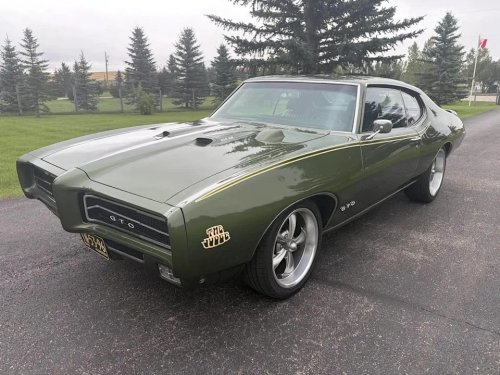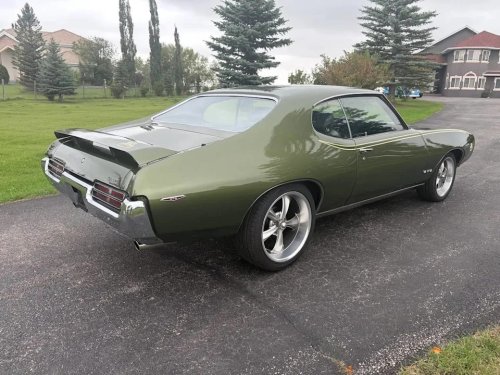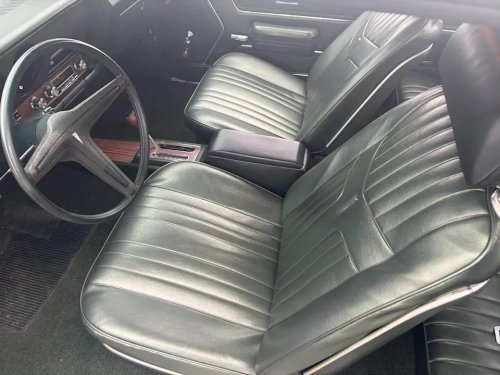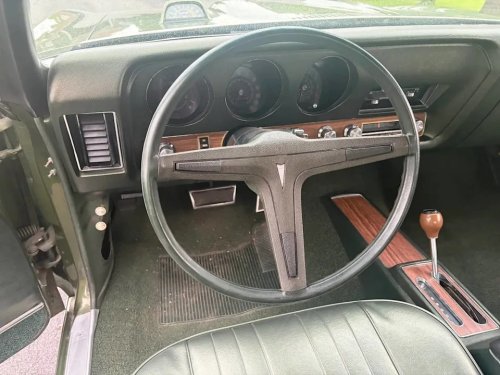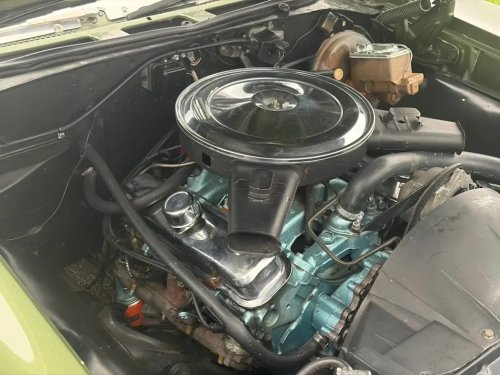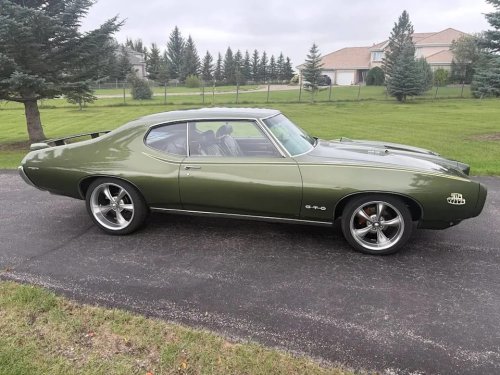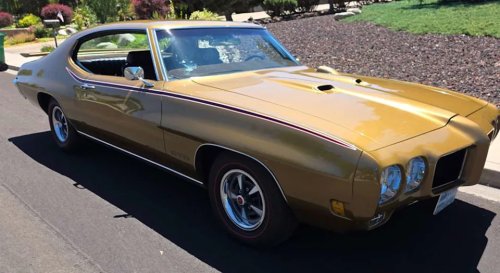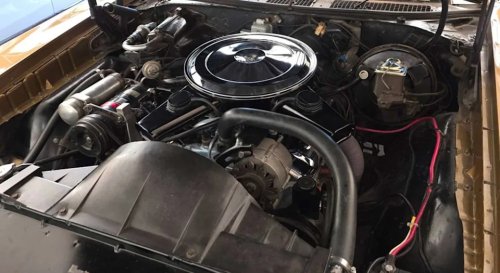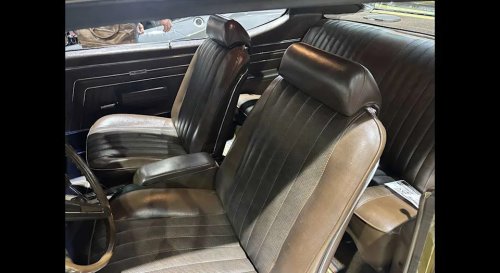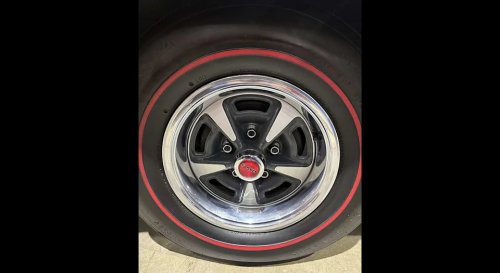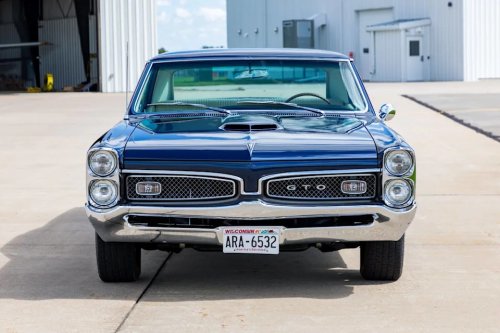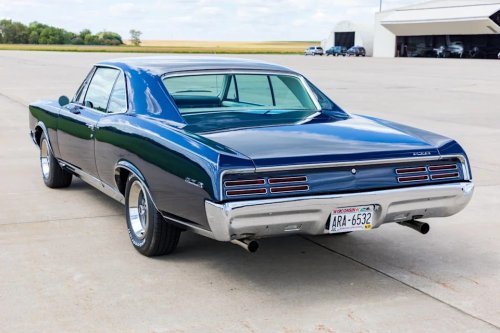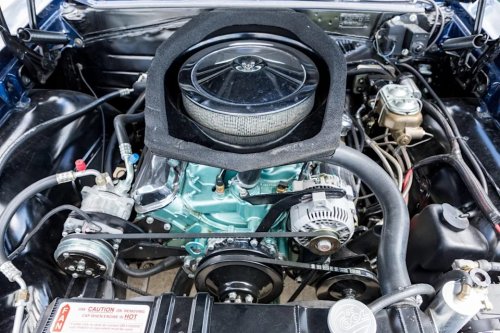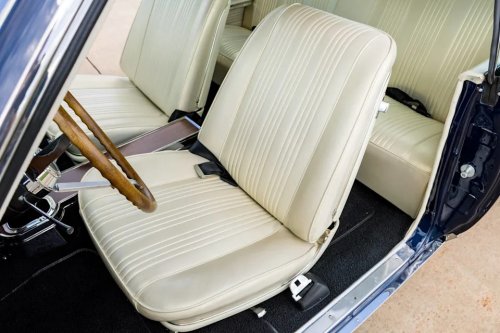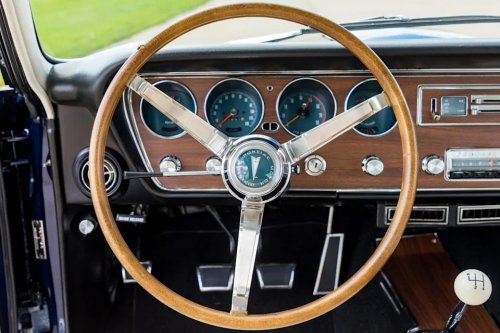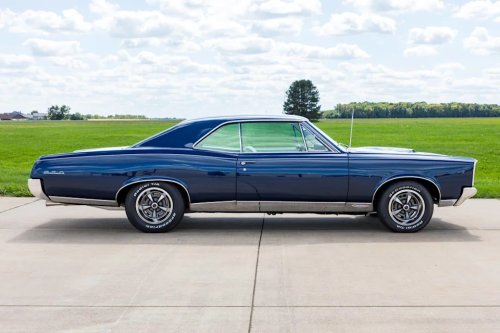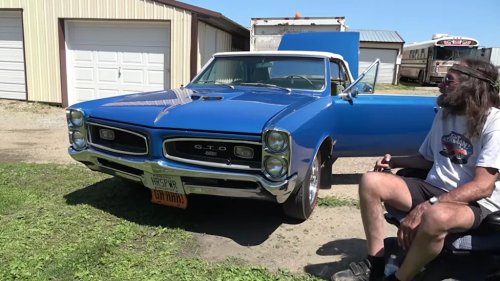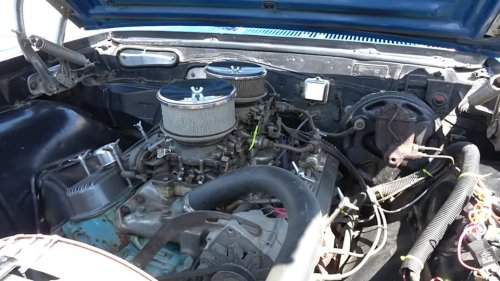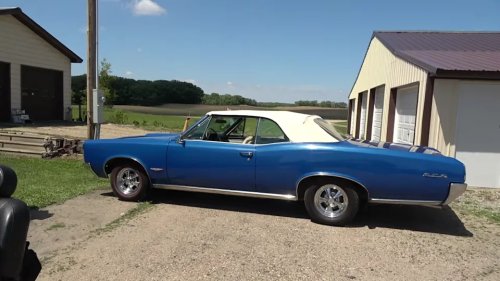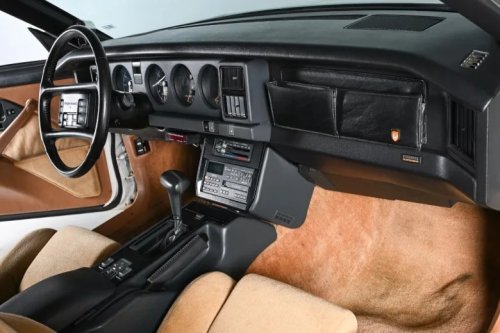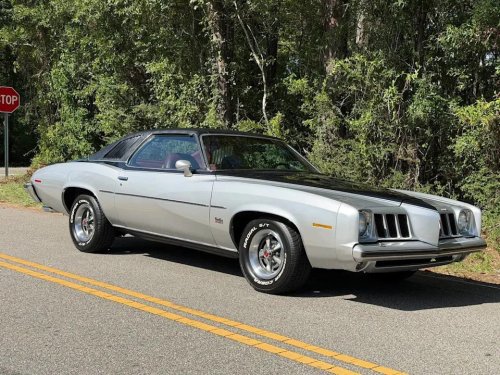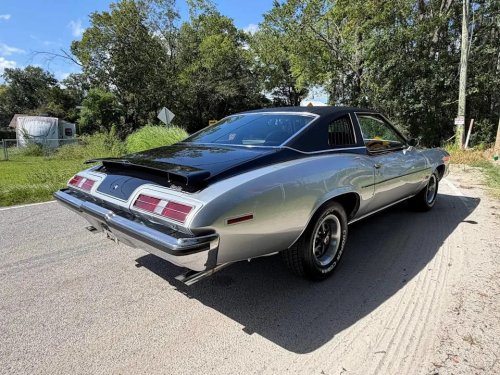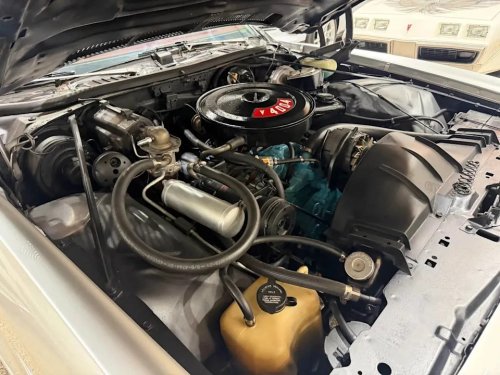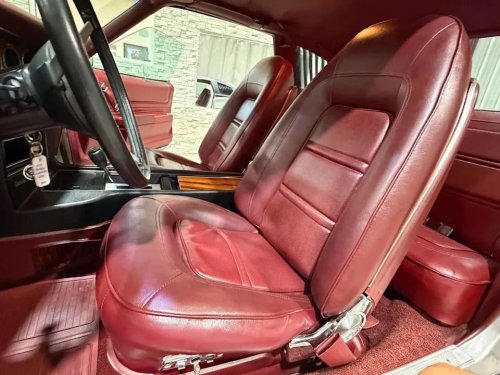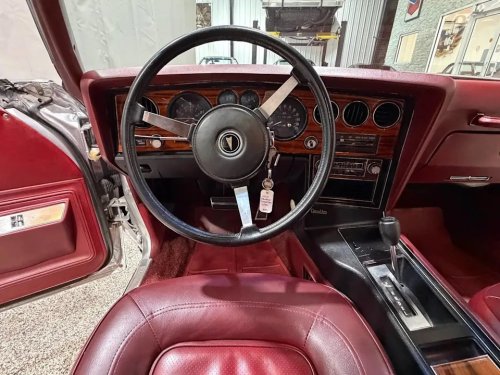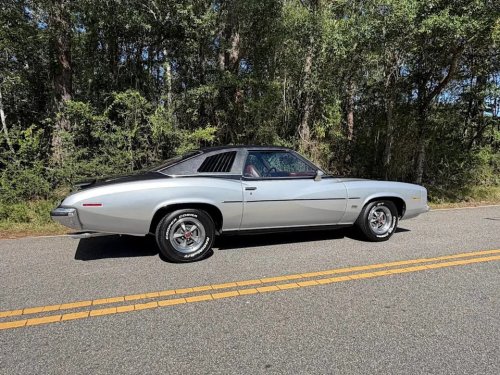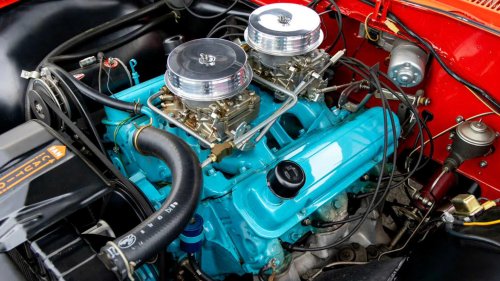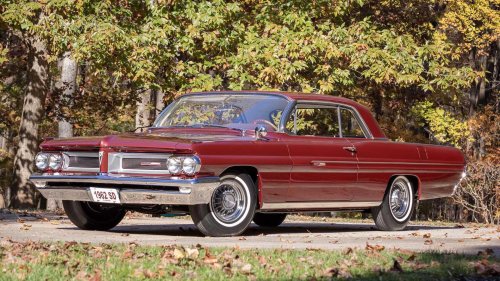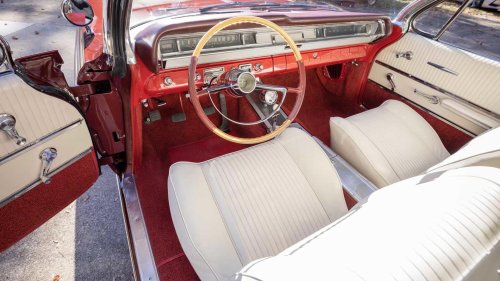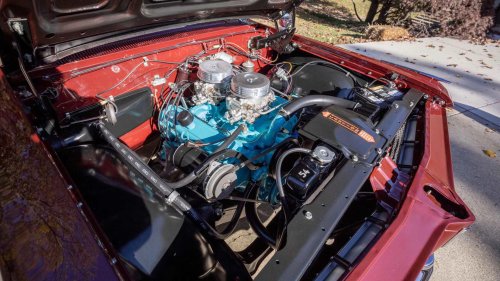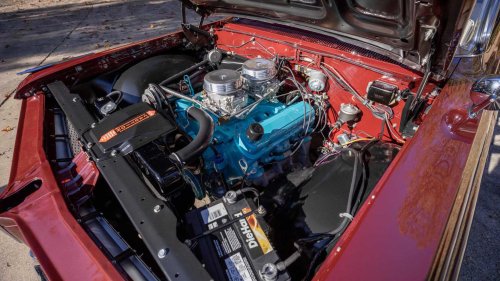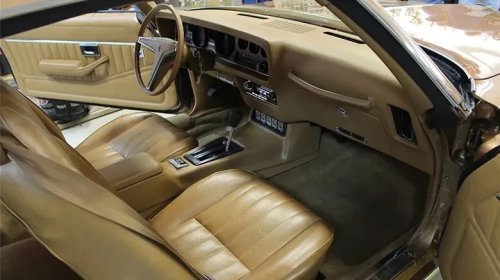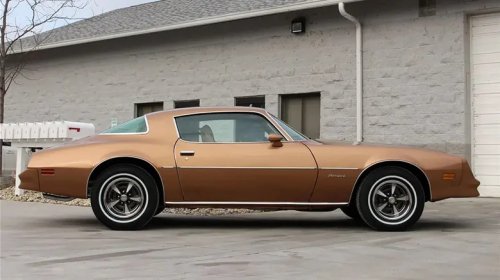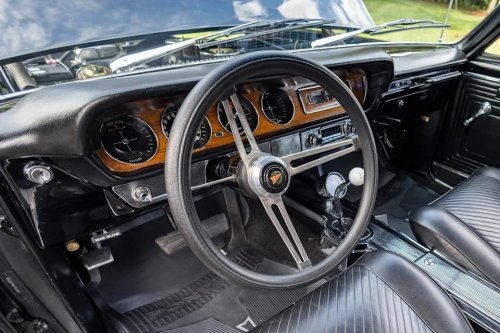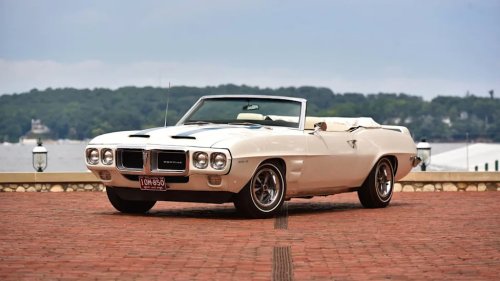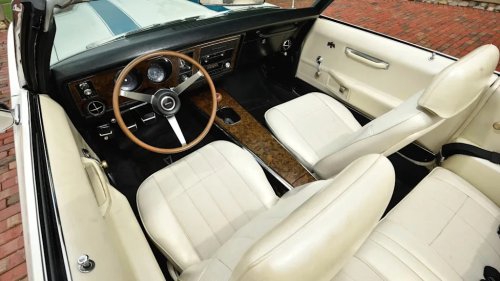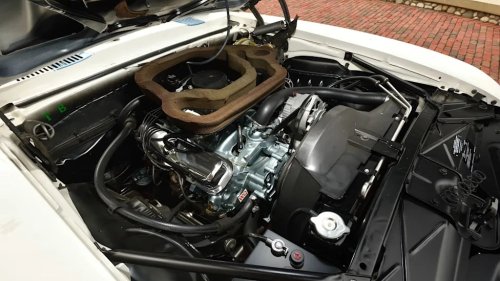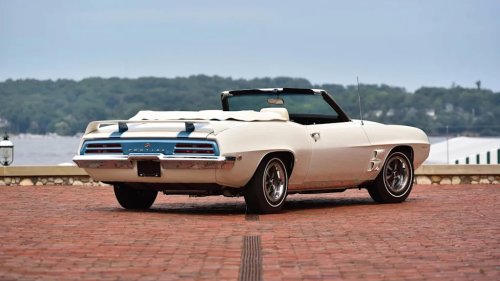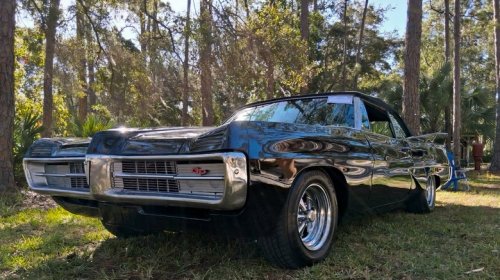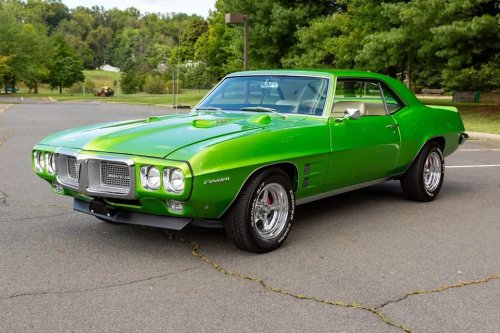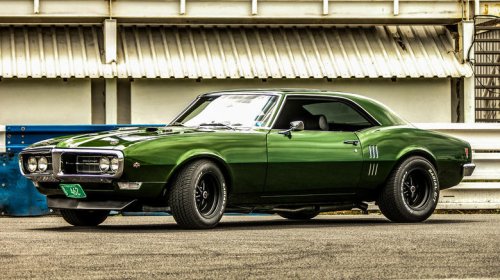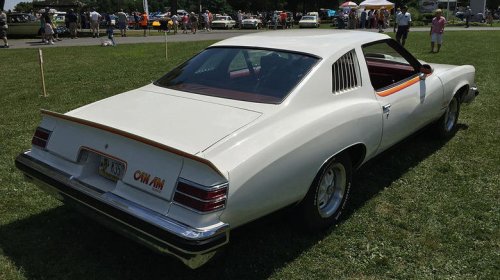
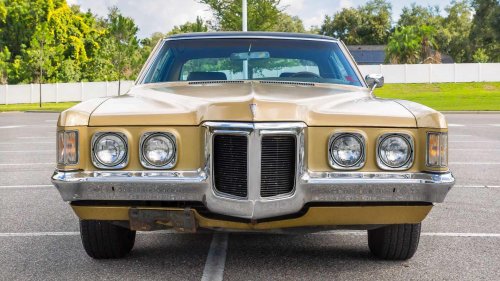
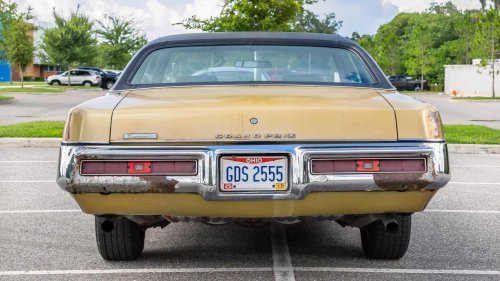
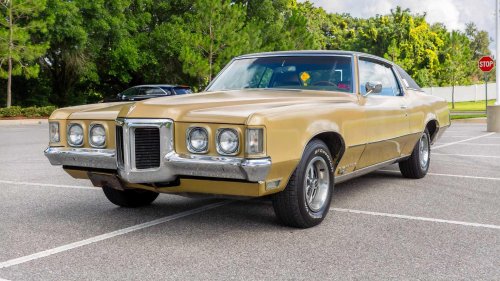
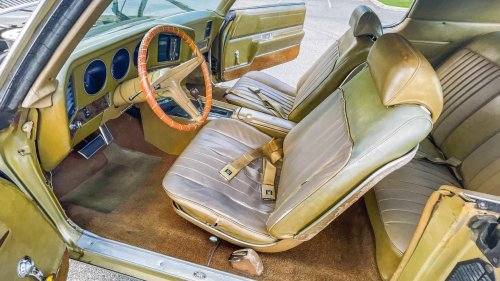



















Before luxury cars became soft status symbols, one American two-door sedan worked from a strange brief. It had a hood long enough to land a small aircraft, a cockpit aimed at the driver, and the kind of torque that made expensive European machinery look over its shoulder.That sounds like the sort of thing anyone, let alone Pontiac, would brag about until the end of time, preferably in a print ad with a man in sunglasses and a suspiciously empty highway. Instead, this car slipped into the cracks between muscle car legend and luxury-car respectability. It was too polished to be treated like a street fighter, too serious to be dismissed as a cruiser, and too weirdly perfect to have stayed this forgotten. Why Personal Luxury Cars Started Going Soft Bring A TrailerThink back to the late ’60s and the personal luxury car was turning into a very specific kind of machine. It was big, stylish, comfortable, and a little self-important in the way only a car with acres of hood and a vinyl roof could be. Buyers wanted status, space, and some drama when they pulled up outside a restaurant. Actual performance still mattered, but it often had to share the room with chrome, upholstery, and the sort of options list that could make a salesman’s tie knot loosen.That created a strange split in Detroit. Muscle Cars were busy selling youth, noise, and quarter-mile heroics, while luxury coupes were selling image and isolation. One group wanted to light up the rear tires, while the other wanted to glide past the neighbors with the windows up and the air-conditioning doing its best impression of modern civilization. But what about the customer who wanted both? The Right Mix Bring A TrailerPontiac understood that particular customer better than most. This was the brand that had already learned how to make sensible cars feel slightly dangerous, like someone in engineering kept sneaking hot sauce into the product-planning meetings. It could build something with presence, power, polish, and just enough misbehavior to keep the whole thing honest.It had to be done right, though. A personal luxury car with real performance needed the right proportions, the right cabin, the right chassis feel, and enough mechanical credibility to survive a conversation with proper muscle cars. Otherwise, it was just a couch with a tachometer, and nobody needs that unless the couch can at least do a burnout. Pontiac Built A Gentleman’s Express With A Mean Streak Bring A TrailerFor 1969, Pontiac moved this idea onto a new 118-inch platform derived from the Tempest/GTO family. It gave the car a tighter foundation than a traditional full-size Pontiac, while still allowing the kind of long, theatrical bodywork that made late-’60s Detroit so addictive. The styling leaned hard into the long-hood, short-deck formula, and the result looked like it had been sketched by someone who believed subtlety was something imported from Europe and best avoided.The standard setup already had muscle behind it. A 350-hp 400ci V8 gave the car proper Pontiac shove right out of the gate, which meant the base idea wasn’t some underpowered poser waiting for an engine swap. But the 428ci option changed the character entirely. That engine moved the car out of the 'nice luxury coupe with power' lane and into something much more interesting. Big displacement was Pontiac’s favorite language, and the 428 spoke it fluently, loudly, and with no concern for fuel bills. It brought the kind of torque that didn’t ask the driver to work hard. The car just gathered itself and went, like a bank vault had suddenly remembered it was late for dinner.This was Pontiac just doing Pontiac things. The brand wasn’t trying to copy a European grand tourer bolt for bolt. Instead, it took the American route: put the driver behind a wraparound dashboard, give the body some menace, add a big V8, and let the whole thing feel expensive. The Line-Balancing Pontiac Grand Prix SJ 428 Was A Step Into The Unknown Bring A TrailerThe car was the 1969 Pontiac Grand Prix SJ 428, and even today, that name feels like it belongs to a machine with more personality than common sense. In standard SJ form, the 428ci V8 made 370 hp and 472 lb-ft of torque. That second number is the one that explains the whole car. Horsepower wins brochure arguments, but torque is what makes a long, heavy coupe feel like it has been kicked down the road by a freight train.Pontiac also offered the 428 H.O., rated at 390 hp and 465 lb-ft of torque. That gave the SJ even more credibility, especially for buyers who understood that luxury and performance didn't have to cancel each other out. The 428 H.O. produced 390 hp and 465 lb-ft. A car like this could wear nice trim, carry proper equipment, and still feel like it had a private agreement with the rear tires. Not so much delicate as it was dressed up.The rarity needs to be mentioned, too. Pontiac built more than 112,000 Grand Prix models for 1969, but the combination of SJ trim, 428 power, and a four-speed manual reportedly came down to just about 300 cars. Understandably, few expected a big personal-luxury Pontiac to show up with a clutch pedal and serious engine room hardware.That’s why the SJ 428 feels so off-script. It lived on the line between two worlds and somehow didn’t fall apart in the middle. It could play the executive coupe role with a straight face, then remind everyone that Pontiac had no interest in building rolling furniture. The SJ Was Way More Than A Big Engine Car Bring A TrailerThe SJ package added specific badging, rally gauges, heavy-duty automatic leveling suspension, and performance-focused chassis tuning. Those details helped separate it from a regular luxury coupe with a bigger engine checked on the order sheet. Pontiac gave the SJ a proper identity, which is why it still feels like a real performance variant rather than a trivia answer.The four-speed manual option sharpened the whole car. A big Pontiac with an automatic makes sense, but a big Pontiac with a 428 and a four-speed feels like someone in the office got away with something before management noticed. That transmission reportedly turned the car into a more involved machine, one that asked the driver to participate rather than simply aim the hood and let torque handle the paperwork. Straddling Both Worlds Bring A TrailerInside, the “Command Seat” layout gave the cabin a driver-first feel that was unusually cool for the segment. The wraparound instrument panel angled the gauges and controls toward the person behind the wheel, while the Strato bucket seats and integrated console made the interior feel more like a cockpit. It’s the sort of layout that makes you want to adjust the mirror, grab the shifter, and say something dramatic before starting the car (preferably something with too much confidence).The details were on point, too. Dual exhaust, bucket seats, a hidden antenna, an integrated console, and optional leather all played into the grand-touring vibe. This was still a comfortable, stylish car, and still the kind of machine that could be loaded with luxury features. The trick was that none of that erased the mechanical potency underneath.Sources: Hagerty, Over-Drive, PontiacV8.