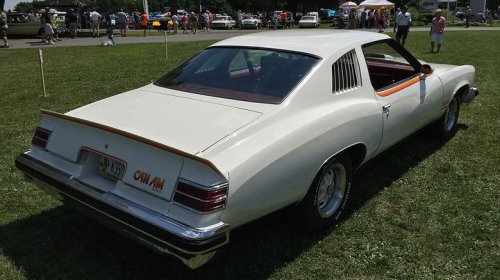
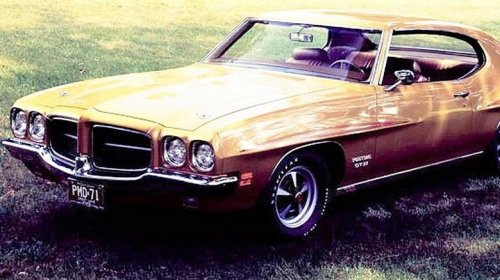
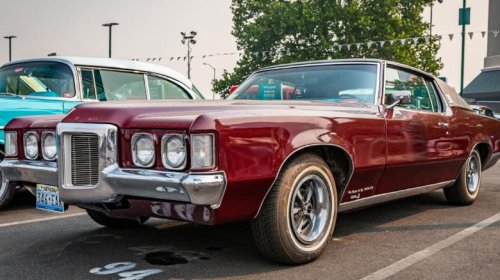
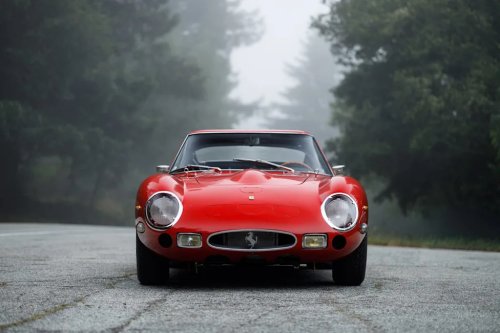
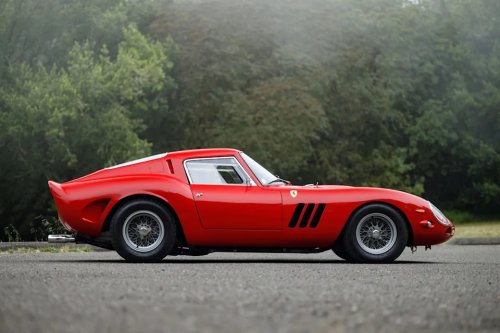
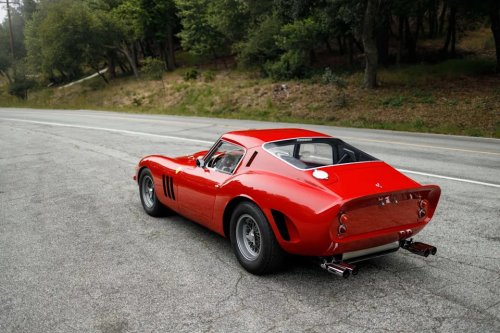
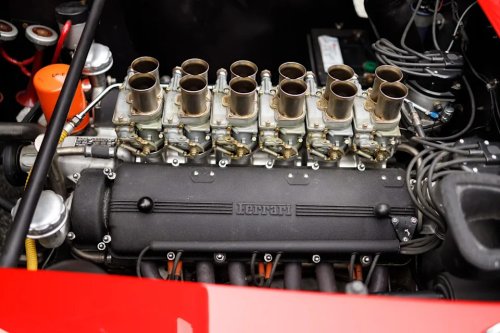
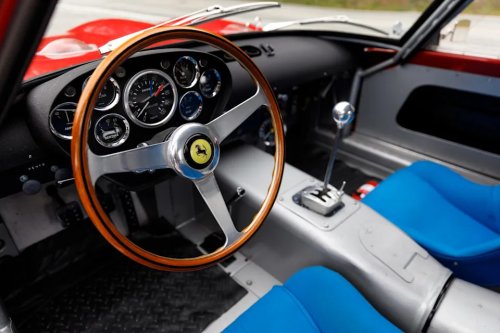
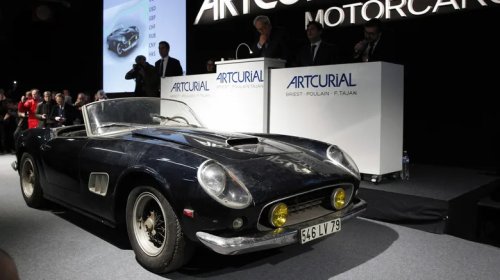
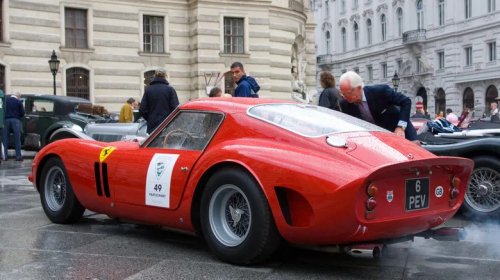
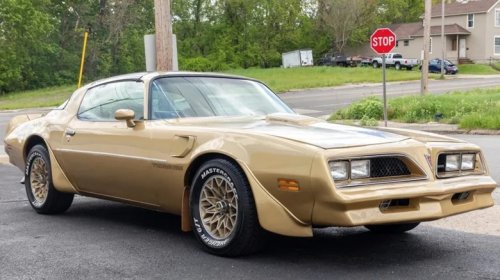
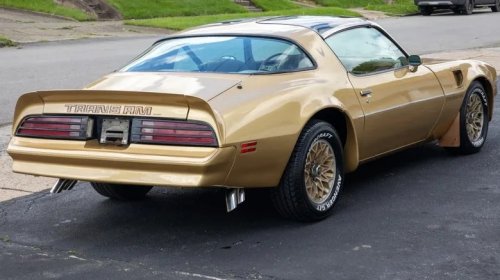
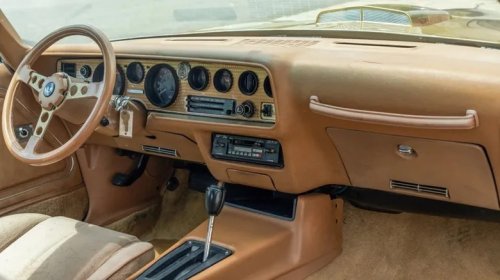
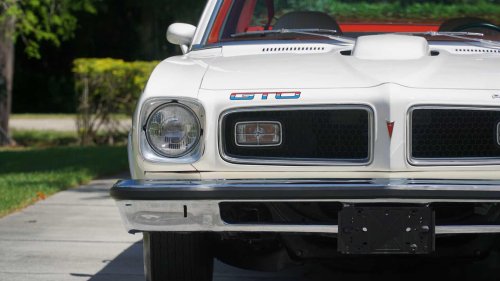
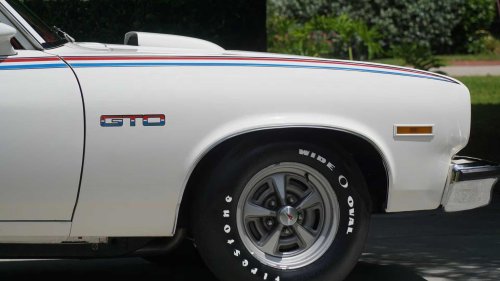
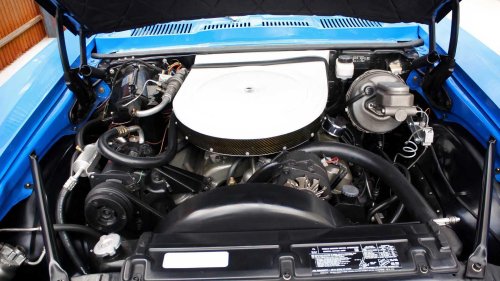
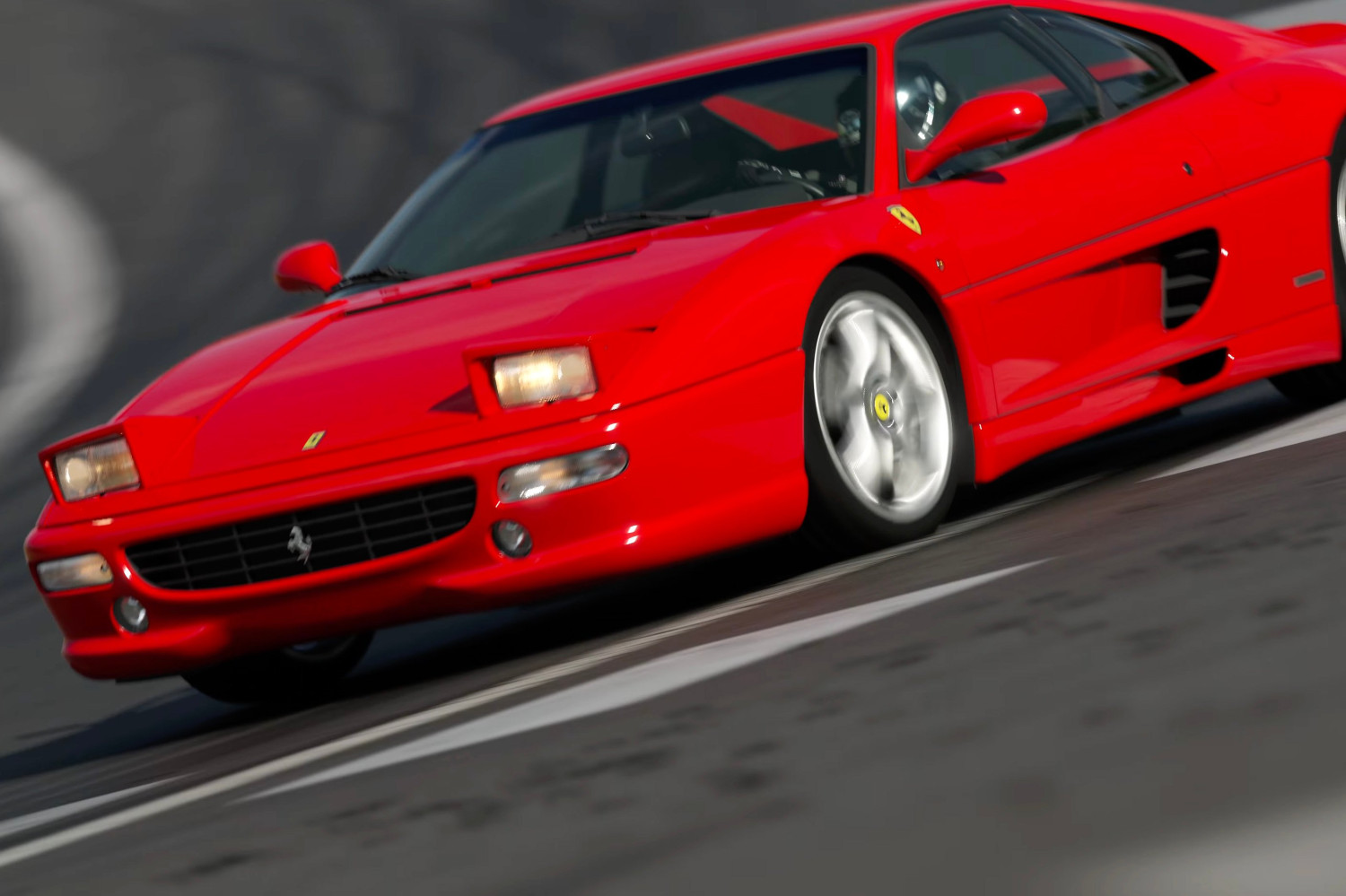
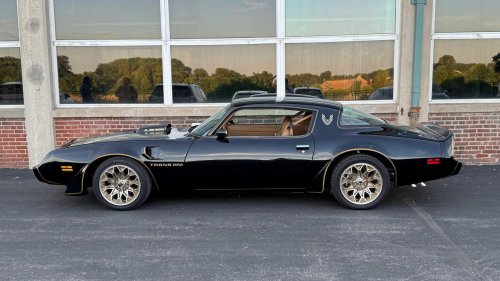
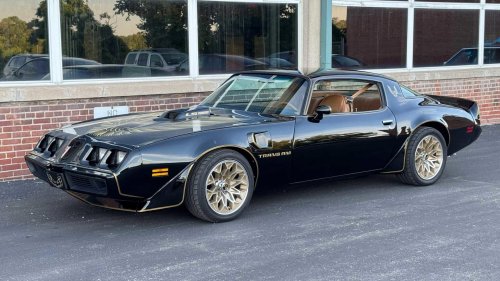
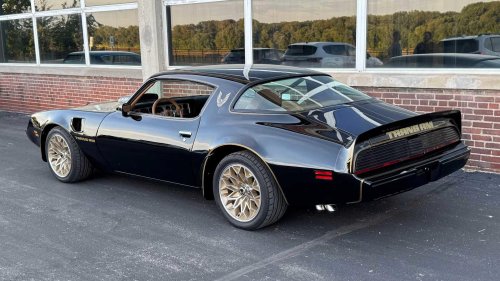
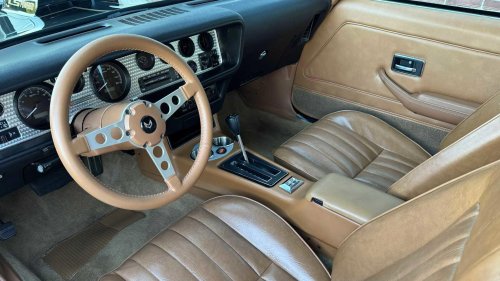
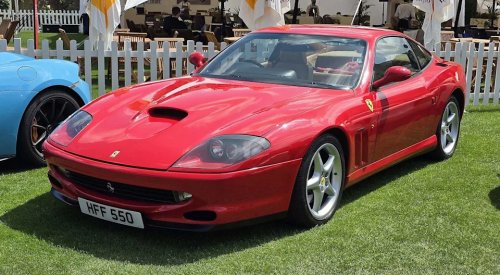
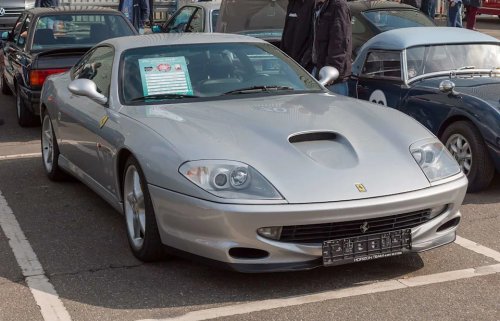
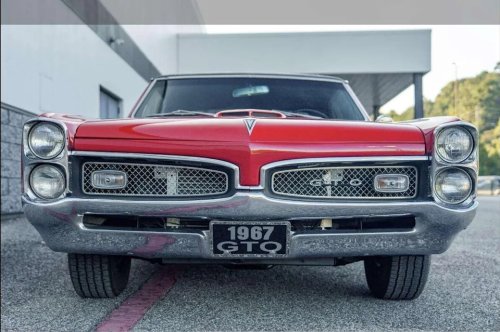
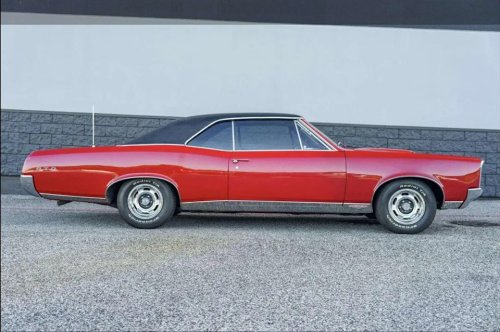
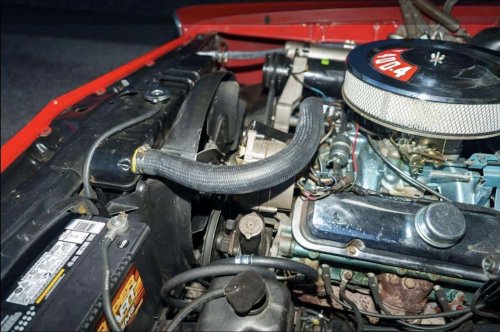
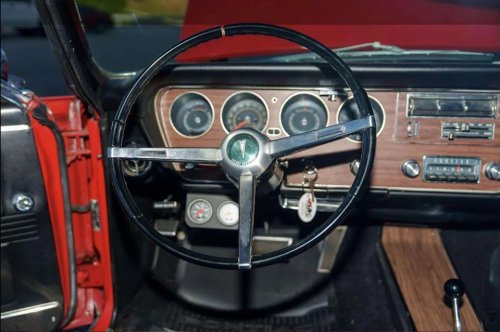
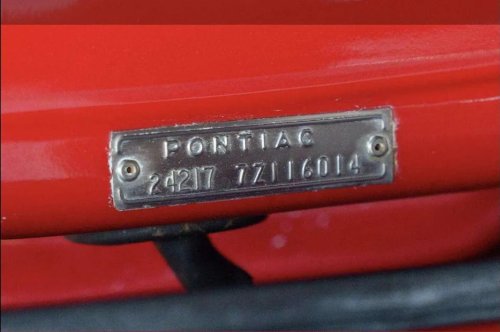
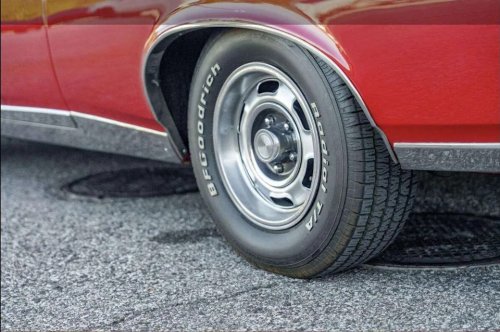
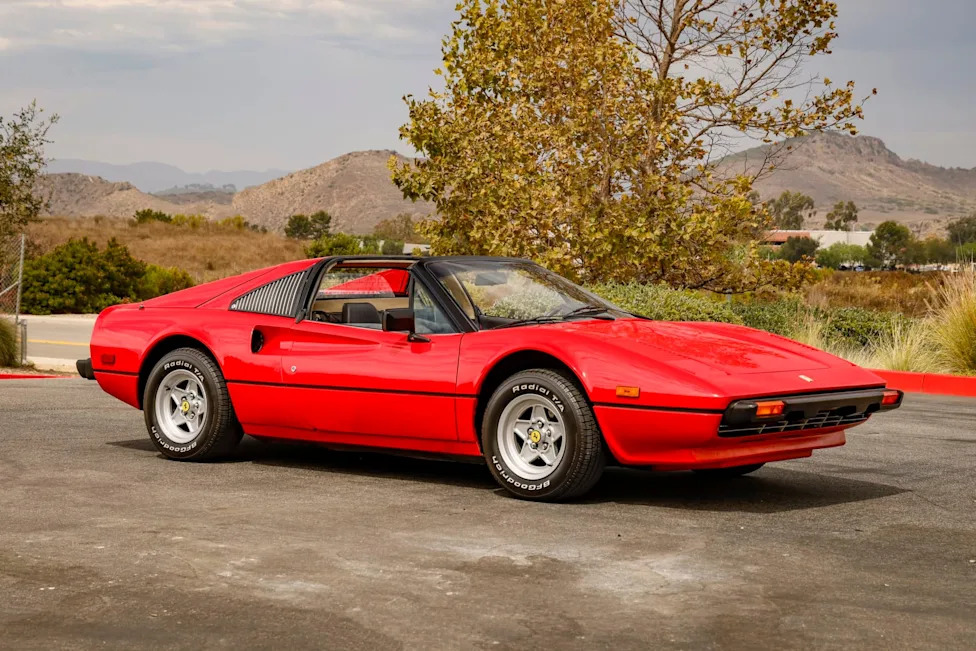
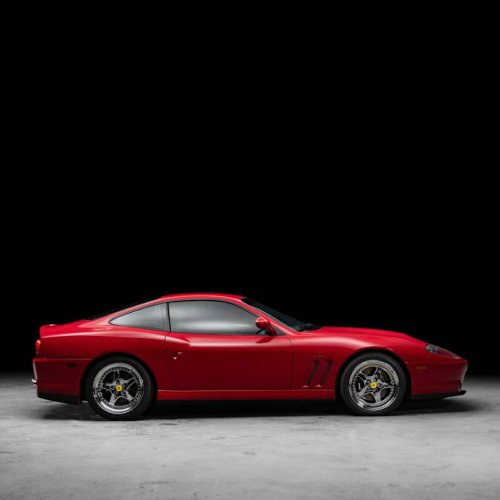
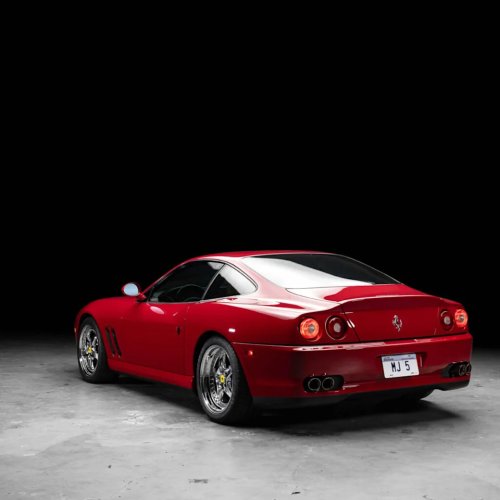
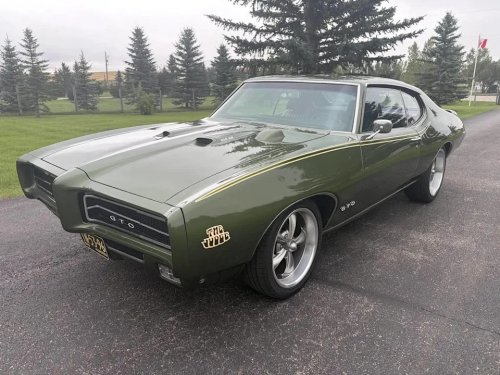
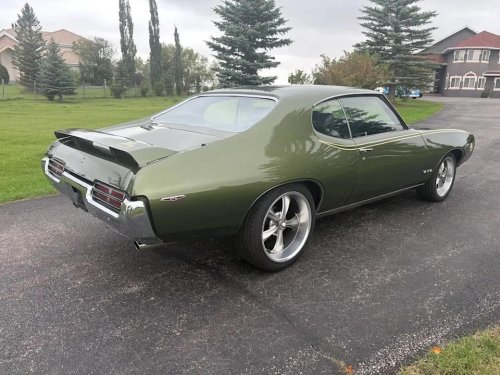
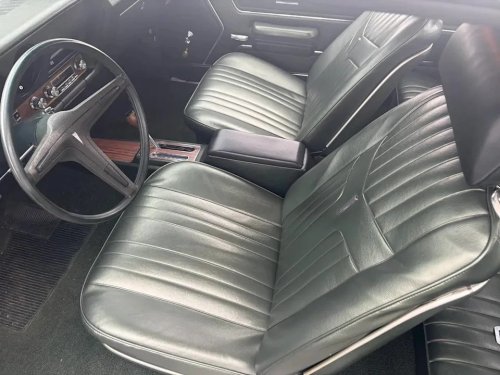
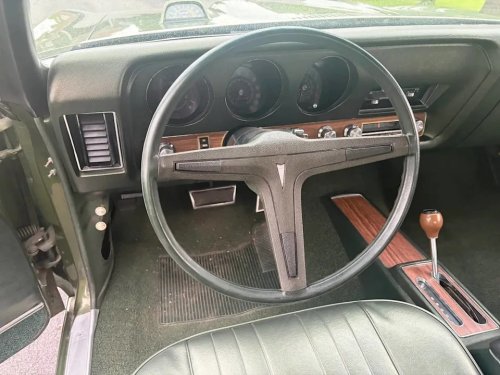
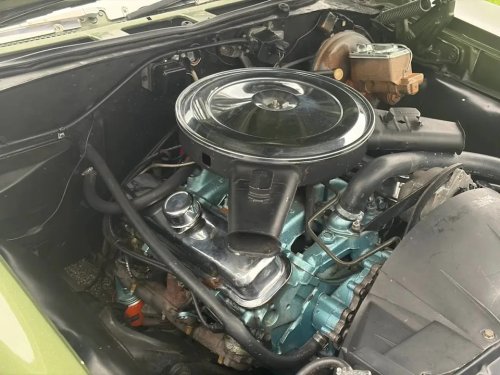
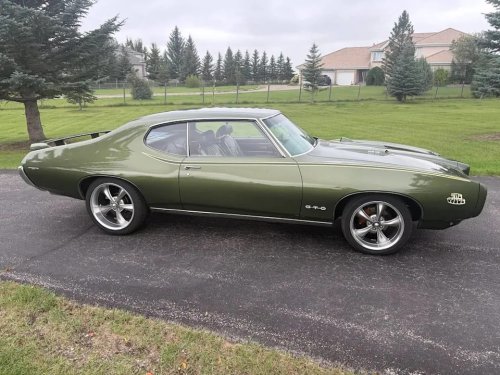
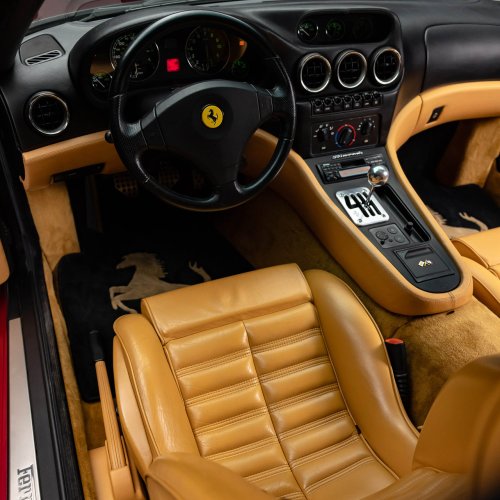
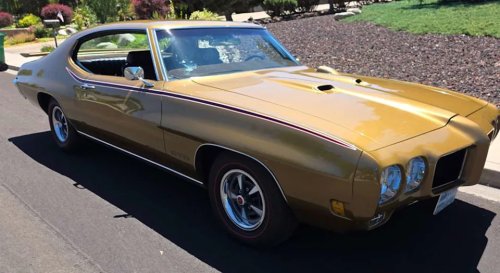
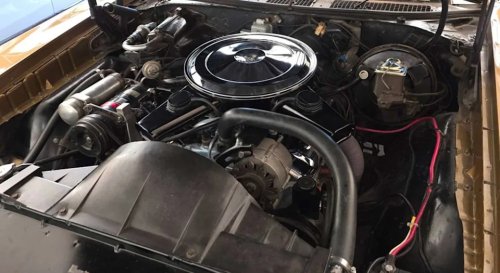
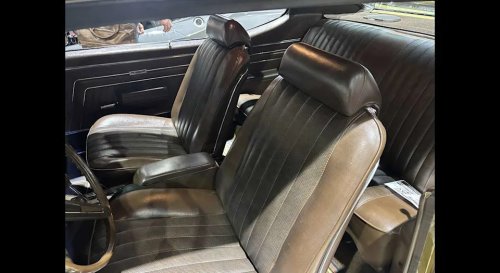
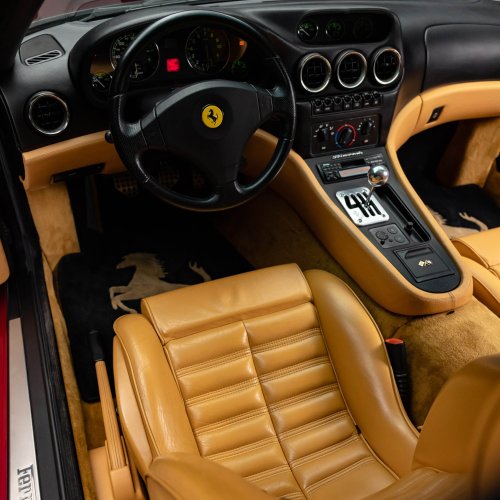
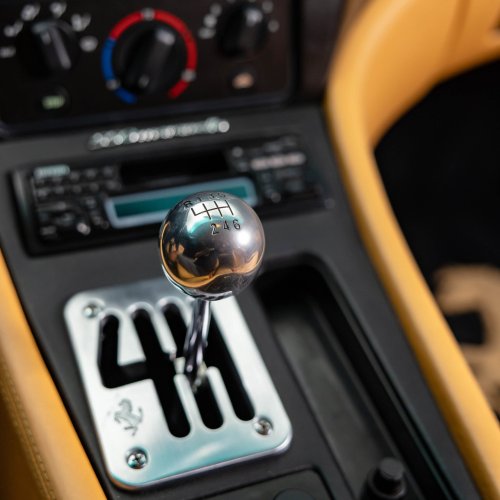
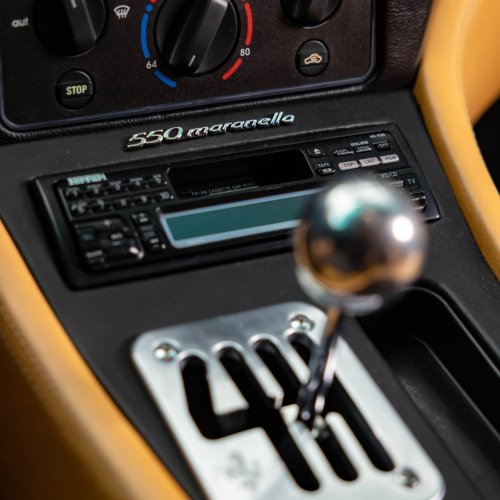
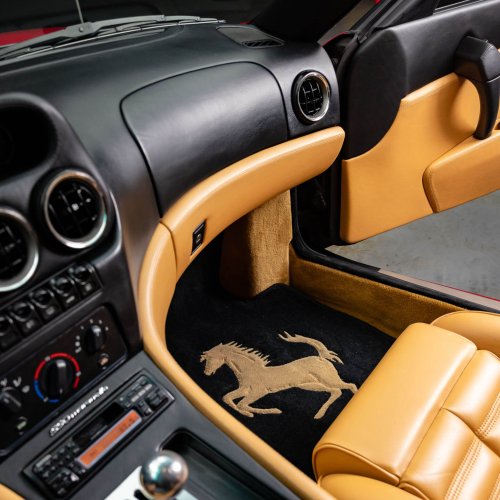
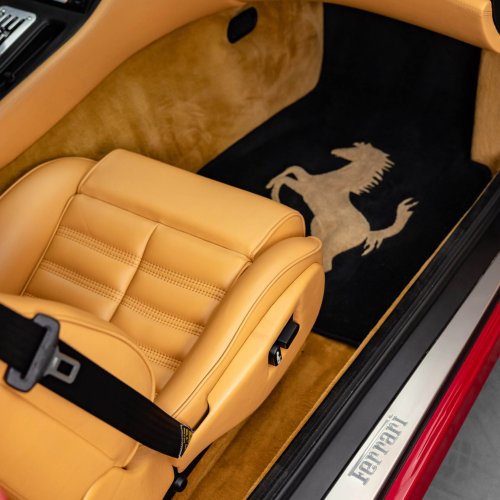
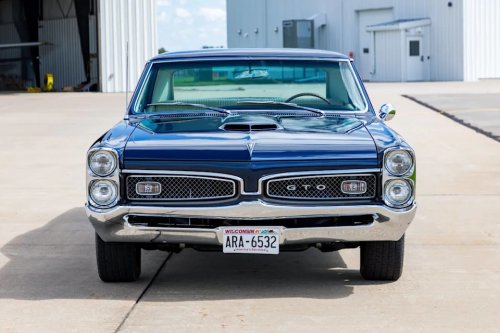
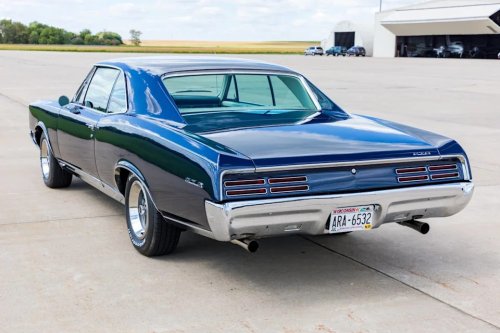
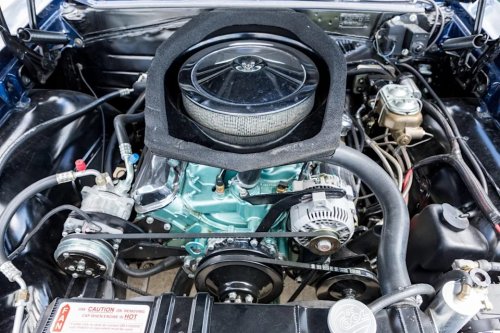
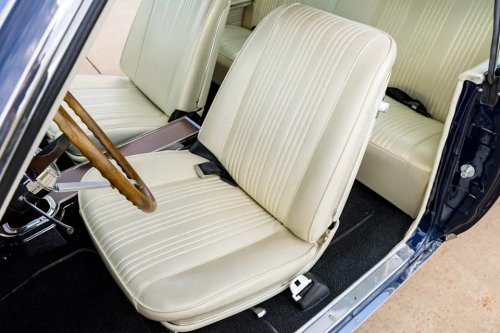
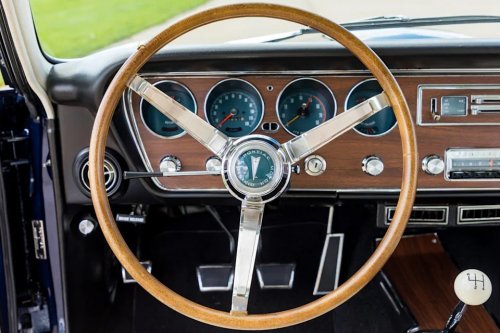
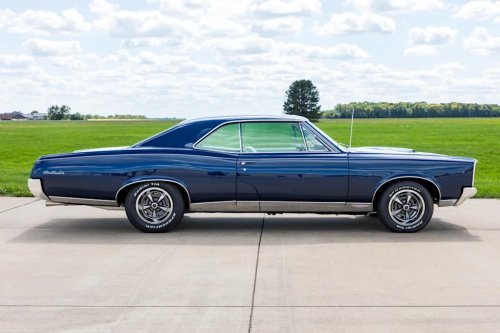
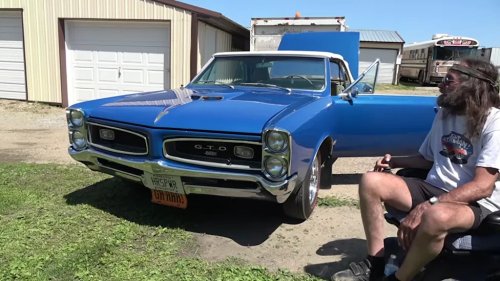
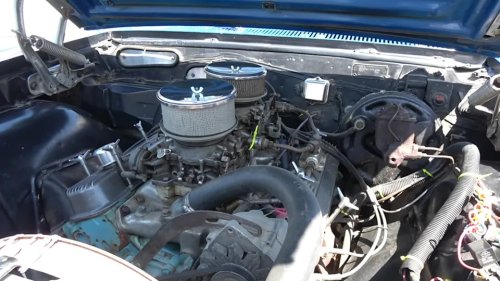
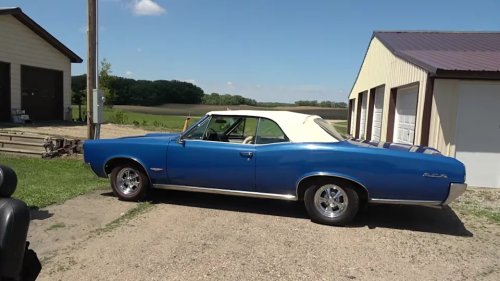
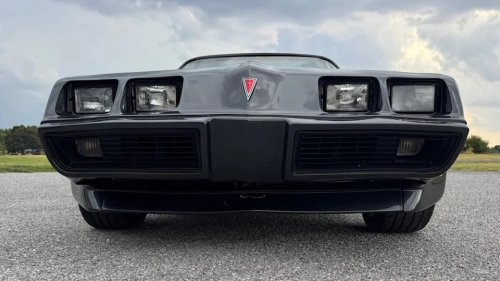
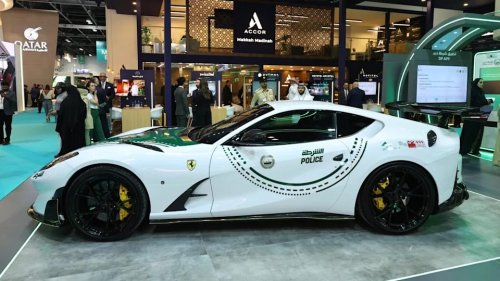
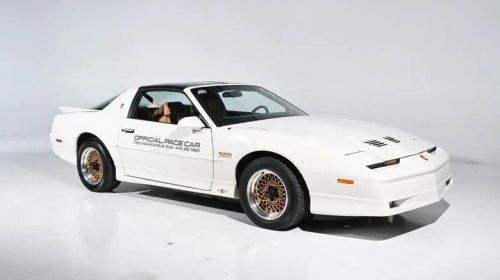
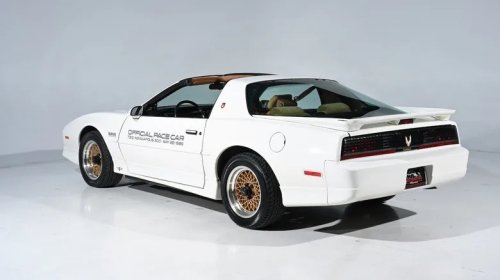
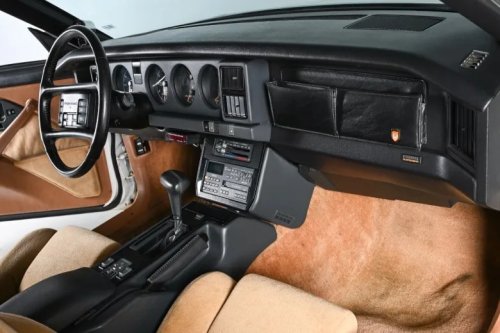
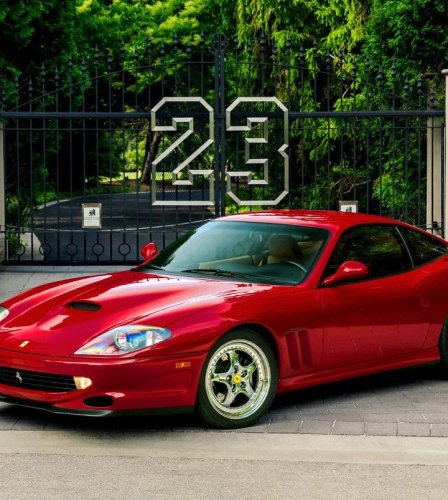
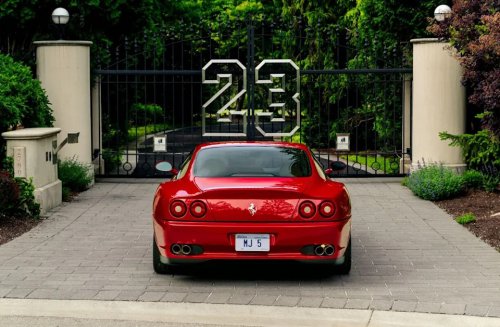
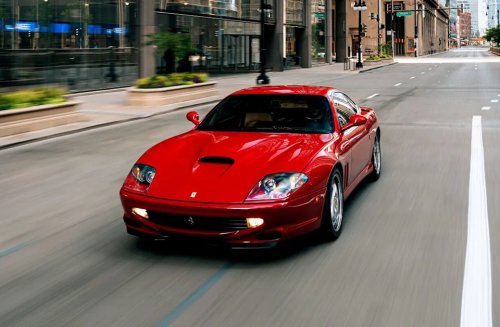
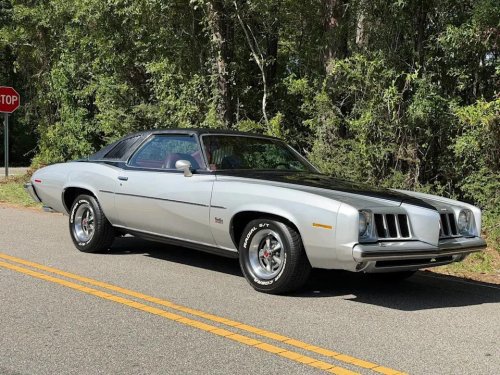
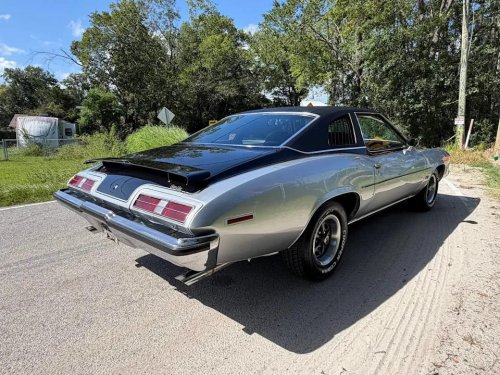
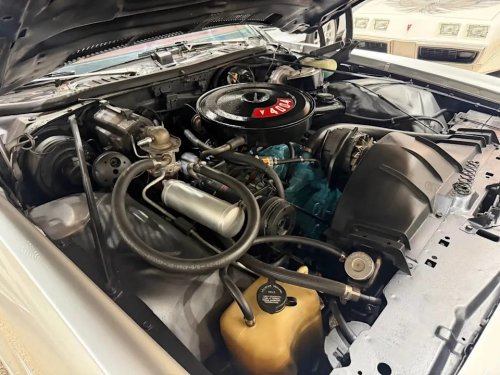
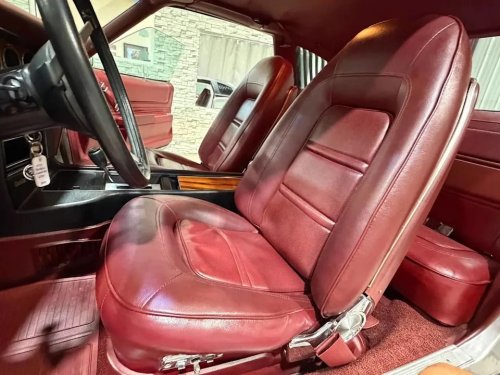
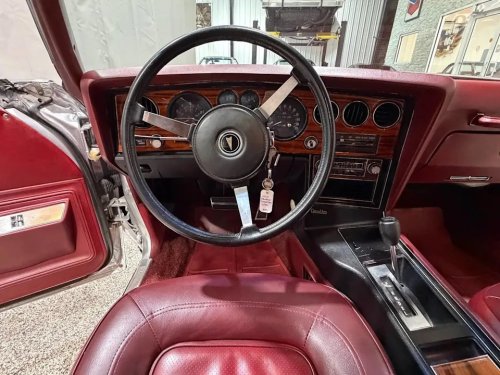
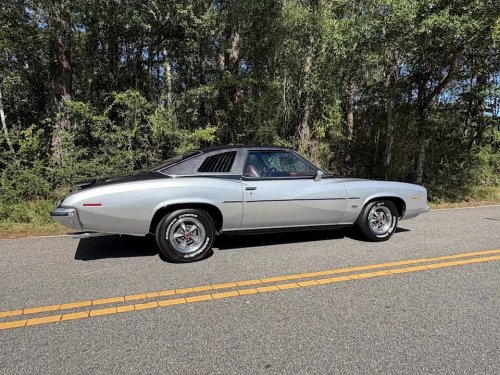
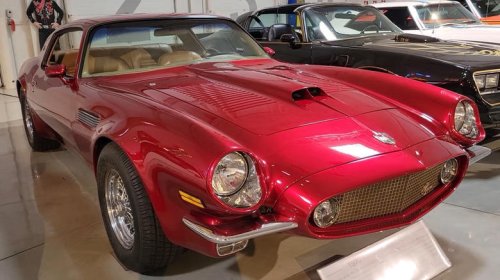
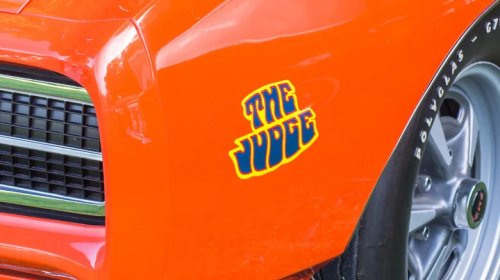
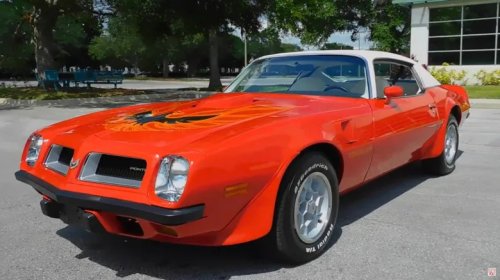
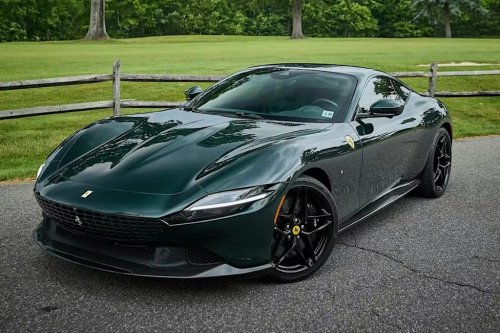
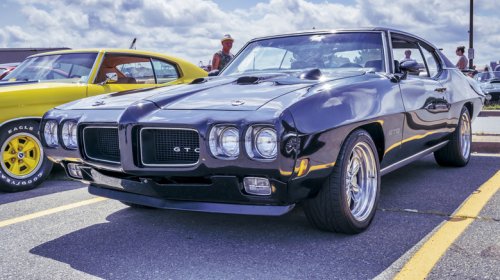
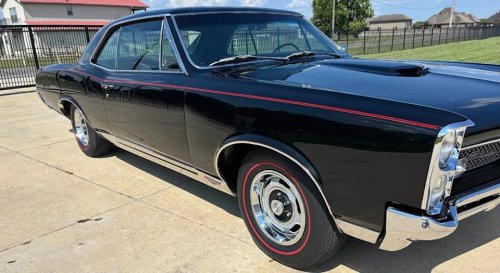
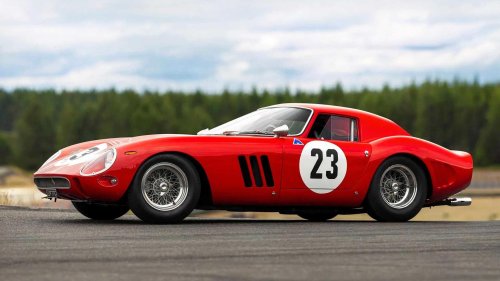
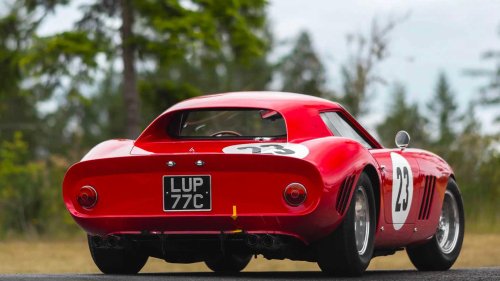
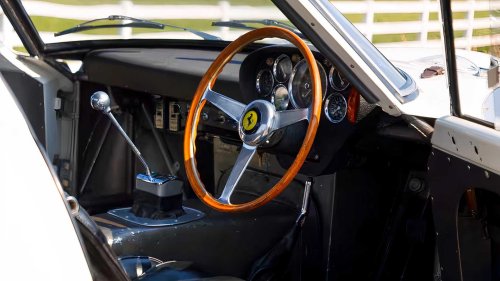
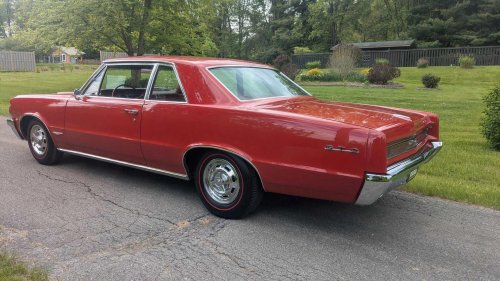
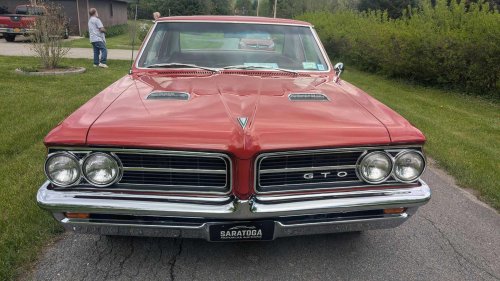
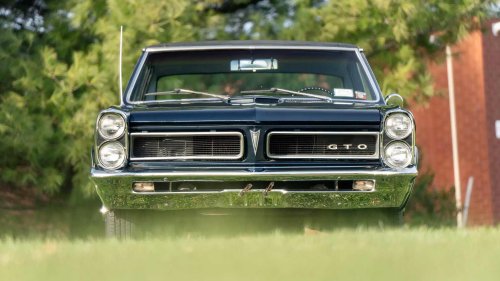
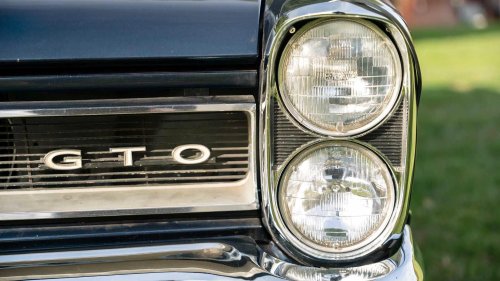
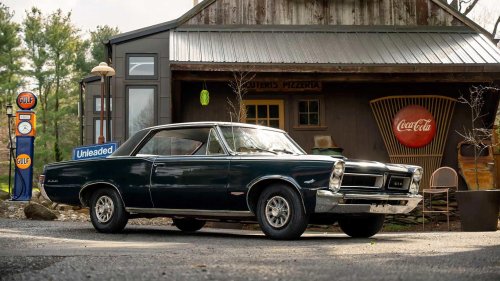
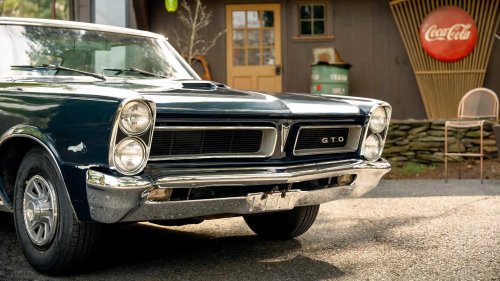
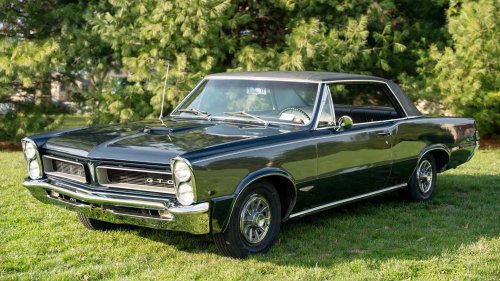
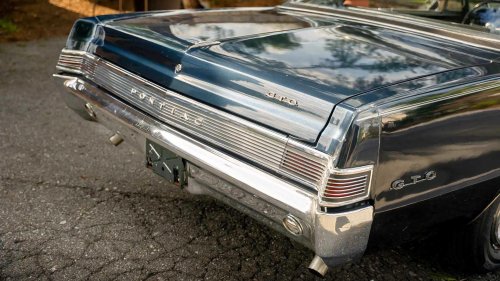
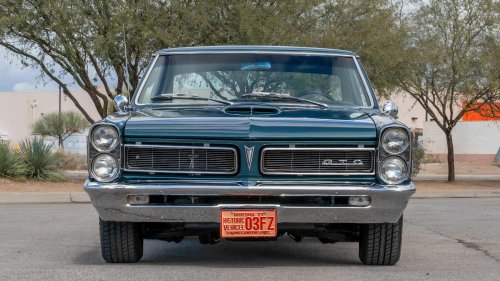
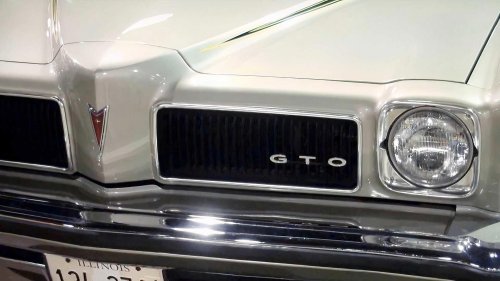
Three letters. That's all it took to hijack one of the most sacred names in motorsport and bolt it onto a Detroit option box. The original was hand-built by Ferrari, sold only to buyers personally vetted by Enzo himself, and turned up in numbers you could count on two hands. The copy cost a fraction of that, came off a regular Pontiac production line, and outsold three years of Italian craftsmanship in a single twelve-month run. The Italians never sued. They didn't have to. The damage was already done, and Detroit had stumbled into a brand-new genre using three letters that weren't theirs to take. What Those Three Letters Meant In Maranello RM Sotheby's GTO wasn't a marketing flourish in Italy. It was a regulatory term, the kind of three-letter label the FIA stamped on cars that had earned the right to race. Ferrari's example carried the badge because the rulebook demanded it. The car wasn't sold to make money. It was sold to certify a race entry. That's the difference. Detroit didn't borrow a name. Detroit borrowed an entire racing classification and handed it to the showroom. Gran Turismo Omologato and the FIA Homologation Rulebook RM Sotheby's GTO is short for Gran Turismo Omologato, which translates to Grand Touring Homologated. The 250 in 250 GTO refers to displacement per cylinder in cubic centimeters, not total volume. The engine was a 3.0-liter Colombo V12. Homologation was the FIA's certification process for Group 3 Grand Touring Car racing. The 1962 rulebook required at least 100 examples to be built. Ferrari built nowhere near that number, and got the car homologated anyway. The story goes that Enzo shuffled the same handful of cars between locations to fool inspectors, though that one's been told a few different ways. Either way, the rules bent for Maranello. The 36-to-40-Car Production Run That Made The Badge Sacred MecumYou couldn't just walk into aFerrarishowroom and order one. Enzo personally vetted every buyer, and his North American dealer Luigi Chinetti acted as the second filter. The car cost $18,000 new in 1962, the same price as a small house. Across three years of production, Ferrari built between 36 and 39 examples in total. Thirty-three carried 1962-63 bodywork, and three carried 1964 bodywork. Some sources push the count to 39 by including the three 4.0-liter 330 GTO variants. But in 1963, a Detroit engineer was about to prove that sacred names could be borrowed—and that sometimes the copy would outsell the original by thousands. The Detroit Engineer Who Decided To Borrow It GM In 1963, GM banned its divisions from factory-sponsored racing and capped engine displacement in its A-body intermediate cars at 330 cubic inches. Pontiac, whose entire marketing strategy ran on track-derived performance, lost both legs of its identity in a single year. Chief engineer John DeLorean had an answer, and it involved breaking GM's own rules without technically breaking them. GM's 330 Cubic-Inch Ceiling And The Rules John DeLorean Had To Break Saratoga Motorcar Auction The loophole was simple. GM's 330 cubic-inch cap applied to the base engine in each model trim. It said nothing about optional engines. As long as the standard Tempest came with its 326 cubic-inch V8, Pontiac could offer something larger as a tick-box upgrade and stay technically inside the rules. DeLorean and his team, engine specialist Russell Gee and engineer Bill Collins, tested the theory by pulling the 326 out of an early 1964 Tempest and dropping in a 389 from the full-size Catalina. The swap took a week. DeLorean liked it enough to use the prototype as his daily driver. The Option-Package Loophole That Hid A 389 V8 In Plain Sight Saratoga Motorcar Auction Pontiac general manager Pete Estes signed off on the package. Sales manager Frank Bridge didn't. Bridge thought the project was a dud, and capped initial production at 5,000 units. He insisted the package go only on the Tempest LeMans sports coupe and convertible, refusing to commit any of the more profitable hardtop coupes to what he saw as a lost cause. Production began on September 3, 1963, under order code RPO 382. The car that rolled off the line wasn't a separate model. It was an option box on the Tempest LeMans order form, and most buyers didn't quite know what they'd just signed up for. The 1964 Pontiac GTO Arrives Wearing A Stolen Name Via BaT It was the Pontiac GTO. The car DeLorean built around a loophole, the badge he stole from Maranello, the option package that broke the rules of every executive who tried to stop it. The naming pattern fit Pontiac's catalog. Bonneville. Grand Prix. Le Mans. Adding GTO felt like another piece of motorsport vocabulary borrowed for the showroom. Except this one wasn't an inspiration. It was a direct lift, and the original owner had no idea his name had just been hijacked. The Tempest LeMans and The Option Box That Started A Genre For 1964 and 1965, the GTO wasn't its own model. It was an option box on the Tempest LeMans order form, RPO 382, priced at $295.90. The car only became a standalone Pontiac in 1966. The contents of that box were almost embarrassingly simple. A 389 cubic-inch V8 from the full-size Catalina, rated at 325 horsepower. Dual exhaust. Stiffer springs. A larger front sway bar. Hood scoops. GTO badges. And, factory-fitted on every manual GTO, a Hurst shifter, which was unheard of in Detroit at the time and signaled exactly who Pontiac was selling to. 32,450 Sold Against a 5,000-unit Forecast Via BaT Frank Bridge's 5,000-unit cap didn't survive the year. By the end of the 1964 model year, Pontiac had sold 32,450 GTOs. About 8,245 of those came with the Tri-Power option, three two-barrel Rochester carburetors stacked on the 389, taking output to 348 horsepower and 428 lb-ft of torque. In 1965, sales more than doubled to 75,342. Bridge wasn't being unreasonable when he capped production. Nobody had ever sold a $3,000-equipped mid-size with a full-size engine to a youth market that hadn't yet been formally identified. The GTO confirmed it existed. Pontiac Doubled Down On The European Disguise BaT The badge said it all. Pontiac didn't just borrow Ferrari's three letters and hope nobody noticed. They leaned into the European costume hard enough that even the fender script went metric. The 1964 GTO Spec Sheet That Justified The European Script Via BaTThe Tri-Power numbers are the ones that mattered to buyers, but the standard 325 horsepower version did the volume work. Tri-Power topped out at 348 hp because of those three Rochester two-barrel carburetors, taking torque to 428 lb-ft and shaving the quarter-mile to under 15 seconds. Period road tests put it at 6.6 seconds to 60 mph and 14.8 in the quarter. For the price of a tick-box on the Tempest LeMans order form, $295.90, buyers got Catalina-grade firepower in a mid-size body. That's the math that made every American performance buyer in 1964 sit up. The 6.5 LITRE Badge and The Purist Backlash That Never Died Via BaT Pontiac didn't try to disguise the heist. They doubled down on it. The GTO carried fender badges that read 6.5 LITRE in European spelling, with metric displacement instead of cubic inches. Every other Pontiac of the era used the American convention. The GTO didn't. The badge was unnecessary, which is exactly what made it the smoking gun. American buyers responded tocubic inches, not liters, and Pontiac knew it. The metric script went on the fender anyway. You can still order the reproduction emblem today, sixty years later, still spelled LITRE.Ferrari never sued. They didn't have to. Three letters can't be trademarked, and 'GTO' wasn't Ferrari's invention. It was an FIA designation. The two cars weren't selling to the same buyers anyway. The press couldn't resist. Car and Driver's March 1964 cover staged a fake comparison between the two GTOs and ran the Pontiac's quarter-mile at 13.1 seconds. The Ferrari never showed up. The Pontiac wasn't standard either. Ad man Jim Wangers had Royal Pontiac swap a 421 into the test car. Wangers admitted it only in his 1998 memoir. Twenty years later, with an actual 250 GTO on hand, Ferrari won every measurement that mattered. By then, nobody cared. The myth was built. The Badge Heist That Birthed An Entire Genre Via BaT DeLorean's option-package trick wasn't a one-off. The 1964 GTO is widely credited as the first true American muscle car, and the formula it pioneered, mid-size body plus full-size engine plus marketing aimed at the youth market, became the blueprint Detroit would copy for the next decade. Other GM divisions found the same loophole within two years. By the time corporate caught up, the genre was already its own market. How DeLorean's Blueprint Reshaped Detroit's Sixties Bring A Trailer GM dropped its 330 cubic-inch ceiling in 1965. The rule the GTO had been built to circumvent didn't survive its first year of being broken. By 1966, the GTO had graduated from option package to standalone Pontiac model with its own VIN sequence. The internal corporate logic that had driven DeLorean's loophole hunt no longer applied, and other GM divisions were free to build big-engined intermediates by the book. The GTO had effectivelyrewritten the rulebookby being too successful to ignore. A Name Still Arguing With iIself Sixty Years Later Lou Costabile YouTube The original Pontiac GTO ran from 1964 to 1974. It was revived in 2004 as a left-hand-drive Holden Monaro, then quietly killed off again in 2006. Ferrari has used the GTO badge twice since the 250. First the 288 GTO of the mid-1980s, built for a Group B homologation it never got to use. Then the 599 GTO of 2010, which wasn't homologated for anything but borrowed the letters anyway. Three letters, two completely different stories, sixty years apart. In Italy, GTO still means the racing rulebook. In America, it means the option box that started the genre. Both meanings are correct, and neither is going away.



















 +18 others