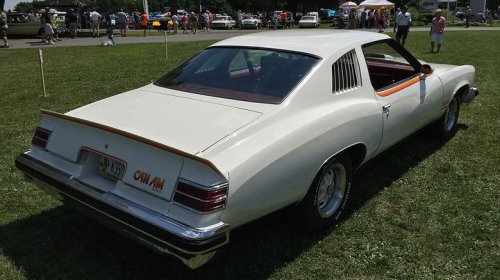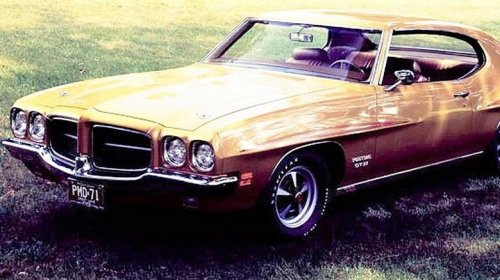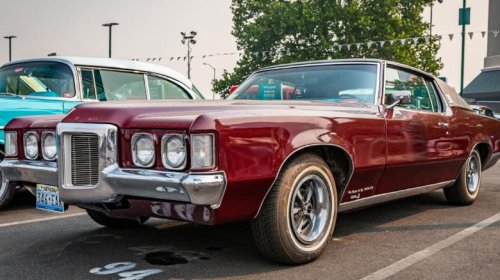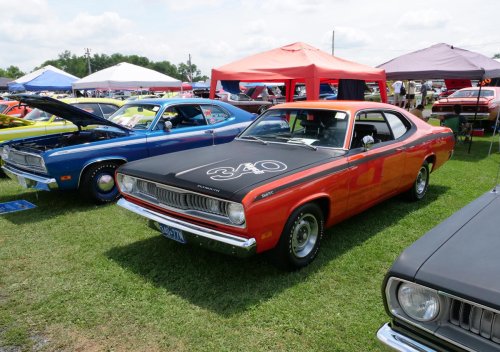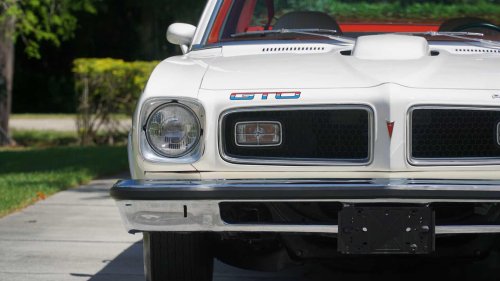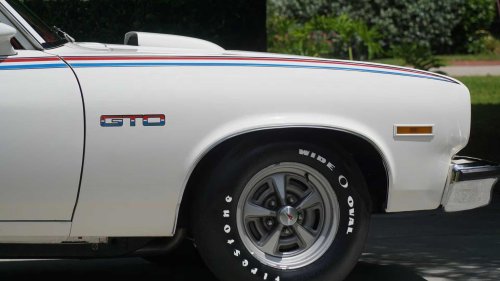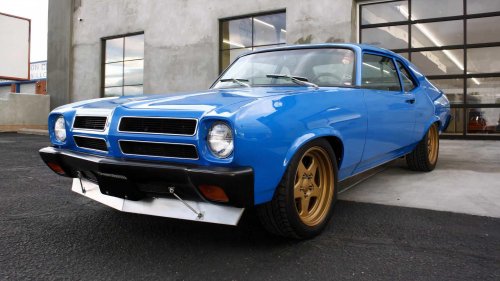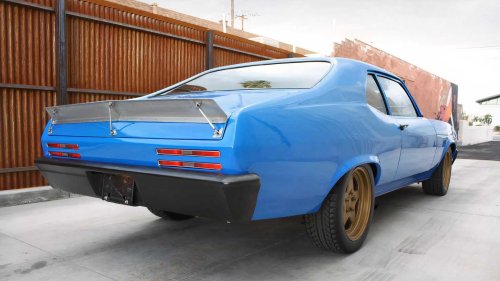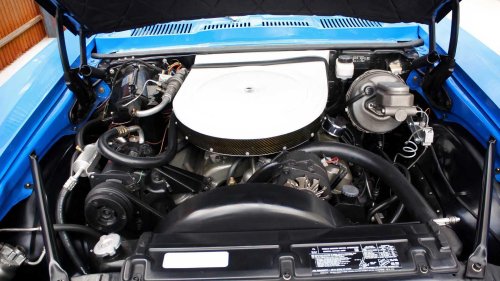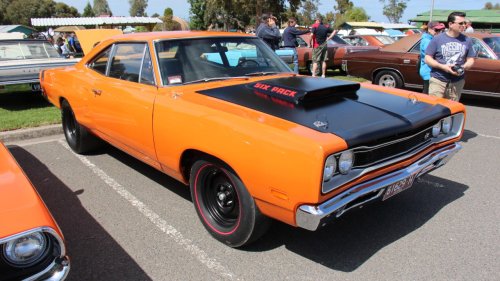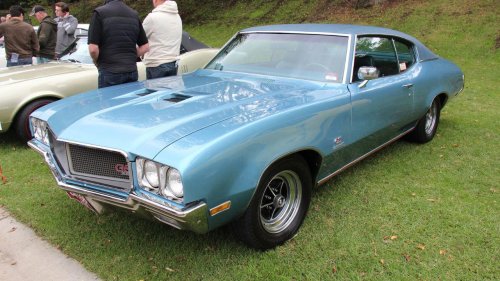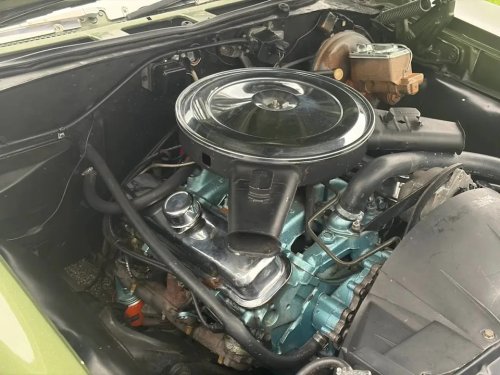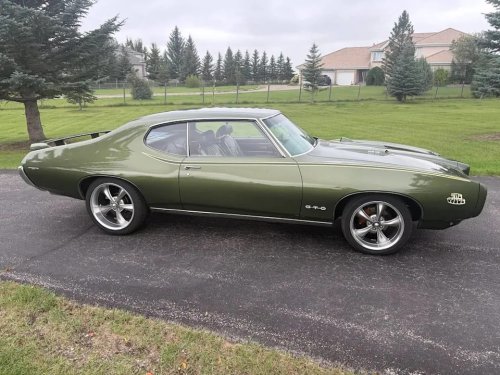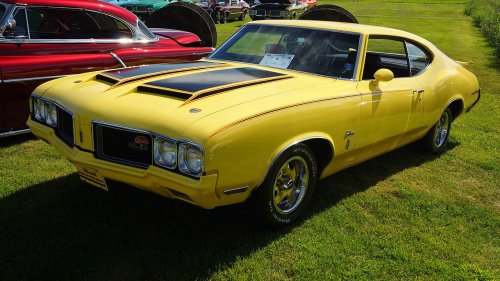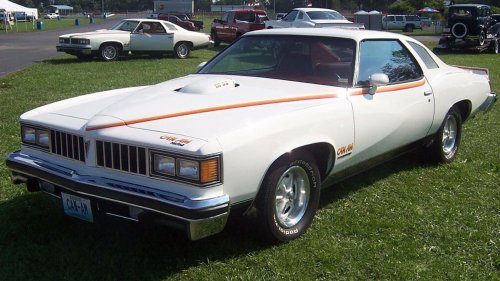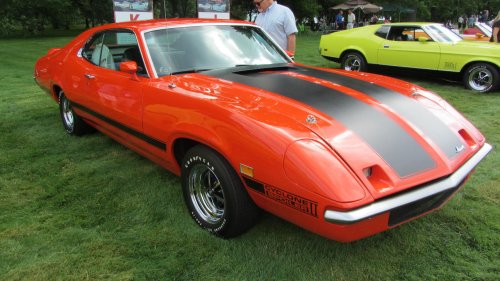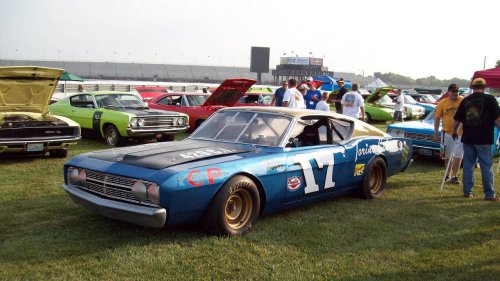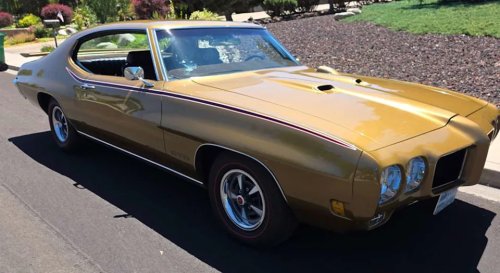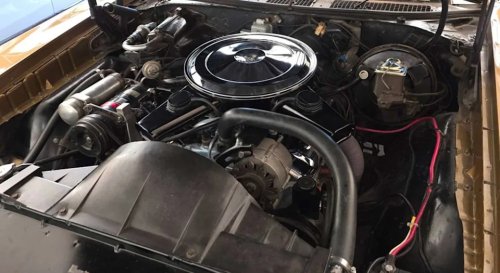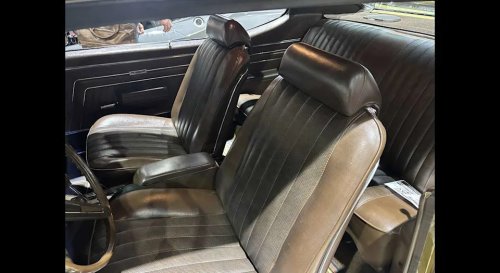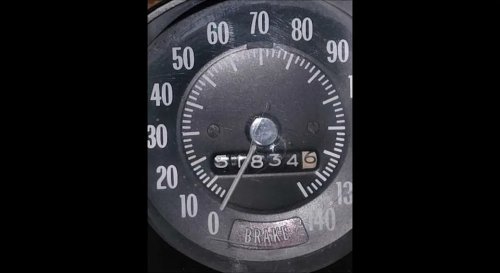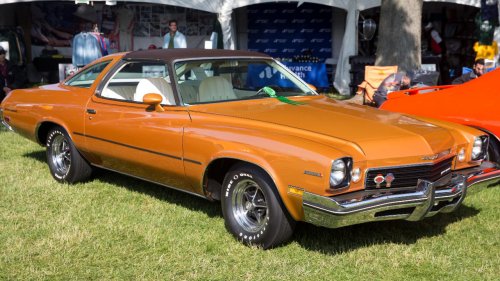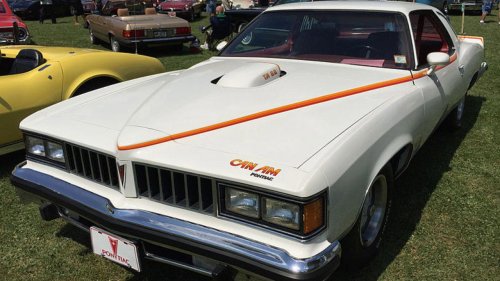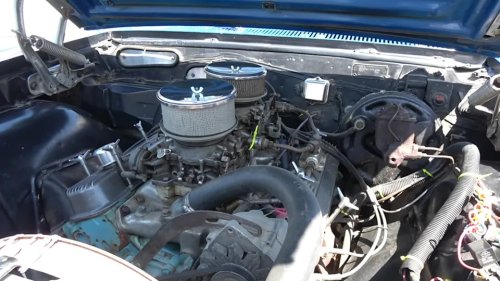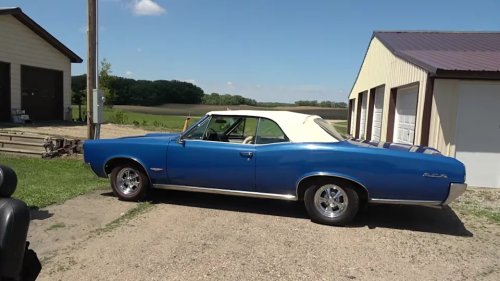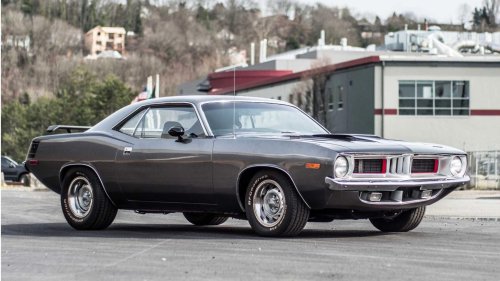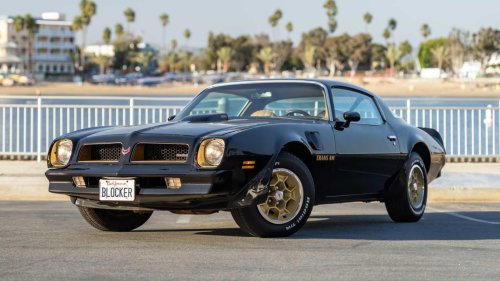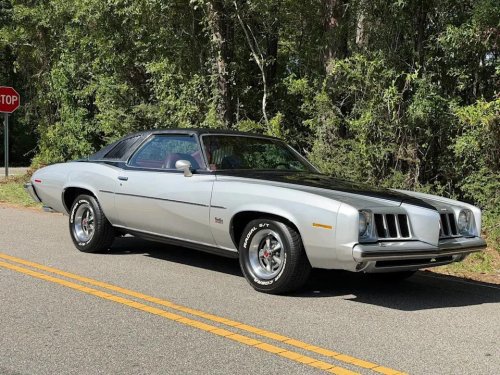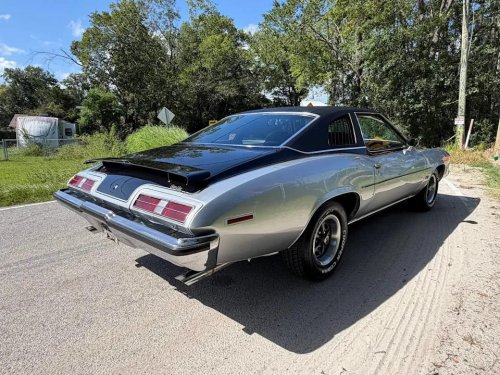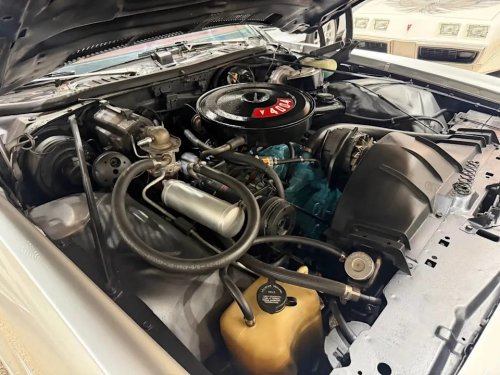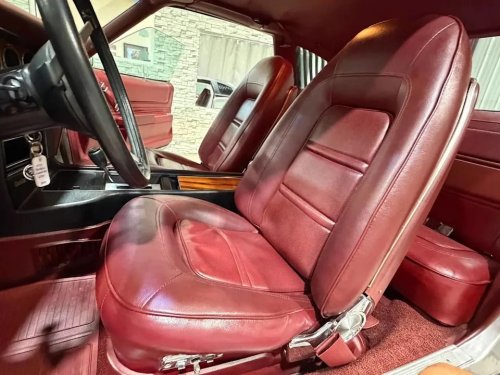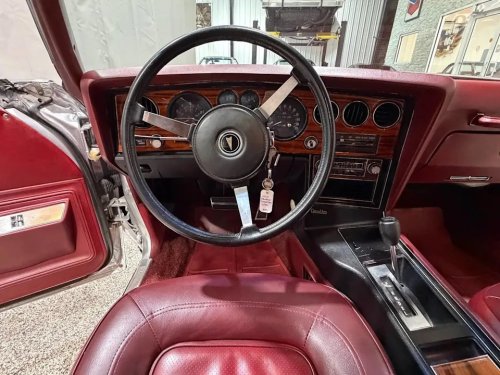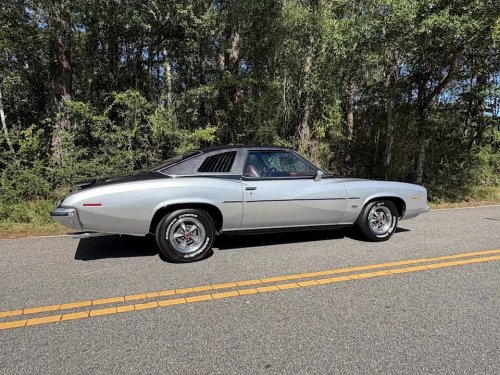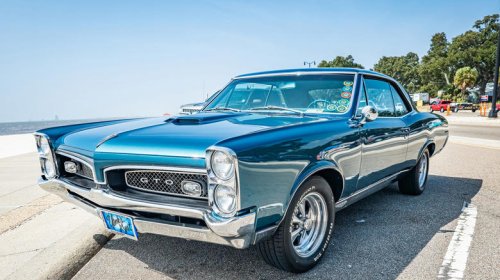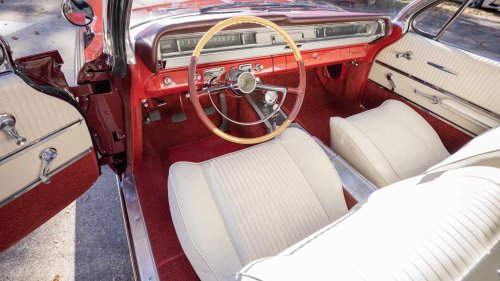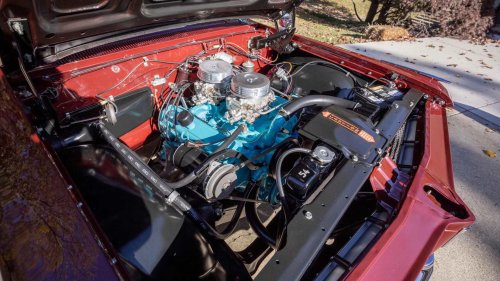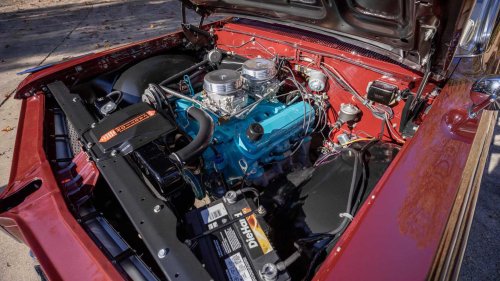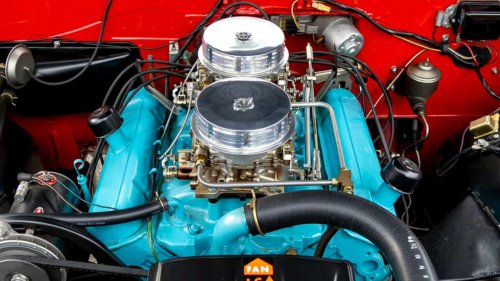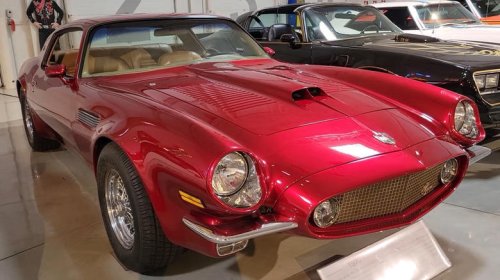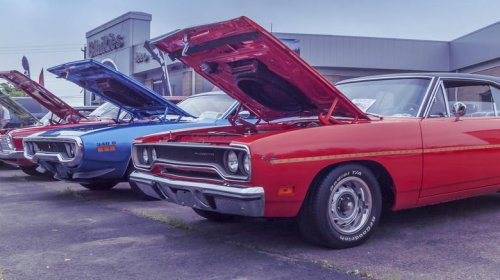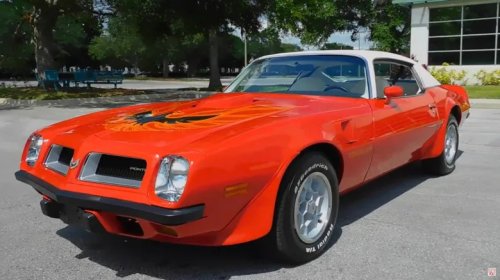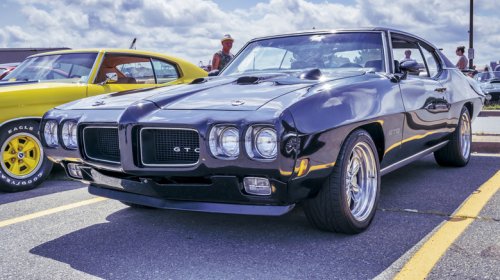
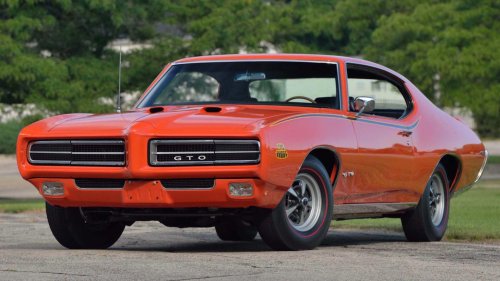
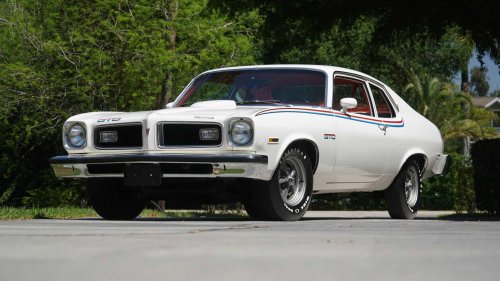
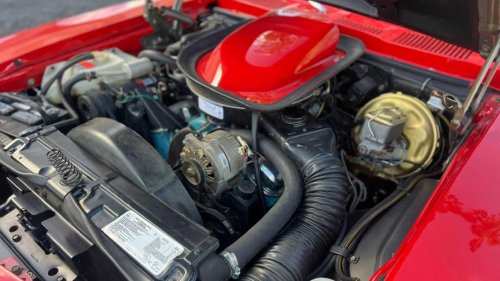
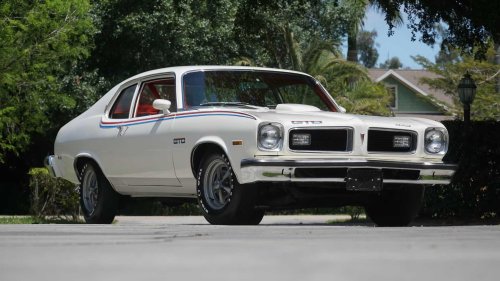
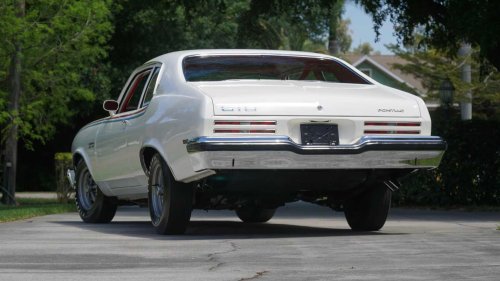
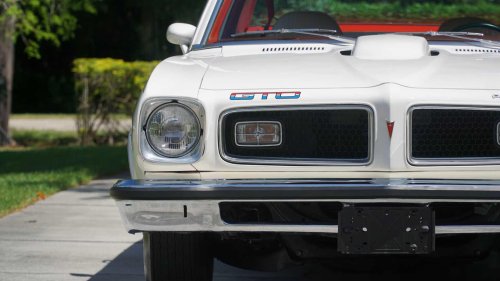
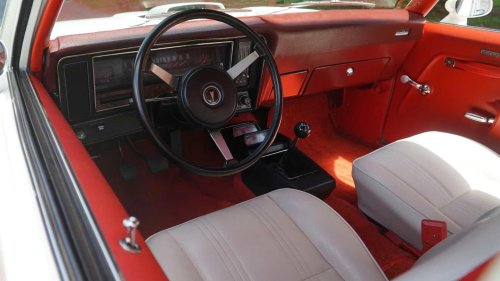
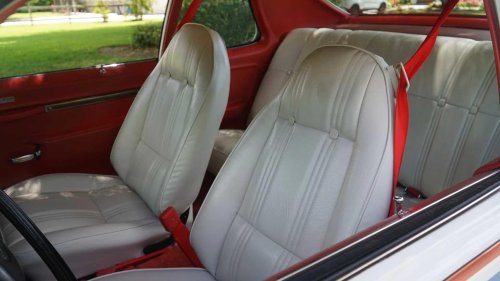
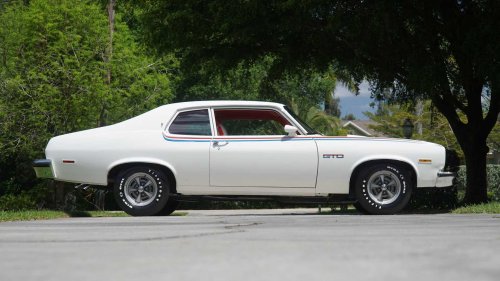
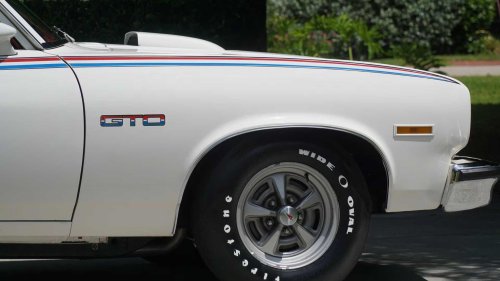



















There’s something rather predictable about how history decides what matters. Everyone remembers The Beatles and The Rolling Stones, they defined an era, but they weren't the only bands shaping the music of the '60s, and other groups were writing great material too. But can you name any of them? Probably not, and like the music industry, cars work much the same way.While a handful of icons came to define their respective eras, and still dominate conversations today, other capable machines have quietly faded into the background, and few brands embody this contrast better than Pontiac. Even at the height of its muscle car dominance, it was often building something else alongside its headline, big-block monsters. These followed the same formula, offered the same V8 theatrics, but never quite earned the same recognition, and one of them came from the 1970s. Pontiac’s Muscle Car Legacy Was Already Starting To Slip By The Early 70s MecumAt this point, Detroit was having to turn a page on the golden age of American muscle cars, with rising insurance premiums, tightening emissions regulations, and growing concerns over fuel economy, all working against the very formula that had defined the previous decade. The fun was over, and brands like Pontiac had little choice but to rethink the performance car if it was to survive the changing landscape. But, while everyone was throwing in the towel, Pontiac got to work. Pontiac’s Answer To Shrinking Muscle Cars Didn’t Look Like A Traditional Performance Model MecumTo comply with the new rules, Pontiac began exploring a different direction that would see it depart from what it had become known for, building smaller, lighter models instead, but still retaining a V8 power-plant up front. This meant the philosophy behind the GTO and Firebird needed to change, where performance was no longer defined by outright scale but by how effectively a car could make use of what it had. The result? A compact Pontiac that didn't resemble a traditional American muscle car but still carried the mechanical DNA of the brand's performance identity, but this time in a far more restrained package. Pontiac’s Ventura Quietly Became A Legitimate Muscle Car Alternative Mecum The Pontiac Ventura rarely gets mentioned in the same breath as the Pontiac GTO and Firebird because it's always looked rather humble and compact compared to its more shouty siblings. But mechanically and conceptually, Pontiac's performance-oriented Ventura models were closer to the real deal than their reputation would suggest. While more stringent emissions regs dictated change, the Ventura avoided being a watered-down attempt at performance. Instead, it was an experimental muscle car, squeezed into a smaller, more rational package.Under the sheet metal was General Motors' X-body architecture, which essentially meant the same foundations as the Chevrolet Nova, another compact car that became very popular due to the Gas Crisis in the mid-70s. Because of the Ventura’s cross-compatibility with the Nova platform, Pontiac was able to offer a wide range of drivetrains, including several V8 options and multiple transmission configurations. The most significant of these, however, was Pontiac’s own 350-cubic-inch V8, as it gave the compact Ventura genuine links to the brand’s established muscle car recipe.Mecum Additionally, since this platform had already proven itself as a lightweight V8 performer in earlier applications, Pontiac naturally leaned into that strength. V8-powered X-body models equipped with the 350 typically produced between 175–200 horsepower in early-1970s tune, although exact figures varied depending on emissions calibration and carburetion setup. While modest on paper compared to earlier muscle cars, the combination of torque and reduced mass still meant genuine real-world performance.The more performance-focused Ventura Sprint package, meanwhile, turned things up a few notches. Rather than just being a cosmetic exercise, it featured revised suspension tuning for improved body control, upgraded tires for increased grip, and subtle but purposeful styling cues. These included stripes, trim, and GT badging to help visually separate it from standard Ventura models. The Ventura-Based GTO Package Turned A Compact Pontiac Into A Downsized Muscle Icon Mecum AuctionsIts significance, however, was truly cemented in 1974, when Pontiac briefly offered a Ventura-based GTO package. While this may have appeared merely as a marketing exercise at the time, it instead reflected a broad industry reality. With tightening regulations, manufacturers like Pontiac were forced to reinterpret their flagship nameplates, and as such, by placing the GTO badge on the Ventura, Pontiac was effectively acknowledging its compact performer as a legitimate carrier for its performance identity.MecumUnder the hood was a 350-cubic-inch V8 making 200 hp and 295 lb-ft of torque in GTO specification. Making less power, these engines were far removed from the high-compression outputs of earlier GTOs, but still delivered strong torque in that lighter, X-body chassis. With upgraded suspension tuning, along with upgraded tires and Rally II wheels, the focus of the GTO version wasn't just straight-line speed, but improved control and drivability too.This variant also featured a series of functional upgrades, showing that Pontiac was still treating the nameplate seriously as a performance benchmark, even while working within a stricter and more stringent environment. These included a shaker hood scoop, dual exhausts, and GTO-specific mechanical tuning. With the GTO package, the Ventura grew teeth. Its Compact Size And Overlooked Position Are Exactly What Make It So Interesting Today Mecum Part of what makes the Ventura so compelling in hindsight is that it felt far more usable than many of the larger muscle cars that came to define the era before it. With the Ventura, Pontiac managed to strike a sweet spot between classic, old-school V8 character, and a far more manageable footprint. Ventura Sprint vs Ventura-Based GTO Package (Performance Specs) Thanks to those smaller X-body proportions, the Pontiac Ventura was noticeably lighter than many of Pontiac's better-known muscle cars, typically coming in at around 3,350-3,500 pounds. Those figures gave the Ventura a noticeable edge over larger Pontiacs like the GTO, which by the early 1970s had started gaining weight fast under the pressure of added safety equipment and tightening regulations. While the GTO was beginning to feel bigger and heavier with each passing year, the Ventura was a lighter, more agile alternative, and it was largely this that made it feel very different on the road.MecumThe days of Pontiac relying purely on displacement and straight-line pace were now behind it, which meant it designed a muscle car that was arguably better suited to the changing realities of the decade than the traditional muscle cars that preceded it. And it's this balance that Pontiac was able to achieve that gives the Ventura a different kind of appeal today. Not as an icon like the Pontiac GTO or Pontiac Firebird, but as an underdog from a transitional moment in American automotive history. From the perspective of a contemporary car collector today, that may be an appealing proposition indeed.Mecum The market for one is still relatively small, with only three examples exchanging hands over the past 12 months on Classic.com. During this period, the average sale price for the Ventura GTO version currently stands at $35,200 at the time of writing, and while only a handful of examples have appeared publicly, the market remains niche. Still, they represent a forgotten muscle-era Pontiac that won't break the bank either. Asking prices today generally range from the mid-$20,000 mark up to around $40,000, but as with any car, originality, condition, and modifications dictate value. The Ventura Was Forgotten Because It Arrived At Exactly The Wrong Time MecumThe Pontiac Ventura GT had much going for it. V8 power, rear-wheel drive, compact proportions, and a chassis that felt more responsive than many of the heavier cars from the '60s and early '70s. In hindsight, its formula also feels surprisingly modern too. It prioritized balance and usability alongside performance in a way that was uncommon for muscle cars of its era, perhaps even foreshadowing later cars like the Ford Mustang (sixth generation).Unfortunately, though, its success was undermined, arriving at a time when the muscle car was beginning to lose its appeal. By the mid-'70s, priorities shifted dramatically for American motorists, which left little room for cars that sat awkwardly between traditional muscle and the smaller, more efficiency-focused future the industry was now focusing on.MecumDespite being so experimental, the Ventura GT also remained stuck in the shadow of Pontiac legends like the GTO and Firebird, which, at this point, had already cemented themselves as icons during the peak years of Detroit's most iconic and memorable creations. No matter how capable it actually was, it still wasn't enough to shake the perception that the downsized performance cars the Ventura represented were a compromise rather than progress.Even the one with the GTO package could still be viewed as a downsized GTO first, rather than being recognized for how capable the Ventura platform had become. All of these things are what ultimately makes the Ventura GT so interesting today. Like those famous bands from the '60s, history tends to celebrate the loudest and most excessive cars of days gone by. For the Ventura, it arrived just as people were starting to turn a page on the cars that inspired it.