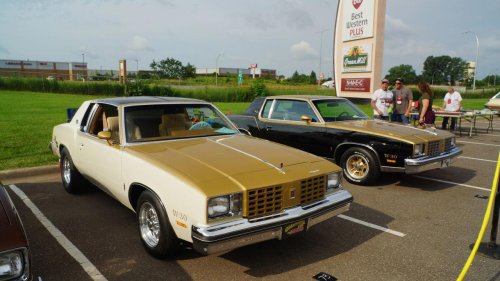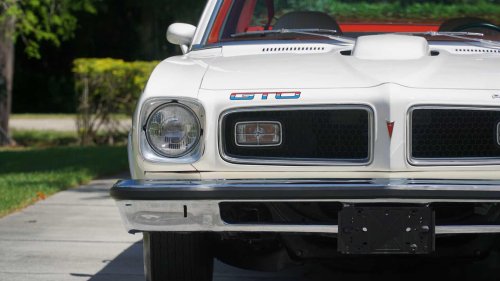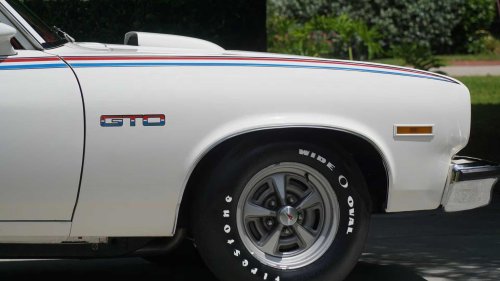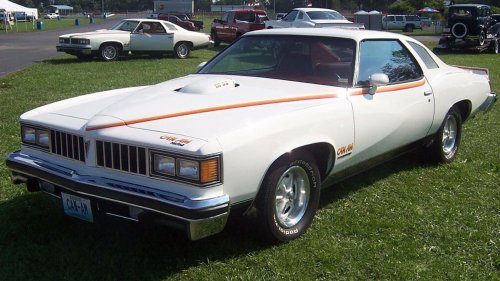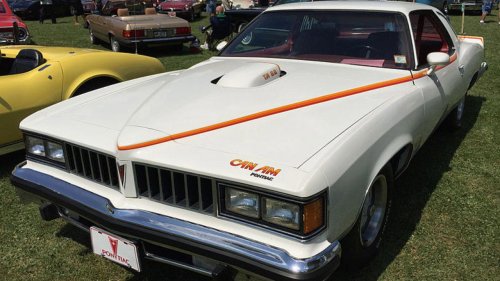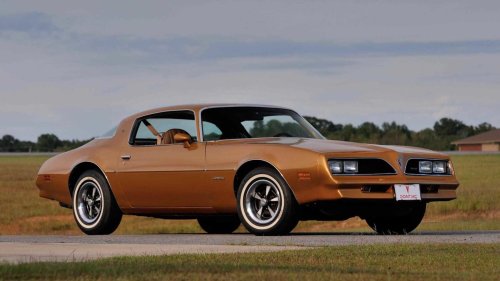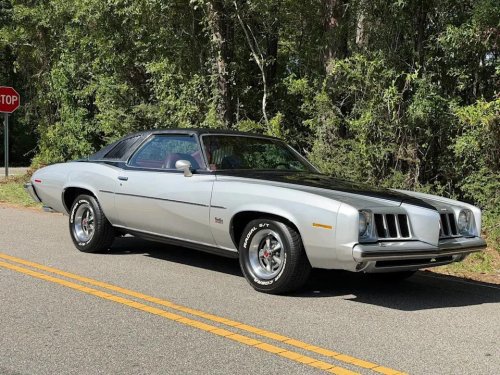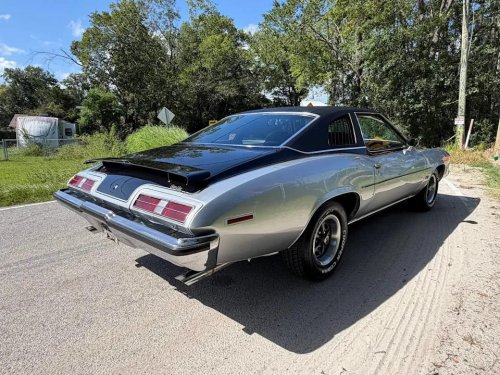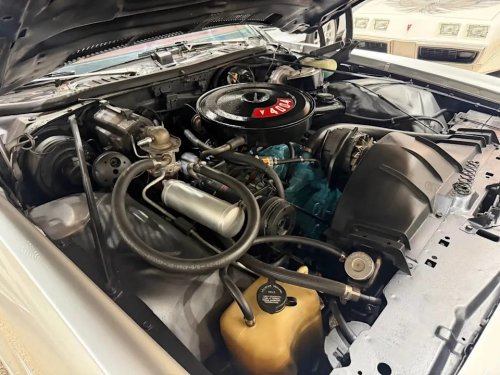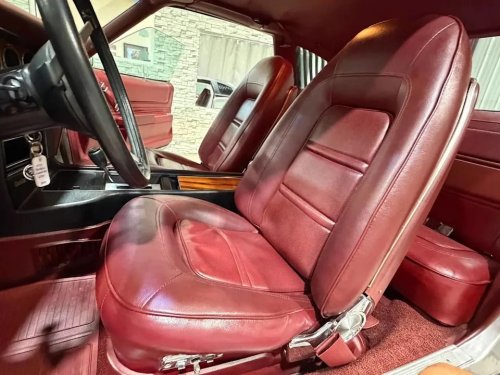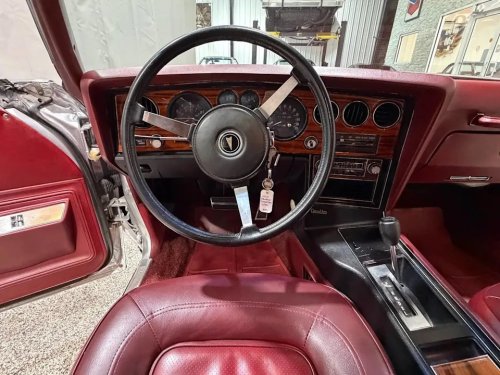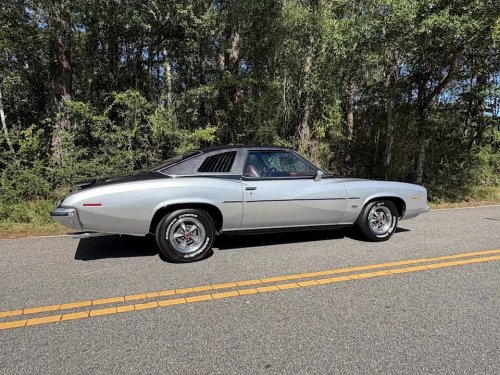
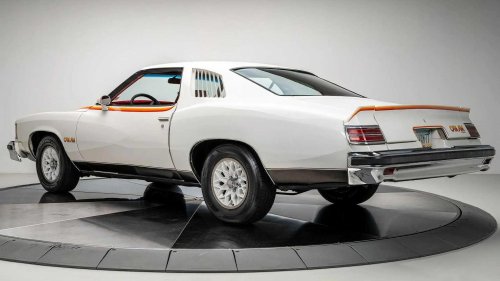
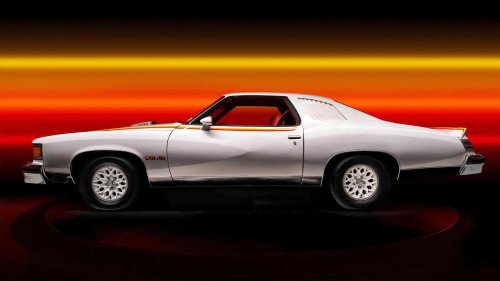
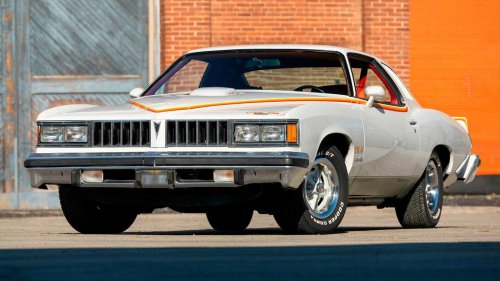
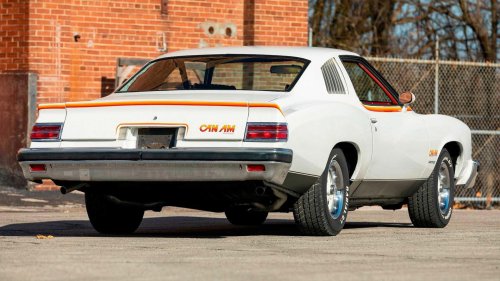
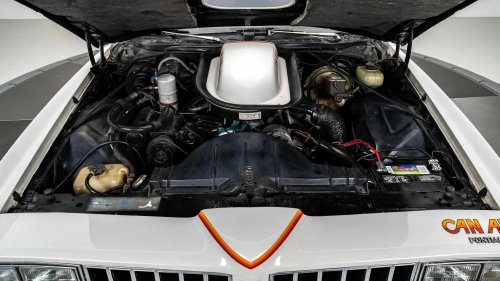




















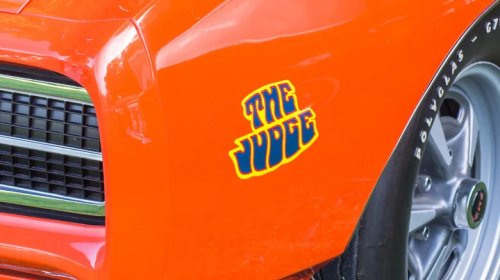
Remember when BlackBerry was mega popular back in its heyday? If you wanted a phone that would last a week on a single charge, or be like a mini computer in your back pocket, they were the default option for many. Then iPhones arrived, which created a tidal wave of touchscreen smartphones that later threatened BlackBerry's relevance and appeal. The rules had changed, but the appetite for a proper, all-round smartphone hadn’t.Well, something similar happened in the US car industry in the 1970s. Buyers still wanted V8 power, torque, and attitude, but rising insurance costs and tightening emissions regulations meant the old muscle-car formula of huge horsepower was gone. Like those smartphone brands of the late 90s, Pontiac and others were trying to adapt to a new reality. For Pontiac, this meant building performance cars that still had a presence, but with a need to survive in a very different world. In the middle of that transition was a quietly created V8 coupe so rare that it would end up less common than one of its most famous performance icons. Pontiac Was Running Out Of Ways To Keep Muscle Cars Alive Mecum As more stringent rules were being brought in, Pontiac wasn’t chasing headline-making performance stats anymore. Rather, it was trying to keep the lights on, so to speak, in a world that suddenly wanted its Muscle Cars to be toned down, and less brutal to live with.Emissions regulations and insurance costs were effectively killing performance cars as people knew them, squeezing horsepower on one side and making anything remotely quick painfully expensive to own on the other. Meanwhile, fuel economy had gone from an afterthought to a selling point.Pontiac’s muscle-car identity was also starting to fade after the decline of the GTO, which had once defined the brand’s performance reputation. What was left was a company still associated with speed, but no longer able to rely on the raw, old-school formula that built its image in the first place. And yet, the appetite for the sound and shove of a V8 with the looks to match was still there. So, Pontiac did what it could. It started building cars that looked the part and felt the part too, but toned down enough to survive the new rulebook. Pontiac Secretly Built One Last Traditional Muscle Car During The Malaise Era MecumPontiac spent years establishing its performance image, and no new regulations were going to let it give that up so easily, even if the days of headline-making power outputs were long gone. As a result, its engineers were tasked with taking a mid-size platform and turning it into something that still carried a genuine V8 presence, wrapping it in aggressive styling and a shaker-style hood that hinted at more power than the era really allowed.It was a deliberate attempt to keep that classic muscle-car attitude alive, and to create a flag bearer for the new age, even if everything underneath had to be carefully moderated to satisfy the new rules. But just as production was getting underway, supply-chain issues and supplier problems undermined its commercial success. The 1977 Pontiac Can Am Was Built In Smaller Numbers Than The GTO Judge Bring a TrailerThe Pontiac Can Am emerged in the late 70s as a one-year-only special edition, built on the LeMans Sport Coupe, and flung into the market as Pontiac’s last serious attempt at a traditional muscle-car.This wasn’t a car built from the ground up. Instead, it was a heavily reworked A-body coupe finished in Cameo White, covered in bold orange-red-yellow graphics, and topped with a Trans Am-style shaker scoop sticking straight through the bonnet. This wasn't just another trim package; this was Pontiac's one last hurrah for the brutish American muscle car. Underneath, most cars used Pontiac’s 400-cubic-inch V8 producing around 200 horsepower net in period tune, paired with a Turbo-Hydramatic automatic transmission. While this was hardly anything to write home about, it still gave that familiar low-end torque feel buyers wanted, even as emissions were now limiting overall power outputs. Pontiac’s Unusual Production Process Ultimately Limited The Can Am’s Future Bring a Trailer What makes the Can Am genuinely interesting though, isn’t just how it looked, it’s how it was built as well. Pontiac didn’t fully assemble these cars in-house in the traditional sense. LeMans coupes were instead shipped out for conversion work by Motortown, an external company handling special edition production runs. Here, the car’s distinctive shaker setup, rear spoiler, decals, and visual package were applied before the finished cars went back into dealer channels.This was an unusual production method that unfortunately became part of its downfall. Demand was actually strong at launch, and even surpassed expectations. Around 2,500 units were originally anticipated, but interest reportedly pushed that even higher. While there are worse problems a car manufacturer can have, that production arrangement meant Pontiac could never build enough of them. Problems with tooling, including issues tied to the rear spoiler mold, combined with internal corporate hesitation and parts supply disruption, forced bosses to throw in the towel and shut down the program altogether.Since then, the Can Am has become a bit of a cult legend. Only around 1,300–1,400 cars were ever completed over 12 months, with the commonly accepted figure sitting at roughly 1,377 units, a number that puts it below the Pontiac GTO Judge which produced 11,098 units in total production, despite the Judge being among the most recognized muscle cars of its era. The Can Am Looked Every Bit The Muscle Car Even As The Performance Era Was Changing Bring a TrailerVisually, it still looked like a muscle car, with a shaker scoop, Rally II wheels, graphics, and blacked-out trim, but with those new regulations, the numbers on the spec sheet couldn't quite match the image, even if it still retained a big 6.6-liter V8 under the hood. The Can Am did 0–60 mph in the high 8- to 9-second range depending on setup. The chassis, meanwhile, was more about road compliance than unfiltered aggression. You could say it was suffering a bit of an identity crisis, caused by factors beyond Pontiac’s control. The Can Am Preserved Pontiac’s Classic Muscle-Car Character MecumDespite working within a more challenging environment, the Can Am still managed to feel like a proper Pontiac. Its shaker hood was functional, and unlike many late-1970s cars, featured slightly over-the-top styling that most didn’t bother much with anymore. Even parked up, it looked like it wanted to go, and that alone carried a lot of weight in an era where visual character was still allowed.Mechanically, familiar Pontiac character traits remained intact too. Thanks to that 400 V8, that low-end shove and lazy torque curve that defined the brand’s earlier muscle-car reputation had survived the transition, and while it wasn’t outrageous by older standards, it still felt authentic. 1977 Pontiac Can Am Specs Admittedly, the chassis setup marked the biggest departure from the old-school formula. This time, it prioritized comfort and real-world usability. But while traditionalists may have held that against the Can Am, that new approach meant a much greater balance between daily usability and performance when you opened it up, broadening its appeal. Limited Numbers Are Making The Pontiac Can Am Harder To Ignore MecumSo, if you’re a collector looking at buying one of these, how much can you expect to pay? Over the past year, the Pontiac Can Am has started to show real signs of collector interest picking up. With just six recorded sales in the last 12 months on Classic.com, the market is still relatively small, making it an appealing car for any collector looking for a rare '70s muscle car.On average, examples are changing hands for around $39,480, although condition plays a big role in where each car lands. At the lower end, rougher or more driver-focused cars have sold for about $27,500, while the best examples have pushed all the way up to $59,000, showing there’s already a noticeable gap between average and top-tier listings. The Pontiac Can Am Became One Of The Brand’s Most Forgotten Collector Cars Bring a TrailerThe Can Am, like other Pontiac creations of this era, such as the Pontiac Ventura, has long lived in the shadow of more famous Pontiac performance models, despite being one of the rarest factory-built specials the brand ever produced, while also offering something different but familiar at the same time.In hindsight, the Can Am also sits in a very unusual position. Not quite a pure muscle car, but not yet a full-on luxury coupe either. Perhaps, then, it can also be remembered as an overlooked bridge between two very different eras of Pontiac's design and performance credentials: a time when muscle cars didn't disappear, but had to evolve to survive.