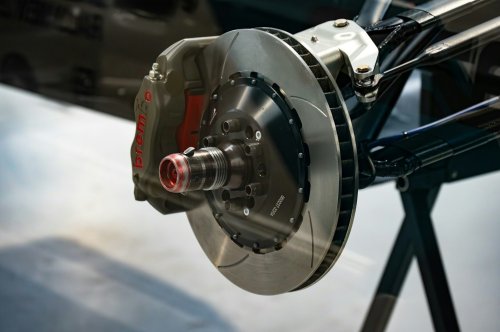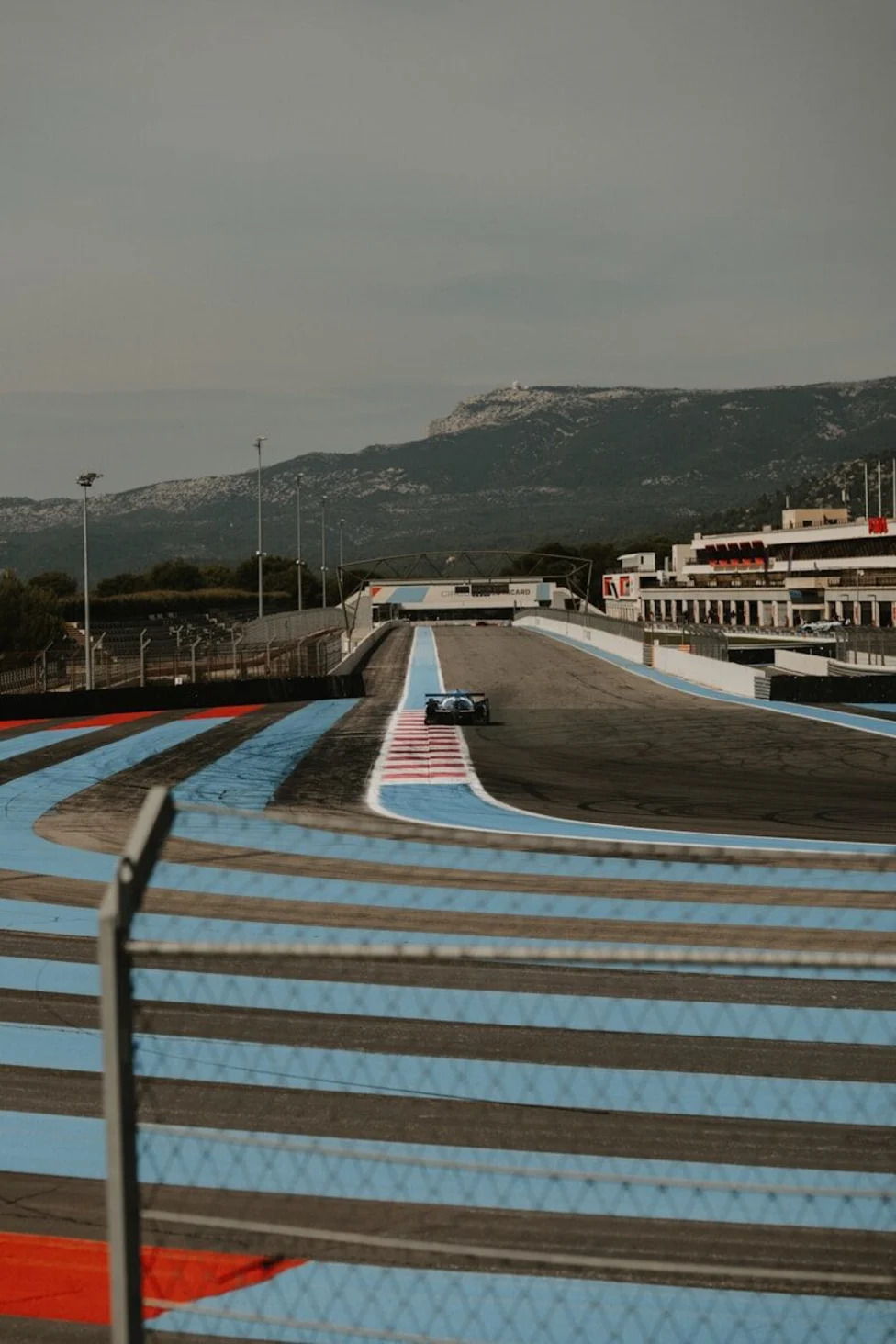






















the first apex a guide to surviving your debut track dayThere is a specific, gut-level anxiety that accompanies the first time you drive past the tech-inspection tent and toward the hot pits on your debut track day.Most automotive media portrays track days as a montage of effortless drifting and triple-digit speeds, but the reality, as discussed at length by the veterans of VWVortex-one of over 600 automotive enthusiast groups that make up the Fora Communities Platform.Focus On The BrakesThe most common mistake a novice can make is thinking they need more power. From a mechanical engineering perspective, your engine is the least of your concerns during your first weekend. The real enemy is heat. Specifically, the kinetic energy you are asking your braking system to dissipate.AdvertisementAdvertisementThe community is adamant: don't touch the engine. Instead, focus on your brake fluid.Standard DOT 3 or 4 fluid is designed for the occasional panic stop, not for twenty minutes of repeated threshold braking. It will boil, the pedal will go soft, and your day will end in the gravel trap. Swapping to a high-boiling-point fluid and a set of dedicated track pads is the single most important mechanical investment you can make. It's about ensuring that the pedal feels exactly the same at the end of the session as it did at the start.the first apex a guide to surviving your debut track dayThe Ego and the "Red Mist"There is an old adage in the paddock: "You can't win a track day, but you can certainly lose one." The historical knowledge passed down through these threads emphasizes the "human" element-specifically, managing the racer's tunnel vision known as "Red Mist."A track day is not a race; this can't be stressed enough.AdvertisementAdvertisementThe goal is to learn the line, understand the weight transfer of your chassis, and develop situational awareness. If you find yourself white-knuckling the steering wheel or attempting to "close the gap", you have already failed the mental game. The fastest drivers are often the ones who look the most relaxed, moving with a fluidity that prioritizes smoothness over aggression. If you want to learn race craft, get yourself in a kart.the first apex a guide to surviving your debut track dayThe Business of ConsumablesFrom a business standpoint, the "buy-in" for a track day-the registration fee and the helmet-is only the tip of the iceberg. The seasoned track day goers in the community are quick to point out the hidden tax of a day on track: consumables.A weekend at a high-speed circuit like Watkins Glen or Road America will do more damage to your tires and brake pads than a year or maybe two of commuting. You have to account for the accelerated wear on wheel bearings, bushings, and oil life. Not to mention your car's alignment.The pragmatist's rule is simple: never bring a car to the track that you aren't prepared to leave there.the first apex a guide to surviving your debut track dayThe Ritual of the Tech InspectionFinally, there is the ritual of the tech sheet. It isn't just paperwork; it's a mechanical contract. Checking your lug nuts, ensuring your battery is tied down, and verifying that your throttle return spring actually works are the small, unglamorous tasks that keep the paddock safe.AdvertisementAdvertisementUltimately, the transition from street driver to track rat is about respect-respect for the physics of thousands of pounds of metal in motion, respect for the limits of your equipment, understanding your own personal limits, and respect for the community that is there to help you succeed.The goal isn't to be the fastest person in the Novice group; it's to pack up your car at 5:00 PM, drive it home, and have enough brake pads left to get to work on Monday morning.Become an AutoGuide insider. Get the latest from the automotive world first by subscribing to our newsletter here.