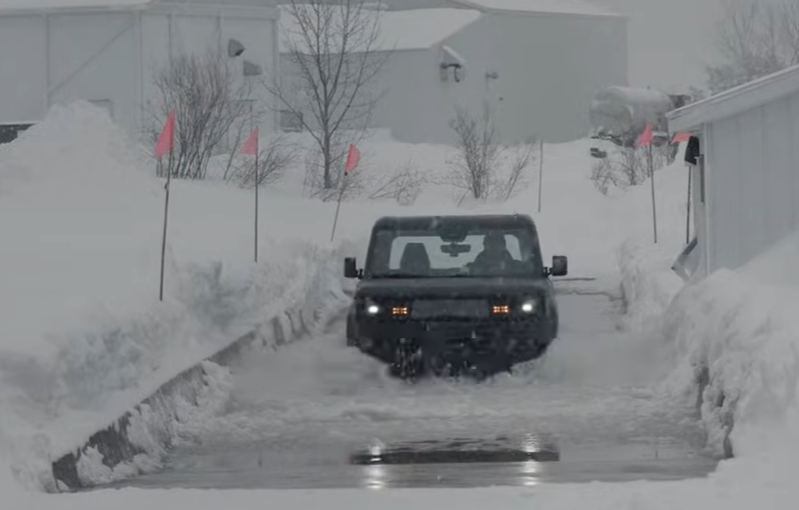
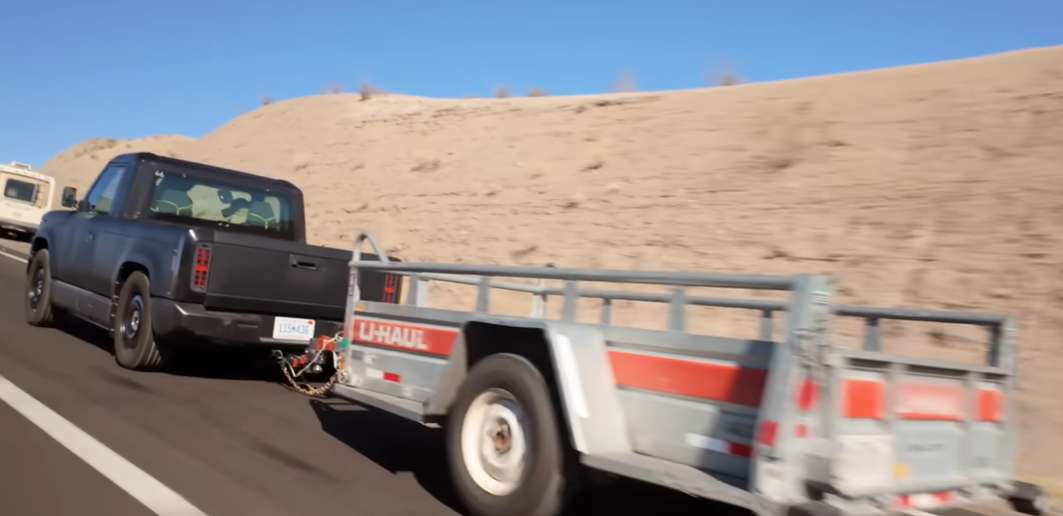
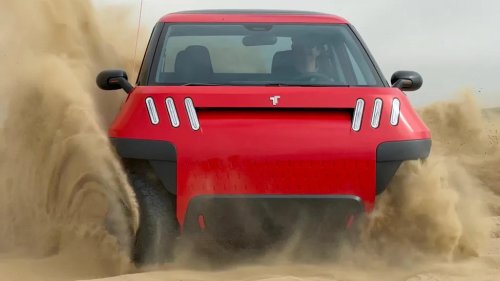
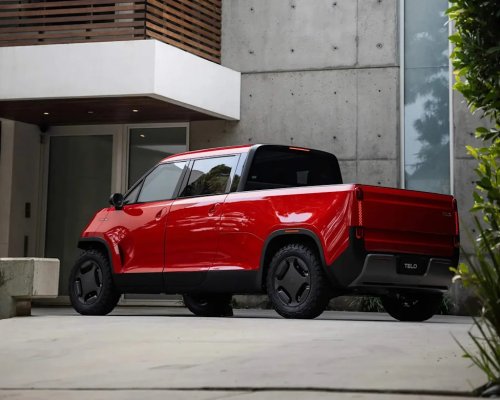
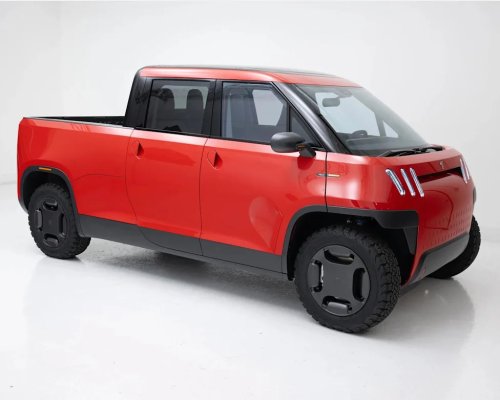
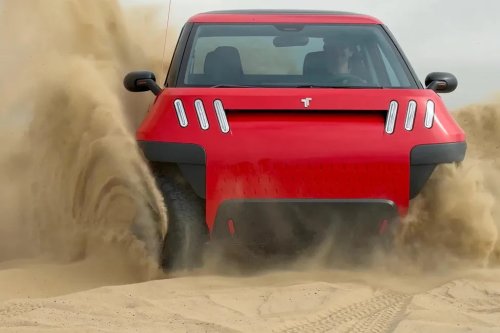
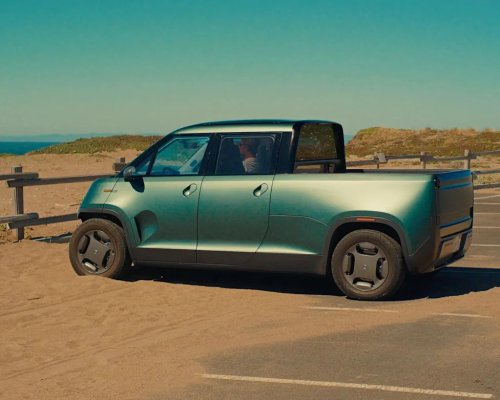
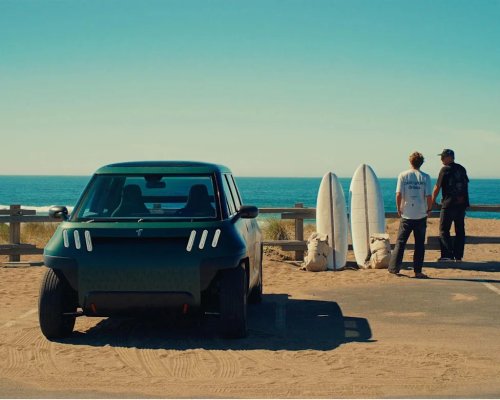
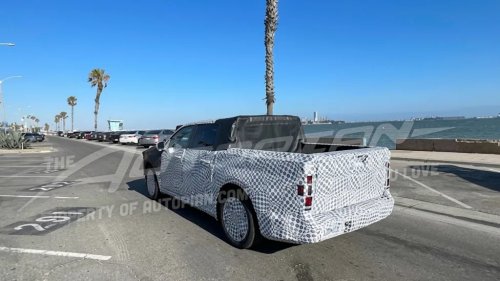
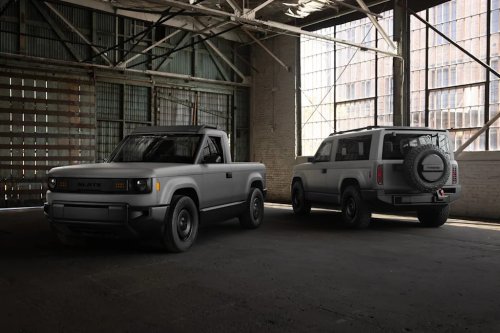
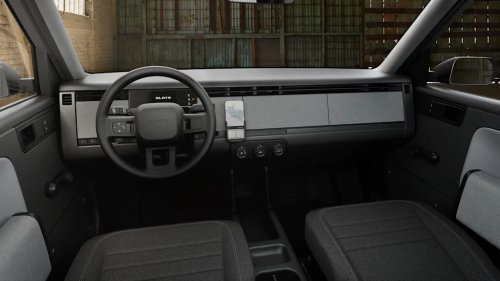
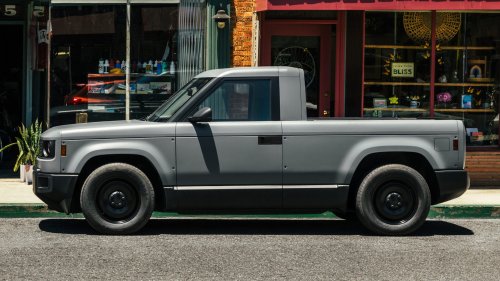
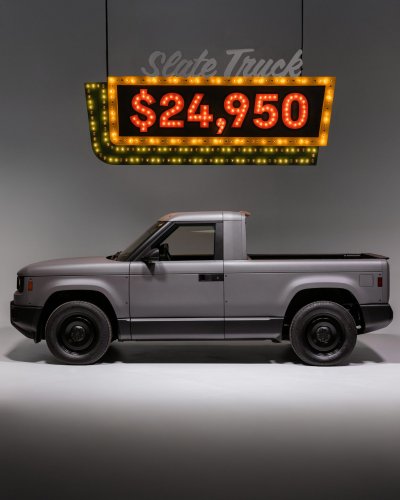
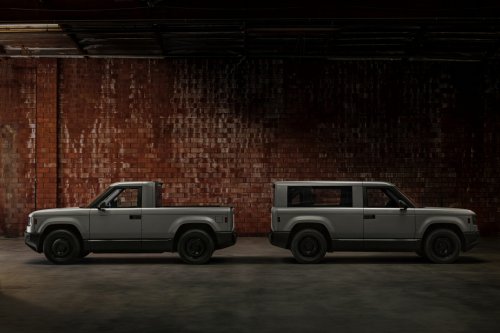
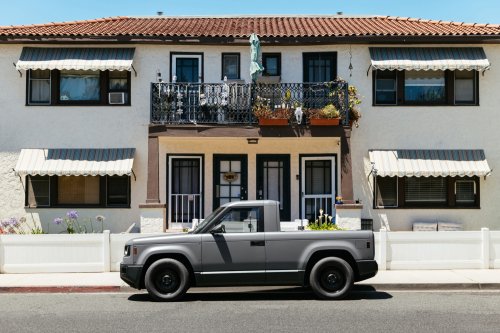
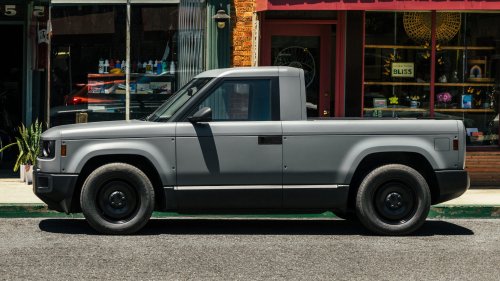
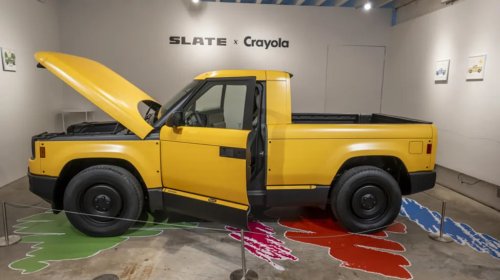
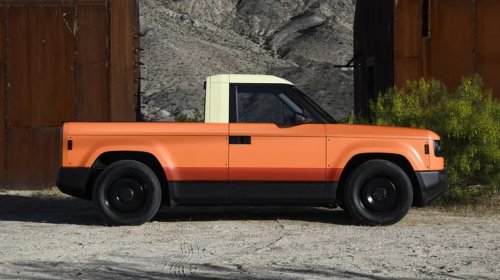
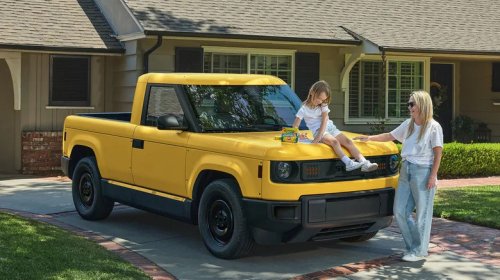
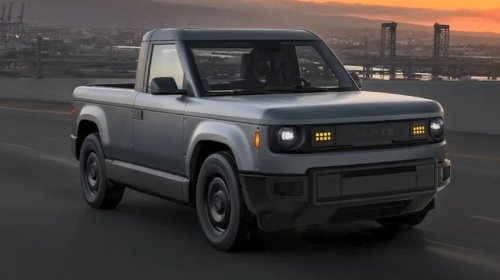
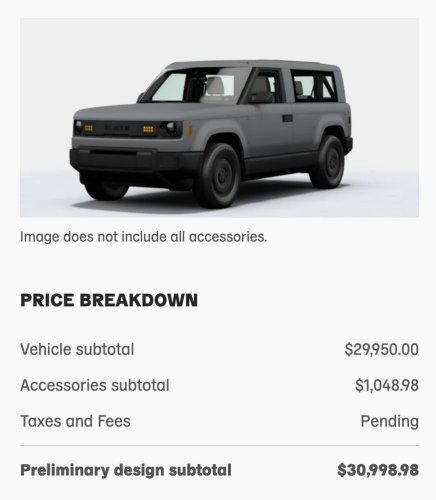
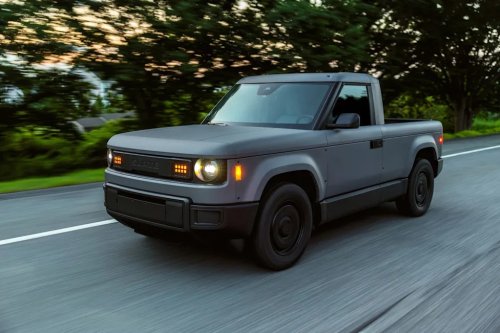
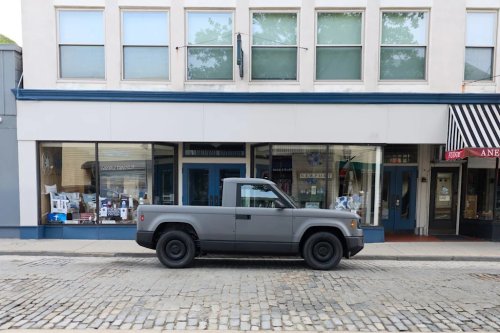
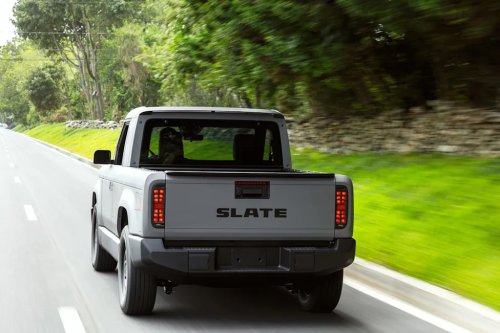
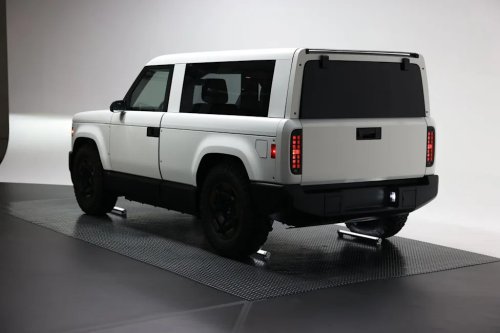
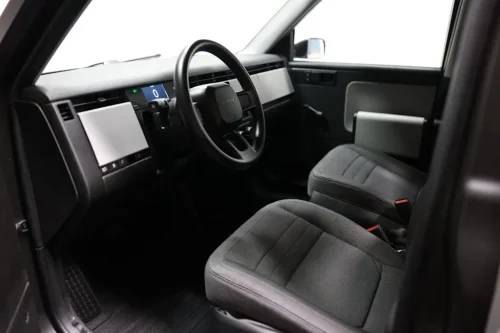
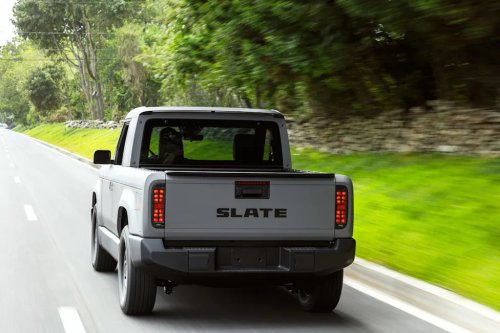
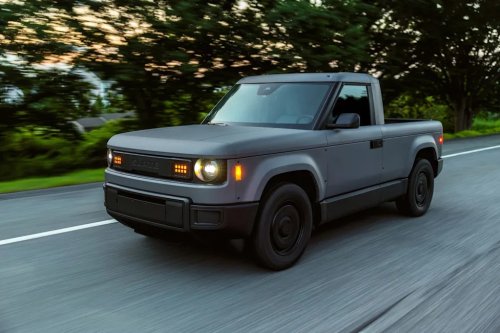
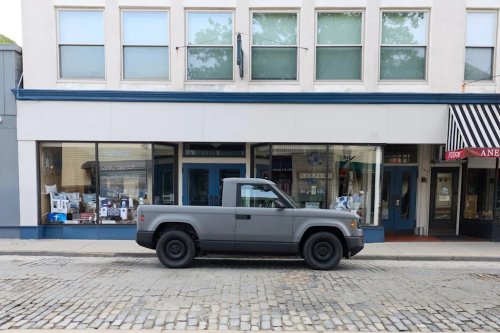
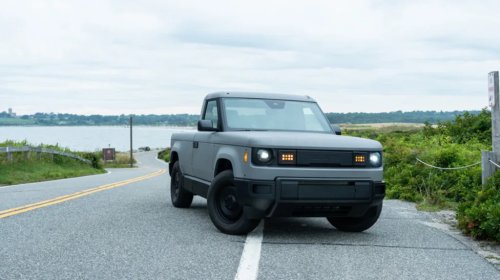
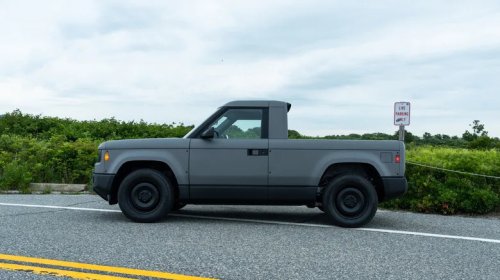
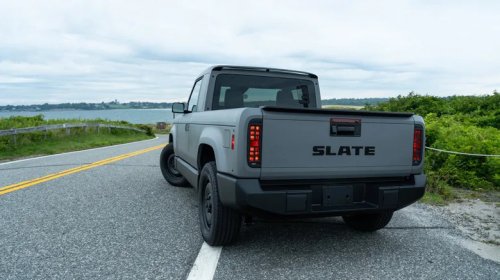
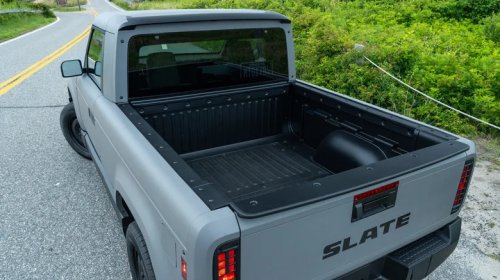
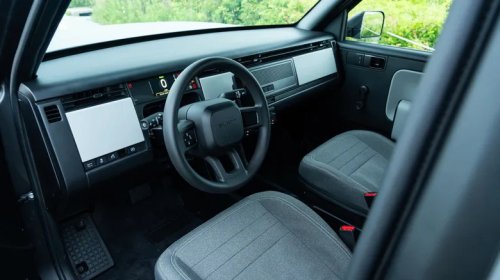
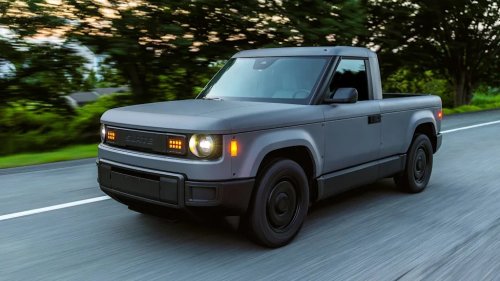
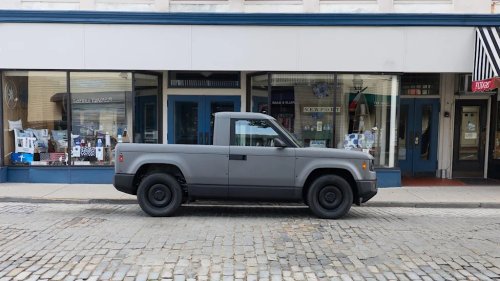
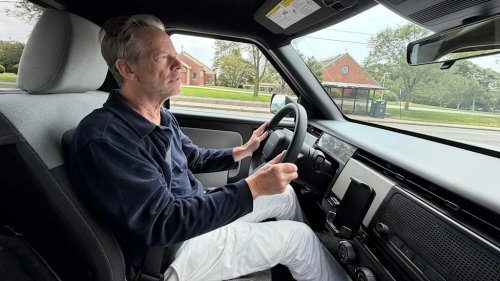
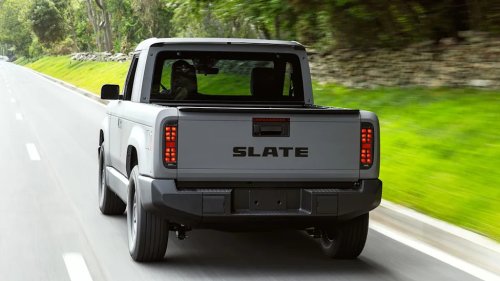
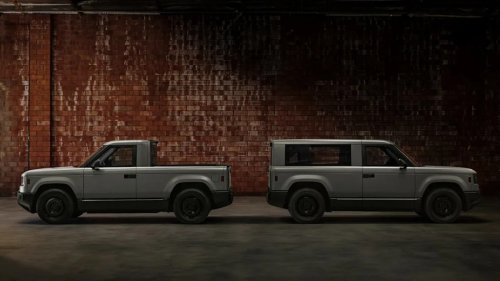
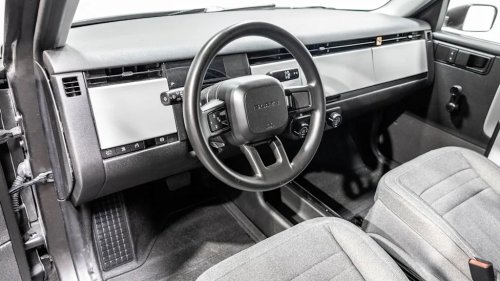
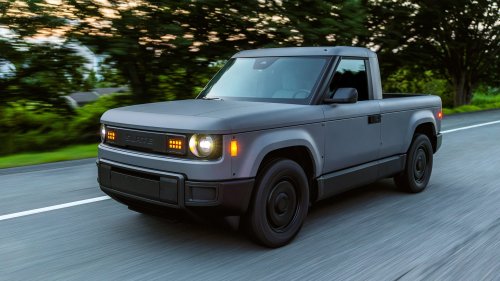
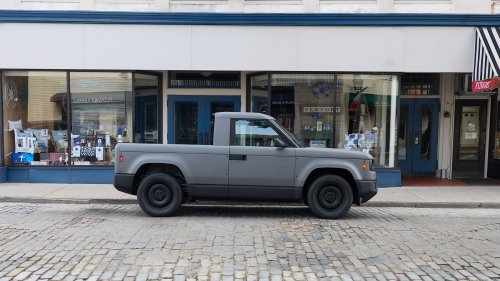
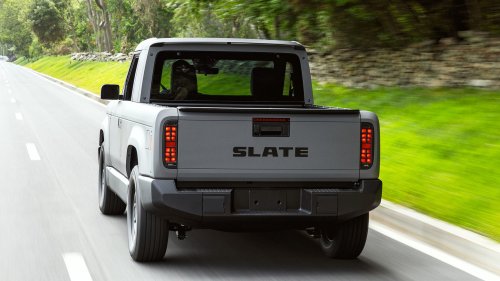
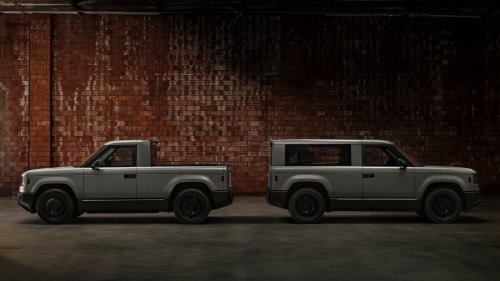
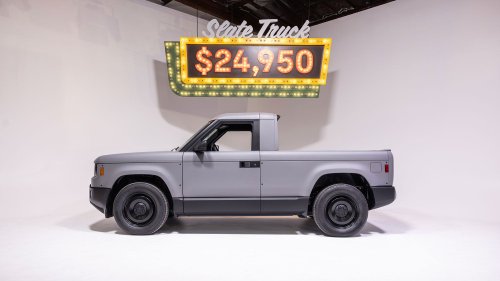
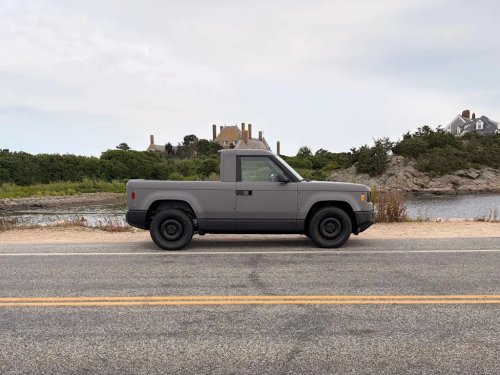
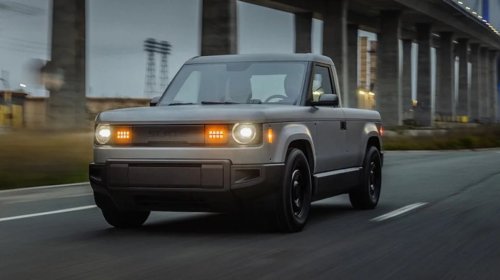
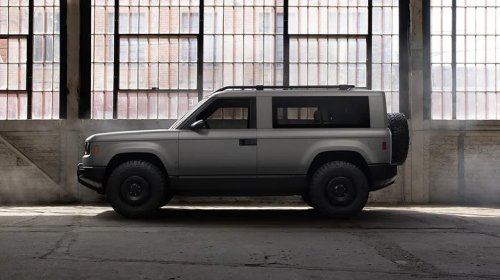
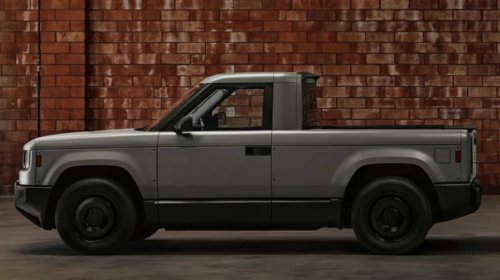
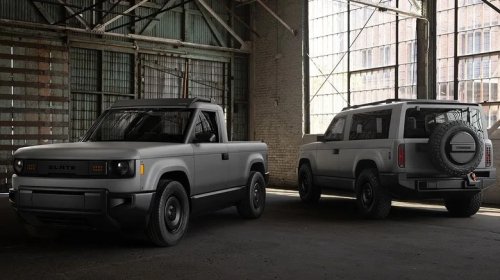
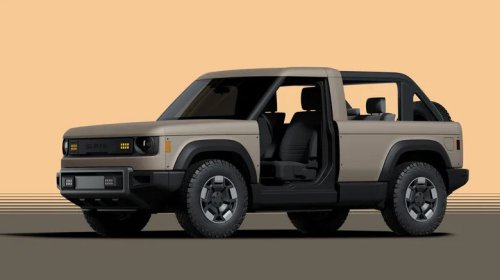
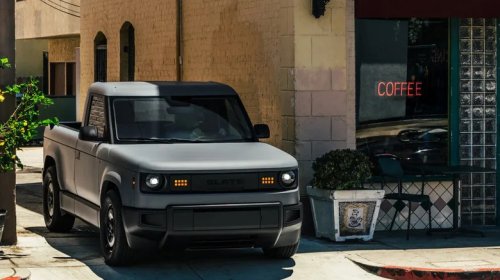
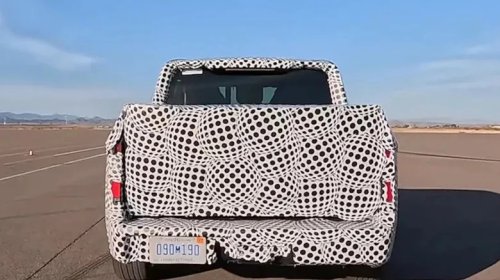
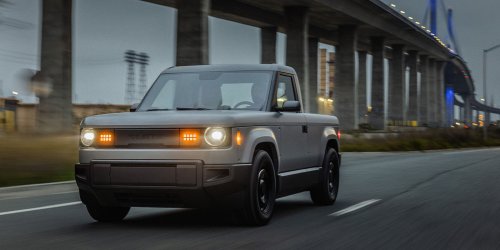
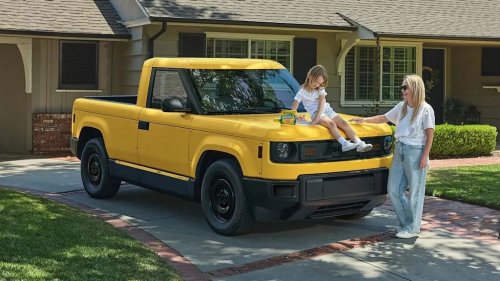
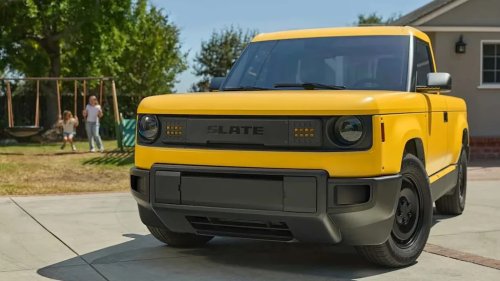
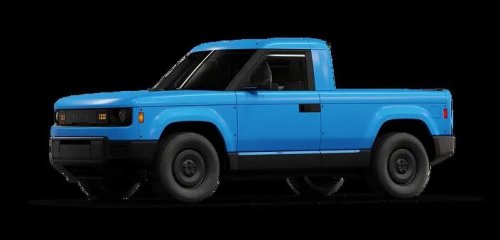
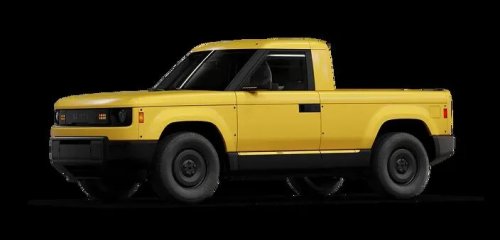
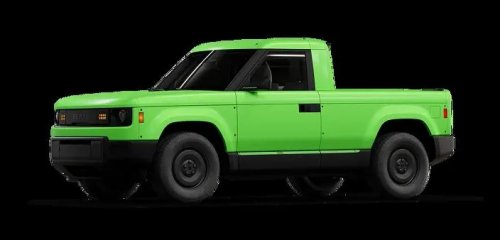
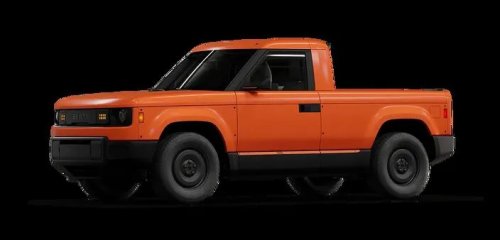
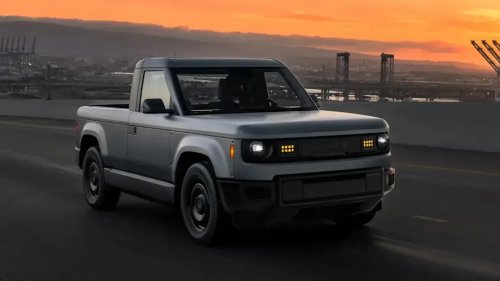
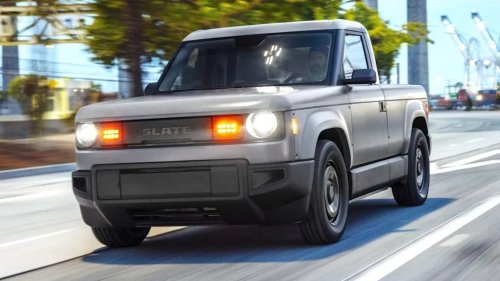
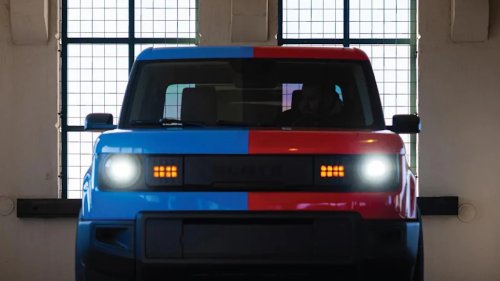
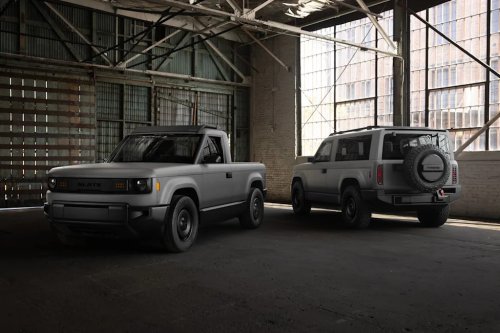
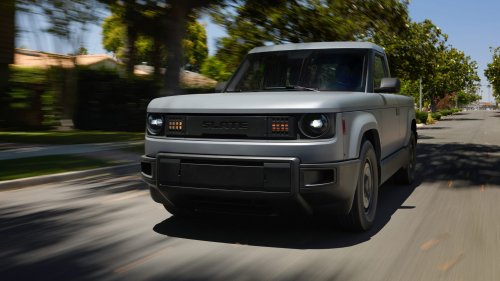
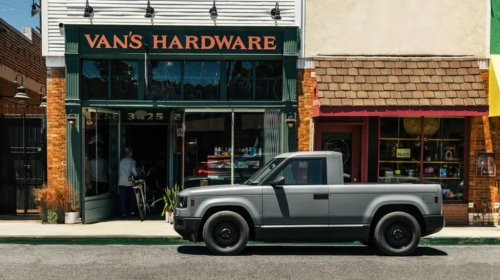
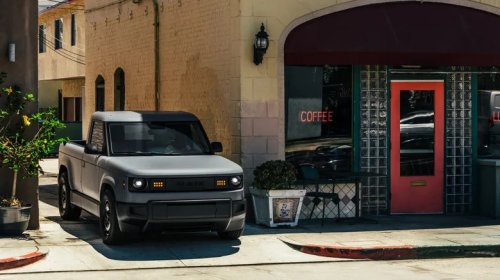
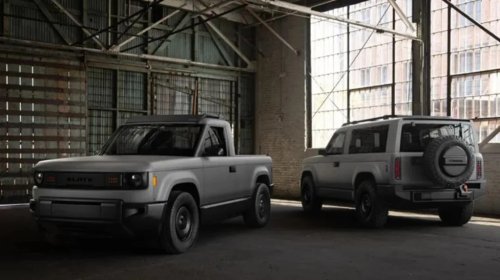
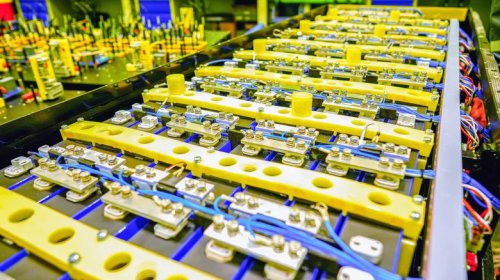
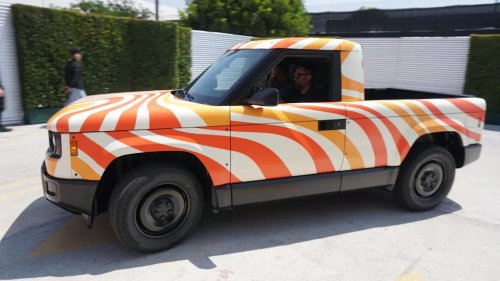
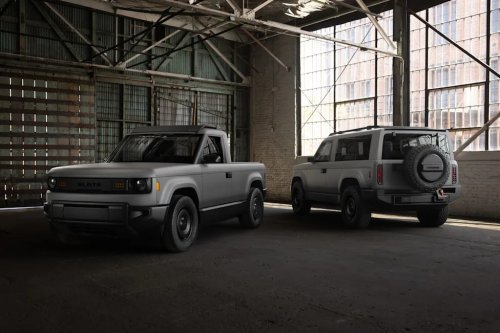
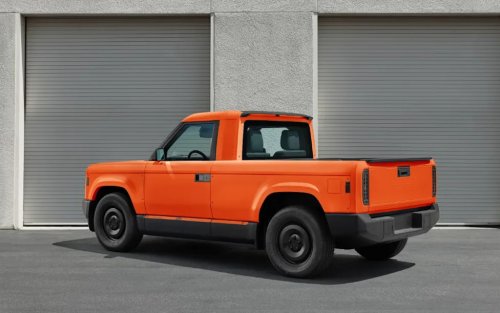
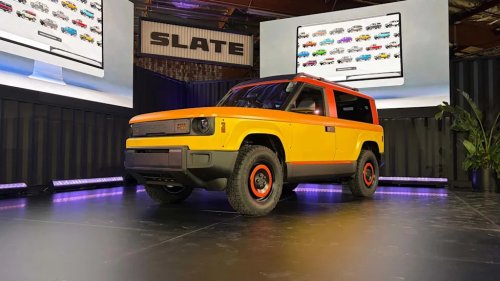
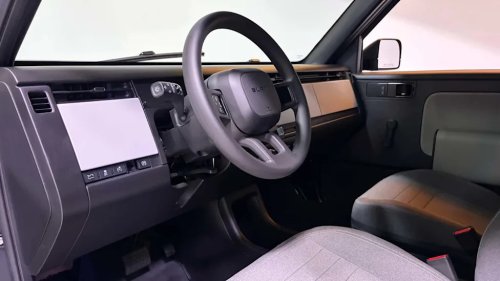
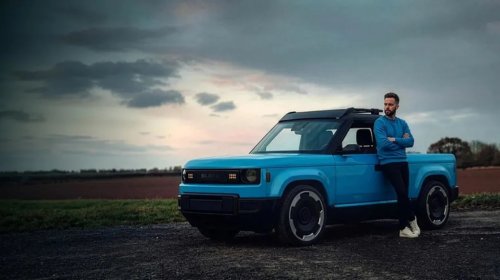
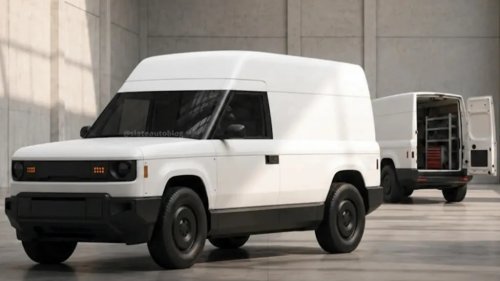
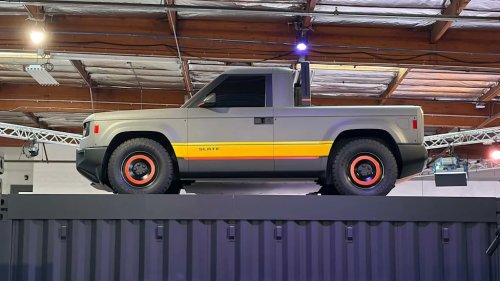
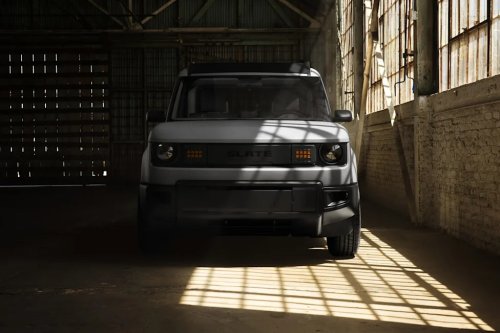
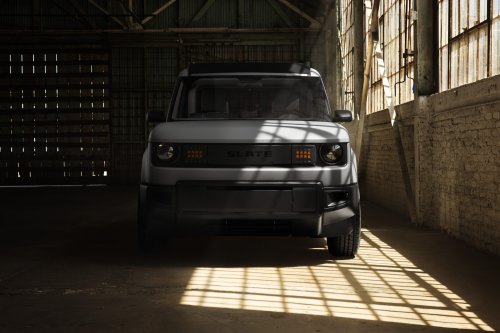
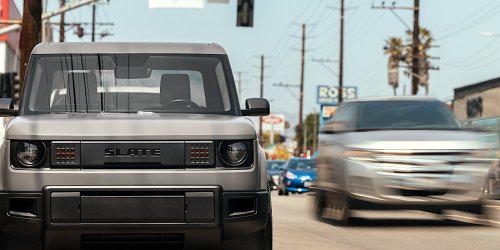
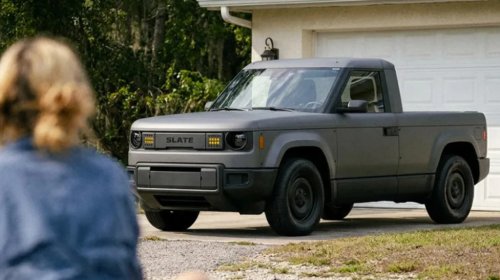
Slate is freezing its pickup bed off to make sure its truck will work in all weather once it debuts in showrooms late this year. The upstart affordable truckmaker plans to offer the most affordable pickup in the U.S. by the end of this year, with a price aimed at the mid-$20,000 range.The slush test is literally that, driving the truck into and out of a pit of slush, half-frozen water, and half chunks of ice and snow. The test took place at Keweenaw Research Center, a cold-weather test facility that's part of Michigan Technological University in Houghton County, Michigan, where they know a thing or two about slush. "The reason we're here is to simulate and test cold-weather scenarios," said Rod Romain, Slate's head of vehicle integration. "We'll run the vehicles through frozen slush, we'll take 'em out on ice, we'll run 'em through vehicle dynamics courses to test handling. We'll freeze them at various temperatures. The goal is to make sure that when you get up in the morning and leave, everything works."It's part of the vehicle development plan."We've designed this vehicle for this environment, and now it's a matter of getting out and physically validating," said Eric Keipper, head of engineering. "So all of our virtual models say that we're going to be good, all of our development that we've done thus far in cold chambers back at home is good, but now we get to see them in real life."Slate Pickup TruckThe Slush Pit itself has 10 inches of actual slush in it, like a Slurpee from 7-Eleven but without the artificial cherry flavor. The team drives through it several times, then takes the truck into a cold chamber and freezes it to see if the frozen slush "disrupts anything important to the vehicle."It didn't. The truck came out of the cold chamber under its own power, the brakes released, and "nothing broke.""Those are the criteria," said Keipper. Last August, the team did hot-weather testing at the Davis Dam Grade in Laughlin, Nevada, a 14-mile, 3500-foot uphill slog run in maximum heat to see what happens. There, the team tested heat soak, air conditioning, and performed a steady-state climb up the grade. "This environment is one of the harshest environments in all of the United States," said Keipper at that test last year. "So making sure that we came here, we tested here, we validated here, we really make sure that our product is really ready for our customers."Slate Pickup TruckThe team hooked up a U-Haul trailer and added sandbags to the bed of the truck. Payload and trailer weight was not mentioned. But it succeeded. "Going up the grade without issue is fantastic," said Romain during the testing in August. "In the development phase of a vehicle, we will find issues. But the point is to find those issues. So even having issues is a good thing. We can find them, understand them, pause them, and we can fix them."Romain doesn't say in the video what the issues were. From Laughlin, the team went to Las Vegas "to get some traffic data in that hot sun." Wait, are you sure this was a business trip?"Once everybody's gravitated toward doing the right thing for the product, magical things can happen," said vehicle functional science manager Matt Kasprowicz. "They believe in the truck, they want the truck to do great, and they're all-in and working every minute to do that."So how'd the hot-weather test go?Autoweek SOC EV Newsletter sign up"It went really well," said Kasprowicz. "The thermal system performed as expected. It kept the battery cool. It kept the occupants cool."Production on the truck is supposed to start this summer, with on-sale dates aimed at Q4.Slate said on social media that it would reveal pricing in late June, with company CEO Chris Barman confirming that the most basic Blank Slate model will still start in the mid-$20,000 range."We've been working tirelessly to get the lowest price possible. And while we're not pencils down just yet, we're wrapping negotiations on final parts with suppliers," she said. "We're on track to share new info on the price in June. We think it'll be worth the wait."