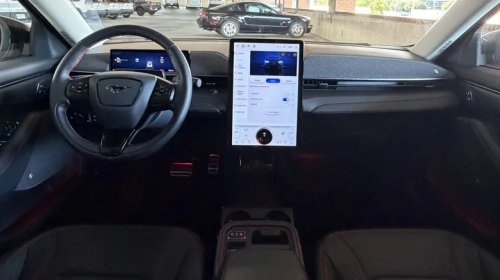
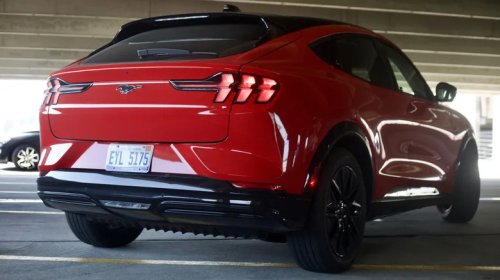
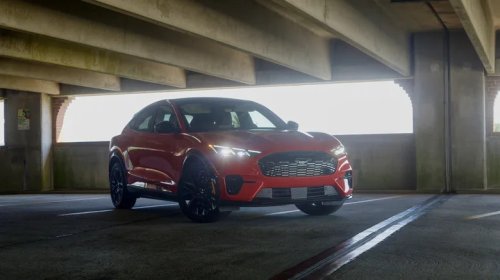
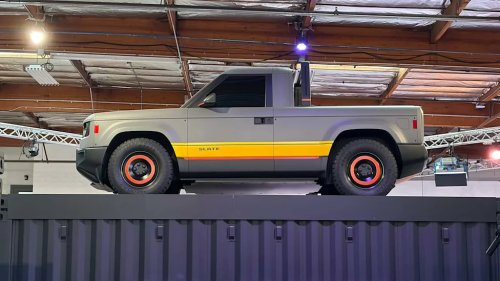
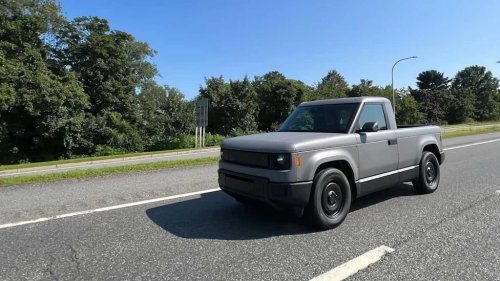
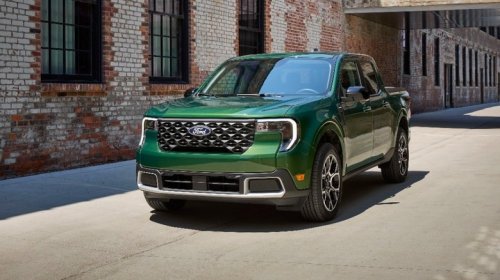
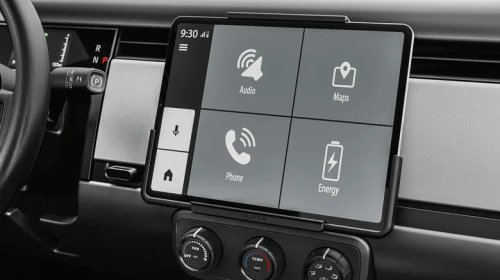
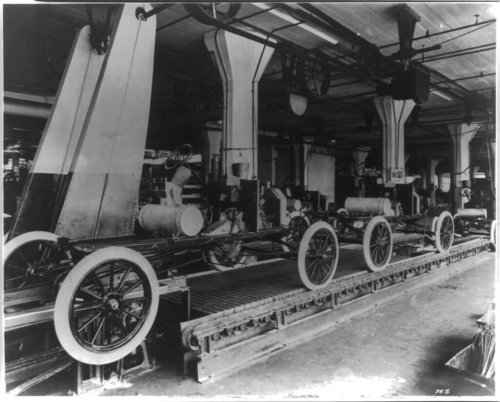
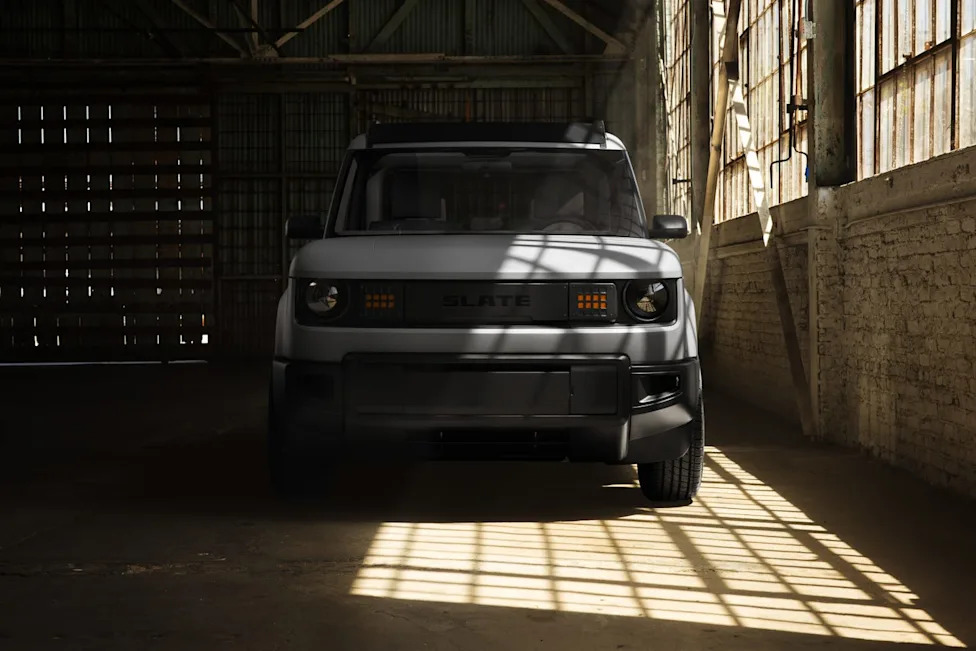
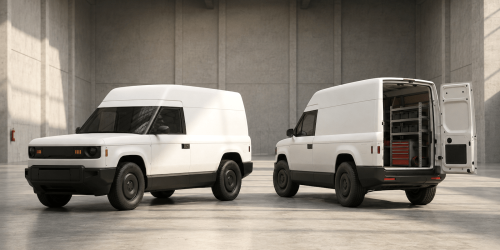
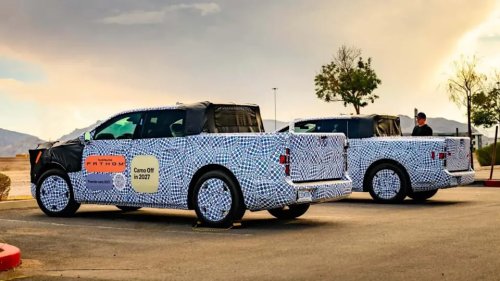
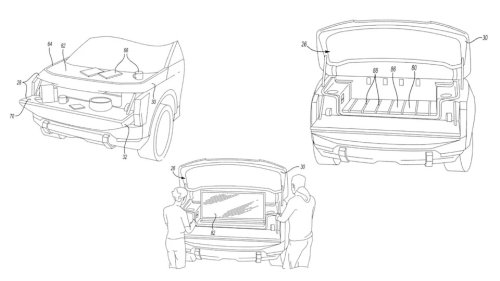
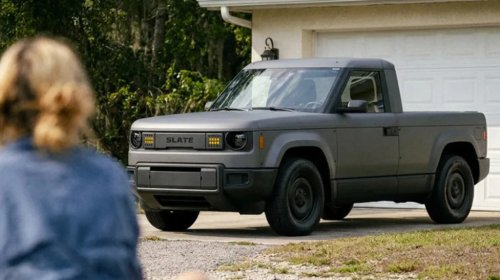
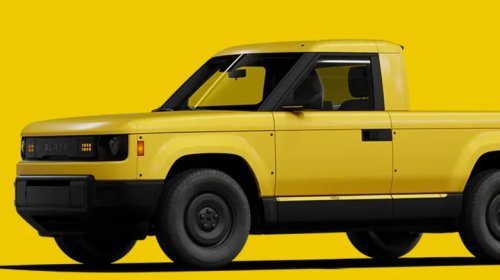
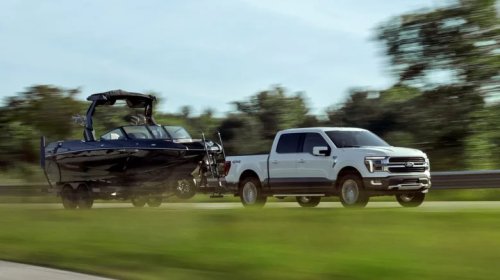
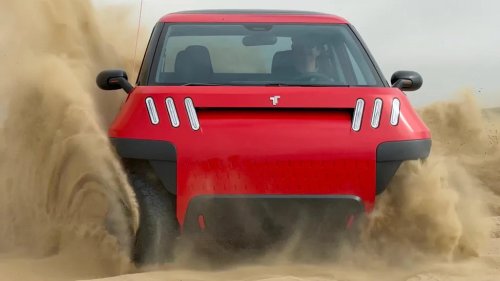
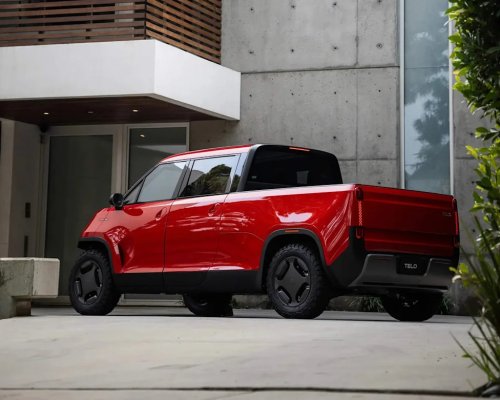
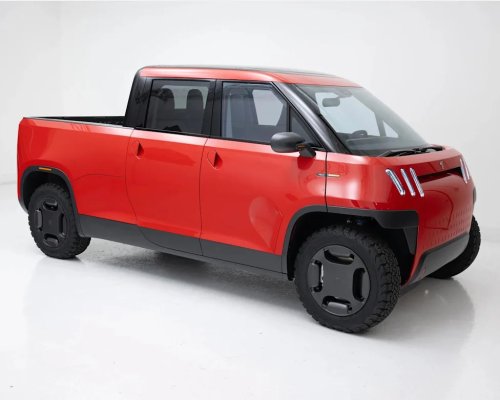
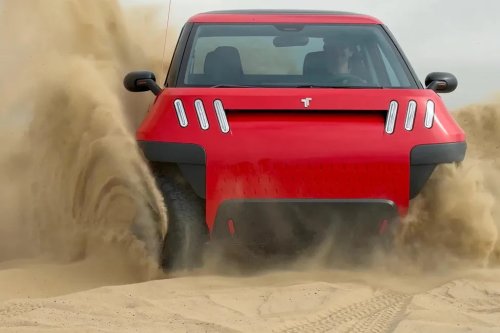
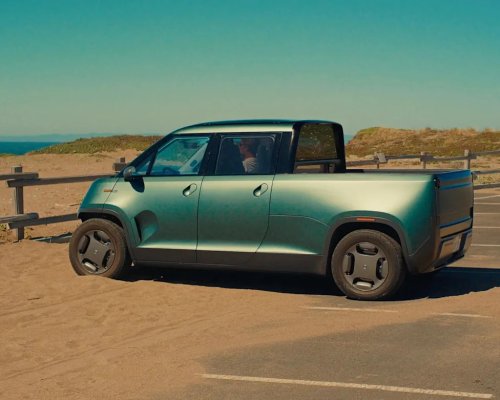
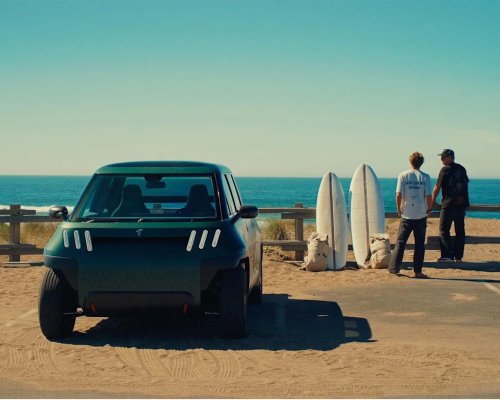
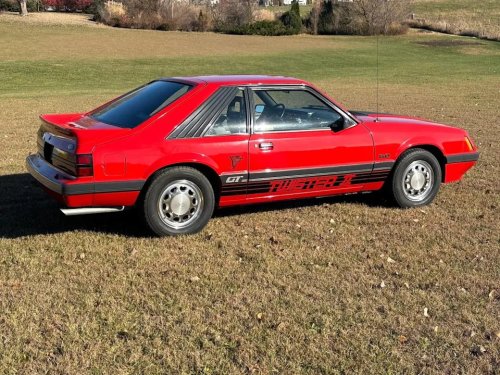
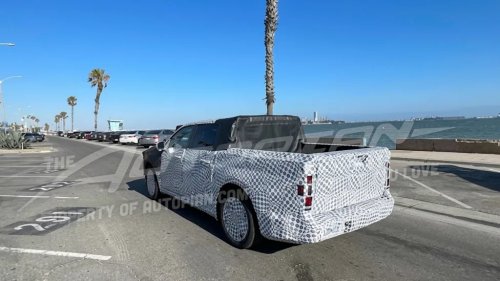
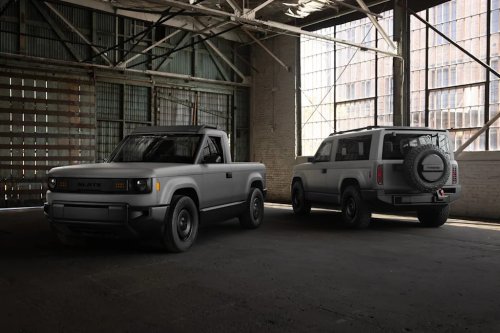
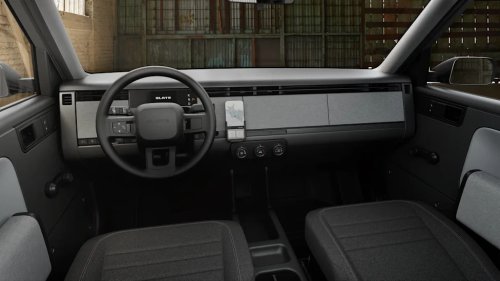
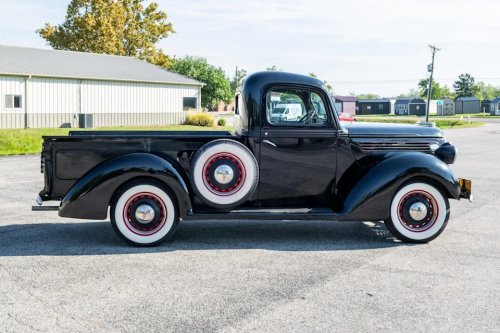
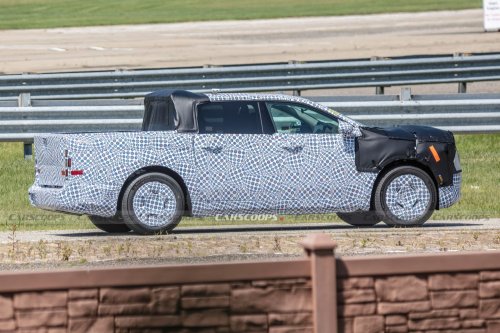
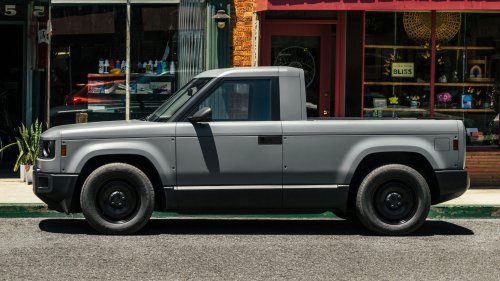
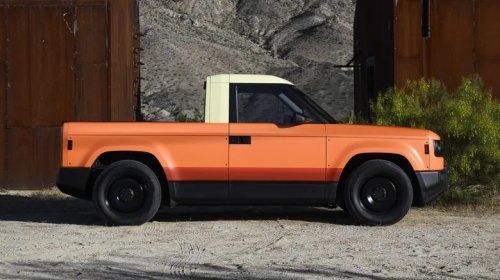
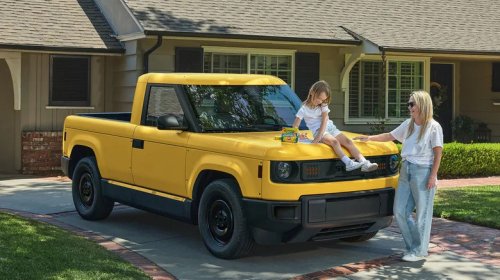
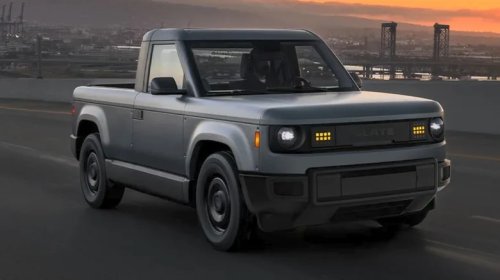
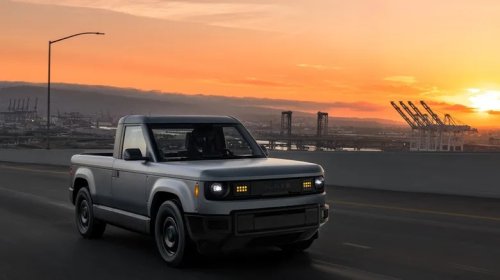
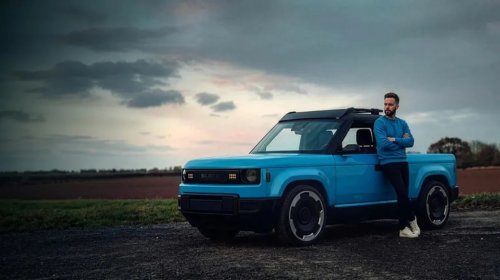
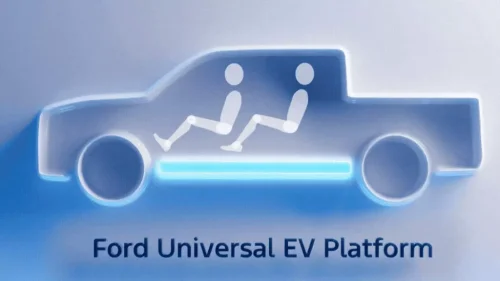
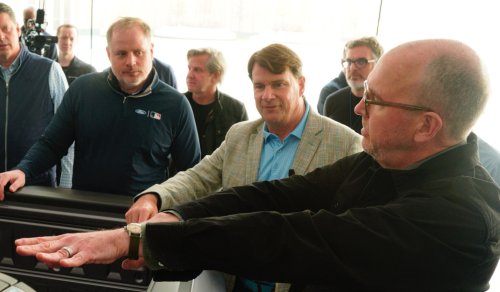
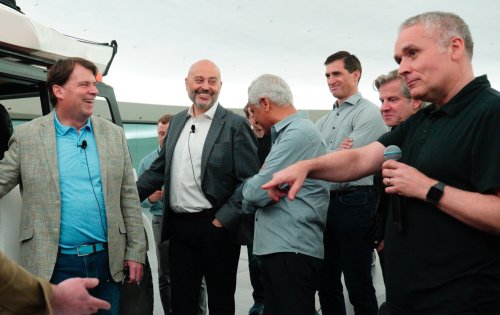
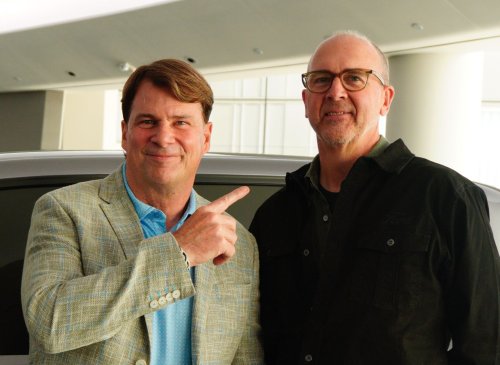
Ford teased its upcoming $30,000 electric pickup in a LinkedIn post. It rides on a new in-house platform built by a skunkworks team. Truck could revive the Ranchero name, unused since the late 1970s. Ford has trimmed plenty from its electric vehicle plans, but the compact electric truck has survived the cuts, and the company still hopes it will deliver the success the F-150 Lightning never quite managed. A proper reveal isn’t on the cards yet, though a handful of images posted to LinkedIn give an early look at what’s coming. Company boss Jim Farley posted these images to celebrate Doug Field’s last day with the company. One of the photos shows Field speaking about the new truck with Farley and other Ford executives, and includes a small glimpse of the EV’s bed. A separate image also seems to show the roofline of the new model, while another shows it with several roof-mounted accessories. Read: $30K Ford Electric Truck Coming In 2027 Is Seriously Bad News For Slate While these images don’t give us a good look at the new model, there’s plenty to get excited about. Underpinning the $30,000 pickup will be the new Ford Universal EV platform, developed in-house by a skunkworks team of engineers. This platform will be used by several other vehicles, including SUVs and vans. Cheaper And More Efficient According to Ford, the platform has 20 percent fewer parts, 25 percent fewer fasteners, and requires 40 percent fewer plant workstations than an ordinary platform. This will be aided by the new unicasting process, similar to Tesla’s gigacasting, in which important parts will use large single-piece aluminum castings. This process will also significantly reduce costs. Speaking about the new truck last year, Farley noted its wiring harness will be more than 4,000 feet (1.3 km) shorter and 10 kg (22 lbs) lighter than its first-generation EVs. The company will also overhaul how it builds vehicles on this platform, manufacturing the front, rear, and structural battery pack in separate lines before joining them during final assembly. Key specifications of the truck remain unclear, but we know it will use lithium iron phosphate batteries. It may also revive the Ranchero nameplate, which Ford hasn’t used since 1979.



















 +59 others