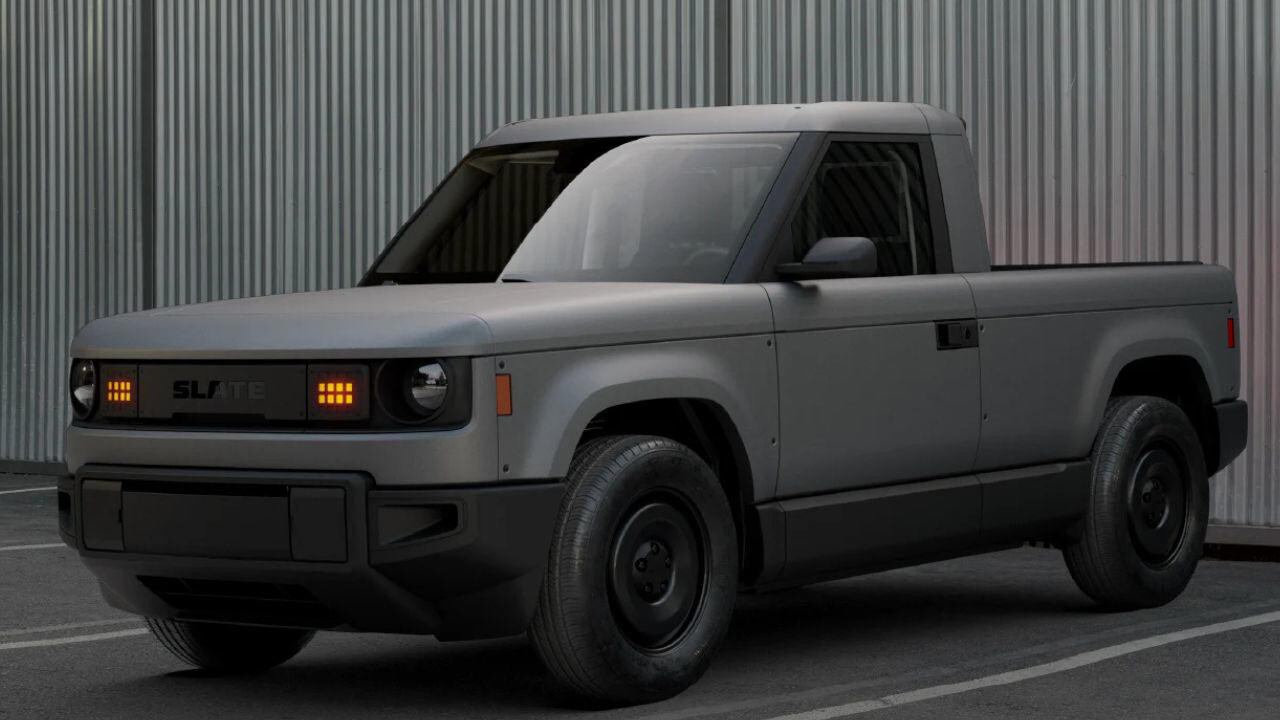
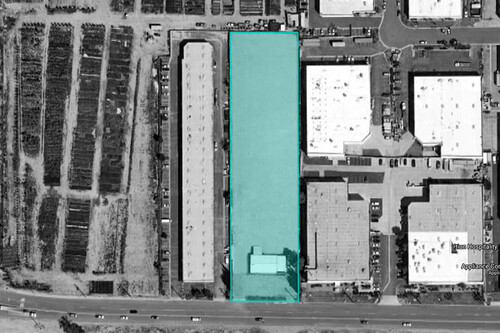
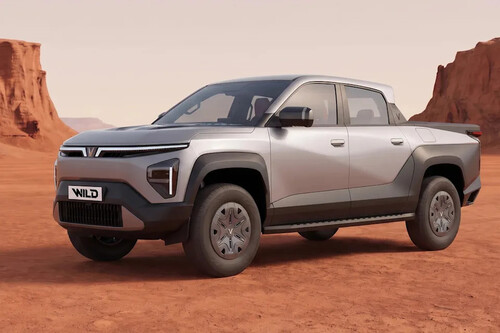
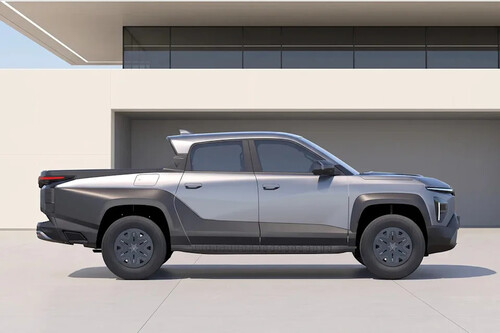
Slate Auto gets $650 million to help build its affordable electric truckSlate Auto has secured a massive $650 million funding round to push its low-cost electric pickup from prototype to full-scale production. The young truck maker is pitching a battery-powered workhorse that undercuts rivals on price without skimping on range or towing power, and investors are betting heavily that there is room in the market for exactly that combination. The raise gives Slate Auto the kind of balance sheet usually reserved for far more mature manufacturers, arriving just as legacy automakers slow-walk some of their own EV truck plans. The money will fund factories, suppliers, and charging support, turning an ambitious spec sheet into a truck that contractors, small fleets, and first-time EV buyers can actually drive home. What happened Slate Auto closed a $650 million Series C round that the company says will finance the launch of its first affordable electric pickup and the expansion of its manufacturing footprint. Described in company and investor briefings, the round is structured as growth capital rather than a bridge to survival, with Slate Auto presenting detailed production and delivery targets to back the raise. According to those materials, the company plans to move from pilot assembly to volume production over the next 18 to 24 months, with the new money earmarked for tooling, supplier contracts, and workforce hiring. Investor interest in the round was unusually strong for an EV startup at a time when funding has grown more selective. Slate Auto’s leadership highlighted that the Series C was oversubscribed, with participation from existing backers and new institutional funds focused on climate technology and mobility. One detailed breakdown of the raise notes that the company pitched its pickup as a practical alternative to higher priced electric trucks, aiming squarely at buyers who care more about total cost of ownership than luxury features, which helped draw in large climate-focused investors. The company positions its first model as an electric truck with a starting price below the current crop of premium EV pickups, while still promising competitive range and payload. Internal materials cited in funding coverage describe a base configuration targeted at mainstream truck buyers rather than the luxury segment. Slate Auto has repeatedly framed its truck as a tool for work and everyday driving, not a niche lifestyle product, and that message appears to have resonated with investors looking for realistic EV adoption paths outside high-end urban markets. Several reports on the funding round highlight that the Series C will support Slate Auto’s plans to scale production capacity in North America. The company has scouted multiple sites for its main assembly plant and is negotiating incentives with state and local governments. One analysis of the deal notes that Slate Auto expects the new capital to cover much of the upfront cost of building out its first factory and supplier park, with a goal of reaching tens of thousands of units per year once ramped, a plan that is central to the Series C funding. Slate Auto’s leadership team, which includes veterans from established automakers and battery suppliers, has argued that the company’s engineering approach reduces complexity compared with some earlier EV startups. According to investor briefings, the truck is built around a relatively simple skateboard platform and a limited set of configurations, which the company says will keep manufacturing and service costs in check. Those claims, while still untested at scale, helped convince investors that the company can avoid some of the pitfalls that hit earlier electric truck entrants. Coverage of the round also points out that Slate Auto intends to focus first on retail customers and small business buyers, rather than immediately chasing large fleet contracts. Early trucks will be sold through a mix of direct online sales and a small network of partner dealers, with a focus on regions where pickup ownership is high and public charging is improving, the company has said. That strategy is reflected in internal projections shared with investors, which show a phased rollout in a handful of key states before a broader national push that aligns with the company’s plan to scale affordable electric. In parallel with the funding, Slate Auto has continued to refine the truck’s specifications and pricing targets. Investor materials describe multiple battery options, with the company aiming to balance range and cost rather than chase headline-grabbing performance numbers. The base model is designed to meet the needs of daily commuters and light-duty work, while higher trims will target longer range and higher towing capacity. Those choices reflect a deliberate attempt to avoid overbuilding the truck and inflating the price, a pattern that has plagued some competitors. Why it matters The size of Slate Auto’s Series C stands out in a cooling EV funding climate and signals that investors still see opportunity in segments where incumbents have left a gap. Electric pickups have so far skewed toward the high end of the market, with sticker prices that put them out of reach for many traditional truck buyers. By raising $650 million to pursue a lower price point, Slate Auto is effectively a test case for whether mainstream truck owners are ready to switch to electric if the numbers make sense. For the broader EV sector, the raise suggests that capital is flowing toward business models that emphasize cost discipline and clear demand. Reports on the deal describe how Slate Auto framed its truck as a work tool first, with features like bed outlets, towing assistance, and durable interiors prioritized over luxury interiors or extreme acceleration. That pitch resonated with investors who have grown wary of startups that chase attention with flashy specs but struggle to convert interest into profitable deliveries, and it helps explain why the company was able to attract high-profile backers even as other EV firms retrench. The funding also has implications for jobs and industrial policy. Slate Auto’s factory site search is tied to incentive packages that could bring thousands of manufacturing and supplier positions to the winning region. Several reports note that the company is negotiating with multiple states that want to anchor their own EV supply chains, and the $650 million war chest strengthens Slate Auto’s bargaining position. If the company hits its production targets, it will add another major EV manufacturing hub to the North American map, alongside plants from established automakers and other startups. From a climate perspective, an affordable electric pickup addresses one of the hardest segments to decarbonize. Full-size and midsize trucks remain among the most popular vehicles in the United States and other markets, and they are typically driven long distances and kept for many years. Analysts who have reviewed Slate Auto’s plans argue that shifting even a fraction of that volume to lower cost EVs could have an outsized impact on emissions, especially if the trucks are adopted by small businesses that rack up high annual mileage. Consumer dynamics are another reason the deal matters. Surveys of truck owners routinely show that price, range, and towing capability are the top concerns about going electric. Slate Auto has built its entire product thesis around those three points, with a focus on total cost of ownership rather than only the sticker price. The company’s investor materials emphasize fuel and maintenance savings over the life of the truck, and they highlight how a lower entry price combined with those savings could make the truck competitive with popular gasoline models when financed. That argument is central to the pitch described in coverage of the. The funding round also shows how the EV market is segmenting. While some automakers pause or slow EV truck launches, Slate Auto is moving in the opposite direction, betting that there is pent-up demand among buyers who have not yet found a compelling electric option. If the company succeeds, it could pressure larger manufacturers to accelerate their own affordable EV truck programs rather than focus only on premium trims. Conversely, if Slate Auto struggles despite the funding, it could reinforce skepticism about the near-term size of the EV truck market. There is also a competitive signal for other startups. Several early EV truck companies raised large sums on aggressive timelines and premium positioning, only to encounter delays, cost overruns, and quality problems. Slate Auto’s approach, at least on paper, is more measured, with a narrower product scope and a sharper focus on cost. Investors who participated in the Series C appear to be rewarding that discipline, and their decision may influence how future EV startups frame their own fundraising pitches and product strategies. Finally, the raise underscores how important strategic capital has become in the EV sector. Reports on the deal describe a mix of financial investors and strategic partners that can help with supply chains, software, and charging. Those relationships matter as much as the headline dollar figure, since they can help Slate Auto secure battery cells, negotiate better component pricing, and integrate with charging networks. In a market where access to parts and infrastructure can make or break a launch, that combination of money and partnerships is a key part of why the Series C is attracting attention from across the auto industry. What to watch next The next major milestone for Slate Auto is the selection and build-out of its primary manufacturing site. Investors and local officials will be watching for a definitive announcement on where the company will assemble its first trucks, along with the scale of the associated supplier park and logistics operations. Once a location is chosen, the speed of construction and tooling will serve as an early indicator of whether Slate Auto can keep its promised production timeline on track, a question that hangs over every new EV manufacturer that moves from prototypes to mass production. Potential buyers and competitors will also be tracking how closely the final truck matches the specs and price targets presented during the funding round. Early EV startups have sometimes launched with prices higher than originally promised, due to inflation and supply chain pressures. Slate Auto’s credibility with cost-conscious truck owners will depend on how much of its affordability pitch survives contact with reality. Analysts will pay particular attention to the base model price, range ratings, and towing capacity, since those numbers will determine whether the truck can compete with both gasoline pickups and more expensive electric rivals described in recent funding coverage. Another key area to watch is how Slate Auto approaches charging. The company has signaled that it intends to support widely used fast-charging standards and to integrate routing and charging information into its in-vehicle software. The effectiveness of that strategy will matter especially for small business owners who need predictable charging times to keep their trucks working. Partnerships with existing charging networks and potential investments in dedicated depot charging for commercial customers could become a differentiator if Slate Auto executes well. More from Fast Lane Only Unboxing the WWII Jeep in a Crate 15 rare Chevys collectors are quietly buying 10 underrated V8s still worth hunting down Police notice this before you even roll window down