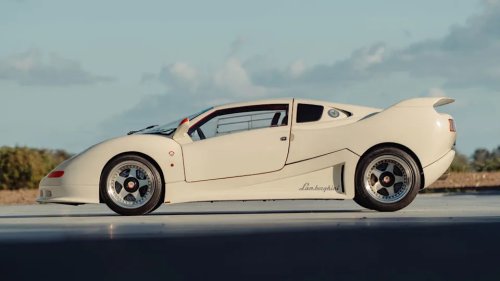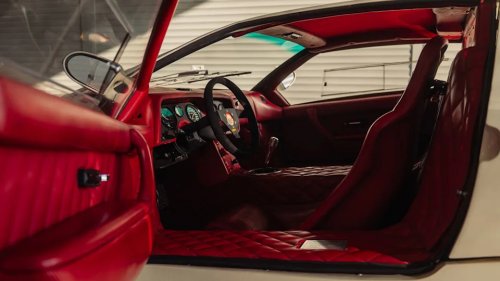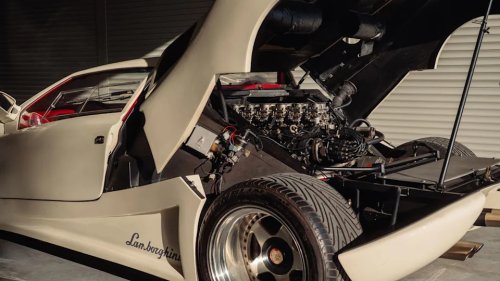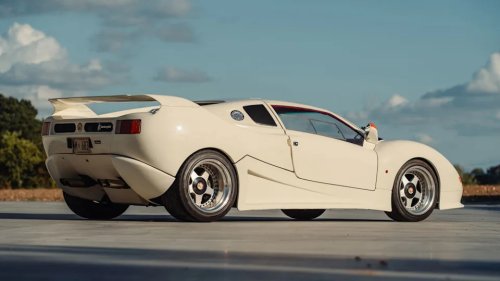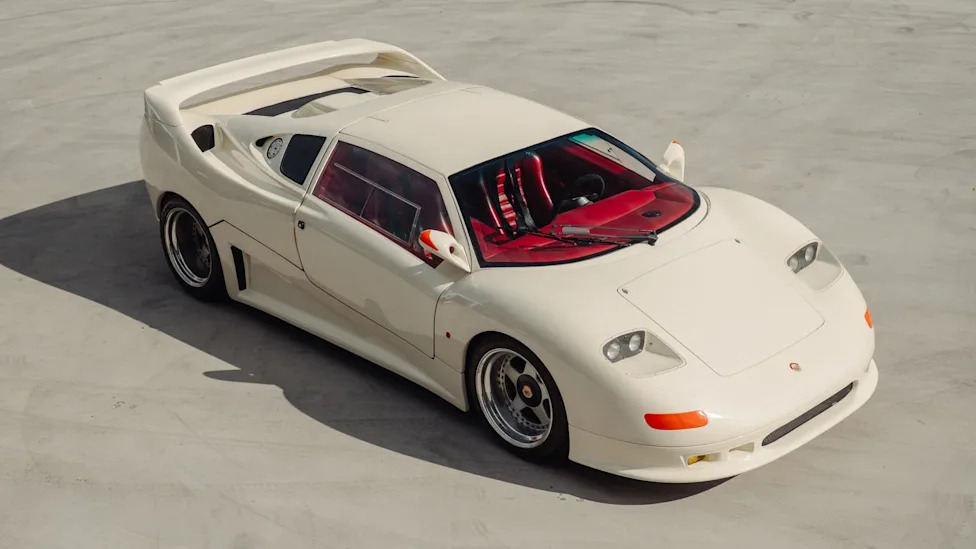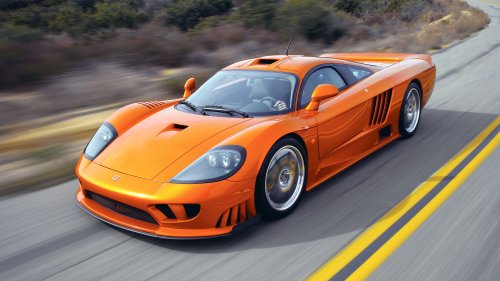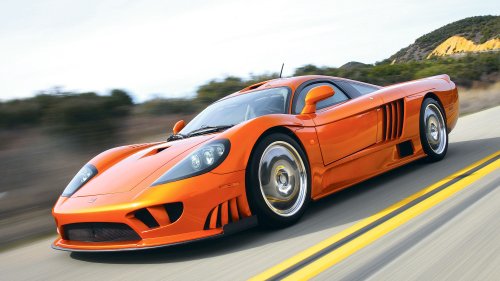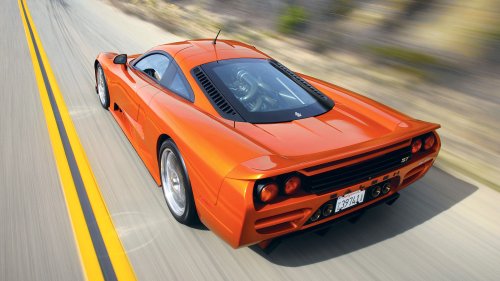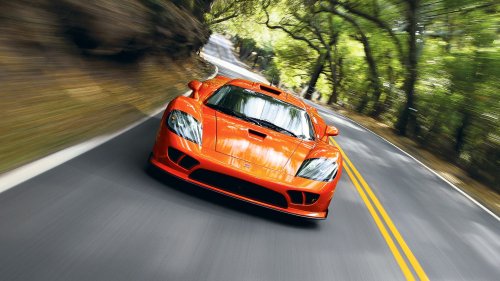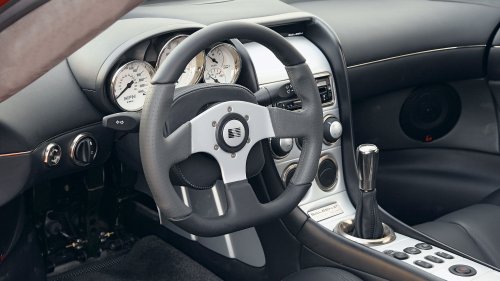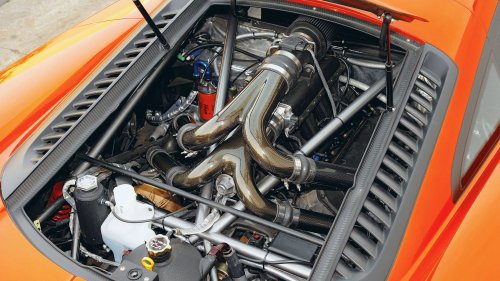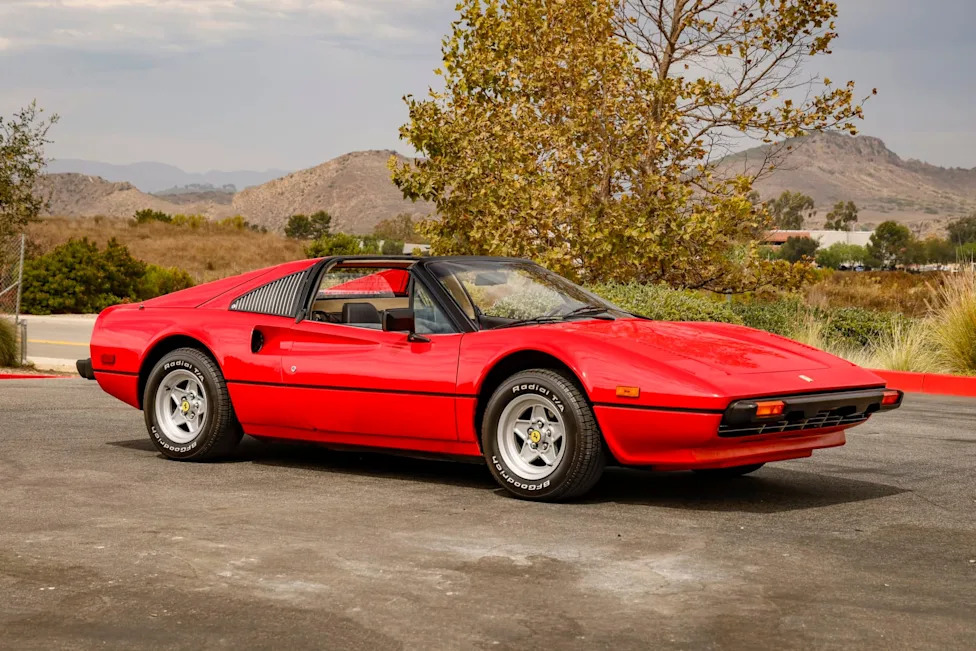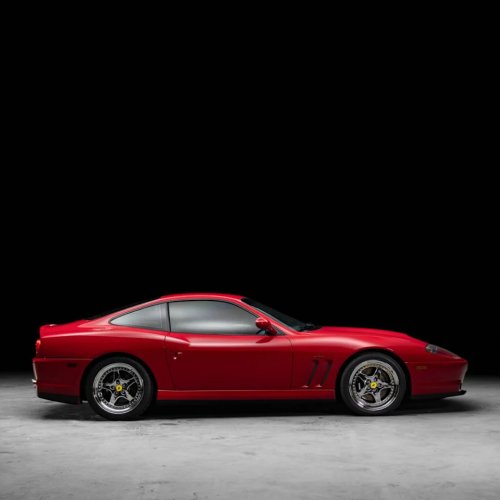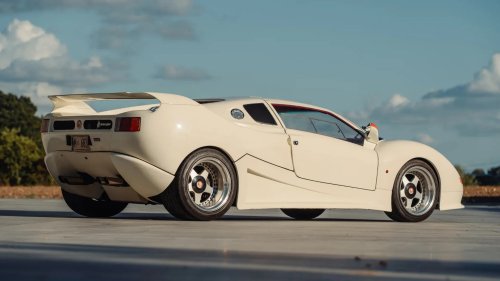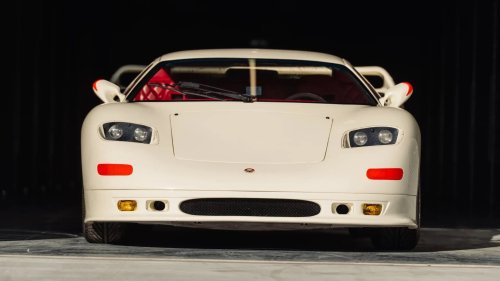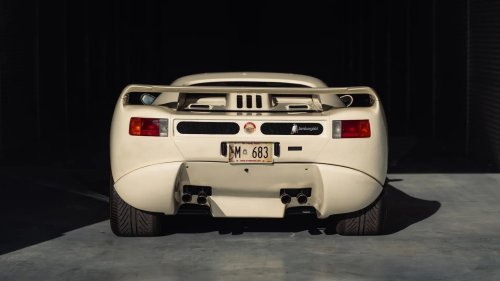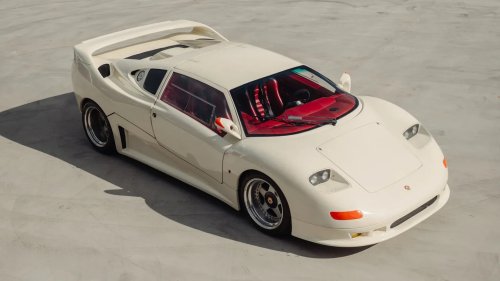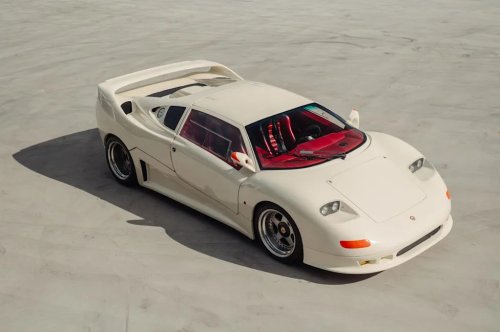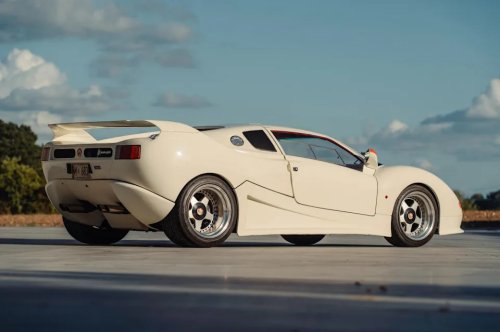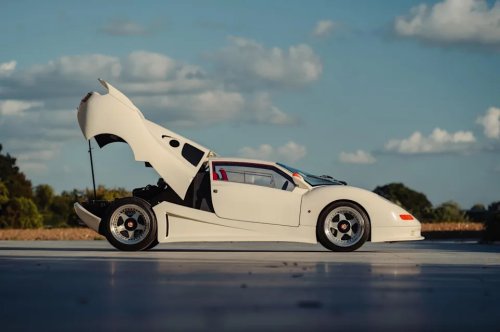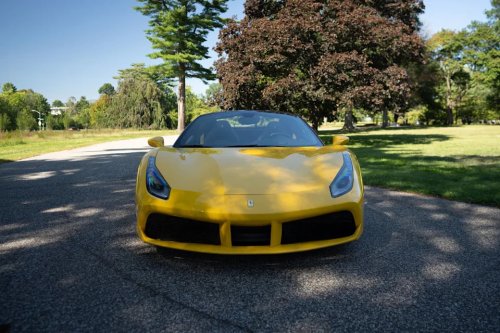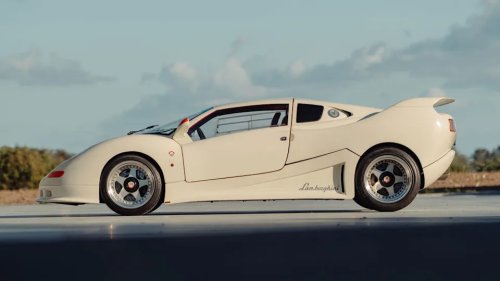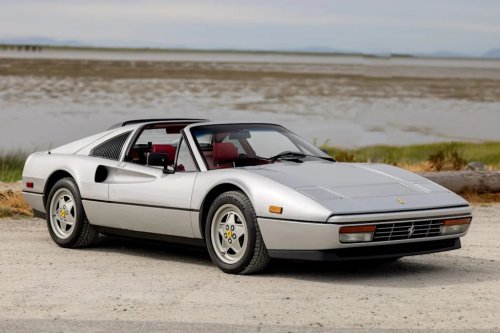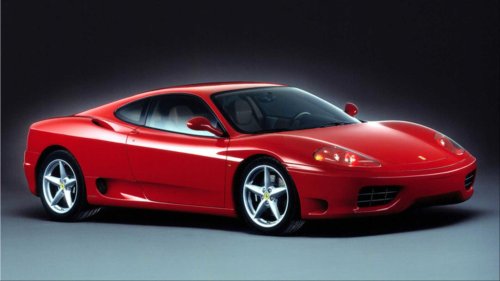
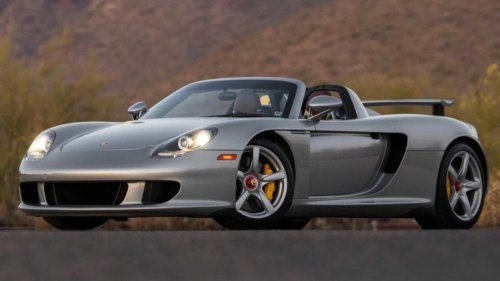
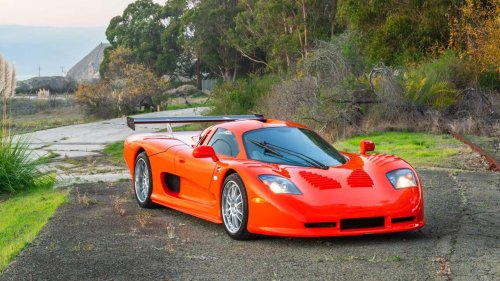
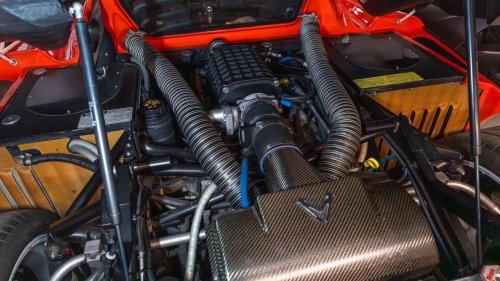
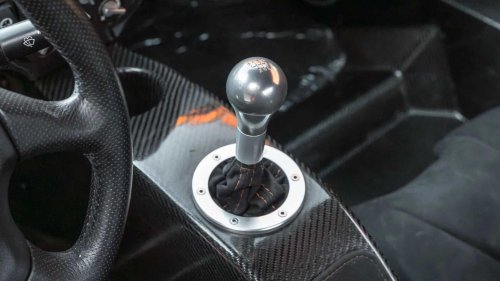
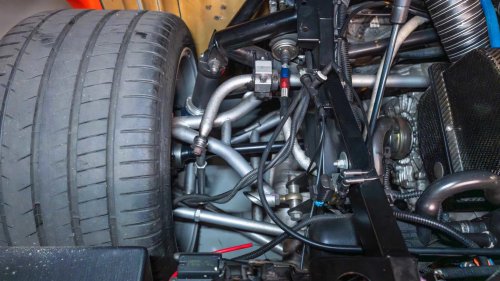
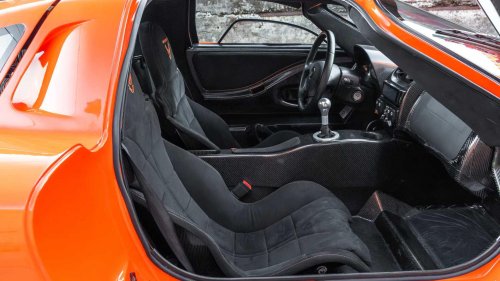
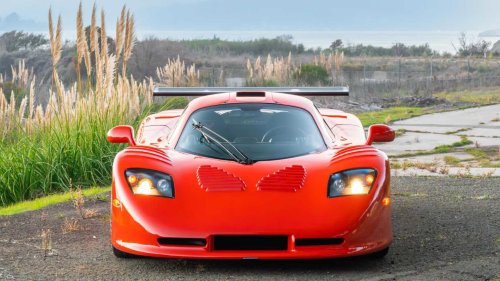
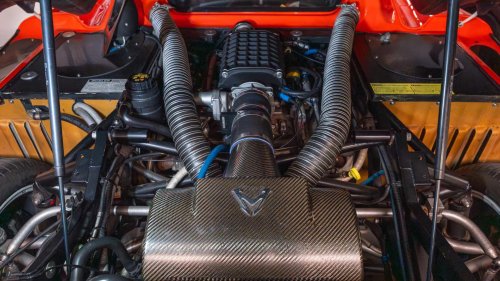
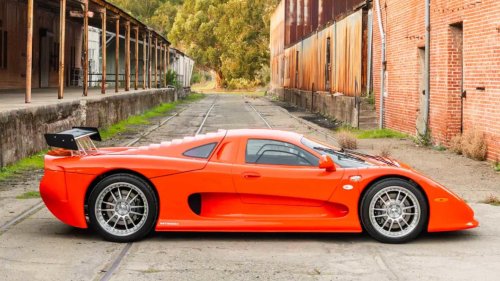
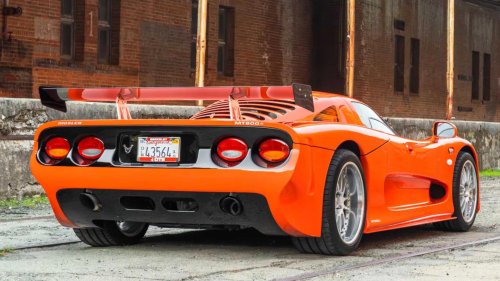
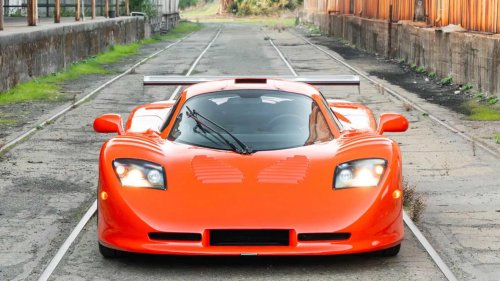
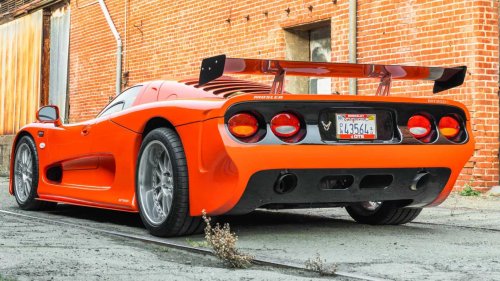



















In the early 2000s, the supercar world had a clear hierarchy. Ferrari built the drama, Lamborghini built the spectacle, while Porsche was built with precision. These were cars that cost at least $150,000, came from manufacturers with decades of racing heritage, and existed in a world most people could only read about.The formula was converging in one direction: more power, more electronics, more luxury, more weight. Nobody was questioning it, because nobody needed to. The cars were selling, the press was impressed, and the hierarchy felt permanent.Then a car appeared from Florida, built by someone people had never heard of. This supercar went faster than the fastest Porsche, Lamborghini and even Ferrari Enzo for a third of the price. The person behind it was not an engineer, not a racing driver, and not a car manufacturer. That was precisely the point. The Era When Nobody Asked If Heavier Supercars Were Better Ferrari In 2003, the Ferrari 360 Modena was the benchmark mid-engine exotic. It weighed around 3,200 lbs, produced about 400 horsepower, and cost roughly $150,000. A car that felt like a statement as much as a machine. TheLamborghini Diablo 6.0 was heavier still, and the Porsche Carrera GT, which arrived in 2004, weighed over 3,000 lbs despite being one of the most focused driver's cars Porsche had ever built.Every manufacturer was moving in the same direction. Traction control, active differentials, power steering, stability systems. Tools that made fast cars more manageable but added weight and complexity with every generation.Bring a TrailerThe technology was remarkable, and the philosophy at the time was simple—more is better. More power, more refinement, more presence, more technology. It made perfect sense unless your onlymeasure of success was lap times.Then one economist looked at the numbers and the entire landscape and saw something different. Not a collection of great cars, but a market-wide inefficiency. The same kind of mispricing an economist spots when everyone is making the same mistake in the same direction.He drew up a car with a target weight of 900 kg (1,984 lbs), and named it after that number. Ironically, even though it ended up weighing more than the name would suggest, this supercar set out to prove the industry had been solving the wrong problem. Mosler MT900S – Built By An Economist Who Proved Weight Was The Enemy Bring a TrailerThe man behind the car was Warren Mosler, an economist, hedge fund manager, and one of the principal architects of Modern Monetary Theory. He had spent his career identifying inefficiencies that other people accepted as fixed truths. When he turned that lens on the supercar industry, he saw the same thing. In an attempt to fix it, he answered with the Mosler MT900S.Bring a TrailerThe MT900S was built around a carbon fiber and honeycomb aluminum monocoque tub, reinforced with chromoly steel alloy subframes front and rear. Power came from a mid-mounted GM LS-series V8 paired with a Porsche-sourced manual transaxle. An American engine, a German gearbox, and a chassis that had no allegiance to anyone, but to itself.Bring a Trailer The production MT900S weighed 998 kgs or 2,200 lbs without fuel (more than the 900kg target it was named after). But it was still 1,000 lbs less than the Ferrari 360 Modena and around 800 lbs less than the Porsche Carrera GT. At that weight, even modest power becomes extraordinary when you consider the power-to-weight ratio.Power was far from modest. Early models produced 350 hp from the LS6 V8. The MT900S brought that to 405 hp, and supercharged variants eventually reached 600 hp. The result was a power-to-weight ratio that most rivals simply could not match.Bring a Trailer Mosler stripped out everything that did not contribute directly to speed. It had no driver aids, no ABS, no stability control, no power steering. These were not compromises. They were decisions, made deliberately, in the same spirit as every other choice on the car. It took the Ferrari F40's mantra—V8 power mounted to a carbon fiber structure with no electronic nannies to get in the way—resulting in a go-kart with a ridiculous 400–600 hp.Bring a Trailer The MT900S was also reportedly the first supercar developed without a physical clay model, designed entirely from digital simulations. It sold for around $190,000 — roughly a third ofwhat a Ferrari Enzo costat the time. The first street-legal example delivered in America went to George Lucas, the filmmaker behind Star Wars, who looked at every available European exotic and decided it must be part of his extensive collection. The Day A Florida Underdog Beat The Ferrari Enzo Bring a TrailerCar and Driver's 2006 test of the 600 hp MT900S, found it smokes up its tires in first gear. Yet even with a second-gear launch, the MT900S recorded 0–60 mph in 3.1 seconds. That was quicker than the Porsche Carrera GT at 3.5 seconds and the Ferrari Enzo at 3.3 seconds. The quarter mile came in at 11 seconds flat at 135 mph, matching the Enzo.What made those numbers more remarkable was the context. An earlier prototype, heavier by nearly 400 lbs and down 65 hp from the production car, had still managed 0–60 in 3.5 seconds and a 12-second quarter mile. The weight loss from prototype to production MT900S did more for performance than most manufacturers achieve by adding hundreds of horsepower.Bring a TrailerCar and Driver's earlier test of the base MT900 found it accelerated quicker, braked harder, and cornered sharper than the Ferrari 360 Modena, and described it as simply dominating the Lamborghini Diablo 6.0. These were not close calls. They were comfortable margins.The Lightning Lap results around Virginia Internation Raceway told the same story over a longer timeline. A 550 hp MT900S is among the oldest cars in Car and Driver's all-time Lightning Lap results, yet it sits in the top 40 fastest ever recorded (as of 2026). It beat the Dodge Viper SRT10 ACR, is on level with the McLaren 650S Spider, and ahead of the Lamborghini Huracan or Ferrari F12. These cars were built nearly a decade later by manufacturers with vastly greater resources.At 2,200 lbs with 405 hp in standard form, the MT900S carried a power-to-weight ratio that most rivals could not approach regardless of their headline figures. Mosler was not building a better supercar by Ferrari's definition. He was proving Ferrari's definition was inefficient. The Car That Won At Daytona And Got Banned For It Bring a Trailer The MT900R had been qualifying on the class pole at Daytona for three consecutive years before it finally won. When the win came in 2003, it arrived the way Mosler would have scripted it. The leading Corvette held a 12-lap advantage with an hour to go, then lost it to a gearbox failure. The Mosler inherited the lead and held it to the flag, driven by João Barbosa, Andy Wallace, Jerome Policand, and Michel Neugarten.The car had not just been fast the whole race. It had been reliable for 24 hours while a better-funded rival broke down with the finish line in sight. That was exactly the argument Mosler had been making about engineering simplicity from the beginning.Bring a Trailer The Mosler's 2003 season extended well beyond its exploits at Daytona. The MT900R took the British GT Championship that year, including a win at the 1000 Kilometers of Spa, then followed it up by winning the Spanish GT Championship the following year against factory-backed Porsches and Ferraris. For a car built in Florida by a company with 26 employees, the results were extraordinary.Then the sanctioning bodies eventually stepped in and indirectly banned it from competition. Grand-Am could not classify the MT900R. It was too fast for the production car class and too road-derived for the prototype class. The car was effectively pushed out of American racing and found its competition home in European GT series instead. It is the kind of outcome that says more about the politics of motorsport than the quality of the machine. Perhaps The Greatest American Supercar Nobody Bought Bring a Trailer Production ended in May 2011. By that point, approximately 35 road cars and 50 racing versions had been built, 85 cars in total across every configuration. The few that surface on the market todaytrade for between $220,000 and $300,000 according to Classic.com, which means the car Mosler could not sell for $189,000 is now worth more than he ever charged for it.The brand had no marketing infrastructure, no dealer network, and no legacy to sell. In a segment where provenance is half the purchase decision, Mosler was asking buyers to trust the data and ignore the badge. Most people buying $189,000 supercars were not making decisions based on spreadsheets.Mosler eventually sold the automotive business and returned to economics, where his Modern Monetary Theory work went on to achieve considerable influence of its own. He was, in the end, a better economist than a car company operator—which was probably always true and probably never bothered him much.Bring a Trailer The deeper irony is that the car he built proved his thesis completely. Weight is the enemy, and everything else is noise. The Mosler MT900S demonstrated that with road test data, race results, and two decades of Lightning Lap times. But the market was not buying the thesis.It was buying the pedigree of the name on the nose. What survives is roughly 85 cars (35 road cars, 50 race cars), a 2003 Daytona trophy, and a Car and Driver test that quietly put a Florida-built supercar ahead of the Ferrari Enzo. Most people have never heard of it, and that's okay.Sources: Car and Driver, Classic