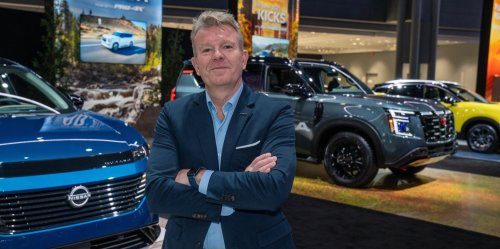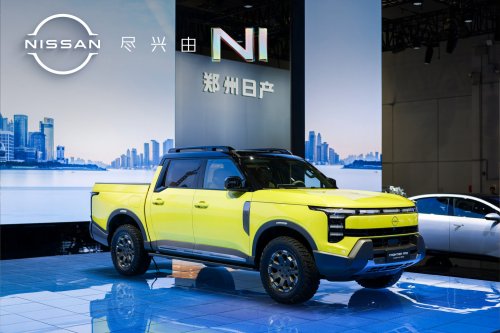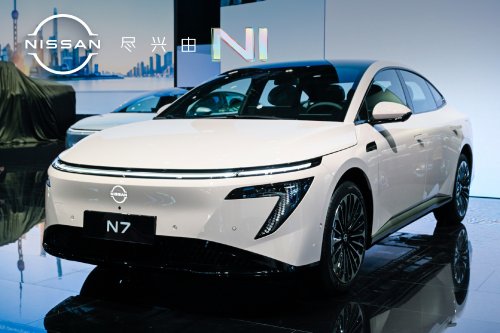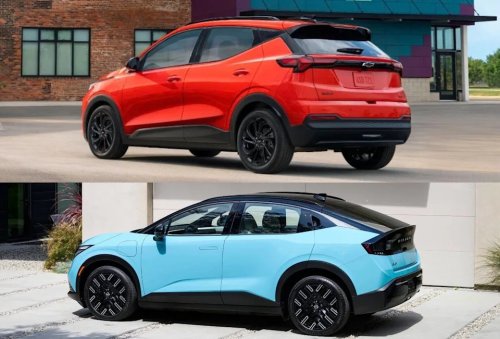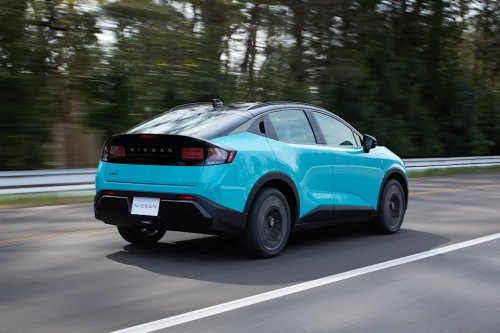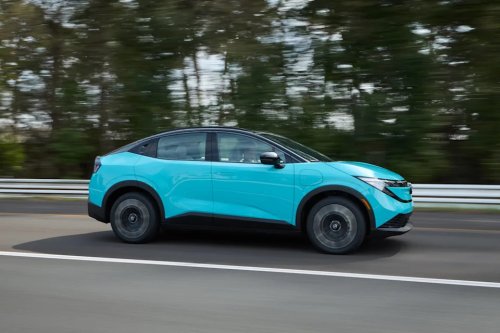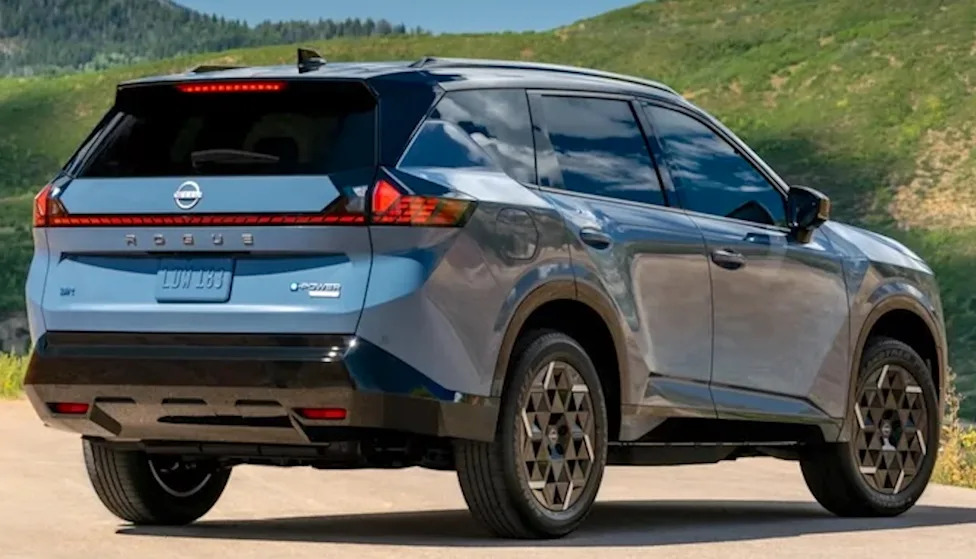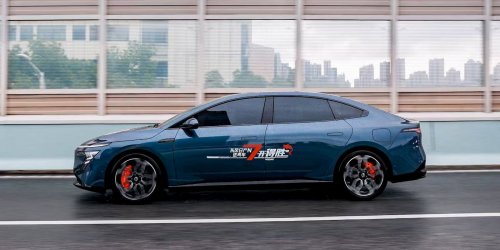
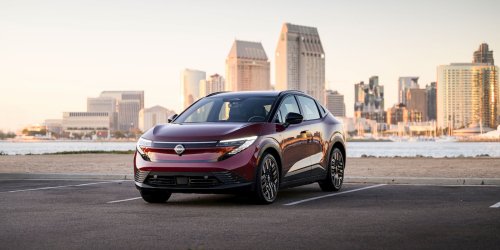
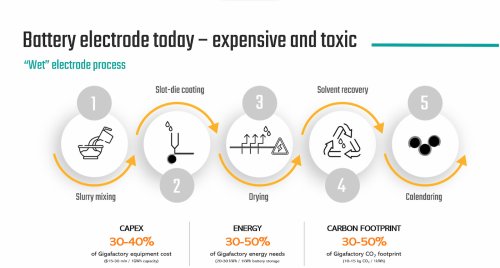
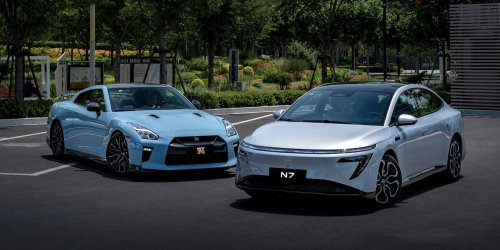



















During a briefing on Monday, Nissan revealed it had achieved a new milestone as it aims to launch its first vehicles powered by all-solid-state EV batteries by 2028. Nissan’s solid-state EV batteries reach key targets I know, we’ve heard it a million times now. Another automaker achieves a breakthrough with solid-state EV batteries. However, over the past few months, automakers and battery manufacturers have made real progress as the “holy grail” of battery tech inches closer to mass production. Several companies in China are already testing the solid-state batteries in prototypes and plan to begin mass production over the next year or two. Advertisement - scroll for more content During a technical briefing on April 20, Nissan offered an update on its battery roadmap. According to Nikkei, Nissan announced it had stacked up to 23 battery cells, or “layers,” into a single solid-state battery pack prototype, which is enough for actual vehicle use. The company also confirmed that the battery pack prototype had met the required charge and discharge targets. 2026 Nissan LEAF (Source: Nissan) Nissan’s latest milestone comes as it aims to launch its first solid-state battery-powered EV in 2028. Nissan opened its all-solid-state EV battery production line at its Yokohama plant in Japan in January 2025 and is partnering with US-based LiCAP Technologies for mass production. LiCAP’s proprietary Activated Dry Electrode technology offers a “significant advantage,” Nissan said, which eliminates the need for drying and solvent recovery to cut costs and improve efficiency. “Wet” electrode process (Source: LiCAP Tech) Nissan has previously said it plans to launch its first EVs with in-house all-solid-state batteries by fiscal year 2028. Last summer, Nissan’s director of product planning in Europe, Christop Ambland, told Auto Express that the first vehicles “will be ready for SSB (solid-state batteries) in 2028.” Nissan’s new N7 electric sedan alongside the GT-R (Source: Dongfeng Nissan) Nissan has yet to reveal any technical info, but reports suggest the all-solid-state batteries can double the driving range compared to traditional lithium-ion batteries. That would mean a WLTP driving range of well over 620 miles (1,000 km). On the EPA rating system, it would still likely be over 600 miles. Electrek’s Take Nissan becomes the latest in recent months to achieve progress in bringing solid-state EV batteries to market. Several Chinese brands are now testing the new battery tech in prototypes, while semi-solid-state batteries are already on sale in China and will soon be available in Europe. Last September, Mercedes drove a modified EQS over 1,200 km (745 miles) using 106 Ah solid-state battery cells from Factorial Energy. During an interview with The New York Times in December, Factorial’s CEO Siyu Huang said solid-state EV batteries could be used in EVs as early as 2027. Factorial’s Solstice solid-state battery platform has an energy density of up to 450 Wh/kg, or 80% higher than that of traditional lithium-ion batteries. It also delivers a 50% improvement in driving range with over 600 miles. Factorial has partnerships with global brands, including Mercedes-Benz, Stellantis, Hyundai, and Kia, to introduce solid-state EV batteries. Toyota, Volkswagen, Honda, and several others are also advancing the “holy grail” of EV batteries. While solid-state batteries have shown promise in increasing driving range, reducing charging times, and improving safety, they are only one part of the equation. Companies are advancing several new battery chemistries, including sodium-ion, lithium iron phosphate (LFP), and others, that will soon help unlock even more efficient, more affordable electric vehicles. While 600+ miles of range is more than enough, safety and durability are becoming the main focus as new battery tech advances. Stay up to date with the latest content by subscribing to Electrek on Google News. You’re reading Electrek— experts who break news about Tesla, electric vehicles, and green energy, day after day. Be sure to check out our homepage for all the latest news, and follow Electrek on Twitter, Facebook, and LinkedIn to stay in the loop. Don’t know where to start? Check out our YouTube channel for the latest reviews.