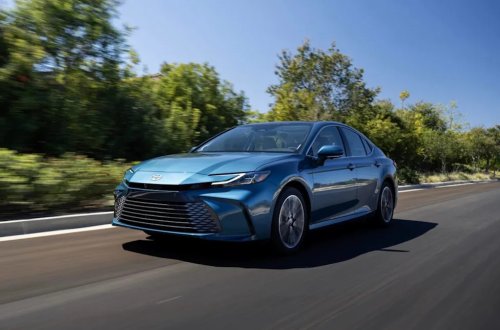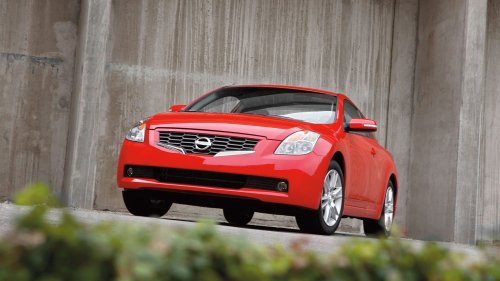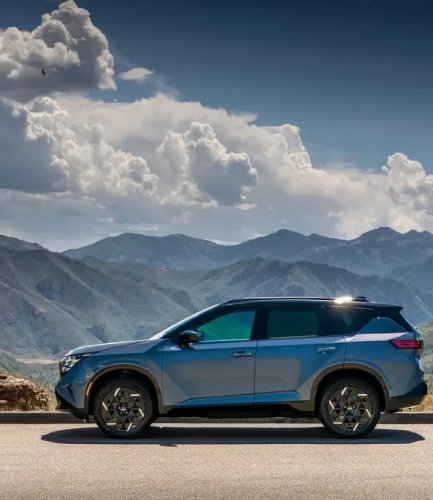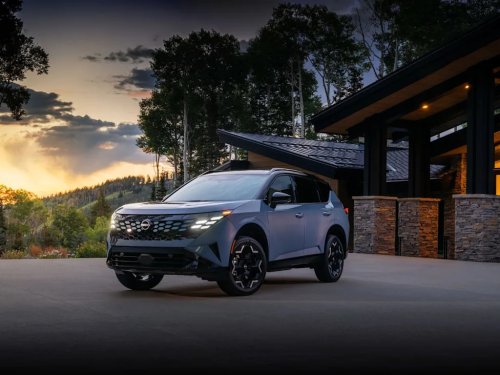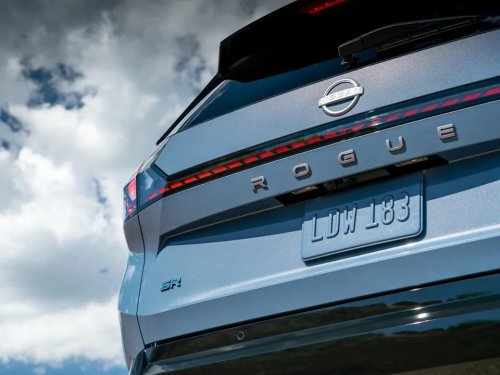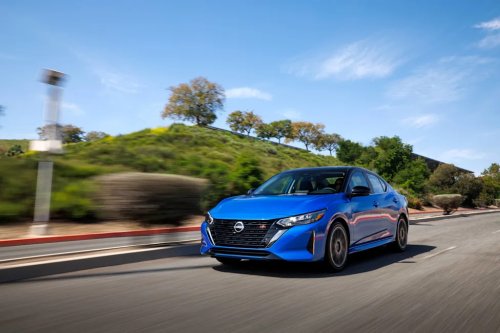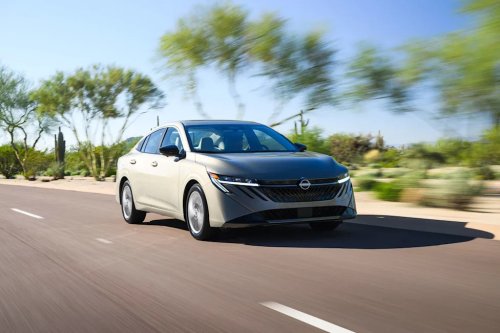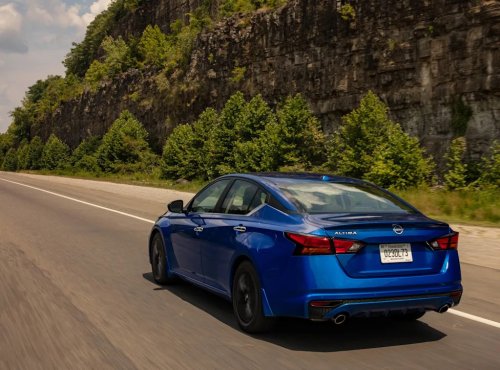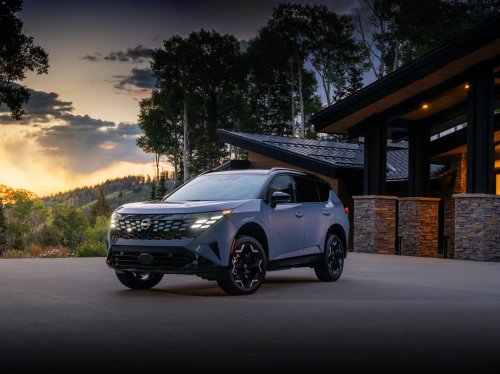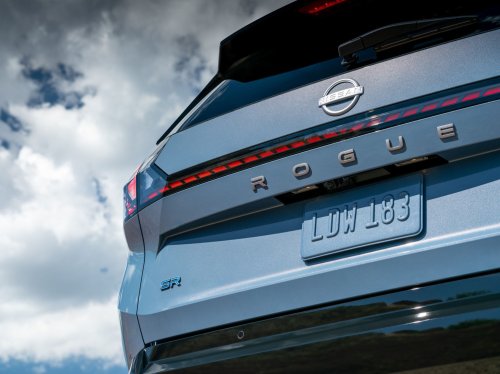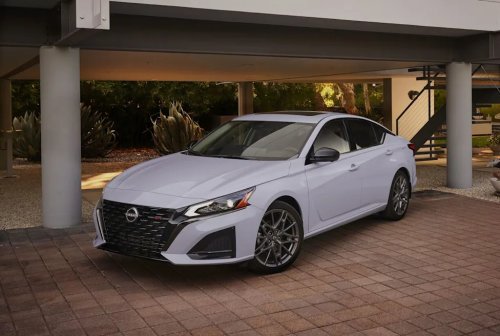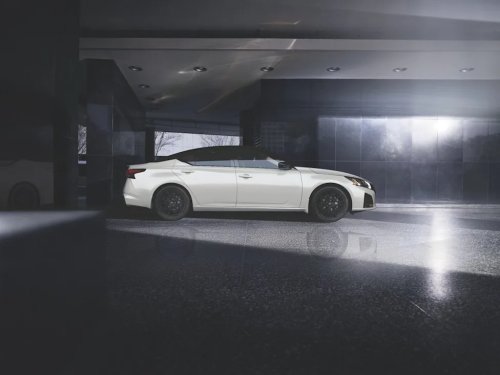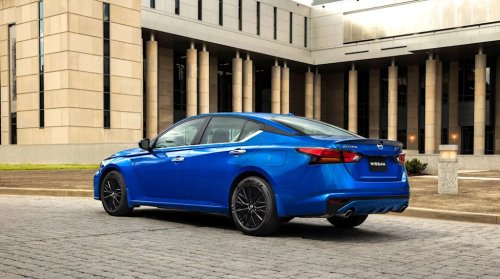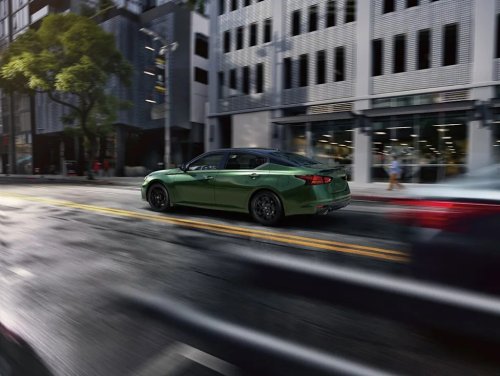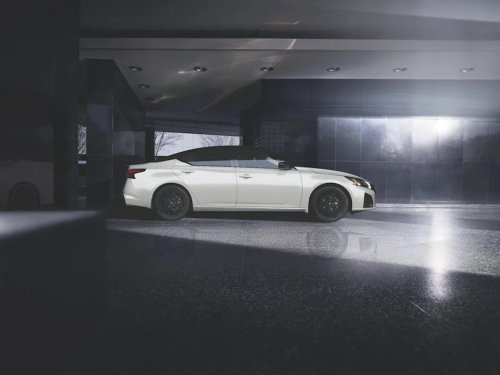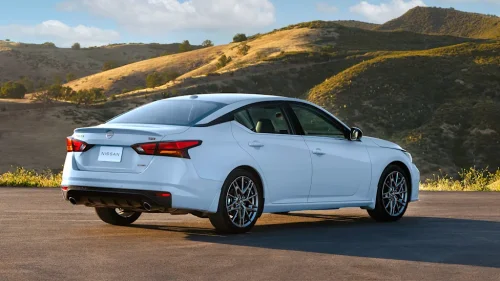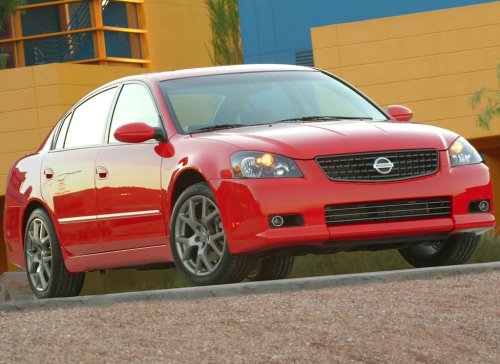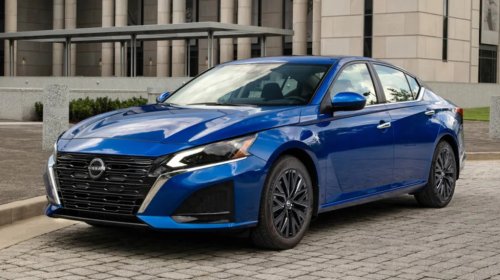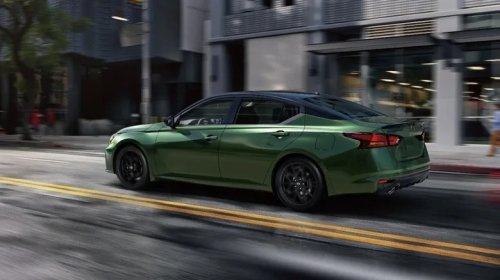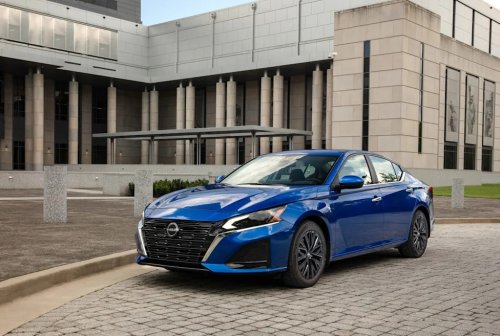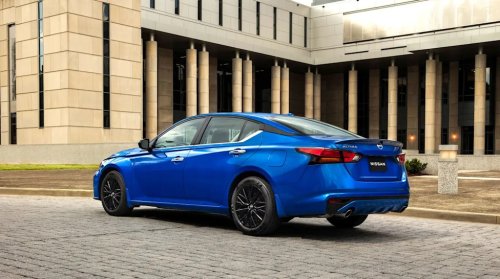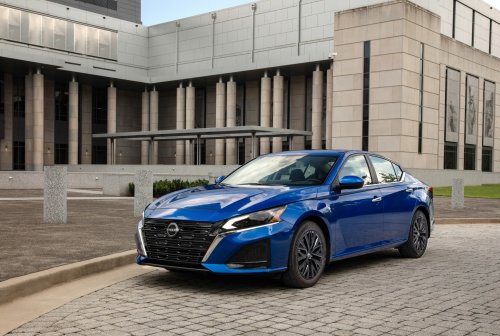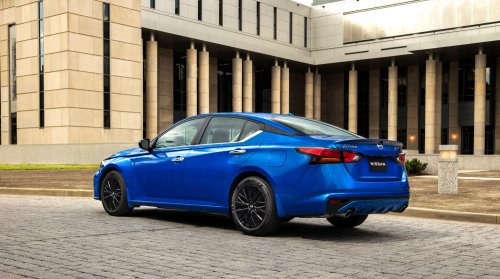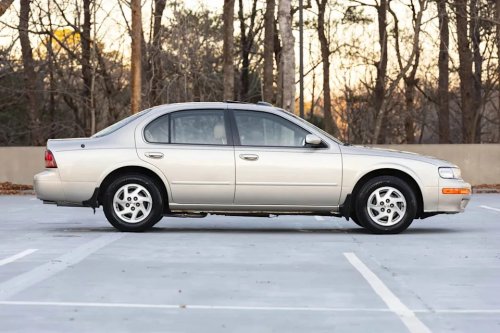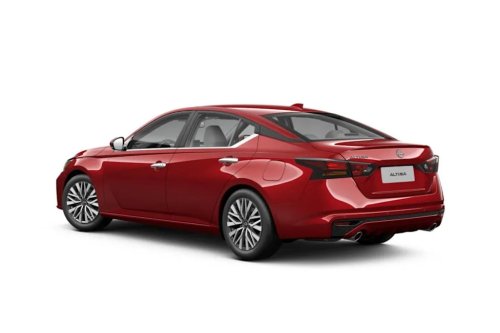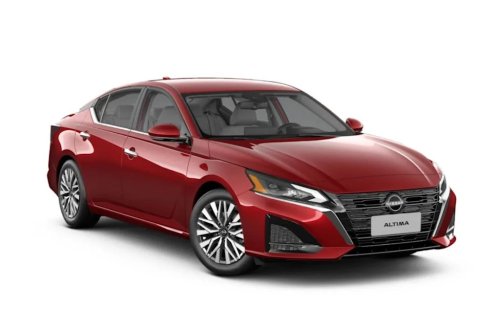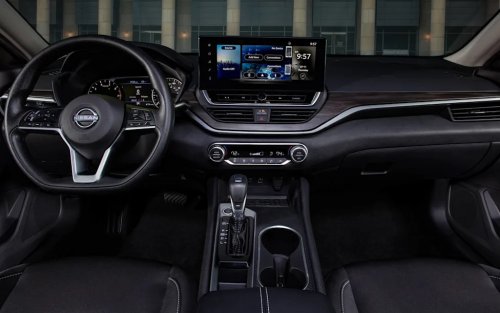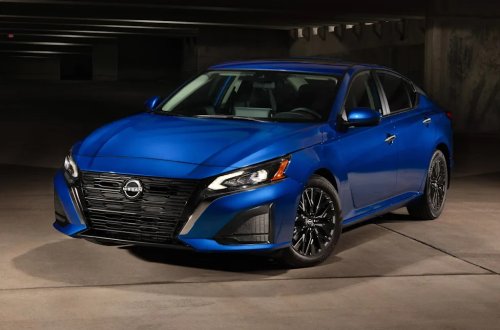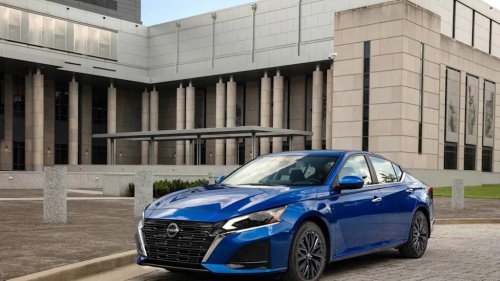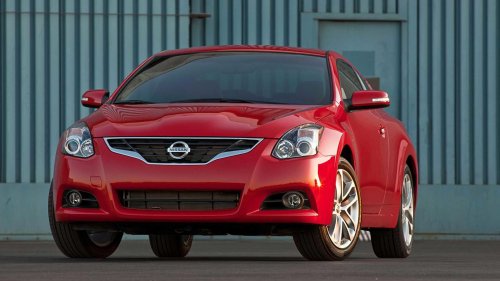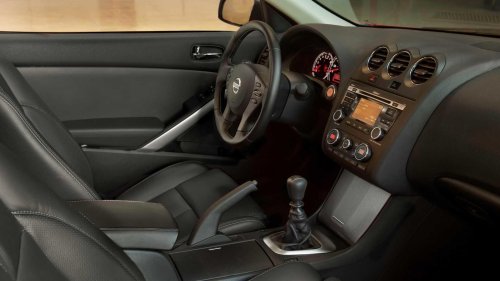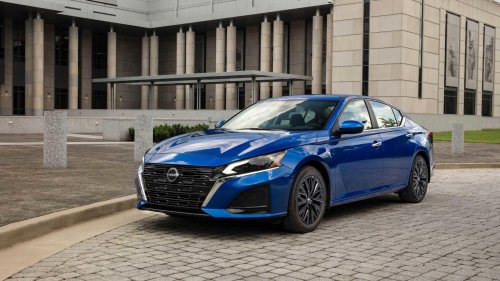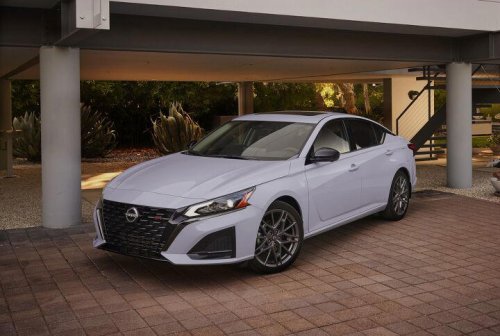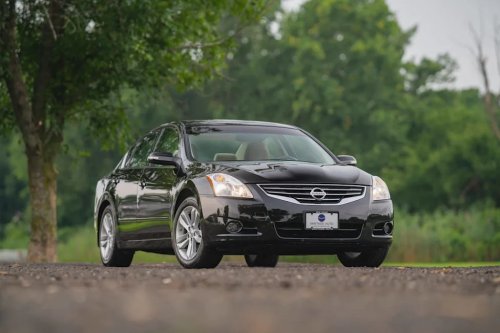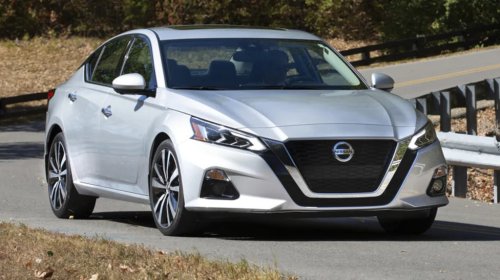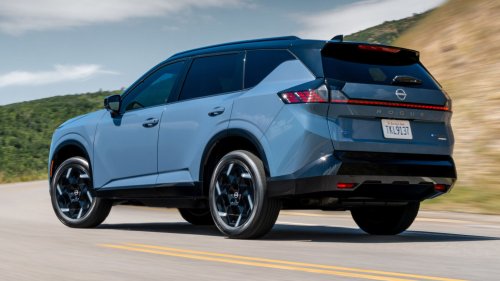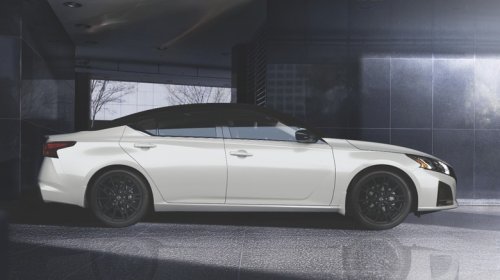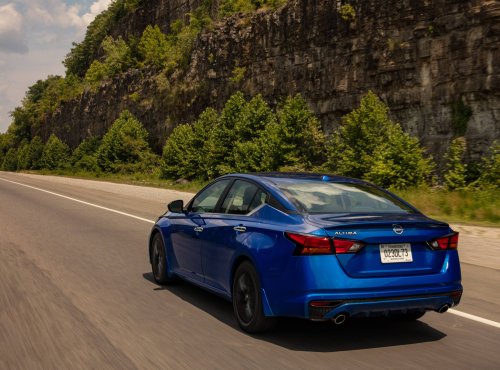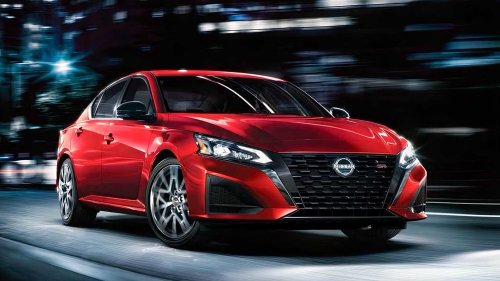
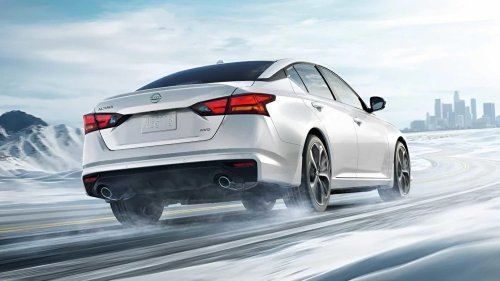
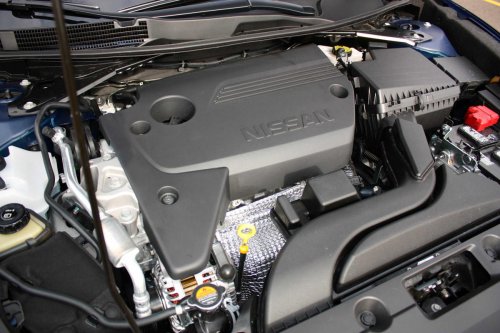
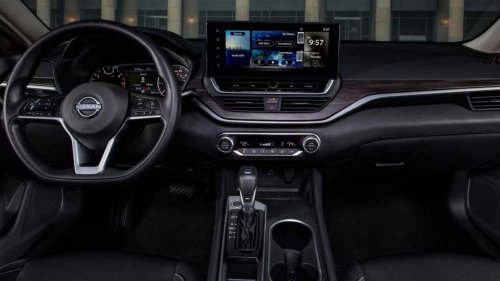
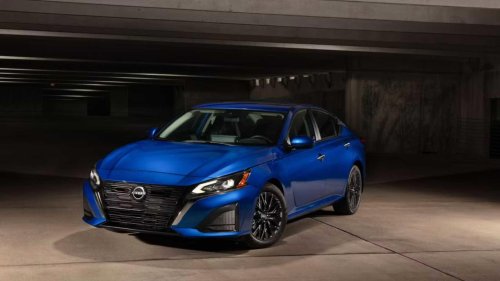
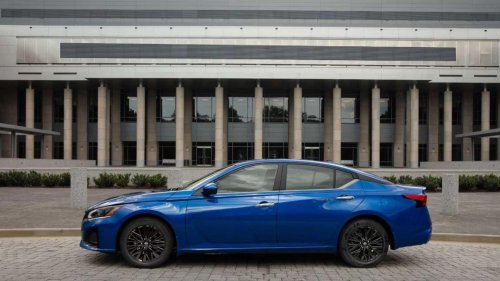
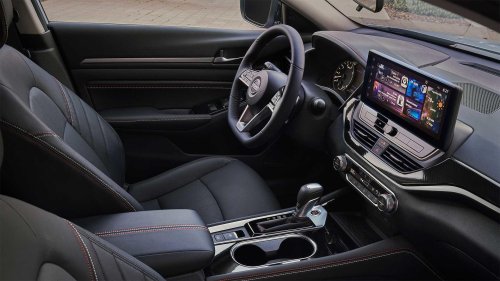
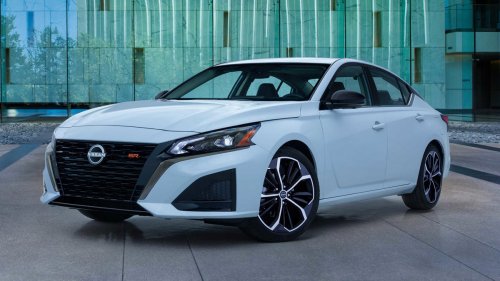
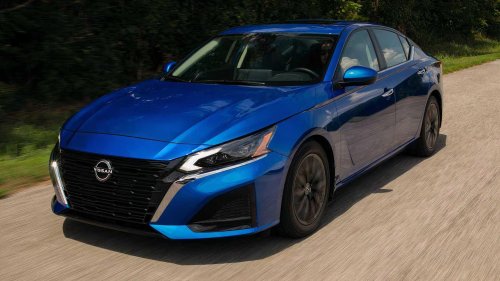
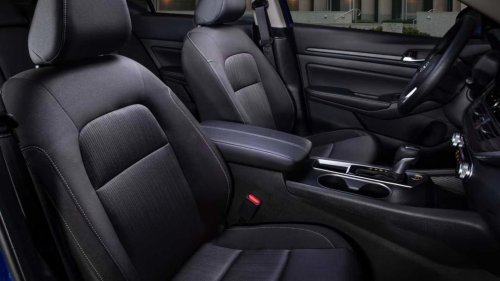



















The midsize sedan segment has not disappeared in a single dramatic moment; it has been slowly eroded by shifting consumer behavior, tighter emissions regulations, and the relentless rise of SUVs. But by 2026, the situation looks increasingly terminal for several long-standing nameplates, including the Nissan Altima. Once a cornerstone of the American family car market, the Altima now exists in a shrinking category where every specification, price, efficiency, interior space, drivetrain flexibility, must fight against crossovers that increasingly match or exceed sedan practicality.For Nissan, the Altima is one of the last conventional gasoline sedans still engineered for mass-market buyers. Built on the CMF-CD platform, it offers a 2.5-liter naturally aspirated four-cylinder engine producing 188 horsepower and 180 pound-feet of torque, paired with an Xtronic CVT. Available Intelligent All-Wheel Drive further broadens its appeal in colder markets, a rare feature among midsize sedans at its price point. Yet even with these technical advantages, the Altima is operating in a segment where engineering alone is no longer enough to guarantee survival. Market forces are now just as important as mechanical ones. Why Midsize Sedans Are Rapidly Disappearing From Showrooms Nissan The disappearance of midsize sedans is rooted in hard sales data and platform economics. In the early 2010s, sedans represented a dominant share of U.S. passenger vehicle sales. Today, SUVs and crossovers account for roughly three-quarters of new vehicle sales, leaving sedans with a shrinking minority share that continues to decline year over year.From an engineering perspective, sedans like the Nissan Altima are still highly efficient machines. The Altima’s drag coefficient of approximately 0.27 is significantly lower than most compact SUVs, which often range between 0.30 and 0.35. Combined with its relatively light curb weight of around 3,200 lbs, depending on configuration, it achieves real-world fuel economy figures of up to 27 mpg city and 39 mpg highway in front-wheel-drive form.Nissan However, efficiency alone no longer dictates purchasing behavior. SUVs offer higher seating positions, more flexible cargo space, and similar fuel economy thanks to turbocharged four-cylinder engines and hybrid systems. For example, many compact crossovers now achieve 35+ mpg highway while offering over 8 inches of ground clearance and significantly larger cargo volumes. Manufacturers also face platform cost pressures. Developing a dedicated sedan platform like the CMF-CD for a declining market segment reduces per-unit profitability compared to shared SUV architectures that can underpin multiple global models. This economic imbalance is a primary driver behind sedan discontinuations across multiple brands. How The Nissan Altima Became One Of America’s Last Affordable Family Sedans The survival of the Altima is tied directly to its mechanical simplicity and cost optimization. Unlike more premium rivals, the 2026 Nissan Altima has remained focused on delivering core functionality rather than chasing luxury segmentation. The base 2.5-liter QR25DE engine produces 188 hp in FWD models and 182 hp with AWD, paired exclusively with Nissan's Xtronic CVT. While CVTs are often criticized for lacking traditional stepped gear engagement, they allow the Altima to maintain strong fuel efficiency, up to 28 mpg combined in AWD configurations and nearly 32 mpg combined in FWD variants.Interior dimensions also reinforce its family appeal. The Altima offers approximately 43.8 inches of front legroom and 35.2 inches of rear legroom, figures that remain competitive even against some midsize SUVs. Cargo capacity sits at around 15.4 cubic feet, which, while smaller than a crossover, is consistent for the segment.NissanCrucially, Nissan has kept pricing aggressive. Entry trims often start in the mid-$20,000 range, undercutting many SUVs that quickly climb into the $30,000+ bracket once equipped with similar safety and infotainment features. Available technologies such as ProPILOT Assist, adaptive cruise control, and automatic emergency braking have helped the Altima maintain relevance despite its aging platform architecture. This balance of cost, space, and efficiency is what has allowed the Altima to remain in production while other sedans have exited. The SUV Boom That Left Traditional Sedans Fighting For Survival Nissan The SUV boom has not just reshaped preferences; it has rewritten the engineering priorities of nearly every major automaker. Vehicles like the Rogue, RAV4, and CR-V dominate because they sit on flexible architectures that can be easily electrified, hybridized, or scaled globally. For Nissan, the success of SUVs has created internal competition for resources that once supported sedans like the Altima. The Nissan Altima, despite its stable sales base, cannot match the volume potential of crossover models that routinely exceed 300,000 annual U.S. sales.Technically, SUVs have also closed the efficiency gap. A modern 1.5- to 2.0-liter turbocharged crossover engine often produces between 180 and 250 horsepower while delivering similar highway fuel economy to sedans due to advanced transmission tuning and cylinder deactivation systems. Hybrid variants further widen the gap, with some compact SUVs achieving over 40 mpg combined.CarBuzz Meanwhile, sedans still rely on traditional packaging constraints. Lower ride height limits battery placement flexibility for electrification, and smaller rooflines restrict cargo adaptability. Even though sedans maintain advantages in aerodynamics and handling stability, these benefits are increasingly invisible to the average buyer. As a result, engineering superiority in one dimension is no longer enough to justify long-term investment in sedan platforms. Why Nissan Still Believes There’s Demand For Comfortable Gas-Powered Cars 2023 Nissan Altima Interior 1 Despite industry trends, Nissan continues to position the Altima as a rational, comfort-oriented alternative in a market dominated by crossovers. The argument is not emotional; it is mathematical.The Nissan Altima delivers a smoother highway ride thanks to its lower center of gravity and suspension tuning optimized for passenger comfort rather than load-carrying. Its MacPherson strut front and multi-link rear suspension setup helps isolate road imperfections more effectively than many entry-level SUVs with higher unsprung mass. Fuel efficiency remains another pillar of its relevance. At up to 39 mpg highway (FWD), the Altima still outperforms many compact SUVs by 3 - 6 mpg in real-world driving conditions. Over a 15,000-mile annual usage cycle, that can translate into noticeable fuel cost savings—particularly in markets where fuel prices are volatile.NissanNissan also benefits from platform amortization. The CMF-CD architecture is shared across multiple models globally, allowing the Altima to remain financially viable even at lower volumes. This is critical in a market where developing a new sedan platform from scratch could cost hundreds of millions of dollars with uncertain returns. However, the strategy is increasingly defensive. The Altima is no longer being positioned as a growth product, but rather as a stability product, one that maintains brand coverage across all major vehicle segments. What The Altima’s Possible Exit Would Mean For Everyday Car Buyers Nissan If the Nissan Altima were discontinued, the most immediate impact would be reduced choice in the sub-$30,000 midsize segment. Remaining competitors would include a shrinking list of sedans such as the Toyota Camry and Honda Accord, many of which are increasingly hybrid-focused and priced higher in their latest generations. From a technical cost perspective, buyers would lose one of the last mainstream sedans offering AWD in this segment at a relatively low entry price. The Altima’s Intelligent AWD system, which can actively split torque between axles depending on traction conditions, remains uncommon in non-luxury midsize sedans and is more typically found in compact SUVs.Nissan Insurance and running costs would also likely rise for entry-level buyers shifting into crossovers. SUVs typically carry higher curb weights, often 200 to 500 pounds more than equivalent sedans, which can increase tire wear, brake load, and fuel consumption over time. Fleet markets would feel the impact as well. Sedans like the Altima remain attractive for high-mileage duty cycles due to their lower purchase cost, aerodynamic efficiency, and reduced maintenance complexity compared to turbocharged SUV drivetrains.Ultimately, the Altima’s potential exit would not just be the end of a model, it would represent the continued contraction of an entire engineering philosophy built around simplicity, efficiency, and affordability. And once that philosophy disappears from mainstream showrooms, replacing it at scale becomes significantly more difficult than most buyers realize.Sources: Nissan U.S.