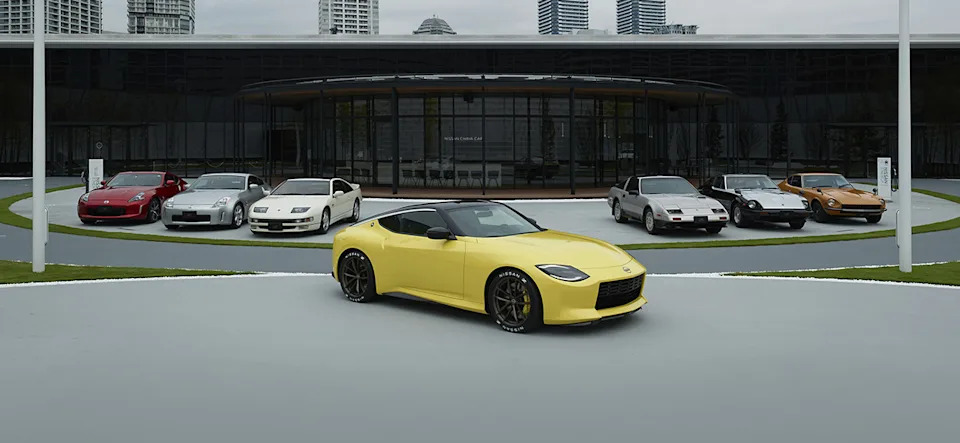
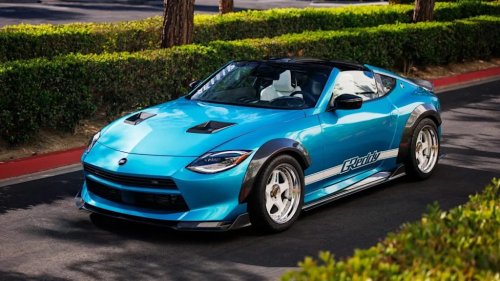
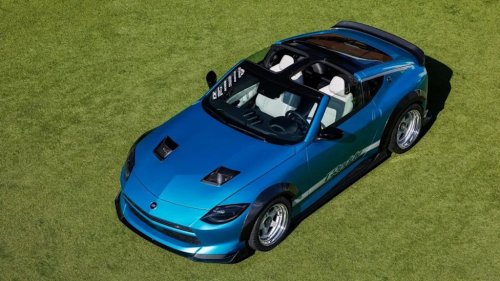
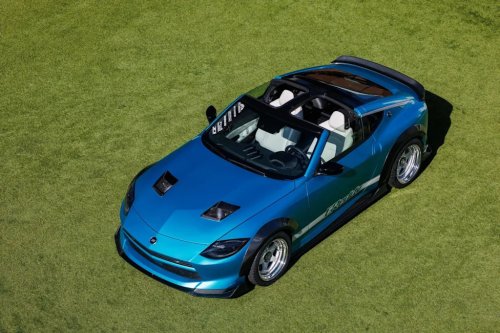
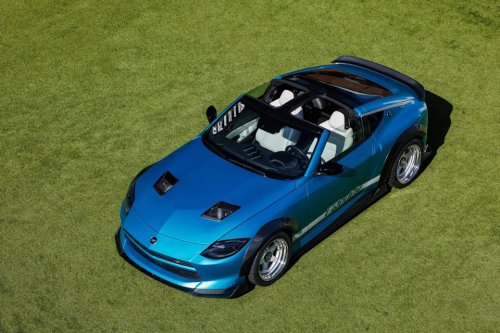
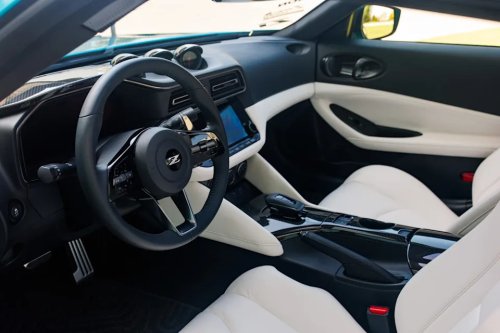
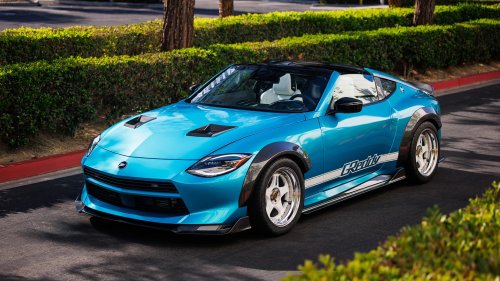
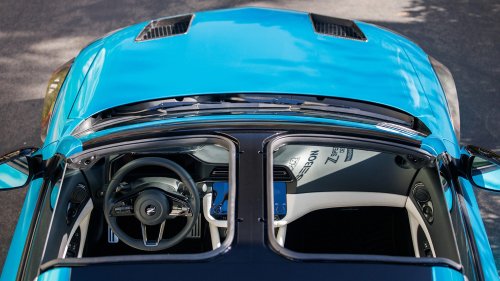
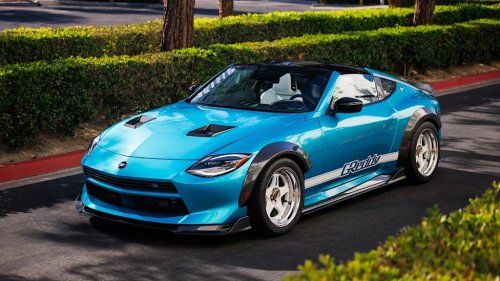
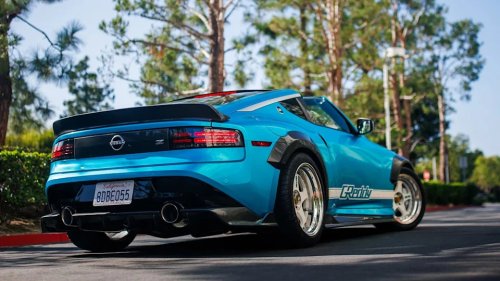
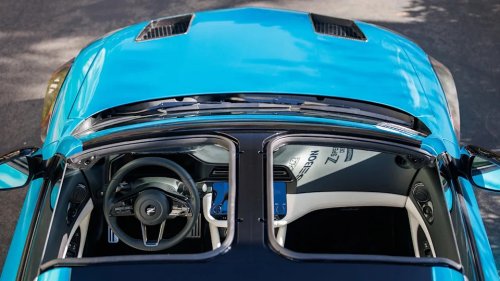
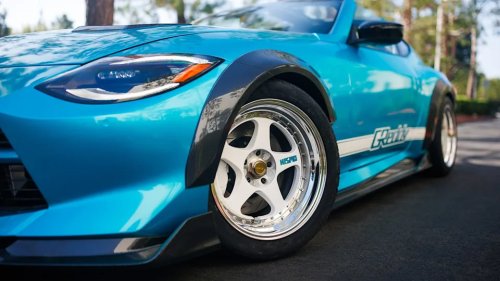
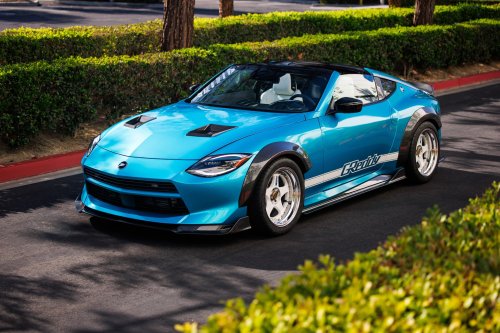
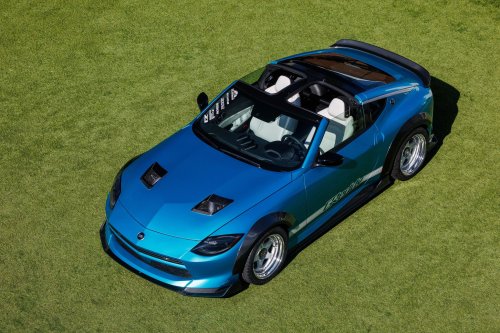
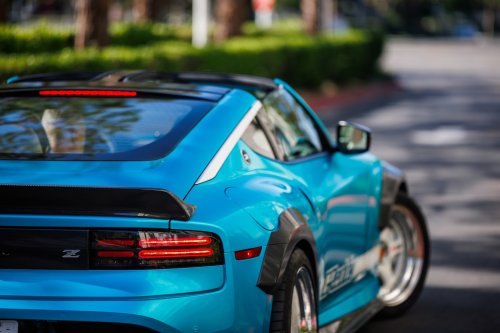
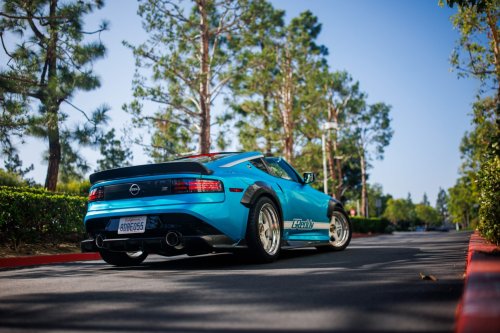
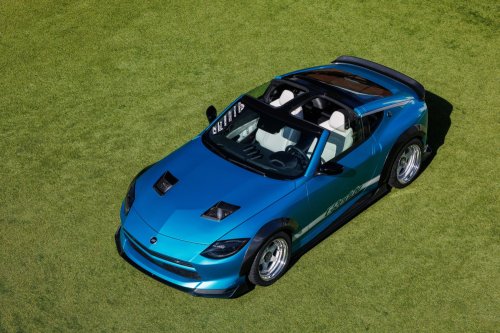
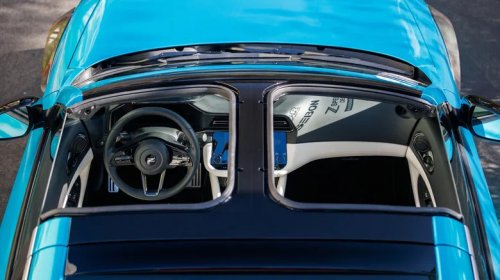
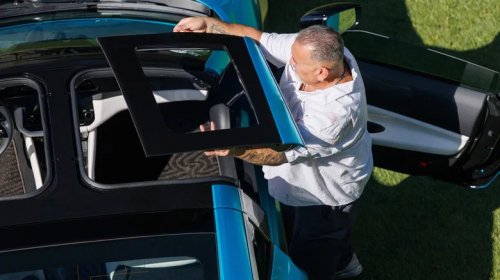
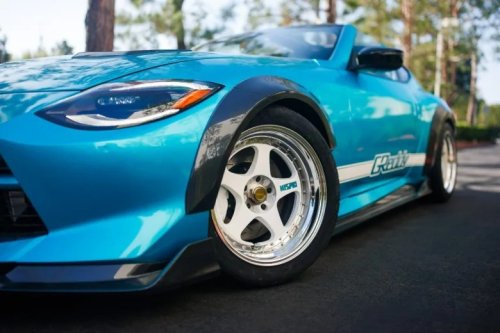
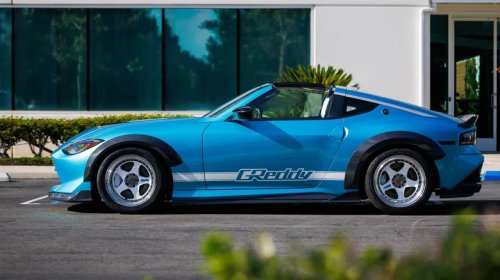
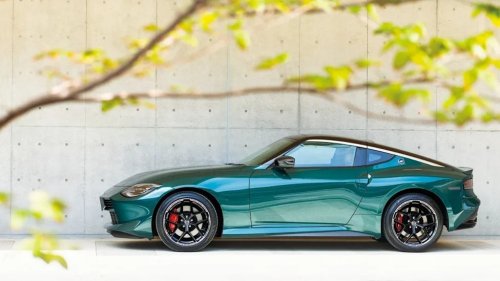
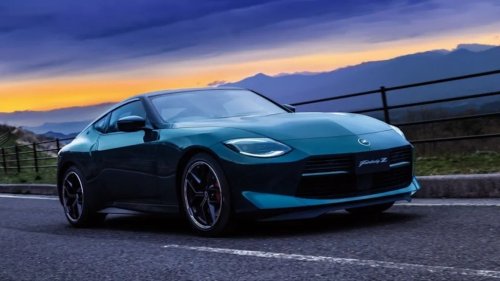
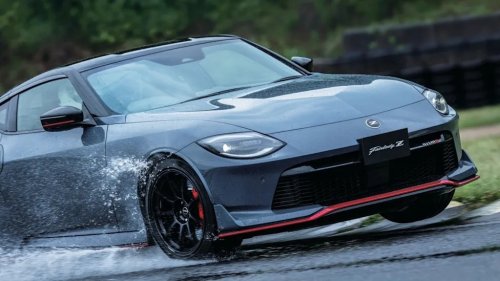
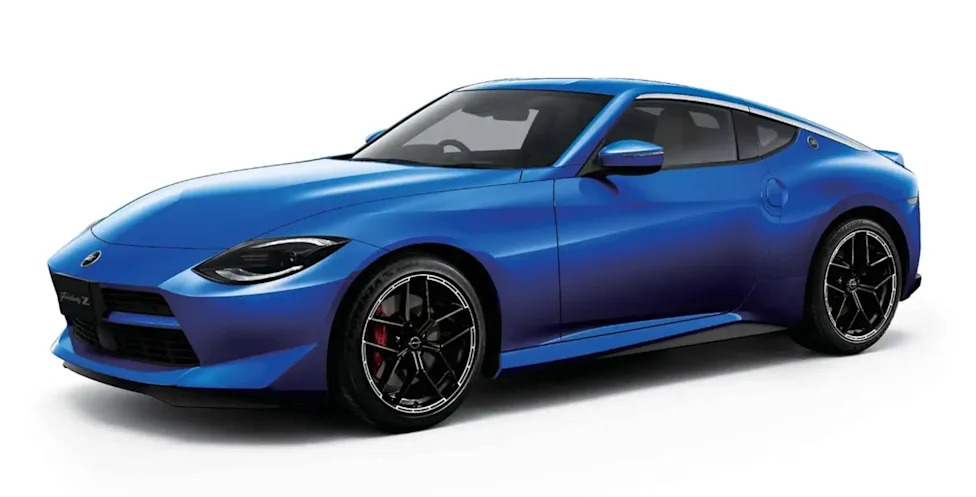
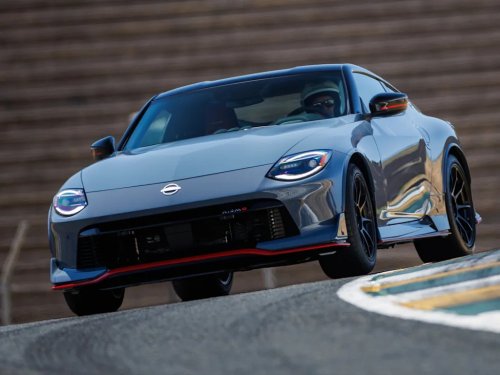
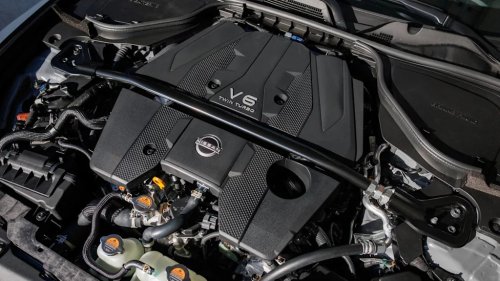
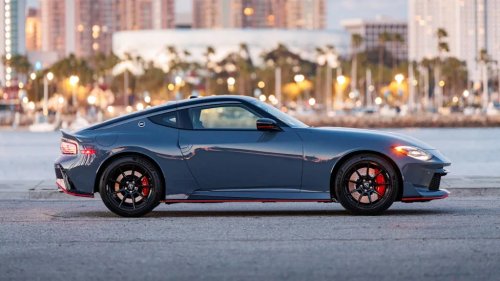
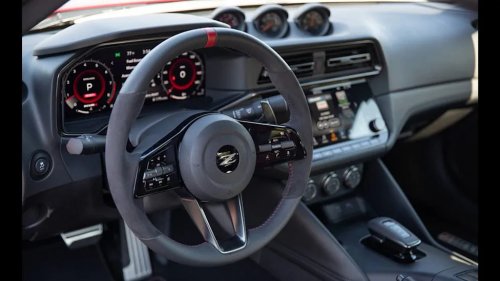
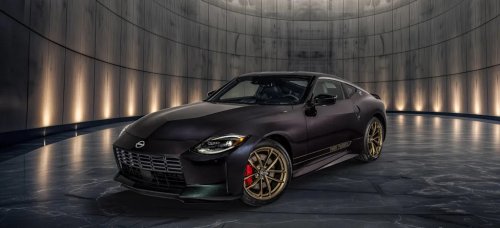
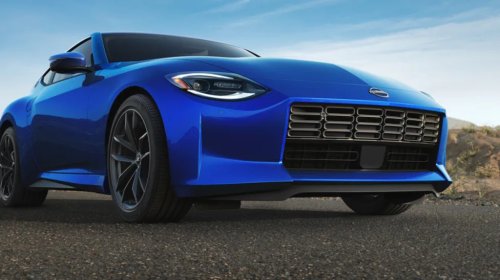
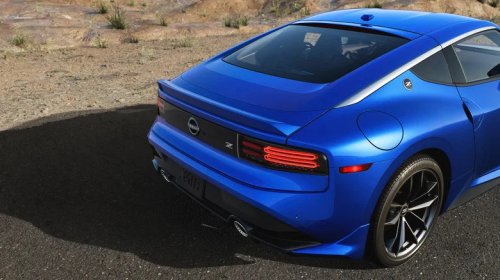
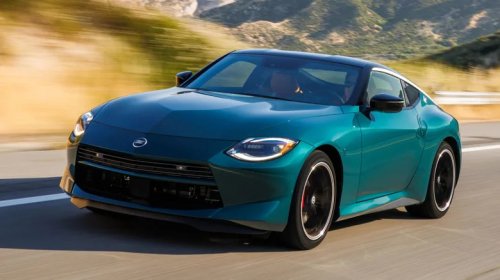
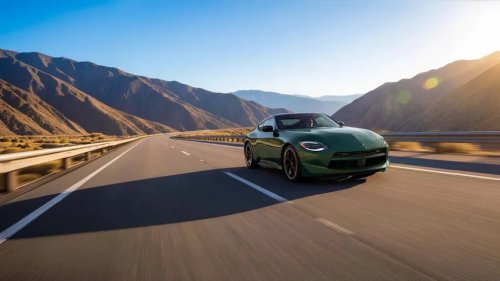
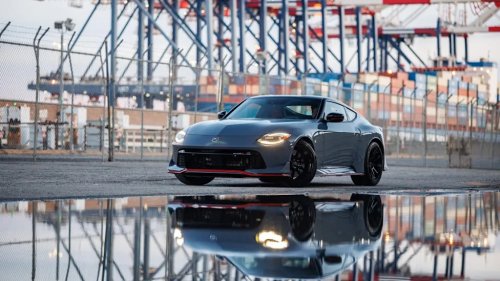
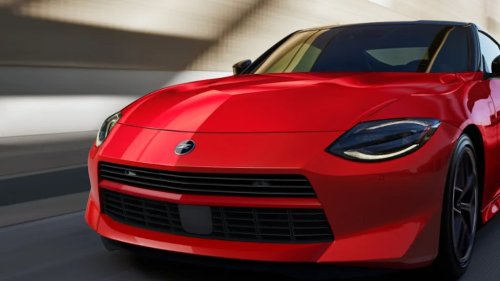
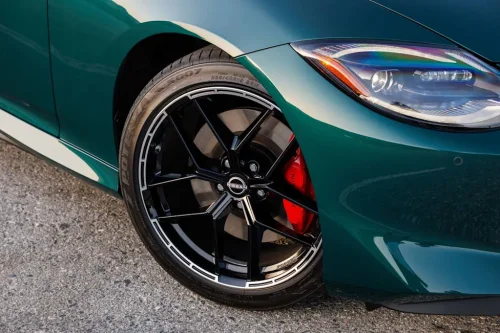
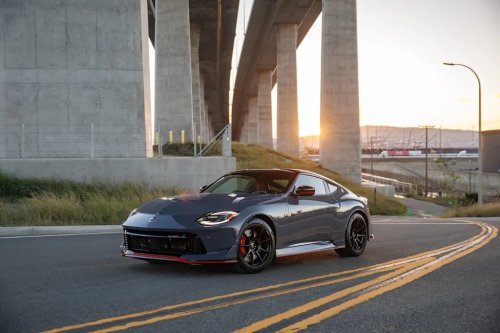
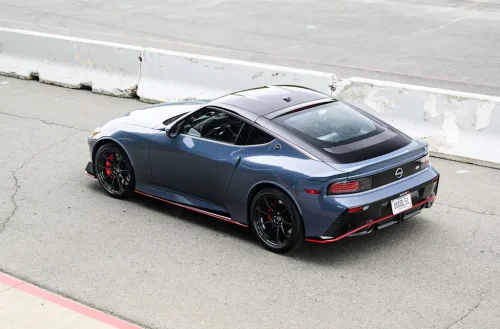
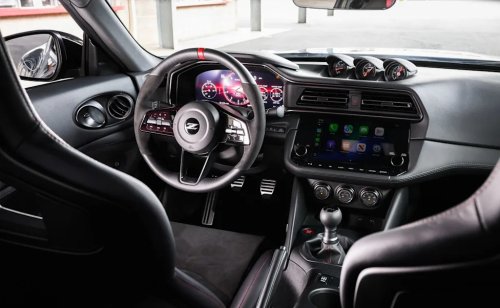
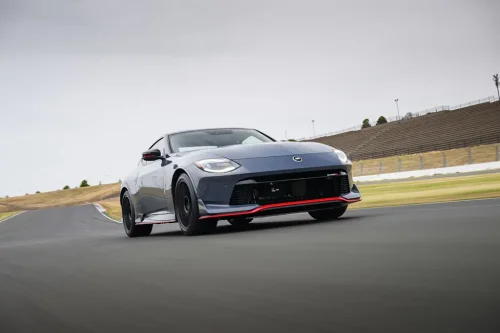
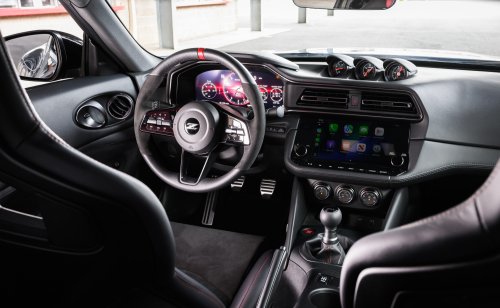
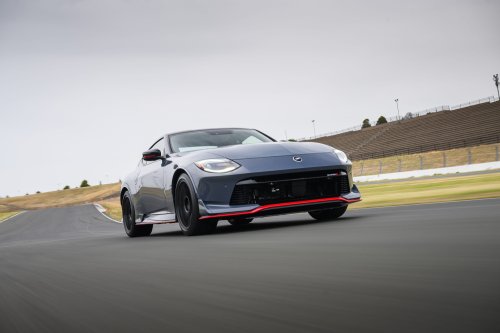
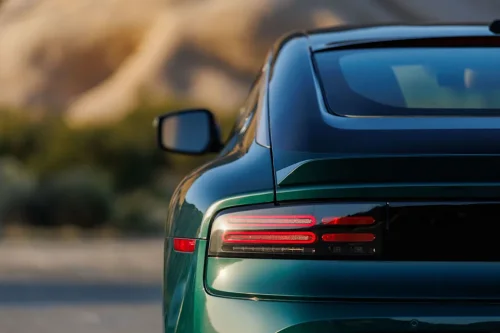
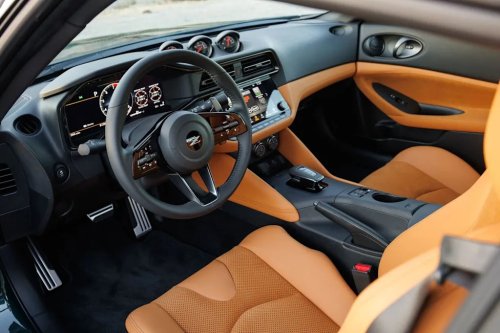
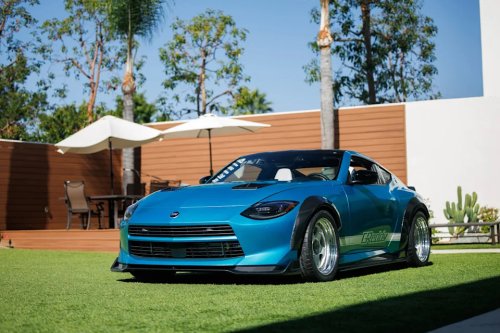
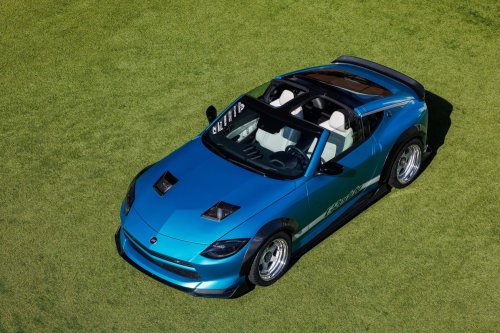
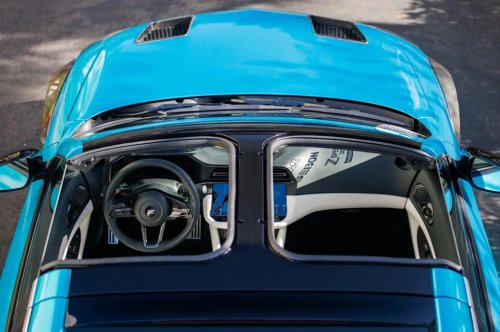
Nissan's Z Kaze Concept Brings Back the T-Top, and the Hard Part Isn't the Hole in the RoofBackfire NewsJohn LloydSat, September 26, 2026 at 6:55 PM UTCAdd us on GoogleThe current Nissan Z has been on sale long enough to earn a manual NISMO, a fresh face and a stack of handling updates. What it has never offered is a way to feel the weather. Nissan's own product planners apparently noticed, because the car they brought to ZCON this week has two removable roof panels, a set of wheels older than some of the people admiring it, and a name that means "wind."The Nissan Z Kaze concept debuted September 23 at the Z Car Club Association's annual convention, which this year runs September 21 through 27 in the Phoenix area, headquartered in Mesa. Nissan calls it a passion project from a group of its product planners and designers. Translation: this isn't a production announcement, and nobody at Nissan has said a T-top Z is coming. But the build is specific enough, and weird enough in the right ways, that it's worth taking apart piece by piece.A T-top, not a convertible, and that distinction mattersLook at the overhead photo and the engineering choice jumps out: there's still a spine running down the middle of the roof. Nissan didn't chop the Z into a roadster. It cut two openings on either side of a fixed center bar, the same basic layout Nissan first put on a Z in 1980, when it added a T-top version of the 280ZX. Nissan's own heritage history explains that car existed for buyers who wanted open-air driving "without sacrificing body rigidity."AdvertisementAdvertisementThat's still the whole argument for a T-top. A coupe's roof isn't just a lid; it's a structural member tying the windshield frame to the rear of the body. Remove it entirely and engineers have to add bracing underneath to stop the chassis from twisting like a wet towel, which adds weight and usually softens the car's responses. Keep a center bar and a good chunk of that load path survives. You get most of the sky with less of the flex.There's also a regulatory wrinkle nobody at a car show tends to bring up. Federal roof-crush rules, FMVSS 216a, require a passenger car's roof to withstand a force of three times the vehicle's unloaded weight with limited deformation. Convertibles are excluded from that standard. A car with a roof that has holes cut in it is a much more interesting homework assignment. Any production T-top Z would need to prove that its remaining structure can carry that load, and it would need somewhere sensible to mount side-curtain airbags along roof rails that now have openings next to them. That's the kind of engineering bill that quietly killed the T-top across the industry, and it's the real reason this is a concept and not an option box.The wheels are the most obsessive part of the buildPlenty of concepts wear wheels that look vintage. The Kaze wears wheels that are vintage. Nissan says its planners tracked down an original set of NISMO LMGT2 forged multi-piece wheels, long out of production, and had them restored and rebuilt for the car. They're 18 inches in diameter, 10 inches wide up front and 11 inches wide in back.Those numbers are more aggressive than they sound. According to Nissan's 2027 press kit, the range-topping Z NISMO rides on 19x10-inch front and 19x10.5-inch rear wheels, and the base Z Sport gets 18x9s. So the Kaze drops an inch of diameter compared to the NISMO while going wider at both ends. The practical effect is more tire sidewall, a fatter footprint and the planted, pushed-out stance that explains why the fender flares had to happen. The flares aren't decoration. They're there because the wheels demanded them.AdvertisementAdvertisementFor anyone hoping to copy the look: multi-piece wheels are bolted together from separate barrels and centers, and restoring a decades-old set typically means disassembly, refinishing and fresh hardware and seals so they hold air. That's craftsman work, not a tire-shop job. Anyone shopping for a used set should budget for that reality, and should confirm the offsets actually clear the modern car's brakes and suspension before handing over money.Paint, carbon and a cabin that isn't hidingNissan painted the Kaze Pacific Teal, a color chosen to evoke the '90s sports car scene, and added a vented carbon fiber hood, fender flares and a custom carbon fiber aero kit. The approach is restrained by tuner-car standards. The Z's shape is still clearly the Z; it just looks like it's been hitting the gym. If you want to see what happens when an aftermarket shop decides a factory design is a rough draft, compare it with the Venuum Voltoro V1 kit for the Lamborghini Revuelto.Inside, Nissan went the opposite direction from the usual all-black concept interior, fitting custom white leather-appointed seats with carbon fiber accents. On an open car, that makes sense: the cabin becomes part of the exterior the second the panels come off. Anyone who has owned white leather in a car that regularly sees sun and denim can tell you what happens next, but concepts don't have to worry about blue jeans.The most practical detail is the audio. The seats carry Bose Personal Plus headrest speakers, which put sound right beside your ears instead of asking door speakers to compete with wind at speed. It's a small thing, but it's the kind of feature that separates an open car you enjoy on the highway from one you only enjoy at 35 mph.Under the hood: bolt-ons you can actually buyThe Kaze keeps the Z's twin-turbo 3.0-liter V6, which Nissan rates at 400 horsepower and 350 lb-ft in Sport and Performance trims and 420 horsepower and 384 lb-ft in the NISMO. Nissan hasn't published an output figure for the concept, so don't assume the upgrades added any particular number. Those upgrades come from GReddy: a SUPREME SP exhaust, a front-mount air-to-air intercooler kit and an Airinx air filter kit. The suspension is upgraded with NISMO components.AdvertisementAdvertisementThat parts list is basically a starter menu for turbocharged-car owners, and that's the point. A front-mount intercooler matters more on a twin-turbo engine than it might seem, because cooler, denser intake air lets the engine hold its timing and power during repeated hard pulls instead of backing off as heat builds up. An exhaust and intake mostly change sound and breathing. None of it is exotic.If you plan to replicate the recipe on your own Z, two things are worth checking before the credit card comes out. First, emissions legality: in California and states that follow its rules, aftermarket parts that affect emissions generally need a CARB Executive Order number to be street legal, so confirm each part's status for your state. Second, warranty: federal law generally prevents a manufacturer from voiding your whole warranty just because you installed aftermarket parts, but a dealer can still deny a claim if it can show a modification caused the failure. Keep receipts, keep the stock parts and know that the burden gets murky fast when a turbo or intercooler pipe is involved.The Kaze draws on a long family tree, including the open-roof Z cars of the '80s and '90s. Photo: NissanWhy Nissan built it for this crowdDebuting a concept at a club convention rather than a major auto show tells you who Nissan is talking to. ZCON attendees are the people who own the old cars, keep the parts supply alive and buy the new ones first. Showing them a T-top Z on period-correct NISMO wheels is a way of saying the company remembers the history they've been preserving.It's also a cheap way to gauge demand. Ponz Pandikuthira, Nissan Americas' chief product and planning officer, framed the car around Nissan's open-top sports cars and the '90s tuning culture that helped put NISMO on the map. That's a long way from a production commitment, but carmakers don't restore rare wheels for a car they plan to forget. Meanwhile, the company is also preparing the next-generation Skyline. Heritage is clearly doing a lot of work in Nissan's product planning right now.AdvertisementAdvertisementJapanese brands have gotten good at treating their history as an asset rather than a museum piece; Mazda's own home-base museum, which recently passed two million visitors, is another example of how much that past is worth to enthusiasts.Want an open-roof Z today? Shop used, and shop carefullySince you can't order a Kaze, the used market is the only way to get a Z with the roof off. Nissan's T-top history runs through the 280ZX and the 300ZX, while the 350Z and 370Z were both offered as full roadsters. A few things to check on any of them:Seals and drains. Aging weatherstripping on removable panels is the most common source of leaks. Look for water staining on the headliner, carpets and seat bases, and run a hose test before buying if the seller allows it.Panel storage and latches. Make sure both panels are present, undamaged and lock properly. Replacement panels for older cars can be hard to find.Body flex. Squeaks and rattles over rough roads can point to worn body structure or poorly repaired damage. Pay attention to door alignment when the panels are off.Insurance. Open-roof cars can carry higher theft and vandalism risk because the cabin is easier to access. Get a quote before committing, especially for a car you plan to park outside.For those who'd rather wait, the Kaze is on display at ZCON through Saturday, September 26, then heads to the Japanese Classic Car Show on Saturday, October 31. If enough people stand around it asking where to sign, Nissan will have its answer. Whether the engineers can make a modern T-top pass a roof-crush test at a price Z buyers will pay is the harder question.AdvertisementAdvertisementPhotos: Nissan