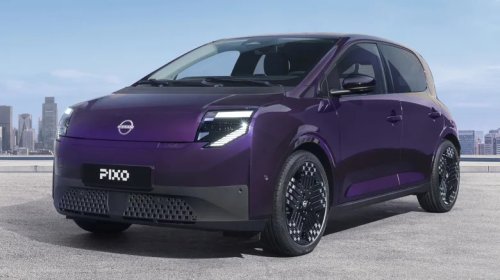
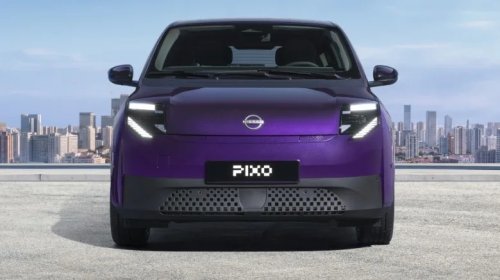
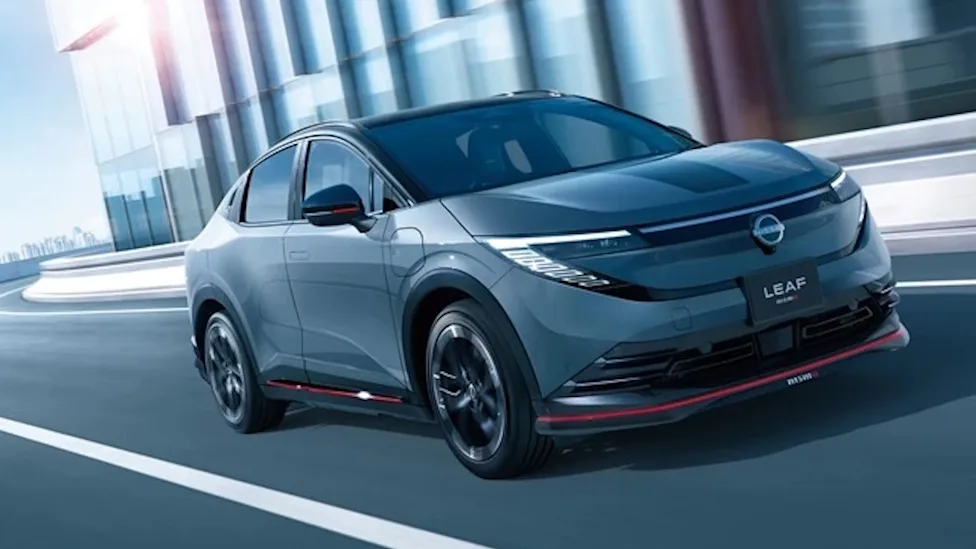
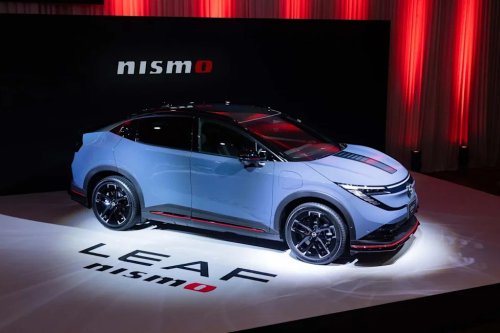
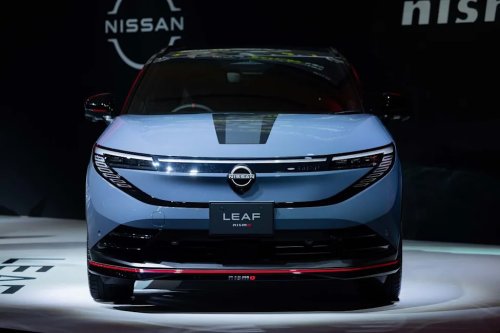
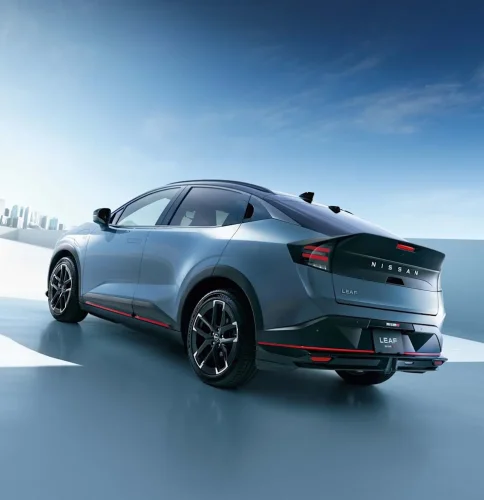
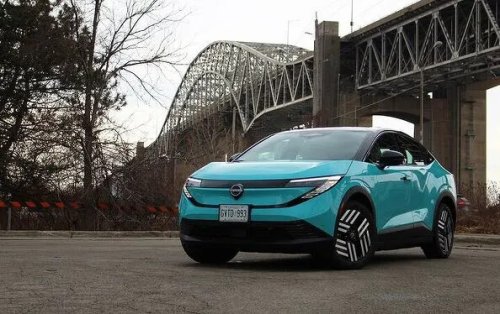
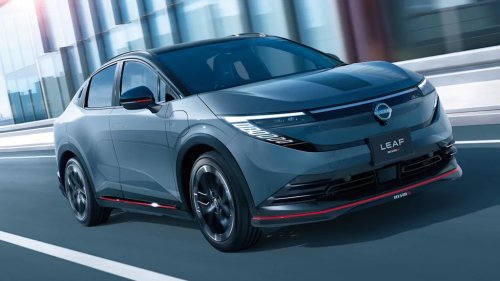
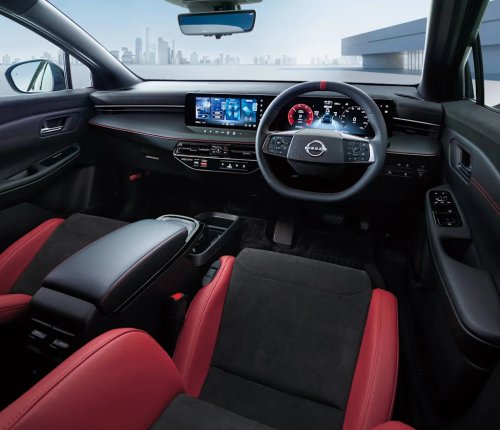
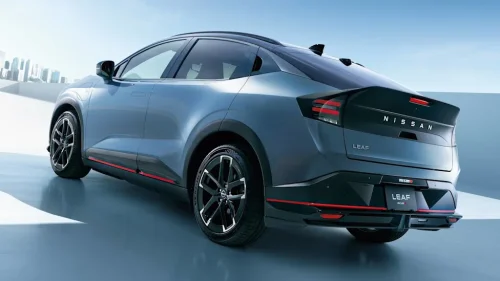
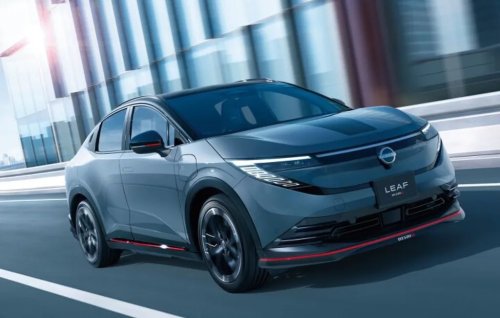
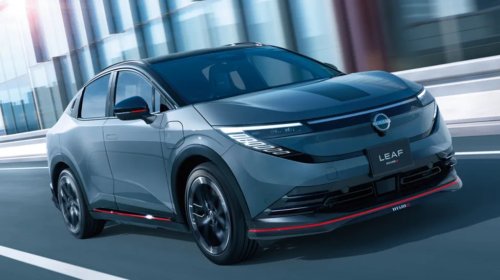
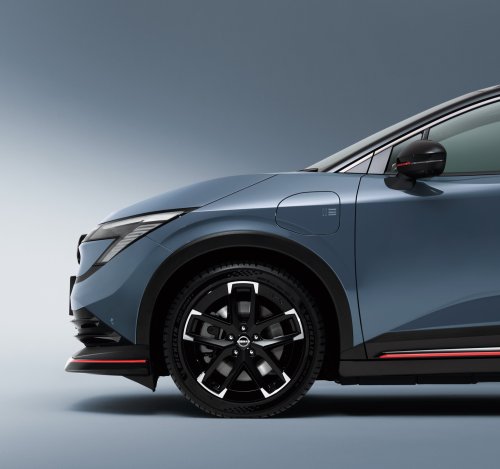
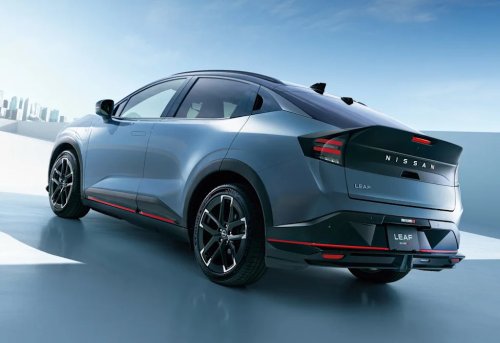
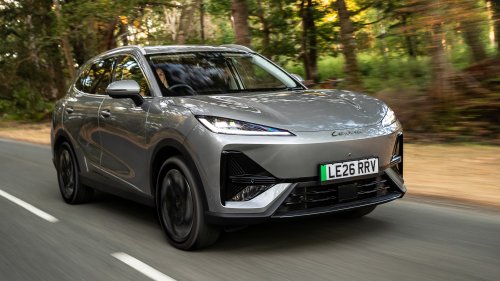
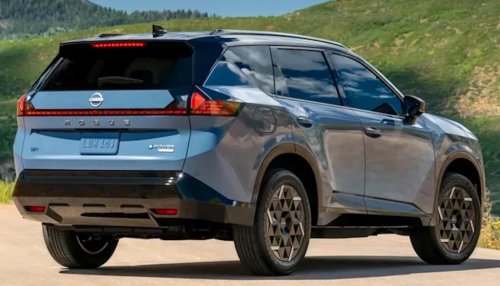
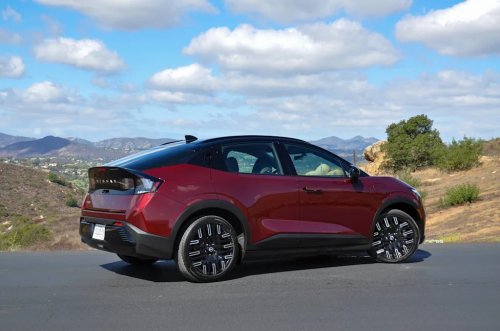
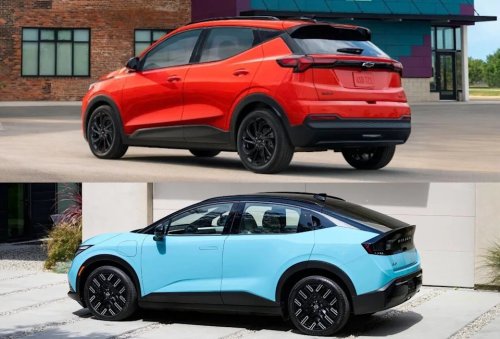
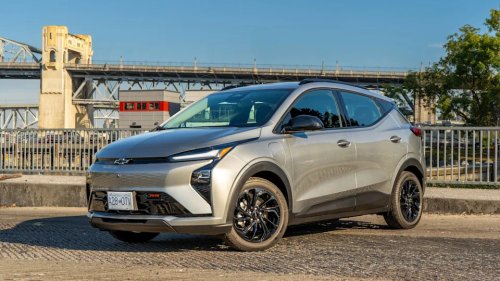
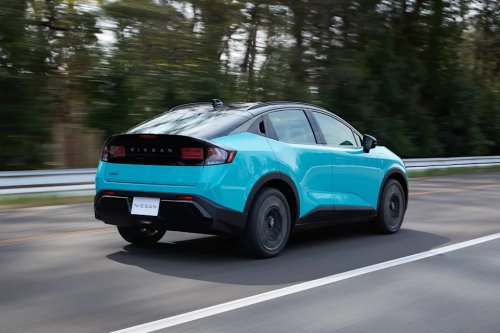
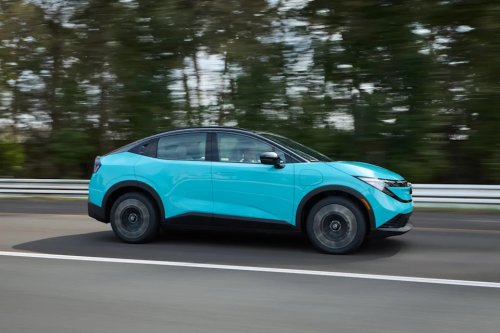
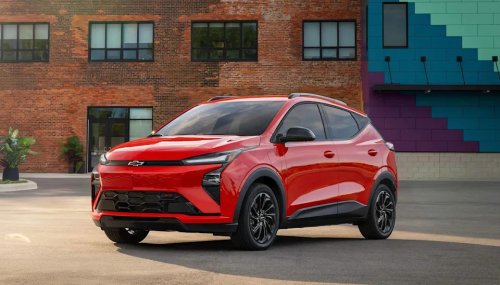
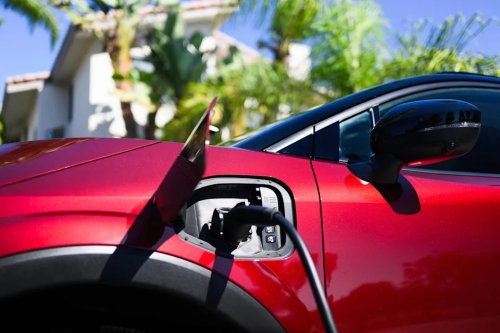
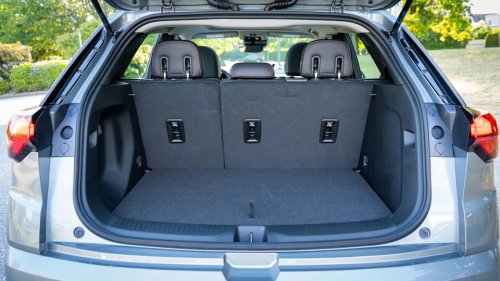
Chevy Bolt vs. Nissan Leaf: Which Bargain EV Wins?AutoblogAmos KwonThu, September 24, 2026 at 5:00 PM UTCAdd us on GoogleAutoblog and Yahoo may earn commission from links in this article.Forget the fact that many EVs today push well past the average new car price of $50k. That doesn't exactly make them approachable for many Americans. There are, however, exceptions to this rule, and affordable electric cars are finally becoming appealing. Two familiar names are the Chevrolet Bolt and Nissan Leaf. Both are compact, five-passenger EVs with enough range for most households, access to the North American Charging Standard network, and price tags that undercut most electric crossovers.Untitled design – 1The Bolt returns after a three-year hiatus. It skipped 2024-2026 before returning for the 2027 model year using the larger Bolt EUV body and charging and range modifications. The Bolt will have a limited run and will be short-lived (18 months), so the timeframe in which you can get your hands on one is pretty brief. The Leaf is the 3rd generation model, taking the economical EV into fresh crossover design territory and far better range than the first two. The question remains, which one is the better choice?The PriceCole AttishaThe 2027 Chevrolet Bolt is, literally, the cheapest EV you can buy in America right now. The Base Bolt LT opens at $28,995 including destination, while the 2026 Nissan Leaf S+ starts at $31,485 including freight. That roughly $2,500 gap matters when buyers are trying to save money while transitioning from gas to electric. Considering the upwards of $1,800 cost of charging annually on a DC fast charger (driving an average of 12,000 miles per year), that difference could weigh heavily in the Bolt's favor.Another factor to consider is that much of the argument for transitioning fuel types has to do with overall cost, not just cost to charge. When issuing a down payment and considering the monthly cost, the Bolt looks attractive. That said, as more affordable models reach the market, the financial case for cheaper EVs becomes stronger—especially for drivers with predictable daily mileage and access to home charging. Both cars win in this regard because they're both very approachable in terms of price.Electric Range on a Full ChargeAdvertisementAdvertisementThe Bolt offers 210 horsepower, a 65-kWh lithium-iron-phosphate battery, and up to 262 miles of EPA-estimated range. The LFP battery chemistry is important to note because it is generally well-suited to frequent charging to 100 percent, a useful trait for owners who want to maximize day-to-day usable range.On the flipside, the 2027 Nissan Leaf costs more than the Bolt, but Nissan puts more battery capacity and potential range on the table. The extended-range version uses a 75-kWh pack and is rated for up to 303 miles, a substantial advantage over the Bolt. Even the Leaf's lower-range all-wheel-drive configuration is rated at 259 miles, essentially matching the Chevy. That 41-mile advantage in the Leaf's best configuration makes it very attractive for those who don't want to charge as much. That could be nearly two days of commuting range.ChevroletThe Leaf also creates more of a range cushion in winter, at highway speeds, or when carrying passengers and cargo. A single digit difference isn't much to get excited about but 41 miles is real. In real world testing, both the Leaf and the Bolt exceeded their EPA estimates, but the Leaf still finishes ahead.The Bolt is still solid when it comes to range. 262-miles in the Bolt is not short-range. It's actually more than the much pricier Volvo XC40 Recharge's 240 miles. For a household with home charging and a normal commute, it supplies more than enough distance between charges. Buyers should not pay extra for the Leaf's range if they will rarely use it because their home charger juices up the battery every night.Electric Charging Speeds2027 Chevrolet Bolt ChevroletBoth EVs accept DC fast charging at up to 150 kW, and both use NACS hardware for access to Tesla-style fast-charging infrastructure. That is a huge improvement over the old Leaf, whose CHAdeMO connector became a disadvantage as the public charging market shifted toward newer standards. The previous Leaf could take as much as 45 minutes to charge on a DC fast charger, depending on battery size. That time has dropped to 35 minutes for the 2027 model.2027 Nissan Leaf Cole AttishaThe Bolt nevertheless claims the quicker juice-up time. Chevrolet says it can charge from 10 to 80 percent in about 26 minutes, versus Nissan's 35 minutes. While 9 minutes doesn't seem like much, in the real world, it feels like a substantial amount of time. The difference will be palpable on longer trips. A roughly 25-minute stop is much easier to manage, particularly when multiple charging sessions are needed in one day.Space and Usability2027 Nissan LeafAdvertisementAdvertisementThe Leaf is the stronger cargo hauler with the rear seats occupied. It offers 20 cubic feet of cargo room behind its second row, compared with 16.2 cubic feet in the Bolt. The 3.8 cubic-foot difference is noticeable when you have rear passengers. You won't be fighting to cram your gear in since that's about the equivalent of two carry-on pieces of luggage. Fold the seats down, though, and the difference isn't as drastic: 55.5 cubic feet in the Nissan versus 56.3 in the Chevy.2027 Chevrolet Bolt RSCole AttishaWhen it comes to interior passenger space, the Bolt offers 44.3 inches of front legroom and 39.1 inches of second-row legroom. Front headroom (without sunroof) measures 40.0 inches and the back gets 37.8 inches. The Leaf's legroom gets eclipsed by the Bolt with 42.4 inches of front row legroom, while the rear second-row legroom measures just 31.8 inches. Headroom in the Leaf is a smidge less than the Bolt at 39.9 inches in front (without sunroof) and 37.3 inches in back. If your focus is on occupant space, the Bolt wins. If it's cargo, then go with the Leaf.Verdict: Chevy Bolt Works Best For Most BuyersThe Chevy Bolt wins this bargain-EV matchup because it costs less, charges faster, offers more passenger space, and delivers nearly identical maximum cargo capacity. Its range isn't as good as the Leaf's, but it still delivers more than 260 miles of rated range. It is the more compelling choice for buyers who charge at home, want the lowest possible payment, and need an EV that works as an everyday commuter and occasional-trip vehicle.Choose the Nissan Leaf instead if maximum range and seats-up cargo space are priorities. Its maximum 303-mile rating reduces range anxiety, and its extra rear cargo volume will appeal to drivers carrying strollers, camera gear, grocery runs, or family luggage. long-range small EV, but the Bolt is the more attractive bargain.AdvertisementAdvertisementThis story was originally published by Autoblog on Sep 24, 2026, where it first appeared in the Features section. Add Autoblog as a Preferred Source by clicking here.





















 +62 others