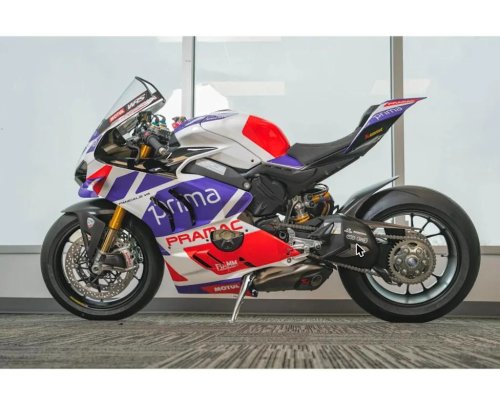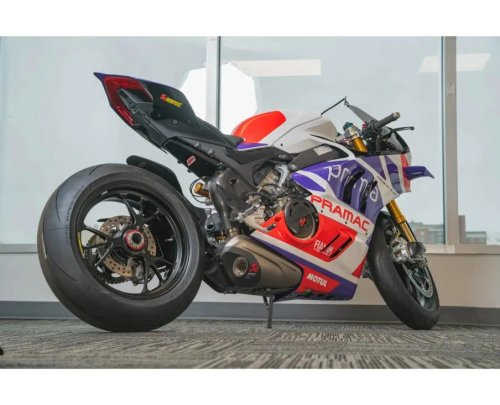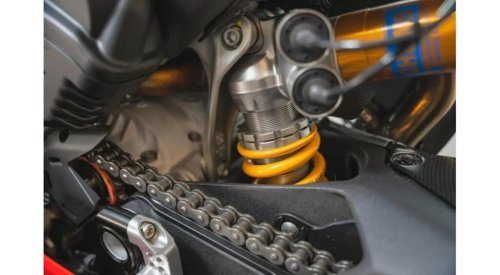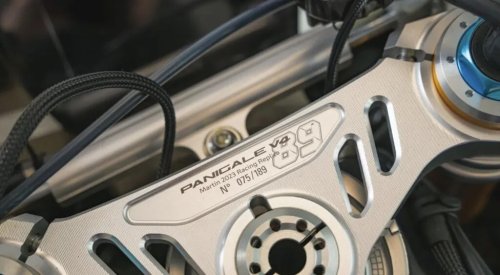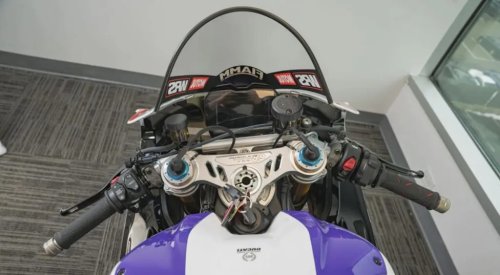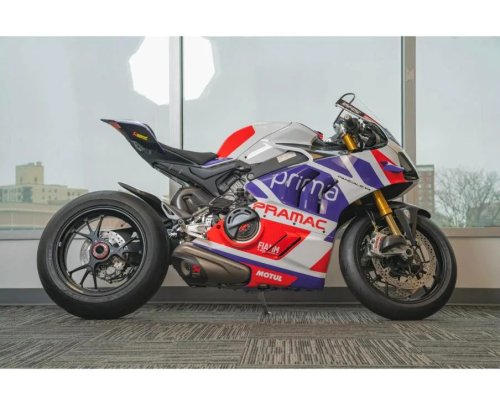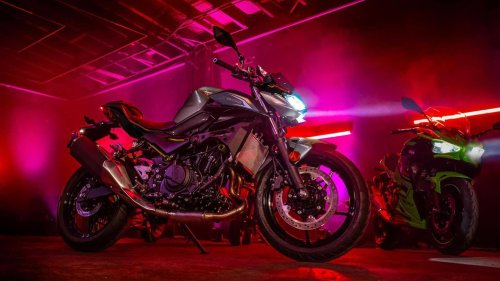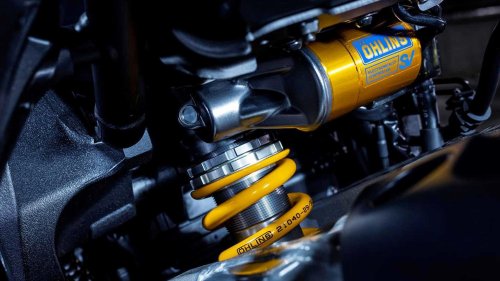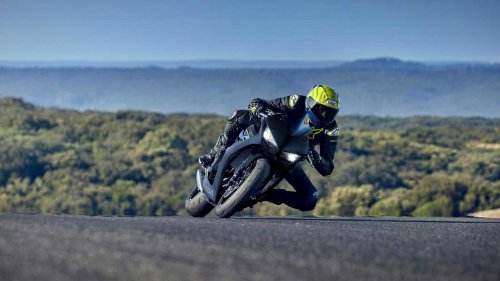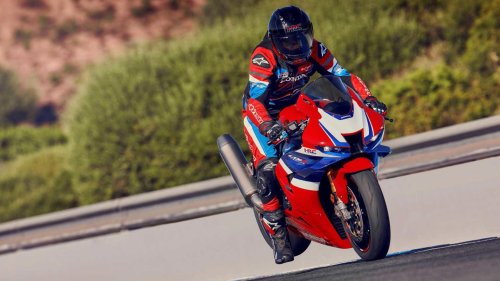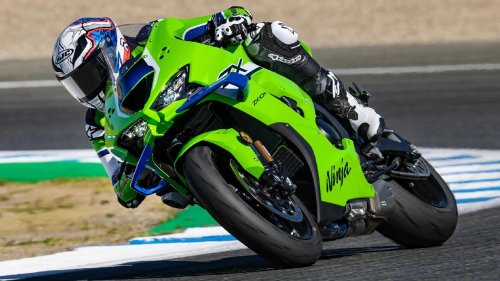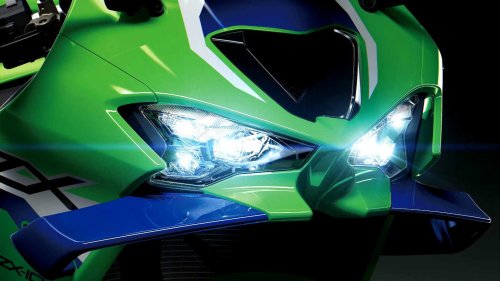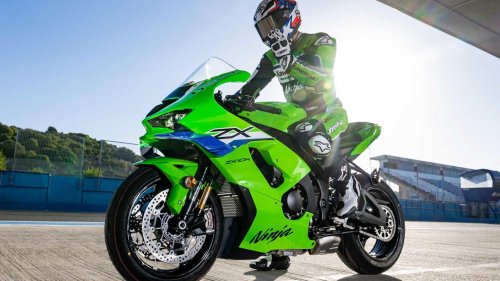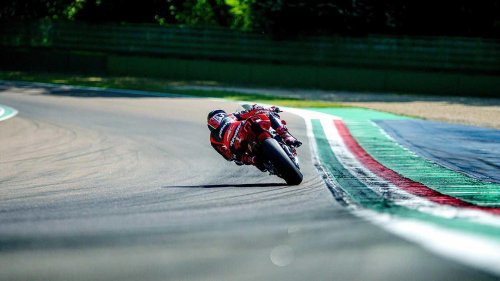
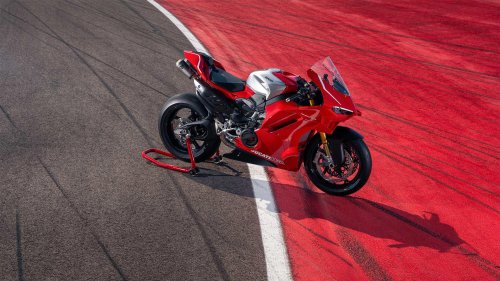
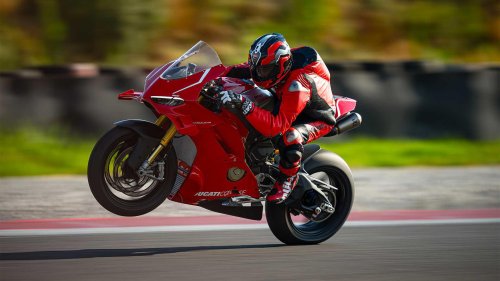
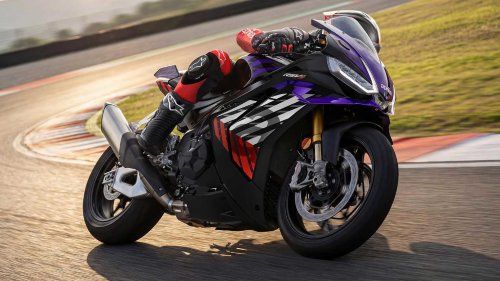
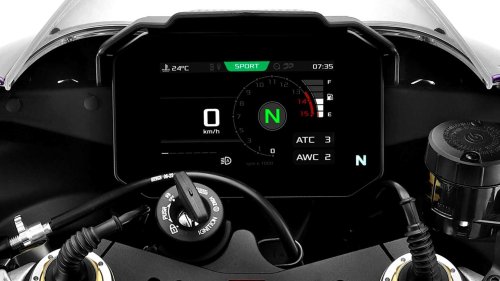
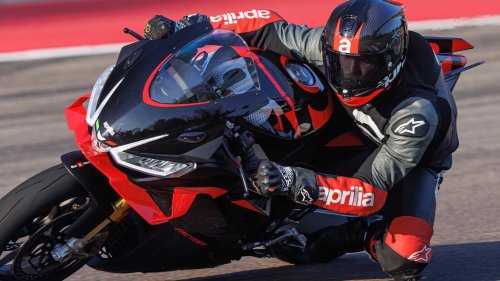
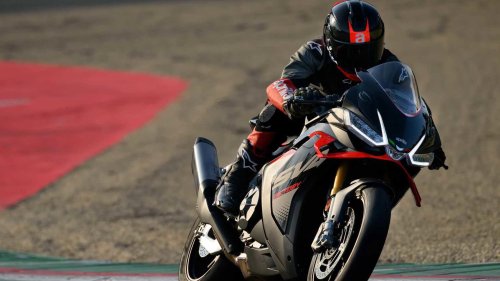
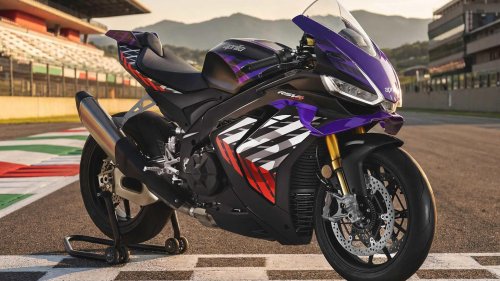
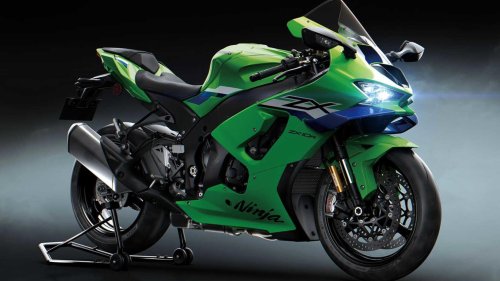
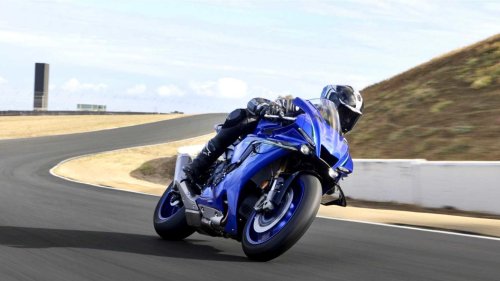
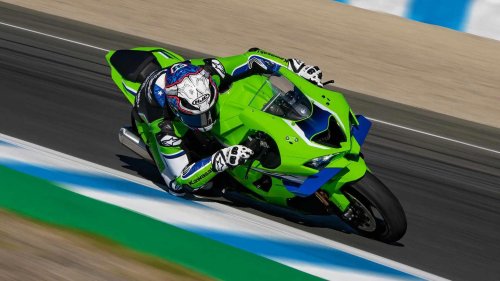
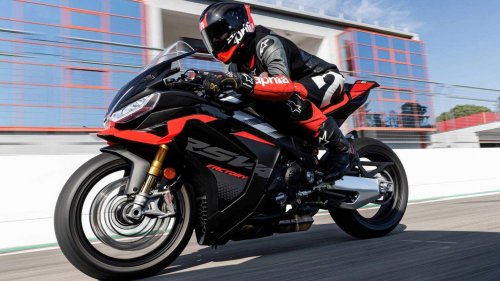



















There’s a point a lot of experienced track riders eventually reach where the motorcycle that impresses them most stops being the motorcycle they actually want to ride all day. Early on, the dream is usually something dramatic and intimidating. A bike that feels violent, loud, razor sharp, and slightly unhinged. That’s exactly why Ducati’s Panigale has become such a modern superbike icon.It delivers an experience that feels incredibly close to a factory race machine, and on a perfect lap in the hands of a committed rider, it’s astonishingly fast. But veteran track riders eventually start prioritizing something else entirely. They begin caring more about communication, stability, and consistency than outright spectacle. That’s exactly why other liter-class superbikes are starting to come into the picture. Why Veteran Riders Sometimes Move Away From The Panigale Ducati The Ducati Panigale V4 absolutely deserves its reputation. With a 1,103cc Desmosedici Stradale V4 engine producing a claimed 216 horsepower and 89 pound-feet of torque (205 HP in the US), the bike delivers performance numbers that border on absurd for something carrying license plates and mirrors. Ducati pairs that power with MotoGP-derived aerodynamics, Öhlins electronic suspension (on the V4 S), a six-axis IMU, slide control, launch control, and wheelie control. The current bike weighs just 414 pounds dry, which only amplifies how aggressive the entire package feels.DucatiWhat makes the Panigale so spectacular is also what eventually pushes some experienced riders toward alternatives. Ducati intentionally engineered the bike to feel aggressive and hyper-responsive. The steering reacts instantly, the chassis places enormous emphasis on front-end feel, and the engine constantly delivers the sensation that it wants to explode toward the horizon. On a short, committed session, that character feels intoxicating. Over multiple sessions, though, some riders begin realizing that the Panigale demands a lot physically and mentally. The Ducati’s Aggression Is What Makes It Both Thrilling And Demanding Ducati That’s the thing many riders eventually discover after enough advanced-group track days. The Panigale rewards absolute commitment more than correction. If your braking markers are perfect and your inputs are precise, the Ducati becomes unbelievably effective. But if fatigue starts creeping in, or if your lines get slightly messy late in the day, the bike can become exhausting in ways some rival liter-class superbikes aren’t. Why The Aprilia RSV4 Can Be Described As The Rider’s Superbike ApriliaThat's where the Aprilia RSV4 comes in. What separates the Aprilia is how stable and predictable it feels while doing genuinely outrageous things. The chassis remains incredibly calm under heavy braking, even while trail braking deep into corners, and the bike transitions from side to side with precision without becoming nervous or twitchy. That front-end communication has become one of the RSV4’s defining traits because riders always seem to know exactly how much grip remains available.ApriliaIn addition, the Aprilia RSV4 has built one of the strongest reputations in the superbike world because of how composed it feels at the limit. It also comes loaded with premium hardware, including Öhlins Smart EC 2.0 semi-active suspension, Brembo Stylema calipers, forged aluminum wheels, aerodynamic winglets, and Aprilia’s APRC electronics suite with cornering ABS, traction control, slide control, engine brake management, and wheelie control. Wet weight sits around 445 pounds, remarkably light considering the performance involved. How The RSV4’s Chassis And V4 Engine Reward Precision And Commitment Aprilia The RSV4’s V4 engine also plays a huge role in why experienced riders connect with the bike so strongly. Unlike some inline-four superbikes that deliver power with a violent rush near redline, the Aprilia’s V4 spreads torque in a way that's directly connected to rear tire grip. Riders often describe the throttle response as intuitive because the engine gives strong drive off corners without constantly feeling like it’s trying to overwhelm the rear tire. That allows experienced riders to confidently pick the bike up and get onto the throttle earlier, which is ultimately where a lot of lap time is found.Aprilia Aprilia’s electronics calibration also deserves enormous credit. Modern superbikes all have sophisticated rider aids now, but veteran riders usually care less about how many electronic systems exist and more about how naturally they operate. The RSV4’s traction and slide-control systems tend to intervene progressively instead of abruptly, and in 2026, the package is better than ever. You get literally everything you'll ever need here. Impeccable Value In The US ApriliaThere’s also the matter of value. In the US, the Aprilia RSV4 starts at $19,699, which makes it surprisingly competitive considering the level of performance and hardware involved. For a motorcycle that many experienced riders consider one of the best-handling superbikes ever made, the pricing starts looking very attractive next to some of its European rivals. As a reference, the Factory undercuts the Panigale V4 S by nearly $9,000. We don't need to tell you how many mods that moolah can get you! The Yamaha R1 And ZX-10R Still Have A Place In Advanced Groups Kawasaki Of course, the RSV4 isn’t the only motorcycle veteran riders trust over a Panigale. The Yamaha YZF-R1 and Kawasaki ZX-10R continue to dominate advanced-group paddocks because they excel in slightly different ways. Why The R1 Is A Solid Tool For Riders Refining Their Technique YamahaThe latest-spec R1 might not be very new, but it remains one of the most respected track bikes anywhere because of how naturally the chassis communicates grip. Yamaha’s 998cc crossplane inline-four produces roughly 198 horsepower and 83 pound-feet of torque, but the bike’s biggest strength has always been the connection riders feel between throttle input and rear tire behavior. The bike rewards smooth inputs instead of brute-force aggression. Riders quickly learn to trust the front end, and the crossplane engine’s torque delivery gives excellent feel exiting slower corners where throttle precision becomes critical. Why The Kawasaki ZX-10R Remains A Crowd-Favorite Kawasaki Kawasaki’s electronics suite has long been regarded as one of the smoothest in the superbike category, and that refinement becomes especially valuable once riders start pushing hard late into a session. The ZX-10R tends to stay composed while driving hard off corners, which gives riders confidence to get onto the throttle aggressively without constantly worrying about abrupt interventions from traction control systems. It’s one of those motorcycles that simply feels repeatable, and veteran riders care deeply about repeatability.That’s also why the ZX-10R became such a dominant platform in WorldSBK competition for years. The bike might not create the same emotional spectacle as a Panigale or RSV4, but it consistently lets riders access a huge percentage of the motorcycle’s performance without excessive drama. In advanced track riding, that becomes an enormous advantage. Its new reduced MSRP further makes matters more lip-smacking. Why Veteran Riders Ultimately Prioritize Trust Over Spectacle Modern superbikes are all unbelievably fast now. They all accelerate hard enough to feel surreal, brake hard enough to punish weak core muscles, and corner faster than most riders will ever fully exploit. At this level, the differences in outright performance are surprisingly small. What actually separates these motorcycles is personality and how effectively they communicate with the rider once things get serious. The Fastest Superbike Isn’t Always The Most Hyped Aprilia That’s why so many experienced riders eventually gravitate toward the RSV4 over the Panigale. Not because the Ducati lacks performance, because it absolutely doesn’t. The Panigale remains one of the most thrilling motorcycles ever built. But the Aprilia delivers comparable performance with a calmer, clearer, and more confidence-inspiring personality once riders begin operating near the limit. It communicates grip beautifully, stays composed under braking, and encourages riders to push harder.And ultimately, that’s what veteran riders learn matters most. The best track bike isn’t necessarily the one that feels the wildest for one perfect lap. It’s the one that lets riders consistently access their own potential lap after lap without constantly fighting the motorcycle underneath them. For a lot of experienced track-day riders, that’s exactly why the RSV4 became the rider’s superbike.Sources: Aprilia, Yamaha, Kawasaki, Ducati