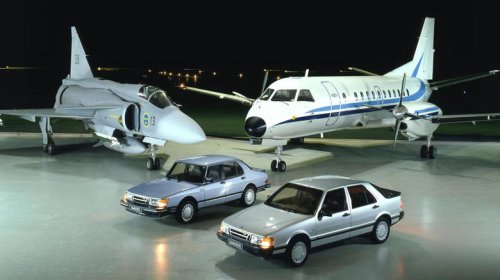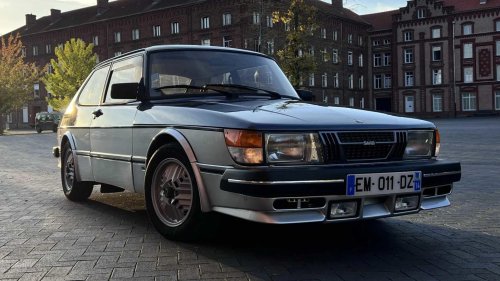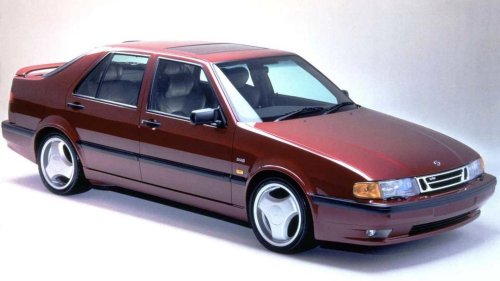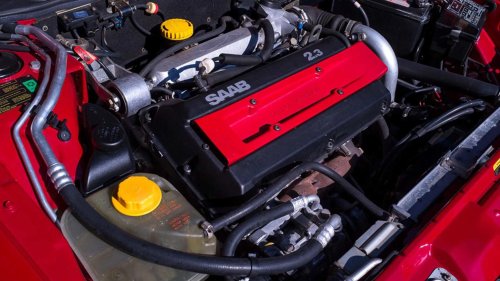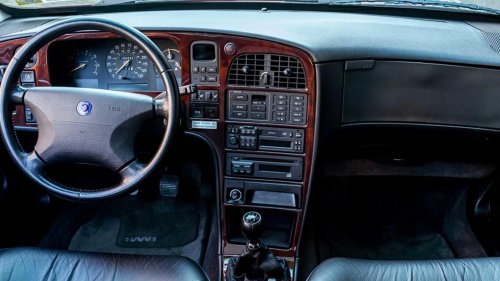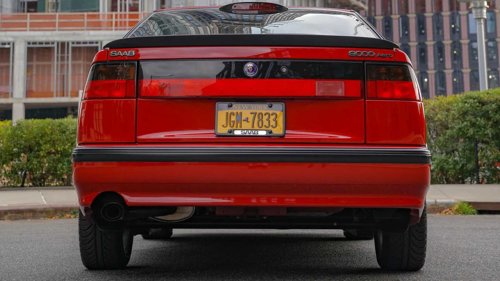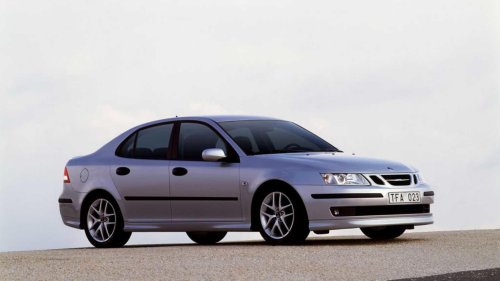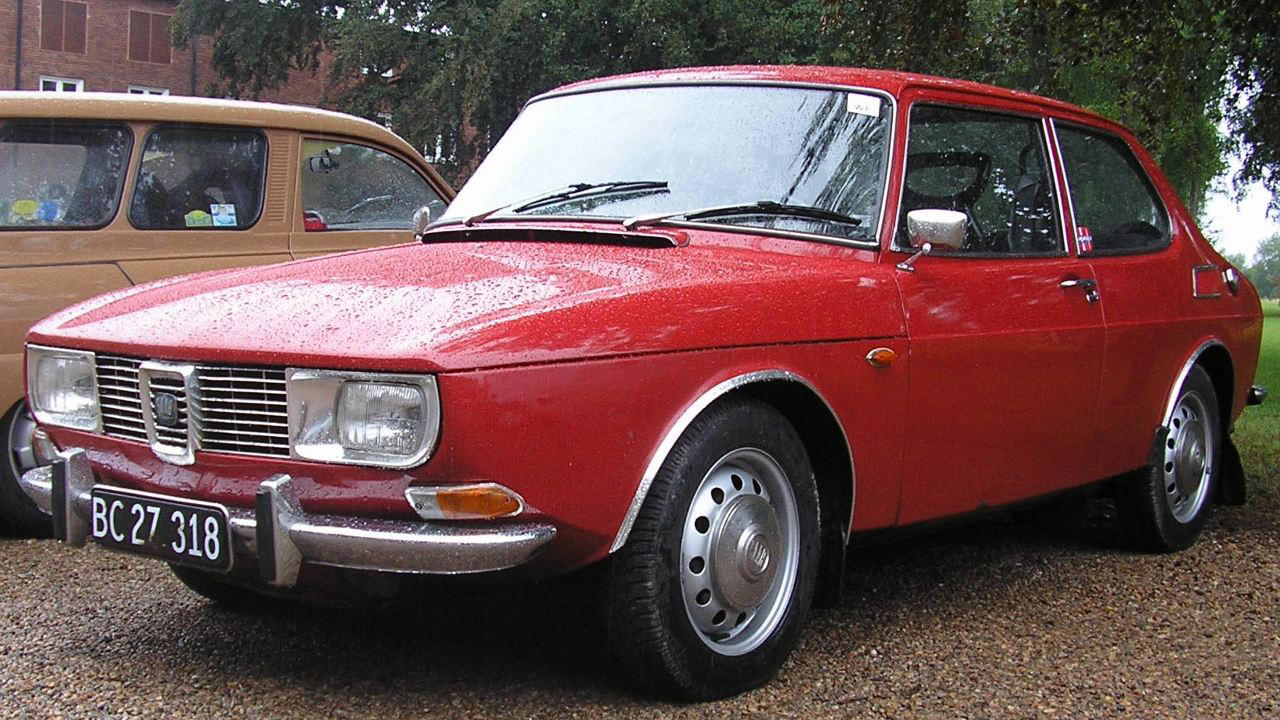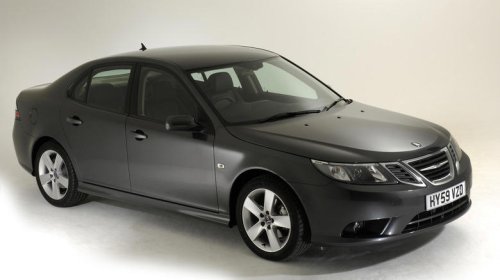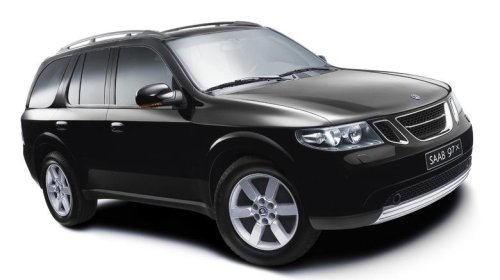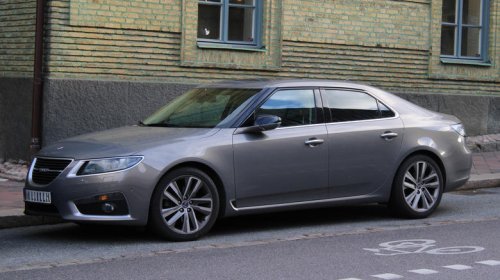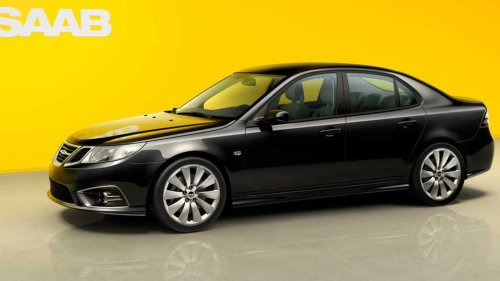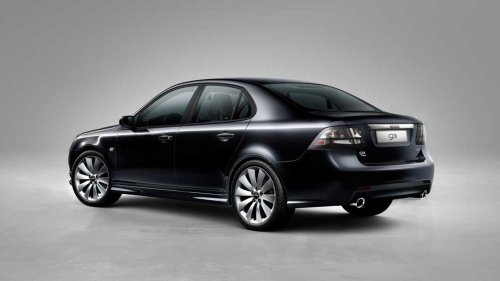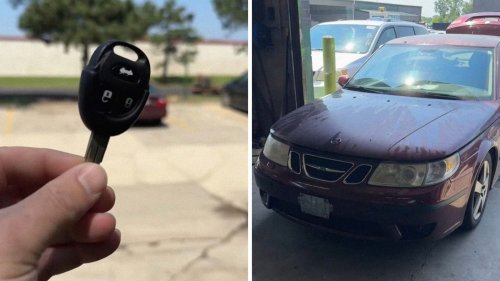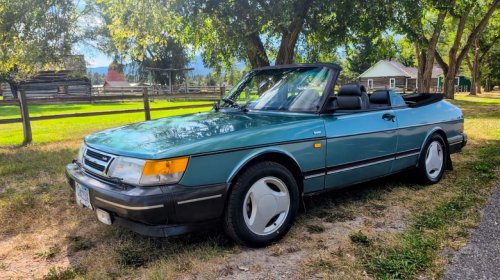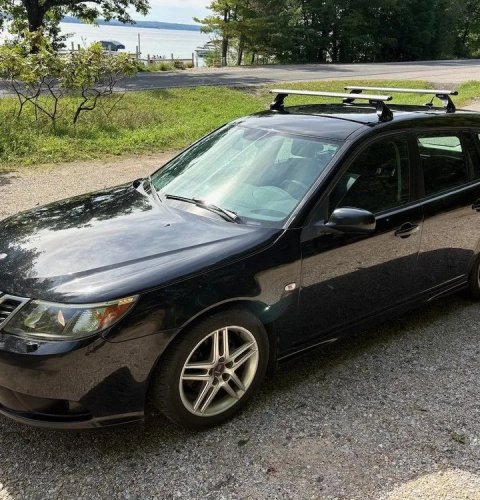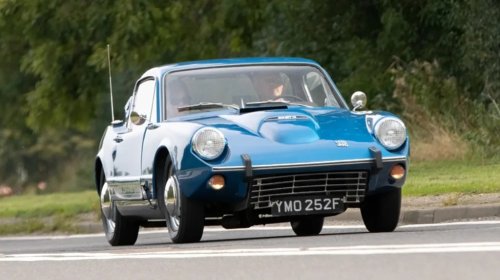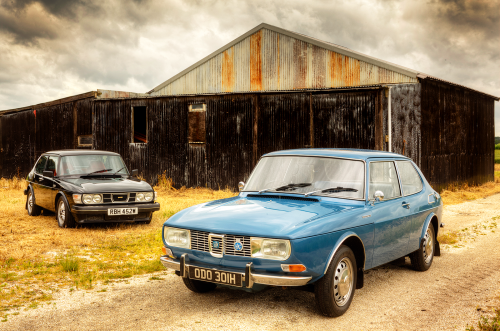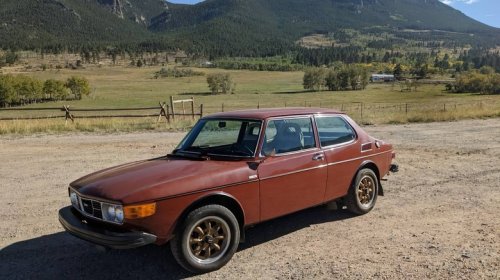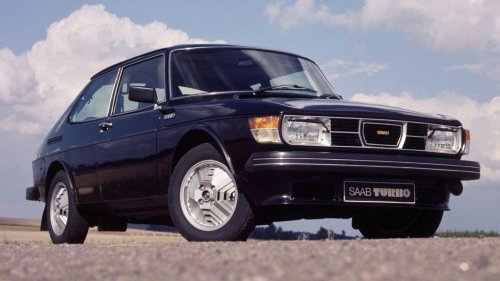
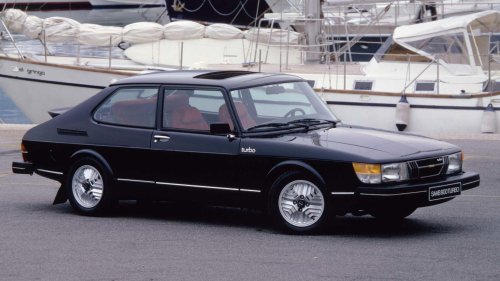
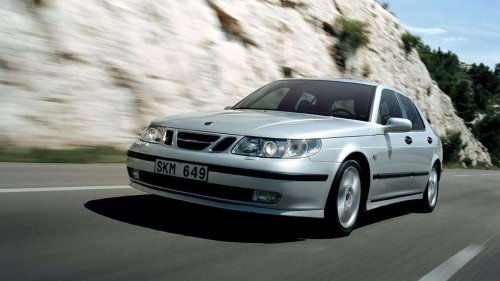
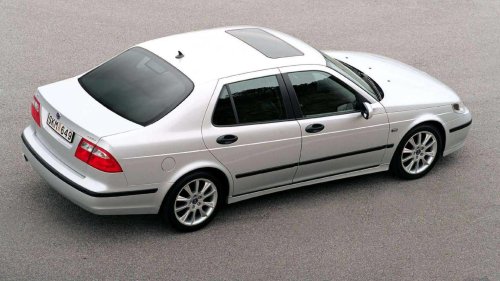
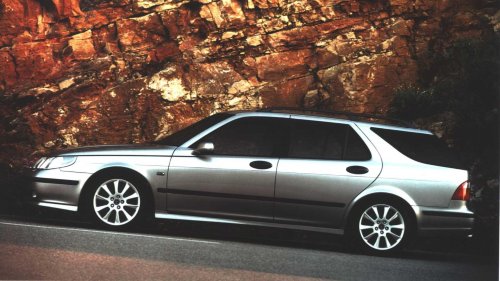
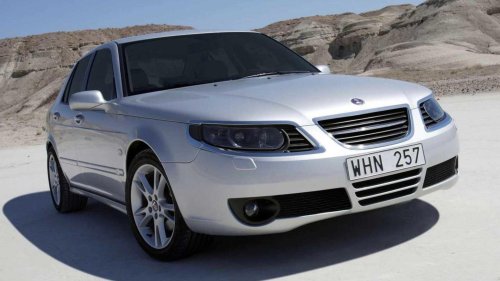
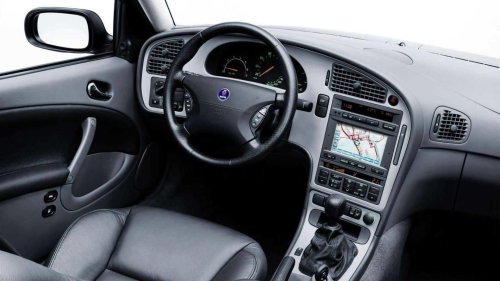
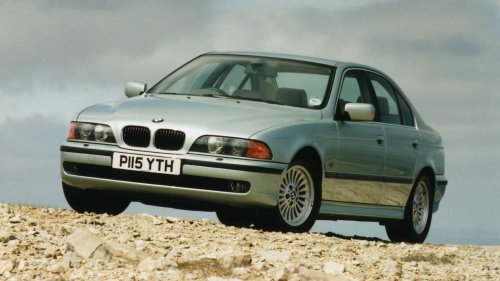
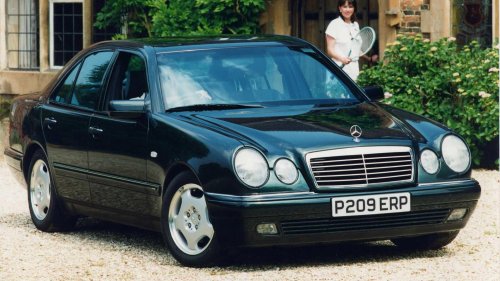
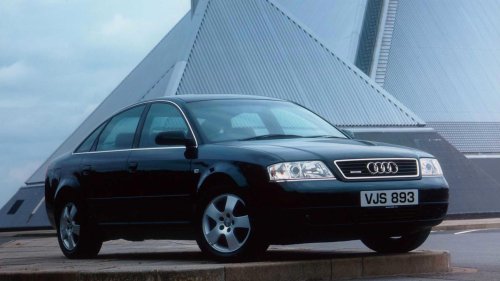
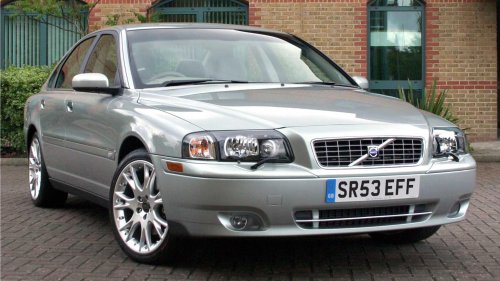
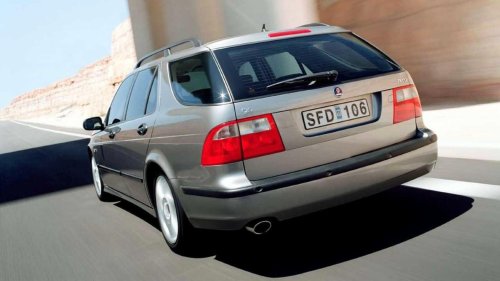



















Think of countries known for producing sport sedans, and the first that'll likely come to mind is Germany, probably followed by Japan or the US. Sweden? Not so much.That's despite Volvo having a solid history of fast sedans, going back to the boxy 240 Turbo and running right up to the recently discontinued S60 T8 Polestar Engineered. But for many years, of course, Volvo had a domestic competitor in the form of the dearly departed Saab, and it too had a solid tradition of sporty four-doors, culminating in the seriously quick 9-5 Aero of the 2000s. Fast Saabs: a brief history Saab Saab started making sporty versions of its everyday compact cars and sedans with the launch of the 99 Turbo in 1978, one of the earliest production cars to employ turbocharging for a performance boost. Turbocharging would remain a theme for the fastest variants of its successor models, the 900 and the 9-3, and when the larger 9000 debuted in 1984 to take on the BMW 5 Series, it too used a turbo on its sportiest models.Saab A particularly important step in this journey came in 1984 with the launch of the 900 Aero, known as the 900 SPG (Special Performance Group) in the US and 900 Turbo 16S in the UK. This 160-hp turbocharged wedge was the first car to wear what would become Saab's signature performance badge, a name doubtless meant to evoke the fighter jets made by the Saab aerospace company that still controlled the car manufacturer at the time. The 9-5 Aero SaabThe Saab 9-5 went into production in 1997 to replace the 9000, lined up to take on the executive sedan class of the day like the E39 BMW 5 Series, C5 Audi A6 and incoming W211 Mercedes E-Class. By this time, half of Saab was owned by General Motors (it would take full control in 2000), and the 9-5 – along with the smaller 9-3 – sat on GM's front-wheel drive GM2900 platform, shared with the European Opel Vectra and later the Saturn L-Series. Initially available as a sedan, a station wagon arrived a year later.Saab Engines included Saab's own H-series inline-fours, a design dating back to the early 1980s, and Opel's V6. Unusually, though, the V6 version wasn't the range-topper. That honor went to the Aero model, launched in 2000 and equipped with Saab's 2.3-liter four-cylinder, boosted by what the company branded a "High Output Turbo", leading to the handy "HOT" acronym sometimes applied to these cars.Saab Sending all its power to the front wheels, this engine at first produced a quoted 227 hp and 258 lb-ft of torque. It had a trick up its sleeve, however: models equipped with the standard five-speed manual featured "Superboost", essentially an overboost function that temporarily bumped peak torque up to 273 lb-ft for 20-second bursts. A four-speed auto was available too, albeit with torque limited to 243 lb-ft.The result was an impressively quick car, especially for something that seriously undercut its German rivals on price: 0–60 mph took around 6.5 seconds, and the top speed was 149 mph. To cope with the extra performance, the Aero sat 0.4 inches lower than other 9-5s, and received beefed-up anti-roll bars, stiffer springs and dampers and larger front brakes. Rounding out the package was a subtly more aggressive body kit, although the 9-5 Aero was still very much at the sleeper end of the sport sedan spectrum.Saab The 2002 model year saw a facelift for the 9-5, and with it, the quoted power from the Aero's engine went up to 247 hp. The automatic was upgraded to a stronger five-speed, too, allowing the full 258 lb-ft to be deployed across both gearboxes, although the manual still made 273 lb-ft with Superboost for ultimate bragging rights.During this period, US buyers of the Aero even got access to the Saab Aero Academy thrown in: a two-day high-performance driving course at the Road Atlanta circuit. The same facelift saw Saab ditch the short-lived V6 in other models, to be replaced by a less potent version of the 2.3-liter turbo.Saab The first-generation 9-5 was a remarkably long-lived car, partly due to Saab's often cash-strapped state, and for 2006, the car's ninth model year, a second major facelift was introduced. This is where things also get a little murky for the Aero model – the engine's output was upped again to 256 hp, but Saab's accompanying press release talks of a slimming down of the trim levels, with a unified 2.3T trim now sitting at the top of the range.The model as a whole got a series of chassis tweaks with a goal of bringing extra sportiness to the whole range, but buyers hankering for the full Aero experience could option a Sport Package that threw in the extra chassis changes previously exclusive to the Aero.However, Saab's trim and equipment levels around this time were notoriously subject to change at the company's whim, and Aero badges still appeared on Sport Package-equipped cars. All 2.3T models now received the full complement of 256 hp, though. This remained the case until the first-generation 9-5 sedan went out of production in 2009, followed by the wagon in 2010, by which point the model was a remarkable 13 years old.This wasn't quite the end of the road for the 9-5 Aero. For the 2010 model year, an all-new second-generation 9-5 was launched, and an Aero model once again topped the range. This time, however, it was simply a trim level with extra standard equipment rather than a dedicated performance model. The fate of this generation of 9-5 is all too well known: unveiled just before Saab's turbulent sale from GM to small Dutch supercar maker Spyker, production lasted for just over a year until it was halted by the brand's financial strife in 2011. By the end of that year, Saab was no more. How did it compare to rivals? BMW Obviously, the 9-5 Aero was never designed to compete with the full-fat super saloons of the day – not in an era when the BMW M5 had a 4.0-liter, 394-hp V8, then a 5.0-liter, 500-hp V10. It was more of a competitor to the mid-range sports models of the executive sedan class, like the BMW 540i, Volvo S70 R and later S80 T6 and, in Europe, the 3.0-liter V6 Alfa Romeo 166. Buyers could also consider the 2.7-liter turbo V6 or 4.2-liter V8 versions of the Audi A6, the Mercedes-Benz E430, Lexus GS 300 or Jaguar S-Type V8.Mercedes-Benz When the car was first launched in 2000, Saab organized a series of races between a 9-5 Aero Wagon, a V8-powered BMW 540iT and a five-cylinder turbo Volvo V70 R, on the runway at New Mexico's Angel Fire Airport. That location was chosen in particular because it sits around 8,600 feet above sea level, and was intended to show off the high-altitude performance of the 9-5's high-pressure turbo engine. Indeed, despite it being the least powerful car there by a healthy margin, the Saab triumphed over its punchier rivals – although this was, of course, a PR stunt that had been carefully orchestrated by Saab.Audi Even so, the 9-5 Aero was initially well-received as a sports sedan, especially considering it was based on an already aging front-wheel drive platform and was up against newer, often rear-wheel drive competitors. Early reviews praised the relentless grunt offered by the engine right through the rev range, the stable, grippy handling and the relative lack of torque steer despite the hefty power going through the front wheels. Even then, though, it was never able to cut it next to the equivalent 5 Series as a driver's car, and the automatic transmission was criticized for its unresponsiveness.Volvo By the time of its second facelift in 2006, the 9-5 was really starting to show its age next to rivals. Even the mid-range BMW 528i wasn't far off the range-topping 9-5 Aero's power figure, and had the best chassis in the business to boot, while a contemporary Audi A6 or Mercedes E-Class offered more luxury. Meanwhile, Jaguar was about to launch the brilliant original XF, and the original Cadillac CTS had already proven that GM could build a competent rear-drive executive sedan, leaving the aging front-drive 9-5 looking rather unloved by the company.One thing the 9-5 Aero always did well, though, was value. On its launch in 2000, it retailed at $39,775 – over $10,000 less than a contemporary BMW 540i. Come the final 2009 model year, an automatic 9-5 Aero started at $41,425, while even the less powerful BMW 528i was $45,800. What's it worth today? Saab That good value seems to have lasted, as used 9-5 Aeros still regularly sell for under $10,000, with only the very lowest-mileage cars getting closer to $20,000 over the last few years. There's a good spread of sedans and wagons on the market, and while they often carry higher mileage figures, this is testament to their reputation for strong reliability as long as they've been properly maintained. Rust isn't known to be much of an issue, either.There is, of course, one caveat: Saab no longer exists, and because the company was notorious for extensively changing the underpinnings it was given to work with during its General Motors era, it's not as simple as popping down to your local GM service center. That's especially true with the 9-5 Aero and other models equipped with the 2.3-liter turbo engine, which was Saab's own design hailing from its independent era and not shared with any models outside the brand.Nevertheless, there remains a strong enthusiast community around the Saab brand and a good network of independent specialists, which should take some of the headache out of owning a car from a defunct brand. If it's a journey you're willing to take, then the 9-5 Aero represents an affordable way into a stylish, reliable and underrated sports sedan from a much-missed company that always liked to do things its own way.