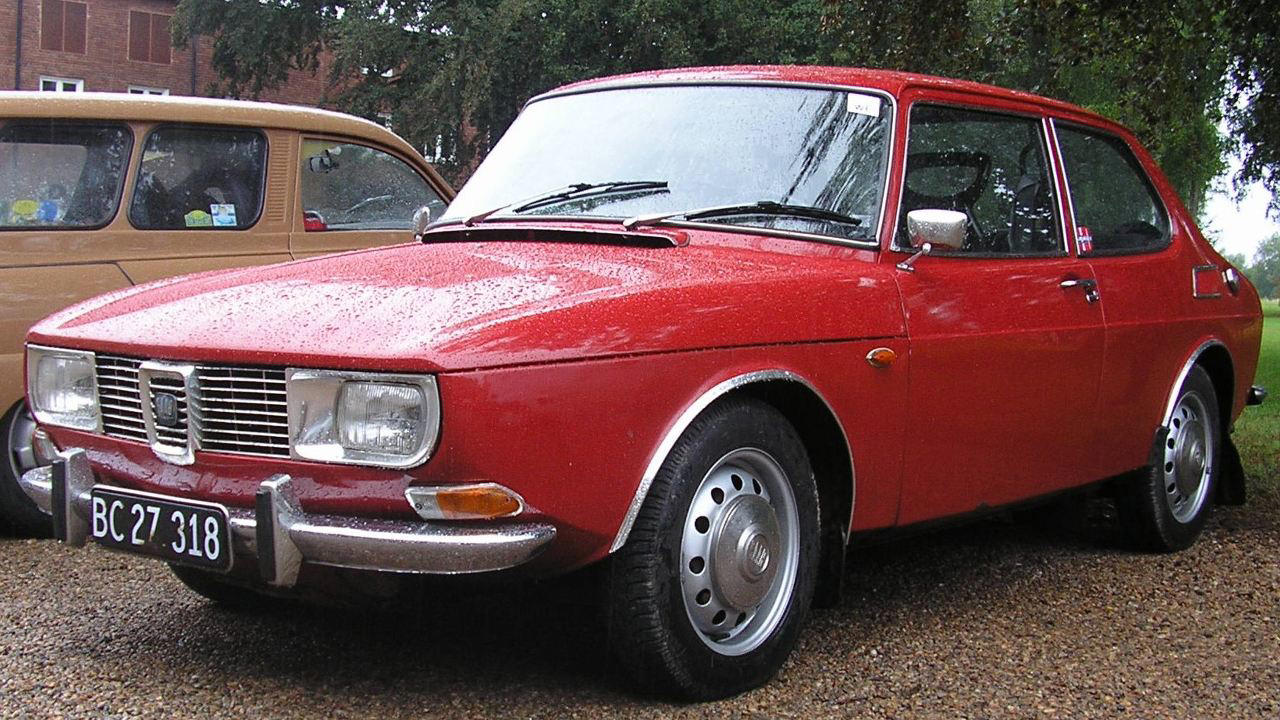
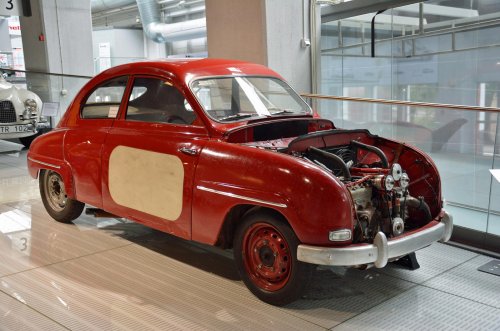
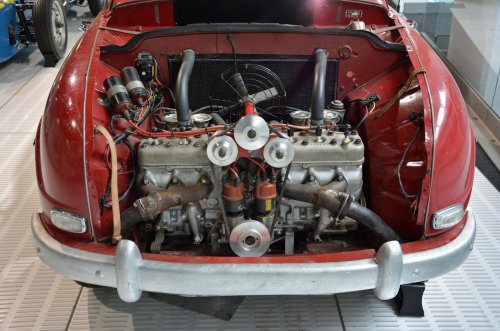
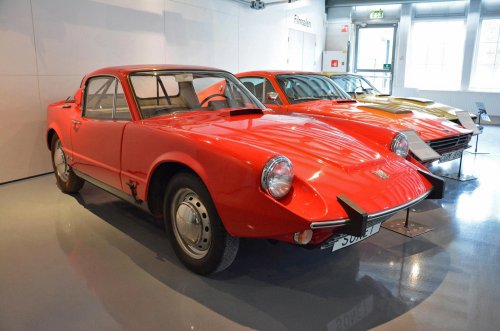
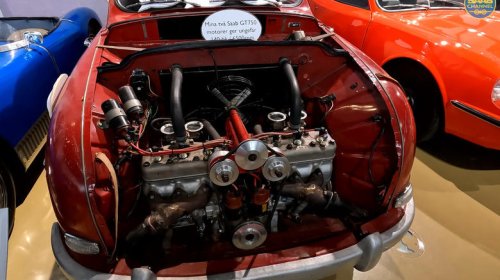
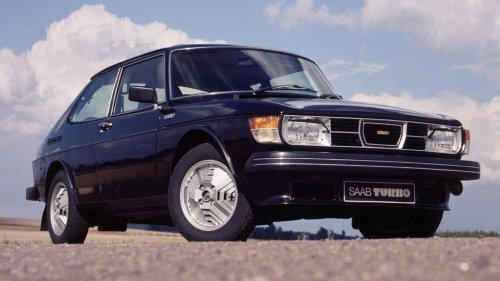
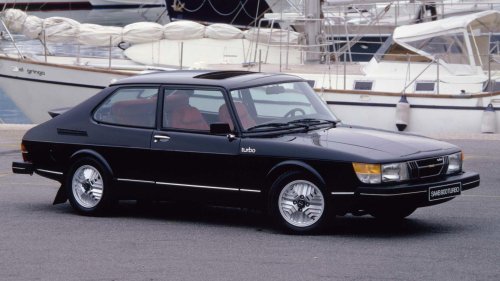
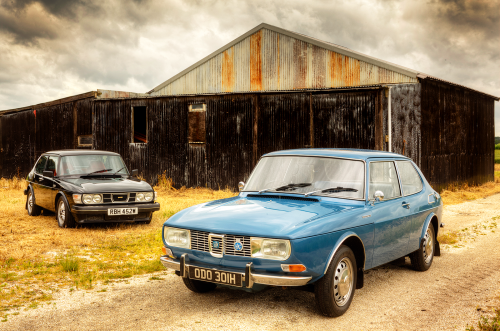
The 1969 Saab 99 brought innovation but also introduced unfamiliar repair challengesThe 1969 Saab 99 arrived as a compact executive car packed with clever engineering and Scandinavian design flair. It also asked owners and mechanics to rethink almost everything they knew about how a family sedan should be put together and, more importantly, how it should come apart for repair. That mix of innovation and complexity still defines the car’s reputation today, decades after the last example left the factory. From its unusual drivetrain layout to its aircraft-inspired safety thinking, the 99 reshaped expectations for a small premium car. At the same time, early engines, rust traps, and idiosyncratic service procedures created a learning curve that could be steep, especially for workshops used to more conventional European sedans. A new direction for a Swedish icon The 1969 model sat at a turning point for Saab. Earlier cars had competed with simple machines from VW, but the 99 pushed the company into compact executive territory. Enthusiasts later described how, up until the introduction of the 99, Saab mostly chased Volkswagen, and that the new car, which even shared half of a Triumph engine design, marked a strategic leap that some viewed as a gamble on more complex hardware and higher expectations. Period descriptions present the Saab 99 as a groundbreaking Swedish compact executive car that set the form language for the brand into the 1980s. Owners in a dedicated Saab 99 community still highlight how the model’s upright glasshouse, strong beltline, and clean surfaces defined a very Swedish idea of practical elegance. The 1969 cars introduced this new shape with details such as revised badges and hubcaps, while corporate changes in Sweden created Saab-Scania AB and signaled a broader industrial ambition. The 1969 Saab 99 therefore represents more than a new model year. It marks the moment when Saab tried to move from quirky small-car maker to serious player in the compact executive class, with all the engineering ambition and risk that shift required. Engineering features that looked like science fiction Under the skin, the 99 carried forward Saab’s commitment to front wheel drive. Official engineering literature notes that all Saab cars since the first production model in 1950 used this layout, and the SAAB 99 continued that tradition. The engine sat ahead of the passenger compartment, driving the front wheels, which helped traction in poor weather and freed interior space. What set the 99 apart was not just which wheels it drove but how the drivetrain was packaged. Later technical retrospectives describe a layout that enthusiasts are unlikely to see in another car, with the engine mounted in an unusual orientation over the gearbox. In the turbocharged versions that followed, this configuration became famous for combining compact dimensions with strong performance, and a detailed look at the 99 drivetrain highlights how unconventional the mounting really was. The engine itself started life as a collaboration with Triumph. Reports on the Saab 99 explain that Triumph soon upgraded the engine to 1.85 L, and that the four door Saab 99 (99CM4 series) appeared after that change. Engineering analysis of the Triumph design notes that it was designed to be installed at a 45 degree angle and narrow enough to form half of Triumph’s V8, with one row of head studs arranged in a way that would later complicate maintenance. For Saab, this compact, slanted four cylinder promised modern power and efficiency in a tight engine bay. Safety and ergonomics also showed aircraft thinking. The 99’s wraparound dashboard, clear instruments, and strong body structure reflected Saab’s aviation background. Contemporary engineering documents for the 1969 cars emphasize crash protection, visibility, and driver comfort as core goals, even if those priorities were less visible to casual observers than the car’s styling. From innovation to overengineering The same mindset that produced the 1969 Saab 99 later shaped the company’s broader trajectory. Historical analysis of Saab’s rise and fall argues that Saab always strived for perfection, and that having prioritized finding its feet in the car sector early on, the company then made a push toward ever more complex engineering. Commentators on how Saab overengineering link that drive for technical sophistication to both the brand’s cult following and its financial vulnerability. In the 99, this impulse showed up in details such as the intricate front suspension, the unusual engine mounting, and the focus on safety features that went beyond market norms. These choices differentiated the car from rivals but also made it more expensive to build and, in some cases, more demanding to service. Later corporate struggles, described in accounts of Saab’s 60-year history and eventual collapse amid corporate greed, can be traced back in part to the pattern that began with cars like the 1969 99: brilliant engineering that did not always align with mainstream cost or maintenance expectations. Why the 1969 99 still feels rare Spotting a 1969 Saab 99 on the street today is unusual, even by classic car standards. A widely shared story about a rare 1969 Saab in an eccentric setting captures that sense of scarcity. The writer admits not being fully up to speed on what makes all 99s such rare birds, but points to the early engines as an easy suspect, given their quirks and later reputation. Several factors help explain why so few early cars survive. The Triumph-based engines in the first 99s carried design compromises, including the 45 degree installation and the shared heritage with Triumph’s problematic V8. Enthusiasts on social media have linked Saab’s big mistake to using half of that Triumph design, arguing that it introduced complexity and reliability questions at exactly the moment Saab was trying to move upmarket. Body durability also played a role. Video investigations into later 5 door Saab 99 Turbo shells reveal extensive rust around structural areas, with fibreglass laid over rust holes and poor MOT repairs that left the car unsafe. One such inspection, which involved looking into the extent of the rust on a 5 door Saab 99 Turbo, showed fibreglass over rust holes and missing metal around suspension mounts. While that particular case focused on a Turbo, it illustrates how the basic shell, shared with earlier cars, could deteriorate sharply in harsh climates if not carefully protected. Unfamiliar problems in familiar places For mechanics trained on conventional European sedans, the 1969 Saab 99 turned routine jobs into puzzles. The slanted Triumph engine, tight packaging, and front wheel drive layout changed how technicians approached basic service tasks. Owners working on later 99s describe discovering cracking and dry rot on ignition wires while they had the distributor out, then replacing the wires with Magnecor’s KV85 leads as part of a larger refresh on a project rally car. That sort of job, straightforward on many engines, required extra patience on the 99 because of the confined space around the distributor and the angled engine. Online discussions about Saab maintenance echo the same theme. One contributor who referred to a 99 model with the B motor warned that anyone tackling a timing job should be very careful when handling the cam sprocket, since misalignment could lead to serious engine damage. The same thread, captured in a comments section on Saab maintenance, reflects a broader view that the 99 rewards methodical, informed work rather than quick, generic fixes. Hydraulic systems bring their own stories. A former owner of a 1972 Saab 99E 4 speed recalled that the car had a lot of work done, including attention to a leaky clutch that required frequent topping up. That sort of issue was not unique to Saab, but the combination of front wheel drive packaging and Swedish winter expectations meant that access and component choices could differ from what many workshops saw in other brands. Rust, repairs and the cost of doing it wrong Structural corrosion is a recurring character in the 99’s maintenance history. Video evidence from a detailed inspection of a Saab 99 Turbo shell shows how previous owners tried to pass MOT tests by laying fibreglass over rust holes, rather than cutting out and replacing affected metal. The presenter, looking into the extent of the rust on this 5 door Saab 99 Turbo, uncovers fibreglass over rust holes and missing structure around key mounting points, then prepares to mount the shell on a dolly to begin proper repairs. The 1969 cars, which often lived in the same wet and salted environments as later Turbos, faced similar threats. Wheel arches, sills, and suspension pick up points could rot from the inside out. Owners who treated the 99 like any other used sedan, with minimal rustproofing and patchy underbody care, sometimes discovered too late that the structure had weakened around critical areas. For modern restorers, that history means a thorough inspection of the underside and inner panels is essential before committing to a project. When repairs are done correctly, however, the 99 can be brought back from alarming states. Enthusiast forums document cases where cars with severe engine troubles or body issues were saved through careful work, with one contributor celebrating another 99 saved after diagnosing issues and replacing worn components. Those stories underline how the car’s complexity is not insurmountable, but it does punish shortcuts. Living with a 99 today Owners who run surviving 99s in regular use describe a mix of charm and responsibility. A feature on a 1971 Saab 99 L stresses that maintenance is a key issue to tackle correctly when owning an older car, and that many parts will have been on these vehicles for decades. The writer emphasizes that aging rubber, tired electrical components, and accumulated bodges from previous owners all need attention if the car is to remain reliable. Project builders who turn 99s into rally or track cars report similar lessons. In one project series, the team discovered cracking ignition wires while the distributor was out, then upgraded to Magnecor components as part of a comprehensive refresh of the ignition system. That kind of preventative approach, replacing marginal parts before they fail, has become standard practice among those who rely on the 99 for spirited driving rather than static display. Parts availability can be challenging but not impossible. The shared Triumph ancestry of the early engines means some mechanical components cross over with British suppliers, while dedicated Saab specialists and online communities help source model specific items. The front wheel drive layout, unusual engine angle, and unique body panels still mean that some repairs take more time and planning than on a more common classic sedan from the era. How the 1969 99 shaped Saab’s legacy The 1969 Saab 99 sits at the root of Saab’s later identity. The car introduced the design language that would carry into the 900 and beyond, and it established a template of safety focus, front wheel drive packaging, and engineering ambition that defined the brand. Enthusiasts who discuss how Sweden’s quirkiest car brand died often point to a 60-year journey that began with innovative, overbuilt cars and ended with corporate decisions that ignored that heritage. More from Fast Lane Only Unboxing the WWII Jeep in a Crate 15 rare Chevys collectors are quietly buying 10 underrated V8s still worth hunting down Police notice this before you even roll window down